
Karva Chauth is a cherished one-day celebration observed by Hindu women in the northern regions of India. This fast, maintained from dawn until the moon appears, is aimed at ensuring the safety and longevity of husbands (and sometimes fiancés). Join us to delve deeper into this ancient and significant festival.
Preparing for the Festival
Step 1: Know Where the Festival is Celebrated
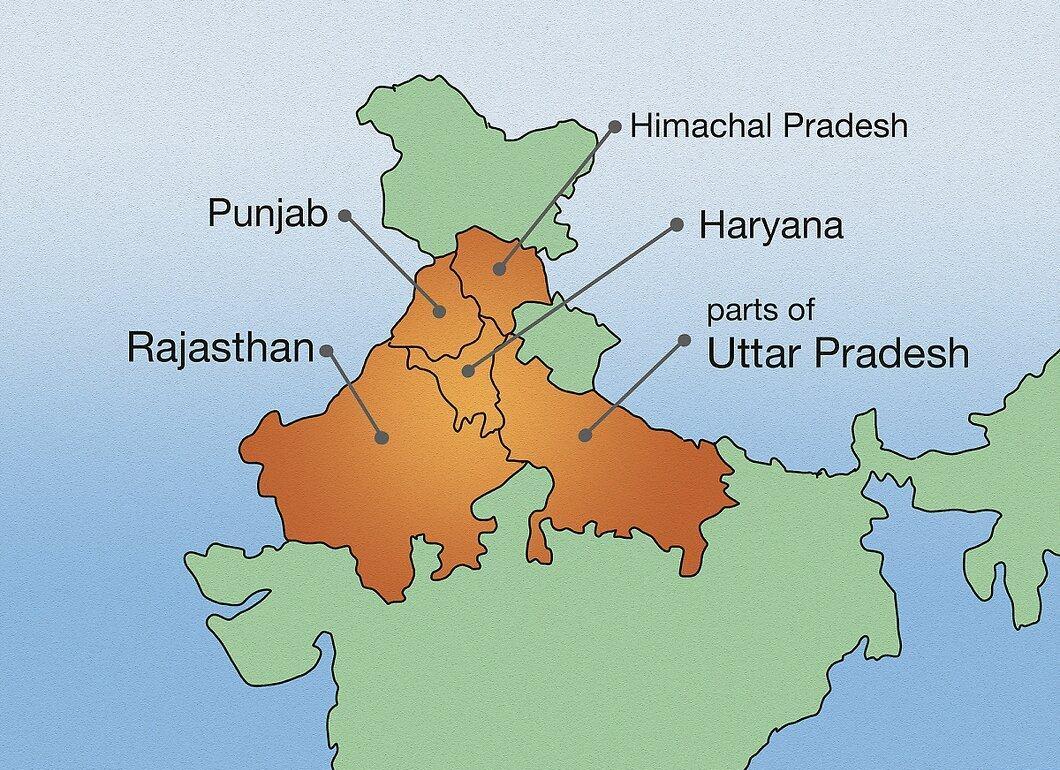
The Karva Chauth festival is celebrated in places such as Rajasthan, parts of Uttar Pradesh, Himachal Pradesh, Haryana, and Punjab. Although similar festivals are found in other parts of India, Karva Chauth is unique to the northern regions.
Step 2: Start Preparing Early
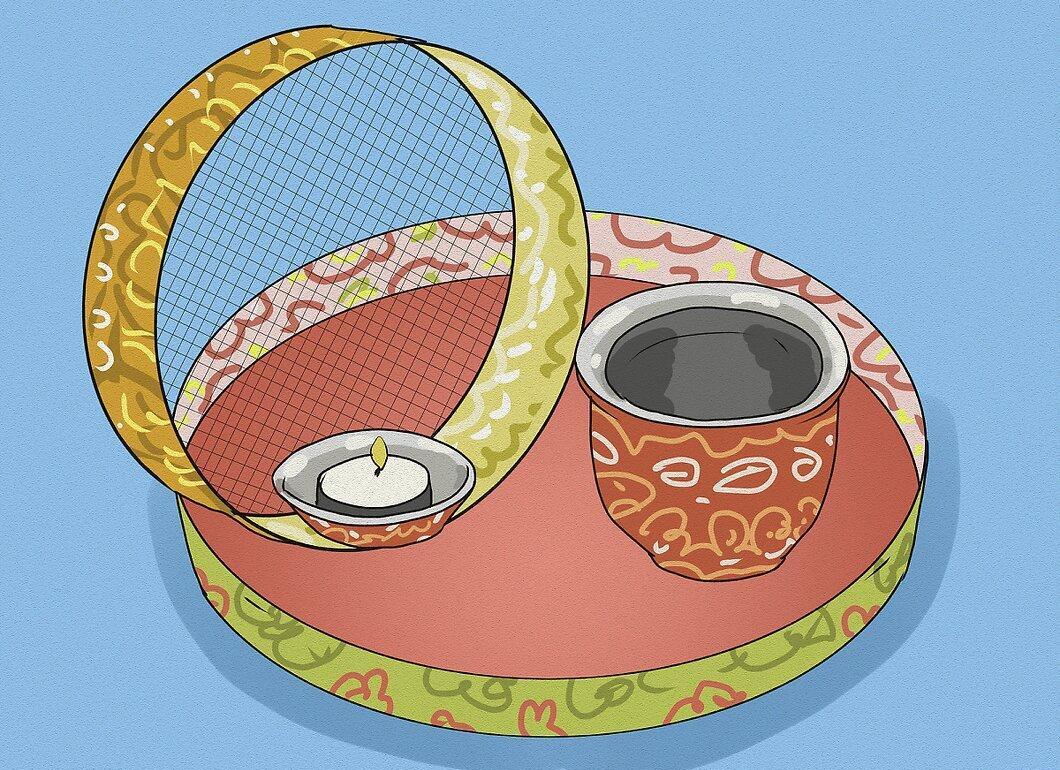
Preparing for this festival takes time—start a few days prior to the event. If you plan to participate, it may be wise to purchase cosmetics (shringar), jewelry, special lamps, and plates for Karva Chauth. During the festive season, local shops and markets are adorned, making it easy to find plenty of accessories.
Step 3: Wake Up Early on Festival Day

On Karva Chauth day, wake up before sunrise. You and your friends should rise early and have a light meal. If you are in Uttar Pradesh, you will likely have sukh fenni (a traditional chickpea dish with sweet milk) the night before. This combination helps retain water in the body for the next day. In Punjab, sarghi is an important part of the morning meal.
- Sarghi is a collection of special foods sent by the mother-in-law to the daughter-in-law.
- If you live with your mother-in-law, she will prepare your meal before sunrise.
Participating in the Festival
Step 1: Remember, the Fast Begins at Dawn
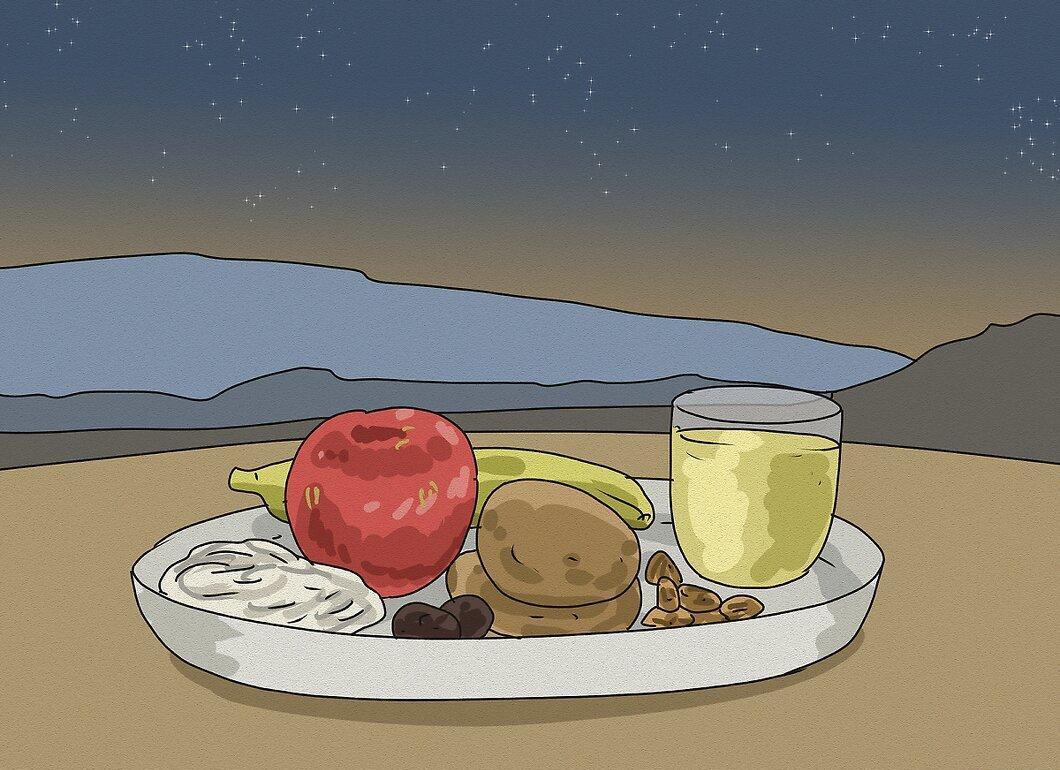
Don't forget that the fast begins at sunrise. This may be challenging, as you cannot eat or drink during the day. But there is good news: you won’t have to do any household chores!
Step 2: Join the Community During the Celebration
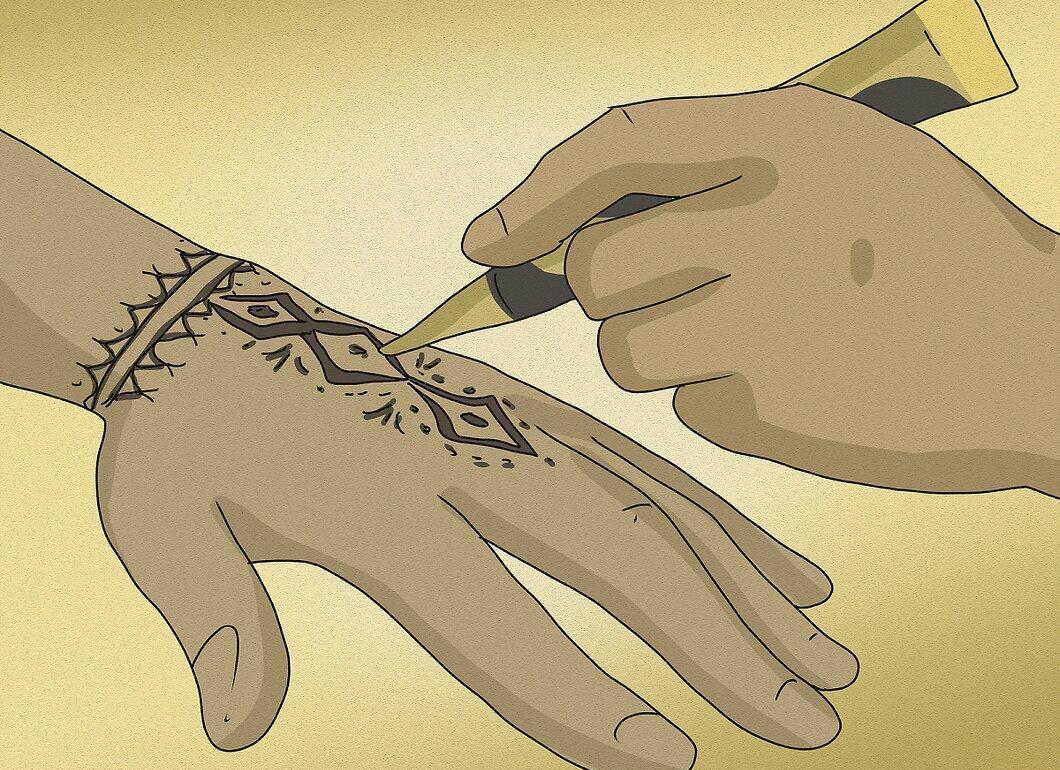
During the Karva Chauth celebration, make sure to join a special community. In the morning, gather with other women to decorate each other's hands and feet with henna. Before sunrise, you will meet at one house to perform rituals with the puja, praying for the health and long life of your husbands while exchanging baisas.
- Puja is a ritual where people show reverence to God or spiritual forces.
- Baisa is a basket of gifts that includes almonds, jewelry, and other surprises.
Step 3: Involve Your Husband or Fiancé
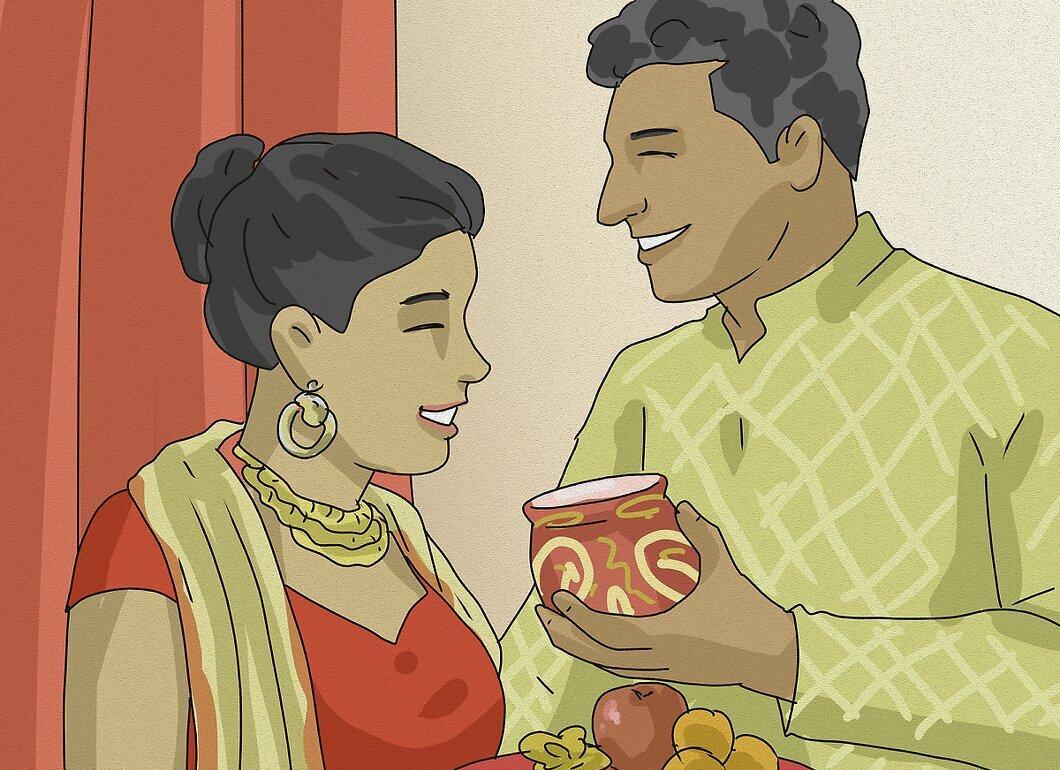
Don’t forget about your husband or fiancé! While the festival focuses on women, husbands also actively participate in the celebration. Traditionally, they give gifts to their wives as a token of appreciation for their fasting and prayers. This festival highlights not only the bond between friends but also the eternal love between spouses.
Historical Background
Step 1: Traditions for Married Women

Married women leave their native villages or towns to live with their husbands. They begin a new life among their husband's relatives, staying away from home. This tradition arose when newlyweds sought companionship in a new environment, forming the basis for the celebration of Karva Chauth.
- The new friend became a god-sister or friend after marriage.
- Women were expected to support one another and pray for the health of their husbands.
- Karva Chauth symbolizes the closeness between the newlywed and her god-sister or friend.
- God-sisters are to be regarded as family members for life.
- The festival traces back to the devoted wife Karva, who saved her husband's life, starting this noble tradition.
Step 2: The Origin of the Festival
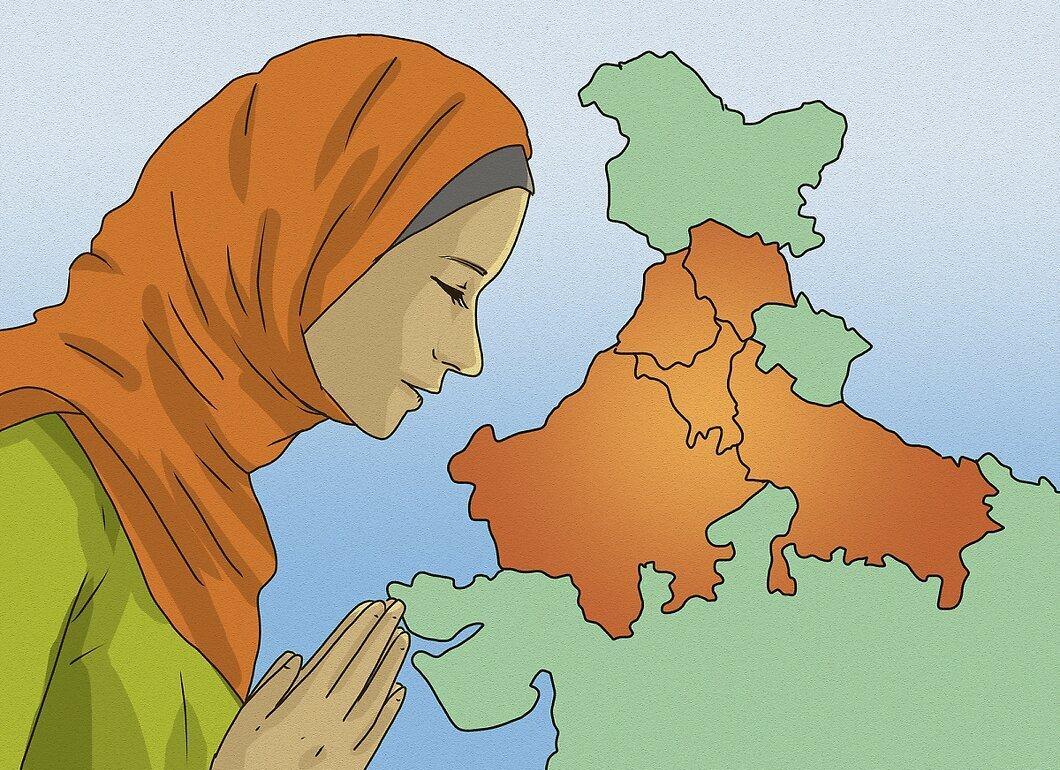
Note that Karva Chauth originated in northern and northwestern India. While there are many hypotheses about its origin, the exact reason why this festival is celebrated only in October in the north remains unknown. Here are a few common theories:
- October is the time when the land dries up after the monsoons.
- Military campaigns and long journeys often took place in October or November.
- Women began praying for the health of their husbands (sometimes fiancés) when they went on journeys.
Step 3: The Festival and Wheat Sowing
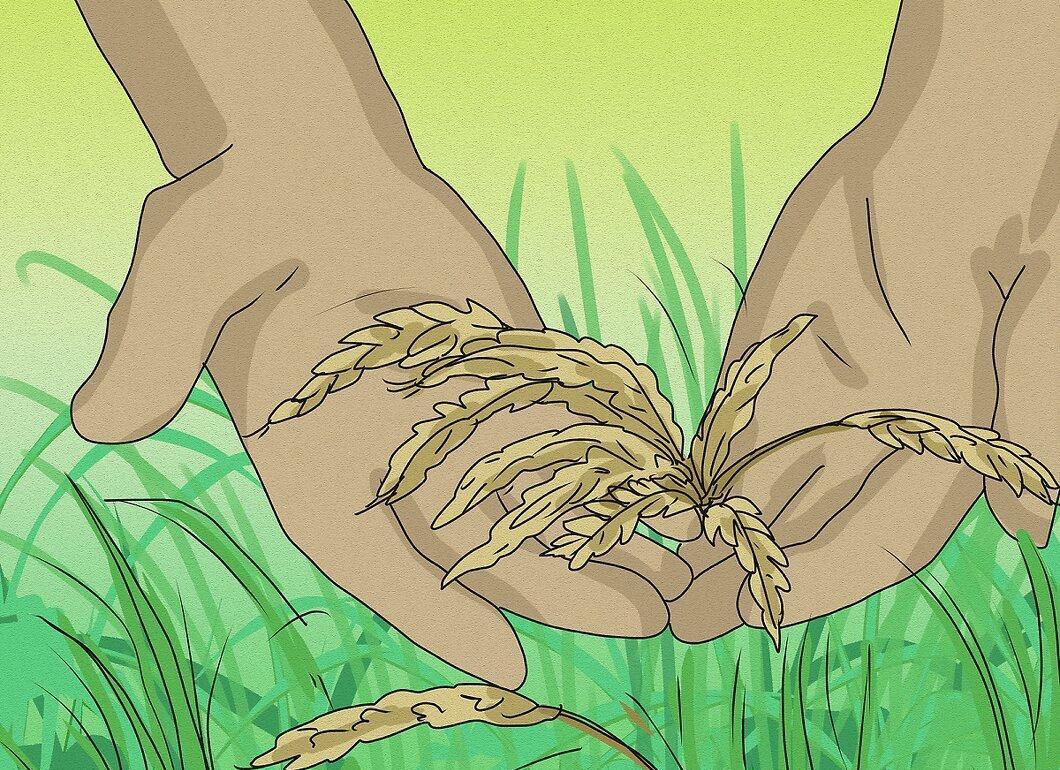
The festival coincides with the wheat sowing season. The clay pots that store wheat are called karvas. The word "Chauth" translates to "fourth." There is a suggestion that the festival is a call for a bountiful harvest.
Step 4: Date of Celebration
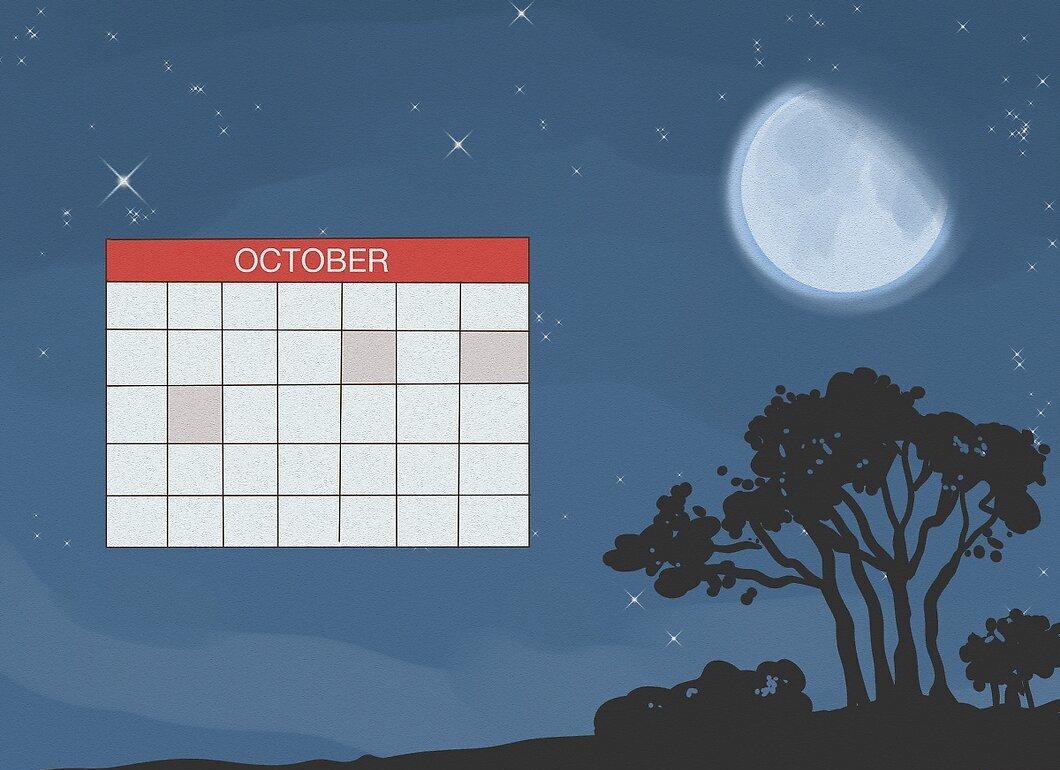
Remember that Karva Chauth is celebrated on the fourth day of the waning moon in October. This festival is also known as "Krishna Paksha" in the month of Kartik according to the Indian calendar. There is no exact date, but the festival always falls in October.