Growing tomatoes is a fantastic way to have fresh and healthy vegetables on hand. However, it’s crucial to remember that they need quality garden soil rich in nutrients for optimal growth. Don't expect a good yield if you plant tomatoes in unsuitable soil. Follow our recommendations to successfully prepare your beds.
Part 1
Step 1. Warm Up the Soil.
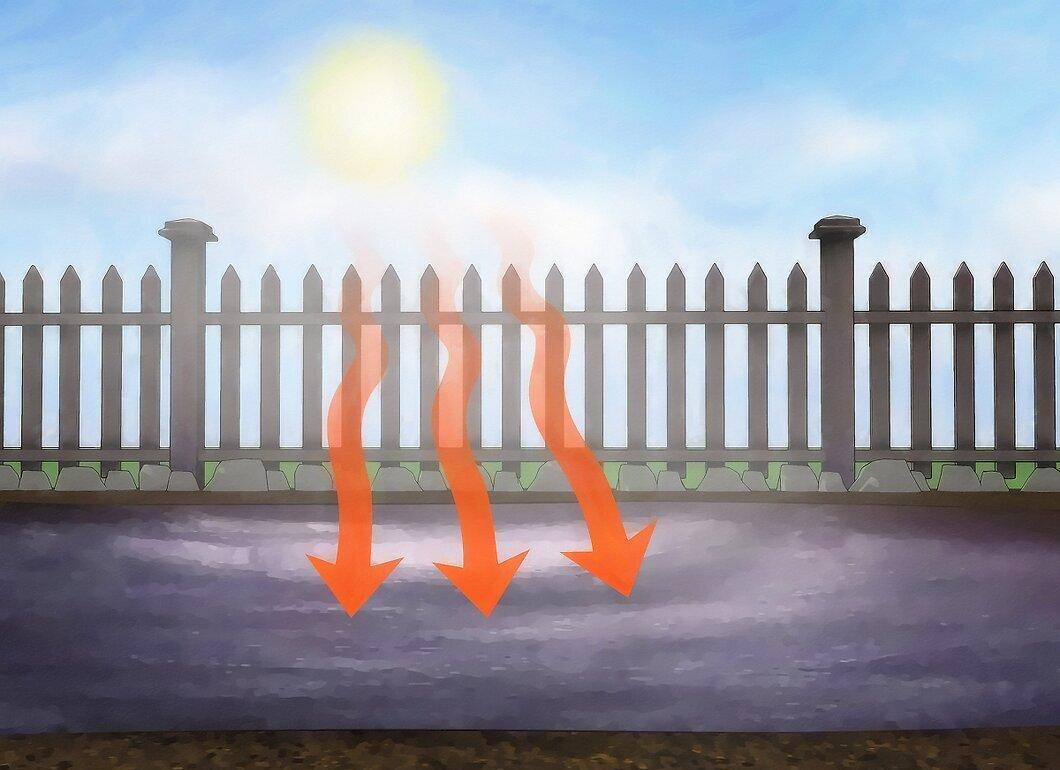
- First, take care of warming up the soil. Tomatoes prefer warm ground. The soil in your beds doesn’t heat up immediately after the air temperature rises. To speed up this process, cover the area with dark plastic film to attract sunlight. Secure the film with stones, bricks, or other weights.
Step 2. Measure the Soil's pH Level.
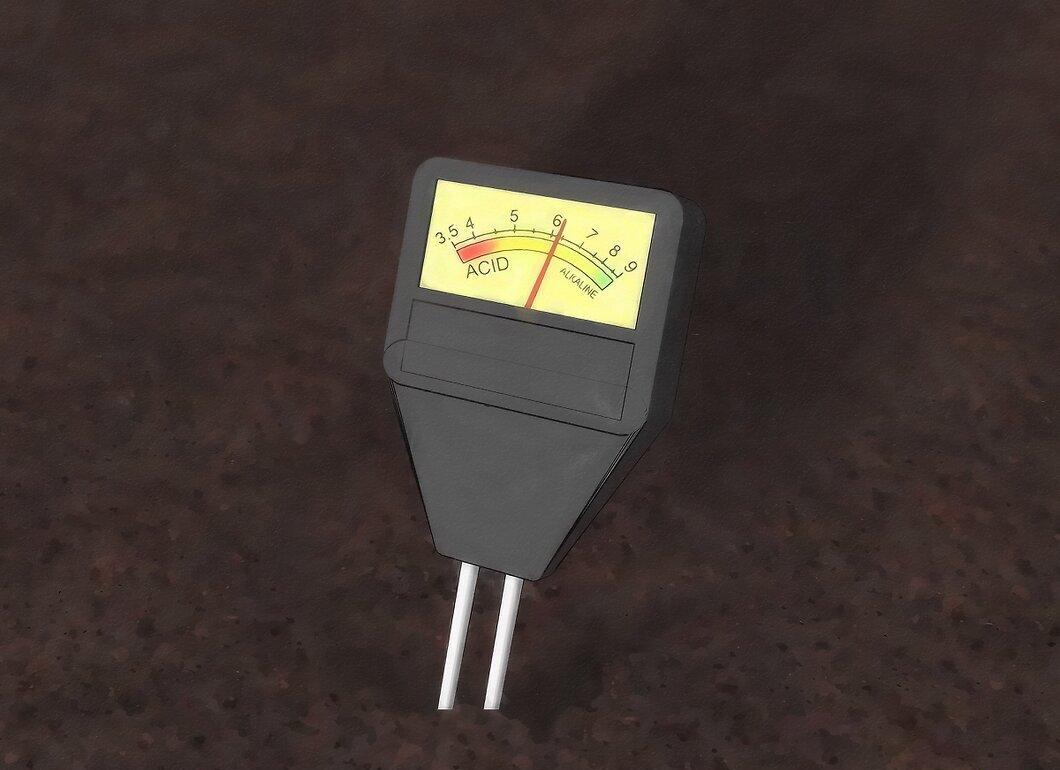
- You can purchase a soil test kit at any garden store. Follow the instructions provided to get your results. The lower the pH value, the higher the acidity of the soil (7.0 is neutral). Tomatoes grow best in soil with a pH between 6.0 and 7.0. If you need to adjust the pH level, add sulfur to lower it or lime to raise it.
Step 3. Assess Nutrient Content.
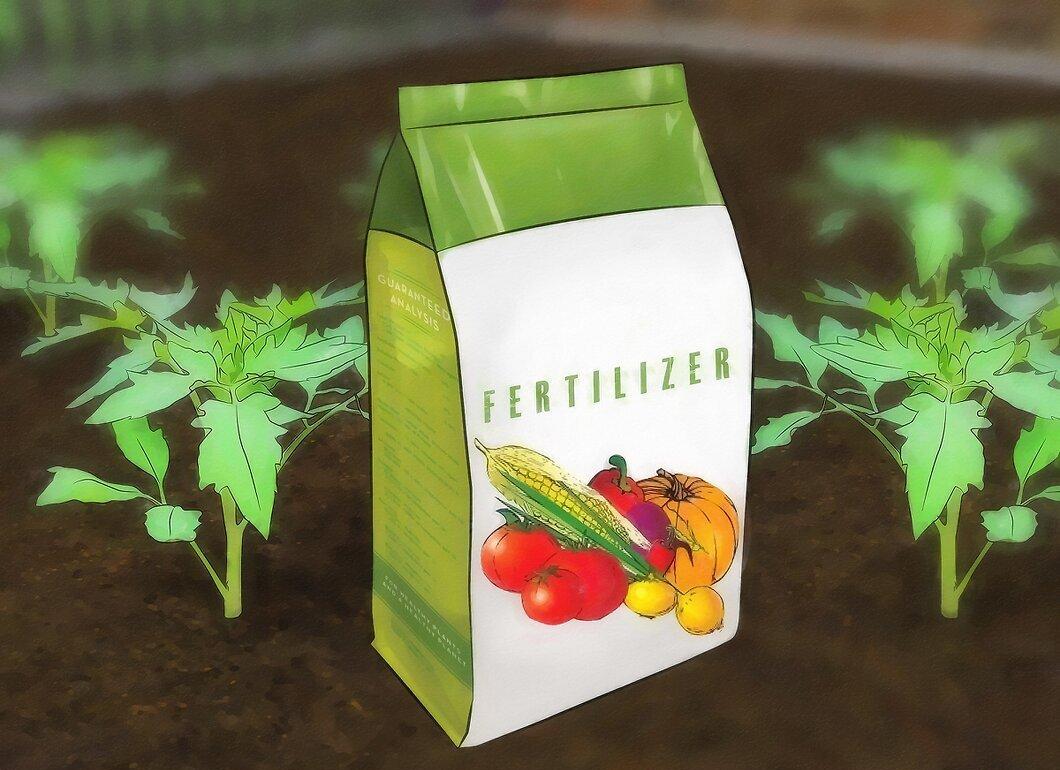
- Soil testing will also inform you about the presence of nutrients and the chemical composition. For a good tomato harvest, it's important to maintain the right balance of nitrogen, potassium, and phosphorus in the soil.
- Nitrogen promotes healthy leaf growth. If your tomato leaves start to yellow, it may indicate a nitrogen deficiency. In such cases, add nitrogen-rich fertilizers like alfalfa meal, compost, fish meal, or manure.
- Potassium helps enhance disease resistance and supports tomato growth. A lack of potassium can slow down plant development. To increase potassium levels, use wood ash, granite dust, or potassium sulfate.
- Phosphorus is essential for root development and seed formation. A deficiency can cause red stems and stunted growth in plants. If testing reveals low phosphorus, consider using bone meal, compost, or superphosphate.
Step 4. Add Compost.
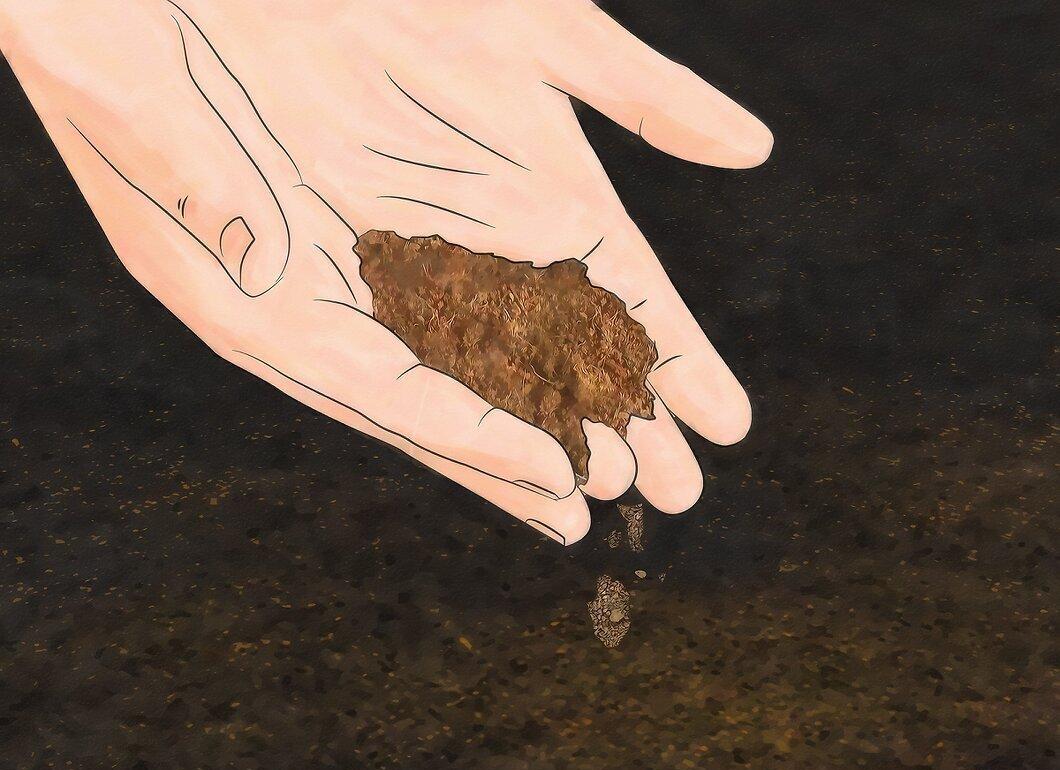
- Compost is an excellent way to improve soil structure. It helps retain nutrients and attracts earthworms and microorganisms. Compost consists of decomposed organic materials. You can buy it at a store or make your own from plant scraps, leaves, and kitchen waste.