Shabbat is the Jewish day of rest from sunset on Friday until nightfall on Saturday. It is observed as a day of rest because, in Judaism, it is believed that God created the world in six days and rested on the seventh. Traditionally, preparations for Shabbat begin in advance, including preparing special meals, participating in worship services, and taking time to relax. Here’s how you can celebrate Shabbat.
Traditional Shabbat Meals
Step 1: Go Grocery Shopping.
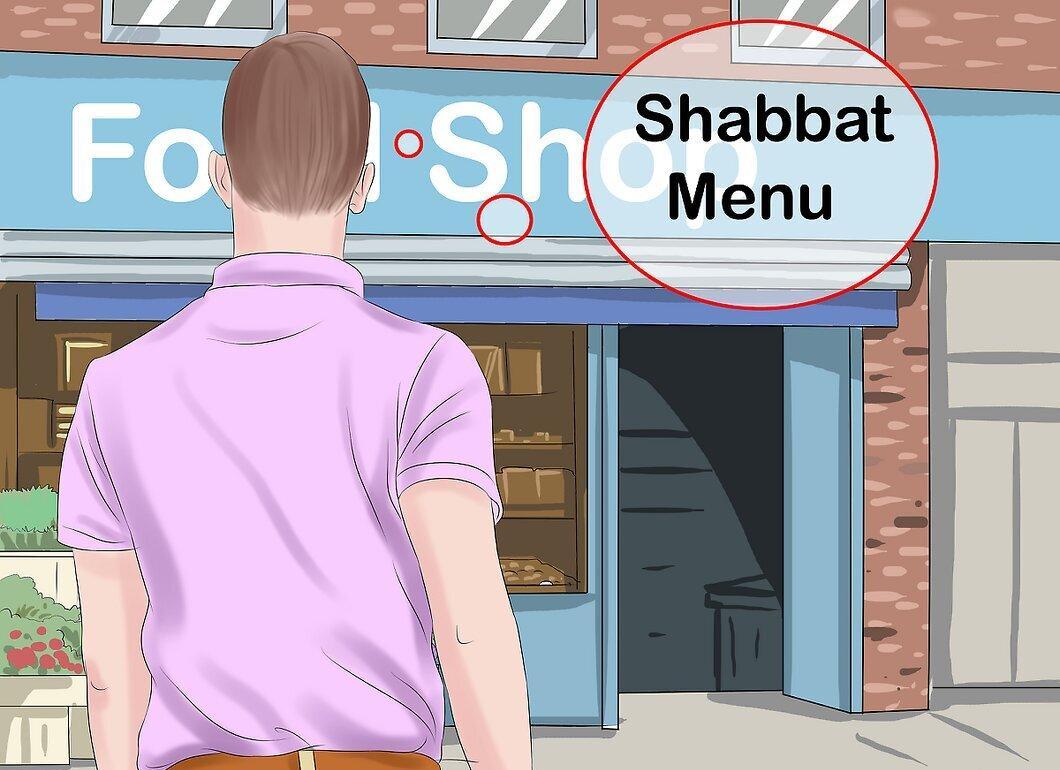
Go grocery shopping. Shabbat traditionally includes three meals: dinner on Friday night, lunch on Saturday, and a lighter meal on Saturday evening (known in Hebrew as seuda shlishit, literally meaning "the third meal"). If you are expecting guests and plan to entertain them, make sure to buy enough food and prepare everything in advance, or you can ask guests to bring something to ease your workload.
Step 2: Take a Bath and Clean the House.
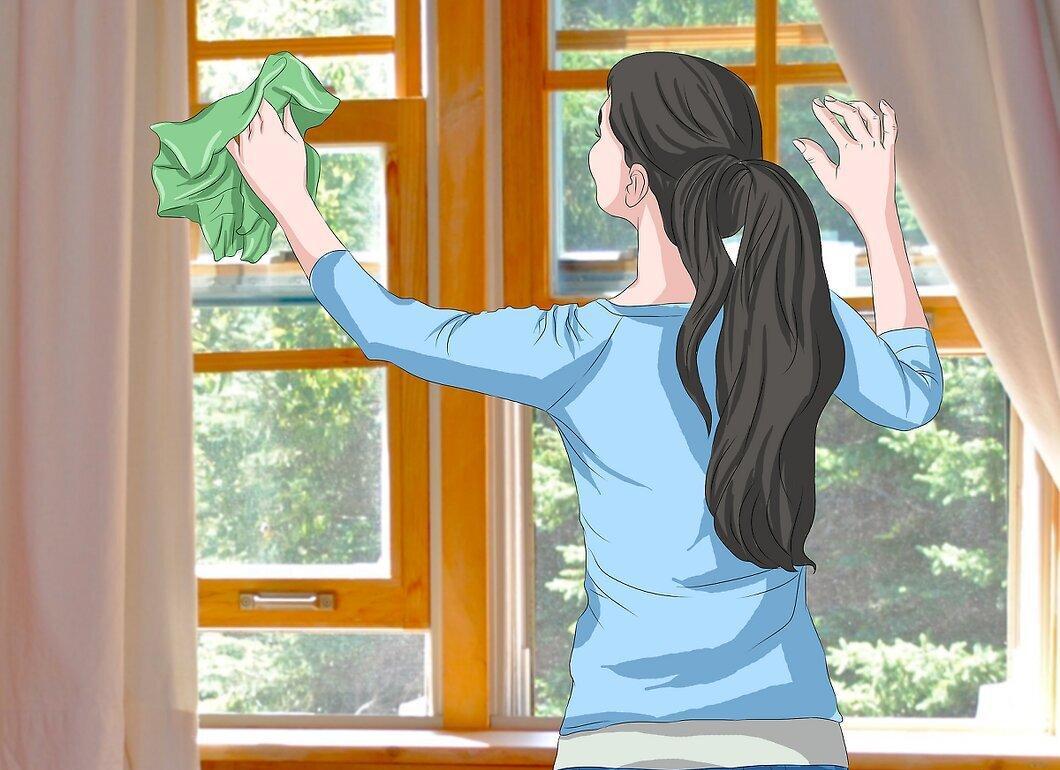
Take a bath and tidy up the house. This is considered a mitzvah (good deed) worthy of praise, especially when preparing your home for Shabbat. Beyond cleaning, it means using your best dishes for serving food, laying out your finest linens, and wearing your best clothes. Traditionally, the food served on Shabbat should be fit for a queen.
Step 3: Begin Shabbat with the First Blessing.
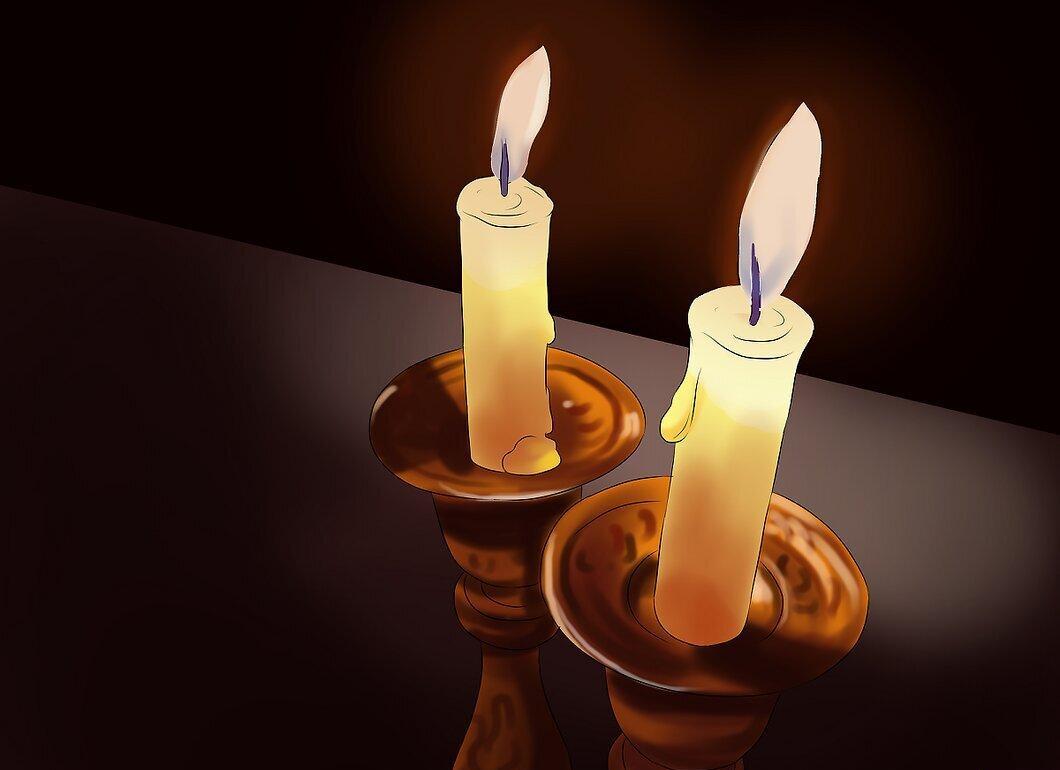
Begin Shabbat with the first blessing. Usually, before sunset on Friday, that is, just before Shabbat begins, two candles are lit on the table — marking the start of Shabbat. These candles symbolize that you remember and observe Shabbat. To properly start Shabbat, you will need to:
- Light the candles and close your eyes;
- Recite the blessing while lighting the candles, the text of which can be found at http://www.judaisminrussian.org/mitzvot/shabbos/4_candles.php.
Step 4: Pour Wine, Recite Blessings, and Drink.
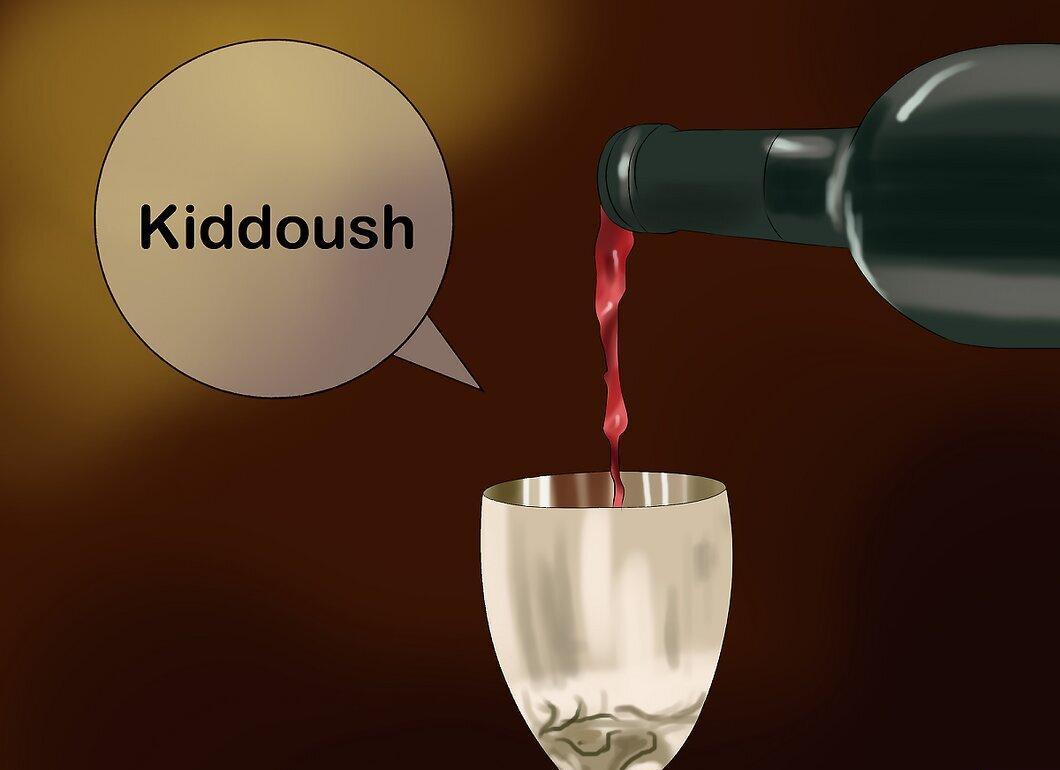
Pour wine, recite blessings, and drink. The blessing over kosher wine or grape juice is called Kiddush. Wine is a symbol of pleasure and relaxation. For a proper Kiddush, you will need:
- First, read aloud Genesis 1:31-2:3 from the Torah.
- Raise the wine glass and bless it. More detailed information about the blessing can be found on this page: http://www.judaicaru.org/library/shabat_4.html.
- Bless Shabbat. This blessing can be found at: http://www.moshiach.ru/study/judaism/kidush_friday_night.html
Step 5: Bless the Bread, Break It, and Eat.
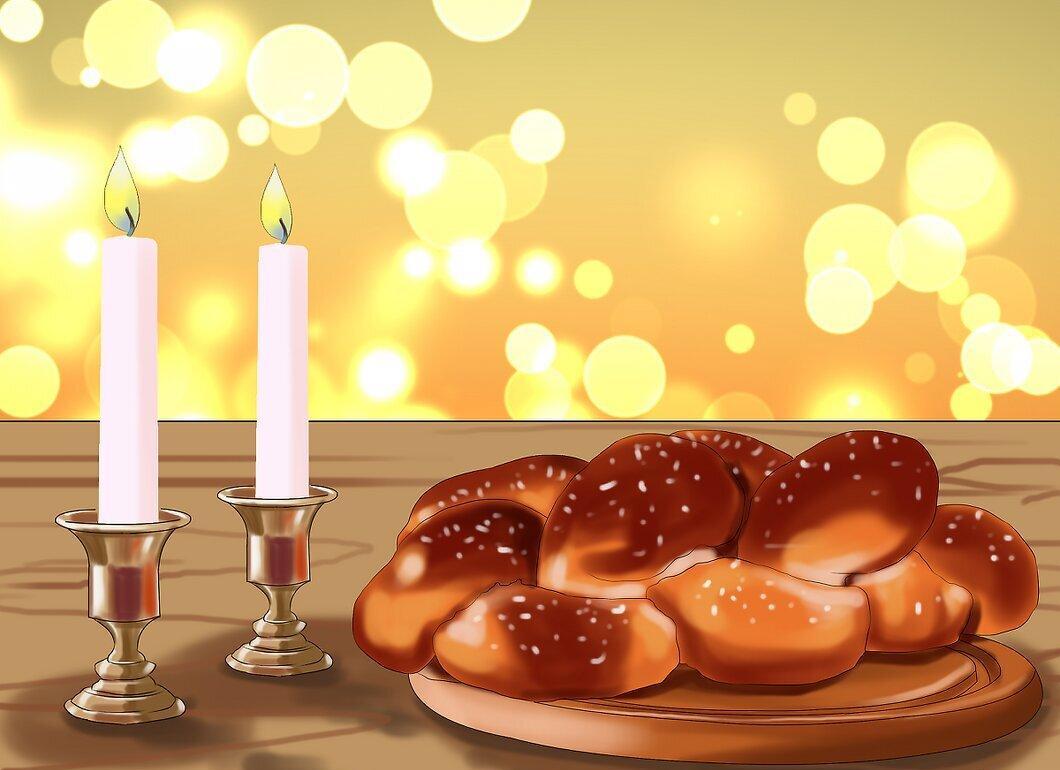
Bless the bread, break it, and eat. Similar to the candles, you will need two braided loaves called challah. The blessing over bread is called Hamotzi. The purpose of this blessing is to express gratitude for the food that God has provided. For a proper Hamotzi, you need to:
- Cover the bread and recite the blessing. You can find detailed information about this blessing at: https://toldot.ru/articles/articles_9731.html.
- After the blessing, slice the bread, salt it, and eat it. The bread can take the traditional shape of a braided loaf, but it is not required. Some prepare pita bread with garlic, while others make sweet challah by adding raisins and cinnamon.
Step 6: Serve Appetizers.
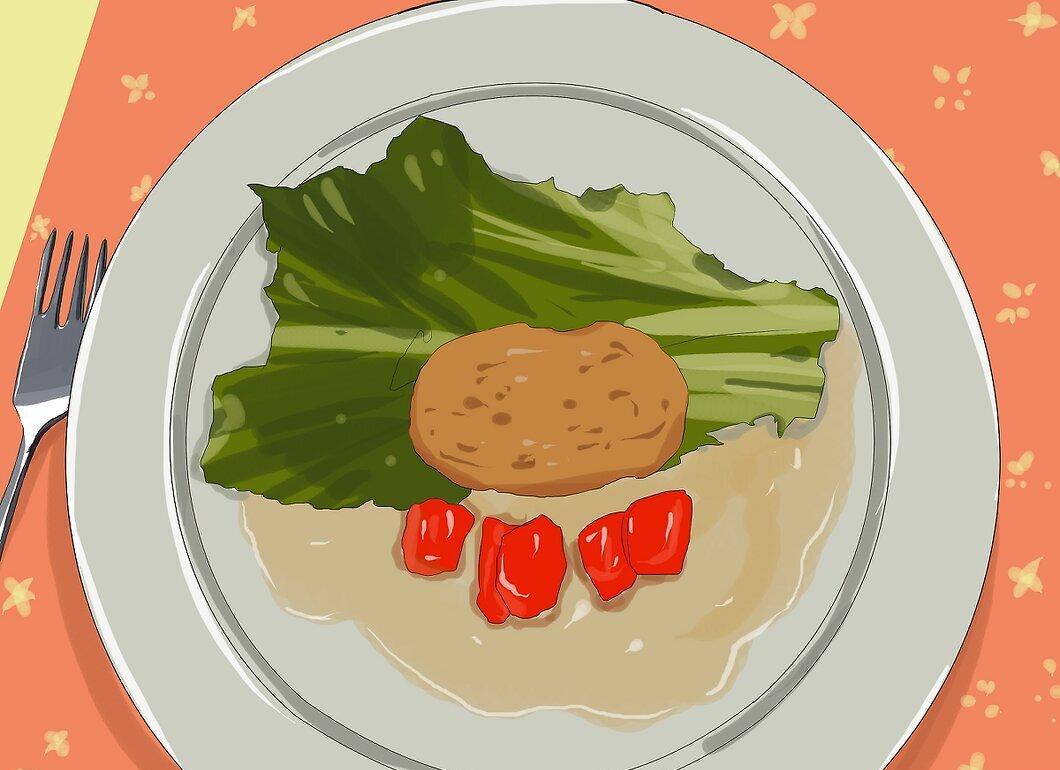
Serve appetizers. Consider making a Mediterranean dip, salsa, or stuffed fish. These types of dishes are often served at the beginning of dinner.
Step 7: Serve Soup or Salad.
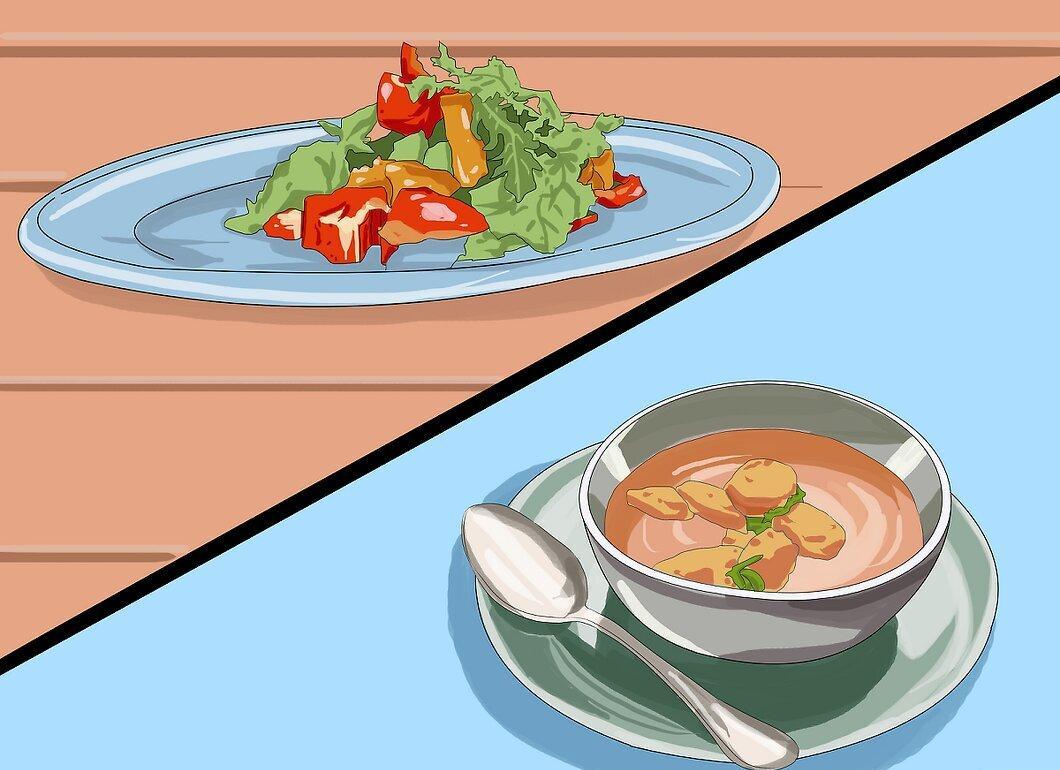
Serve soup or salad. After the appetizers, soup, salad, or both are typically served.
- If you are serving soup, you might make chicken soup, mushroom soup with beef broth and barley, or carrot-ginger purée soup.
- If you are serving salad, you can make a beet salad with oranges or mandarins, gefilte fish, or a salad with corn, sweet peppers, and green beans.
Step 8: Serve the Main Course with One or Two Side Dishes.
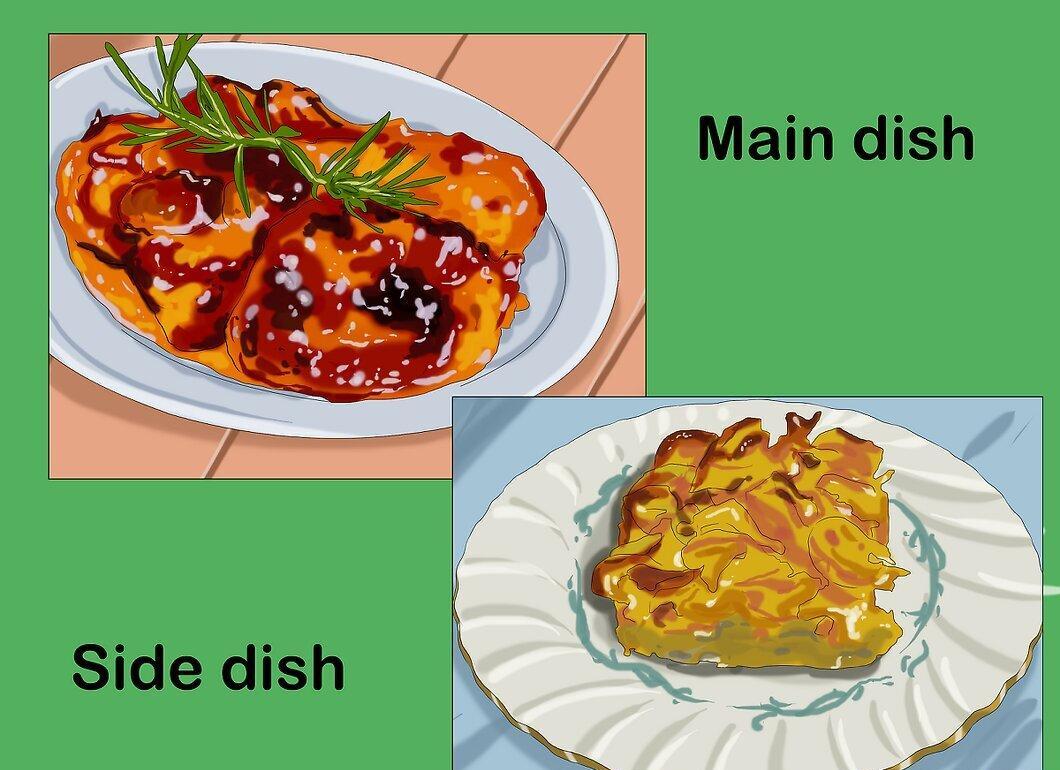
Serve the main course with one or two side dishes. There are many options for main courses.
- You can serve meatballs in mushroom sauce, chicken with apricots, or stuffed peppers.
- For side dishes, various kugels (casseroles), ratatouille, or stewed vegetables can be served.
Step 9: Serve Dessert.
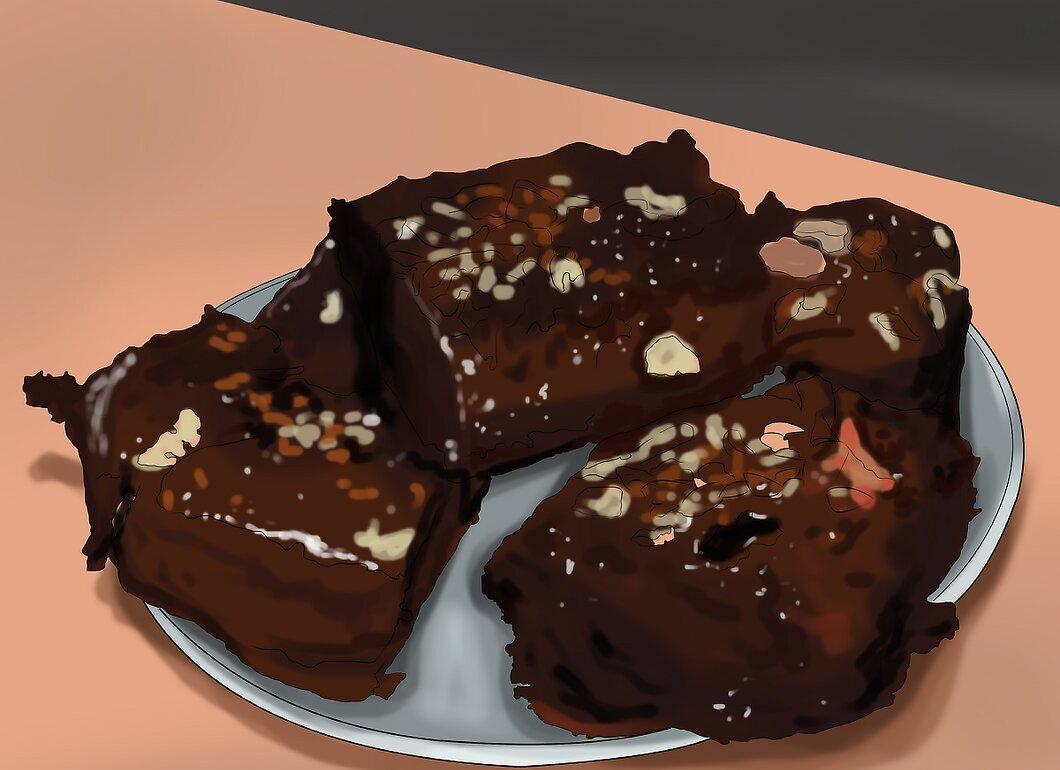
Serve dessert. End the meal with something delicious and sweet. There are many options for desserts: apple crumble, fritters, or chocolate cake.
Prayers for Shabbat
Step 1: Attend a Jewish Service.
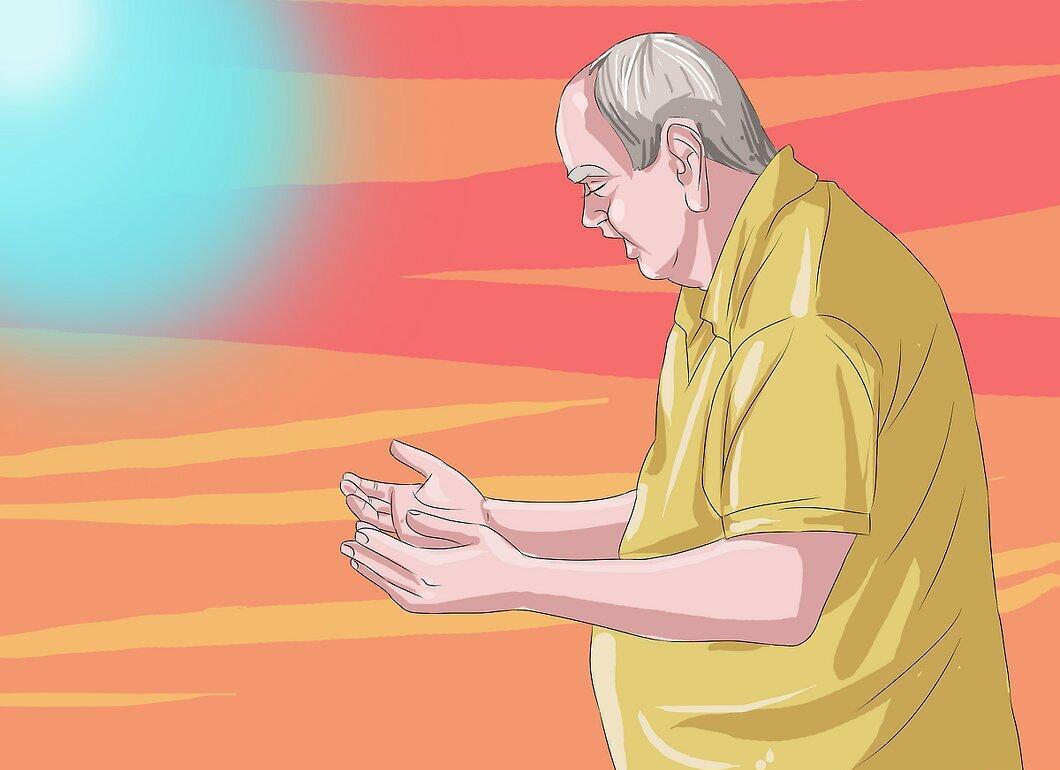
Attend a Jewish service. You can go to the synagogue during Shabbat and participate in a slightly unique worship ceremony where special attention is given to personal and communal prayers. All these services focus more on praising God than on asking for anything from Him.
Step 2: Study the Torah.
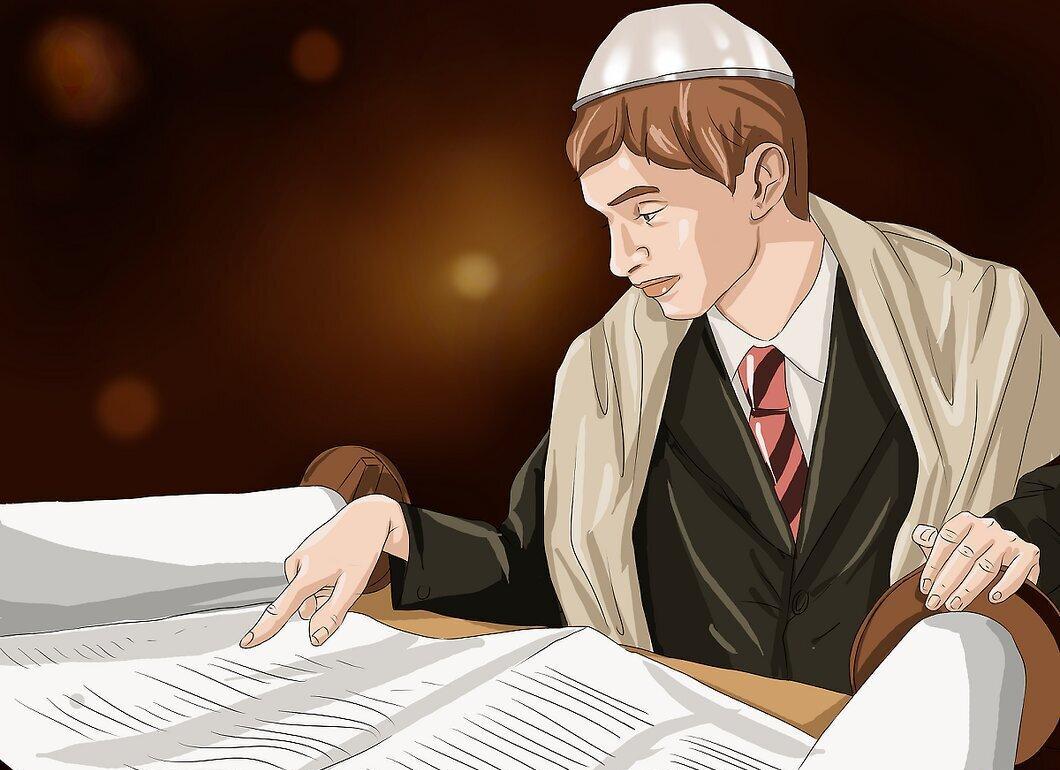
Study the Torah. Observing Shabbat can also include reading the sacred Jewish scriptures. This will help you focus on God and learn more about Judaism. You can read the Torah on your own or discuss it with friends or family.
- For the most part, the Torah consists of stories demonstrating God’s actions and influence, as well as traditional Jewish laws known as "halakha".
- Most importantly, the Torah teaches the well-being of body and soul through its commandments.
- Make reading and/or discussing the Torah with family or friends a habit during Shabbat. Choose a small group of Jewish laws to study or a specific story to read and discuss over coffee.
Step 3: Sing Jewish Songs.
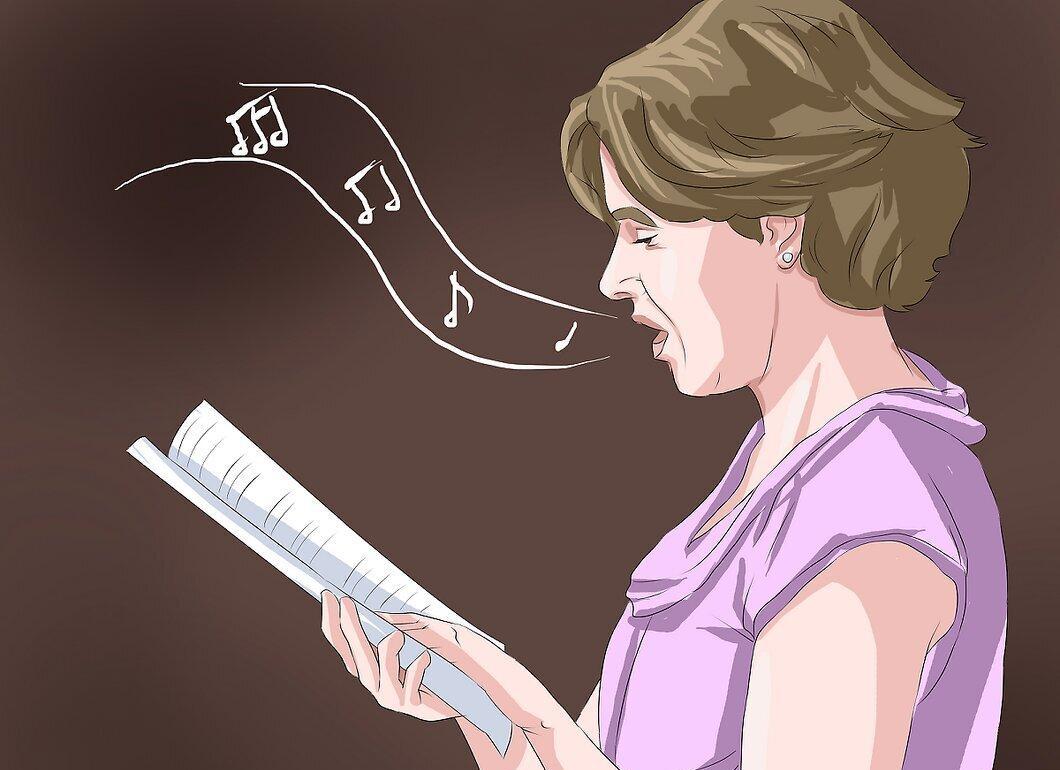
Sing Jewish songs. There are many Jewish songs (most of which are in Hebrew) that contain messages of praise and worship to God. During Shabbat, these songs are sung in synagogues or at the festive table with others. Here are some of the most popular songs during Shabbat:
- "Ki Tavo'u El Ha'aretz," including text from the Book of Leviticus;
- "Vehitifu Heharim Asis," including text from the Book of Amos;
- "Birkat HaKohanim," including text from the Book of Numbers.
Leisure Activities During Shabbat
Step 1: Connect with Family, Friends, and Synagogue Acquaintances.

Connect with family, friends, and acquaintances from the synagogue. Many Jews dedicate Shabbat to connecting with loved ones and friends. You can call, write, or visit close people to express your love and support.
Step 2: Engage in a Favorite Hobby and Relax.

Engage in a favorite hobby and relax. Since Shabbat is considered a day of rest, you can do anything that relaxes and brings you joy. Here are a few examples of what you can do on Shabbat:
- Volunteer work;
- Take a nature walk;
- Visit a museum;
- Play musical instruments.
Step 3: Participate in Various Activities.
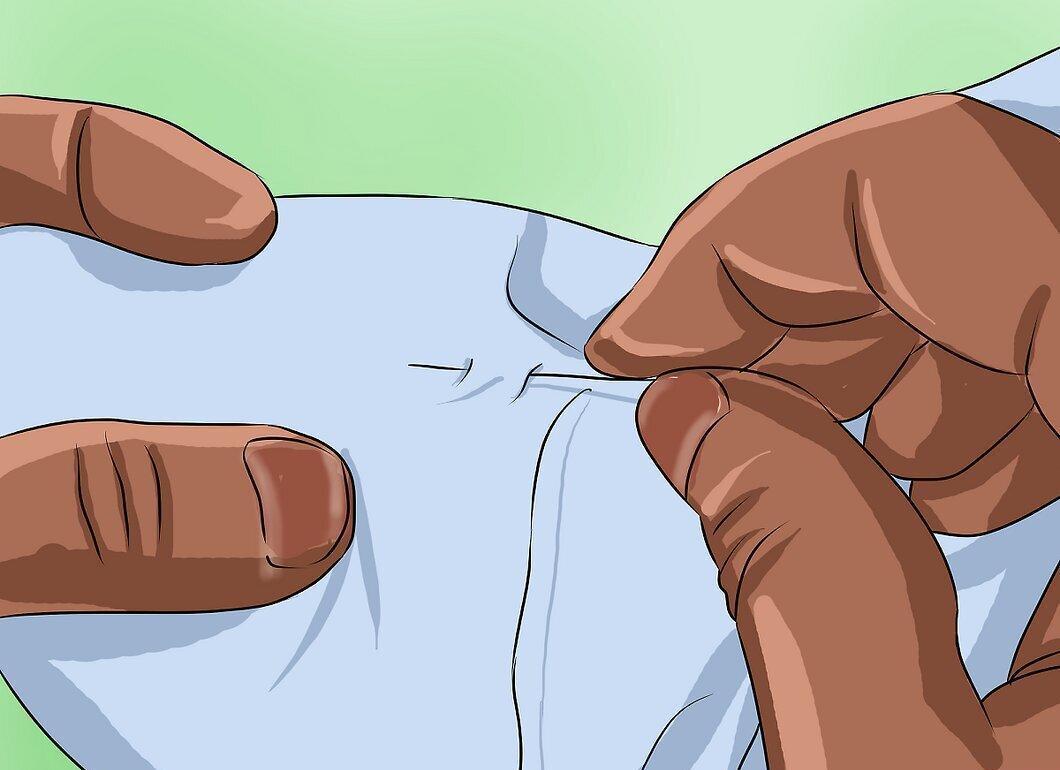
Participate in various activities. Traditionally, there are thirty-nine types of work that are prohibited during Shabbat. Most of these activities are related to labor; however, standards have changed over time. Some Jews strictly adhere to this list of work, while others are more lenient. Nowadays, there is much debate about the acceptability of engaging in activities like watching television, driving, cooking, cleaning, and spending money. Here are just a few of the 39 types of work that are not allowed during Shabbat:
- Plowing;
- Baking bread;
- Shearing sheep;
- Weaving;
- Sewing;
- Writing two or more letters;
- Building;
- Kindling fire.