
Creating a travel plan is the foundation for a successful trip, incorporating vital details about your journey such as hotel addresses, transport schedules, and flight numbers. Whether you're embarking on a short trip or an extended vacation, a well-prepared plan will serve as your reliable companion. By organizing it in advance, you'll be able to map out your itinerary and make the most of your time. You might think that crafting a plan is a daunting task, but it's actually easier than you think!
Preparing for Your Trip
Step 1. Gather Key Information About Your Trip.
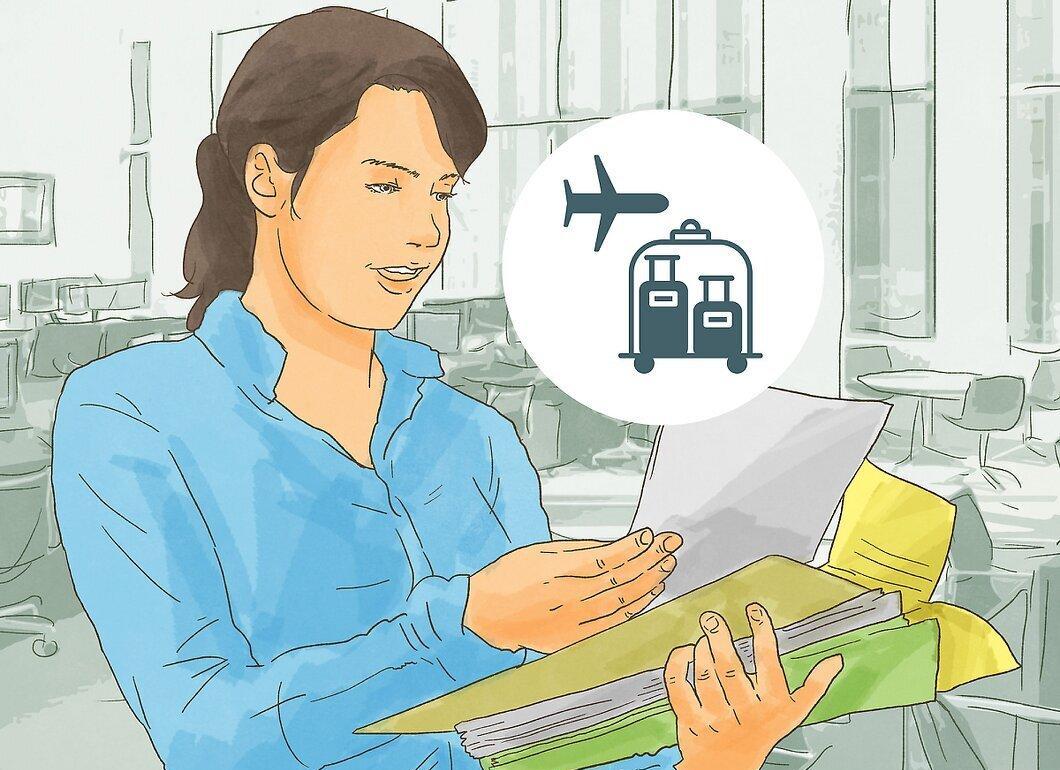
Start by collecting essential information for your trip. You'll need details about your flights, hotels, and any other bookings (like car rentals or restaurant reservations), as well as directions from the airport to your destination. Don't forget to consider what additional information you might need.
- If you plan to take public transport to your hotel, check the schedule and fare information.
Step 2. Make a List of Places and Activities.

Create a list of everything you want to do during your trip. Write down places and activities that interest you. Even if your list is long, don’t hesitate to include everything: you can always prioritize later. Research upcoming holidays and festivals — they are a great opportunity to immerse yourself in the culture of the country you’re visiting and have a lot of fun.
- Allocate time for sightseeing, but remember that some attractions may take an entire day (like the Museum of Modern Art in New York or the Hermitage in St. Petersburg).
- If you're traveling with friends or family, discuss your plans with them.
Step 3. Develop an Itinerary with Planned Stops.

Create an itinerary that includes all the planned places to visit. Mark them on a map and figure out the best routes to save time. If you plan to visit nearby cities or areas, be sure to account for travel times and the duration of stays at each location.
- You will need up-to-date maps of the areas you plan to visit. Also, check public transport schedules and taxi phone numbers.
- Ensure your maps are current. Roads that existed ten years ago may have changed.
Step 4. Determine Your Travel Budget.
Set a budget for your trip. Decide how much you are willing to spend. Do you prefer luxurious five-star hotels and fancy restaurants, or small cozy guesthouses and local cafes? Your trip can be as expensive or as budget-friendly as you want — it all depends on your preferences.
- For convenient expense tracking, you can use spreadsheets like Microsoft Excel.
- Alternatively, use an app or website for budgeting, but remember that they may not be accessible without internet.
Step 5. Stay Flexible.

Be prepared for changes. If you feel like leaving some days open, don’t hesitate! You can use this time to connect with locals, visit a market, attend an exhibition, catch a movie, or simply stroll through beautiful places. A travel plan is just a framework, but remember that you’re not obliged to stick strictly to it. If you miss something, it’s not the end of the world!
- Consider backup options. For example, if you have a restaurant reservation, look for a few other places to check out in case you're running late. Or, if you plan to spend a day outdoors, find alternative spots in case of rain.
- And remember, your travels should bring you joy and positive experiences.
Organizing Your Trip
Step 1. Gather All Important Data.

Collect all the necessary data you might need on the go: booking numbers, hotel names, contact numbers. At this stage, don’t worry too much about organizing the information — just ensure you have everything handy.
Step 2. Save Your Travel Information.
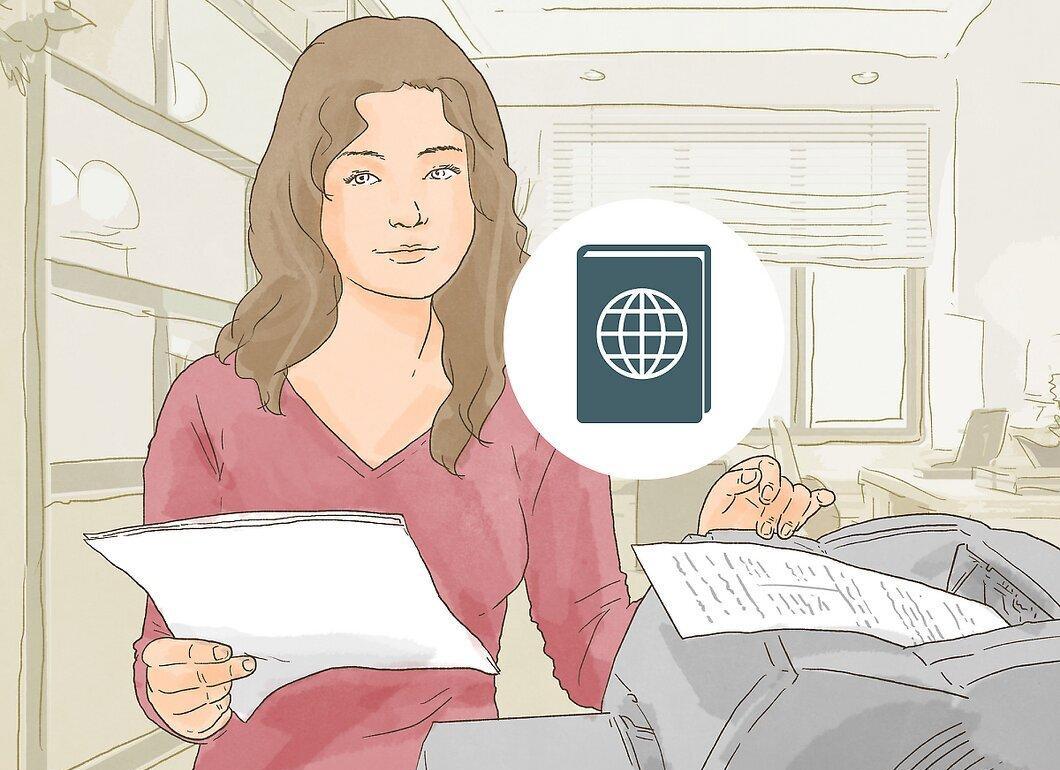
Compile all the data into one document and print it out. It's also useful to keep an electronic version.
- You can find ready-made travel itinerary templates online. This will allow you to see all the key points at a glance, and you’ll just need to fill them in.
- Another option is to use an app for organizing and storing necessary data.
Step 3. Print Your Travel Plan.

Print and keep your travel plan handy. You can save the plan on your phone, but if the battery dies, you’ll lose access to the document. Therefore, it's better to have a physical copy you can take with you. It’s convenient to keep all documents in one folder and categorize them (hotel information, excursion lists, tickets).
- Use colored dividers and label the sections of your plan.
- You can also use a file folder and place documents for each part of the itinerary in separate files.
Step 4. Create a Contact List.

Make a list of essential contacts. Be sure to have phone numbers for emergency services, your travel companions, loved ones, and other important people. Keep them not only on your phone but also in written form, such as in a notebook.
- If you’re traveling abroad, write down the contact details of your country's consulate or embassy in case of an emergency.
- Addresses of friends and relatives can also be useful for sending postcards.
Step 5. Don’t Forget About Your Responsibilities.

Don’t forget about your home responsibilities. Even if you’re only leaving for the weekend, make sure someone from your friends or relatives can look after your home, water your plants, or feed your pets. This will help you relax and not worry about anything.
- If you don’t have anyone to care for your pet, find out if a friend could take them in for a while, or look for a pet hotel.
- If no one can water your plants, ask a neighbor or friend to take them for the time being.