
How to Handle Undervaluation: Confidence-Building Tips
Have you ever faced a situation where someone underestimated your abilities? The feeling of self-doubt in such moments can be quite unpleasant. If you're unsure how to react, this article offers several helpful recommendations to help you manage criticism and assert yourself confidently.
Communicating with Those Who Undervalue You
Step 1: Build Your Self-Confidence.
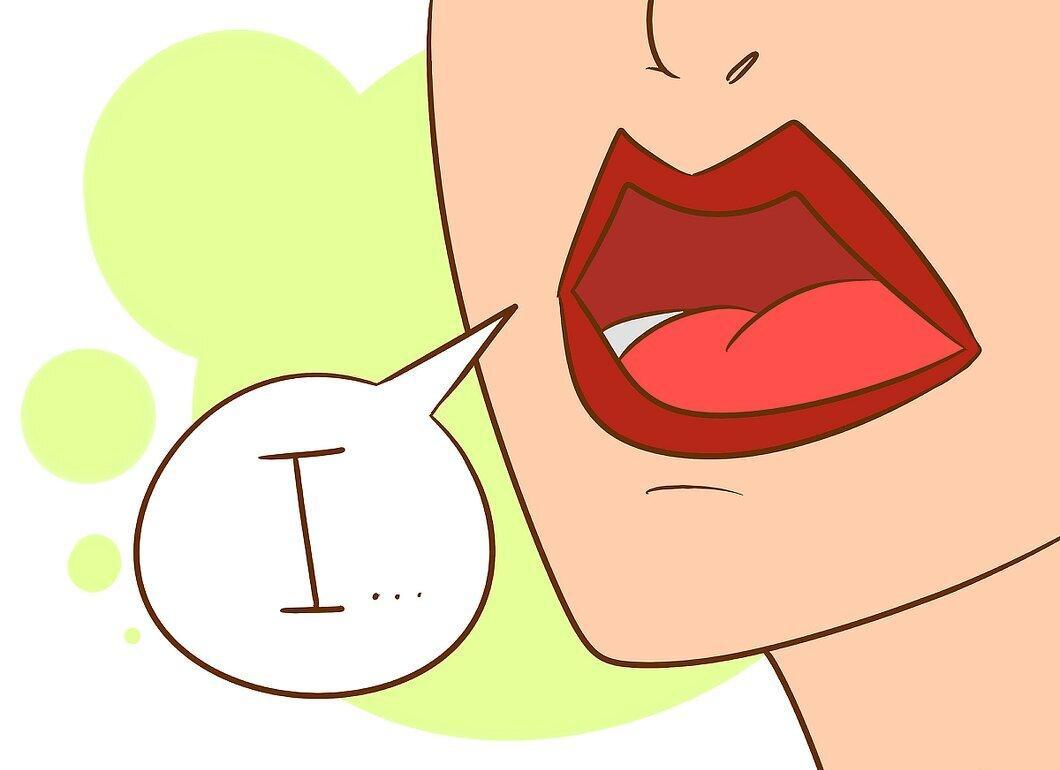
It's essential to exhibit confidence in your abilities. When you believe in yourself, it's easier to articulate your thoughts, helping others to respect you. Confident behavior not only boosts your self-esteem but also makes communication clearer. If someone has underestimated you, act confidently; it may change their perception of you:
- Use "I" statements. This will help you express your feelings without blaming others. For example, instead of saying, "You are wrong about my abilities," say, "I am confident I can handle this task." This approach maintains a constructive tone in the conversation.
- Prepare in advance what you want to say. Being ready for various scenarios will give you confidence.
- Start practicing confident behavior in casual settings. Avoid immediately approaching your boss with claims about your achievements. Try being confident among friends or family first.
Convince Others of Their Mistake
- For instance, you can say: "I understand your perspective, but what makes you think I can't handle this task? Let's explore this together; perhaps your insights could help me improve."
- This approach is suitable for those who have underestimated you but aren't being aggressive. For example, if your boss doubts your abilities, clarify their concerns and use them as a growth opportunity.
Step 2: Master Deep Breathing Techniques.
Practice deep breathing. Take several deep breaths, ensuring your chest remains still while your abdomen expands. This simple yet effective technique can calm you before interacting with those who undervalue you. Deep breathing helps you to receive criticism with less tension.
- Deep breathing activates the parasympathetic nervous system, promoting relaxation.
Step 3: Back Up Your Words with Actions.
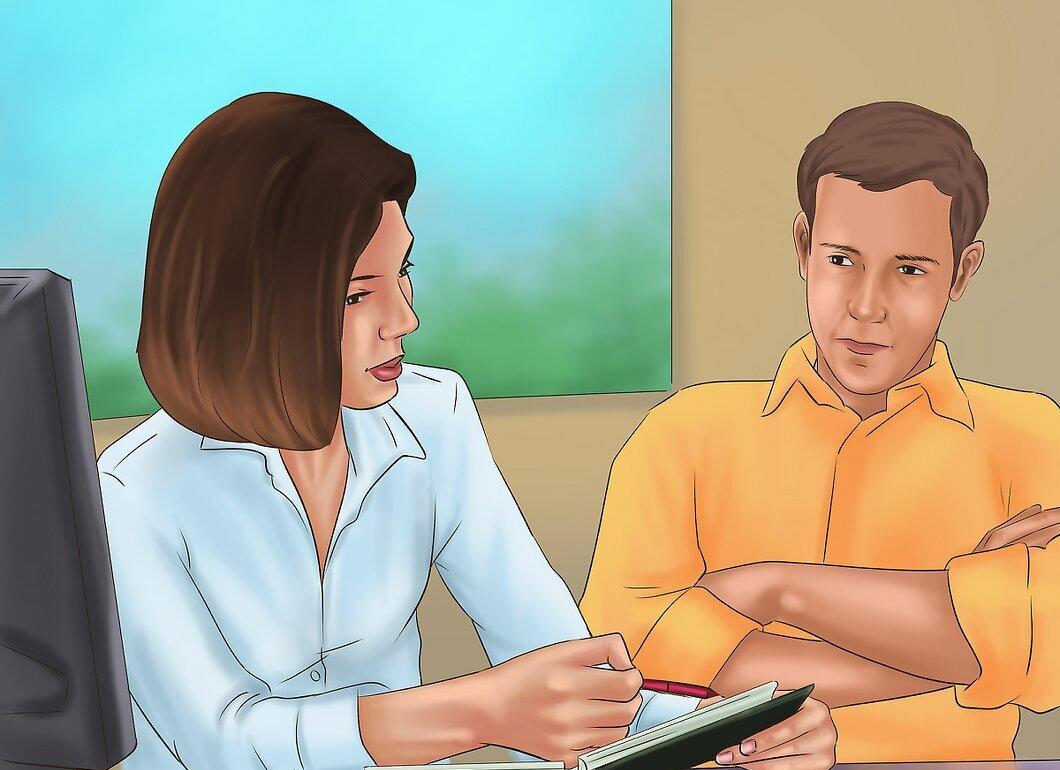
The best way to demonstrate that you are undervalued is to excel in your work. If someone has underestimated you, focus on your tasks and ignore the negativity. Remember that your internal state is more important than others' opinions:
- For example, you could say: "Yes, you have a right to your opinion, but the results of my work speak for themselves."
Step 4: Don't Respond to Rudeness.
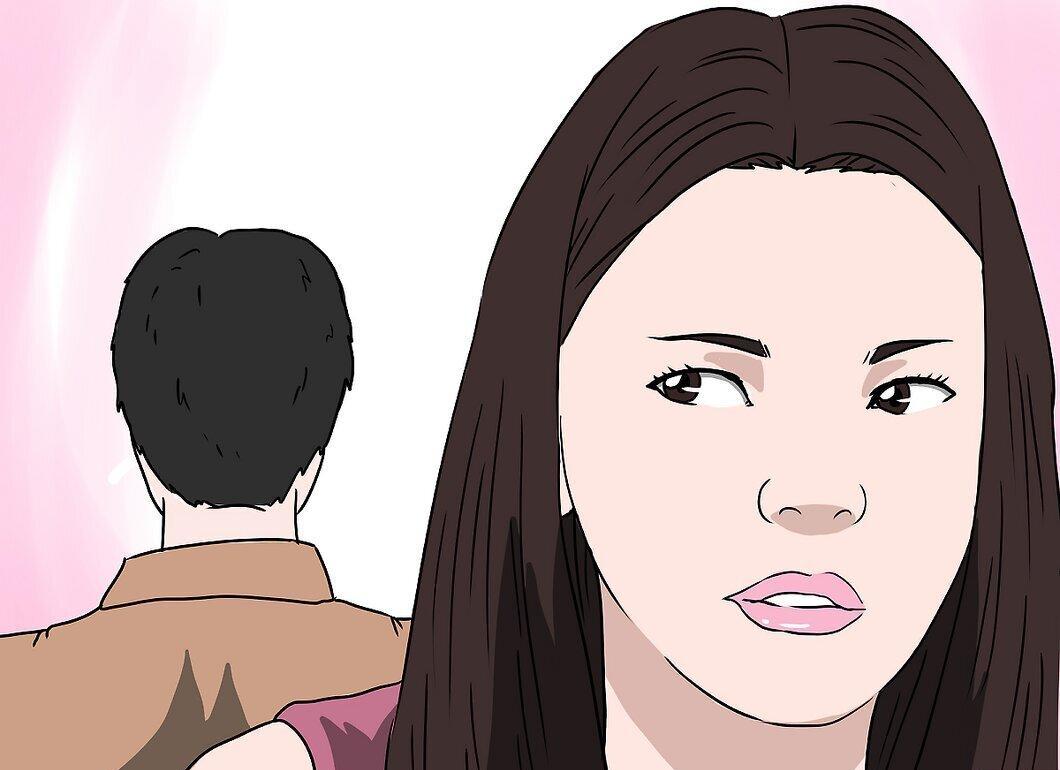
Avoid stooping to the level of rudeness if someone displays negativity. Such individuals expect a negative reaction from you; don't give in to their provocations:
- If someone says you won't succeed, simply ignore it and continue with your work. You aren't obligated to validate their opinion.
Change Your Perspective on Negative Opinions
Step 1: Focus on Your Goals.
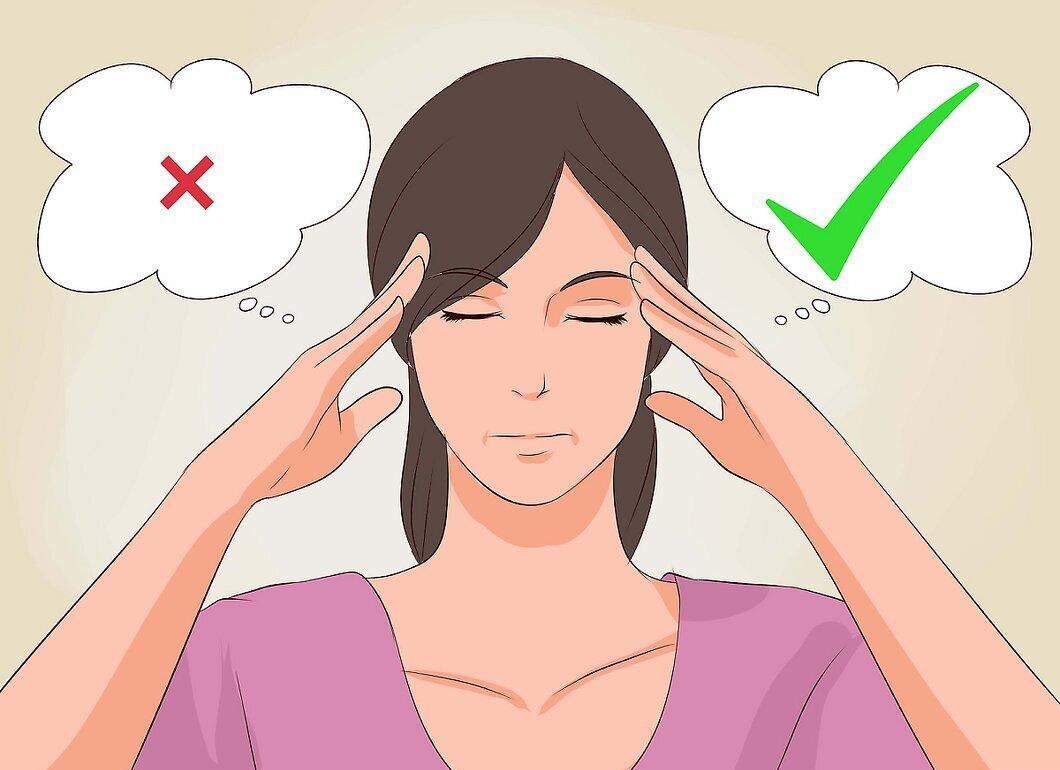
Emphasize your goals. Instead of dwelling on criticism, use it as motivation to achieve your objectives. Channel your anger and sadness into something constructive to help you move forward.
- Don’t take negative opinions personally; concentrate on your plans and dreams. This will enhance your creativity and openness to new ideas.
Step 2: Set Realistic Goals.
Set achievable tasks for yourself. Often, people fail to succeed due to unrealistic expectations. For instance, committing to exercise every day can be too daunting. It's better to set small, specific goals within your reach:
- For example, aim to walk 1.5 kilometers daily or make no more than three mistakes at work. This will give you a sense of accomplishment and motivation for further success.
- Remember to reward yourself for achievements. This is especially important in long-term projects where results aren't immediately visible. For example, after completing a task, allow yourself a favorite treat or a trip to the movies.
Step 3: Work on Your Weaknesses.
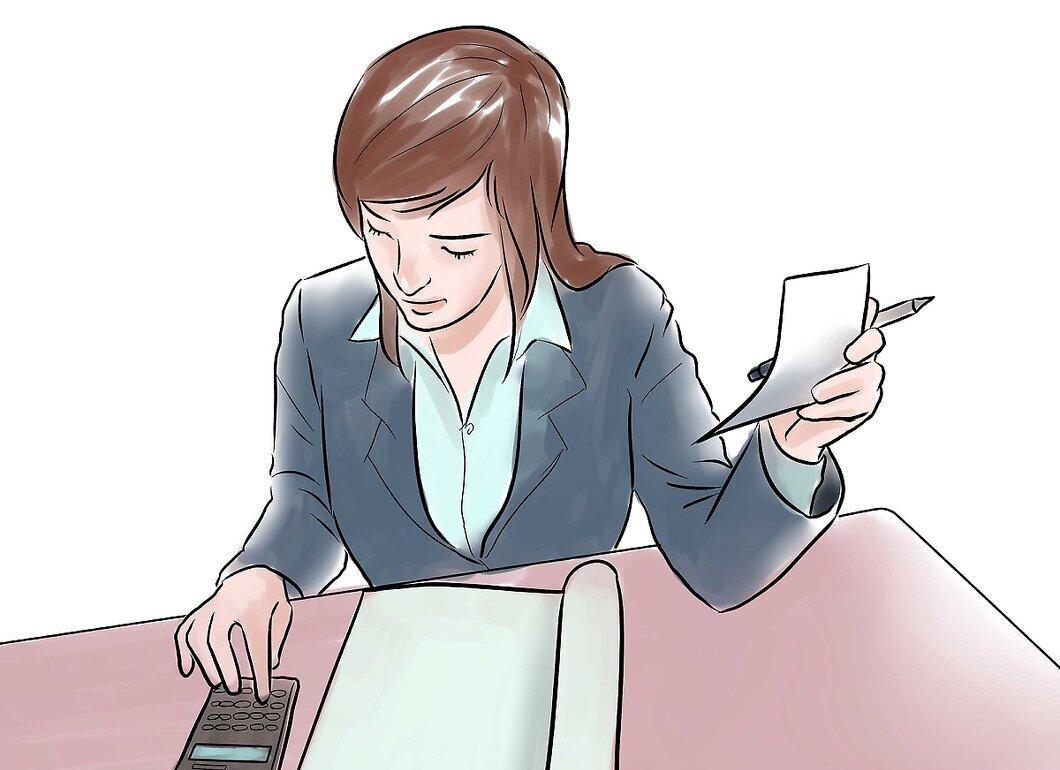
Focus on improving the areas where you feel lacking. If someone points out your weaknesses, view it as constructive criticism and strive to develop your skills:
- For instance, if you're great at communicating with clients but struggle with paperwork, dedicate time to mastering that area.
Step 4: Stop the Negative Self-Talk.
Pay attention to how you speak to yourself. Negative beliefs can severely damage your self-esteem. Often, we are influenced by others' opinions, and we may not even realize how they shape our self-perception:
- Check the truth of these claims. If someone says you're not good at math, gather information to confirm or refute that opinion. Don’t let others' words dictate your self-worth.
Part 4
- To achieve your goals, keep the end goal in focus. Imagine how your life will improve once you succeed.
- Remember that mistakes are opportunities for growth. Don’t let them derail you.
- Clearly articulate your goals. The clearer they are, the easier they will be to achieve. For example, if someone tells you that you can’t be a good mathematician, set a goal to solve 10 problems every day.
Part 5
Step 1: Recognize the Impact of Criticism.
Be aware of the negative influence criticism can have on your self-esteem. If you frequently encounter undervaluation, it can lead to sadness and depression. Don't let negativity affect your state of mind. If someone tells you that you’re incapable of doing something, try to respond appropriately and minimize contact with that person.
Step 2: Question the Motives Behind the Criticism.
Try to understand why someone expresses negative opinions about you. Often, people criticize others to mask their insecurities. Don’t take their words to heart, as they don’t reflect your true worth.
Step 3: Move Forward.
If you face difficulties, show yourself compassion. You may have encountered criticism in the past, but it’s important to believe in your abilities:
- For example, tell yourself: "I understand why I am so critical of myself. It's not my fault. I can be kinder to myself."
Step 4: Don’t Jump to Conclusions.
Avoid making hasty judgments based on others' opinions. Mistakes do not define your abilities. Smart people also make mistakes, and that doesn’t indicate their shortcomings. Don’t let negative words affect your self-perception.
Step 5: Avoid Perfectionism.
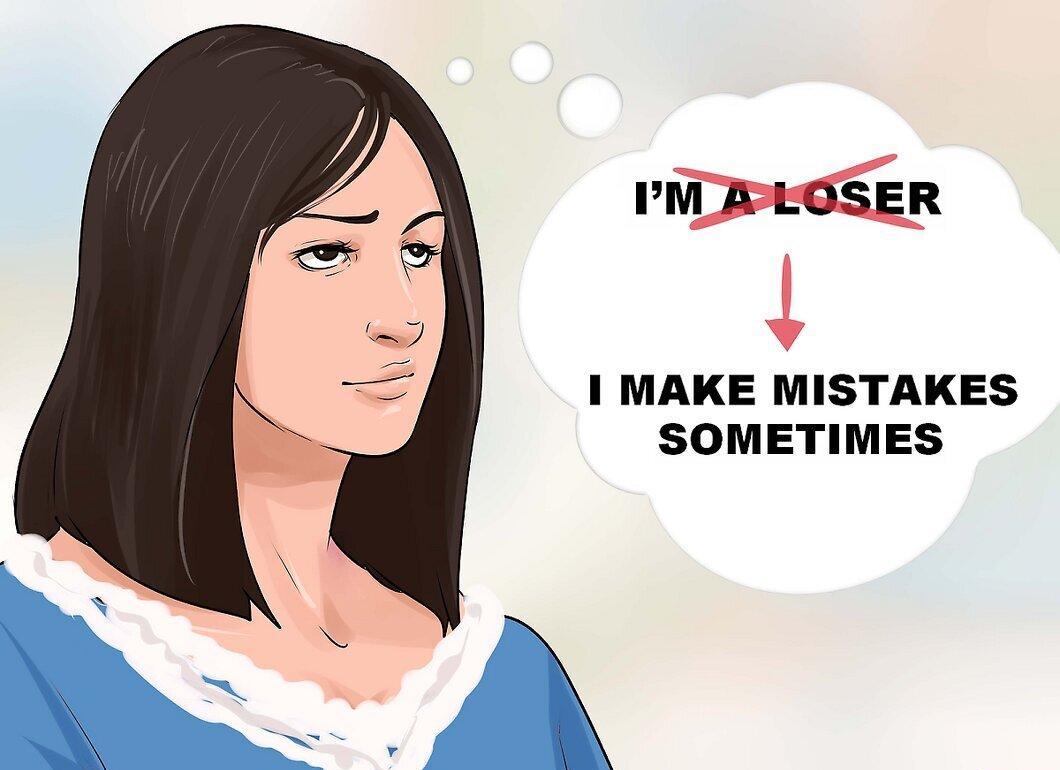
Remember, there are no perfect people. You may excel in some areas while struggling in others. Find a balance between growth and self-acceptance:
- Acknowledge that striving for perfection can lead to anxiety and depression. Reflect on your high standards and how they impact your life. If so, work towards a more realistic approach, reminding yourself that "no one is perfect."