When someone close to you is getting married, you'll likely want to prepare a toast to express how happy you are for the couple. However, if you've never given a toast before and feel tongue-tied or sweaty just thinking about it, you should seek out a few pointers. While your speech on this momentous day will ultimately depend on you, there are some general guidelines to follow.
Part 1
Step 1. Write the Toast.
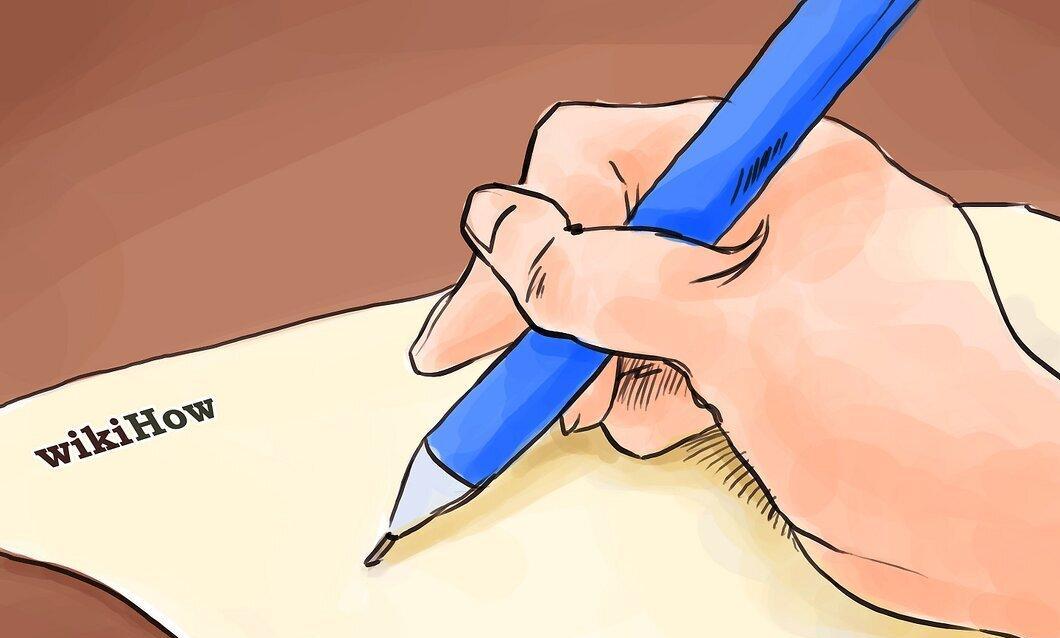
Write your toast. This is your chance to honor the couple, so don’t wait until the night before the wedding to think about what you want to say. Even if you want to be spontaneous, it's a good idea to have a backup toast prepared in case you find yourself at a loss for words. The toast should be short, sweet, and personal. Funny quotes or stories can add a nice touch while keeping the speech engaging. Avoid jokes that mock nudity, drunkenness, or anything else that might create an awkward situation for you, the newlyweds, and the guests!
Step 2. Take Notes.
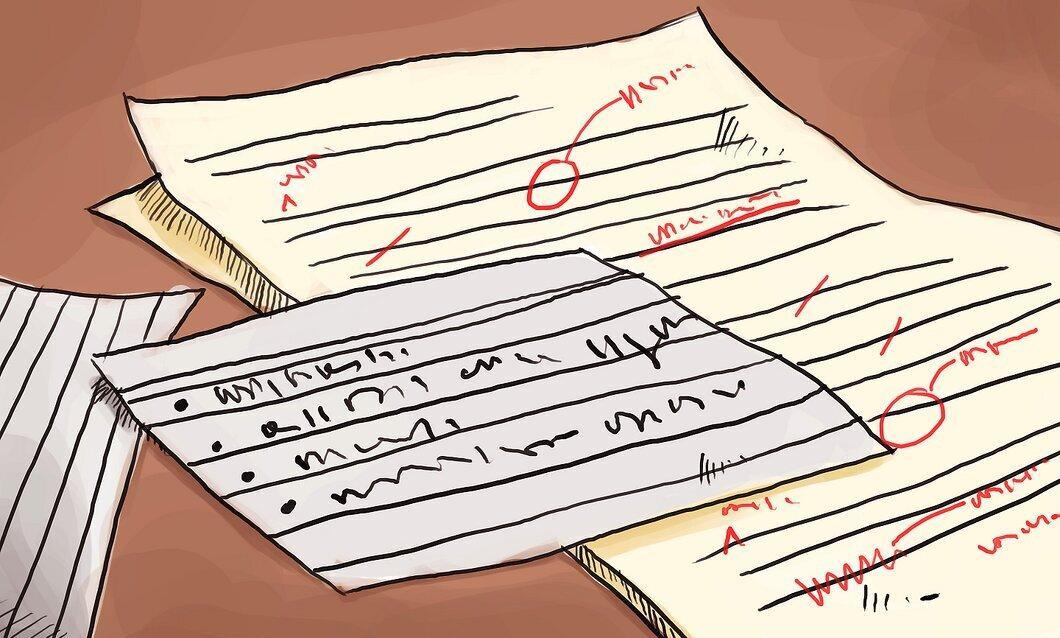
Take notes. Remember how you prepared presentations in school? Note cards are a great idea, especially if you're not confident in your public speaking skills. Don’t write out the entire speech word for word... You don’t want to spend the entire time reading from cards and sounding robotic. Instead, jot down short quotes or key phrases, such as: "Speaking of the first meeting with the bride, one must mention how comfortable they were with each other." The main idea of the notes is to jog your memory, but the actual phrasing should come from your heart, provided you follow the next step.
Step 3. Practice Your Speech.
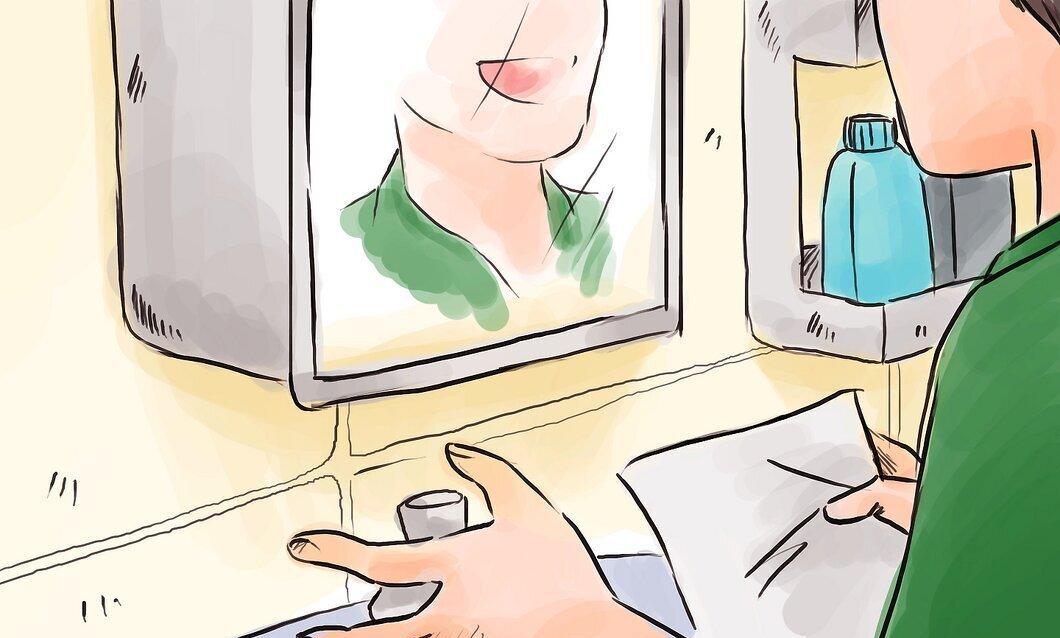
Practice delivering your speech. Grab a kitchen timer, a mirror, and some listeners (real people or stuffed animals with eyes that can sit still like attentive wedding guests). Rehearse your speech as if you were at the wedding. Make adjustments to your notes as needed. Keep practicing until you feel comfortable proclaiming the toast.
- Consider all sensations. For instance, picture where the audience is seated and direct your gestures and gaze toward them.
- Use strategic pauses to emphasize points. This will also help prevent you from speaking too quickly.
- Aim to keep your toast around two minutes long. If you notice that you're speaking too fast (which is likely if you're nervous), make a conscious effort to slow down.
Step 4. Wait Your Turn.
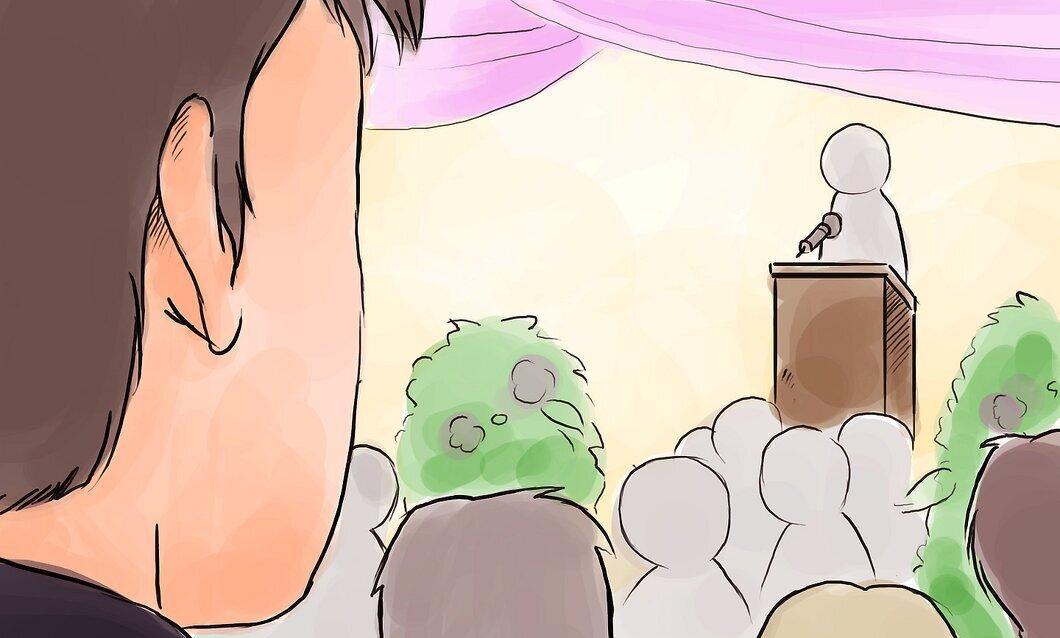
Wait for your turn. Timing is crucial. Chances are, you're not the only one wanting to give a toast. Your turn to speak will depend on how close you are to the bride and groom. Usually, the most outspoken guest goes first, followed by the fathers, the groom, the bride, family members, friends, bridesmaids, and anyone else who wishes to speak.
- In formal wedding ceremonies, toasts are generally given after the meal. If the couple cuts the wedding cake for dessert, the toast is usually made after the cake cutting but before dessert. However, if it's a less formal or daytime wedding, toasts often occur after the newlyweds' first dance.
- If there’s a toastmaster (common in formal, traditional weddings), follow their cues. If there’s none, the most active guest may coordinate the toasts.
- The traditional order of toasts is as follows: [2] X Source for the couple from the father of the bride or a close family friend.
- To the bride from the groom.
- To the parents of the couple, usually from the most active guest.
Step 5. Stand Up.
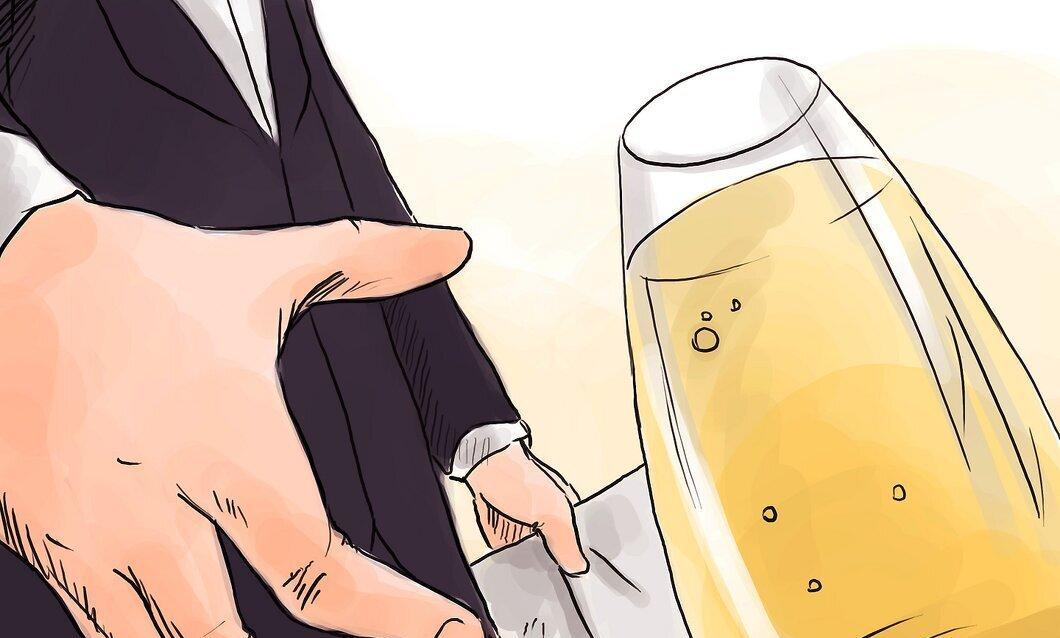
Stand up. Look around to ensure that all glasses are filled (including yours) before you begin your toast. Your glass should contain wine, champagne, or something similar, as toasting with water is considered offensive in some cultures.
Step 6. Raise Your Glass Toward the Couple.
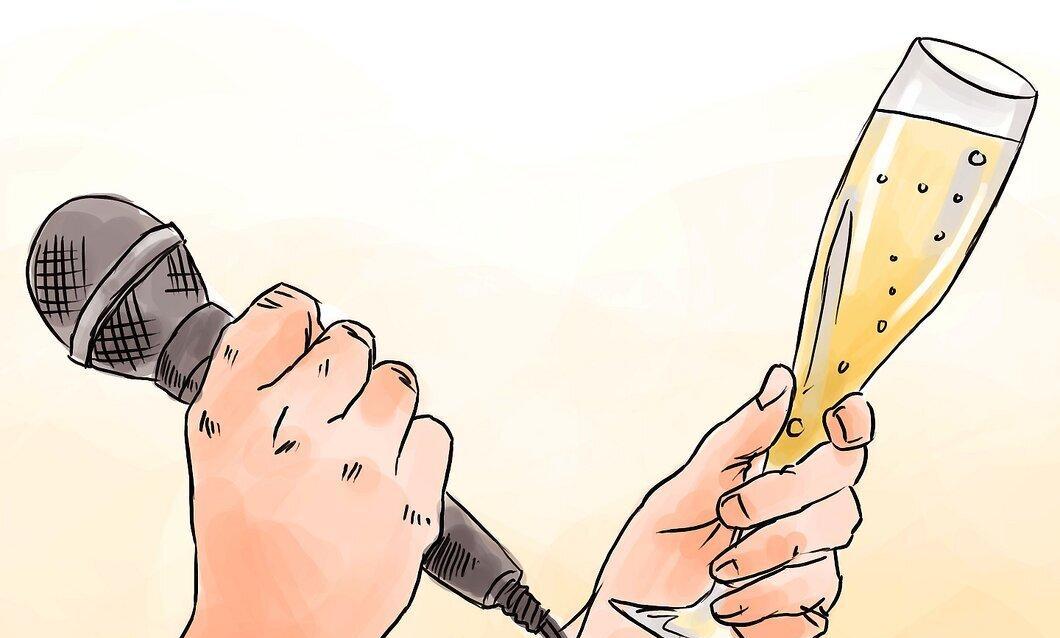
Raise your glass toward the person you are toasting. While many associate making a toast with tapping the side of the glass with a utensil, remember that you might shatter delicate crystal at a formal event. Instead, assertively say, "I would like to propose a toast" and wait.
Step 7. State Your Relationship to the Couple.
State your relationship to the couple. Some people at the wedding may not know, so clarify your relationship at the beginning to avoid any confusion. Hold your glass as you begin to speak, keeping it in one hand (unless you're also holding a microphone and notes).
Step 8. Deliver Your Speech.
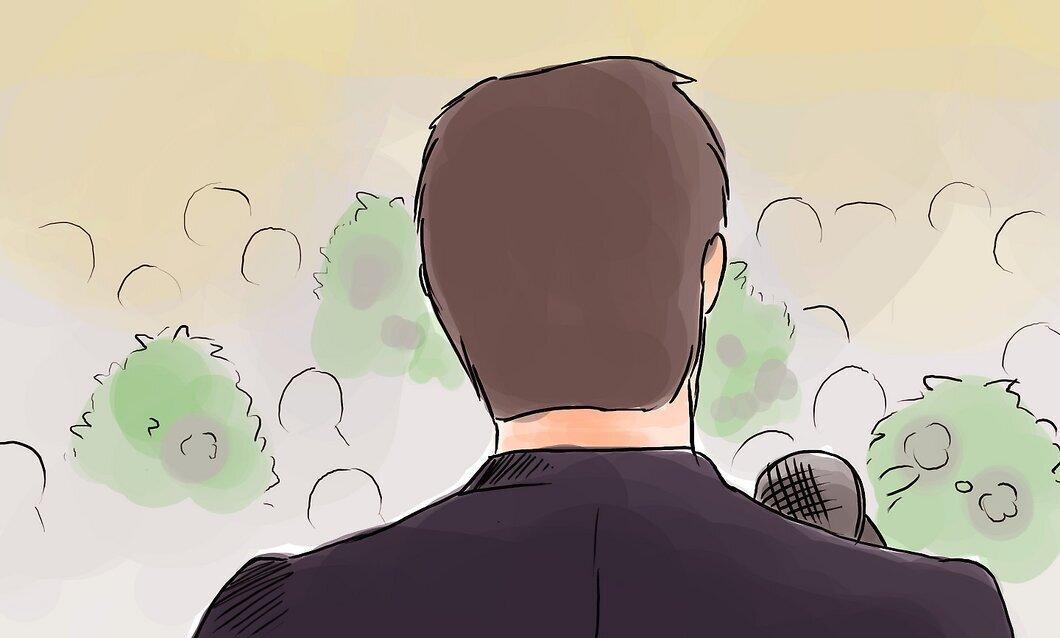
Deliver your speech. Look at the person you are toasting, and occasionally shift your gaze to the guests.
Step 9. End the Toast on a Positive Note.
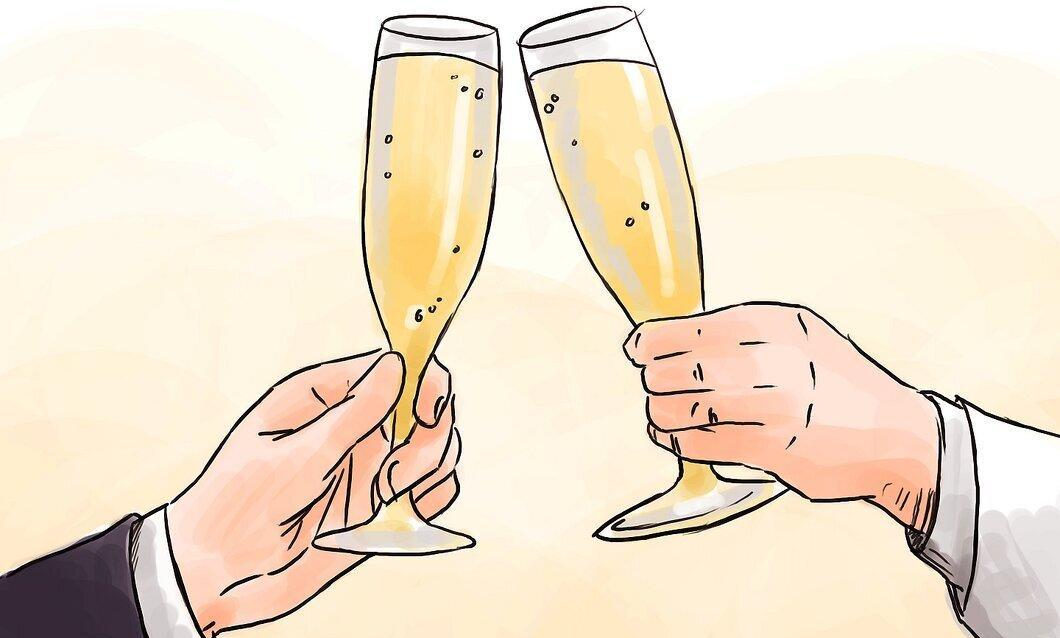
End the toast on a positive note. Make a formal indication to signal the end of your toast and what you will say next. For example: "Let’s raise our glasses to the happiness of Jill and Jack. To Jill and Jack!" After you say this, bring your glass up to meet the others, then tilt it toward the honoree or clink it with their glass if you’re close enough. Then gradually sip your drink along with those around you, savoring (not gulping or slurping) your beverage.
Step 10. Sit Down and Wait for the Next Toast.
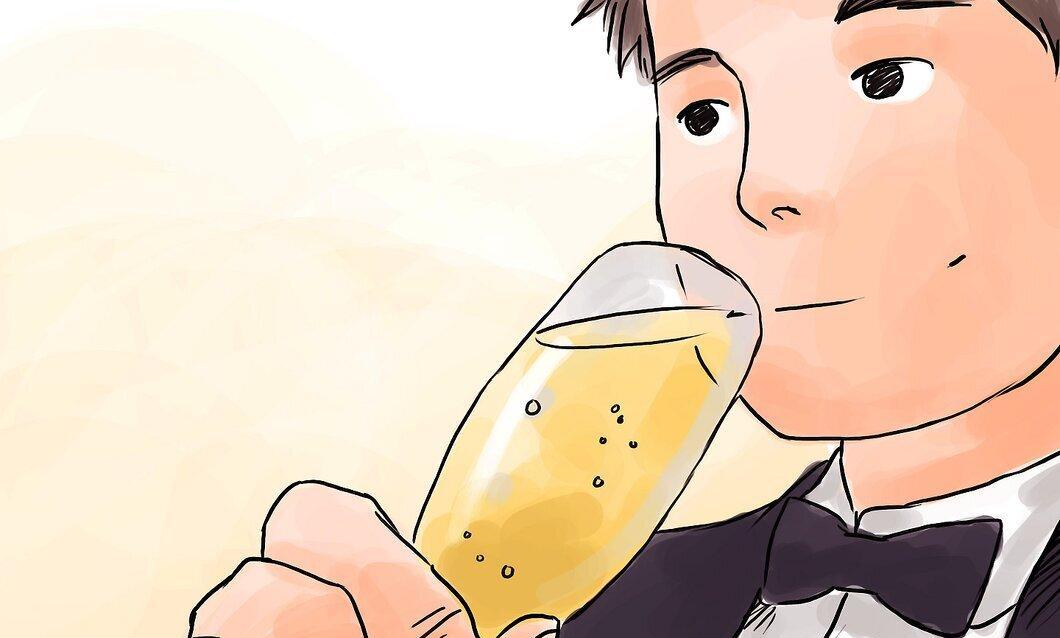
Sit down and wait for the next toast. If the person you toasted offers a toast in return, do not stand or raise your glass; simply say "thank you," smile, and enjoy your drink after the toast!