Inflatable kayaks are among the lightest and most versatile vessels for navigating water. They are often used in conjunction with larger yachts and boats to access narrow or shallow waterways. People with strong arms and backs typically find paddling easy with simple movements.
Preparing for Your Inflatable Kayak Adventure
Step 1: Connect the Pump to the Kayak.
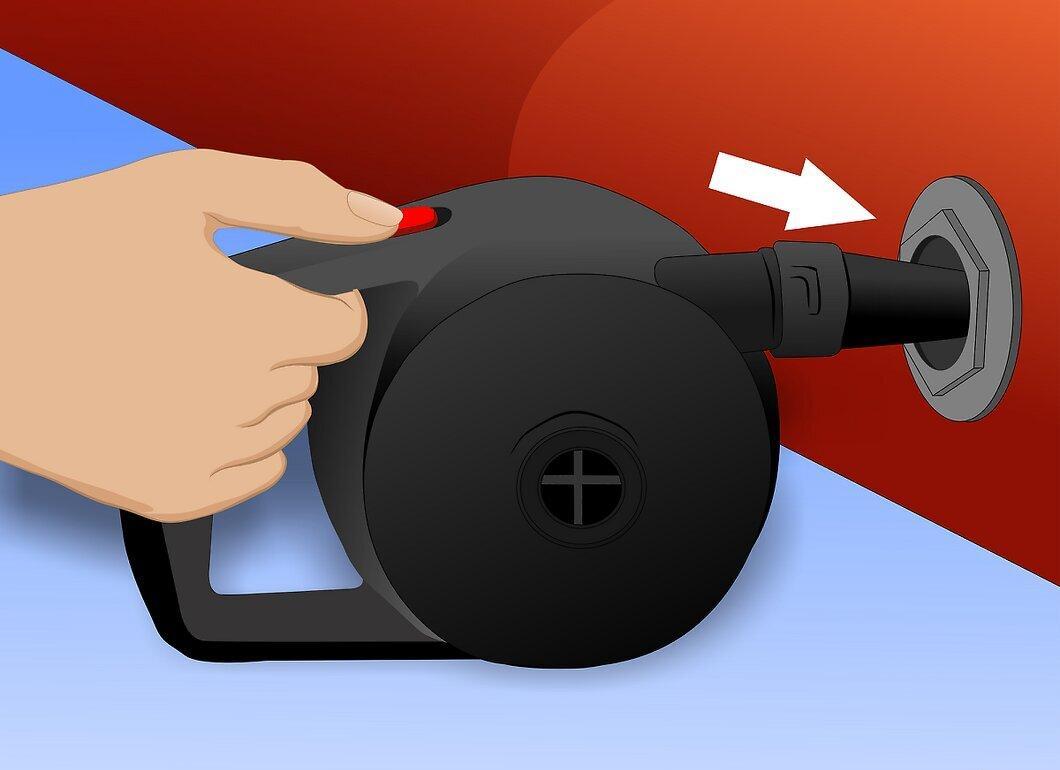
Connect the pump to your inflatable kayak. For larger kayaks, it’s recommended to use an electric compressor. Inflate the kayak to the level specified in the manual.
Step 2: Attach the Paddles.
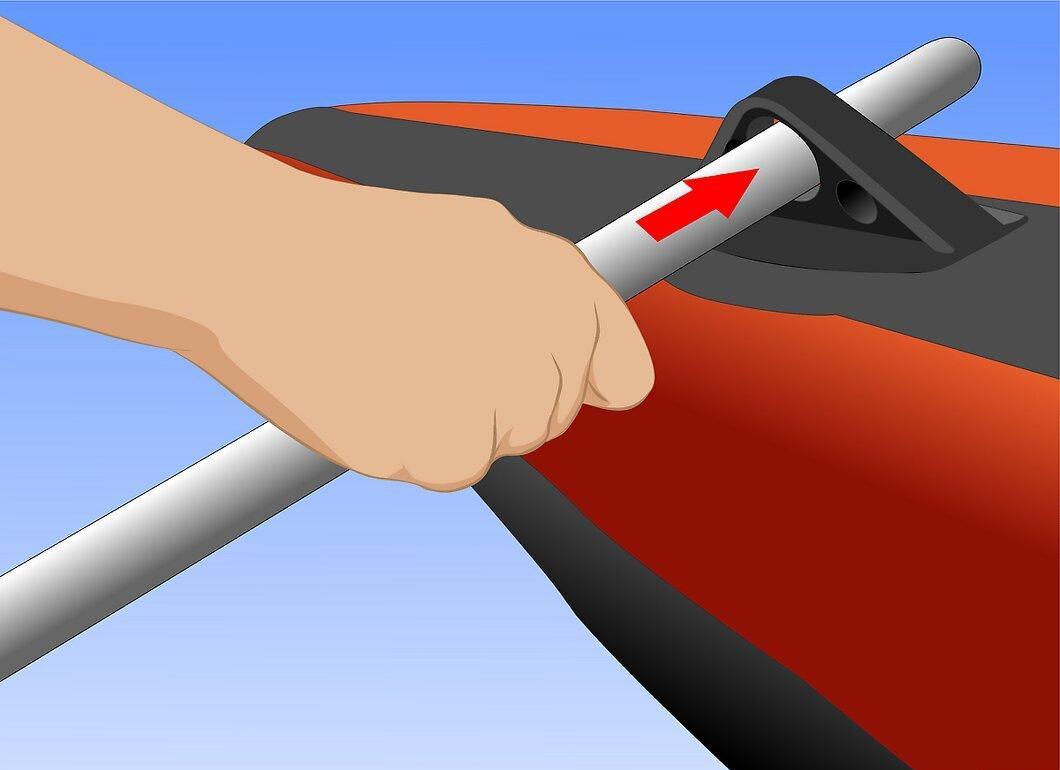
Attach the paddles by inserting them through the pins or rings on top of the kayak. Depending on the size, there may be one or two pairs of paddles. Some larger models can also be fitted with a motor.
- While the paddle is attached to the kayak, the paddler has full control over the blade.
- During loading, the paddles should be inside the kayak or on its sides.
Step 3: Lower the Kayak into the Water.
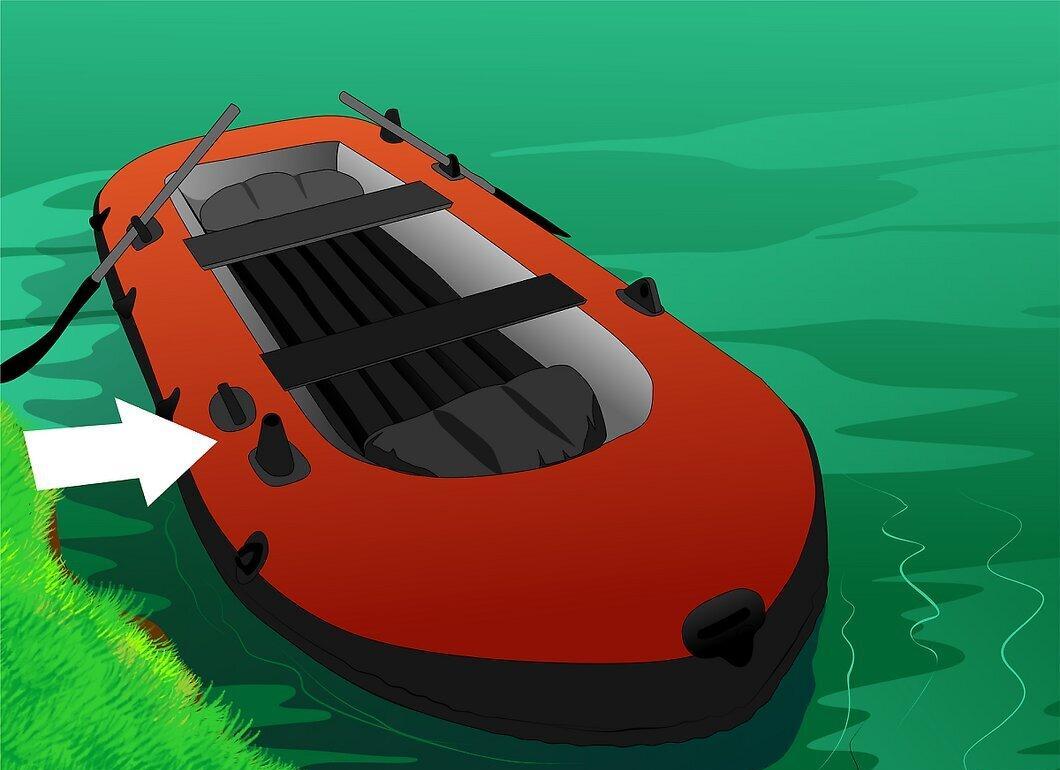
Lower the kayak into the water. If you are at a body of water, untie the kayak from the anchor and secure it to the dock. It’s helpful to have a rope handy for quickly tethering the kayak to the shore if you are close by.
Step 4: Load All Gear into the Kayak Before Boarding.
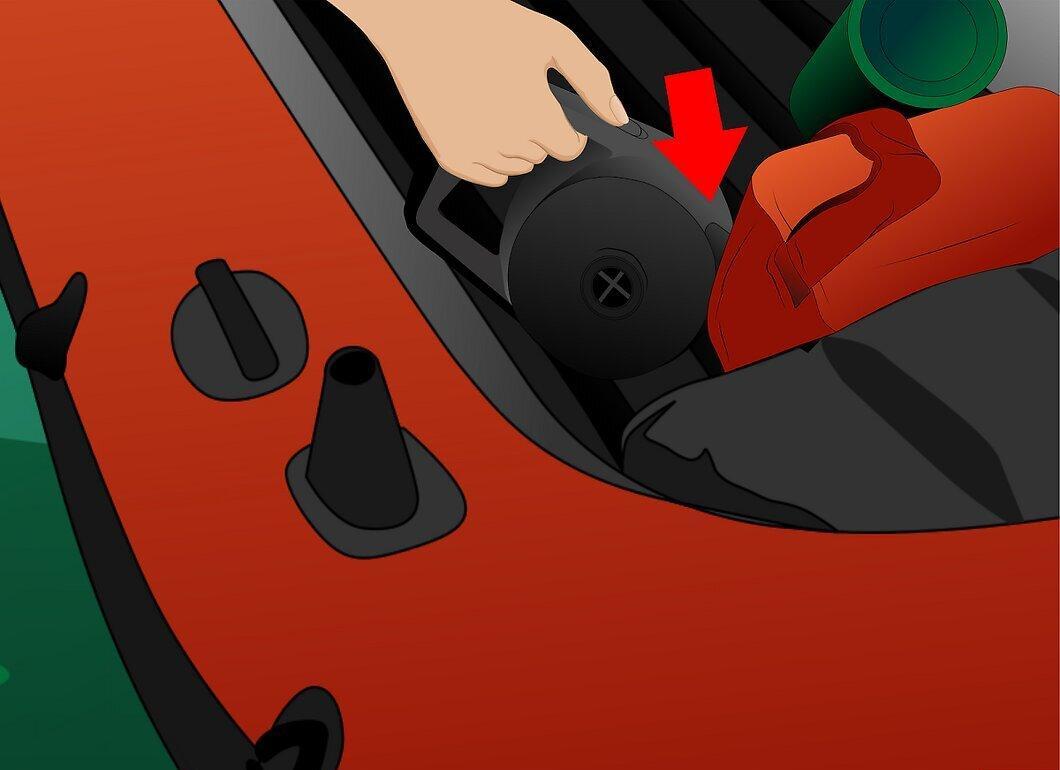
Before stepping into the kayak, ensure all gear is loaded. Don’t forget to bring a repair kit, a small pump, and a first aid kit. If you plan to set off, load all essentials first, then push off from the shore.
Step 5: Get into the Kayak.
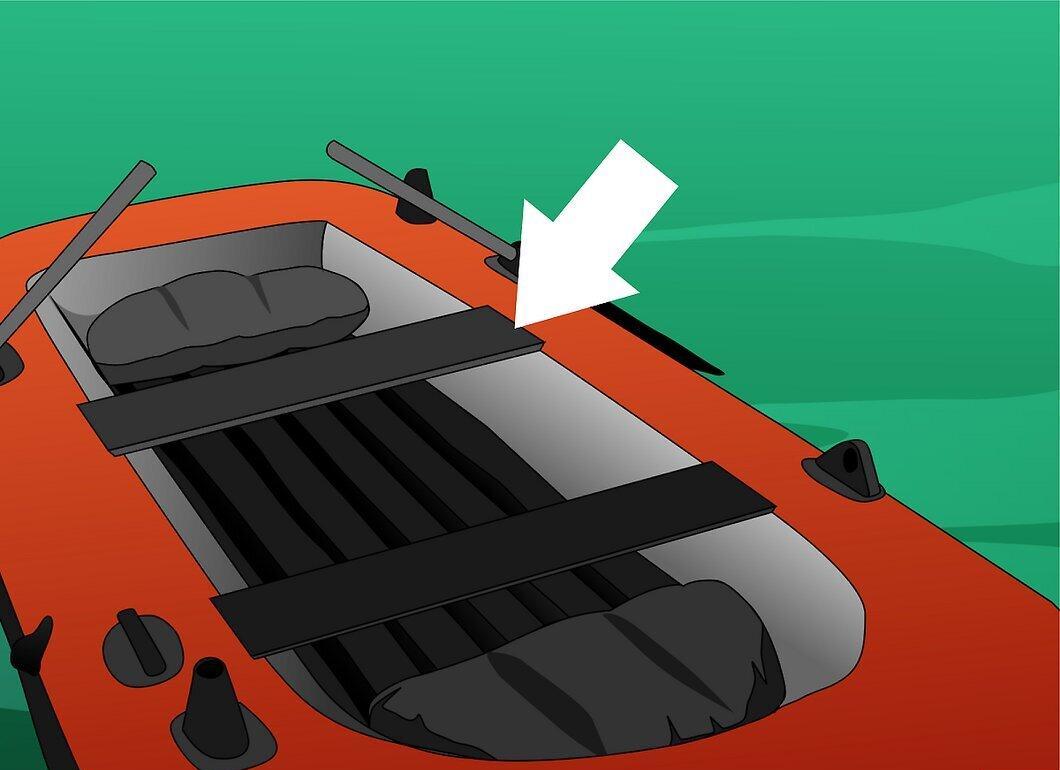
Climb into the kayak. Sit in the paddler's position, facing the bow. If there are multiple people in the kayak, the one who will be paddling should enter first to control the movement from the start.
Paddling Your Inflatable Kayak
Step 1: Find a Comfortable Position.
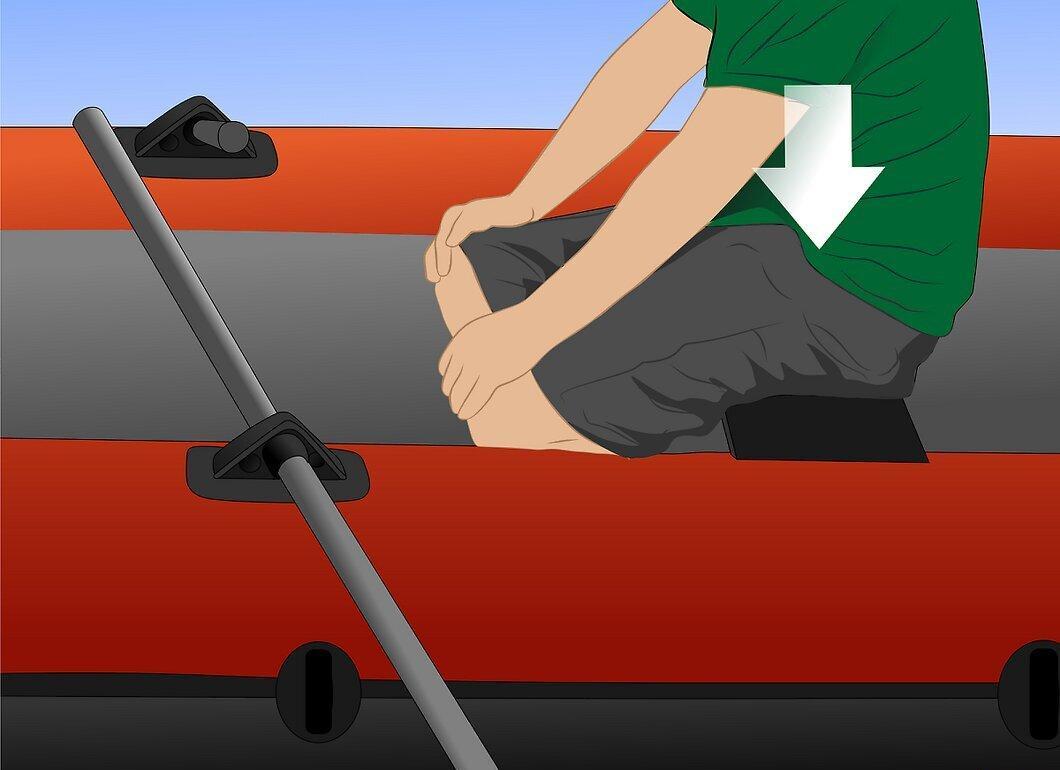
Ensure you are comfortable sitting. Some kayaks have a raised position for the paddler, while the seats for other passengers may be lower. You might need to cross your legs and lean back slightly to achieve a stable position.
Step 2: Grip the Paddle Handles.
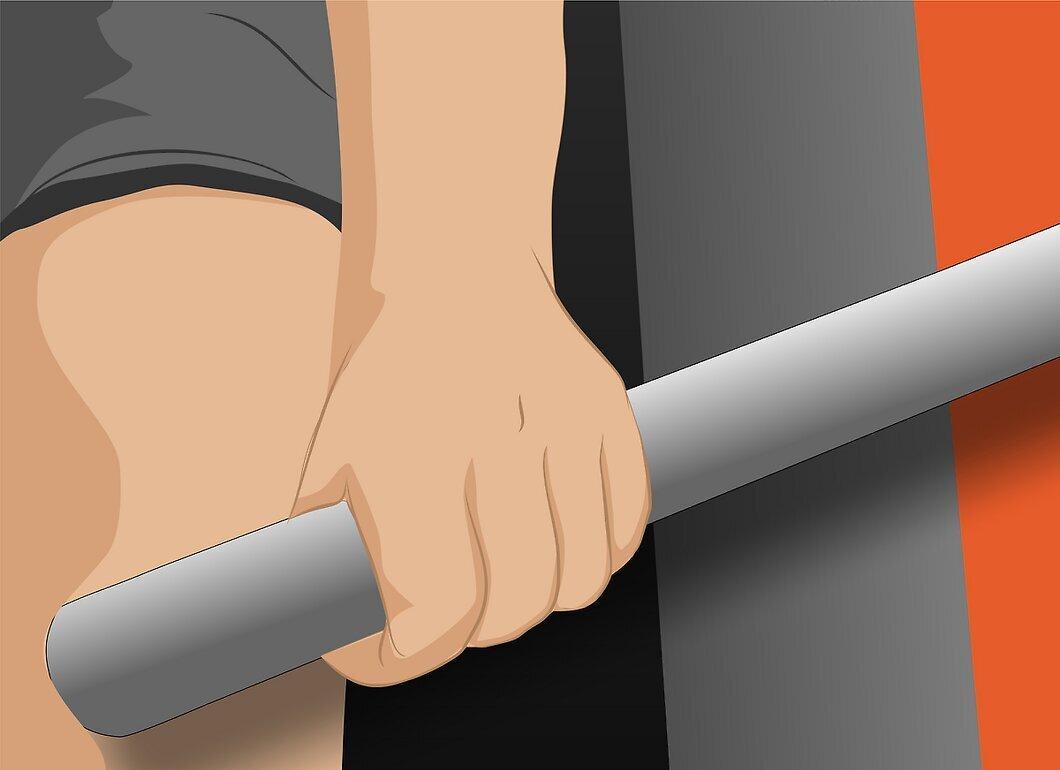
Grip the paddle handles. If they are adjustable, set them while on calm water or before you push off from the shore. Your hands should be placed on the top of the handle, with the blade perpendicular to the water.
- Your thumb can either rest on the edge of the handle or wrap around it from below.
Step 3: Move the Paddles Above the Water, Then Submerge Them.
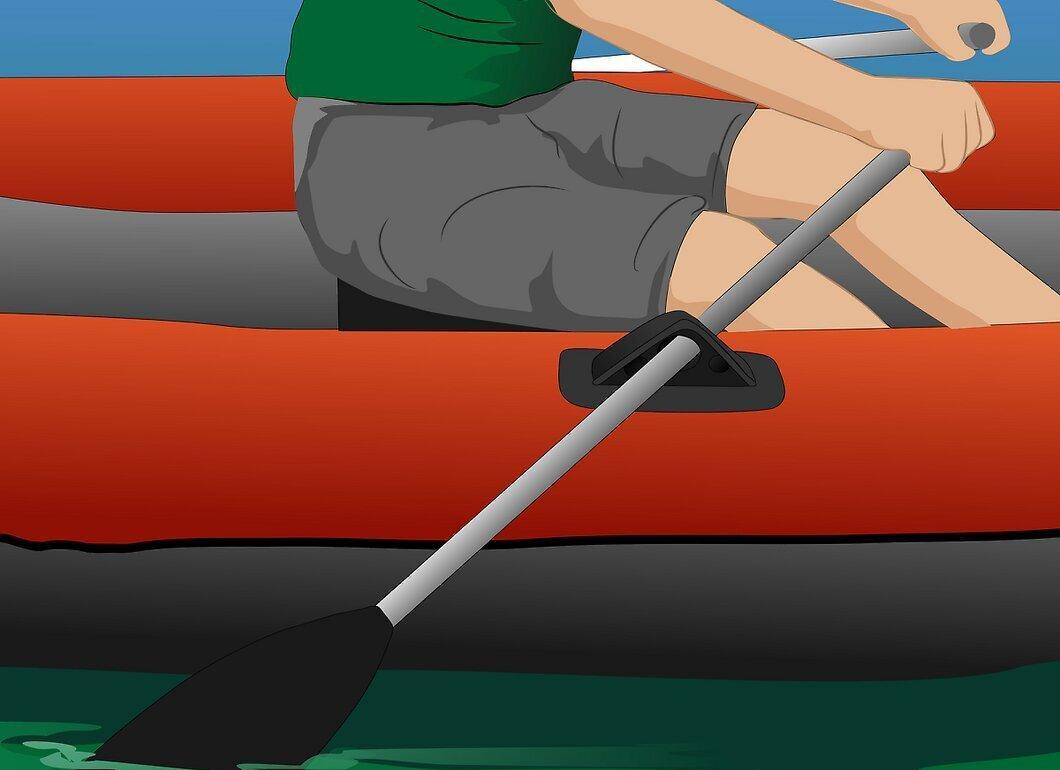
Move the paddles above the water's surface, then dip them in when your arms are fully extended. As you lean forward, your arms will also move forward, and vice versa.
Step 4: Engage Your Core Muscles.
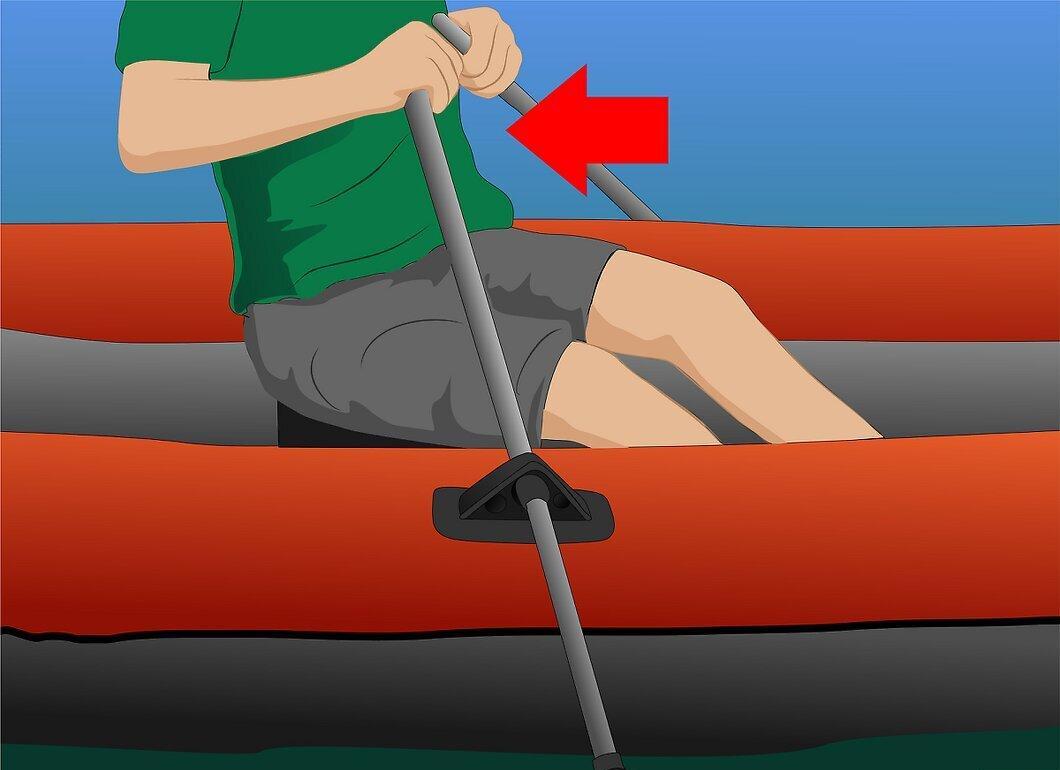
Engage your core muscles. Lean back and pull the paddles towards you when they are fully submerged, until your hands are at chest level. Try to sit up straight while paddling.
Step 5: Monitor Your Paddling Rhythm.
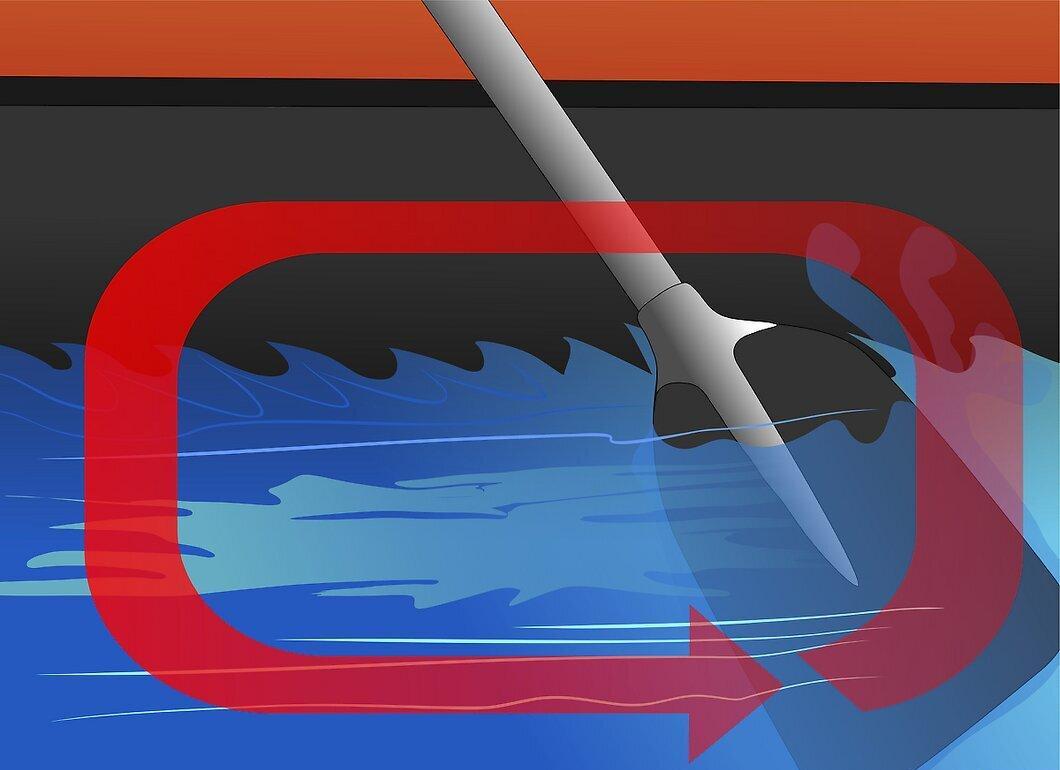
Pay attention to your paddling rhythm. Accelerate the pushing movements so the paddles spend as little time as possible above the water, while keeping the pulling movements at a comfortable depth.
- Quickly extracting the paddles from the water minimizes wind resistance.
Step 6: Turn the Kayak Using One Paddle.
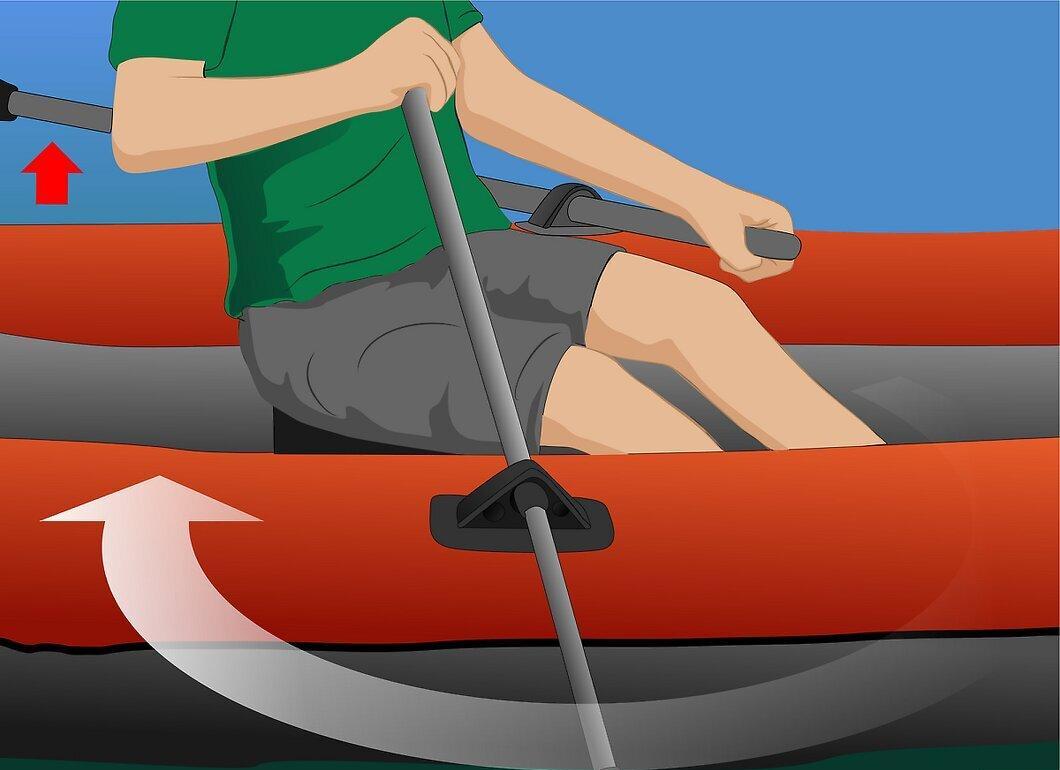
To turn the kayak, lift one paddle out of the water and continue paddling with the other. If you’re using the left paddle, the kayak will turn counterclockwise. If you only paddle with the right, the kayak will turn clockwise.