
When you receive the news that your small company has been acquired by a large corporation, or when your boss calls you into the office and says, "I'm sorry, but you're fired," it can trigger intense emotions. Your reaction to such news may be tumultuous, filled with outrage and dissatisfaction toward your former employer. You may feel anxiety and stress due to the career changes ahead, but with the right strategies, you can navigate this event and continue on your path.
How to Handle Unexpected Job Loss
Step 1. Stay Calm.

Don’t let anger take control. While emotions can run high, it’s important not to express aggression towards your boss or colleagues. As soon as you're informed of your termination, try to suppress negative feelings and focus on leaving the office with dignity.
- Expressing frustration will only tarnish your reputation and create unnecessary conflicts. It’s better to end the conversation with respect for yourself.
- Avoid aggressive actions. Even if you are unhappy about the termination, physical violence can lead to serious consequences.
Step 2. Understand the Reasons for Your Termination.

Ask why you were let go. Understanding the reasons behind your termination is essential—it could be related to your behavior, a specific incident, or a company reorganization.
- Knowing the reasons can help you learn lessons and avoid similar situations in the future.
Step 3. Don’t Rush to Sign Documents.
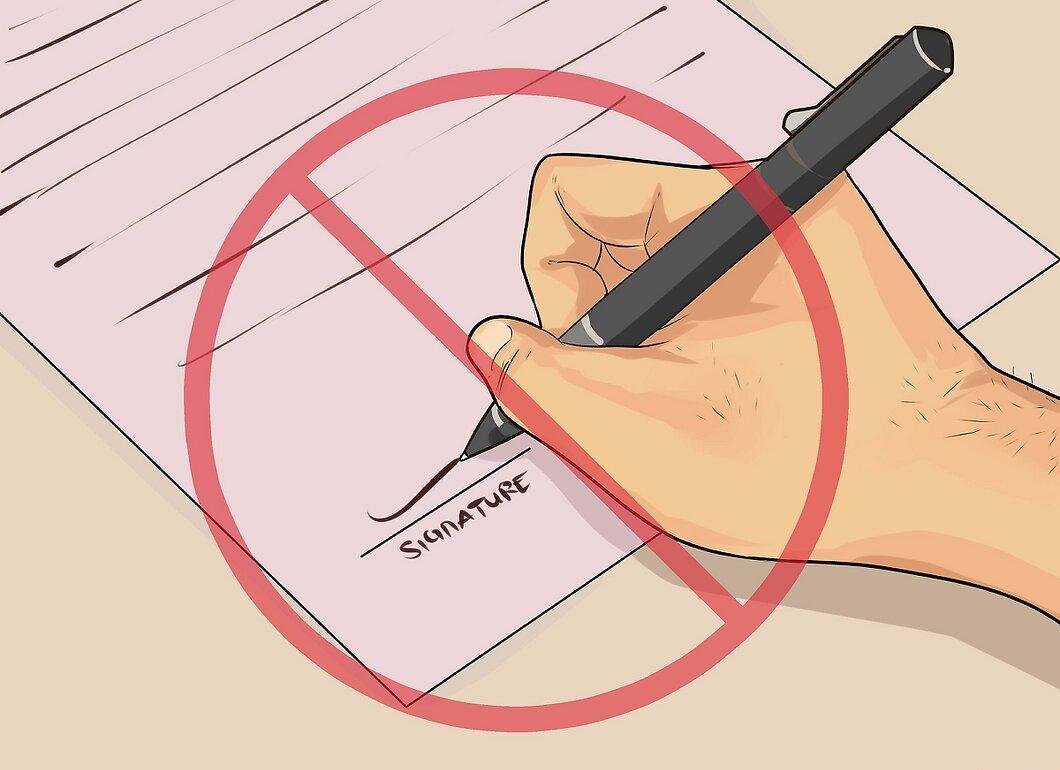
Don’t sign documents right away. After receiving the termination notice, your boss may ask you to sign papers. However, take your time—pause to read them carefully and perhaps consult a lawyer.
- You might be able to negotiate better severance terms, especially if you’ve been with the company for a long time.
Step 4. Discuss How to Explain Your Departure to Colleagues.

Talk to your employer about how your termination will be presented to the rest of the staff. This is particularly important if you held a high position or worked with clients.
- Ensure that your departure is explained appropriately to avoid damaging your reputation.
- Confirm that your former employer will provide neutral references if potential employers inquire.
Step 5. End the Conversation on a Positive Note.

Try to conclude the meeting with your employer with a friendly handshake. Although this may be challenging, especially during an emotional time, it's important to maintain good relationships for the future.
Step 6. Pack Your Things and Leave the Office.

Gather your personal belongings and exit the office. Don’t linger to discuss your termination with colleagues—this may come across as unprofessional.
- Call a close colleague later to say goodbye or suggest meeting outside the office.
Step 7. Apply for Unemployment Benefits.
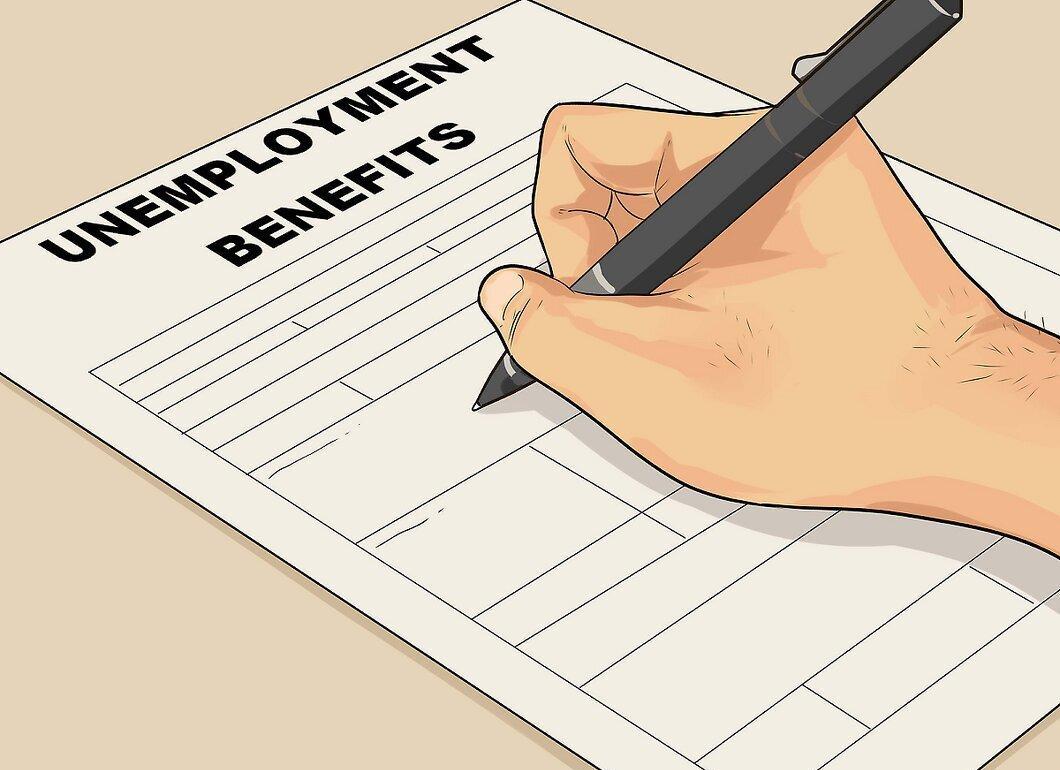
Don’t forget to apply for unemployment benefits. Make sure you understand the rules in your country.
- Familiarize yourself with the conditions to determine your eligibility for benefits.
Time for Reflection and Renewal
Step 1. Don’t Hesitate to Share Your Experience.
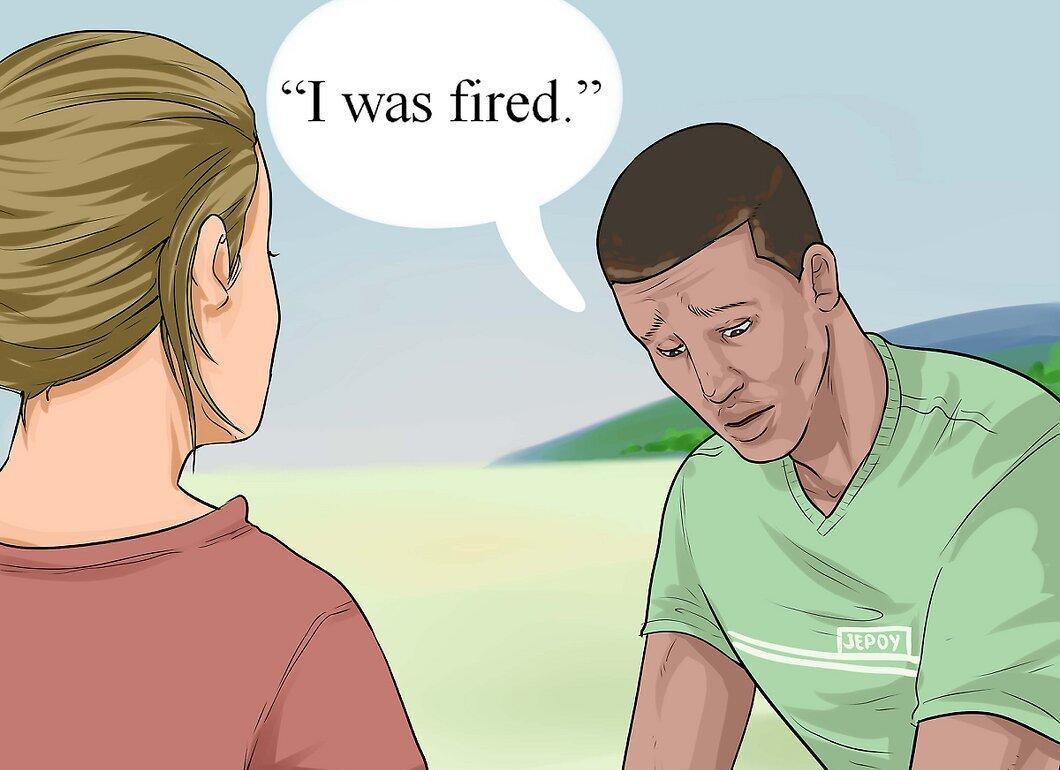
Don’t be afraid to talk openly about your job loss. Acknowledging the situation out loud will help you cope with the emotional burden.
- Be honest during interviews if asked about the reasons for your termination. Explain the details but emphasize that you left on a positive note.
Step 2. Seek Support from Loved Ones.

Reach out to friends and family for support. Don’t try to handle the challenges alone.
- Share your feelings with loved ones—it will help you process your emotions.
Step 3. Consider Professional Help.

Discussing your job loss with a therapist can be extremely beneficial. Professional support can help you work through negative emotions.
- Don’t rush to move on without addressing the feelings triggered by your termination.
Step 4. Avoid Dwelling on the Past.

Don’t get stuck in thoughts of "what if." This can hinder your progress and prevent you from moving forward.
- Instead, ask yourself questions like "What can I do now?".
Step 5. Use Your Free Time for Hobbies.

Spend time on activities that bring you joy. This will help you relax and take your mind off negative thoughts.
- Read books, engage in sports, or participate in volunteer projects. Do something you haven’t had the chance to do before.
Step 6. Assess Your Financial Situation.
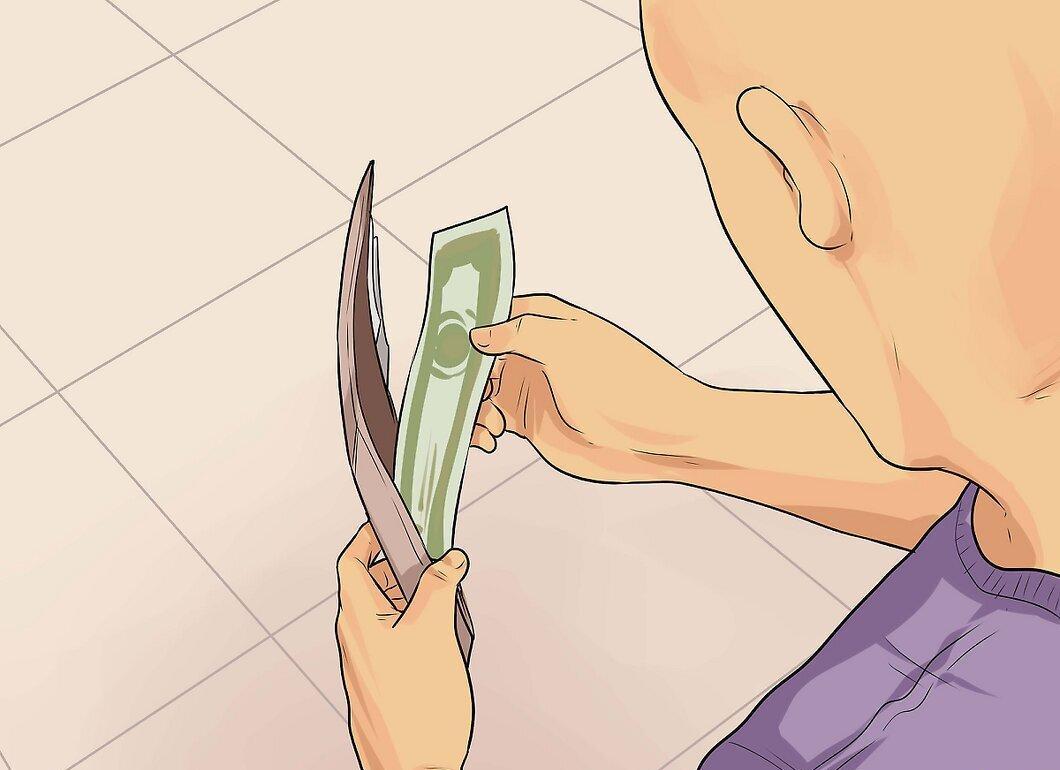
Analyze your finances. Assume that finding a new job may take time and create a budget for the coming months.
- Consult a financial advisor if necessary, and factor in any severance payments in your planning.
Moving Forward
Step 1. Define Your Career Goals.

Decide what you want to do next. Were you happy in your previous job, or do you want to explore new opportunities?
Step 2. Identify Your Transferable Skills.

Make a list of skills that can be applicable in other fields. If you have worked in a specific area, consider how those skills might transfer to a new domain.
- If you’re uncertain about your skills, try taking online career assessments.
Step 3. Create an Action Plan.
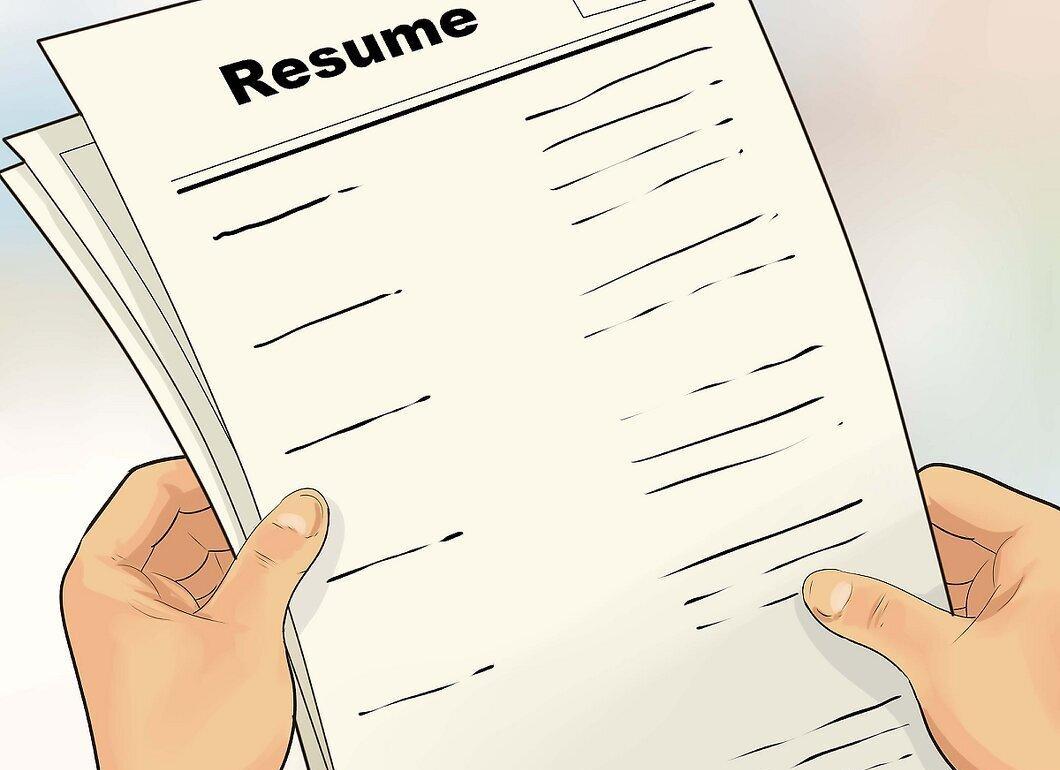
Develop a strategy that may include updating your resume and actively seeking job opportunities.
Step 4. Practice Interviewing.

Rehearse answers to common interview questions to boost your confidence. Ask yourself key questions about your strengths and weaknesses, goals, and reasons why you should be hired.
Step 5. Consider Temporary Positions.

Don’t overlook temporary jobs. They can provide financial assistance and open doors to permanent positions.
Step 6. Enjoy Your New Job.

Once you find a new job, focus on it and enjoy the process. Use this opportunity to develop your skills and grow in your chosen field.