
Sukkot is a Jewish holiday that starts on the 15th day of Tishrei, just five days after Yom Kippur. Originally linked to the harvest, this festival served as a way to express gratitude to God for the fruits of the earth. Over time, it has evolved into a joyful event lasting seven to eight days, accompanied by many traditions. One of the key traditions is building a "sukkah"—a small hut or tent symbolizing the dwelling places of ancient farmers during the harvest and a reminder of the homes of the Israelites wandering in the desert for 40 years.
Traditions of Sukkot
Step 1. Prepare for the holiday of Sukkot.

Prepare for Sukkot! This is a joyous and significant holiday for the Jewish people. Sukkot is so full of positive emotions that it’s often referred to as Z'man Simchatenu, which translates to "Season of Our Joy." For seven days, Jews celebrate the importance of God in their lives and rejoice in the successes of the past year. This time should be filled with happiness, so as you prepare for the holiday, try to let go of negative thoughts and focus on gratitude towards God.
Step 2. Build a Sukkah.
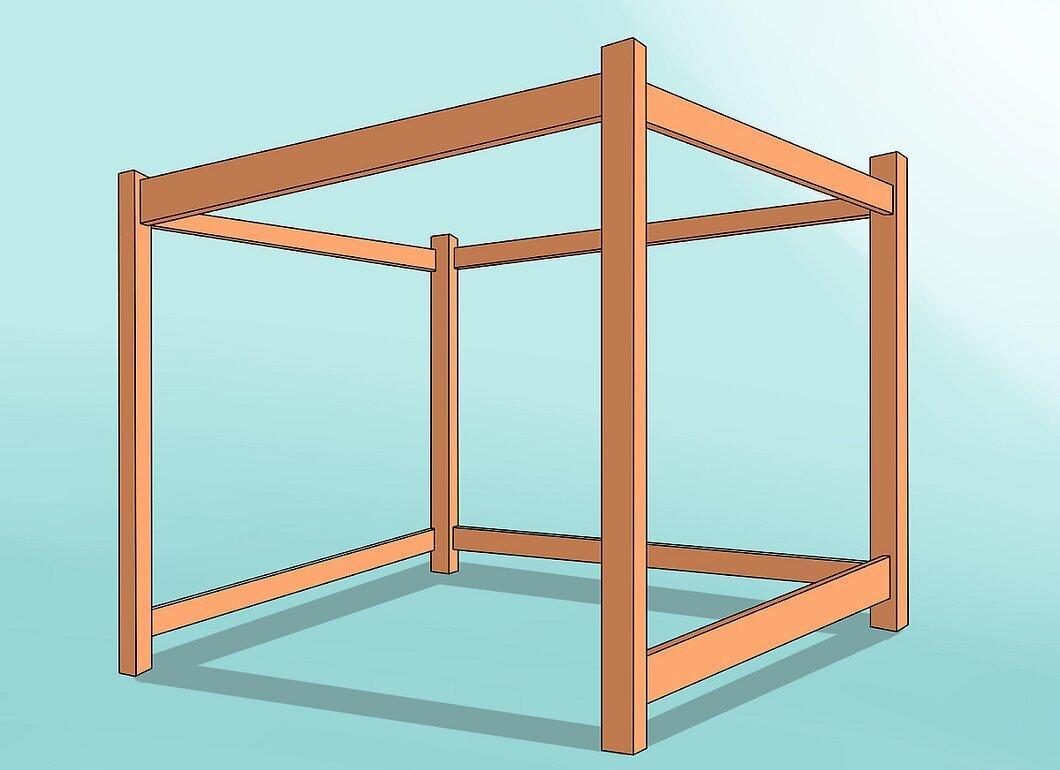
Build your Sukkah! As mentioned, constructing a "sukkah" is one of the most vivid traditions of the holiday. You can use various materials for its construction, including tarps, but it’s important that it’s sturdy against the wind. The roof is typically made from branches and leaves, while the inside of the hut is adorned with drawings and religious symbols. According to the book of Leviticus, Jews are required to "dwell" in the Sukkah for all seven days of the holiday, which means conducting all festivities and meals in this space.
Step 3. Avoid work during the first two days of Sukkot.

During the first two days of Sukkot, it is preferable to refrain from work. Although the holiday lasts about a week, the first two days are particularly sacred, and during this time, most activities should be avoided to show respect to God. All work that cannot be done on Shabbat is prohibited, except for cooking and carrying items. This time is recommended for prayer and spending time with loved ones.
- The remaining five days are referred to as "Chol Hamoed" or "intermediate days," when work is permitted. However, if Shabbat falls on one of these days, it should be observed as usual.
- On Shabbat, many activities such as writing, sewing, and cooking are also prohibited. A complete list can be found on Jewish websites.
Step 4. Recite the "Hallel" prayers daily.
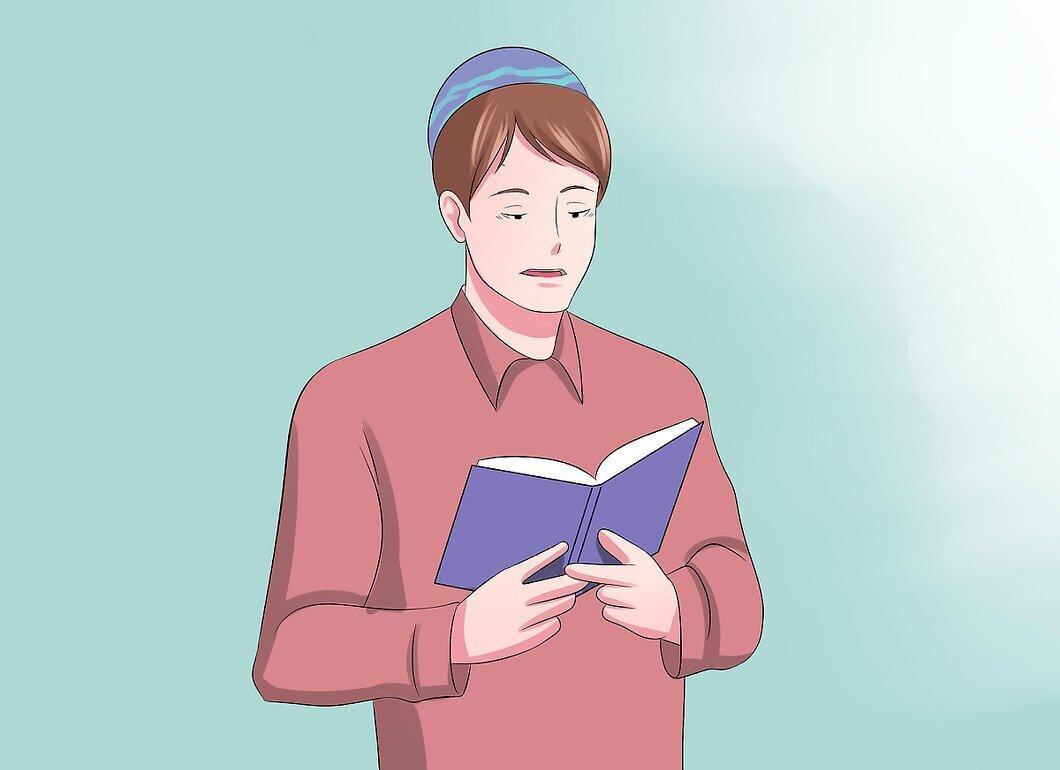
Each day during Sukkot, recite the "Hallel" prayers. During this holiday, special sections are added to the regular morning, evening, and afternoon prayers. What is recited depends on the day of the holiday. However, the traditional prayer recited after the morning prayer is the full text of "Hallel," which includes Psalms 113-118.
- In the first two days of the holiday, special changes are made to the Amidah prayer that are only used on festive days.
- On the intermediate days, the Amidah prayer is recited as usual, except for the addition of "ya'aleh v'yavo."
Step 5. Shake the Lulav and Etrog.
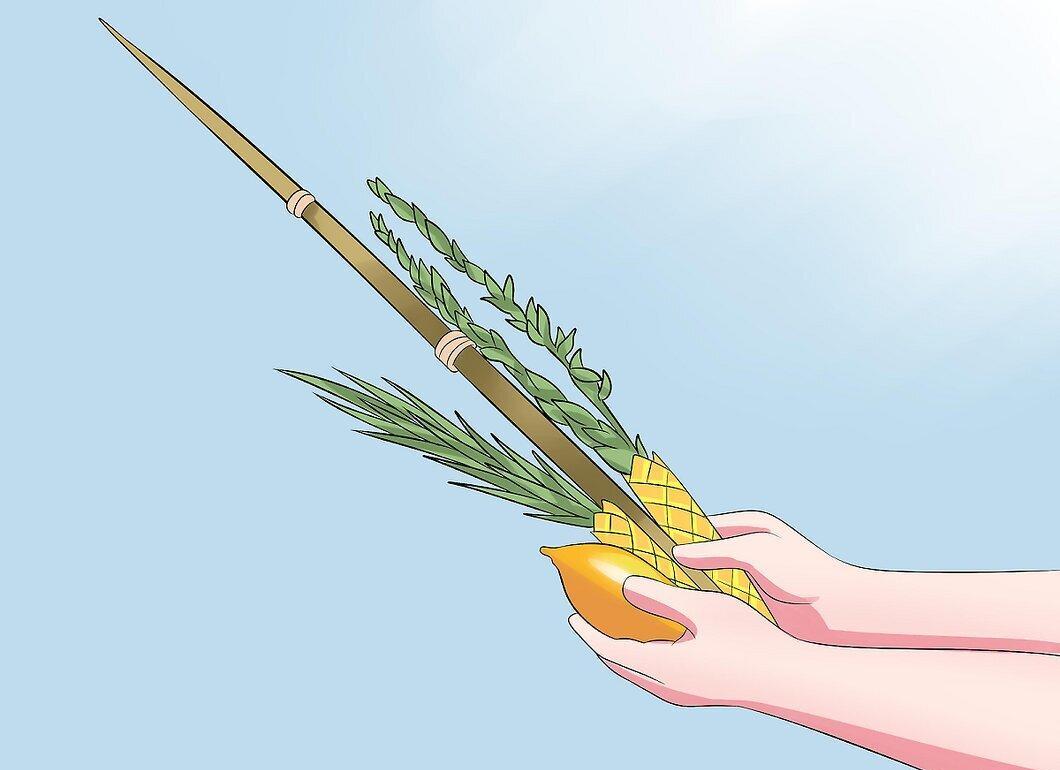
During Sukkot, it is customary to shake and wave the Lulav and Etrog. This important tradition follows the construction of the Sukkah. On the first day of the holiday, Jews shake the branches (Lulav) and the fruit (Etrog). The Lulav consists of bound palm fronds, two willow branches, and three myrtle branches. The Etrog is a citron, a lemon-like fruit that grows in Israel. For the ritual, you hold the Lulav in your right hand and the Etrog in your left, recite the blessing "Bracha," and then wave them in six directions, symbolizing God’s presence everywhere.
- Note that commentators on religious law may provide different instructions regarding the order of directions when shaking the Lulav and Etrog.
Step 6. Enjoy other Sukkot traditions.
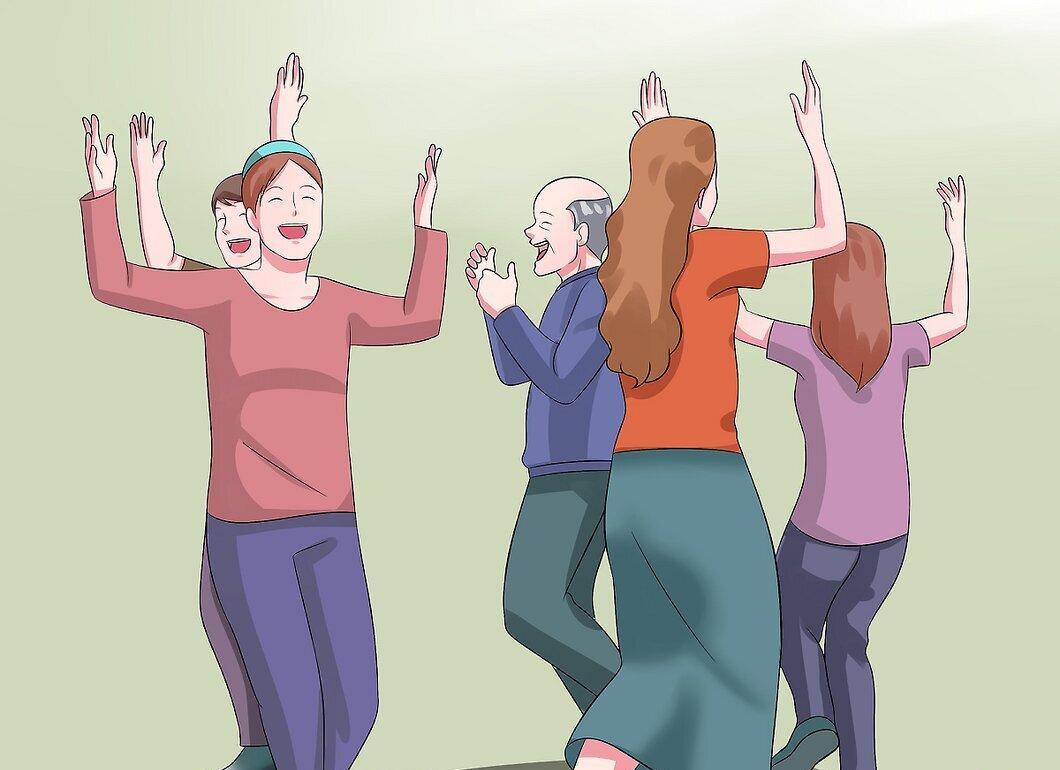
Enjoy the many other Sukkot traditions! Building the Sukkah and waving the branches are just two of the countless traditions. In fact, there are so many that it’s impossible to list them all. Traditions often vary by family and region, so don’t hesitate to learn how Sukkot is celebrated in other countries if you’re going on vacation. Here are a few ideas for celebration:
- Spend time outdoors in the Sukkah.
- Share stories from the Scriptures, especially about the 40 years the Israelites spent in the desert.
- Dance and sing in the Sukkah: many religious songs are specifically created for this holiday.
- Invite the whole family to join in the celebration.
Building a Sukkah
Step 1. Use sturdy walls.
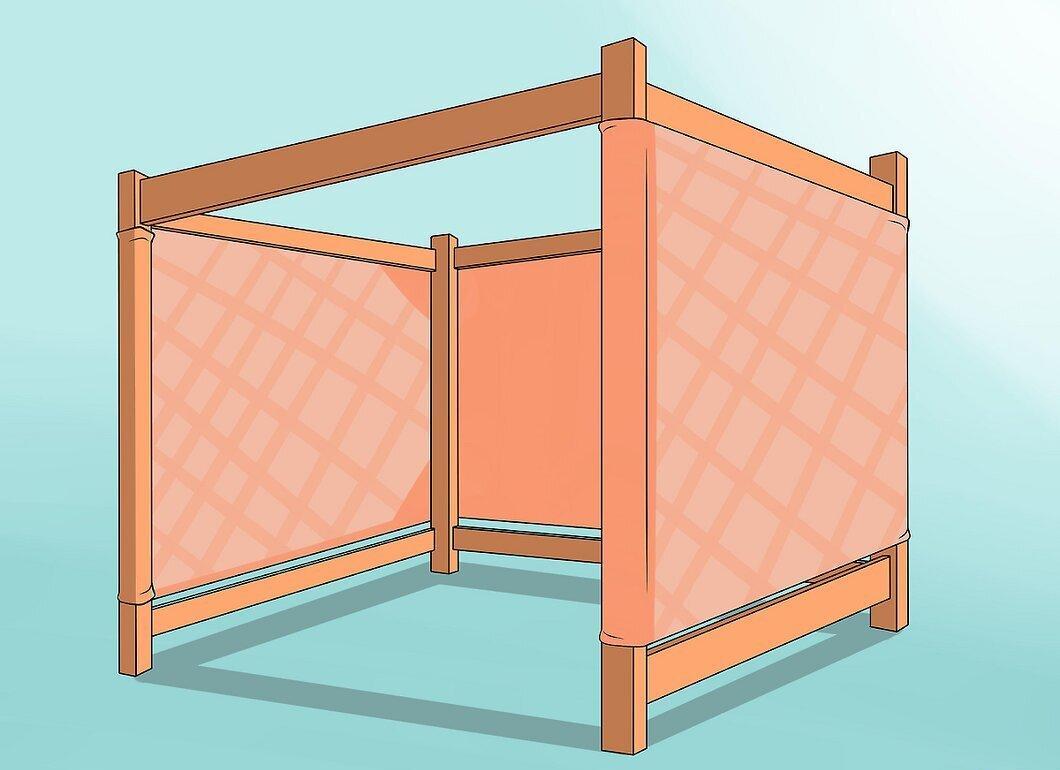
Make walls that can withstand the wind. Building a Sukkah is an important tradition of Sukkot, and it’s relatively simple. The four-sided hut should have at least three walls (the fourth wall can be part of an existing building). One of the walls can be low or removable for easy entry and exit. The material for the walls can vary, but since the Sukkah will only stand for about seven days, it’s better to use lightweight materials that can withstand the wind, such as a tarp on a sturdy frame.
- The size of the Sukkah should be sufficient for the whole family to comfortably sit around the table.
Step 2. The roof should be made of plant material.
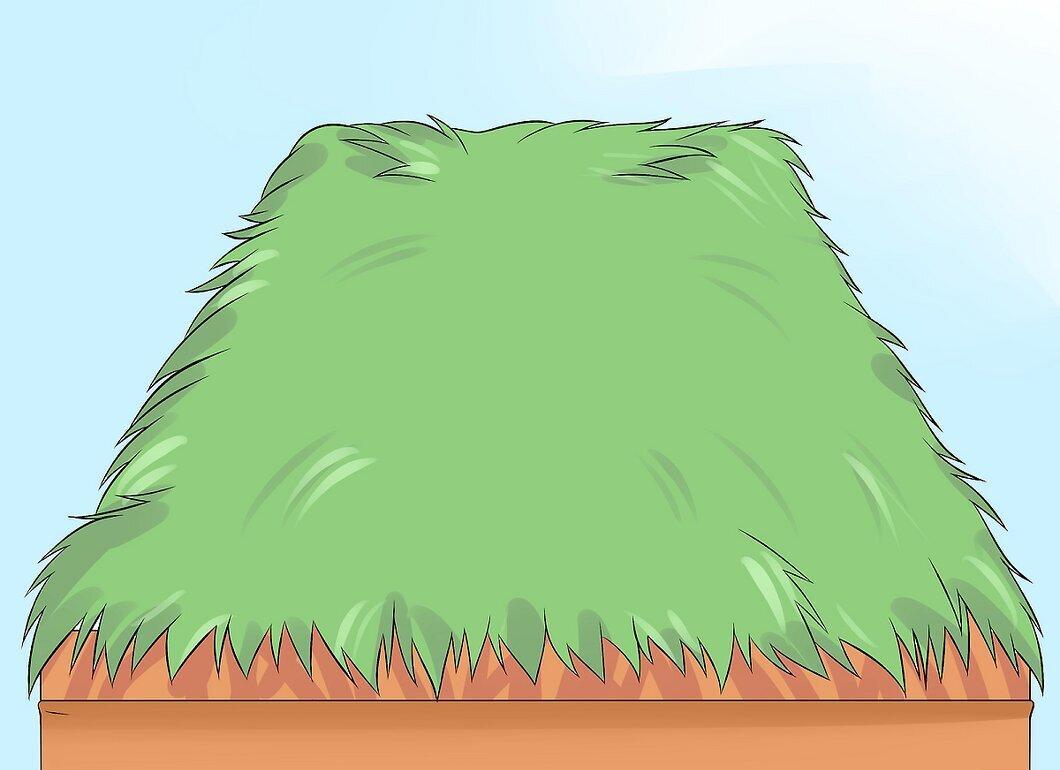
The roof should be made of plant materials. Traditionally, Sukkah roofs are made from branches and leaves. These materials can be purchased or gathered. According to the rules, the roof must be thick enough to provide shade but should allow the stars to be visible at night.
- Using plant materials for the roof symbolizes the memory of the children of Israel, who lived in temporary dwellings similar to the Sukkah during their 40-year journey through the desert.
Step 3. Decorate your Sukkah.
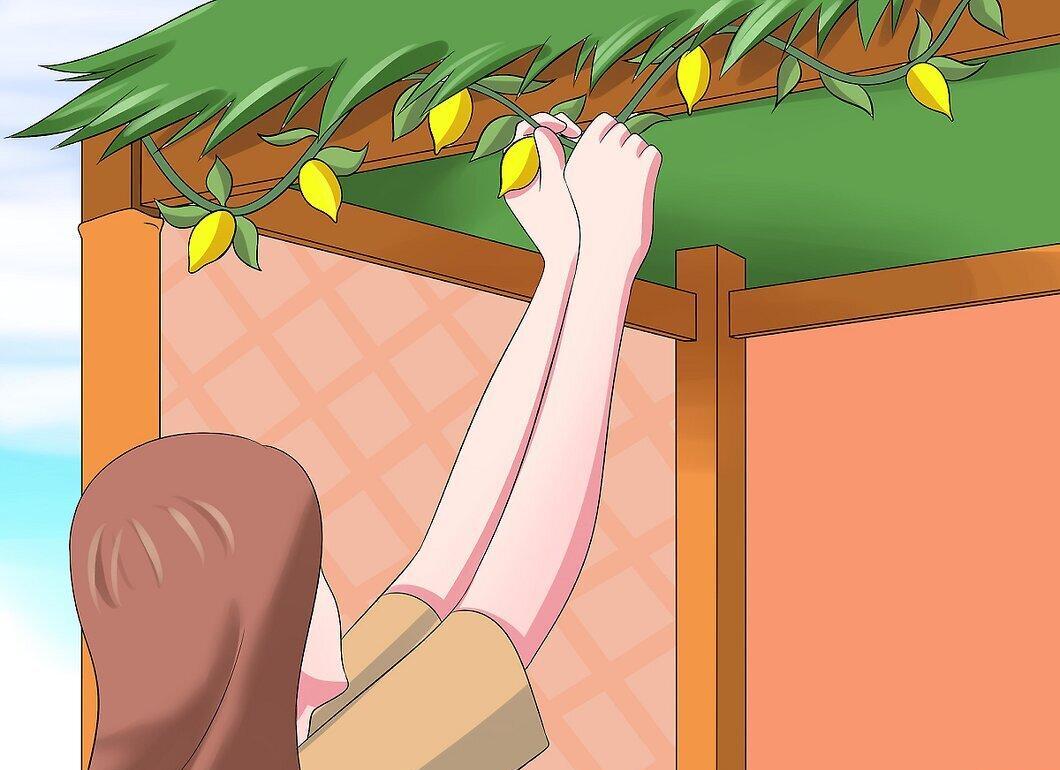
Brighten up your Sukkah with decorations! Decorating the Sukkah (even in a simple way) is a tradition of the holiday. Common decorations include vegetables (like corn and pumpkins) that are hung or placed in corners, as well as paper chains and religious pictures. Children can help with the decorating, which is a great way to involve them in the traditions from a young age.
Step 4. Purchase a ready-made Sukkah kit.

If you don't have time or materials, you can buy a ready-made Sukkah kit. Religious goods stores or synagogues offer such kits that will allow you to quickly and easily build your Sukkah. They are usually inexpensive, ranging from $50 to $120, depending on the size and materials.
Step 5. The Sukkah should remain until the end of Simchat Torah.
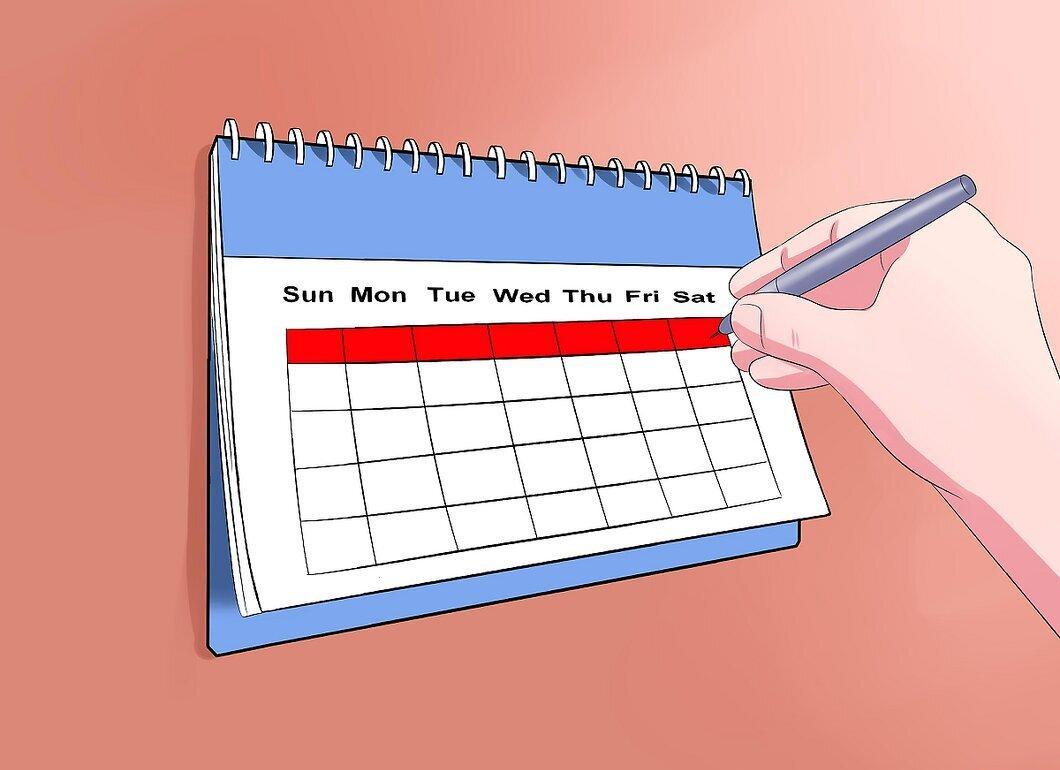
The Sukkah should stay in place until the end of Simchat Torah. Traditionally, the hut is erected for the entire holiday and serves as a place for family meals and prayers. Following Sukkot, there are two holy days, Shemini Atzeret and Simchat Torah, and it is customary not to dismantle the Sukkah until the end of Simchat Torah.
Understanding the Meaning of Sukkot
- It is perfectly acceptable (and even customary) to save materials for use next year.
Part 4
Step 1. Read the Torah to understand the significance of the traditions.

Read the Torah to grasp the significance of the Sukkot traditions. Although Sukkot was originally a harvest festival, its modern religious significance is based on Jewish scriptures. According to the Torah, God communicated with Moses while leading the Israelites through the desert and explained how to observe the holiday of Sukkot. Reading the Torah will deepen your understanding of the festival, especially for those who are just beginning to observe these traditions.
- Basic information about Sukkot can be found in the book of Leviticus, particularly in Leviticus 23:33-43.
Step 2. Attend a service at the synagogue.
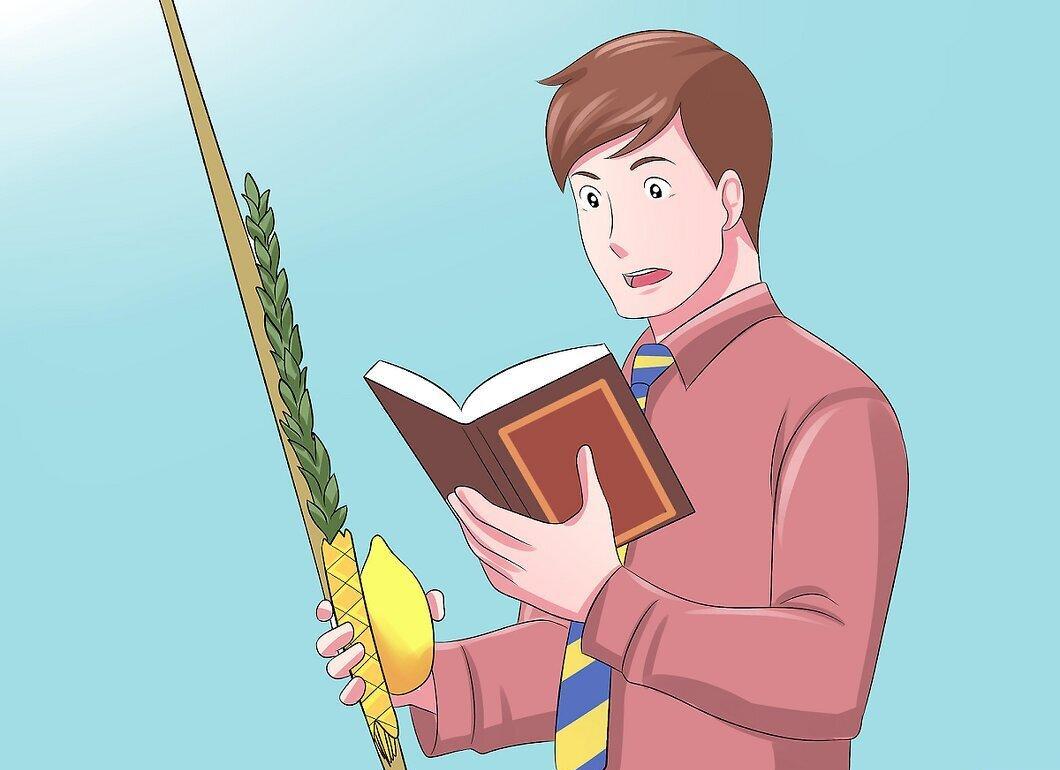
Join a service at the synagogue. Sukkot is famous for its traditions, such as building the Sukkah with family. However, it’s also recommended to gather with the community for a service. Typically, in the morning of Sukkot, community members participate in the Amidah prayer, followed by a special "Hallel" prayer. After this, the Hoshanot Psalms are recited, in which forgiveness is requested.
Step 3. Talk to a rabbi about the holiday of Sukkot.

If you have questions about Sukkot, don’t hesitate to reach out to a rabbi or another experienced religious leader. They will be happy to discuss the traditions of the holiday with you and explain how to properly observe it.
- Remember that traditions can vary among different communities. For example, non-religious Jews might not be familiar with the holiday, while for Orthodox Jews, it might be the main event of the year.
Step 4. Study modern commentaries on Sukkot.

Read modern commentaries about Sukkot. Not everything written about the holiday is based on ancient texts. Over the centuries, rabbis and laypeople have written about Sukkot, creating accessible and contemporary interpretations. Feel free to look for information about the holiday online to learn about new perspectives on the traditions and personal experiences of the authors.