10 Simple Ways to Spend More Time with Family
Spending time with family is essential, and there are many ways to make it happen more often. Start by discussing with your loved ones what they would like to do together and set aside some days for family activities. Learn to organize your time at work and home to free up evenings for connecting with your family. Consider meal prep or ordering takeout to avoid spending all your evenings in the kitchen. Tackle work tasks in the morning while your family sleeps or at night when everyone is already in bed to save time.
Time Management
Step 1. Allocate Your Time Effectively.

Learn to manage your time wisely. Break household chores into immediate tasks, less urgent ones, and those that can be delegated. Don’t try to do everything at once; focus on what’s most important. If you can delegate tasks like washing dishes or walking the dog, do it.
- This will help you free up time for family activities, benefiting everyone.
- Objectively assess how long tasks take, and don’t overcommit just out of guilt.
- Also, evaluate work tasks to see what can be assigned to colleagues.
Step 2. Declutter Your Space.
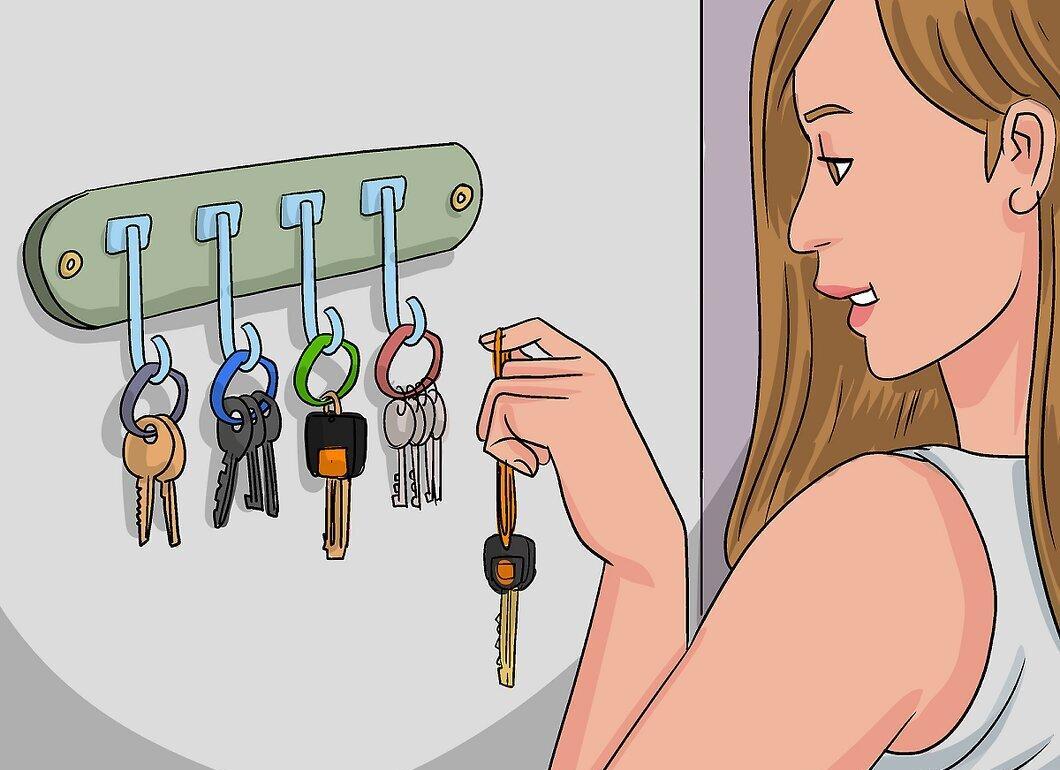
Ensure that your belongings are organized. If you’re constantly searching for keys or remotes, that’s time you could be spending with family. Find convenient spots for your wallet, keys, and glasses. Make it a habit to place these items in the same spot every day.
- For instance, you might put your glasses on the nightstand and leave your keys by the door.
Step 3. Use Time-Saving Opportunities.

Look for ways to save time even in small tasks. If your dry cleaner offers free pickup or pizza can be delivered to your home, take advantage of these services. This will give you more time to connect with your loved ones.
- If you have a gym at work or school, use it to avoid extra travel time.[4] X Source
Step 4. Set Family Time Goals.

Define goals related to family time. If you like setting challenges, direct your focus toward creating family objectives. Set a minimum amount of time to spend with family each week (e.g., 15 hours). Goals can be quantitative and qualitative—like making your child smile at dinner.
- Regularly update your goals to maintain motivation.
Step 5. Disconnect from the Outside World at Home.

When you’re home, turn off all distractions. Avoid checking work emails and getting involved in tasks. Switch off your phone and computer so your family can have your undivided attention. After everyone has gone to bed, you can return to work if necessary.
- This is especially important when spending time with family or when you’re away together.
- In the mornings, while everyone is still asleep, you can use your computer and phone.[7] X Source
Step 6. Don’t Compare Yourself to Others.

Avoid comparing yourself to others. Many people lose motivation thinking they can’t spend time with family as effectively as their neighbors. This mindset only hinders you. Focus on organizing your family’s leisure time without blaming yourself.
- Remember that it’s not possible to spend all your time with family.
Family Communication
Step 1. Involve All Family Members.

To spend more time with family, it’s important that everyone wants it. Talk to your children about being home more often and discuss priorities and organization with your partner.
- Tell your kids, “It would be great if you didn’t stay after school.”
- Suggest to your partner, “I’m trying to spend less time on my phone and computer, getting organized, and finding ways to spend more time with family. I’d love for you to do this too. Together we can make it happen.”
Step 2. Plan Family Time.
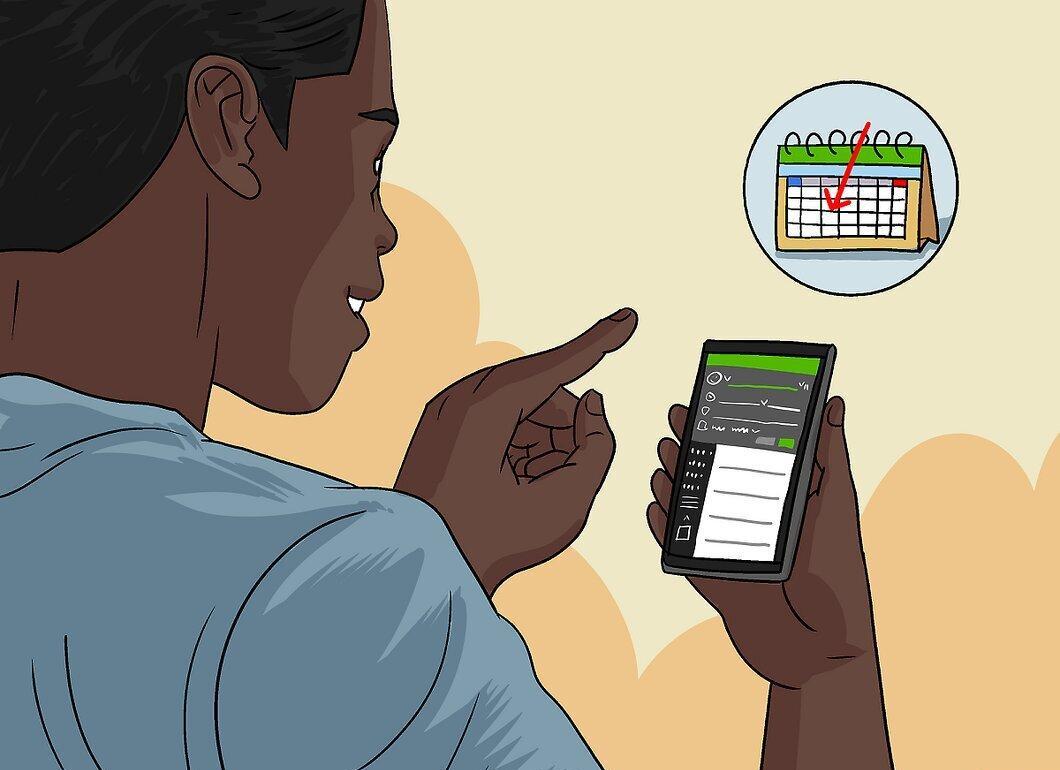
Organize family time using calendars. Many people think family activities don’t need to be written down, but if you don’t record them, you risk forgetting your plans. Dedicate a few hours a day to connect with family.
- Note both specific activities and general family time. Mark on the calendar the days when you plan to attend events, go out to eat, or visit exhibitions.[11] X Source
- Set reminders to not forget important events.
- Take vacations together.[12] X Source
Step 3. Limit Screen Time for Kids.
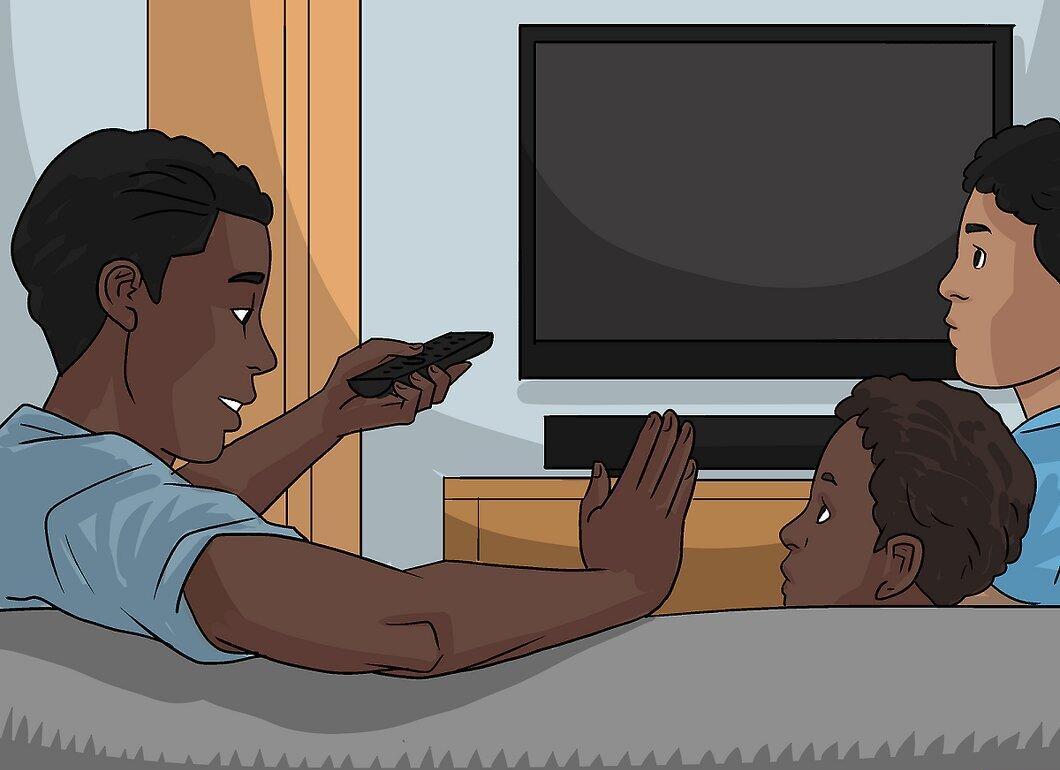
Set limits on the time children spend in front of screens. Kids can spend hours on computers or TVs if not stopped. Establish rules that restrict this time. One hour of TV and one hour of non-educational internet time should be enough.
- Explain to your children that this will give them more time for outdoor play and family activities.
- Say, “Please limit your screen time to one hour a day so we have more free time to connect.”
Step 4. Create New Family Traditions.

Start new family traditions. While everyone gathers during holidays, try to set aside at least one evening a week for family connection. For instance, order pizza or play board games on Fridays. Ask everyone to put away their phones and focus on each other. Possible traditions include:
- a family dinner at a restaurant;
- a trip to the movies;
- bike rides;
- Sunday family breakfast.
Time-Saving Tips
Step 1. Optimize Your Commute.

Try to save time on your commute. On public transport, you can read documents, reply to emails, or even work on your computer. This will allow you to spend more time at home with family.
- Explore different routes. Look at the city map and find alternative paths to work. If it saves you time, choose them.
Step 2. Streamline Your Work.
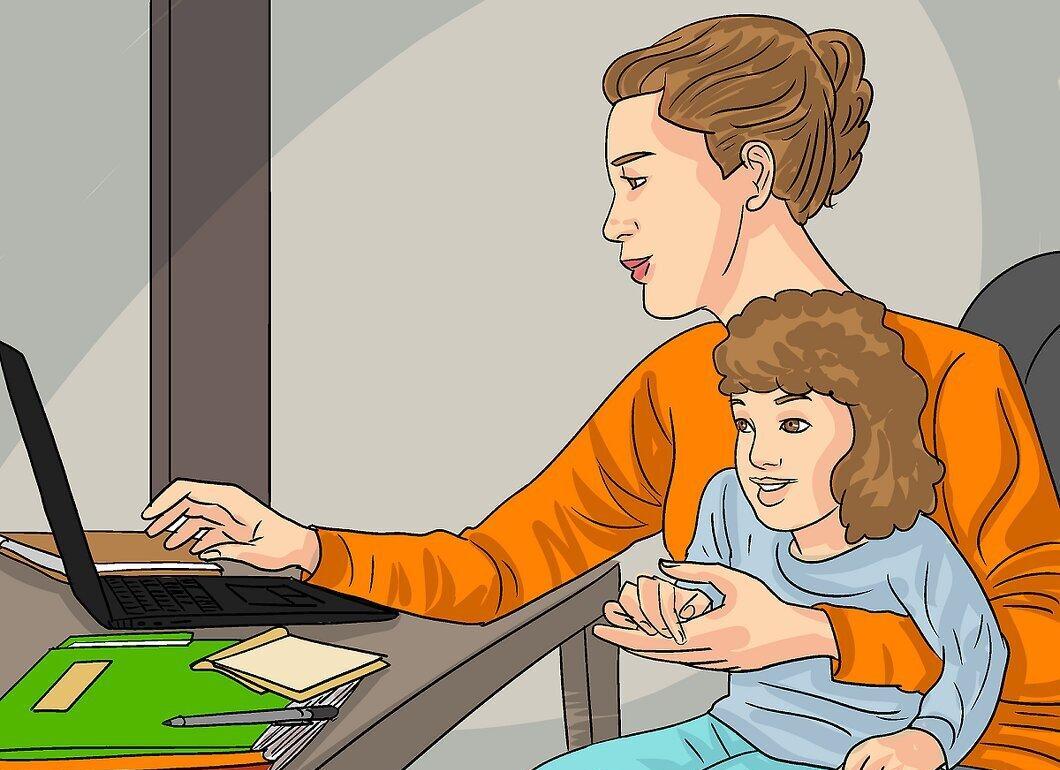
Learn to reduce time spent at work. There are several ways to do this. Change your working hours, location, and the nature of tasks.
- Work from home. Many jobs allow for remote work. If you’re a writer or designer, discuss the possibility of working from home with your supervisor.
- Working from home will give you more time to connect with family. Use breaks to focus on your loved ones.
- Check if this option is available in your company before talking to your boss.
- Try to travel less for work. Ask to hold conferences via Skype. If you have the choice between short and long trips, opt for short ones—this way, you can be home more often.
- Ask colleagues about business trips.
- Work early in the morning or late at night when the family is asleep.
Step 3. Shop Online.

Do all your shopping online. This will save you time. You won’t have to wait in line or search for items in the store. Online shopping is quick and convenient, allowing you more time with your family.
- Many grocery stores offer delivery. Select your items on the website, pay, and wait for the delivery.
- Sometimes delivery can be expensive, so compare prices before placing an order.
Step 4. Meal Prep in Advance.

Prepare meals in advance. Cooking enough food for several days doesn’t take twice the time. For example, make two batches of lasagna or a large pot of stew at once.
- Any food can be stored in the fridge for 2 to 3 days.
- Cooked chicken, turkey, or vegetables can be frozen for longer storage.
Step 5. Consider Ready-Made Meals.

Occasionally buy ready-made meals. While convenience foods aren’t the healthiest option, if you don’t have time to cook, consider getting homemade meals from a café or buffet. Just be careful not to make this a habit.
- Avoid fast food, even if you’re in a rush. Such food contains many harmful substances.
Fun Activities
Step 1. Be Spontaneous.

Don’t be afraid to make spontaneous decisions. Try something new, listen to your children’s and partner’s wishes. The more joy you bring to each other, the stronger your family bonds will be.
Step 2. Discover Your Family’s Interests.

Discuss what interests your family. You may know what you love to do together, but interests can change. Your children or partner may have new hobbies worth trying together.
- Ask, “What would you like to do during our time together?”
Step 3. Suggest Leisure Ideas.

Discuss entertainment options with your family. Come up with several ideas, but don’t force them. Go over all the suggestions together and choose what works for everyone. For example:
- a walk in the park (“How about a walk in the park?”);
- a joint stroll (“What do you think about a joint walk?”);
- games (“Who wants to play?”);
- boating or kayaking (“Maybe we should go boating?”);
- a hike in the woods (“How about a hike in the woods?”);
- a trip to a museum (“There’s a new exhibit at the museum. Should we go together?”).
Step 4. Spend More Time Outdoors.

Try to spend time outside. Don’t stay indoors. While movies and board games are important, get outside for walks, bike rides, or other activities when the weather is nice. Try:
- swimming in a lake;
- mountain hiking;
- parasailing;
- paragliding;
- spelunking.
Step 5. Enjoy Leisurely Mornings Together.

Cherish calm mornings together. Stay in bed a little longer. Make pancakes and have breakfast in bed. Go for a walk after breakfast. Every moment spent with family will strengthen your relationships.