
Losing a loved one is always a heavy blow under any circumstances. Each of us copes with the fear of loss in our own way. Fortunately, there are research-based methods that can assist you in this journey. Here are a few of them: realistic perception of death, overcoming the fear of loss, and seeking support from those around you.
Realistic Perception of Death
Step 1. Acknowledge that fear of death is natural.
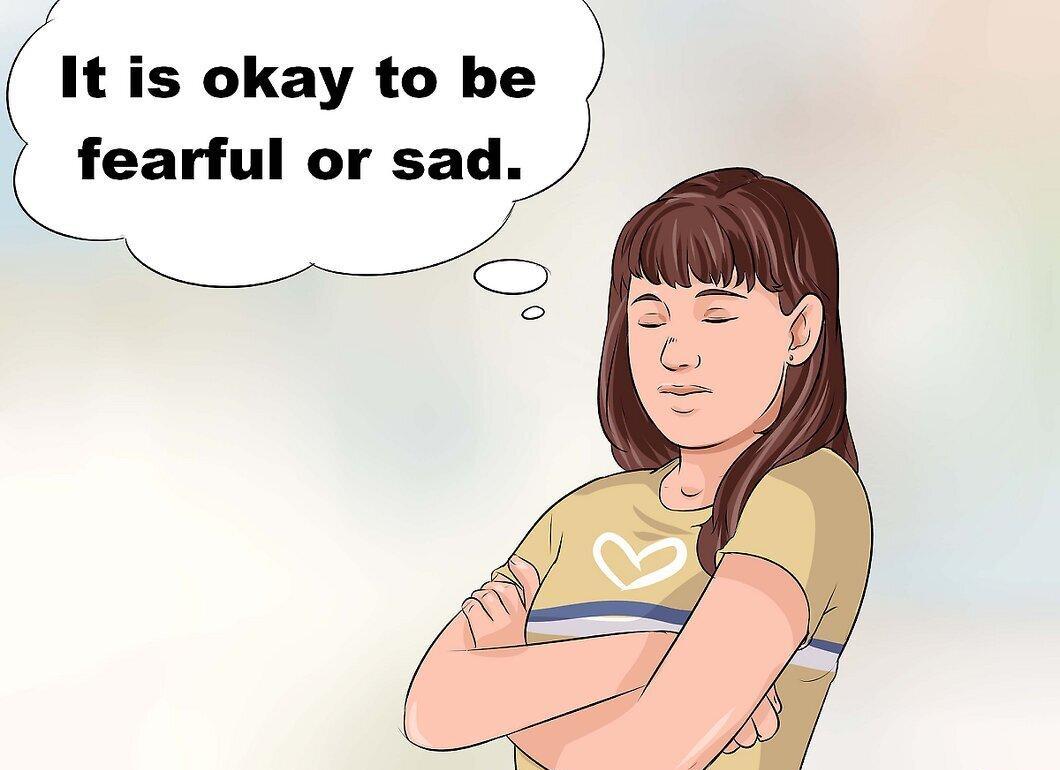
Accept the fact that fear of death is a normal reaction. Many people experience anxiety about the death of loved ones at various points in their lives. Moreover, almost everyone faces loss at some point. Research shows that thoughts about our own or someone else's death can evoke intense fear. By acknowledging death, we also understand our own vulnerability.
- Remember, you are not alone. Many people can relate to your situation as they have faced similar feelings. If you're comfortable, share your emotions with others who have experienced loss. This can provide support and help you cope with your feelings more effectively.
- Accept your fears and emotions. Tell yourself, "It’s okay to be afraid and sad. This is a natural response to a difficult situation."
Step 2. Focus on what you can control.
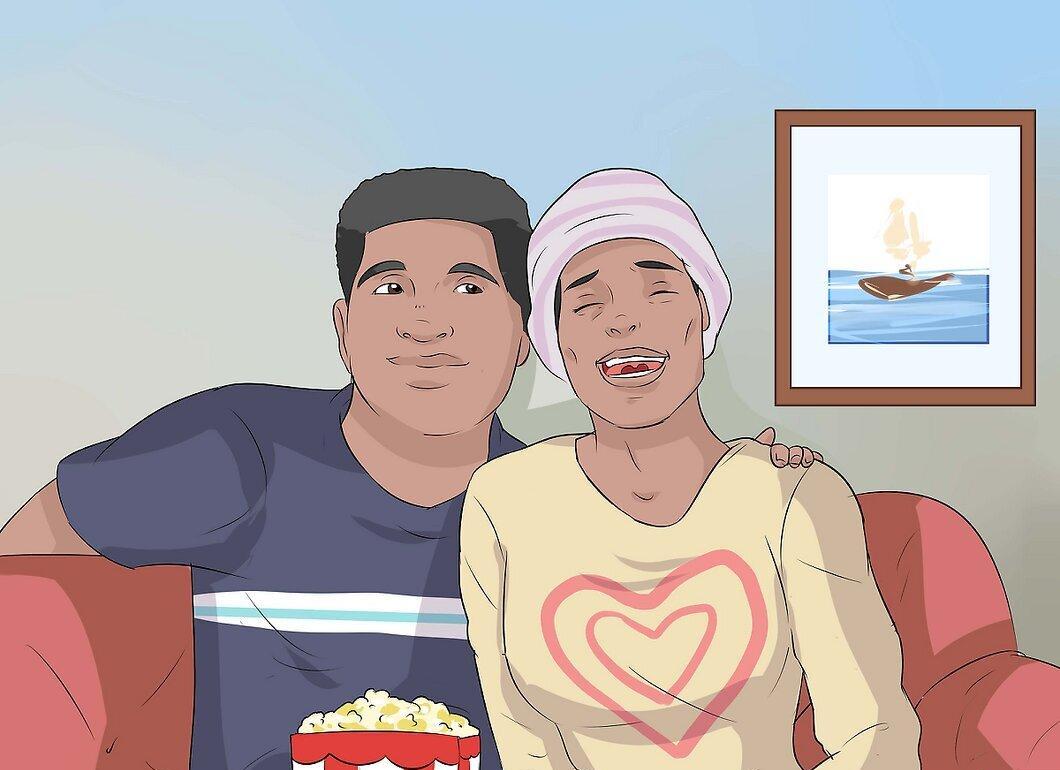
Concentrate on what you can control. If you are caring for someone who is ill, it can create feelings of helplessness and stress. Despite your efforts to help, you cannot control how much time they have left. It's better to focus on what you can do today: spend quality time together or find ways to cope with fears and sadness.
- Consider what aspects of the situation you can control. For example, you can control your behavior and the decisions you make. Direct your efforts towards providing the best support and care for your loved one. It’s also important to work on your own emotional state and share your feelings with them instead of sinking into grief.
- Let go of what is beyond your control. Visualize your fears as leaves floating down a river and watch them drift out of sight.
- Set boundaries. Caring for a seriously ill loved one can lead to stress and burnout. Do only what you can and don’t forget to make time for yourself. You may need to limit social interactions to prioritize your own well-being.
- Use self-awareness to stay mindful of the present moment. We often fear the future and think about what might happen. Instead, focus on the here and now and what you can do at this moment. Take advantage of the present (for example, right now, while reading this article)!
Step 3. Accept the loss.
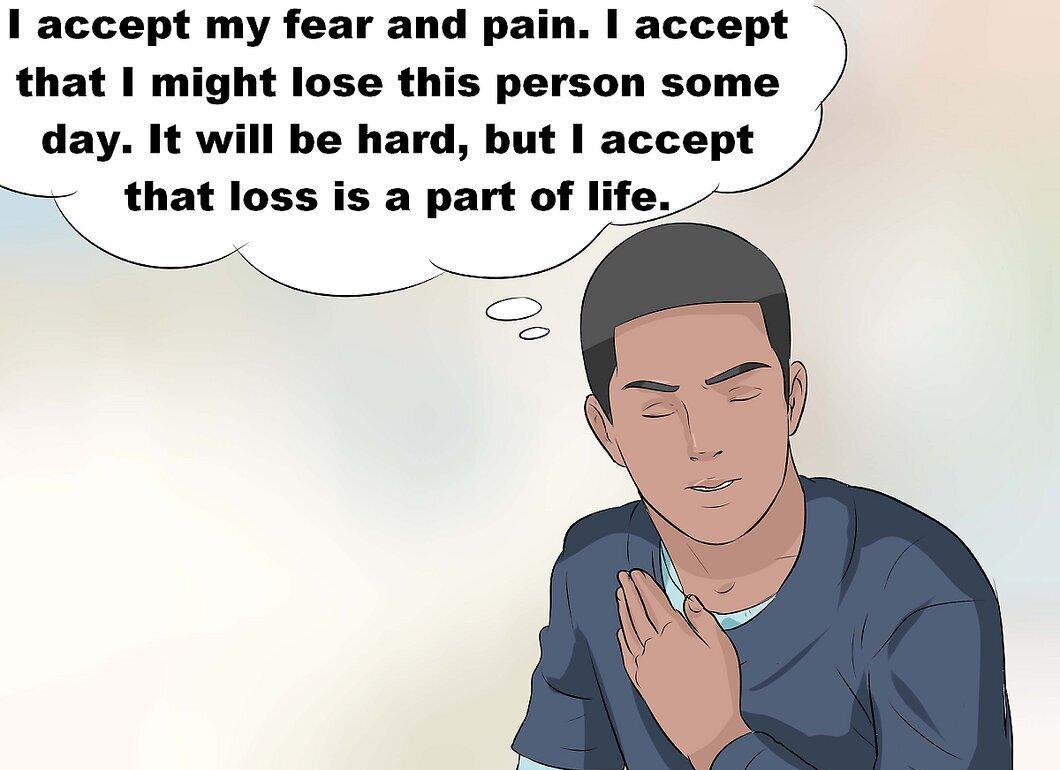
Embrace the loss. Research indicates that when a person perceives death with greater ease, they find it easier to cope with loss and demonstrate resilience.
- Start by listing negative thoughts and emotions related to the fear of loss. Write down your deepest feelings and accept them one at a time. Tell yourself, "I accept my fear and pain. I recognize that I may one day lose this person. It will be hard, but I see loss as a part of life."
- Remind yourself that death is a natural part of life. Unfortunately, almost all of us encounter loss at some point in our lives.
Step 4. Look at the world positively.
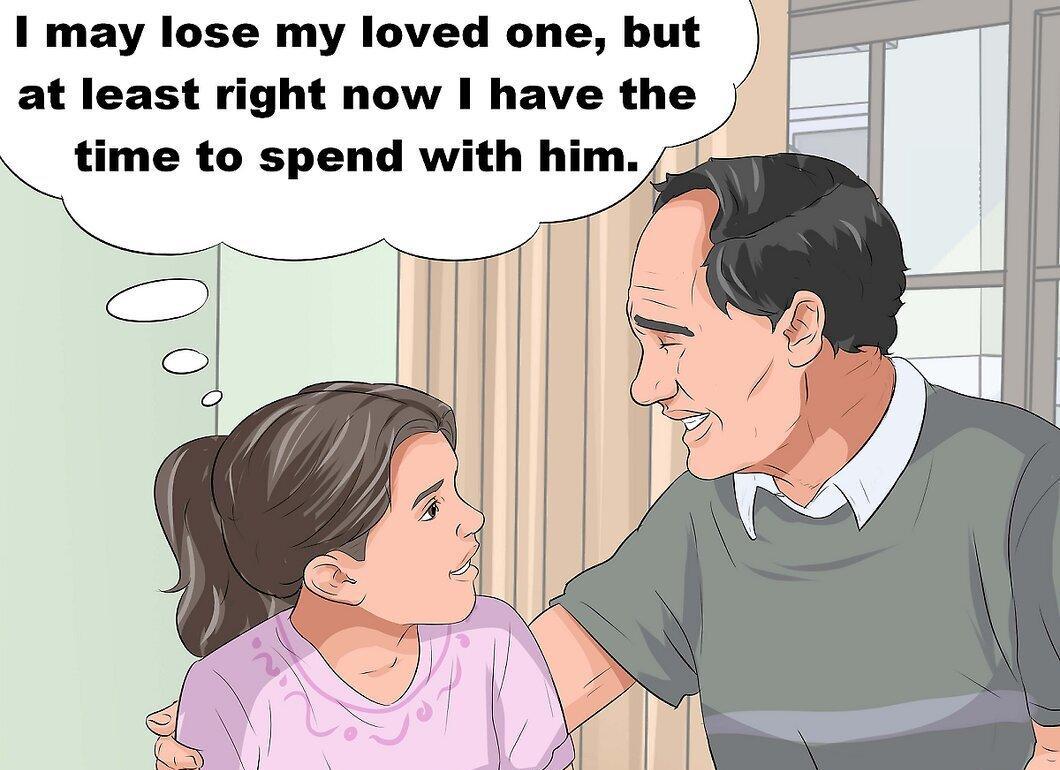
Adopt an optimistic outlook. When a person believes that the world is fair, they become more resilient and cope with loss more swiftly.
- One way to foster positive thinking is to understand the cycle of life and accept that life and death are natural processes. There is no life without death. The cycle of life is a remarkable phenomenon that should be cherished and appreciated. When one person departs, another is given a chance to live.
- Practice gratitude. Tell yourself, "I might lose a loved one, but right now, I have time to spend with them. I cherish our moments together." We can also be thankful that we all, including our loved ones, have the opportunity to live.
- If your loved one is suffering, think about how they will no longer endure pain after their passing, and regardless of their beliefs, they will find peace.
Overcoming the Fear of Loss
Step 1. Utilize internal resources to manage feelings.

Use your internal resources to manage emotions. If you lack the means to cope with the stress associated with loss, it will be challenging to deal with the reality of losing a loved one, potentially leading to prolonged grief. Therefore, it’s crucial to activate your internal mechanisms if you fear losing someone.
- Everyone has their ways of coping with emotions such as fear or grief. For instance, engaging in sports, music, art, or spending time in nature can be beneficial. You can also turn to religion or spirituality.
- Allow yourself to experience your feelings, and then, if necessary, let them go. A high level of stress before the death of a loved one may signal that you will be better equipped to cope with the loss when it happens. Tears can be a healthy way to release sadness.
- Keep a journal of your fears. Write down your thoughts and feelings related to the loss.
Step 2. Practice deep breathing.
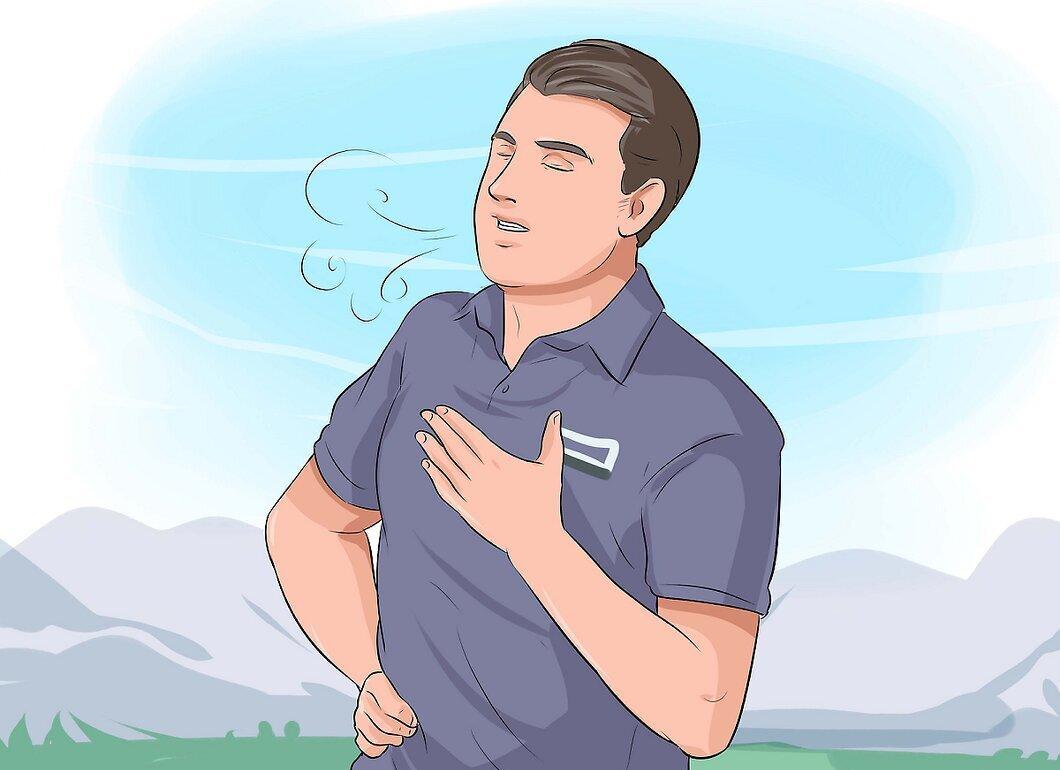
Engage in deep breathing. If you experience panic attacks or excessive anxiety at the thought of losing a loved one, deep breaths can help calm your physical reaction (rapid breathing, increased heart rate, etc.) and provide relief.
- Find a comfortable space, sit or lie down. Slowly inhale through your nose and exhale through your mouth, focusing on your breathing. Pay attention to your belly's movements as you breathe.
Step 3. Build self-esteem and independence.
Strengthen your self-esteem and independence. High self-confidence helps you to better navigate the difficulties associated with death. However, excessive dependency on others can lead to vulnerability and long-term suffering from loss.
- Strive to be more independent and plan your life accordingly.
- Believe that this will make it easier to cope with challenges.
Step 4. Define your purpose and goals.
Identify your purpose and goals. Believing that everything has meaning helps people cope with the reality of death and reduces the fear of loss. Having goals in life means not just existing but striving for something greater (family, career, desire to help others, etc.). If you have goals, after the death of a loved one, you can focus on what you have already achieved and what you can still accomplish. This will strengthen your belief that your life has meaning, even in the face of loss.
- Remember that you are a valuable member of society. Focus on what you can contribute to the world. Do you help others? Show kindness to those around you? Engage in charity? Answering these questions will help you realize your purpose, even in the wake of loss. You may want to create projects or activities in honor of the departed.
- Come to the realization that death is a part of life and is necessary for new beginnings. How do you perceive this? Is there life after death? Will your loved one live on in the memories of those who loved them? Or is this a sacrifice worth moving forward for?
Step 5. Connect with higher powers.
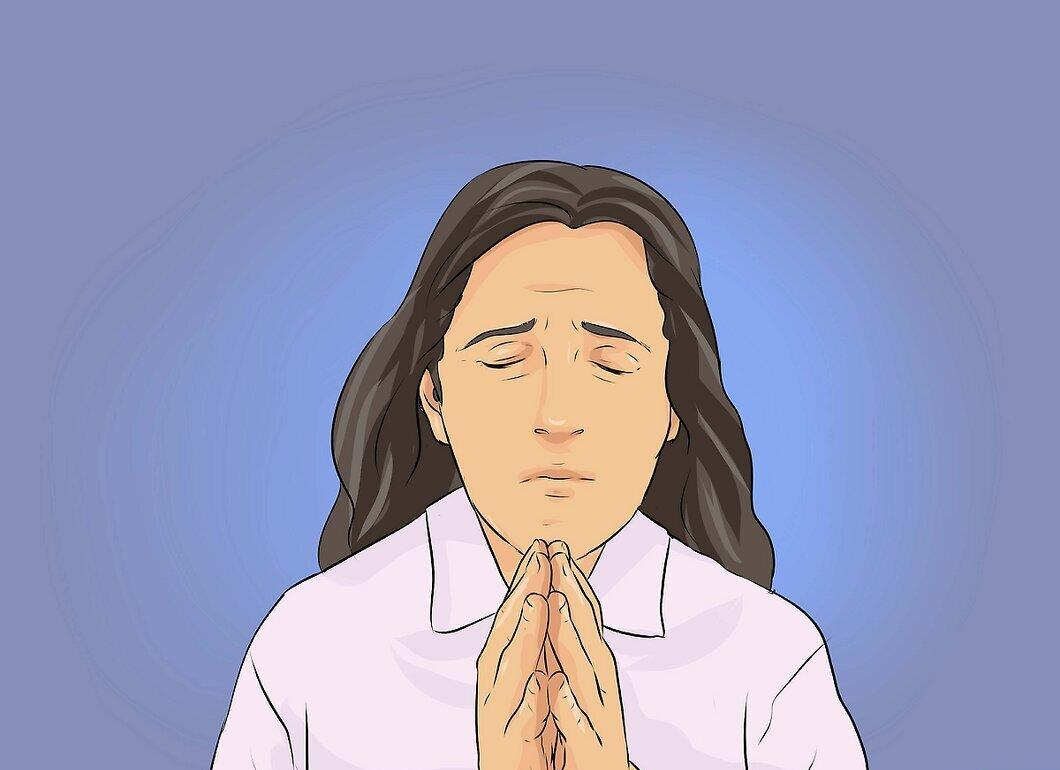
Connect with higher powers. Higher powers can represent something that transcends your personal capabilities. A connection with religion, spirituality, or other philosophical views can help you overcome fears related to death.
- If you are not religious or do not believe in a higher power, you may find support in nature (ocean, moon, etc.) or in community (a group of people is always stronger than one).
- Write a letter to higher powers to express your fear of loss.
- Pray, talk about your experiences and thoughts. Ask for help or relief for your loved one’s suffering.
Increasing Social Support
Step 1. Cherish moments with your loved one.
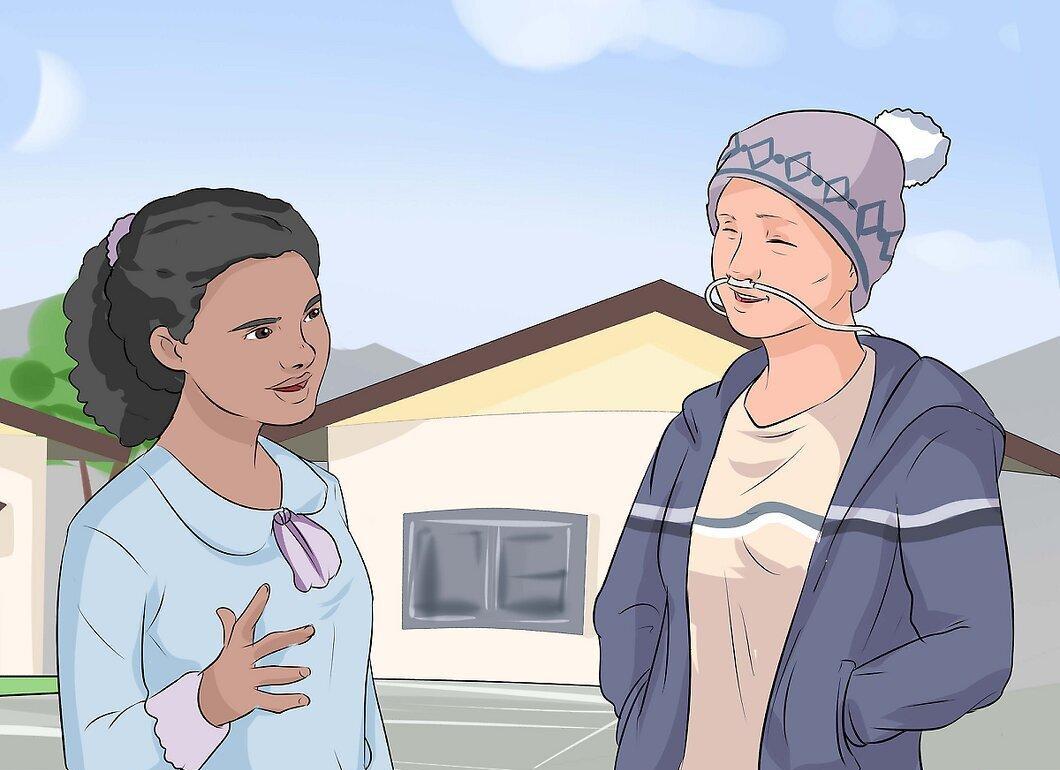
Value the time spent with your loved one. If your loved one is still alive, strive to spend their final days with dignity.
- Share memories and express what you appreciate about this person.
- Ensure that they know your feelings. Tell them you love them.
- Such conversations can be challenging, but they are important to have so you don’t regret it later. Write down what you want to say and then share it with them.
Step 2. Communicate with family.
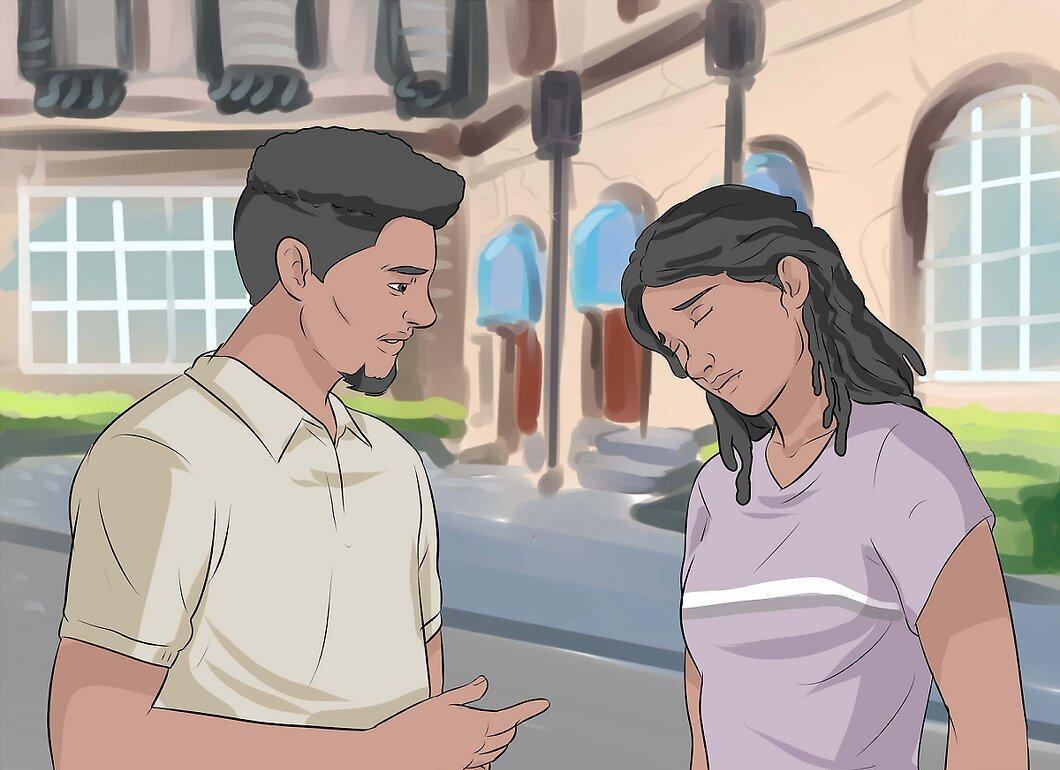
Maintain communication with family members. Families that stay together and support each other during tough times find it easier to cope with the emotional burden of loss.
- If you need to talk to someone in your family or friends, don’t hesitate to reach out for support. You are not the only one who needs comfort.
- Surround yourself with loved ones and create unity by discussing shared memories or engaging in activities together.
Step 3. Share your experiences with trusted individuals.
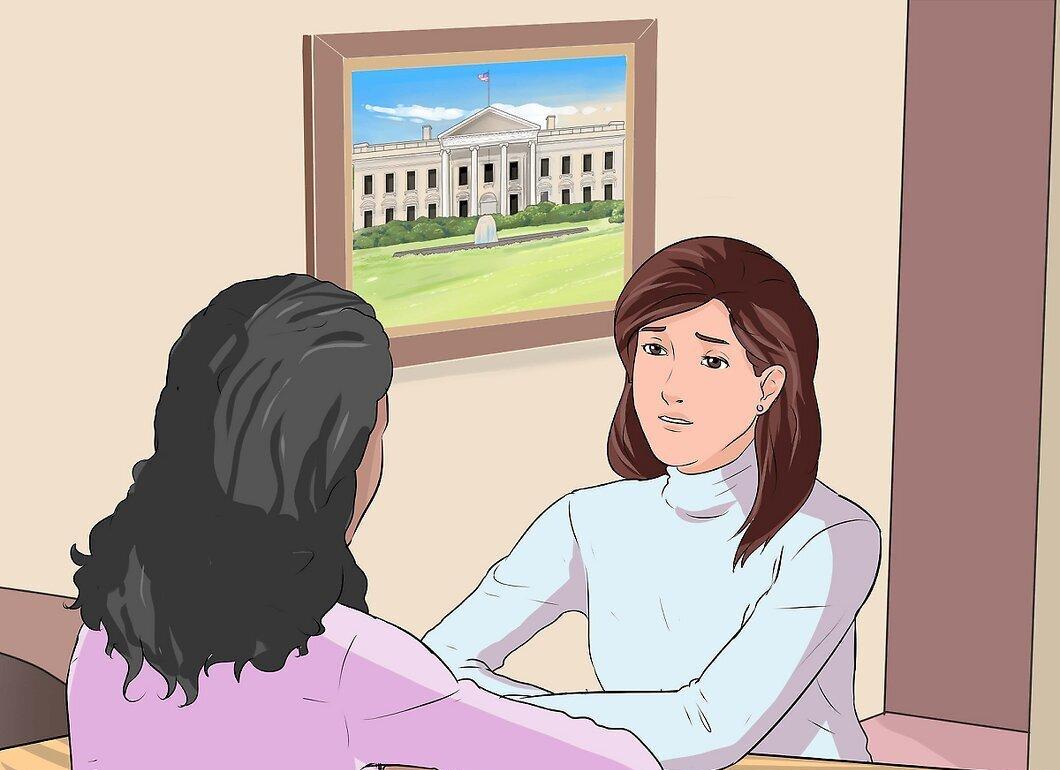
Share your experiences with those you trust. Not only family ties can help in overcoming loss, but friendships are also crucial for maintaining emotional health. By talking about your feelings and thoughts, you reduce levels of fear and anxiety.
- If you believe in higher powers, talk to a spiritual advisor who can support you and offer helpful prayers.
Step 4. Support those around you.
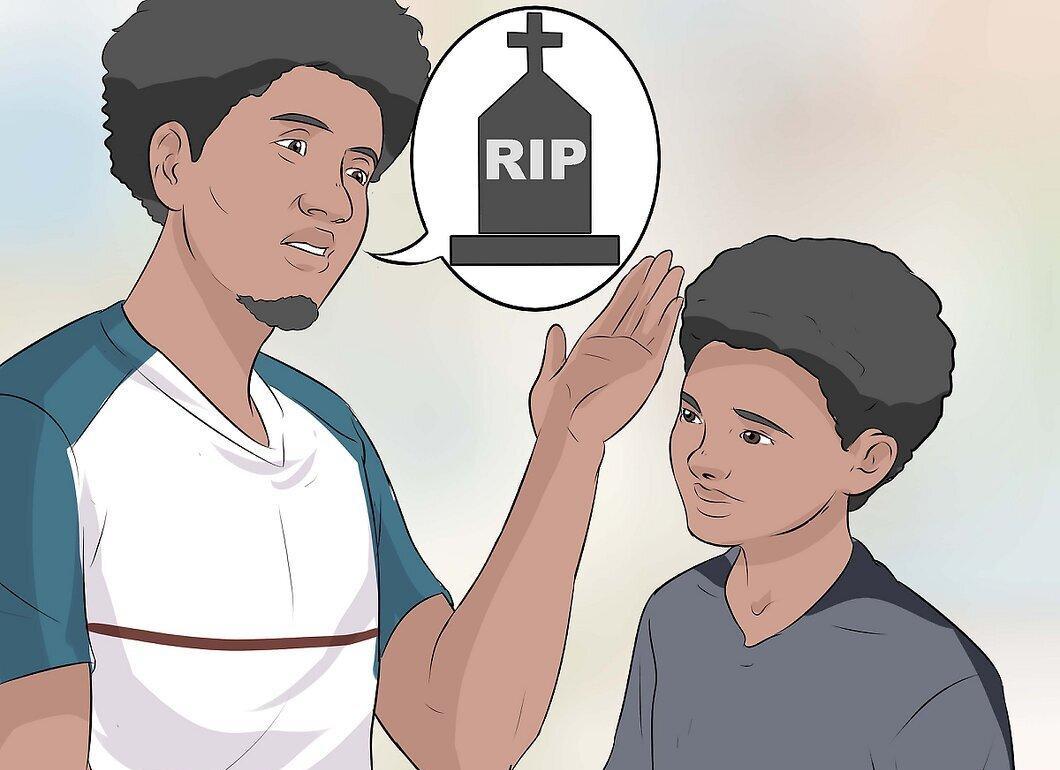
Offer support to those around you. We need help when dealing with death, but others also need us. Helping others alleviates your own feelings.
- Discuss the topic of death with children. If you have kids, take time to talk to them about this subject. Finding special children’s books on the topic can make the conversation easier.
Step 5. Maintain a living connection.
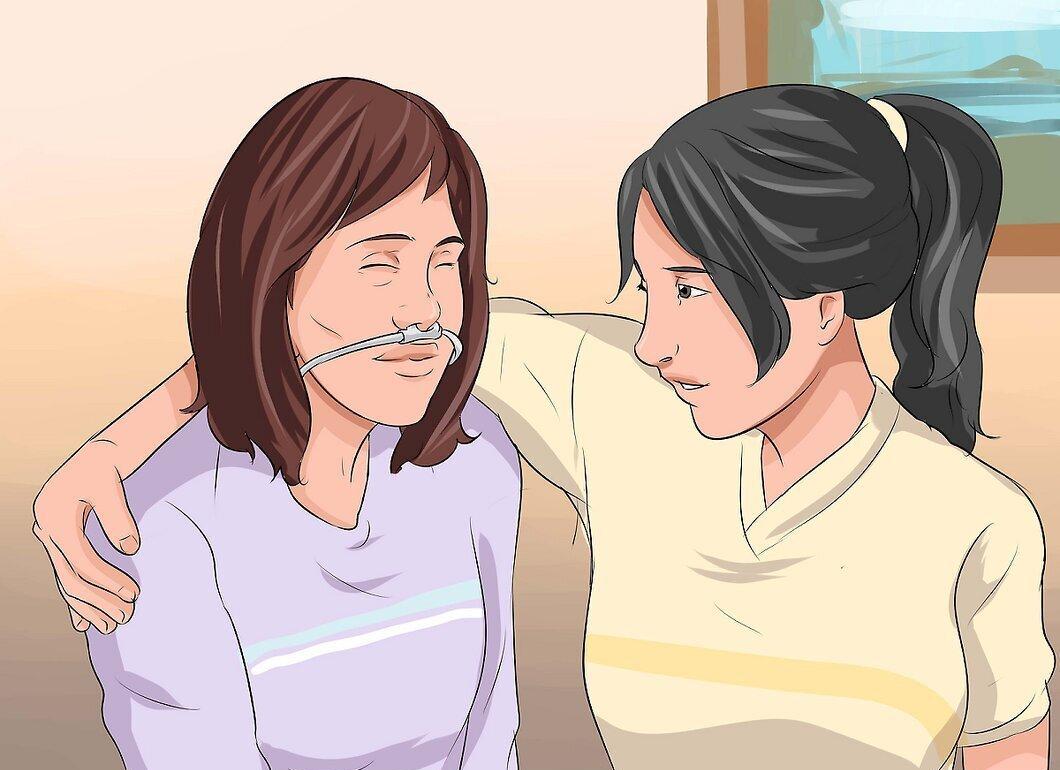
Keep your relationships alive. One of the main fears associated with the death of a loved one is the loss of connection. However, your relationships with loved ones remain in your memories, prayers, and feelings.
- Focus on the fact that your bond with this person will never disappear.