
Moving to a new country is one of the most significant changes in life. Despite the complexities of paperwork, this step can become an exhilarating and rewarding experience. Regardless of your reasons for relocating—be it work or personal circumstances—it's crucial to prepare thoroughly to make the process smoother and more enjoyable. In this article, you'll find tips to assist you in this journey.
Practical Aspects of Moving
Step 1. Check Passport Validity and Visa
First and foremost, ensure your passport is valid and you have a visa to enter your new country. If you're planning a quick move, it's best to prepare in advance to avoid unnecessary last-minute hassles, as visa issues can delay your journey.
- Confirm your passport's validity. If it needs renewal, take care of it promptly, as the process can take several weeks.[2] Source
Step 2. Create a Detailed Plan
Draft a plan with clear steps that you can check off as you complete them. It should include all tasks with set deadlines. Don't forget about mortgages, loans, and debts—contact your bank or creditors to address financial matters. Discuss any changes regarding your children's education and prepare their documents. Ensure you have the necessary vaccinations and visas.
- Organize packing and transportation. Research offers from at least three moving companies and compare their rates and services, including packing, pet transport, and storage.
- If you own property, decide what to do with it: sell or rent. Discuss terms with a real estate agent, considering how much time you have for the sale.
- If you plan to change your citizenship, keep in mind that it will take time, so it's best to start early.
Step 3. Allow Sufficient Time for the Move

Don't rush and give yourself enough time. Some companies may allow a few months for preparation, but sometimes the notice for the move comes just days before departure. If this is your situation, try to secure as much financial assistance as possible.
- If possible to set your own timeline, allocate at least six months. You'll need all this time to resolve numerous issues: from housing to schooling for your children.
- A quick move is also possible, so there's no need to panic. Find helpers for organization—this will make the task easier.
Step 4. Find Housing in the New Country as Soon as Possible
Try to settle into your new location as quickly as possible. Consider where you'll live—will it be a hotel or a rented apartment?
- Avoid purchasing property online, as this may lead to errors. It's better to inspect everything in person to assess the neighborhood and property condition.
- If possible, send someone for a preliminary visit, or find acquaintances who can assist you in making a choice.
- It's advisable to rent first so you have the flexibility to leave quickly if the area doesn't suit you.
- Ensure you have a good attorney who can help you navigate local real estate laws.
Step 5. Open a Bank Account

Open bank accounts considering convenience and transfer costs. Inquire with your bank about options for transferring funds.
- If you don't plan to stay in your new country permanently, it's wise to keep at least one account open back home. This will help maintain your credit history and ease your return.
- In some countries, access to finances may be limited, so be sure to consult with your bank and financial advisor.
Step 6. Connect with People in the New Country

Find out if you have acquaintances in your new country. They can be a great source of information and support. Share your plans with them, and they will help you adapt.
Step 7. Assess Your Belongings and Get Rid of Unnecessary Items
Honestly evaluate your belongings and decide what to keep and what to discard. There's no need to haul extra items with you or pay for their storage.
- Donate or sell unwanted items through online auctions or classifieds. People are often willing to buy things if they know you're moving.
Step 8. Make Money from Your Things

Use the internet to sell unwanted items. It's a great way to declutter, even if you're short on time.
- Be decisive. Each item increases shipping costs.
- Protect your belongings from damage during transport.
Step 9. Ensure Your Pets Are Ready to Move
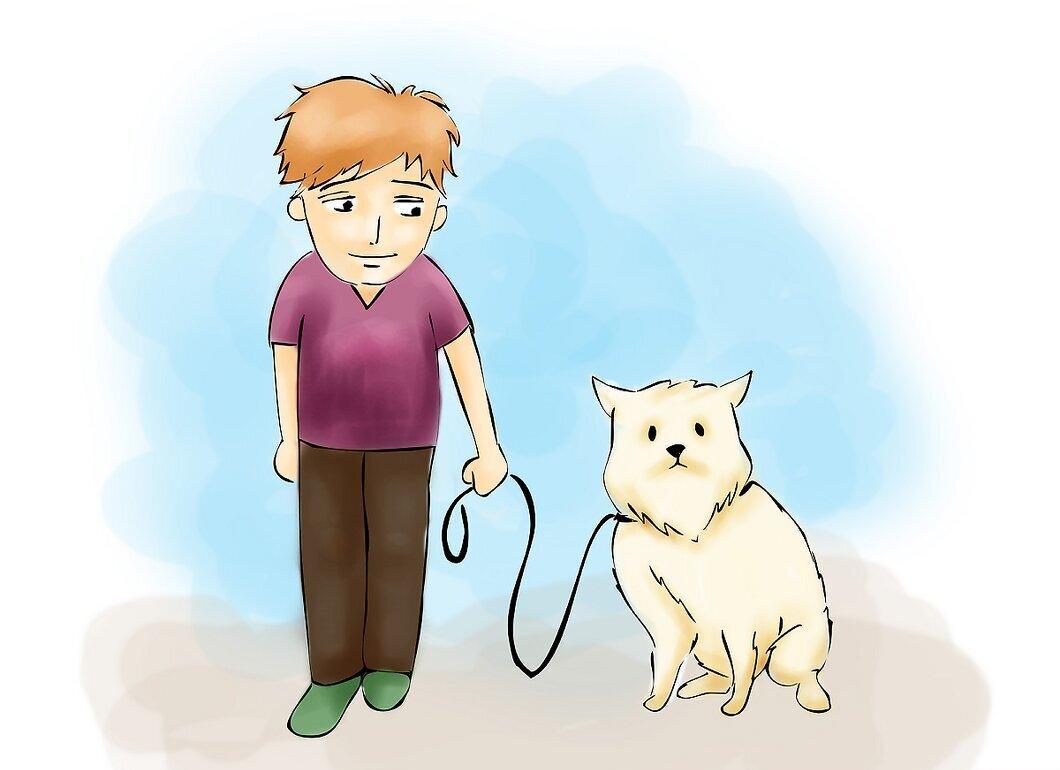
If you have pets, think about what to do with them. You'll need to find out if you can take them with you.
- Learn about pet transport regulations in your new country, including any potential quarantine and vaccinations.
- Consider your pet's health and their ability to handle the move.
Step 10. Familiarize Yourself with Traffic Rules in the New Country
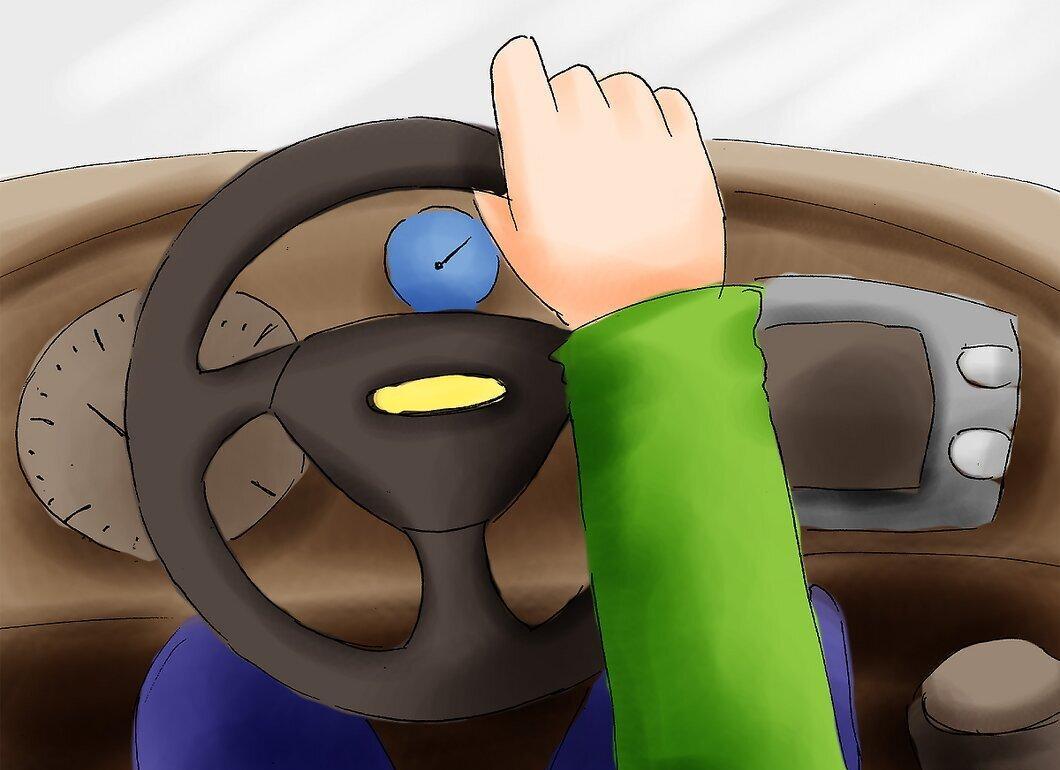
Find out which driver's licenses are valid in your new country. In some countries, your license may be recognized, while in others, a local license will be required.
Step 11. Notify Your Employer

Inform your employer about your upcoming move. Follow resignation policies and notify them in advance.
Step 12. Prepare Electronics for the Move
Learn about electronics requirements in your new country. You may need adapters and transformers for your devices to work.
Culture Shock
Step 1. Prepare for Changes

Be ready for culture shock. Moving to a new country may not be easy, but over time you will adapt and understand the different culture.
- Study the customs and traditions of the locals to avoid awkward moments.
Step 2. Expect Discomfort

Understand that minor things can cause significant difficulties. Acknowledge your feelings of loss, but remain open to new experiences.
Step 3. Accept That Joy May Fade

In the first few months, it may seem like life is just a vacation. But over time, daily concerns may overshadow your initial impressions.
Step 4. Embrace the Limitations of Your New Life
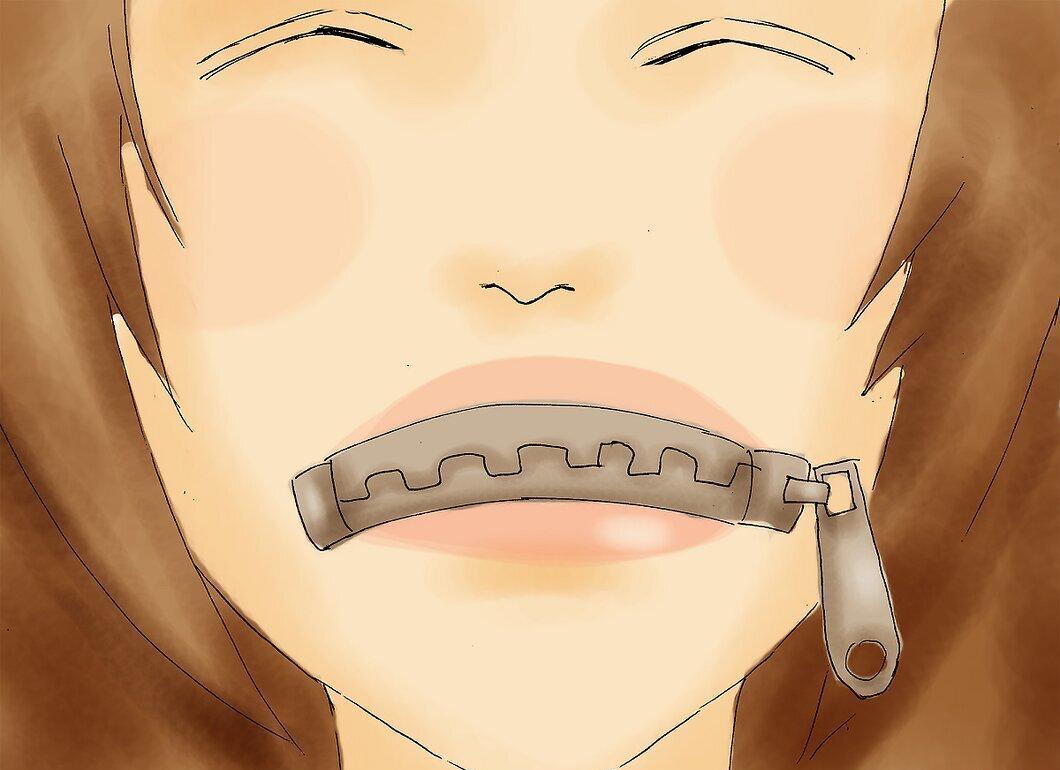
Be prepared for some things to be off-limits. Acknowledge that this is part of a new culture.
Step 5. Seek Support

Moving is stressful. Find people you can talk to about your feelings and experiences.
Step 6. Stay Aware of Safety
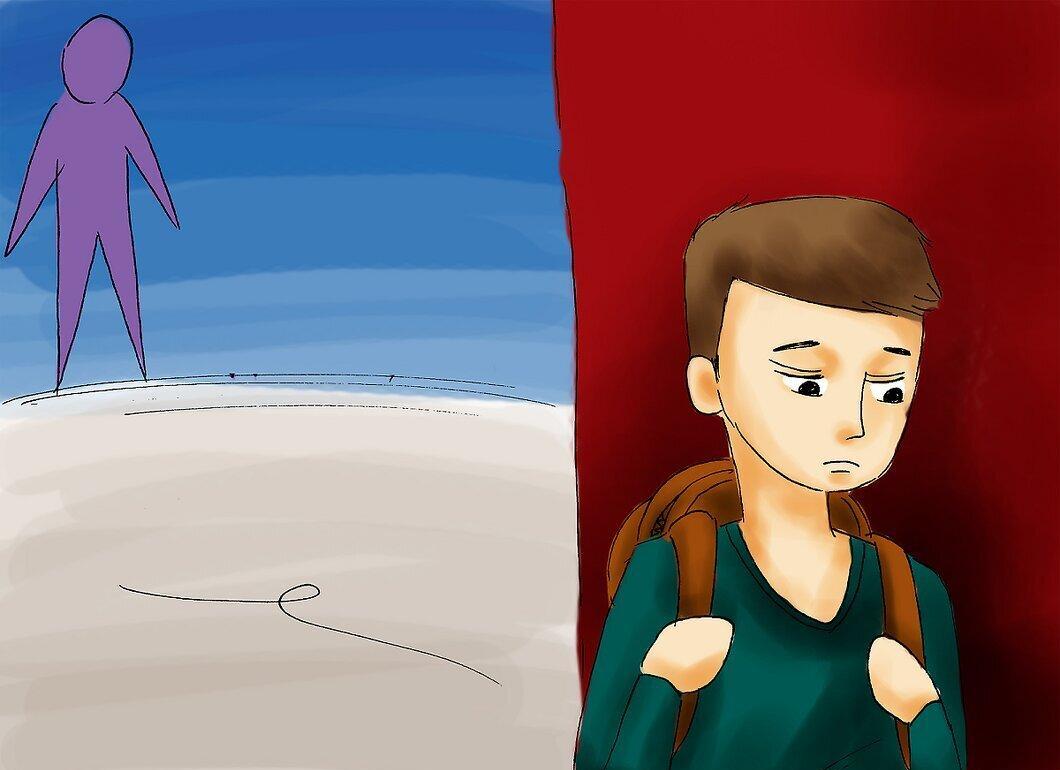
Learn about safety in your new neighborhood. Ask locals which places to avoid.
If You're Considering Moving
Step 1. Decide on a Country
Determine which country you want to move to. It could be Toulouse, Berlin, or another city.
Step 2. Try Spending a Vacation in the New Country
Spend a vacation in the country to see if it suits you. Don't rely solely on tourist routes.
Step 3. Learn About the Country

Study the culture, language, and laws of the country to understand how your daily life will unfold.
Step 4. Research Immigration Rules
Investigate immigration laws and requirements. Ensure you have the opportunity to move.
Step 5. Consider the Language Barrier

Make sure you can communicate in the country's language. Learn the language in advance or enroll in courses after moving.
Step 6. Think About How the Move Will Affect Your Children

If you have children, consider how the move will impact their lives and education. Ensure they can adapt to the new environment.