
The banking industry encompasses a wide range of positions, from clerks to high-profile financial advisors. No matter how busy you are, it’s crucial to always look stylish and professional. Let’s explore how to dress for success in banking to advance your career.
Part 1
Step 1. Choose Comfortable Shoes.
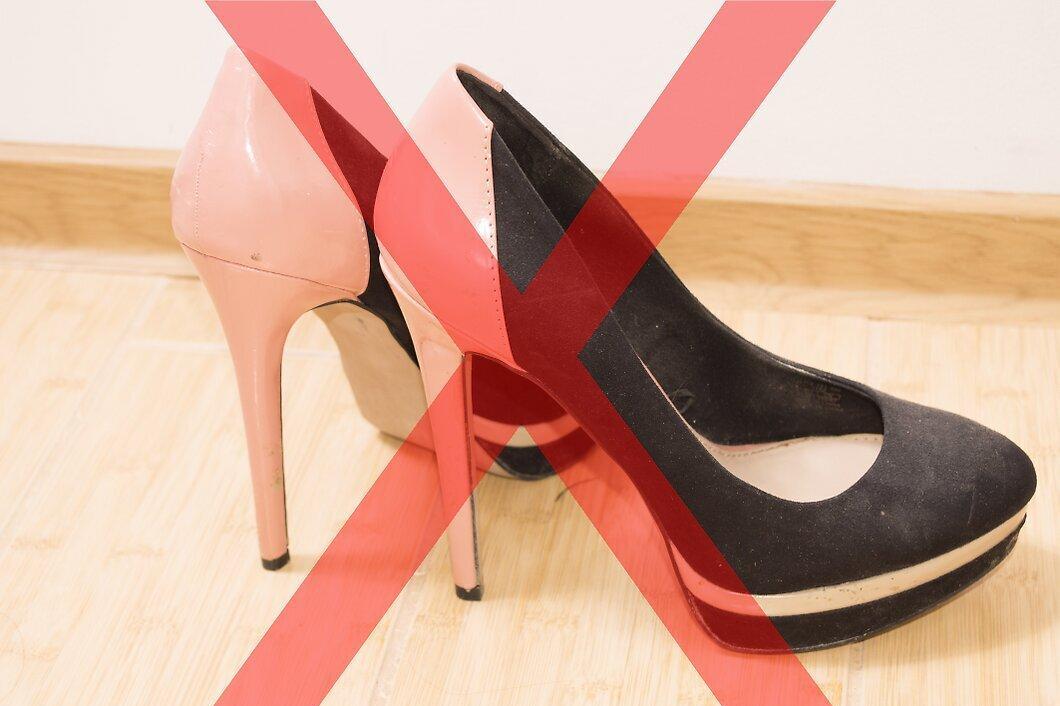
- Since you’ll be on your feet a lot, opt for shoes with cushioned insoles for comfort. Keep in mind that most banks have tiled or carpeted floors, so your shoes should have non-slip soles. Make sure your dress code allows for sandals or open-toe shoes.
Step 2. Maintain a Neat Appearance.

- Your overall look should be tidy and conservative. Ensure your shirt is ironed and your clothing is free of damage or stains. If a client notices flaws in your attire, it could negatively impact their perception of you and the bank. Keep your wardrobe in perfect condition to appear professional.
Step 3. Familiarize Yourself with Your Company's Dress Code.

- It’s important to understand your organization’s dress code requirements to choose the right style. These guidelines will help you know how you should present yourself at work and whether your wardrobe meets the bank's standards.
Step 4. Conceal Tattoos and Piercings.

- For a professional appearance, it’s advisable to hide any tattoos and piercings from clients' view. Wear small, neat earrings, and it’s best to remove facial and tongue piercings. Tattoos should be covered with long-sleeved clothing or pants.
Step 5. Watch the Length of Your Clothing.

- Ensure that your shirts and sweaters cover your stomach and do not expose skin. Sleeve length should reach the wrist when arms are at your sides. Avoid short sleeves and slits that may seem inappropriate for a business setting.
Step 6. Clarify When Casual Attire is Allowed.

- If you want to wear more relaxed clothing, check if your company has days designated for casual attire. On such days, you can wear items that might be deemed unsuitable on regular days.
Step 7. Dress with Your Clients in Mind.

- Your choice of clothing should reflect your position level. If you’re interacting with management, wear a suit and tie, while for client-facing roles, more neutral tones are suitable. When choosing your outfit, consider who you’ll be interacting with.