
Training new employees is a crucial task for any business. Poor onboarding can lead to job dissatisfaction, decreased productivity, and high turnover. Every aspect, from familiarizing them with the office to providing training materials, requires careful planning and execution. The main goal is to provide structured information, choose an appropriate pace for each employee, and be patient during their onboarding process.
How to Help New Employees Adapt
Step 1. Point Out the Parking.

Make sure to show new employees where the parking is located. Basic details like parking spots can easily be overlooked. Explain which spaces are reserved for your company and clarify if a special permit is needed for parking.
Step 2. Introduce Them to Their Workspace.

Prepare the new employee's workspace before they arrive. Ensure that their desk, phone, computer, and other necessary supplies are ready. For skilled professionals, it's important to show them exactly where they will carry out their tasks.
- Nothing frustrates a newcomer more than an unprepared workspace on their first day when they tried to arrive early to make a good impression.[3] X Source
Step 3. Give an Office Tour.

Don’t forget to give a tour of the office. Show them where the restrooms, storage, copiers, and cafeteria are located. Make sure the newcomer knows where the break room, kettle, microwave, first aid kit, and fire extinguishers are.
- Consider creating a map of key areas within the company to facilitate the tour.
Step 4. Monitor the New Employee's Lunch.

Ensure that the newcomer doesn’t eat lunch alone. This may seem minor, but it can significantly impact their mood and self-esteem. Discuss with the team to make sure the new hire has company during lunch.
Step 5. Assign an Experienced Mentor.

Assign an experienced mentor to train the new employee. Typically, training is given to those who are free or sit near the newcomer. Ideally, this should be someone with good communication skills who can share helpful advice and experiences.
- The mentor should perform similar tasks to make it easier for the new employee to adapt to their responsibilities.
How to Create Training Materials
Step 1. Prepare a Quality Training Guide.
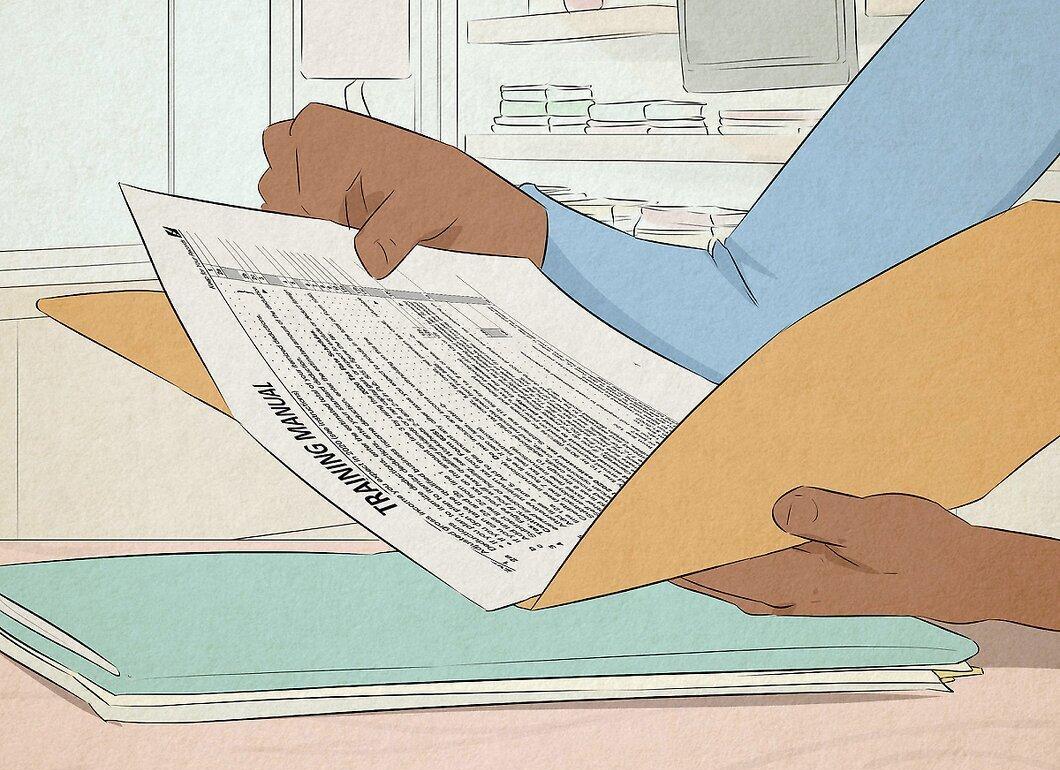
Create a structured training guide. Start with a table of contents, then break down each topic into accessible subsections to make the information logical and clear. A clear structure should include introductory information, detailed content, and a brief summary.
- A printed guide allows for note-taking, while a digital version ensures easy access to materials.
Step 2. Include Job Descriptions and Expected Outcomes.
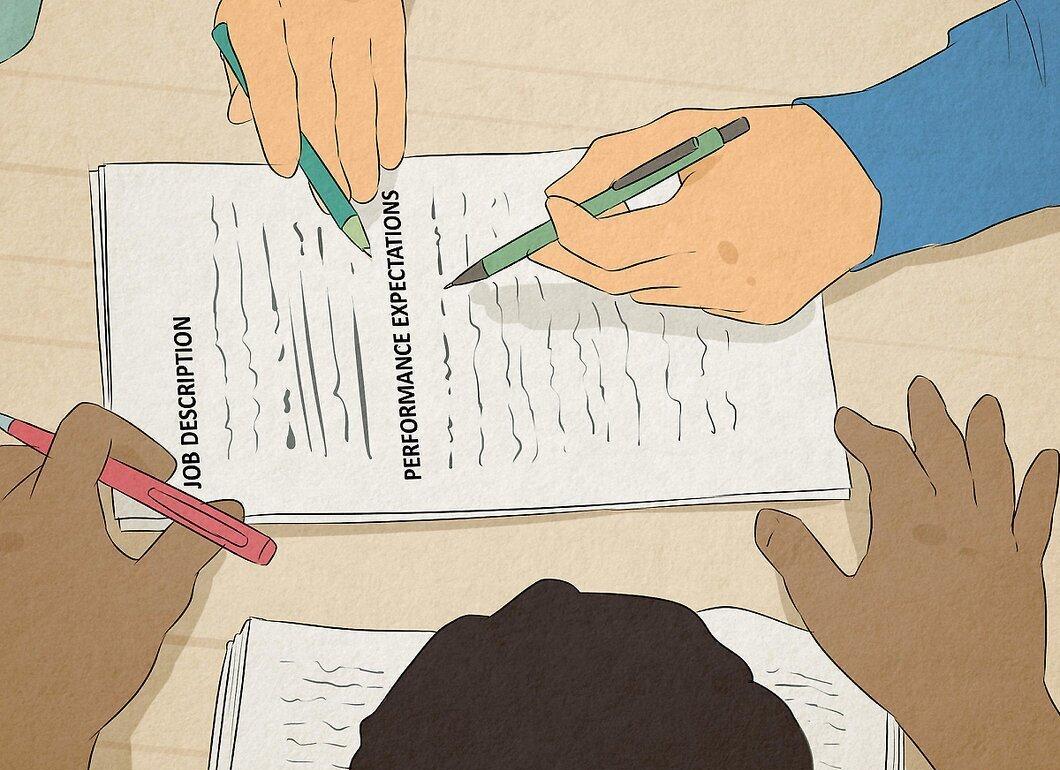
Be sure to include job descriptions and expected outcomes. This helps the newcomer understand what is expected of them and how their performance will be evaluated.
Step 3. Provide Information About Colleagues and Contact Details.
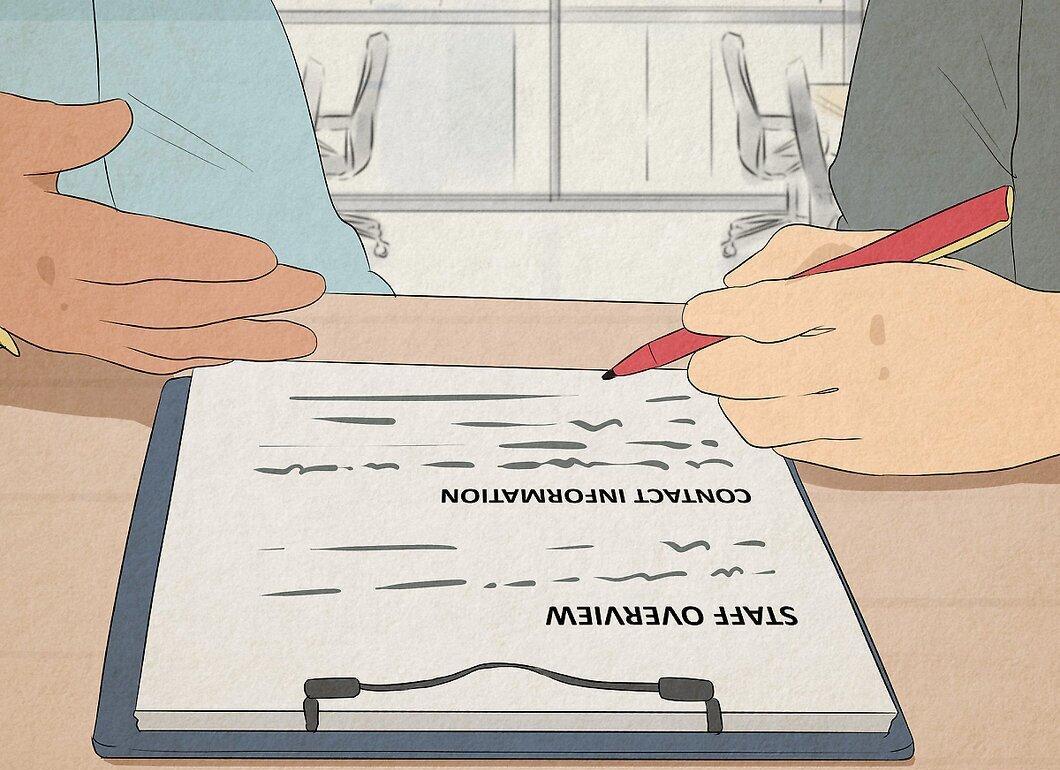
Include an organizational chart so the newcomer knows who is who. It’s also helpful to provide a list of department employees along with their contact information.
- Include important contacts both within and outside the company, such as suppliers and clients.
Step 4. Outline Safety Standards.
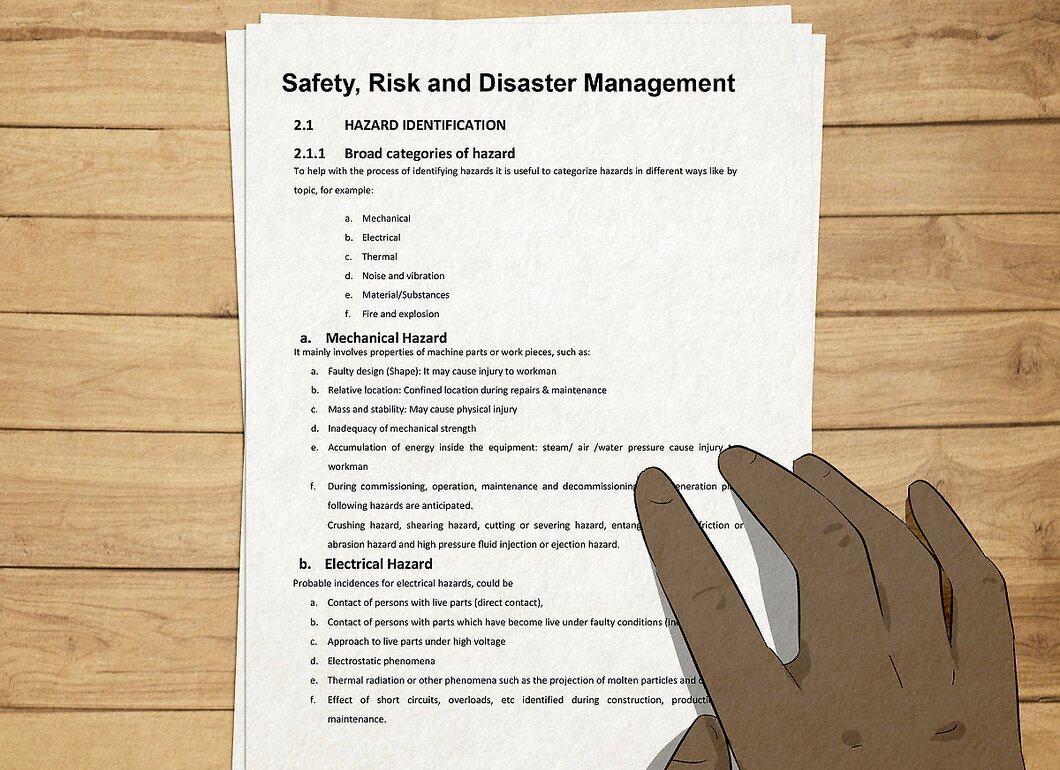
Include information about safety regulations. Depending on your sector, it’s important to outline procedures for emergency situations and safety standards. Consult with regulatory agencies if necessary.
Step 5. Discuss Corporate Culture and Values.
The training guide should contain information about corporate culture, values, and the company’s history. This helps the new employee better understand how they fit into the team.
Step 6. Compile a List of Company Resources.
Create a list of available resources. These might include reports, marketing materials, and old presentations stored in a secure section of the website or internal network.
- Ensure that the employee knows these materials are available but not mandatory for review.
How to Organize the Training Process
Step 1. Get to Know the Employee.

Spend time talking with the new colleague. Learn about their family, hobbies, and interests, and share about yourself as well.
- This will help the newcomer adapt more quickly and become part of the team.
Step 2. Find a Balance Between Supervision and Independence.

Aim for a sensible balance between insufficient and excessive supervision. Start with general topics and gradually delve into the details. Avoid overwhelming the newcomer with too much information, but don’t guide them through every step.
- Allow time for breaks so they can absorb the information without stress.
Step 3. Assign Simple Tasks and Be Ready to Answer Questions.

Give the newcomer tasks that are not critical to the company's operations and let them know they can always ask for help. This will help them feel confident in their abilities.
- Practical training is often more effective than theoretical lessons, so don’t hesitate to assign simple tasks.
Step 4. Consider Individual Learning Paces.
Recognize that everyone learns at a different speed. Don’t rush into new topics until the previous one is mastered. After training, assign tasks they can handle.
- Regularly check if their learning pace is comfortable to avoid misunderstandings.
- While this might take longer, a well-prepared employee will bring greater benefits.
How to Create a Positive Training Experience
Step 1. Don’t Skimp on Praise.

Praise the newcomer for their achievements, as this builds their confidence. Specific praise is more valuable than general compliments.
- For example, you might say, "You did an excellent job on that task and even finished it ahead of schedule!"
Step 2. Provide Constructive Criticism.

Don’t hesitate to point out mistakes. If you don’t, they might continue to make them. Criticism should be constructive and supportive.
- For instance, you could say, "It will be easier for you if..." Also, remind them that making mistakes is normal and everyone does it.
Step 3. Allow the Newcomer to Adjust.

Gradually increase their responsibilities and remember to provide support after training is completed. Each employee is unique, and the adjustment period will take varying amounts of time.
- It may take up to a year to get used to new conditions, depending on the individual and the specifics of the job.
Step 4. Gather Feedback on the Training Process.

Regularly collect feedback on the training program. This will help improve the process. After the training is completed, ask what could be changed or enhanced in the program.