Being late to work is a common occurrence, often due to circumstances beyond our control, such as a sick child or traffic jams. Regardless of the reason, it’s crucial to notify your boss ahead of time about your delay and explain what happened when you arrive at the office. If you find yourself frequently late, consider sending a follow-up email with an explanation.
How to Notify About a Delay
Step 1. Assess the extent of your tardiness.

First, determine how late you are. Consider the circumstances causing your delay and think about how long it will take you to get to work. If it’s only a few minutes, it may not be critical. However, for more significant delays, be sure to inform your management.
- Check how long it will take to resolve the current issue. If you're stuck in traffic, use a navigation app to estimate your wait time. This will help you understand how much longer you will be on the road.
- If your boss is informed of your arrival time, it will help alleviate unnecessary tension and allow them to adjust their schedule accordingly.
Step 2. Call work if your delay exceeds five minutes.
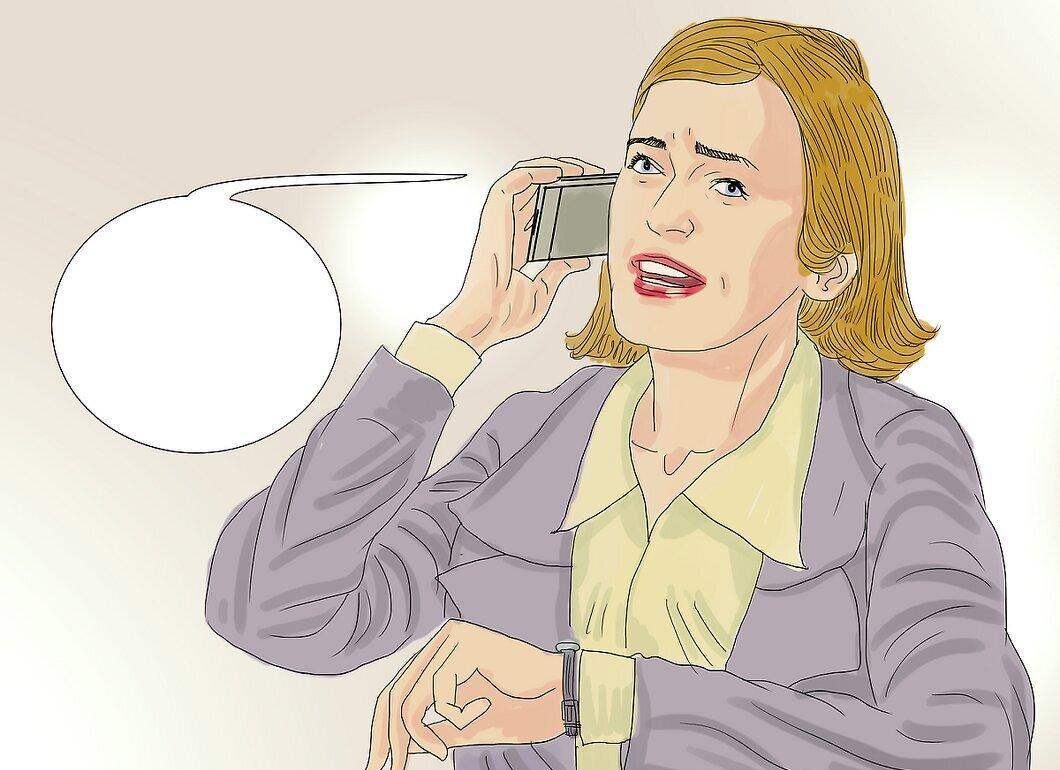
If you’re running late by more than five minutes, make sure to call work. If you’re unsure whether you’ll make it on time, it’s better to give a heads-up, explaining the reason for your delay and your estimated arrival time.
- Even if you don’t know the exact time of your delay, it’s better to call in advance.
Step 3. Keep work plans in mind and notify early.

Be mindful of the day’s plans and notify as early as necessary. Your lateness may cause inconvenience for others; for instance, if there’s an important sale or meeting starting at the company, it’s best to inform as soon as possible.
- If you call ahead, a colleague can cover for you until you arrive.
Step 4. Try to speak with management.
When you get through, ask to be connected to your manager or the deputy director so that the right person receives your message in time.
- If you need to convey important information, it’s better to inform the secretary or office manager, as they will record your call.
- Avoid explaining your situation to a colleague, as they might get distracted and forget to pass on the information.
How to Apologize in Person
Step 1. Apologize to management as soon as you arrive at work.

As soon as you get to work, immediately apologize to management. This should be your top priority. Most likely, your supervisor will understand and forgive you, allowing you to return to your duties. Otherwise, they may approach you to ask about the reason for your tardiness.
- Apologize in person, even if you called ahead to warn about your delay.
- If you postpone the conversation out of fear or busyness, it may give the impression that you don’t take your job seriously, which could negatively affect your reputation.
Step 2. Briefly explain the reason for your delay.
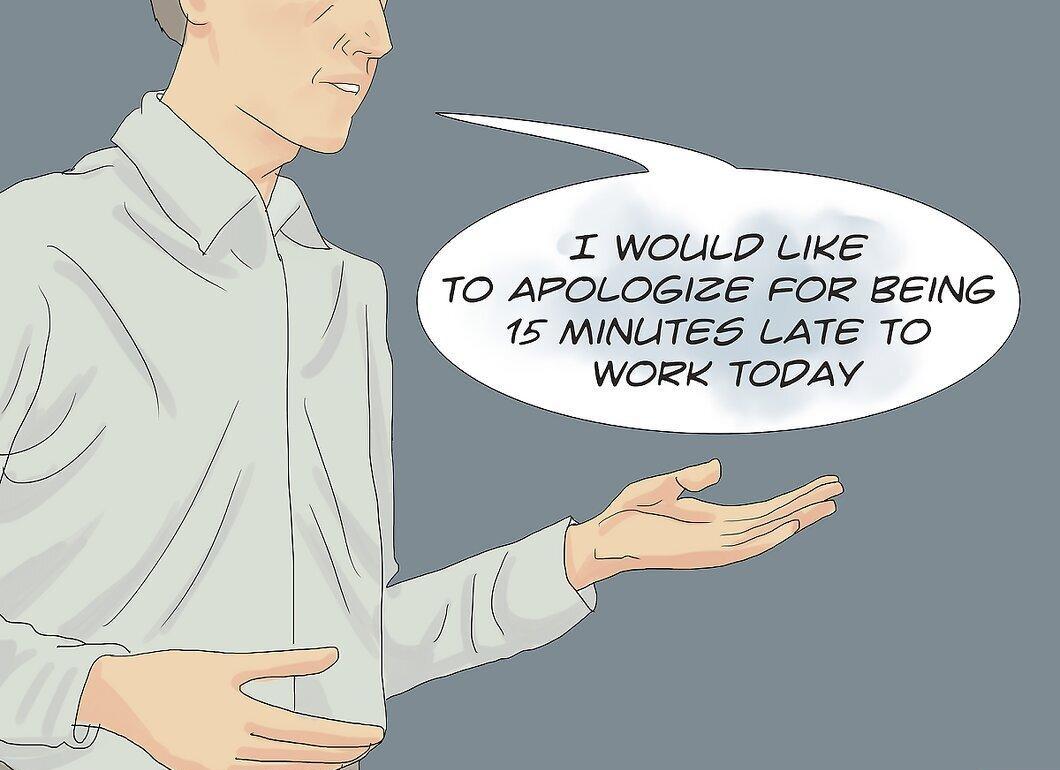
When you have the chance, explain to your boss what caused your delay. Your explanation should be clear and sincere. The more complicated the reason sounds, the more it might come off as an excuse.
- Avoid unnecessary details. Simply say, "I’m sorry I was late by a few minutes. My child got sick just as I was about to leave."
- Don’t mention personal matters unrelated to work, such as being distracted by a phone call.
Step 3. Be sincere in your words.

Sincerity is a crucial aspect of your apology. Your boss needs to feel your remorse. Be honest and take responsibility for your actions.
- Don’t laugh or joke while apologizing, as this may be perceived as disrespectful to the situation.
Step 4. Conclude the conversation with gratitude.

At the end of the conversation, make sure to express your gratitude. Regardless of how your boss reacts, try to find words of thanks. After all, it’s this person who gives you a job. This will help you earn their favor, especially if the reaction to your tardiness was negative.
- For example, you might say, "Thank you for your understanding. I will make sure this doesn't happen again."
- Being humble before management can be difficult, but it’s the best way to smooth over the situation if your tardiness was your fault.
How to Write an Apology Email
Step 1. Send an apology email if you were significantly late.
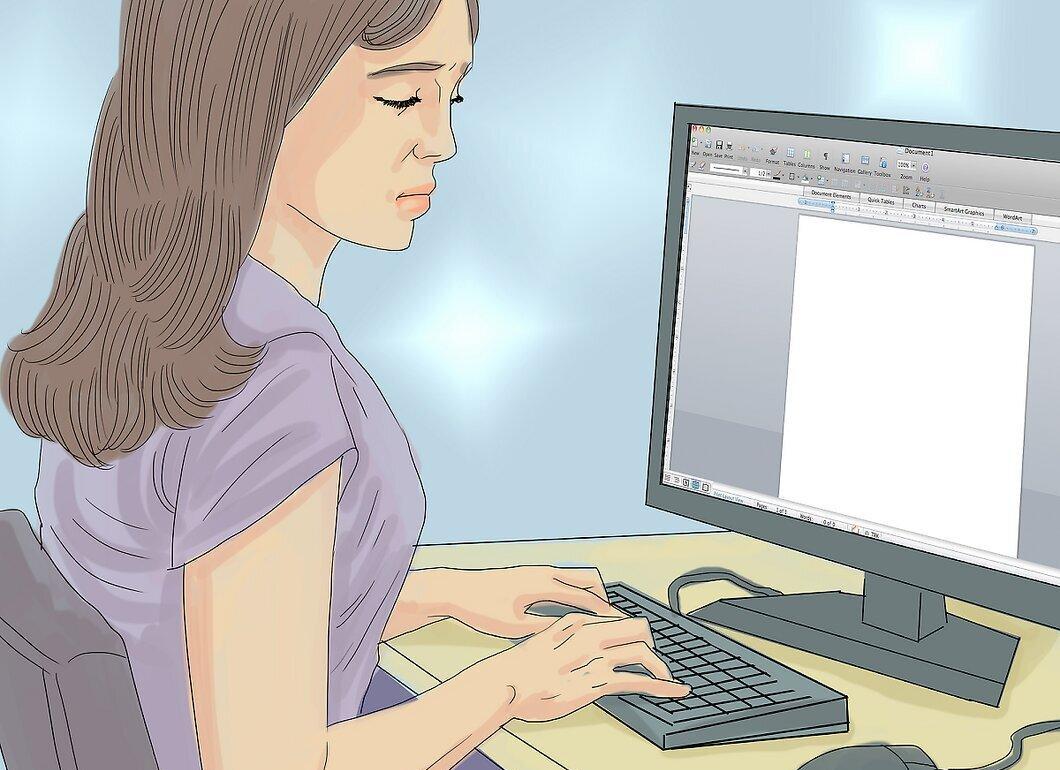
If you arrived at work more than an hour late, it’s worth sending an apology email after your in-person conversation. This will show your remorse and help rebuild trust with management.
- An email is especially necessary if you’ve been late before or if your tardiness caused serious issues for the company.
Step 2. Follow the structure of a formal letter.
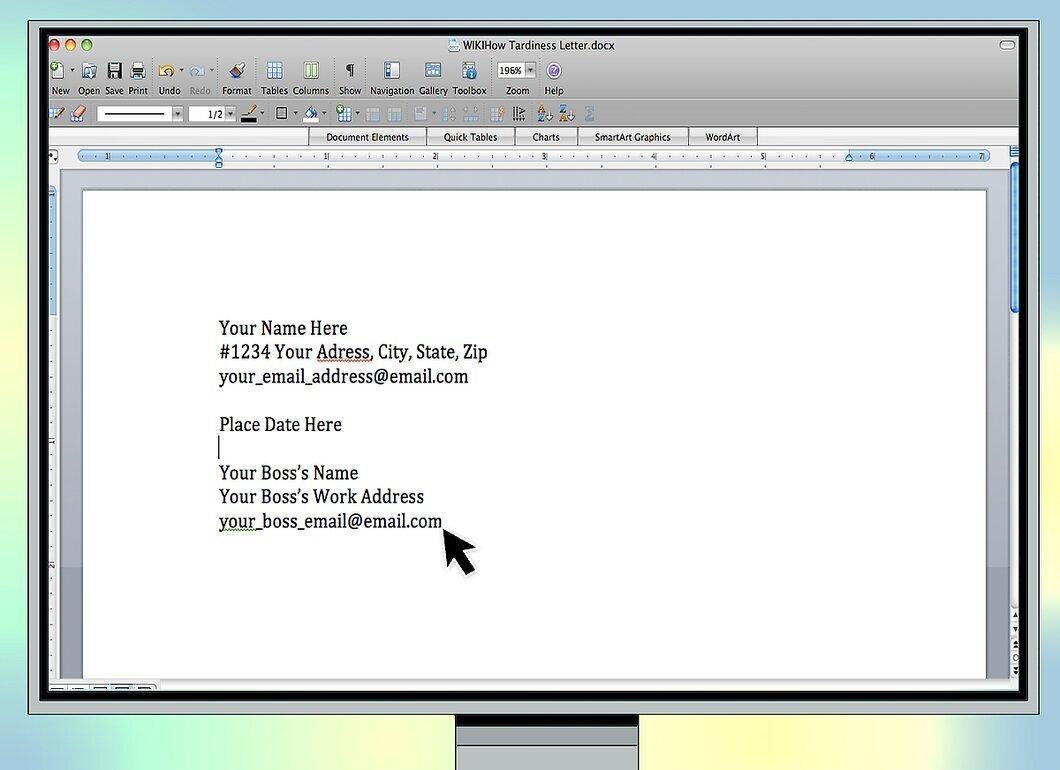
Include your full name, address, and email at the top of the letter. Then state the date of writing. After that, write the name of your manager, their email, and the company address.
- If the company is large, include the address of your office rather than the headquarters.
Step 3. Start the email with a polite greeting.
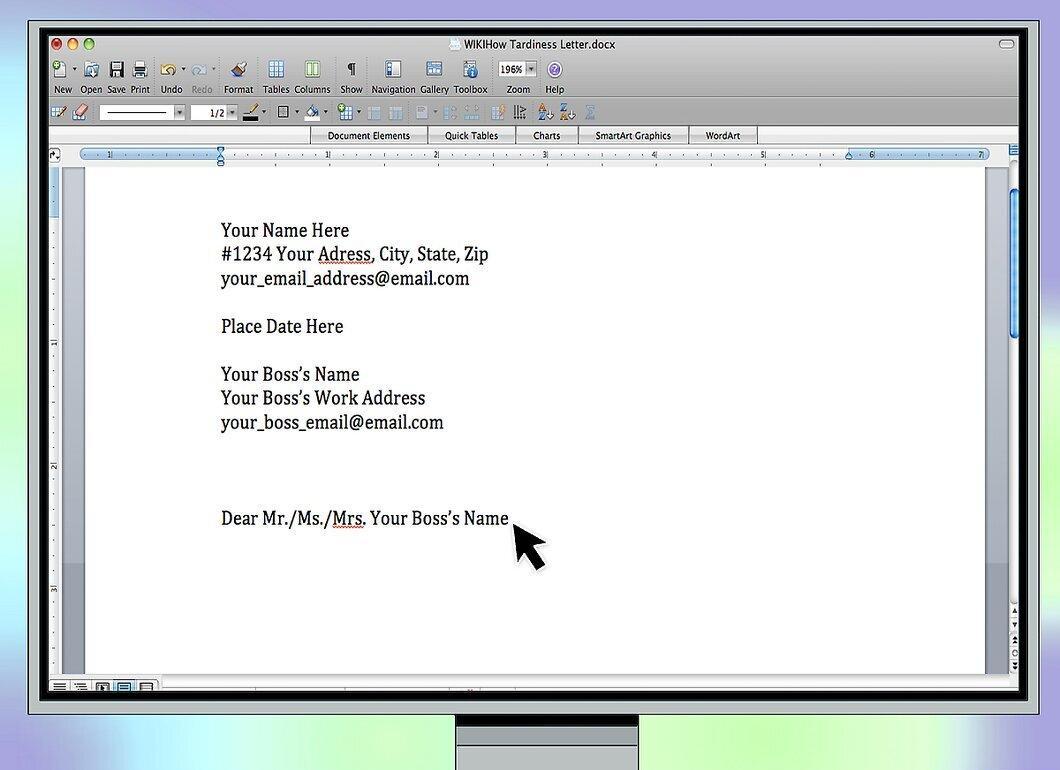
Begin with the salutation "Dear" followed by the full name of your manager. It’s better to use a formal tone, even if you communicate more informally.
- For example, "Dear Viktor Mikhailovich" or "Dear Olga Petrovna."
- If you prefer not to use "Dear," you can skip that word and just state their name.
Step 4. Apologize in the main body of the email.
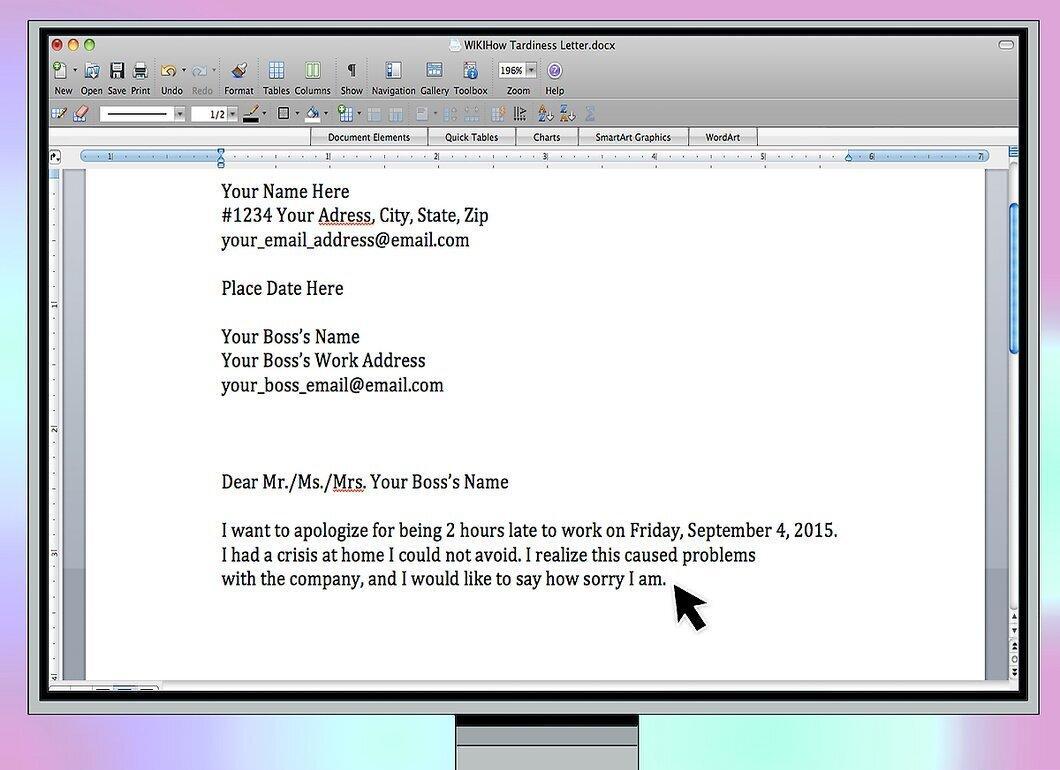
In the main part of the email, express your apologies. Explain that you want to emphasize the importance of your apology and are not limited to just verbal conversation. State the reason for your delay, even if you discussed it earlier.
- For example: "I apologize for being late to work for two hours on Friday, August 10, 2018, due to an emergency situation at home."
- The email should be brief: greeting, explanation, and acknowledgment of fault.
Step 5. Acknowledge that you understand the consequences of your tardiness.
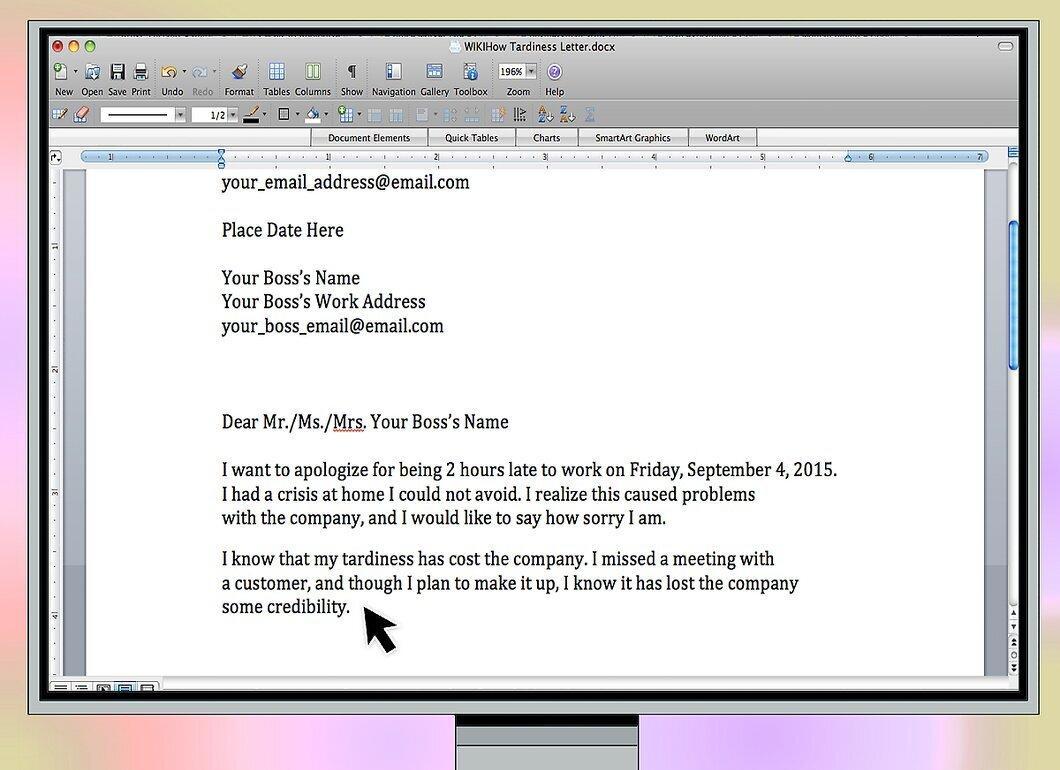
Explain that you recognize how your tardiness may have impacted others’ work. The email should reflect your regret regarding the consequences.
- For example: "I understand that my lateness to the meeting scheduled at 10 AM resulted in losing a client and diminished trust in our company."
Step 6. Conclude the email with plans to rectify the situation.
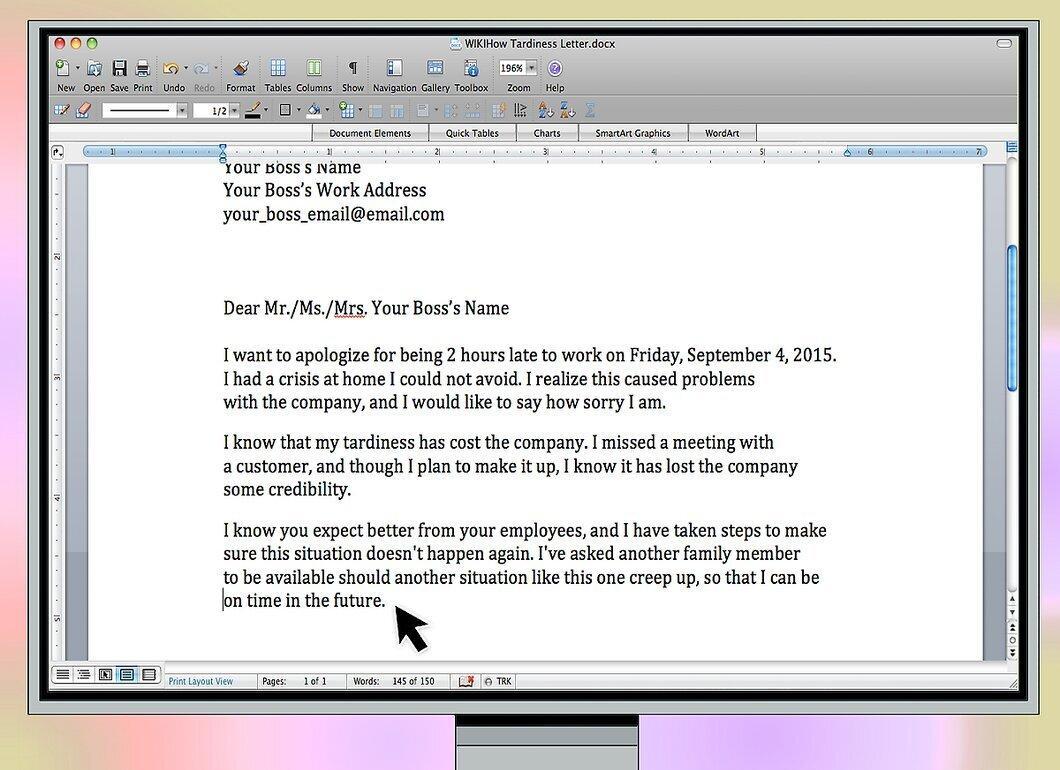
Share what you plan to do to avoid similar situations in the future. Outline specific steps you will take.
- For example: "I have arranged for a neighbor to help with the dogs to prevent this from happening again." This will show that you are committed to improving.
Step 7. Express gratitude.
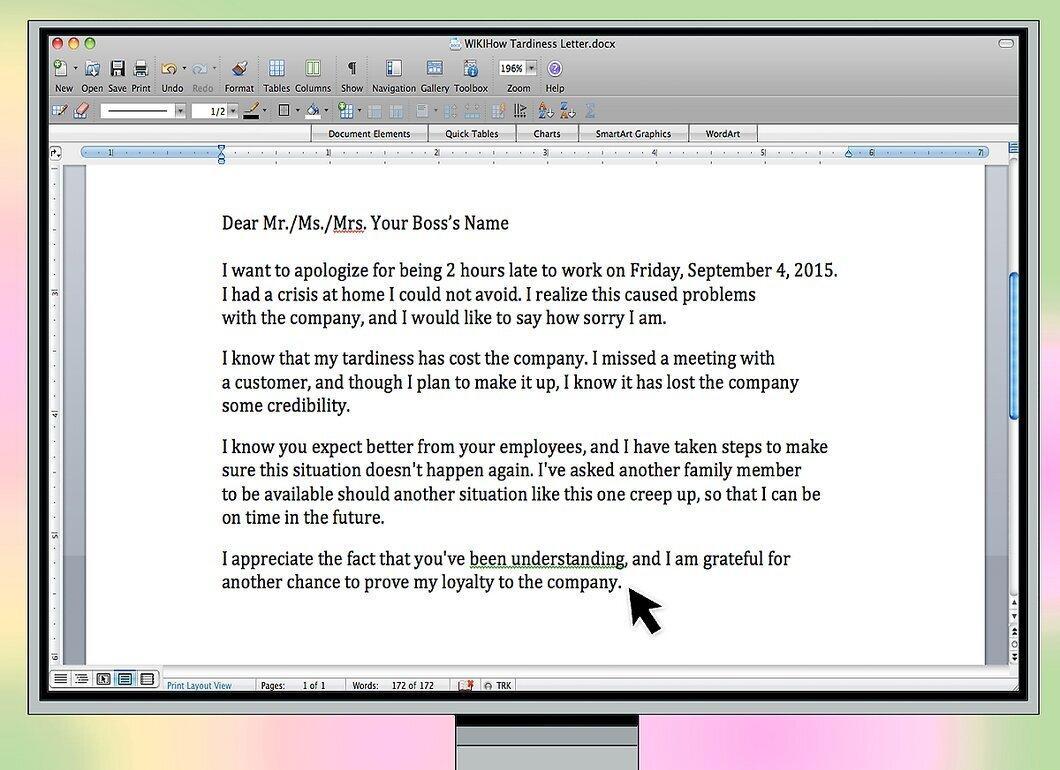
At the end of the email, thank your manager for their understanding and patience. This will help soften any negative feelings and create a positive tone for future interactions.
- The final phrase can be simple: "Thank you for your understanding and for considering my plans to rectify the situation."
Step 8. Sign the email by hand.
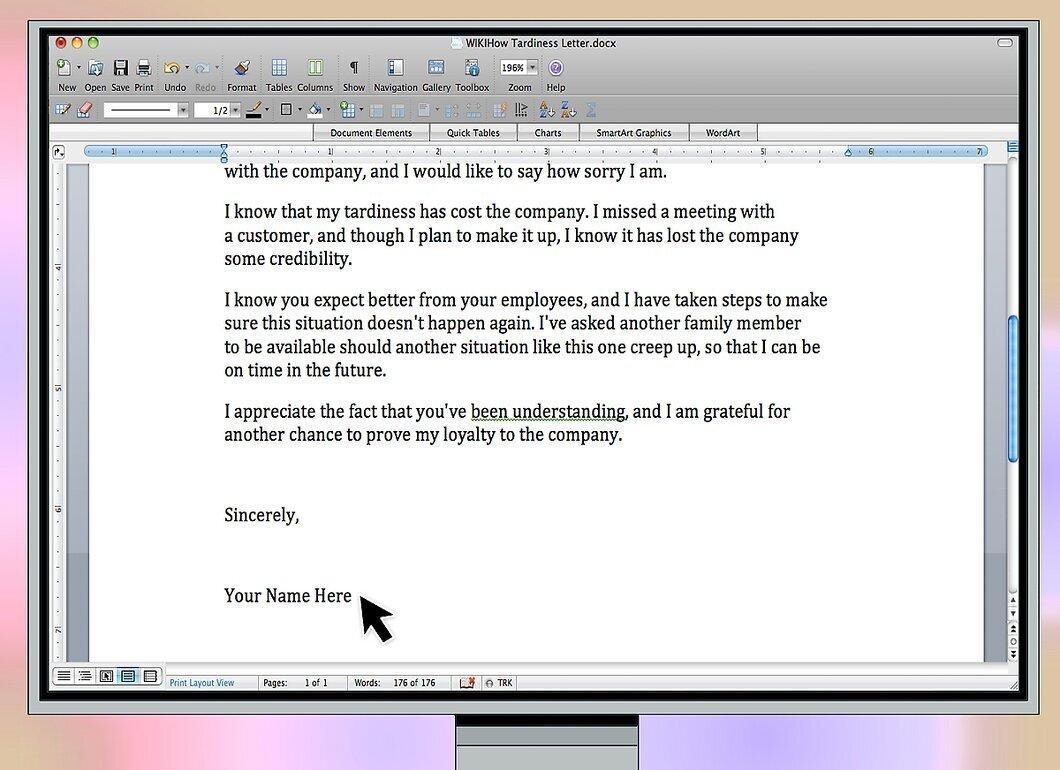
After the last line, leave space for your signature and sign the letter. If you’re sending an email, just type your first and last name.
- You can add "Sincerely" before your signature. In larger companies, it’s helpful to include your position.
How to Be a Reliable Employee
Step 1. Don’t lie or make excuses.
Avoid concocting reasons for your lateness. It’s important to understand that your desire to prevent a recurrence of the mistake is more significant than the reasons themselves. If the truth comes out, it will only worsen the situation.
- Even small inaccuracies can negatively affect your reputation. For example, your boss might find out there was no traffic.
- Emphasize how your tardiness affected others. For example, it’s better to say, "Thank you for quickly adjusting the schedule," than, "There was a traffic jam."
Step 2. Apologize after a meeting if you were late.
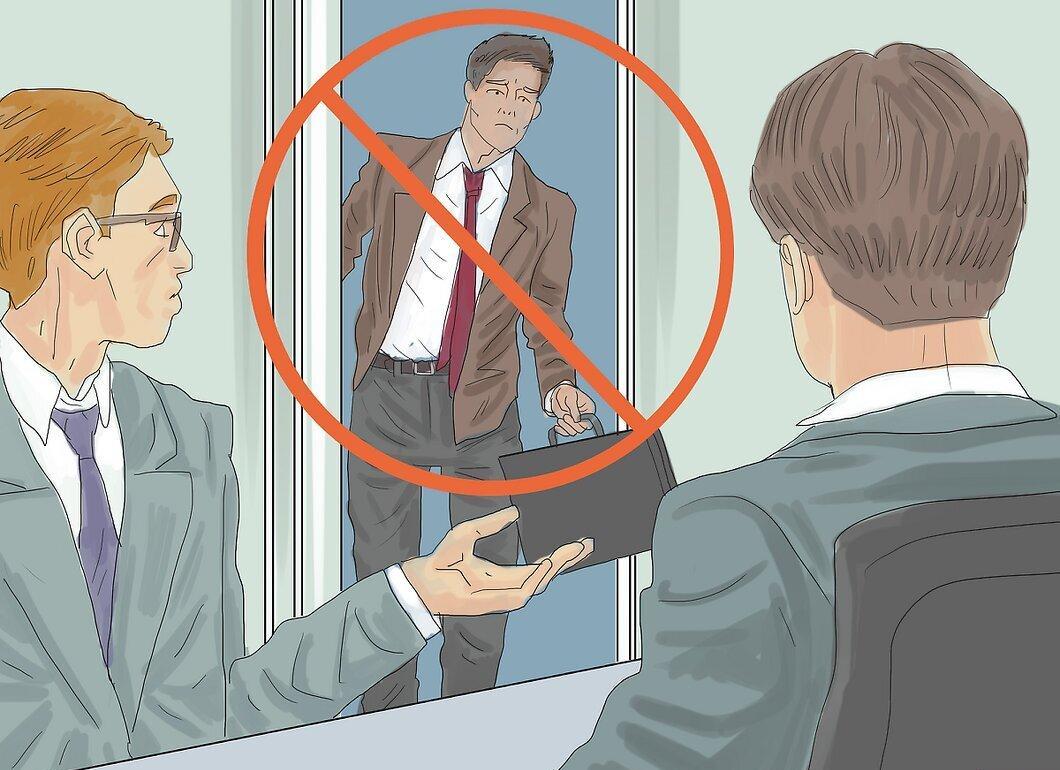
Don’t apologize immediately when you arrive at an important meeting. Instead, try to enter quietly and join the attendees.
- Avoid making noise to not draw excessive attention.
- Apologizing during the meeting can interrupt the workflow and increase your anxiety.
Step 3. Prevent tardiness in the future.
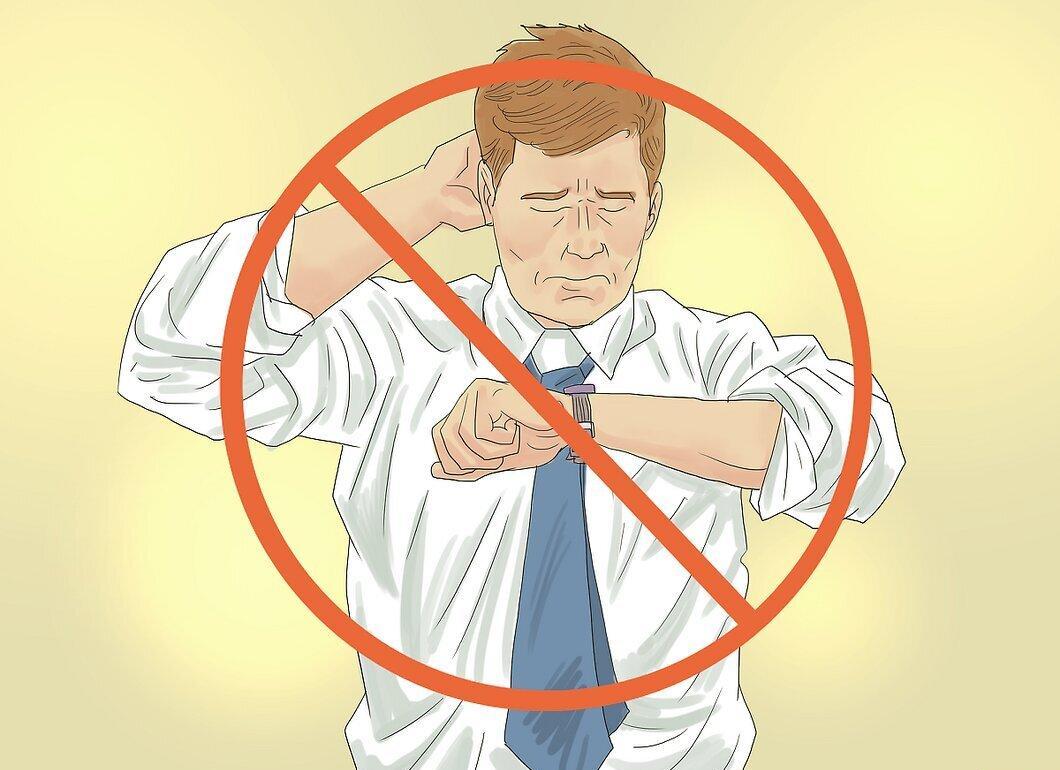
We all run late sometimes, but if it becomes a habit, it will create a bad impression. Even if you continually apologize, regular tardiness will indicate your unreliability.
- Start leaving half an hour earlier to have a buffer for unforeseen circumstances.
- Remember that repeated tardiness may lead to disciplinary action or termination.