
Oily skin can cause unpleasant shine and clogged pores, which in turn leads to acne due to excessive sebum production. But don’t worry! There are many simple methods to help manage excessive oiliness. Proper care and slight lifestyle adjustments can improve your skin’s condition.
How to Reduce Oily Skin with Specialized Products
Step 1. Cleanse your face twice a day with a gentle cleanser.
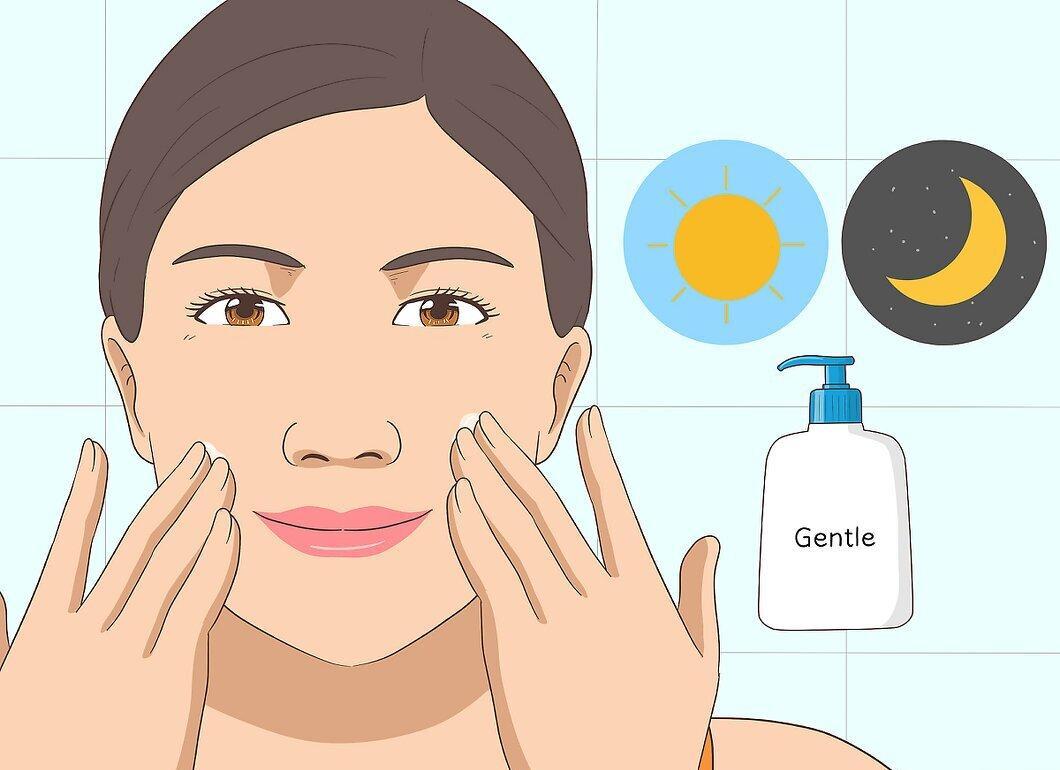
Wash your face twice a day using a gentle cleanser. This will help remove excess sebum that can clog your pores. Dermatologists recommend cleansing in the morning and evening to keep oil levels in check.
- Choose gentle cleansers that do not dry out the skin. Avoid cleansers with oils.
- Use lukewarm water for washing. Hot water can dry out and irritate the skin.
- After washing, gently pat your face dry with a soft towel.
- Avoid harsh cleansers that can over-dry your skin. Cleansing should remove excess oil and dead cells without causing dryness.
- If regular products don’t help, try acid-based products like benzoyl peroxide or salicylic acid. They not only fight acne but also help control oiliness.
Step 2. Use a toner to tighten pores and remove excess oil.
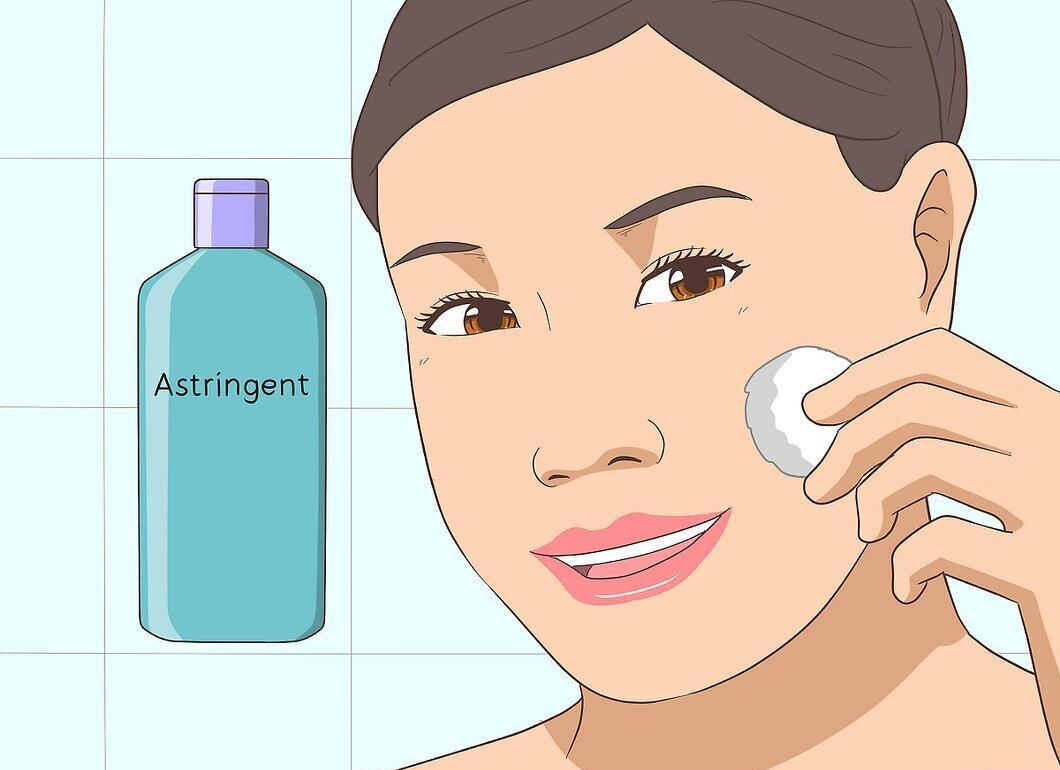
Use a toner to tighten pores and eliminate excess sebum. There are many types of toners available — choose either an astringent or a refreshing one. Check the ingredients: astringents typically contain alcohol, while refreshing toners may include caffeine or green tea. Avoid lotions meant for normal or dry skin.
- Apply toner to your T-zone: forehead and nose are the oiliest areas. Apply less on your cheeks, or skip them altogether, to avoid drying out.
- Use cotton pads to apply toner, gently sweeping them across your face.
- After the toner dries, pat your skin with a towel and apply an oil-free moisturizer to prevent dryness.
Step 3. Use blotting papers and treatment pads for quick oil removal.
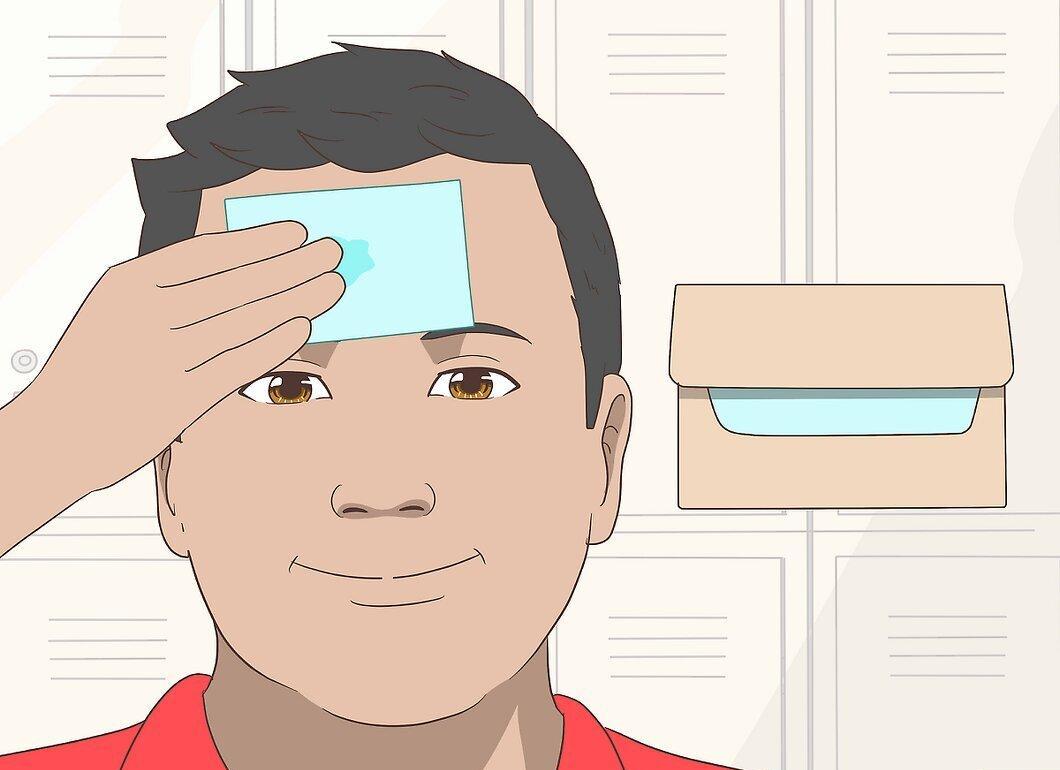
Blotting papers and treatment pads can quickly eliminate shine. They are convenient as they do not dry out the skin and can absorb excess oil in seconds. Treatment pads are often infused with salicylic or glycolic acid and are effective even on the go.
- Use blotting papers on problem areas like the forehead and nose, gently pressing them against the skin without rubbing. This helps absorb excess oil but won’t prevent it from returning.
- Some blotting papers contain talc for faster oil absorption.
- Keep treatment pads in your bag; they help combat acne thanks to their acidic components.
- Be cautious and don’t use treatment pads more than three times a day to avoid over-drying your skin.
Step 4. Apply deep-cleansing masks to remove excess oil.
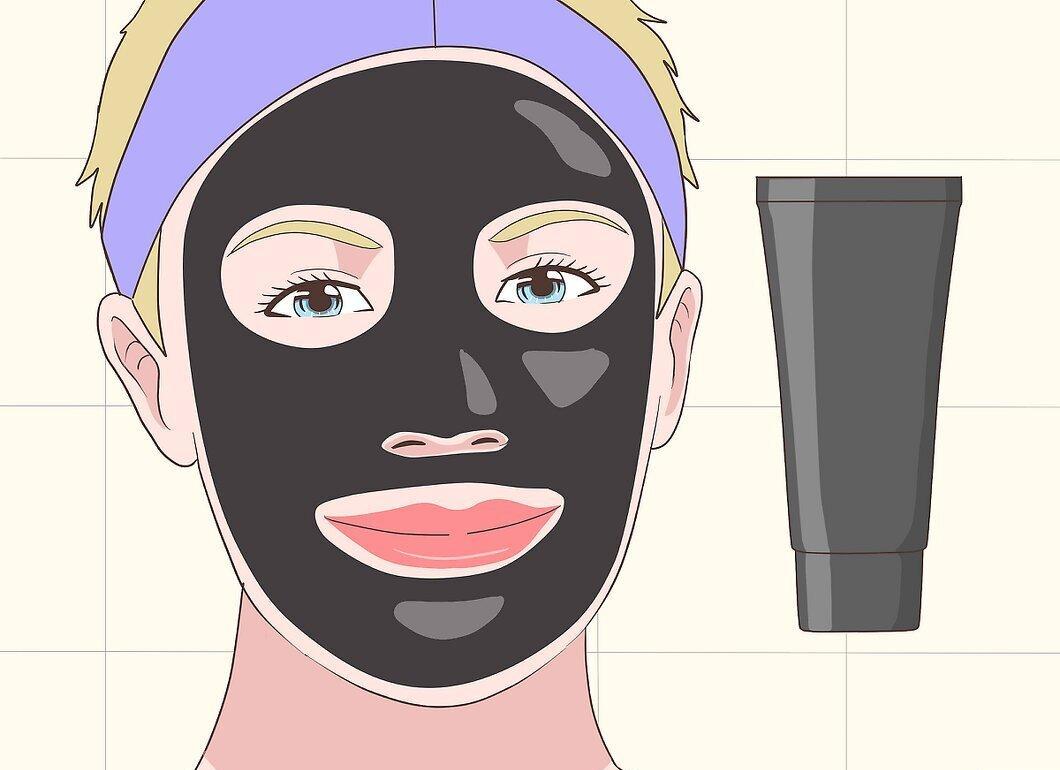
Deep-cleansing face masks can help eliminate excess oil. They cleanse the skin more thoroughly than regular cleansers, penetrating pores and removing impurities. However, remember that overuse can dry out the skin.
Expert Tip: Alicia Ramos, licensed cosmetologist.
- Apply the mask only after cleansing.
- Ensure that your skin and hands are damp when applying the mask. For convenience, consider doing the mask in the bath to make cleanup easier.
- Leave the mask on for 10-15 minutes, then rinse with warm water and a soft towel.
- The ideal mask for oily skin should contain clay and soothing ingredients like shea butter and honey. A turmeric and sandalwood mask is also excellent for controlling oil.
- Use the mask once a week or before important events to avoid over-drying.
Step 5. Use oil-free moisturizing and protective creams.
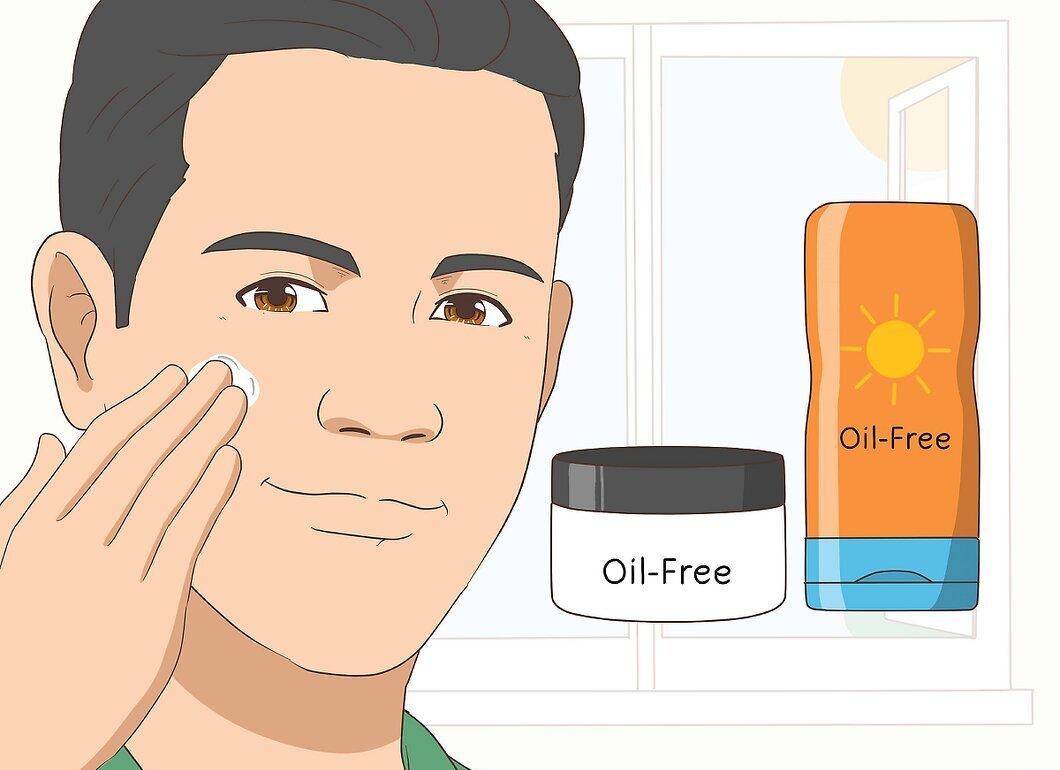
Always choose oil-free moisturizing and protective creams. Carefully check the ingredients of all products you use and prefer non-comedogenic, water-based cosmetics.
- Many with oily skin avoid moisturizers, thinking it worsens the problem. However, the right product helps maintain skin balance. Oily skin also needs hydration and protection from UV rays.
- Get into the habit of checking the ingredients of each product to ensure it’s oil-free.
- Sunscreen gels or powders can protect the skin without clogging pores.
- Avoid oil-based cosmetics and always remove makeup at night. Layering new makeup over old is a bad idea, as it can lead to clogged pores.
- Do not use cold creams or lotions for makeup removal, as they are meant for dry skin and can increase oil production.
Step 6. Use acne-fighting products if you have oily skin.
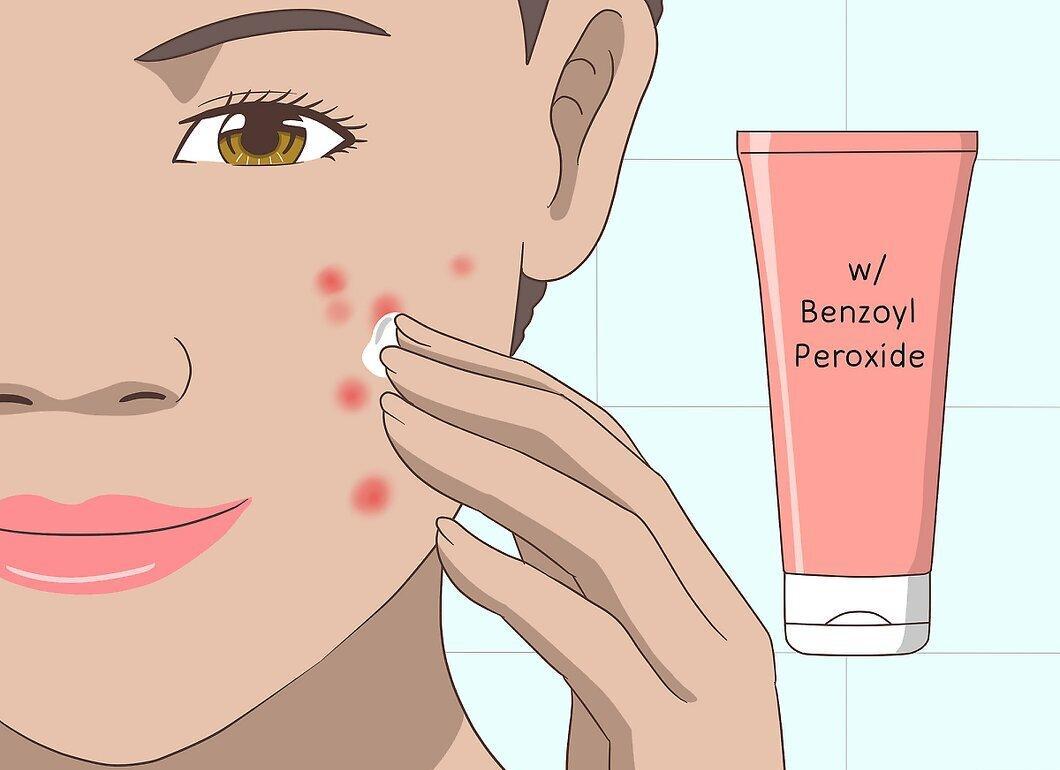
If you have oily skin prone to acne, choose products specifically designed to combat this issue. Benzoyl peroxide products help kill bacteria and remove dead skin cells.
- Acne creams containing resorcinol, sulfur, and salicylic acid are great for unclogging pores and dealing with acne aftermath.
- When using stronger products, follow the instructions on the packaging.
- Wash with soap during your shower, but avoid washing your nose to prevent clogging.
- If one product doesn’t work, try another.
- If cosmetic products are ineffective, be sure to see a dermatologist.
How to Combat Oily Skin by Changing Your Lifestyle
Step 1. Maintain a healthy diet rich in antioxidants and omega-3s.
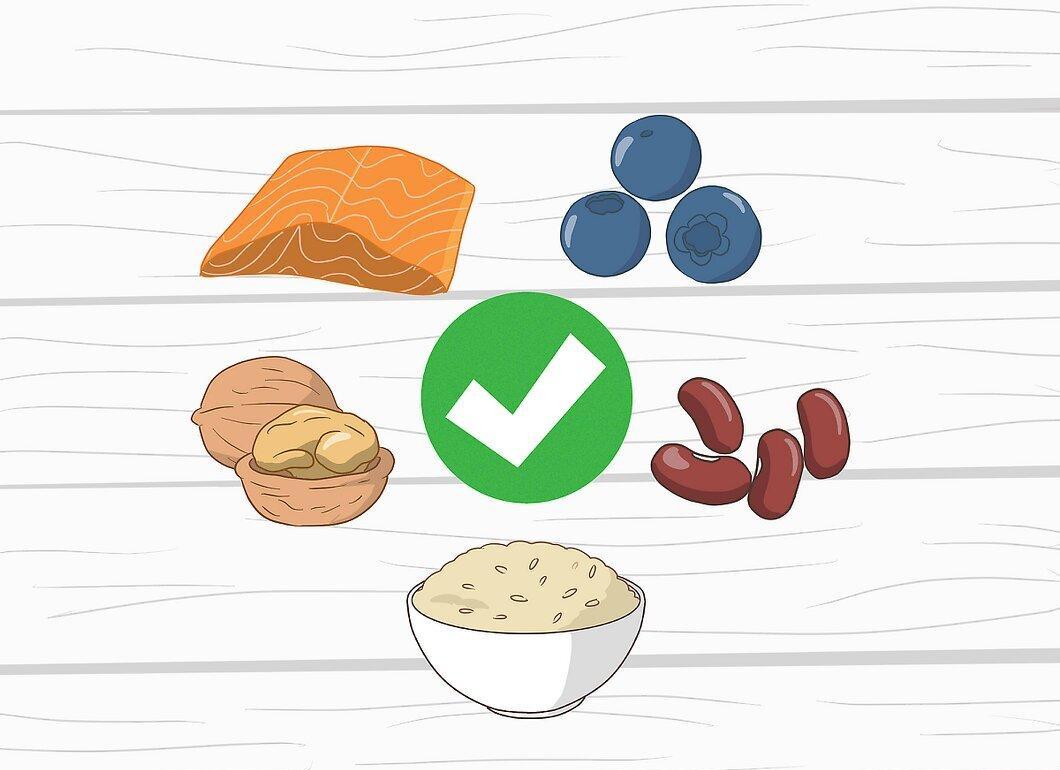
Eat a healthy diet rich in antioxidants and omega-3 fatty acids. These substances improve the texture and overall appearance of your skin. Avoid foods high in sugar and fats, as they contribute to oiliness.
- Antioxidants can be found in blueberries, beans, cranberries, apples, whole grains, spinach, and peppers. In other words, colorful fruits and vegetables benefit your skin.
- Omega-3 fatty acids are found in salmon, tuna, walnuts, and flaxseeds. If you don’t eat fish, consider adding fish oil to your diet.
- Eliminate foods that promote skin oiliness, such as butter, beef, and fried foods. Replace them with healthy fats from nuts, seeds, avocados, and fish.
- Focus on natural foods, fresh fruits, and vegetables. Some, like spinach, tomatoes, and carrots, are particularly beneficial for the skin.
- Don’t forget that chocolate in moderation can be good for your skin!
Step 2. Exercise regularly.

Physical activity positively impacts skin health and helps prevent oiliness. Regular workouts will keep your skin healthy and smooth.
- Relieve stress through physical activity. Aim to exercise at least four times a week. Whether it’s the gym, biking, or playing basketball with friends — the key is to stay active.
- Don’t forget to shower after working out to remove sweat and bacteria; otherwise, it may lead to skin issues.
- When the body is stressed, androgen levels increase, resulting in increased sebum production. For those predisposed to oily skin, symptoms can worsen during menstruation, allergies, or colds. Be mindful of this and manage negativity through physical activity.
Step 3. Use relaxation techniques or meditation to reduce stress.

Learn relaxation techniques and meditation to manage stress levels. The connection between psychological state and skin condition is well-known. Stress can lead to both acne and oily skin. By working on positive thinking, you’ll help your skin.
- Years ago, people noticed the link between stress and acne. Studies show that during stress, androgen and cortisol levels rise, activating the sebaceous glands.
- Try meditation and calming breathing techniques. Focus on slow breathing through your nose and try to forget everything. This will help reduce stress.
- Yoga is also an excellent way to combat stress. Sign up for yoga classes in your area!
Step 4. Ensure quality nighttime sleep.

Sleep at least seven to eight hours a night. During sleep, your body recovers and renews the skin. Lack of sleep negatively affects its condition.
- Sleep quality is also related to stress, which may lead to increased oiliness and acne. To feel good, you need adequate rest time!
- Chronic sleep deprivation can cause wrinkles, dark circles under the eyes, and a dull complexion.
- Oversleeping (ten hours or more) can also negatively affect the skin.
Step 5. Maintain hydration.
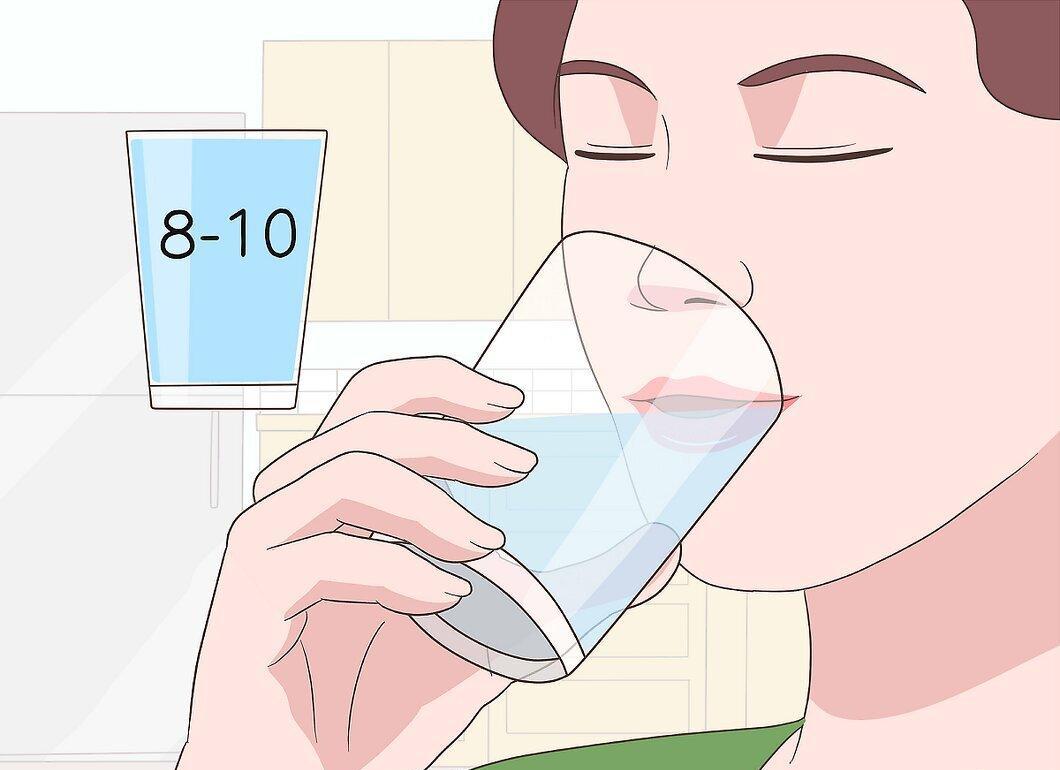
Ensure you drink enough water to keep your skin hydrated. Maintaining hydration is a key aspect of skin health. Water fills skin cells and helps balance moisture and oil levels.
- Doctors recommend drinking eight to ten glasses of water every day.
- Dehydration can lead to wrinkles, dull complexion, and noticeable pores. Dehydration and acne are interconnected.
- Dehydration can also increase sebum production. Conversely, when the skin is hydrated, its balance is restored.
- Drinking lemon water is very beneficial! Water hydrates, while lemon is rich in antioxidants and vitamin C, which helps with acne. Drink it on an empty stomach for your skin's health.