
Saunas are a wonderful way to unwind, relax, and warm up in the winter chill. Sociologists even claim that saunas are great for informal meetings, as they help people feel more at ease. Some of the main benefits of saunas include their positive effects on health: they help relieve pain, improve physical fitness, temporarily alleviate cold symptoms, and reduce stress levels, creating feelings of relaxation and happiness.[1] Source
Part 1
Step 1: Familiarize Yourself with Sauna Instructions.
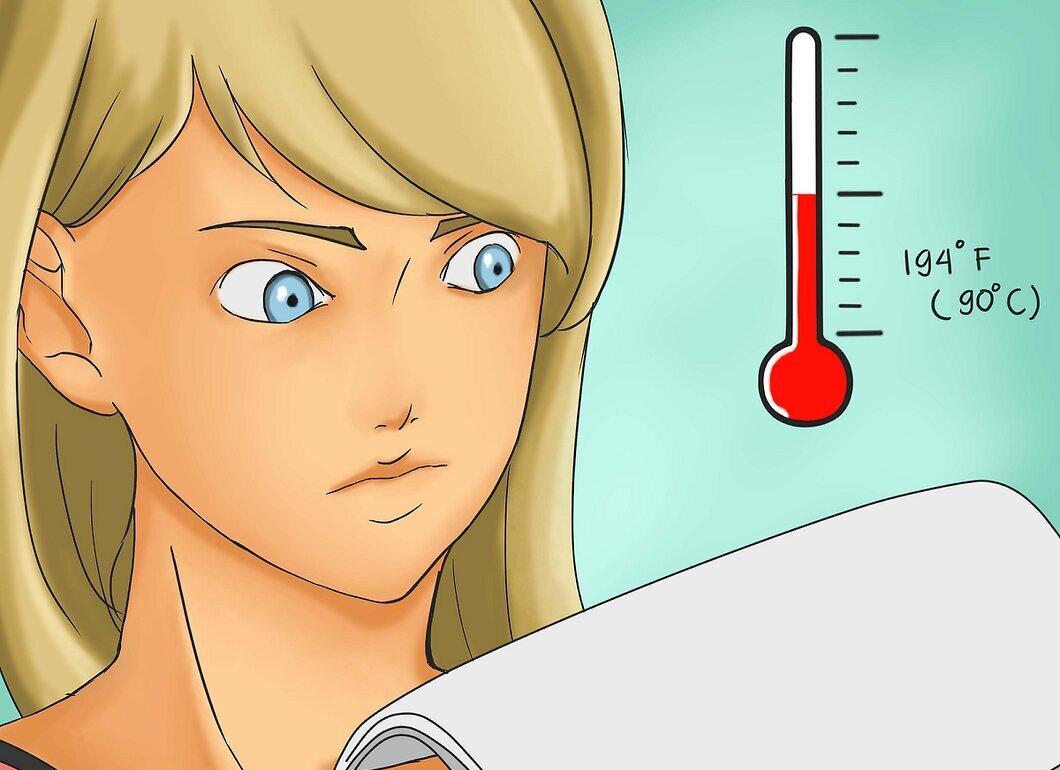
First and foremost, carefully read the instructions regarding the sauna you plan to visit. Understand that the term "sauna" encompasses a wide range of services with various characteristics, so each has its own rules and recommendations that you should familiarize yourself with beforehand. If instructions are not available in the waiting area, don’t hesitate to ask the staff for the necessary information.
- Check the temperature. The maximum allowable temperature for saunas in Canada and the USA is 90 °C.[2] Source In some European countries, this temperature can be significantly higher, which may not be safe.
- It's also important to listen to your body. If the temperature feels too high and you are uncomfortable, ask the staff to lower it, or simply leave the sauna.
Step 2: Consult Your Doctor Before Visiting the Sauna.
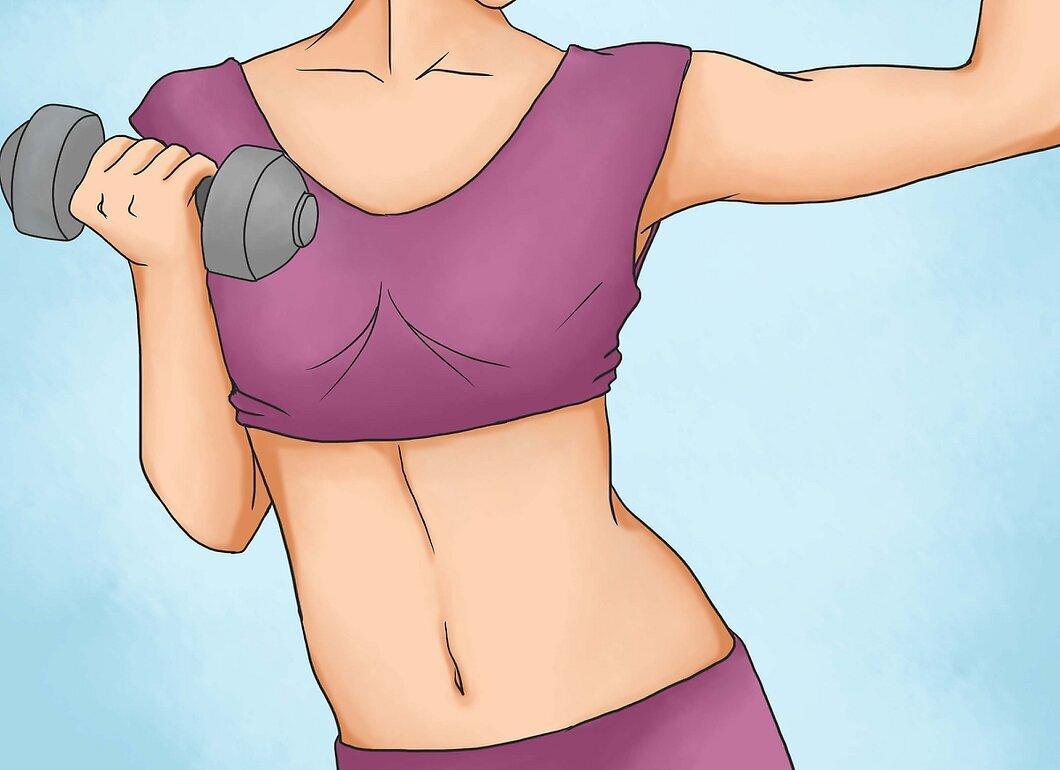
Before visiting a sauna, it is strongly recommended to consult your doctor. Not everyone is suited for such places, and some need to monitor their regime (time or temperature limitations). Saunas are contraindicated for the following groups:
- Individuals with unstable angina, poorly controlled blood pressure, heart rhythm disorders, acute heart failure, those who have had a heart attack, or aortic stenosis.
- Pregnant women or those planning to become pregnant (the sauna can cause overheating of internal organs, loss of consciousness, cramps, or heatstroke).
- Children. Many saunas prohibit entry for children up to a certain age.
- If you feel unwell, be sure to consult your doctor, as in some cases, short visits to the sauna may be recommended.
- Listen to your body. If you feel weak or unwell, leave the sauna immediately.
Step 3: Stay Hydrated.
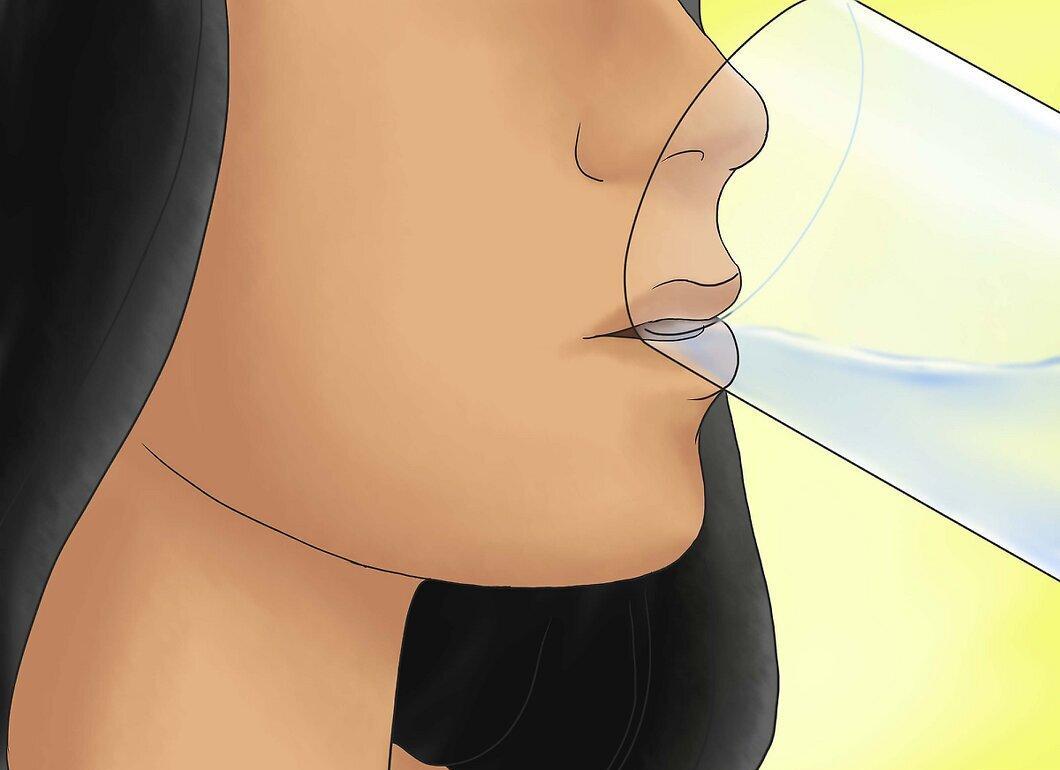
Don't forget about hydration. The sauna can lead to dehydration, which in turn can cause heat strokes. Water or isotonic drinks are ideal, but it’s best to avoid alcohol—both before and during your sauna visit. People with hangovers should also skip the sauna. Experts recommend drinking two to four glasses of water right after the session.
Step 4: Pre-Consultation for Medication Users.
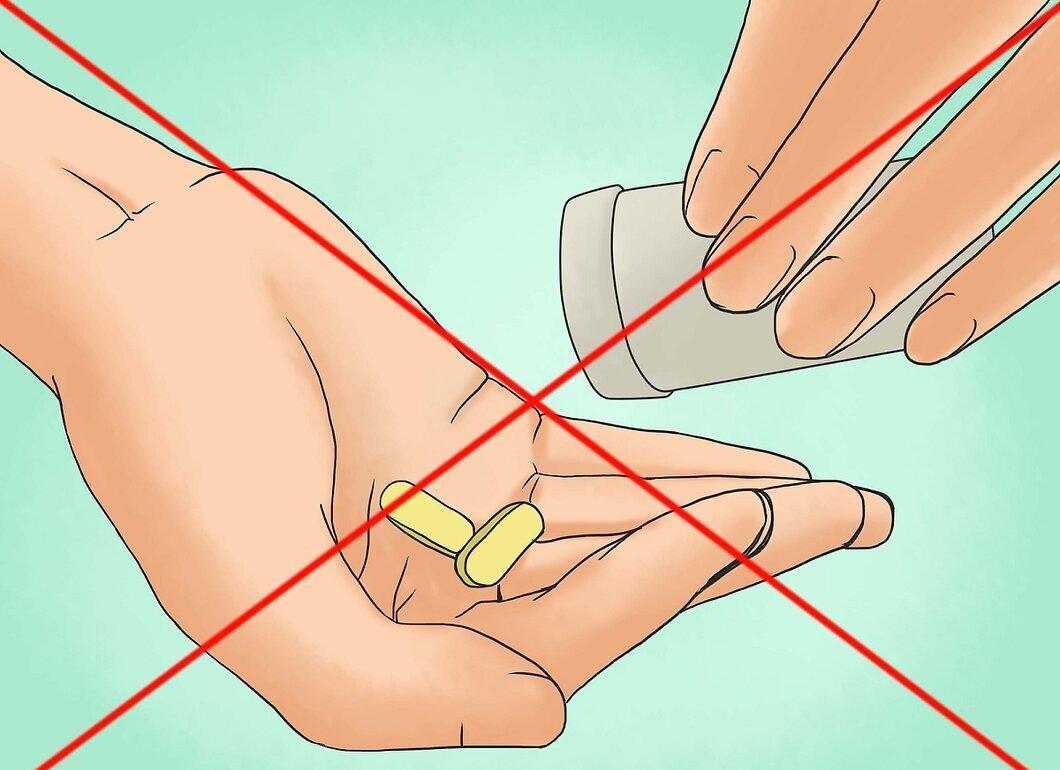
Individuals who regularly take medications should also avoid the sauna. It’s best to consult your doctor beforehand. Some medications can impair sweating and, as a result, lead to overheating.
Step 5: Choose the Right Clothing and Footwear.
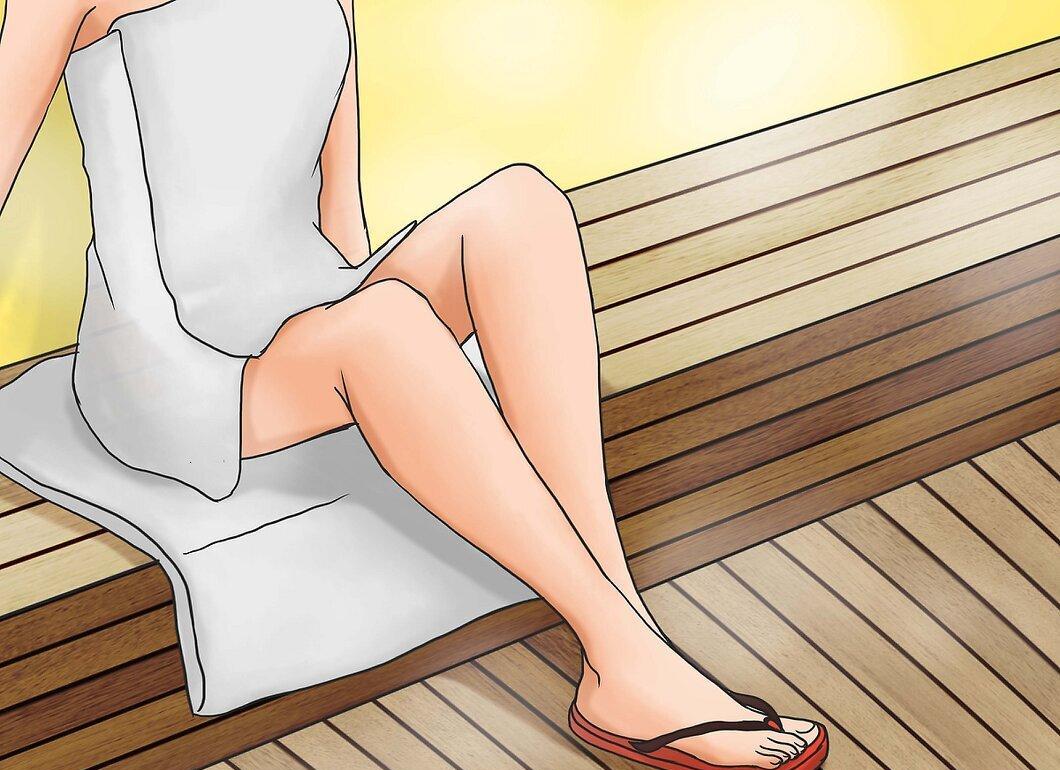
It’s important to choose the right clothing and footwear. A swimsuit is not only stylish but also serves a hygienic purpose. If you’re unsure about the cleanliness of the sauna, bring flip-flops or pool sandals. A swimsuit will protect you from possible infections, and if you prefer to go without clothes in the sauna, ensure the cleanliness of your cabin or follow these recommendations:
- Bring a towel to lay under you on the bench to avoid sitting directly on it.
Step 6: Monitor Your Time in the Sauna.
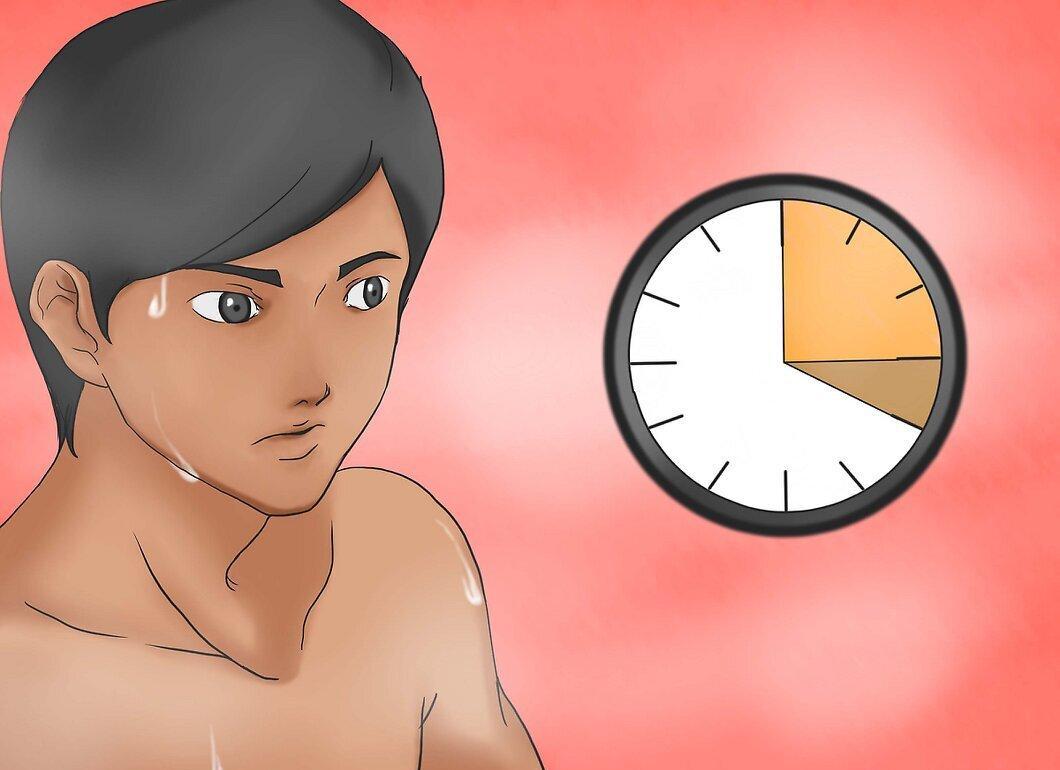
Don’t spend too long in the sauna. It’s recommended to stay no longer than 15-20 minutes, or less if you begin to feel too hot or uncomfortable. It’s better to regularly go in and out, taking breaks to cool down, than to stay in the sauna for too long.
Step 7: Cool Down Gradually After the Sauna.

After the sauna, it’s advisable to cool down gradually. Some people prefer to take a warm shower first before heading outside. This can be a comfortable option if that suits you better. At the very least, it’s better than stepping out into the cold immediately after a hot sauna.