
Farm Safety: Essential Tips for Beginners
Life on a farm may appear safe, but this is often misleading. Farming activities can be fraught with unexpected risks, and anyone starting to work on a farm should be prepared for potential dangers.
Equipment Safety
Step 1. Identify potential hazards on the farm.
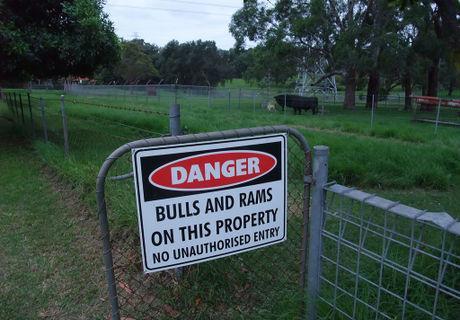
It’s crucial to be aware of the hazards that may be present on the farm. There are many categories of threats, and they are not always easy to recognize. Here are some areas where the risk is high:
- Working with machinery. Agricultural equipment should only be operated by trained professionals.
- Environmental hazards. Working outdoors can lead to injuries and even fatal accidents.
- Chemicals. Fertilizers and pesticides pose risks to both human health and the environment.
- Natural disasters. Some farmers operate in adverse conditions where natural disasters can threaten lives.
Step 2. Understand threats and precautions.
Learn about the specific threats you might encounter and develop precautions to minimize the risk of injury.
Step 3. Create an emergency action plan.
Develop an emergency action plan that includes evacuation procedures and escape routes in case of chemical spills or injuries. Display this plan in a visible area for all workers.
Step 4. Ensure emergency communication.
Compile a list of local emergency service contacts and ensure communication between workers. Keep this information handy.
Step 5. Assemble an emergency kit.
Put together a complete first aid kit along with essential items like water, flashlights, and a radio. This will help you manage emergency situations.
Step 6. Remember Murphy's Law.
Keep in mind that if something can go wrong, it probably will.
Environmental Hazards
Step 1. Keep equipment in good condition.
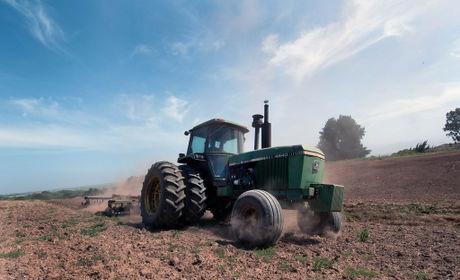
Regularly check the condition of equipment. Brake failures or other critical malfunctions can lead to serious injuries. If you lack the necessary skills, consult professionals.
Step 2. Train operators on safety.
Educate everyone who operates machinery on the basics of safety and proper equipment handling.
Step 3. Avoid using machinery in adverse conditions.
Refrain from operating machinery if visibility is poor or if you're fatigued. Medications can also affect your reaction time.
Step 4. Restrict access to machinery.
Keep unauthorized individuals away from machinery to prevent accidents.
Step 5. Stay in the operator's line of sight.
When near operating machinery, ensure the operator can see you. This helps avoid accidents.
Step 6. Stay clear of the Power Take-Off (PTO) shaft.
Avoid walking near machinery to prevent collisions with moving parts.
Step 7. Check equipment before use.
Before using any machinery, ensure it is turned off.
Step 8. Ensure the mechanism is in neutral.
Before starting, check that the mechanism is in a safe position.
Step 9. Be aware of your surroundings.
Pay attention to what’s happening around you while operating machinery.
Step 10. Avoid loose clothing and long hair.
Steer clear of long sleeves and loose hair when working near moving parts.
Step 11. Don’t rely solely on hydraulic systems.
Do not assume hydraulic systems are 100% reliable, as they can fail unexpectedly.
Step 12. Never let children operate machinery.
Children should not be near machinery, as it can be dangerous.
Step 13. Avoid areas with operating augers.
Do not approach operating augers to prevent injuries.
Step 14. Be cautious around power lines.
Be mindful of power lines, especially when transporting tall equipment.
Chemical Hazards
Step 1. Monitor the weather.

Weather can impact safety. Stay updated with forecasts to avoid unexpected dangers.
Step 2. Review the forecast before heading out.
Check the weather forecast before working in remote areas to avoid adverse conditions.
Step 3. Seek shelter during storms.
If caught in a storm, find shelter away from open areas.
Step 4. Avoid working with electrical equipment during storms.
Do not operate equipment if there's a risk of lightning.
Step 5. Dress appropriately for the weather.
In cold weather, wear multiple layers to avoid overheating.
Step 6. Beware of frostbite.
Protect your extremities from hypothermia in cold weather.
Step 7. Don’t overexert yourself in the heat.
Drink water regularly and take breaks during high temperatures.
Step 8. Be aware of fire hazards in your area.
Monitor for potential fire threats and exercise caution.
Step 9. Work during daylight hours.
Avoid working in the dark unless your equipment is equipped with lighting.
Natural Disasters
Step 1. Know the chemicals you’re using.
Be aware of the chemicals used on your farm and follow safety measures.
Step 2. Store chemicals safely.
Keep chemicals away from children and animals in a locked area.
Step 3. Use labeled containers.
Store all chemicals in appropriate containers with clear labels.
Step 4. Avoid storing chemicals in extreme conditions.
Do not expose chemicals to high temperatures.
Step 5. Place fire extinguishers near flammable materials.
Regularly check fire extinguishers and replace them as needed.
Step 6. Clean up the workspace after using chemicals.
Maintain cleanliness after working with chemicals and wash your hands.
Step 7. Check the expiration dates of containers.
Regularly inspect containers for damages and expiration dates.
Technological Hazards
Step 1. Stay informed about natural threats in your area.
Be aware of potential threats such as wild animals or dangerous insects.
Step 2. Don’t underestimate small insects.
Bites from certain insects can cause serious allergic reactions.
Step 3. Be prepared for dangers when working in remote areas.
Carry necessary protective equipment.
Step 4. Learn about local threats.
Discuss potential hazards in your region with locals.
Livestock Safety
Step 1. Be aware of risks left by previous owners.
Inspect your farm for hazards that may have been left by previous owners.
Step 2. Eliminate technological hazards.
Remove hazardous objects from the farm whenever possible.
General Safety Measures
Step 1. Don’t trust bulls.
Be cautious around bulls, even if they appear friendly.
Step 2. Be careful with horses.
Horses can be dangerous if not handled properly.
Step 3. Exercise caution with pets.
Any animal can pose a danger if safety rules are not followed.
Child Safety Measures
Step 1. Don’t relax around machinery and livestock.
Stay alert to prevent accidents.
Step 2. Communicate your plans.
Inform someone of where you are and when you plan to return.
Step 3. Don’t overestimate your abilities.
Avoid taking risks, especially when operating machinery.
Step 4. Have a backup exit plan.
Always have a plan in case of an emergency.
Step 5. Use protective gear.
Wear eye, ear, and respiratory protection when necessary.
Step 6. Take care of your mental state.
If you’re tired, take breaks to prevent accidents.
Step 7. Trust your instincts.
Listen to your intuition and avoid unnecessary risks.
Step 8. Discuss hazards with children.
Talking about threats will help children be more cautious.
Step 9. Teach children to report their actions.
Children should understand the importance of informing others about their actions.
Step 10. Warn children about risks.
Do not allow children to play in dangerous areas, such as grain bins.
Step 11. Supervise children around livestock and machinery.
Children should be monitored when near animals or equipment.
Step 12. Be cautious with ATVs.
Children should be extremely careful when using all-terrain vehicles.