
Demand forecasting is a key task for any business. The ability to accurately determine the need for specific products and services allows companies to optimize raw material procurement and organize production, which in turn facilitates quick and efficient order fulfillment without the need to maintain excessive inventory, the maintenance of which incurs additional costs. While forecasting methods may vary across companies, there are several universal steps that can significantly ease this process.
Part 1
Step 1. Which products are you going to forecast demand for?

Identify the specific products you want to forecast. This will help you focus your efforts on studying the interests of potential customers regarding specific products, without relying solely on the popularity of your brand.
Step 2. Set a timeframe for demand forecasting.

Determine the time parameters for your forecast, for example, from the beginning of the second quarter to the end of the same quarter in the following financial year. This will help you account for events that may impact consumer demand for the chosen product.
Step 3. Identify the target market or markets for your product.

Identify the target markets for your product. A market is formed based on factors such as age, gender, geographic location, and other characteristics. This will help you understand which demographic group is most interested in your product and when.
Step 4. Gather all necessary information for successful forecasting.
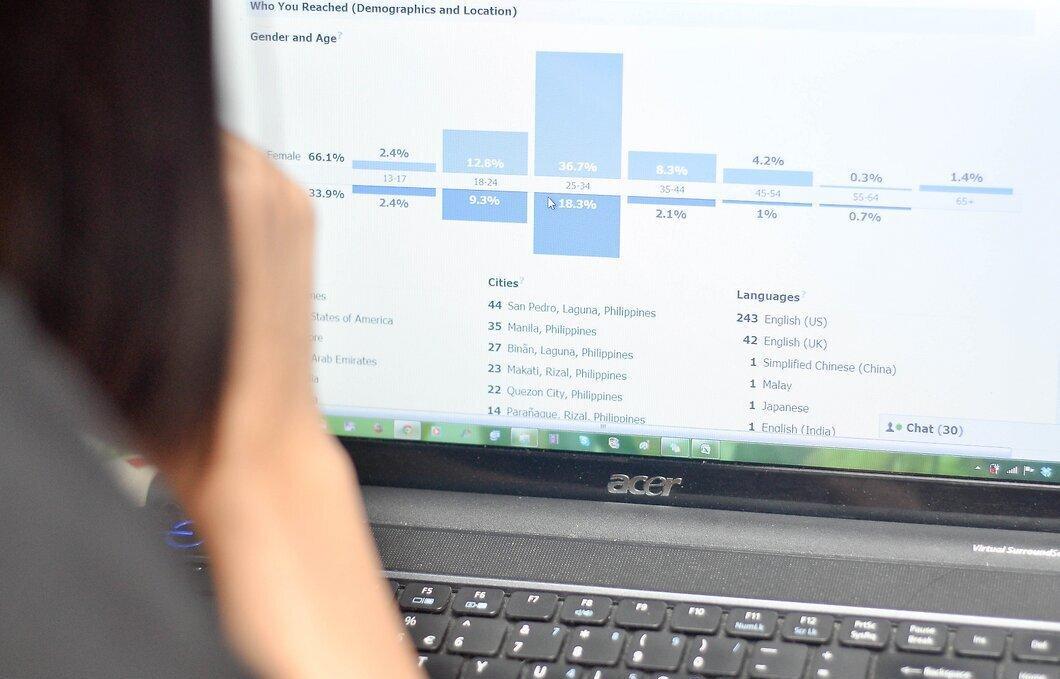
Collect the data needed for accurate demand forecasting. For instance, information on the distribution of the population by economic class and age groups can help you identify current market trends.
Step 5. Calculate the final metrics.

Perform the calculation of the final metrics. There are many formulas for this, but most are based on the assumption that a fixed percentage of the target market will purchase the product a certain number of times during the forecast period. This data typically relies on industry sales standards for that product category or on sales results from previous periods.