Securing sponsorship for your business, project, or event can lead to either a successful or unsuccessful collaboration. However, there are ways to significantly increase your chances of success by identifying reliable potential sponsors, creating a compelling pitch, and sending personalized sponsorship packages. Let's start with the first method.
Identifying Potential Sponsors
Step 1. Find companies that sponsor events similar to yours.

Research companies that have previously supported events similar to yours. Learn from those who have organized similar events before you. If your project is a one-time event, such as a run or race, find out who sponsored similar events in the past. This can serve as a solid foundation for your search.
- If your event is sports-related, consider collaborating with Nike, Adidas, Livestrong, and other sports-focused brands.
- If you're hosting a music concert, pay attention to local radio stations, specialized media, or other organizations with similar goals.
- If your event involves food, it might be worth reaching out to major supermarkets or restaurants. This could be a beneficial move.
Step 2. Create a list of potential sponsors.
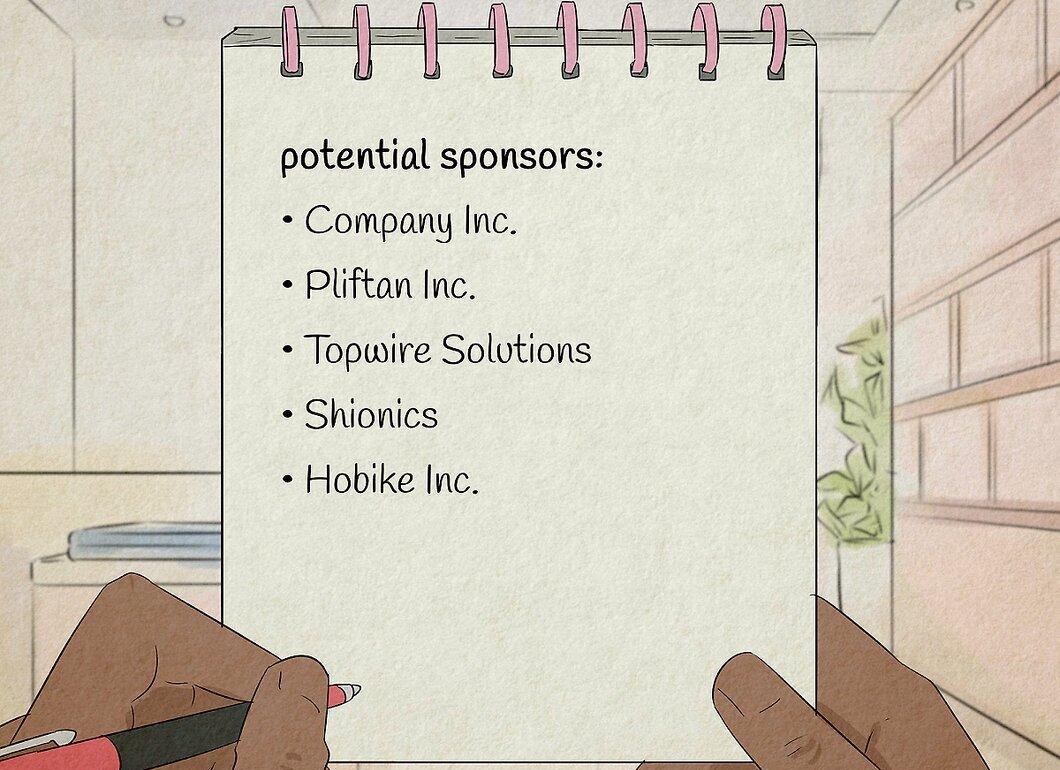
Make a list of potential sponsors. A broad list is good, but avoid reaching out to everyone indiscriminately without considering who might genuinely be interested. Your list should include only those who you believe would realistically consider your proposal. Include those who have supported your events or similar ones in the past, as well as individuals with whom you have personal connections.
Step 3. Research each company and individual on your list.
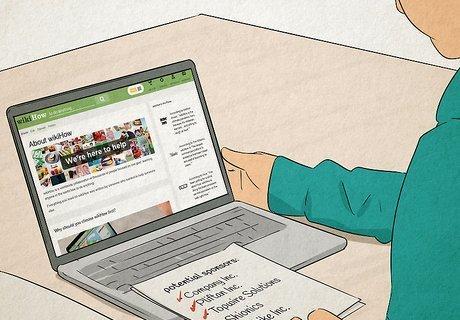
Conduct an analysis of each company and individual on your list. Knowing the details about potential sponsors will help you later on. Consider what benefits they might gain from participating in your project.
Step 4. Learn about the policies of potential sponsors.
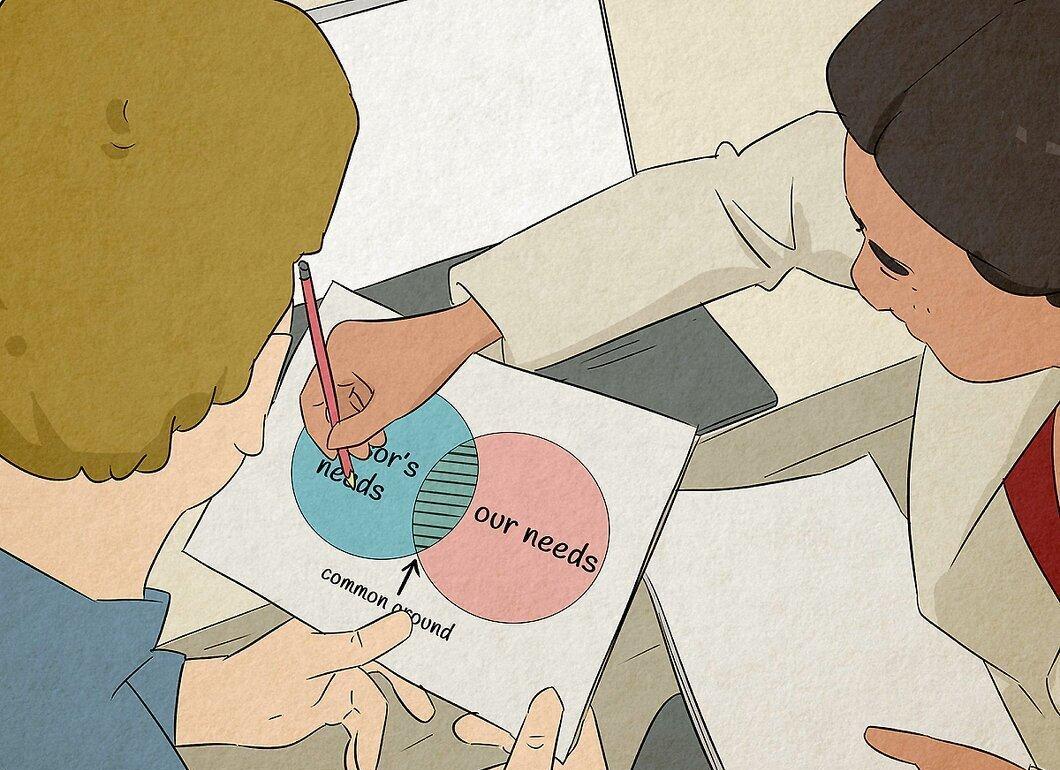
Try to understand the policies your potential sponsors follow. By grasping their business models and goals, you can develop more convincing arguments and strategies for securing sponsorship support.
- In this case, it's often better to focus on local companies rather than large corporations. While Nike may have the resources to fund your project, they receive numerous sponsorship requests. A local radio station or sports store may be more receptive to your proposal if your audiences overlap.
- Try to create a competitive atmosphere among potential sponsors. If one store shows interest, mention this to others. It could serve as a good incentive for them.[1] X Source
Preparing the Sponsorship Package
Step 1. Create an executive summary.
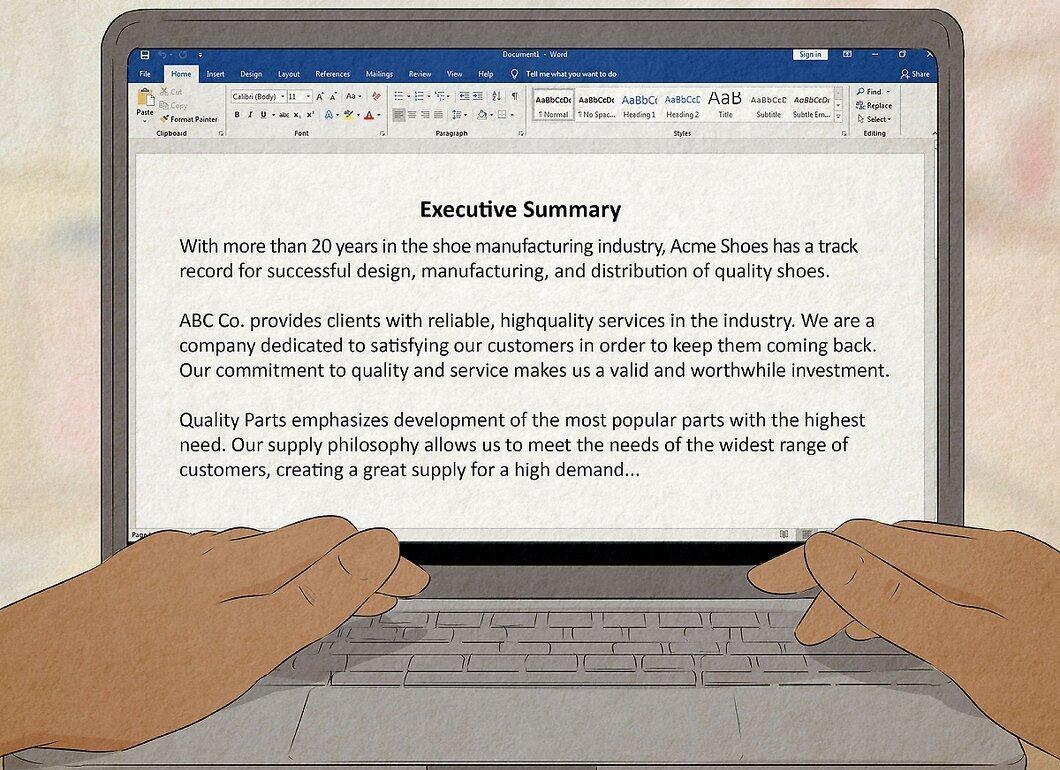
Start your sponsorship package with an executive summary that outlines the goals of your event for which you seek funding. The recommended length is around 250-300 words, clearly explaining what the sponsor will be funding, why you need their support, and what benefits they will gain from participation.
- Remember that the quality of the executive summary will determine whether the sponsor continues to consider your proposal. It should be personalized, making the sponsor feel that you've genuinely taken the time to understand their company. This will demonstrate your seriousness about the collaboration.
- Don't forget to thank the sponsor for taking the time to review your proposal. Use a friendly yet professional tone in your letter to reflect your seriousness and professionalism.
Step 2. Define several levels of sponsorship support.
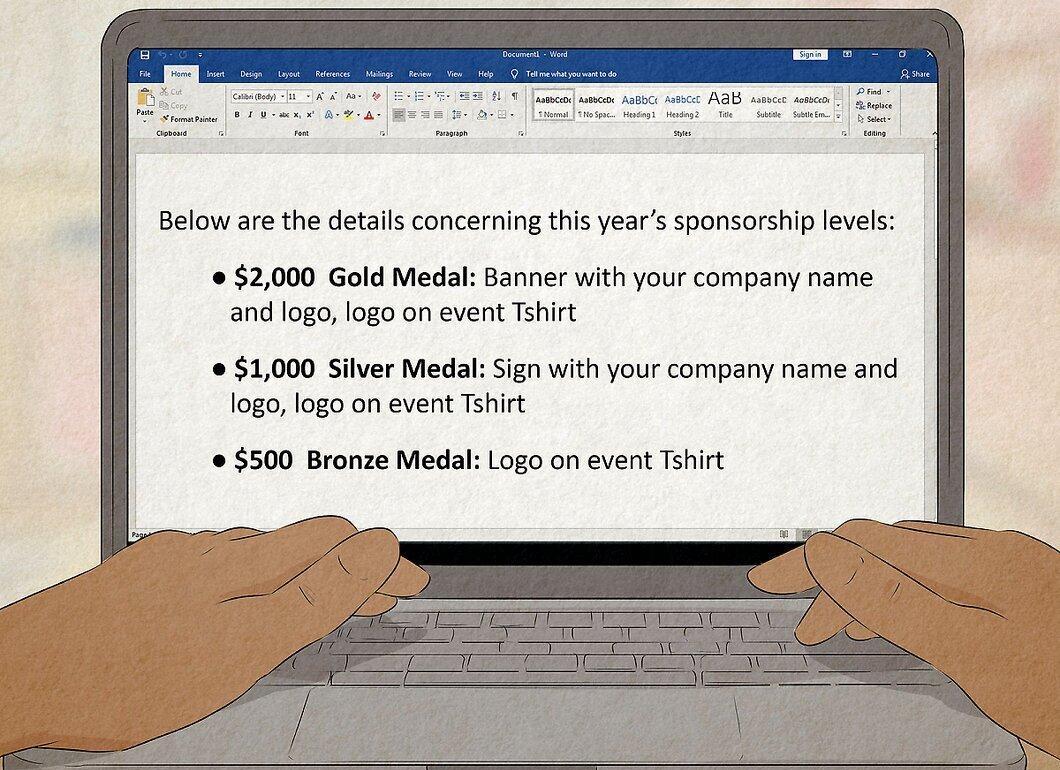
Develop several tiers of sponsorship support. If you haven't done so already, create a budget and determine what you want to receive from sponsors. Establish different levels of support that potential partners can agree to, and explain what each level entails and why you need sponsors at each level.
- Explain to the sponsor why they should be interested. Use your knowledge of their business, target audience, and goals to demonstrate the advantages they will gain from participating in your event. Highlight the potential for extensive media exposure and other promotional opportunities.
Step 3. Include a call to action in your executive summary.
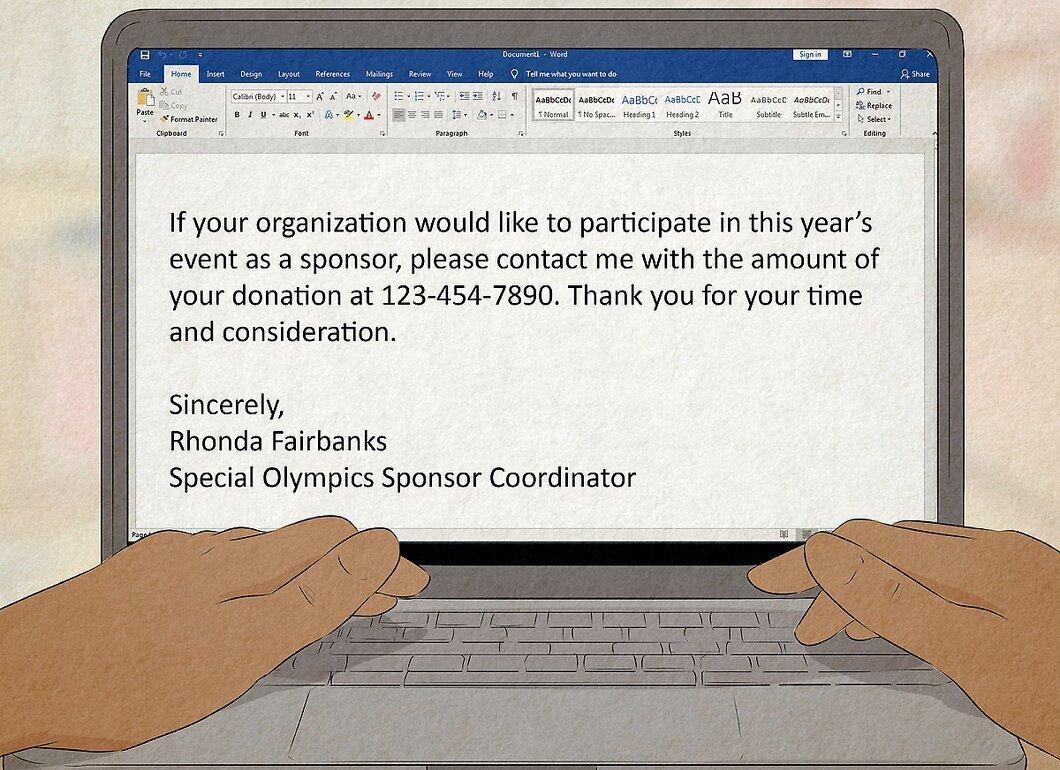
Incorporate a call to action in your executive summary. This could be a form to fill out and send back to you or simply contact information encouraging them to reach out for further discussion.
- Ensure that the sponsor knows what steps they need to take to continue the collaboration. The easier this action is, the more likely you are to receive a positive response.
Step 4. Be concise.
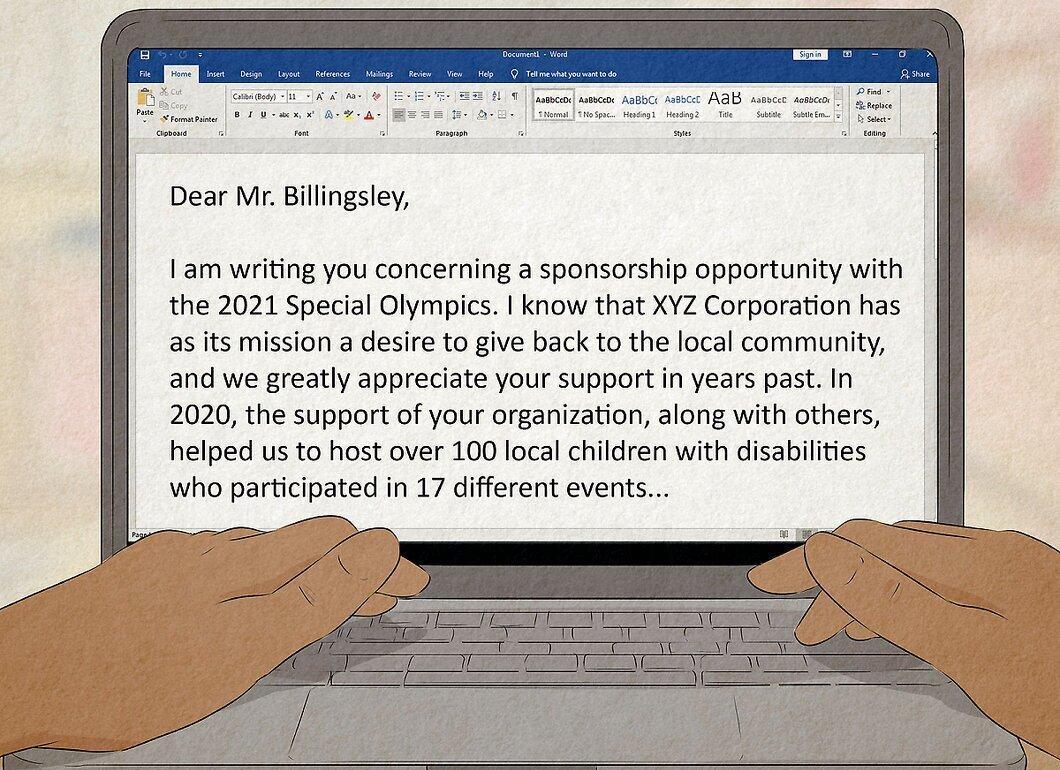
Write clearly and succinctly. Remember, you're communicating with marketers and business professionals, not academics. Avoid using complicated phrases to impress. Focus on your arguments, highlight benefits, and keep it straightforward. Everything should be clear and brief.
Sending Sponsorship Packages
Step 1. Avoid mindless mass mailing.

Do not resort to thoughtless mass mailing. It's easy to send out numerous packages to everyone, but this is not the best approach. Be strategic and send packages only to those companies you genuinely want to collaborate with.
Step 2. Personalize sponsorship packages for each potential sponsor.

Send personalized sponsorship packages from your list. Each letter and document should be tailored. If you're not willing to invest time in this, your project is unlikely to receive adequate funding.
Step 3. Be sure to follow up.

Don't forget to follow up. Wait a few days, then call everyone to whom you sent sponsorship packages. Ensure they received the documents and inquire if they have any questions. Make sure they know how to contact you if they make a positive decision.
Step 4. Take an individualized approach with each potential sponsor.

Use an individualized approach with each potential sponsor. If one company is willing to contribute $10,000 while another offers only a few hundred, think about how to reflect this in your communication with them. The difference should be noticeable, from how you present their activities to the public to your phone conversations. Maintain generosity while keeping their interest alive.