
Let's be honest: even if you have the brightest idea or product, realizing sales can be a true challenge. So where do you start, how do you build prospects, and what is the first step? Let’s discover how you can confidently dive into the world of sales while avoiding typical mistakes.
Part 1
Step 1. Preparation.
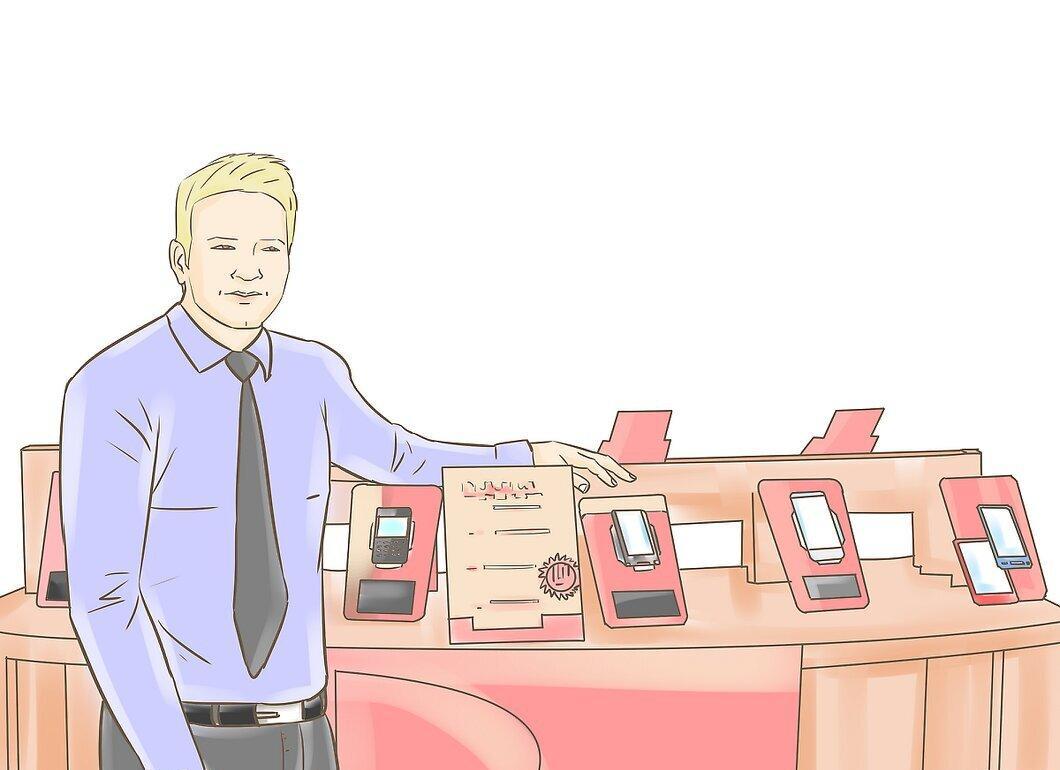
Preparation. If you notice that your sales are stalling, it might be a sign that you're not quite ready for it.
Step 2. Research.
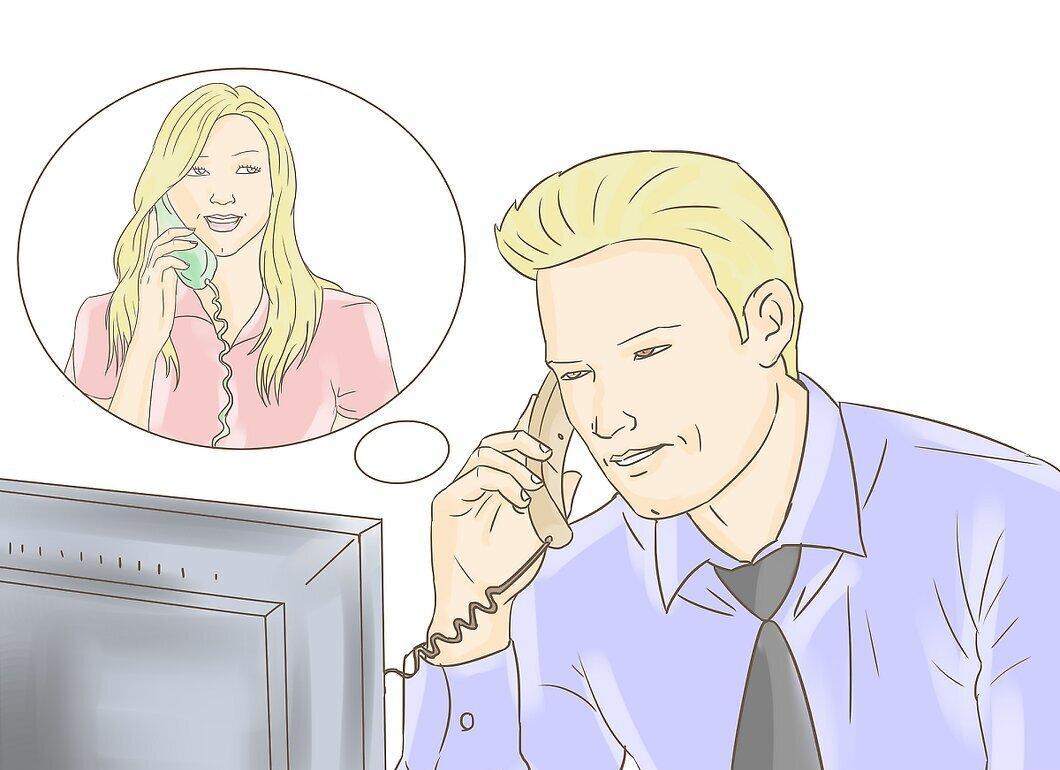
Research. Starting your readiness involves studying your potential clients. Find out what interests them, when they are available for communication, and what topics they are negative about! Jumping into sales without preparation means risking wasting time, which can only lead to disappointments!
Step 3. Know Your Product.
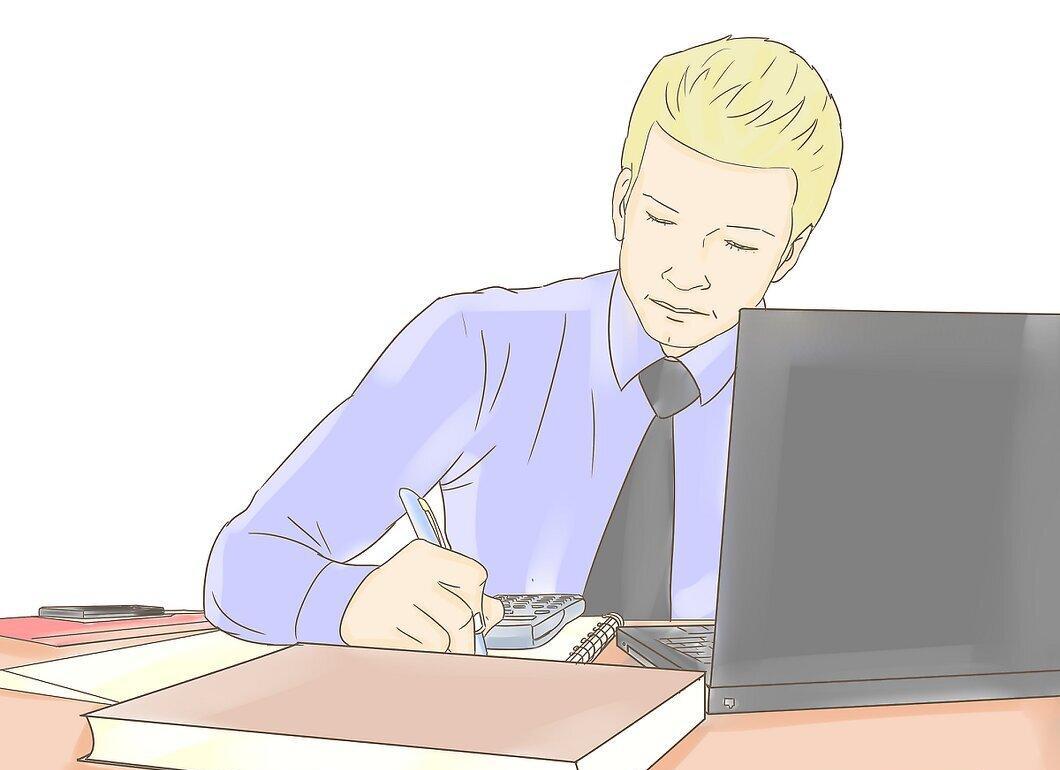
Know Your Product. A complete understanding of your product and its benefits will give you confidence and show that you really know what you're talking about. This will help you handle objections and prevent you from losing a sale. Have you ever faced a situation where a deal was almost closed, but at the last moment the client changed their mind? This can be avoided if you carefully address the client’s objections and respond with facts. If you can’t do this, it means you don’t know the merits of your own services or products.
Step 4. Set Your Goals.

Set Your Goals. Whether it’s making phone calls, scheduling meetings, or finding new clients on the street, none of this makes sense if you haven’t set specific goals for these actions. If it’s advertising, clarify how much time you want to dedicate to it, who exactly you plan to communicate with, and why that person. What can you offer them and what is the desired outcome? This could be closing a deal over the phone, scheduling a meeting, or obtaining an email, etc. Define the goal of your actions and check if you have achieved it after communicating with the client.
Step 5. Properly Greet the Client.

Properly Greet the Client. This may seem like a simple task. Many believe that just saying, "Good morning, ma'am/sir," is sufficient. However, this is not the best way to start a conversation.
- Starting with a simple greeting and using the words "sir" and "madam" may seem polite, but it actually puts you below the potential client. This creates the impression that you are begging and opens the door for objections, as the client may feel that you are accommodating them just to make a sale.
- It’s best to greet using the client’s first and last name. "Good morning, Mrs. X or Mr. X." This makes the conversation more comfortable and encourages openness.
Step 6. Get to the Point.

Get to the Point. While it’s nice to discuss various topics, it’s important not to get sidetracked. Phrases like "You look great today" or "I like your office" should not be excessive; consider the current situation. If you’re unsure how your opinion will be received, it’s better not to voice it. The best approach is to focus on the purpose of the conversation and not beat around the bush.
Step 7. A Business Conversation is Not a Lecture!

A Business Conversation is Not a Lecture! People often try to sell quickly and push their product to finish the conversation as soon as possible. As a result, they talk for a long time and then ask a question that can bury the deal: "Are you interested?"
- From the client’s perspective, it seems like you don’t care about their needs, and your main goal is just to achieve your own.
- Ask questions, consult the client, share examples of your experiences with similar products. This will create a dialogue that will ultimately lead to the desired "Yes."
Step 8. Closing the Deal.
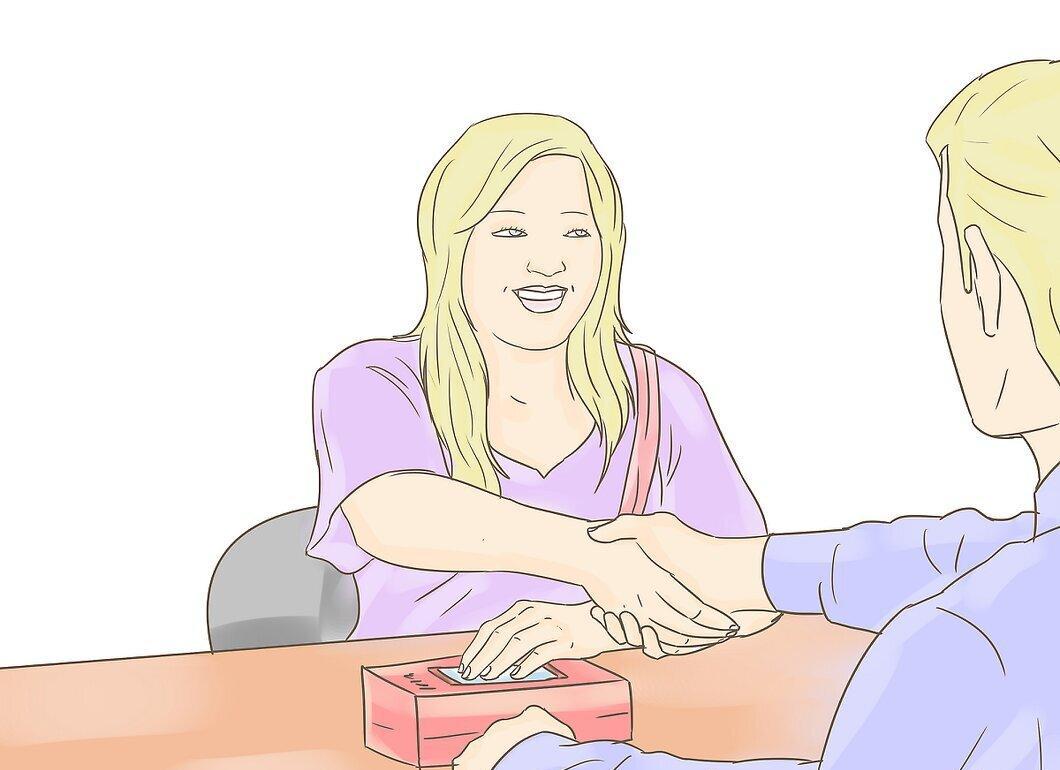
Closing the Deal. After discussing the client’s needs and interests, an important step is taking action to close the deal. An effective way to achieve this is to list the benefits of your offer and explain how the product can meet the client’s needs.
- For example, if you’re offering advertising services, at the end of the conversation you might say: "As you noted, Mr. X, your company aims to enhance branding and attract new clients. Our marketing solutions will help you achieve the desired recognition. If you allow me, I can offer you our services for running an advertising campaign and promoting your brand..."
- This approach is an indirect way to ask the question "Are you interested?".