
A QR code is a type of matrix code that allows for quick information transfer. Many recruiters, especially in tech, use tablets and smartphones to build databases. Adding a QR code to your resume will help recruiters quickly find your profile on LinkedIn or other online platforms. It’s very easy to add a QR code to your resume and reap all the benefits of this technology.
Consider Adding a QR Code
Step 1. Understand that a QR code in your resume can simplify a recruiter's job.
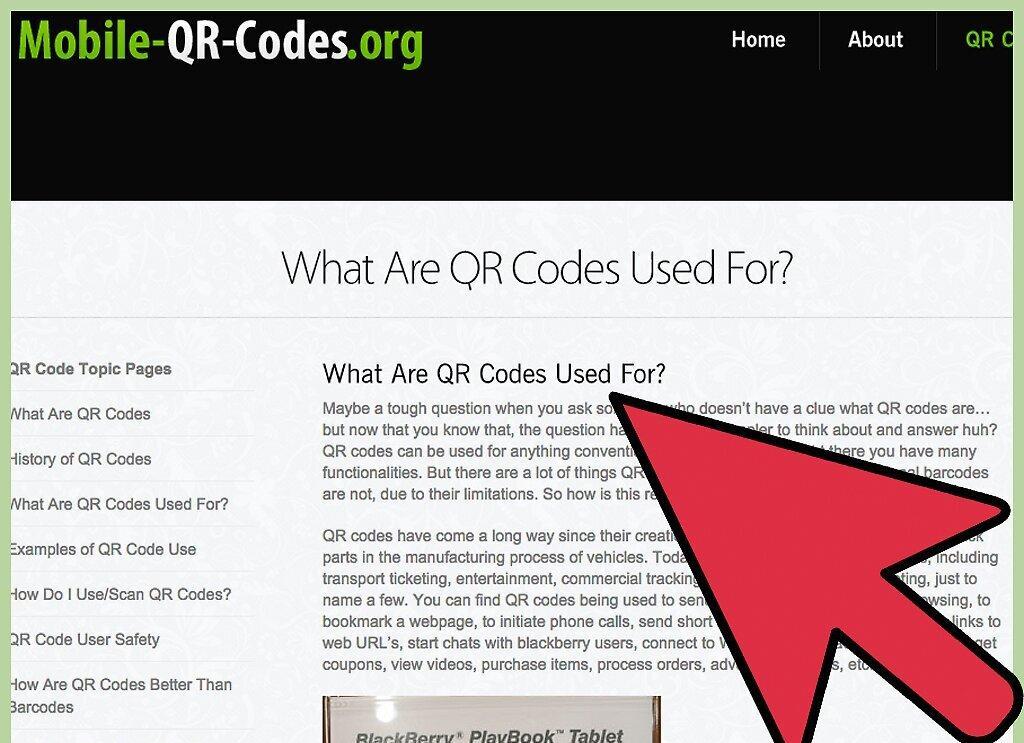
Realize that a QR code in your resume can simplify the recruiter's job. While a QR code doesn't guarantee a job, its presence will make life easier for the employer, recruiter, or HR personnel. Making access to your resume and related information just one step away brings you closer to getting hired.
- Moreover, if the QR code is synced with the recruiter's Outlook, they can access all the information you provided without typing a single word.
Step 2. Recognize how using QR codes demonstrates your technical savvy.
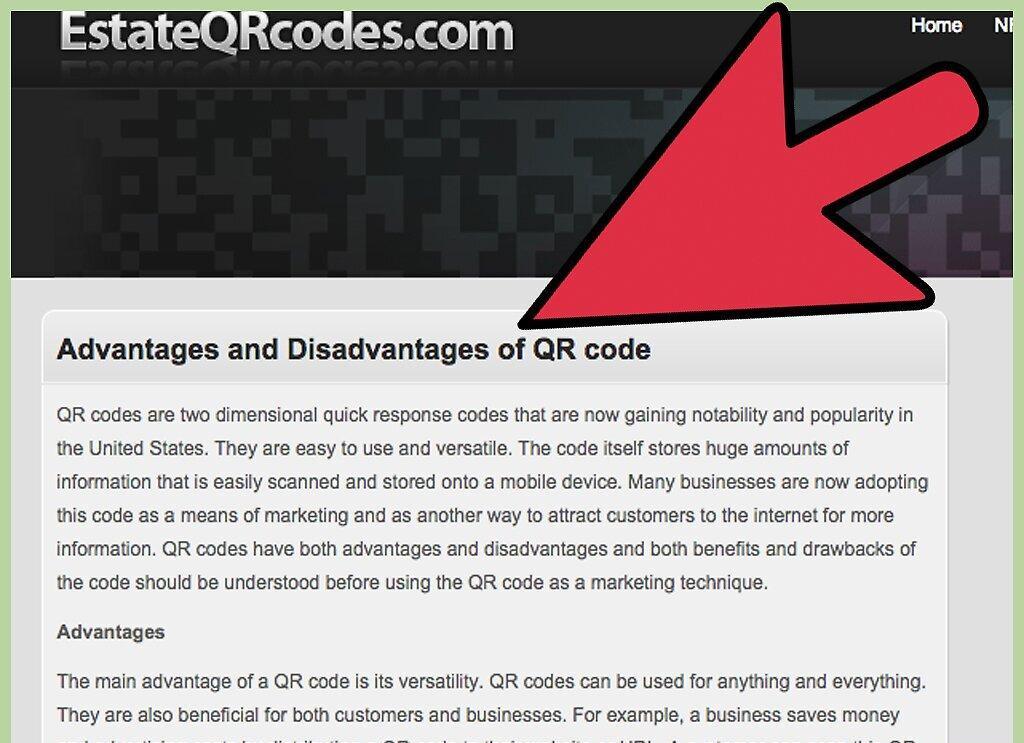
Acknowledge that using QR codes showcases a high level of your technical literacy. Having a QR code on your resume can highlight your professional skills and abilities. By adding this code to your resume, you show that you keep pace with advancements in this ever-evolving tech world.
- Many employers prefer modern and tech-savvy candidates, even if the job isn’t tech-related.
Step 3. Know that a QR code can be an intriguing surprise.
Understand that a QR code can be a pleasant surprise. Adding a QR code to your resume may impress the recruiter. It will set your resume apart from others in the recruiter's eyes.
- Don’t miss the opportunity to stand out in front of a recruiter; it increases your chances of getting hired.
Step 4. Curate the information for the QR code.
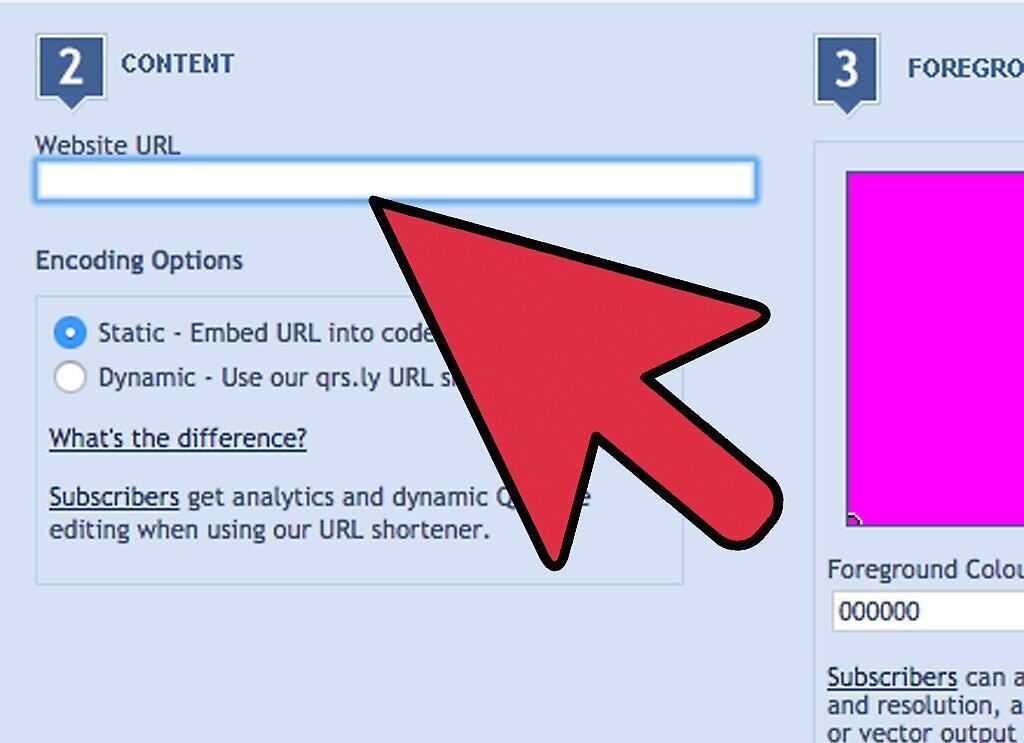
Select the information for the QR code carefully. QR codes can encode a wide range of information. You should include any information that helps the recruiter clarify your professional level.
- Use the QR code to achieve competitiveness, specific advantages, and market demand.
- You can include the following information: Work samples, such as videos or graphics.
- Links to websites that showcase your experience and skills.
- Testimonials from colleagues and clients.
- Links to your email and voicemail.
- Links to your social media pages, and more.
Step 5. Analyze the effectiveness of your QR code.
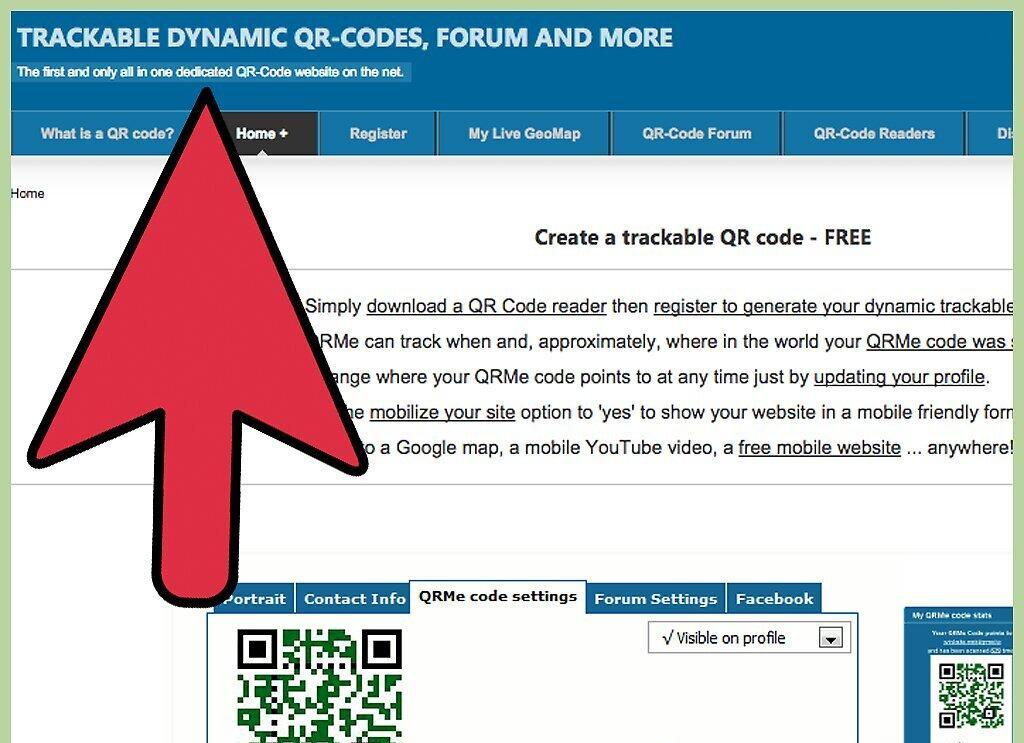
You can analyze the effectiveness of the QR code. For instance, if you embed a website link in the code, you can track traffic and the time visitors spend on your site. A standard paper resume without a QR code doesn’t offer such advantages.
- You can find out how many visitors your site receives to understand when HR managers viewed your work samples.
Adding a QR Code to Your Resume
Step 1. Find a way to present yourself online.
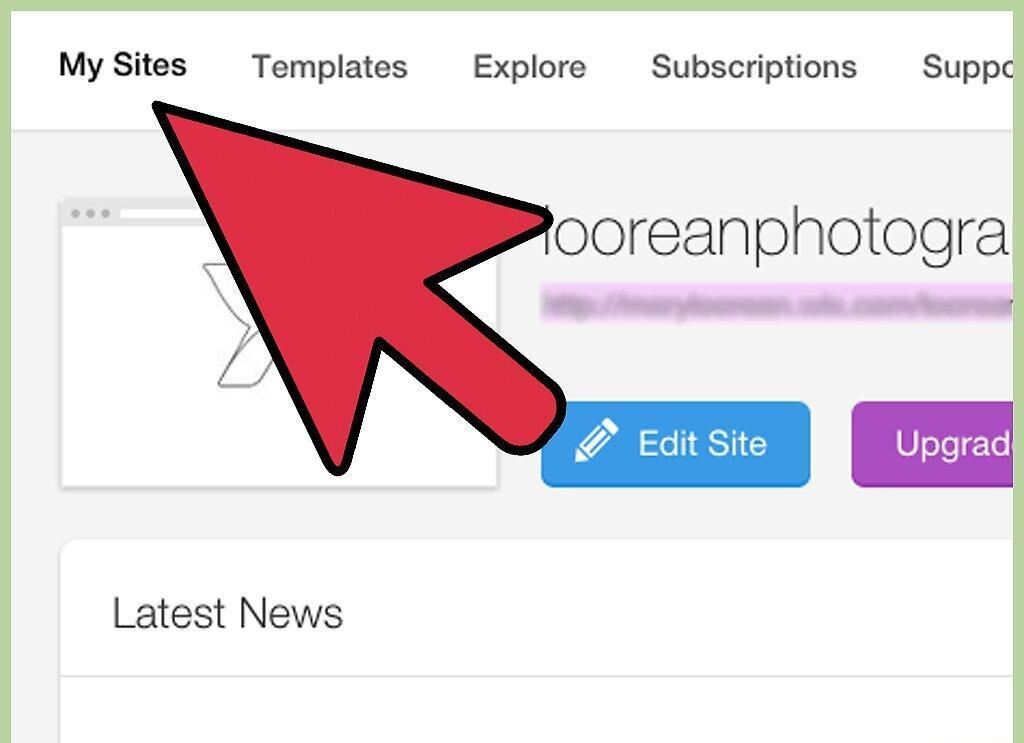
Identify a way to present yourself online. It's crucial to have some online presence since the QR code needs to link to something. If you can creatively solve this, do it. You can register your own domain name, or simply create a brief biography and resume.
- After scanning the QR code, the recruiter should be redirected to a site or page that showcases your strengths, work experience, and completed projects. This helps determine your qualification level.
Step 2. Create, customize, and save your code.
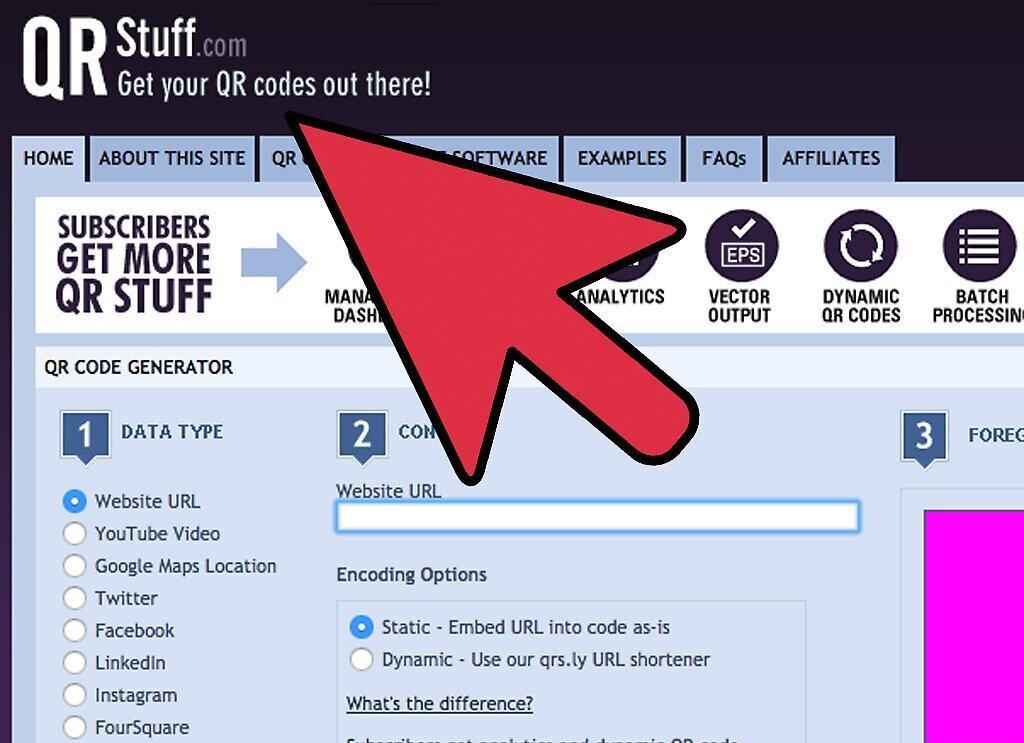
Create, customize, and save your code. There are many online services that can help you generate a QR code. Using QR code generators, you can encode any text information.
- You can encode a link to your website, your Facebook profile, or other contact information.
- For creating a resume, you can use Google Docs, which allows saving documents in various formats (e.g., HTML, DOC, or PDF), making it very convenient for recruiters.
- Generate a medium-sized code; save the code to your computer as an image.
- You can personalize your QR code through the customization panel, changing pixel roundness, colors, or even altering the appearance of each pixel entirely.
Step 3. Add a brief description of the QR code's purpose.
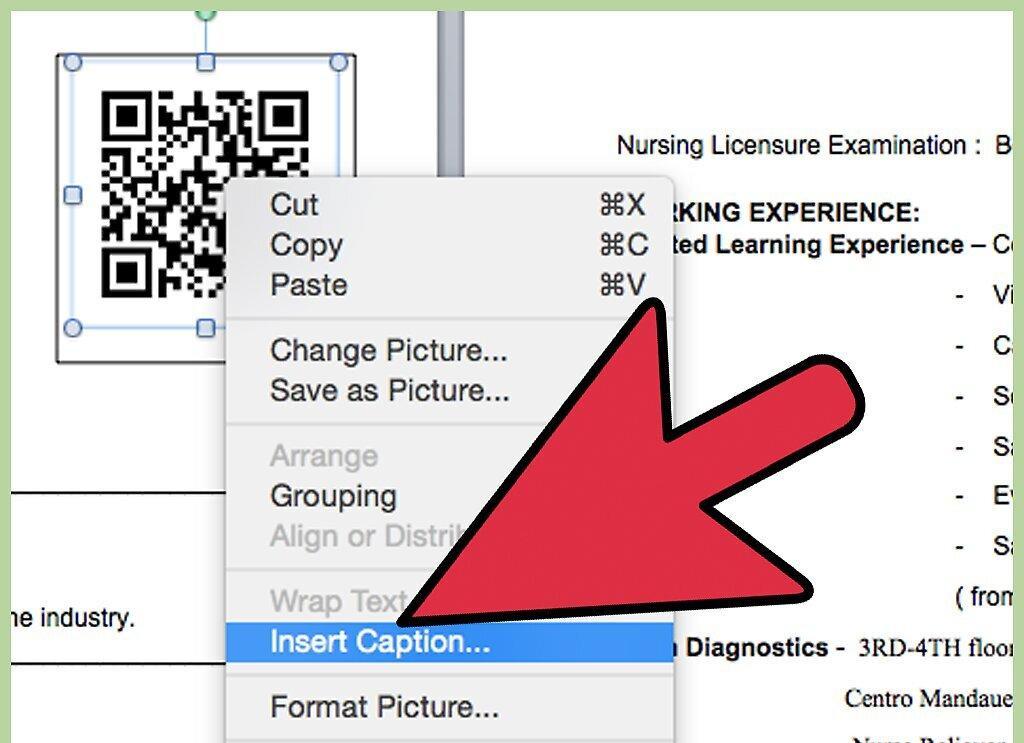
Add a brief description of the QR code’s purpose. To clarify the code's aim, add a concise description in small font next to the code image. Typically, the description includes a link to your site.
- For instance, you can write: "Scan the code to visit my profile!" or "My projects".
Adding the QR Code to Your Resume
Step 1. Insert the QR code into your resume.
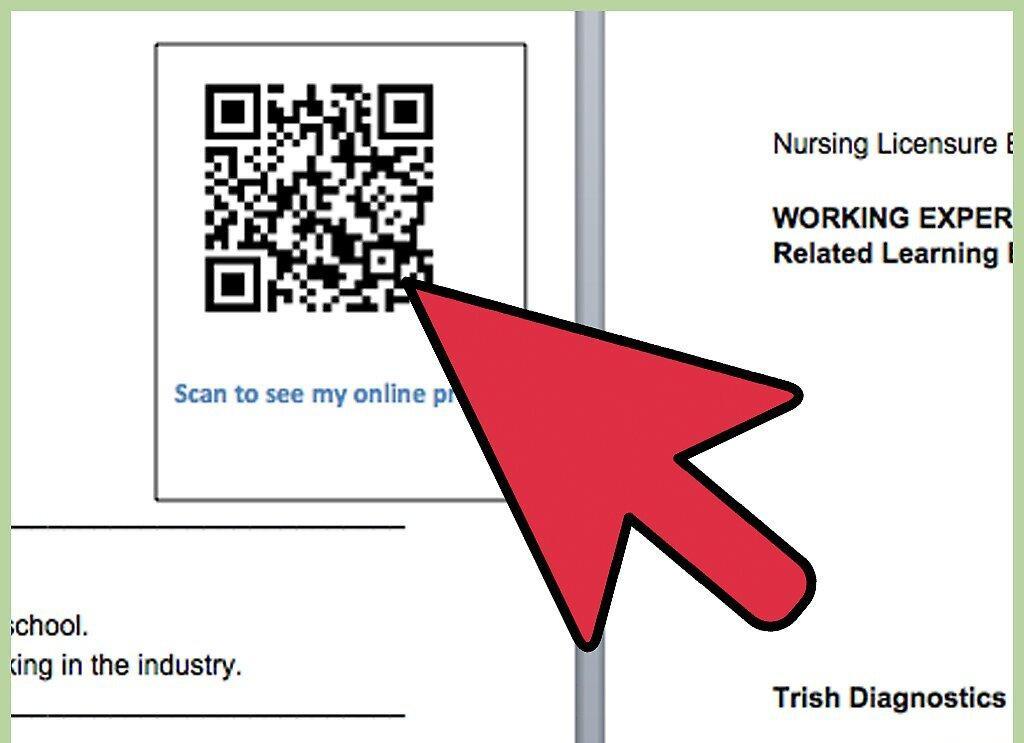
Add the QR code to your resume. It's best to place the code immediately after the main information of the resume (name, desired position, and contact details). You can add and insert the QR code into a graphic or text editor that supports graphics.
- Resize the QR code if necessary.
Step 2. Print your resume.
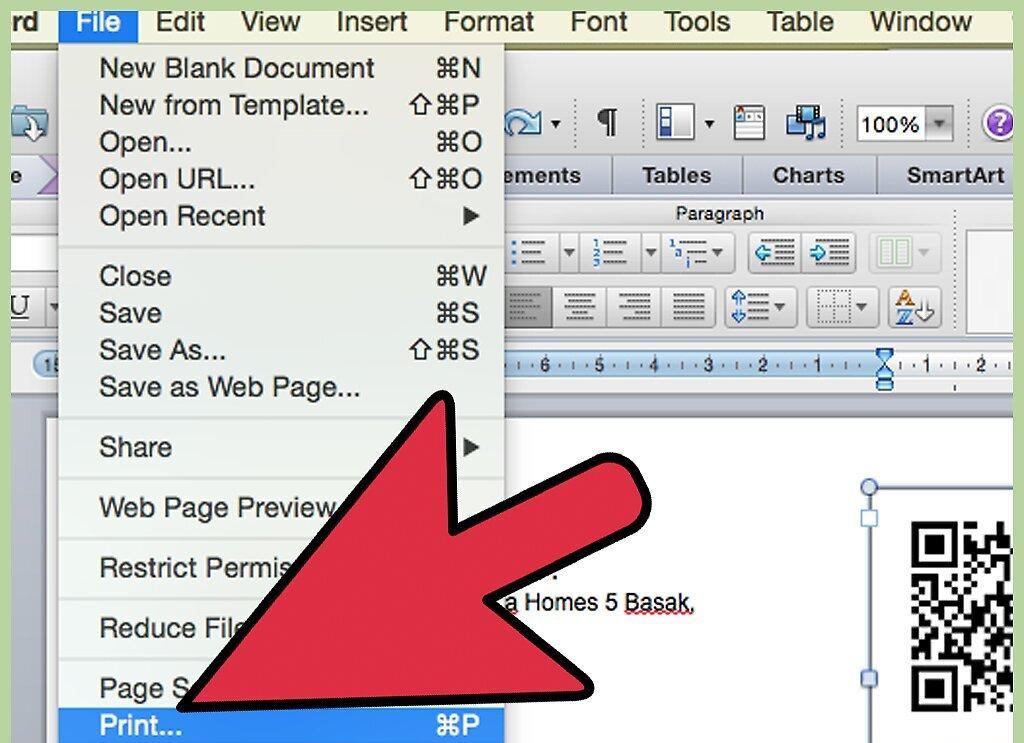
Print your resume. Ensure that the QR code is visible and can be scanned by a mobile phone. Sometimes printing distorts images, so check that the code will work properly.
- Scan the code with your smartphone to verify the print quality.
- If the scan is successful, use this document to print your resume.
Step 3. Check the link from the QR code.
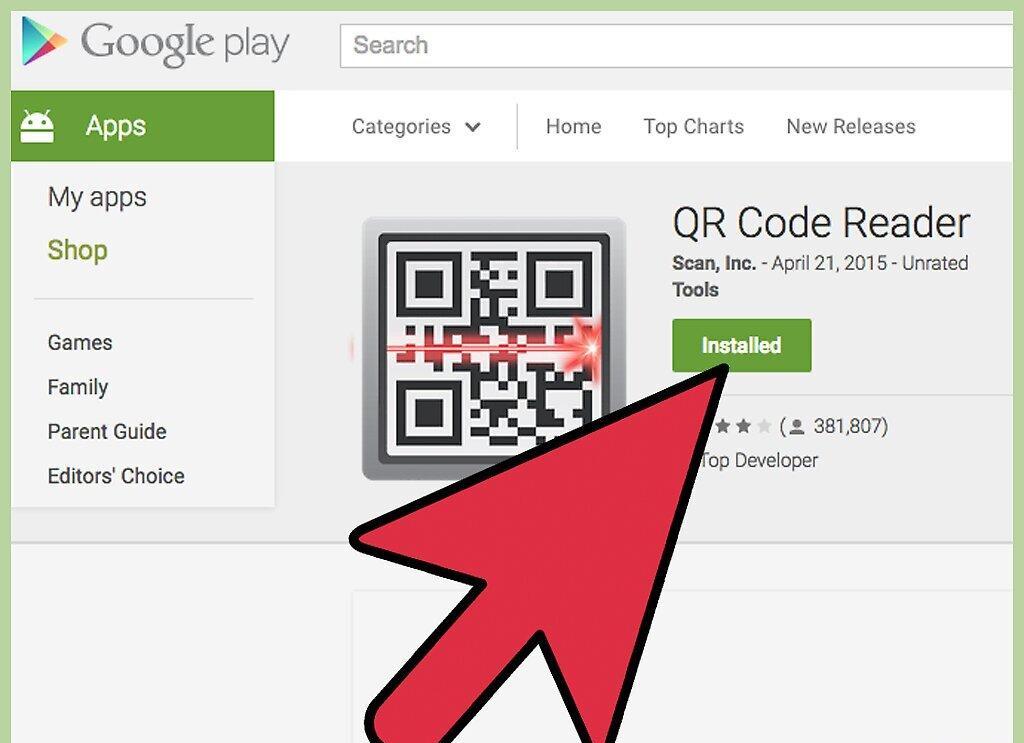
Check the link from the QR code. Most smartphones can have free apps installed to read codes. Install one of these apps to test the QR code's functionality.
- A link should appear on the screen.
- Simply click on the link to ensure it leads to the correct information page.
- Remember that the recruiter may also need equipment to read the QR code.
Creative Approaches to Using QR Codes
Step 1. Include a link to a video resume.
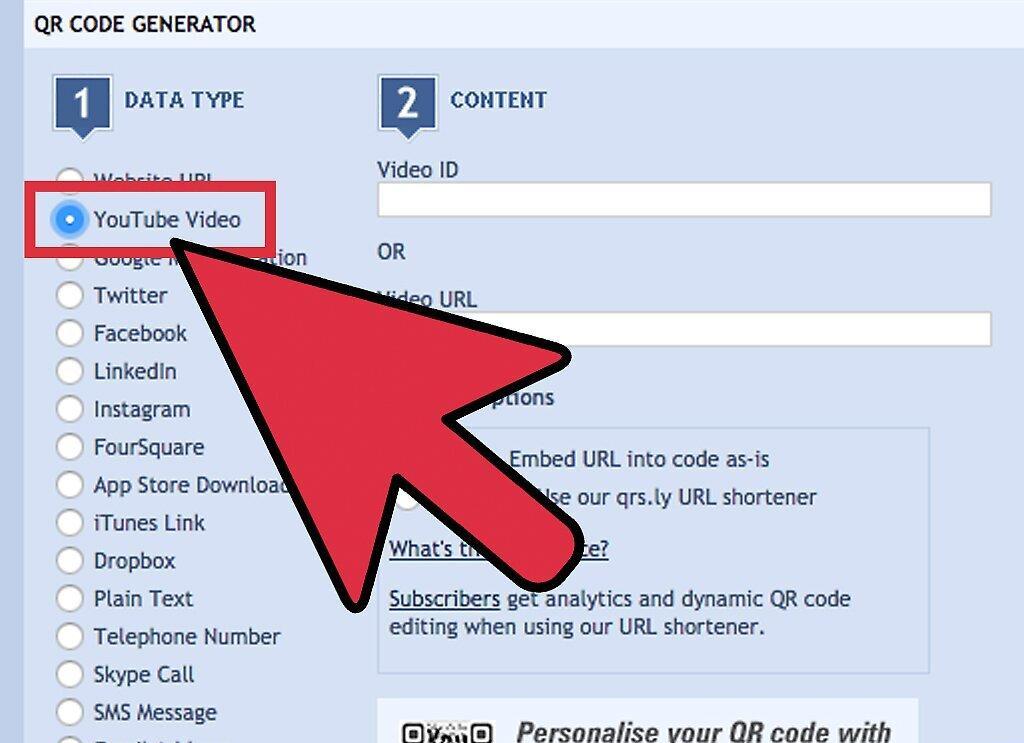
Include a link to your video resume. If you have a video resume, you can provide a link to it. A video resume can effectively showcase your strengths and potential contributions to the organization, almost like a personal interview.
Step 2. Add a link to your blog.

Add a link to your blog. If you run a professional blog, include a link so recruiters can read your thoughts on industry issues, trends, and challenges. Additionally, recruiters can gauge your communication skills.
- Ensure that your professional blog does not contain controversial, sensitive, or inappropriate content.
Step 3. Embed text that positions you well.
Embed text that positions you as a strong candidate. This text will appear on the screen after scanning.
- For example: "Gennady will help build strong business connections. His experience, skills, and luck will make your business more stable and successful".
Step 4. Add a link to your portfolio.

Include a link to your portfolio. You can create a personal page detailing your experience and previous work. This is especially important if you are involved in online projects. Personal sites work well in marketing and design, as recruiters need real examples of your work.
Step 5. Avoid common mistakes when creating a QR code.
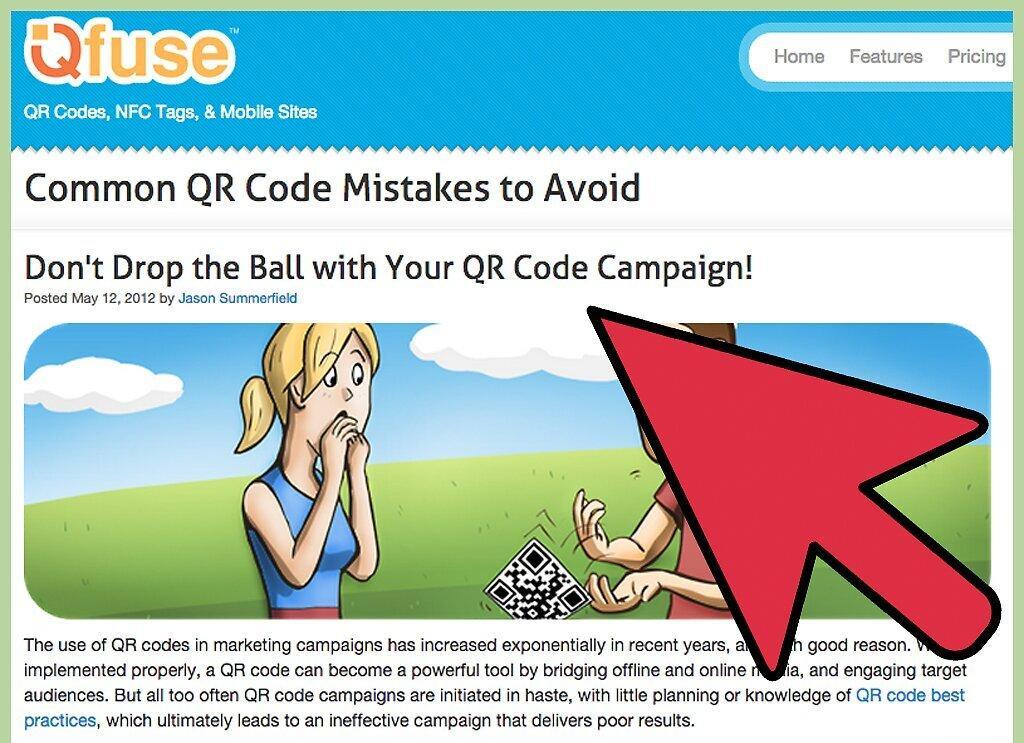
Avoid common mistakes when creating a QR code. These mistakes should be avoided:
- Difficult-to-read code. The code will be hard to scan if it contains too much information, if the image is too small, if there are no margins around the code, or if the code image is of poor quality or distorted.
- To avoid this, include only the minimum necessary information in the code; the image size should be at least 2.5x2.5 cm, considering the printer's resolution. Don’t forget to leave margins.
Step 6. The page the code links to should display correctly on mobile devices.
The page linked from the code should display correctly on mobile devices. If your page is not mobile-friendly, it will leave a negative impression. Such pages reflect inefficiency and unprofessionalism.
- Check the page before sending your resume to the employer. Pay special attention to direct links in your contact information (voicemail, email, etc.).