In many countries, people retire by the age of 65, with some exceptions. In such cases, there's no need to officially announce your intention to retire. However, many choose to conclude their careers in their sixties, while others continue working until health issues arise. Therefore, the exact timing of retirement can be uncertain. Learn how and when to communicate your decision to avoid unnecessary stress and finish your career on a high note.
How to Inform Your Boss
Step 1. Prepare in Advance.
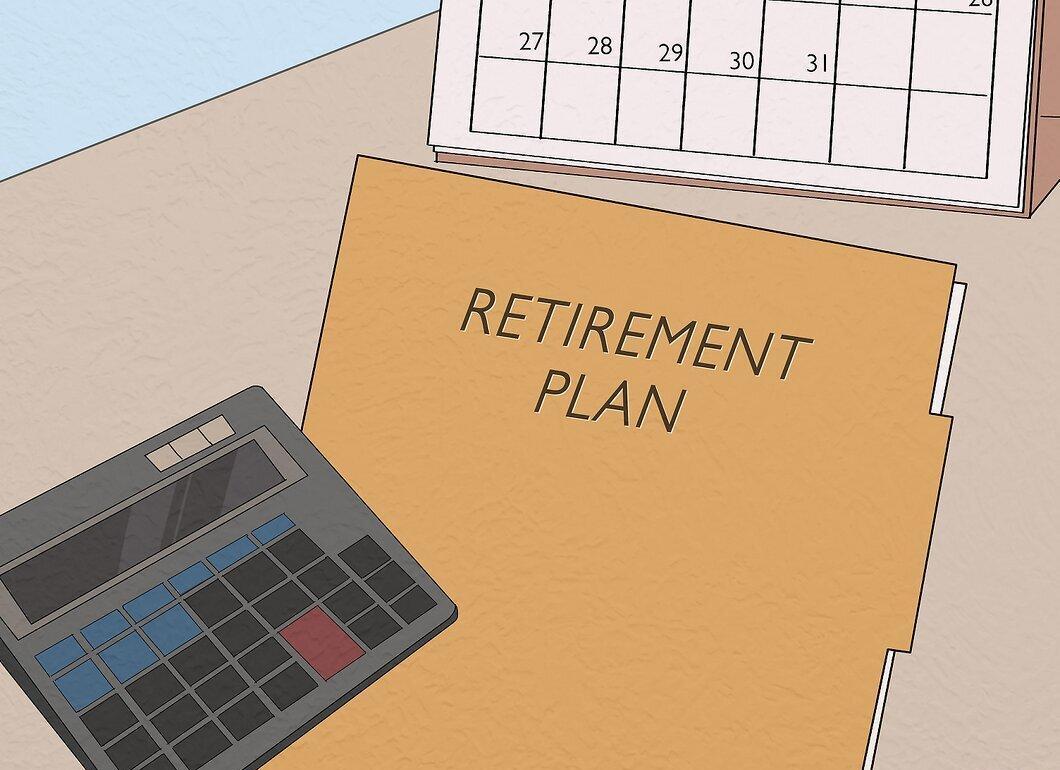
Preparation is key to a successful retirement. This is an important decision, so start planning at least six months in advance.
- Give yourself time to adjust to the decision, reflect on your career, and properly manage your remaining vacation days.
- Familiarize yourself with your company's retirement policy and review information about severance pay and benefits on the official website while you still have access to corporate data.
- These documents outline the company's rules regarding notifying your employer and HR. These requirements will play a significant role in your next steps.
Step 2. Decide When to Inform Your Boss.
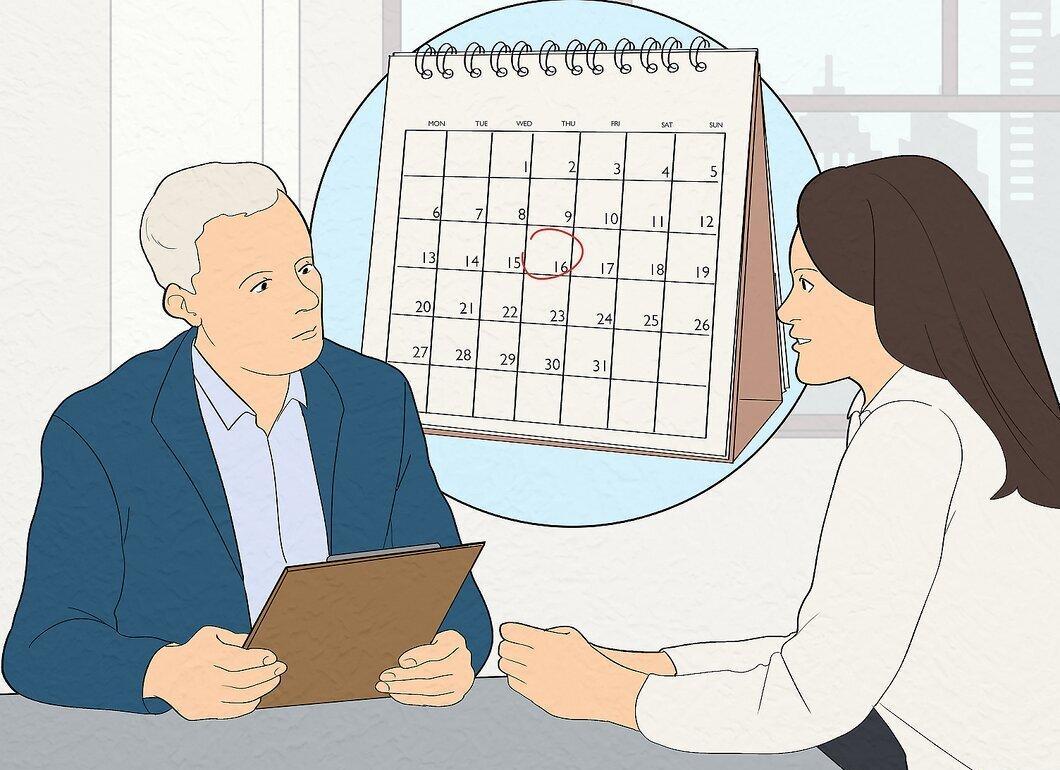
Determine the best time to inform your supervisor. While it's important to adhere to corporate norms, it’s often up to the employee to choose the right moment to notify.
- Don’t rush to announce it too early. This could signal to your employer that you are no longer fully engaged in your work, leading them to exclude you from new projects or ask you to leave early to make room for a newcomer. If you're in a management position, your subordinates may start to ignore you or not take your directions seriously.
- If you're concerned about potential negative consequences, it’s better to wait until the last moment as per internal guidelines. In most cases, like when changing jobs, it’s advisable to notify management no less than three weeks before your planned retirement date. A "two-week notice" is the minimum period required to find and train a new employee for the vacant position.
- If you hold a managerial or specialized position, it's best to inform the director several months in advance, so they have time to find and prepare a new employee.
- Assess your relationship with your supervisor and the organization, and consider how important it is to maintain them after retirement. Show concern for the company and inform them of your decision in advance to ensure a smooth transition.
Step 3. Schedule a Personal Meeting at the End of the Workday.
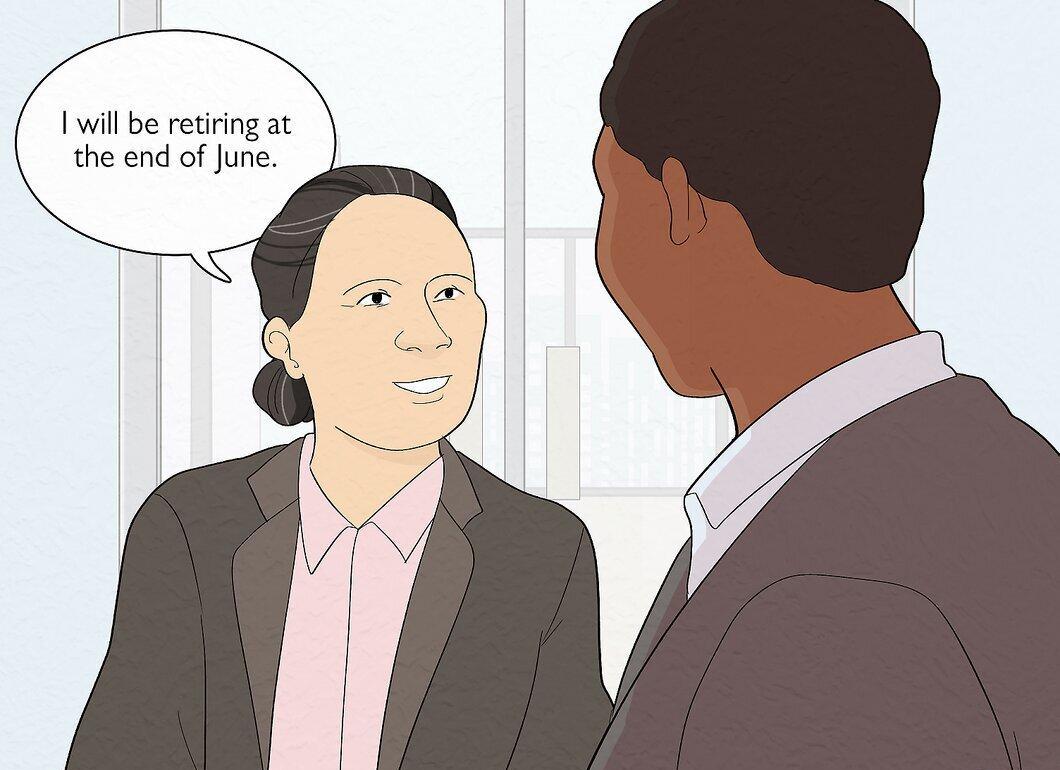
Plan a personal meeting at the end of the workday. Allocate enough time to discuss your plans without distracting your boss from their current tasks.
- The level of formality in the conversation depends on your relationship. If it’s strictly professional, the announcement should be formal. If you have a friendly rapport, you can keep it casual.
- If you haven't made a final decision yet but want to share your thoughts with your boss, say directly: "I’m considering retirement in June, but I haven’t made a final decision yet. When do I need to decide?" If the decision is made: "I’ve thought it over and concluded that it’s time for me to retire. I plan to wrap everything up by the end of June."
- In any case, let your boss know that you don’t want to create additional problems.
Step 4. Ask Your Boss How to Inform the Team.
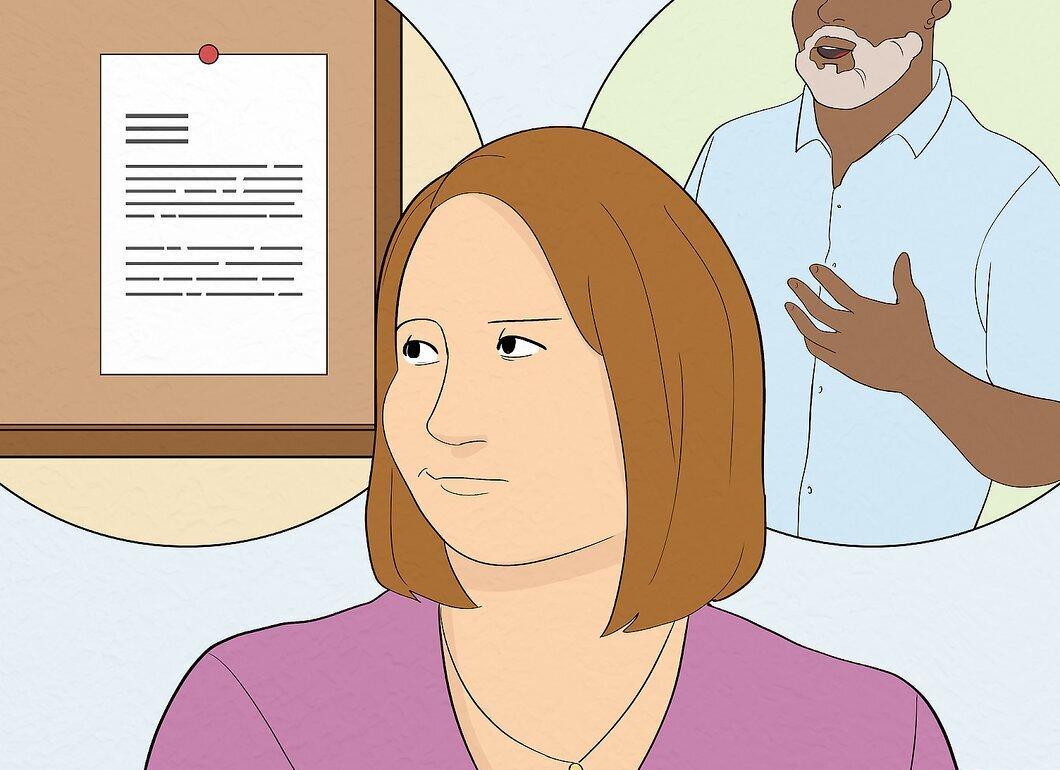
Ask your supervisor how best to inform the team about your departure. Some bosses prefer to announce such news at official meetings, while others allow employees to do so themselves. Be sure to express your preferences.
- If your boss makes the official announcement, you won't need to inform colleagues about your departure.
- If you want to announce it to all employees or part of the team yourself, ask your boss to hold off on the official announcement until after your conversation.
- Even if you don’t plan to work after retirement, it’s best to ask management for three letters of recommendation. It’s better to do this now while your accomplishments are fresh in everyone’s mind than to wait until employees change jobs and it becomes difficult to contact them.
Step 5. Write an Official Letter to Your Boss Indicating Your Retirement.

Prepare a letter for your boss providing official notification of your intention to retire. This is a formal document, but be sure to include the exact date.
- Deliver the letter to your boss after your verbal conversation.
- Despite the verbal notification, the HR department will require an official document for their records. Knowing whether you've taken sick leave or received appropriate compensation is also essential for calculating payments.
- Make sure to contact HR to learn about all bureaucratic procedures and deadlines.
How to Inform the Team
Step 1. Inform Them Personally.
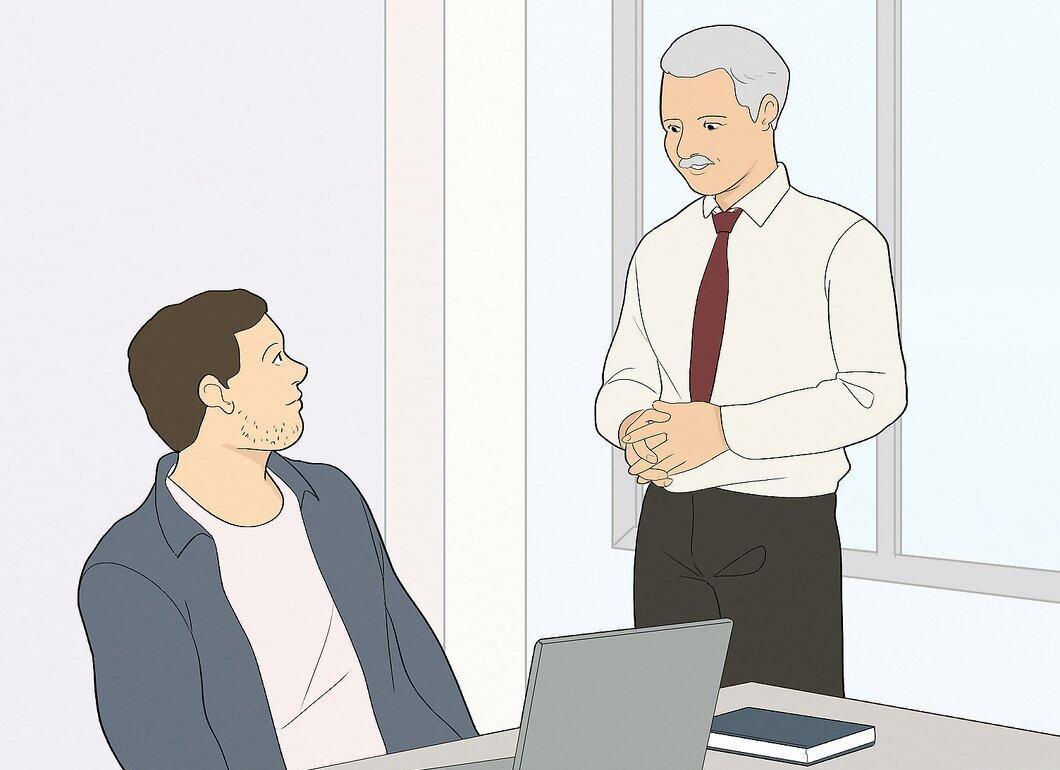
Inform your colleagues or subordinates about your retirement in person, over the phone, or via email, rather than through a corporate announcement. Personal communication shows your respect and helps maintain friendly relationships in the future.
- Notify colleagues and friends after talking to your boss. Rumors spread quickly, even if you discuss it confidentially, so it’s crucial to inform your boss first.
- If your boss is planning to hold a meeting with key staff about this, notify everyone else via email. Prepare the letters and set up an automatic send-out right after the meeting so everyone hears the news simultaneously and no one feels left out.
Step 2. Include Important Information in All Correspondence.
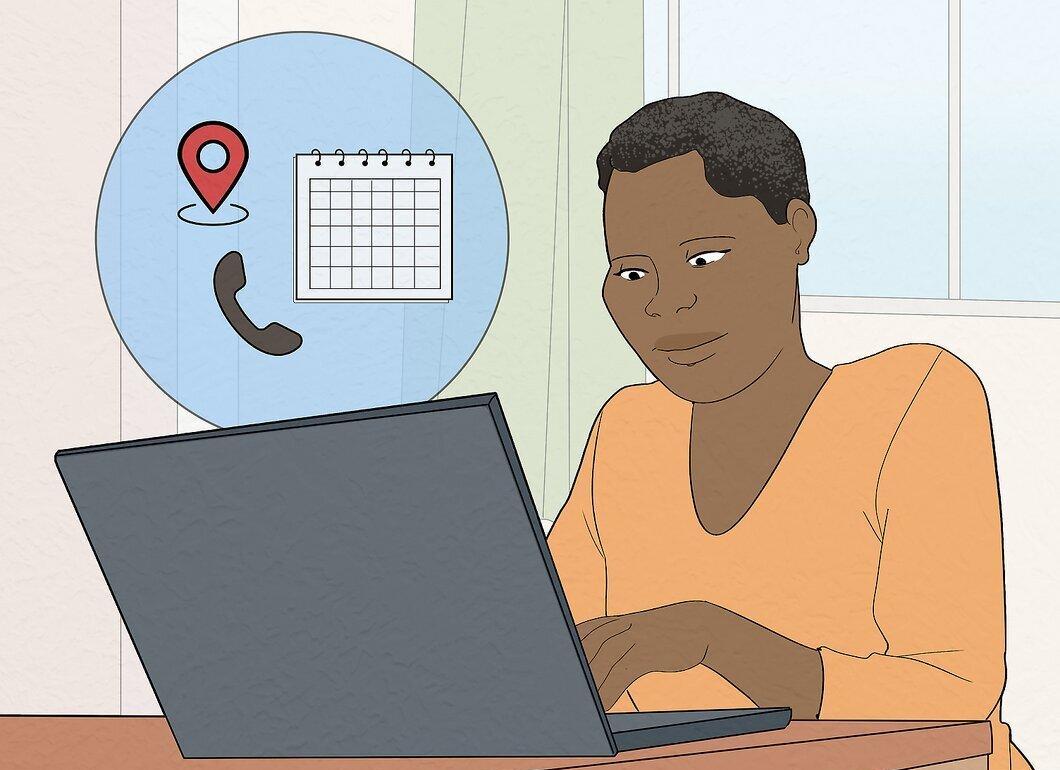
When drafting letters to HR, applications, or notes for the secretary, be sure to include important details to simplify the process and avoid confusion.
- Clearly state the exact retirement date. This information helps avoid rumors and simplifies things for your subordinates, as they will know the exact facts.
- Provide an updated address for correspondence if any documents have outdated information. If you do not collect your last paycheck on your retirement day, the company can send you a check or other necessary information.
- If you wish to stay in touch with colleagues, leave your contact details (phone number, email, home address).
Step 3. Thank Your Colleagues and Wish Them Well.
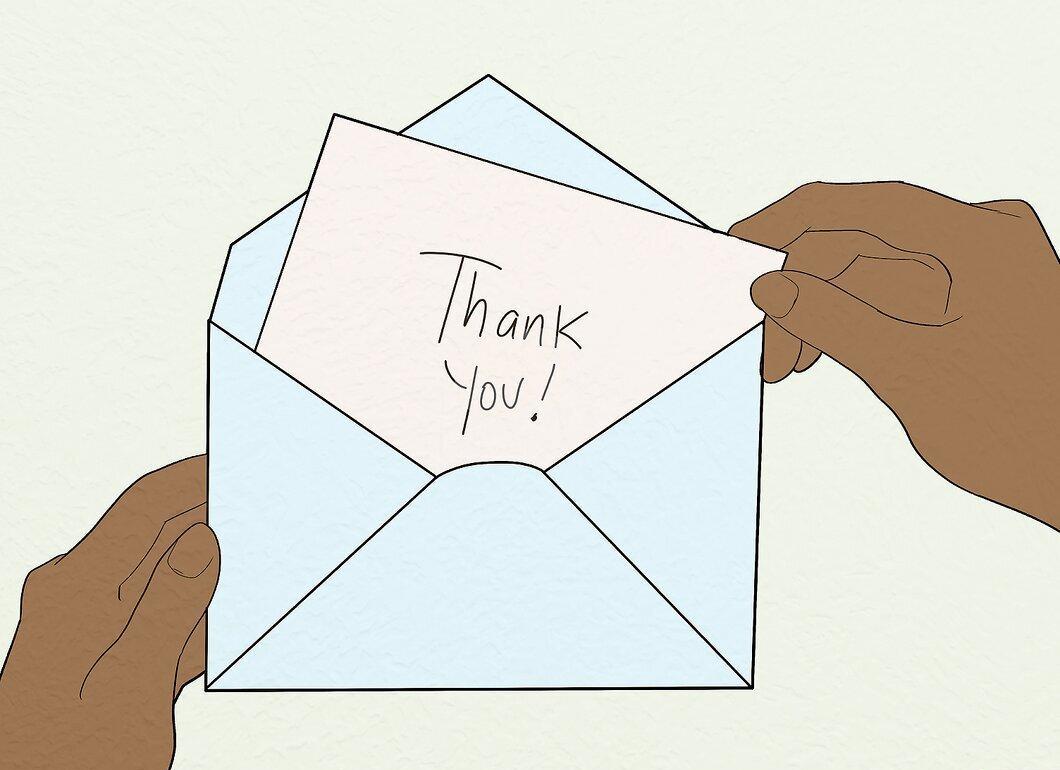
Thank your colleagues and wish them success in the future. It’s better to write personalized letters to each than to send a generic mass email; this will help you be remembered as a thoughtful and kind colleague.
- Retirement letters are an opportunity to say goodbye to the team, so they should be sincere and heartfelt.
- If you want to maintain communication with colleagues after leaving, take the opportunity to invite them to an event celebrating the end of your career. Leave a good memory of yourself and keep your relationships with colleagues alive.
How to Inform Friends and Family
Step 1. Choose the Right Time.
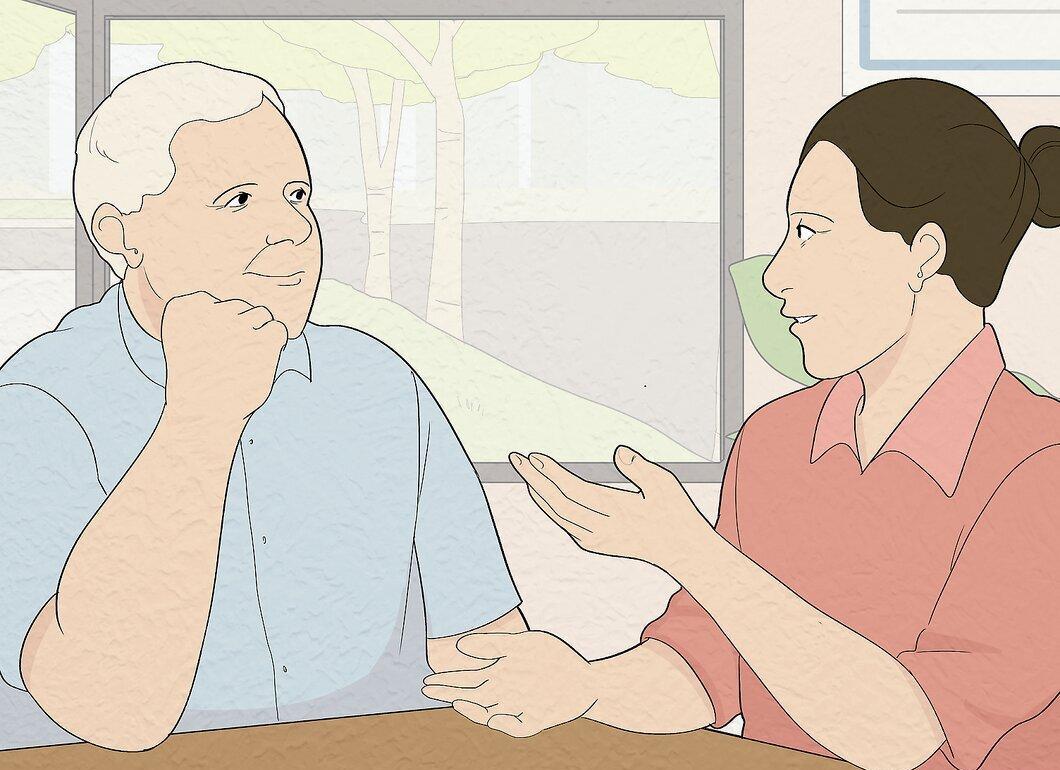
Choose an appropriate moment to share your retirement news with loved ones. Whenever you decide to tell your boss and colleagues, don’t forget to share the news with friends and family.
- Rumors spread quickly, so it’s better to avoid awkwardness and inform your boss first.
- Exceptions include spouses, close relatives, loyal friends, or mentors. It’s important to discuss the situation with trusted individuals before making a final decision. This information should remain confidential.
Step 2. Keep It Casual.
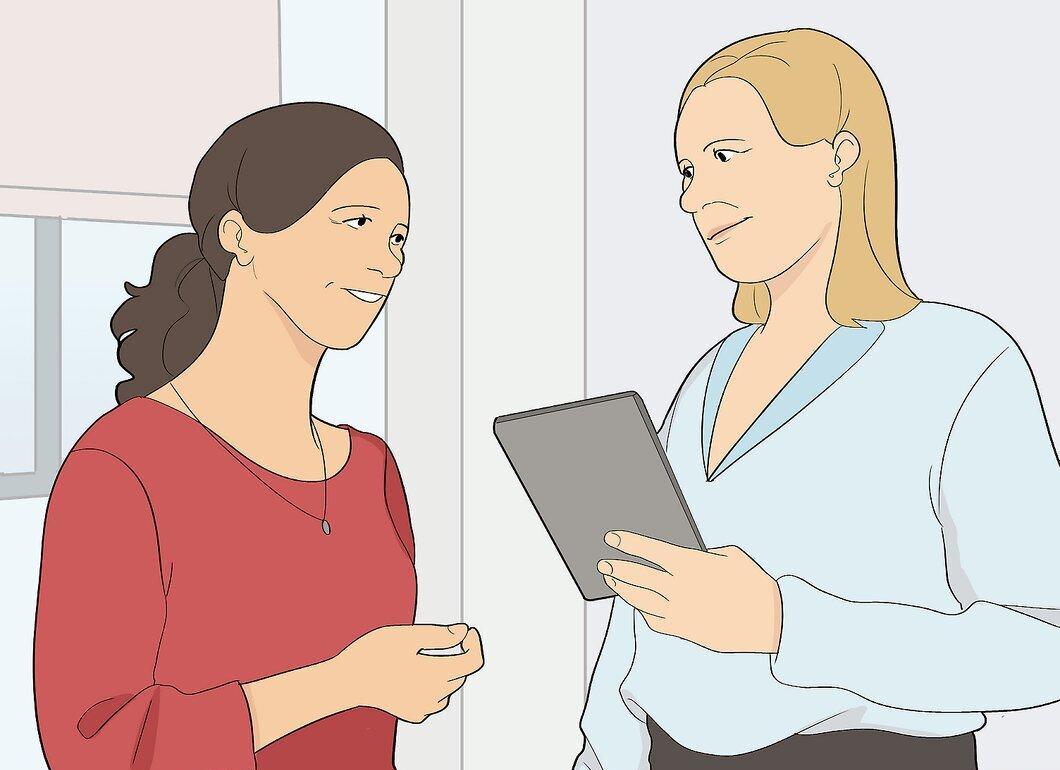
When talking to loved ones, take a casual approach. Formalities should be followed when notifying your boss and colleagues, but you can speak freely with friends.
- Use social media to post an announcement and quickly notify acquaintances. You can also make a relevant post on professional social networks.
- Phrase your message to keep doors open for future work, especially if you’re deciding to retire early. For example: "At the end of June, I’m leaving my position to spend more time with my family. A new chapter in my life is beginning." You can even create a funny video; inspiration can be found on YouTube.
Step 3. Throw a Party to Announce Your Decision.
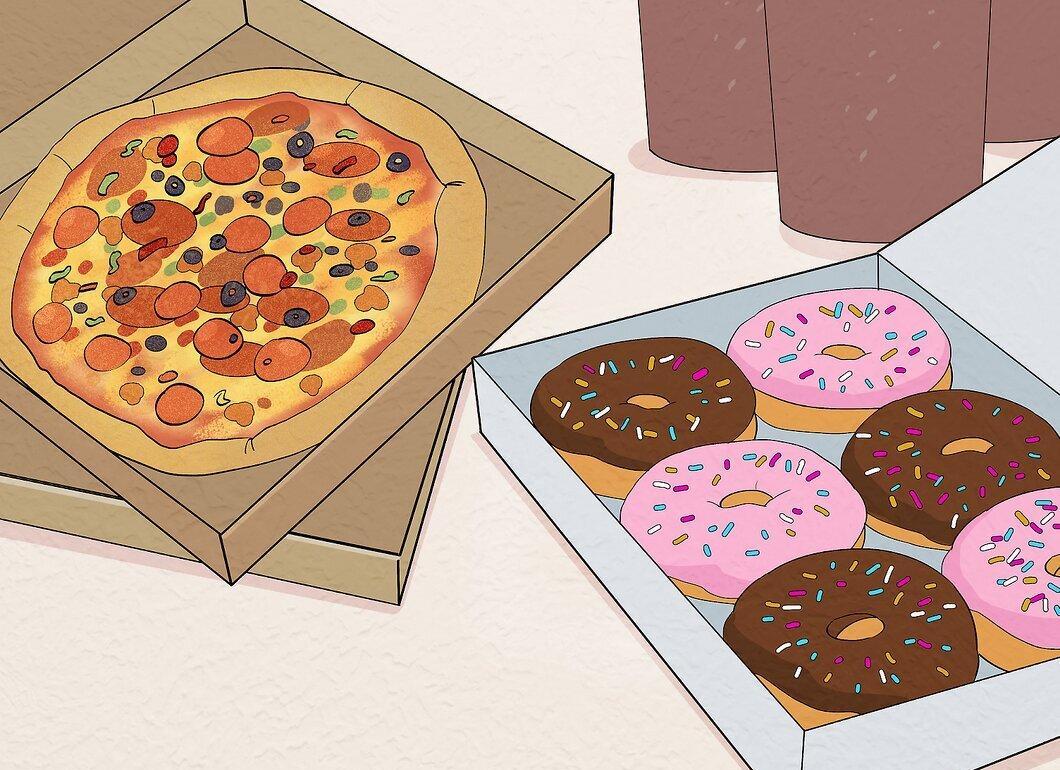
Organize a party to share your important decision. Invite close friends and family to personally share the news.
- You can inform them about your retirement in advance or surprise them at the party.
- It may seem inappropriate, but many consider farewell parties to be normal, especially if the reasons are kept secret and no gifts are expected.