A great grandmother knows how to make her grandchildren feel special while also managing to teach them a thing or two about the world. She plays a different role than their parents and knows how to respect her boundaries. The key to being a good grandmother is to maintain a close connection with your grandchildren, characterized by dynamic and light-hearted relationships based on warmth, care, and love.
Spending Time with Your Grandchildren
Step 1. Have a solid plan for activities.

You should have a solid plan for activities. Sometimes, it's helpful to know what you'll be doing with your grandchildren when they come over. If you're planning a picnic, you might need to suggest appropriate attire and even ask for financial help if necessary before their visit. It's a good idea to check opening times, event schedules, and transportation arrangements to ensure everything is prepared in advance. When planning your day, remember to allocate some time for rest and relaxation. You don’t want your grandchildren to feel wiped out.
- Try engaging in activities that their parents typically don’t do with them. Take them to a new part of the city they haven't seen or teach them something their parents can’t – whether it's watercolor painting or making jewelry. This way, your time together will be more special and memorable.
Step 2. Don’t over-plan.
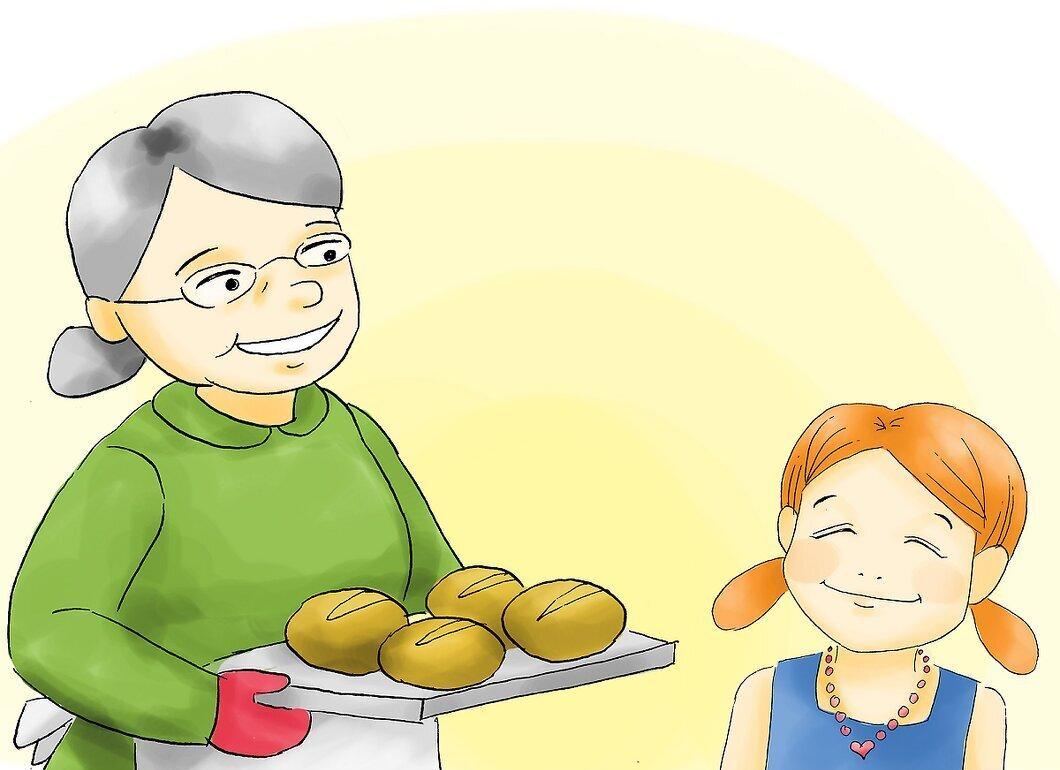
Don’t over-plan. That’s right – sometimes, don't make plans. Let your grandchildren see what you usually do around the house and allow them to learn by example. Often, they'll become interested enough to join in and help you, leading to engaging conversations. Cherish these moments, as they hold the essence of intergenerational bonding. They might enjoy watching you cook, helping you in the garden, walking your dog, or even watching your favorite TV show.
- Your grandchildren are used to their own home, and they'll be curious about how you manage yours. Don't create too much pressure preparing a fun day for them; let things happen naturally.
- It’s good to have some backup activities, like watching a movie or baking a pie, in case your grandchild becomes restless and needs something to do.
Step 3. Teach them something about the world.
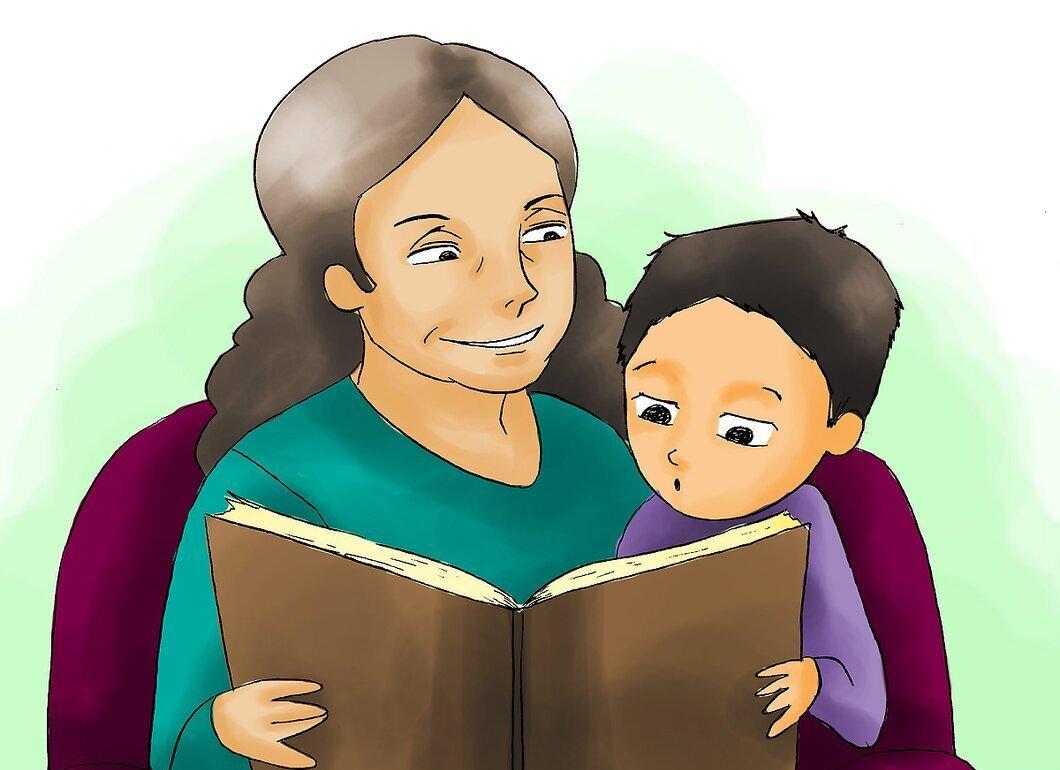
Teach them something about the world. Share your experiences through stories of what you have done or seen. Don’t be afraid to share the “quirks” of the past. It may seem strange to their ears now, but in the future, your past will appear just as special to them as theirs. In some ways, they will better understand you and humanity as a whole by sharing memories of your life growing up. You are the best record of what has happened, so share generously with them.
- Tell them about your life and experiences and how they shaped your worldview. Show them how much the world has changed since you grew up, what you did for a living, and the essential qualities you needed for a successful life.
- Pass on the life lessons you’ve learned, from how to live in a happy marriage to managing a household. You might not want to unload all this information at once or your grandchildren might not be listening; instead, share it gradually to make it more engaging.
- Encourage them to ask any questions about your life or past, about what might interest them. The conversation doesn’t have to be one-sided.
Step 4. Share your family history with them.
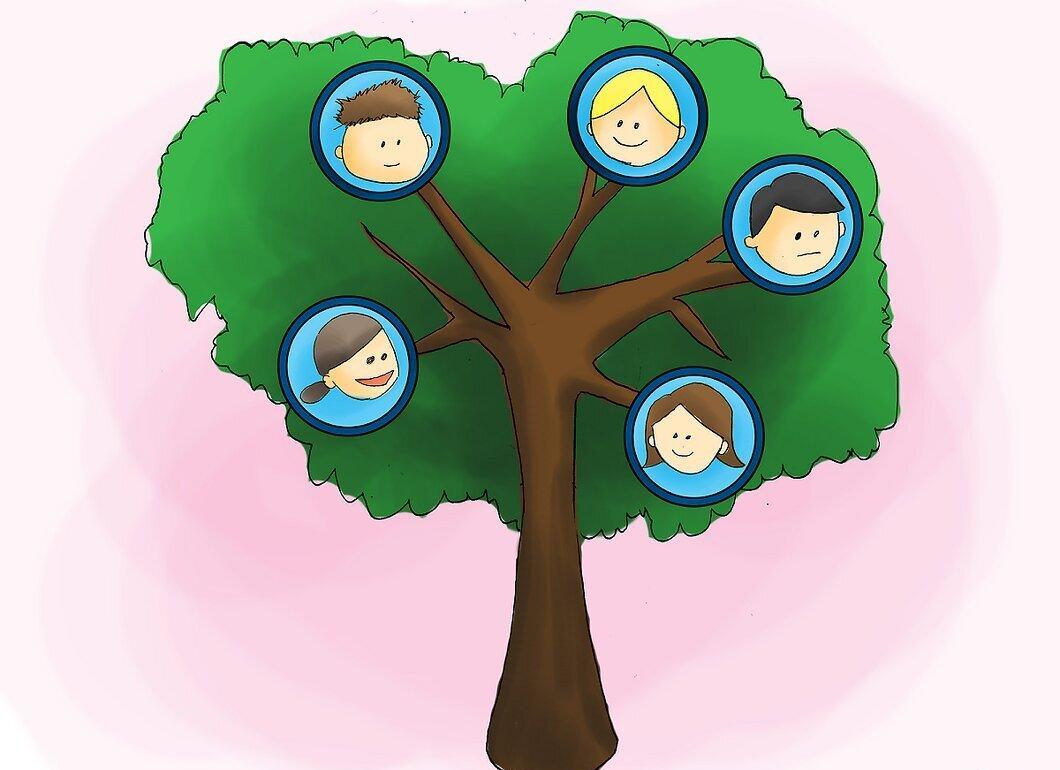
Share your family history with them. While your grandchildren may not be very interested in the details of your family history when you were younger, it’s essential to convey the essence of that history to help them develop a stronger sense of who they are. Sit them down with a family album and show them who’s who in the family tree. Don’t just point; bring your relatives to life – share anecdotes and memorable stories about each of them so that your grandchildren feel connected to them, even if those people are no longer with us.
- You could even take it a step further and record this. Give your grandchildren a recording of their family history that they can keep for life.
- Again, younger children might not show enough interest or patience to delve into family history. You can try providing this information in everyday conversations and activities so they learn the truth in digestible portions.
Step 5. Let your grandchildren teach you something too.
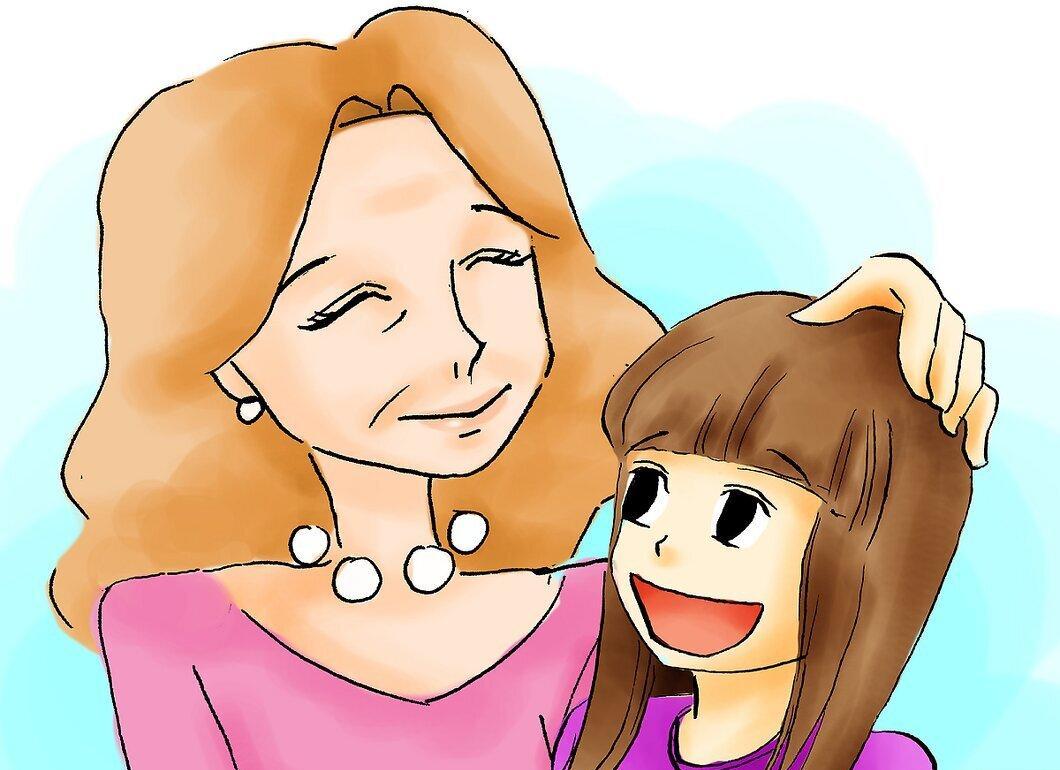
Let your grandchildren teach you something too. Your relationship with your grandchildren doesn’t have to be one-sided. Times are changing quickly, and what will make your grandchildren feel special is asking them to tell you about what’s happening in the world – from the latest music trends to Facebook or Twitter. If you’re tech-savvy, you can ask your grandchildren to tell you about fashion or what their friends are talking about these days. Show genuine interest in their world, and they will open up to you.
- People love to teach, and your grandchildren will be even happier to spend time with you and share valuable knowledge.
- Be sure to thank them for what they taught you. Show that you appreciate their help.
Step 6. Be present for important moments in their lives.

Be present for important moments in their lives. One thing you can do is be there for them during significant milestones – from birthdays to graduations. While you may not always be able to be there, especially if you live far away, make it a point to be present for those important moments whenever you can. Your grandchildren will remember these key life events, and it means a lot if you're there during those times.
- Your grandchildren will come to you for love and support, not criticism. Give them that love and support on their big days and show them how proud you are of them, even if you might have done things differently.
Step 7. Don’t forget to take time for yourself.
Don’t forget to take time for yourself. This is something to remember even before your grandchildren are born. You’re not obligated to be a constant source of childcare, so it’s important to set boundaries from the start. Clearly explain that you love your children and grandchildren and that there are many occasions for visits, but also clarify when it wouldn’t be appropriate to bring the grandchildren or leave them with you regularly. This way, you can enjoy your time with them to the fullest instead of feeling resentful or exhausted.
- Don’t allow yourself to become the caregiver who is at the beck and call of your children as soon as a baby arrives. You can tell them how much time you plan to dedicate to your grandchildren, but pre-plan the help you can provide instead of being “on call.”
- When you don’t feel pressured or obligated to spend time with your grandchildren, your relationships will be much stronger.
Caring for Your Grandchildren
Step 1. Your grandchildren should hold an important place in your life.
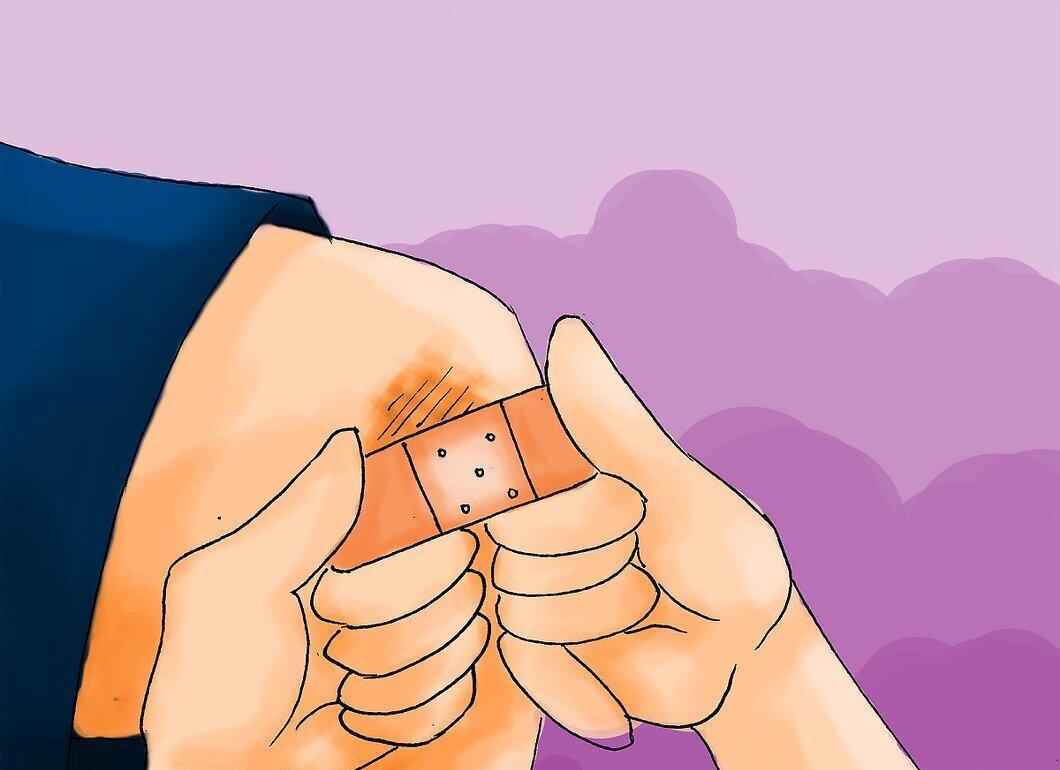
Your grandchildren should hold an important place in your life. You shouldn’t spoil them. You might unintentionally teach them that consuming a lot is good, which you would never want to do, right? Teach them positive values such as gratitude, respect, and patience without overwhelming them with "lectures." Instead, focus on praising them. Notice all the good things they do, and don’t hesitate to express your feelings when you see that. Give them space; children shouldn’t feel constrained when they’re with you. After all, they have parents to reprimand them. Every time you see them, give them a big hug and show your love and that they’re safe with you.
- While you might sometimes critique their behavior if they misbehave in your presence, it’s better to focus on being a source of fun and positivity. They already live with one or two parents who want to teach them right from wrong, and while you don’t want to go against their ideas, you also shouldn’t be too strict.
- Of course, don’t let your grandchildren follow completely different rules in your presence; otherwise, they’ll be confused about which rules are “correct.” Still, be gentle with your grandchildren and focus on praise and recognition of how special they are.
Step 2. Remember their birthdays.

Remember their birthdays. Buy them gifts on their birthdays – thoughtful enough, but not overly extravagant. Sometimes give them what they ask for; other times, surprise them with something they didn’t expect. The most important thing is that you are there on such an important day for them, showing them how much you love them. Along with the gift, write them a card telling them how much they mean to you.
- But consult with the parents before giving your grandchildren a gift. You don’t want to overshadow the parents’ gifts or give something similar. This can create an awkward situation on their birthday.
Step 3. Be a loving grandmother.
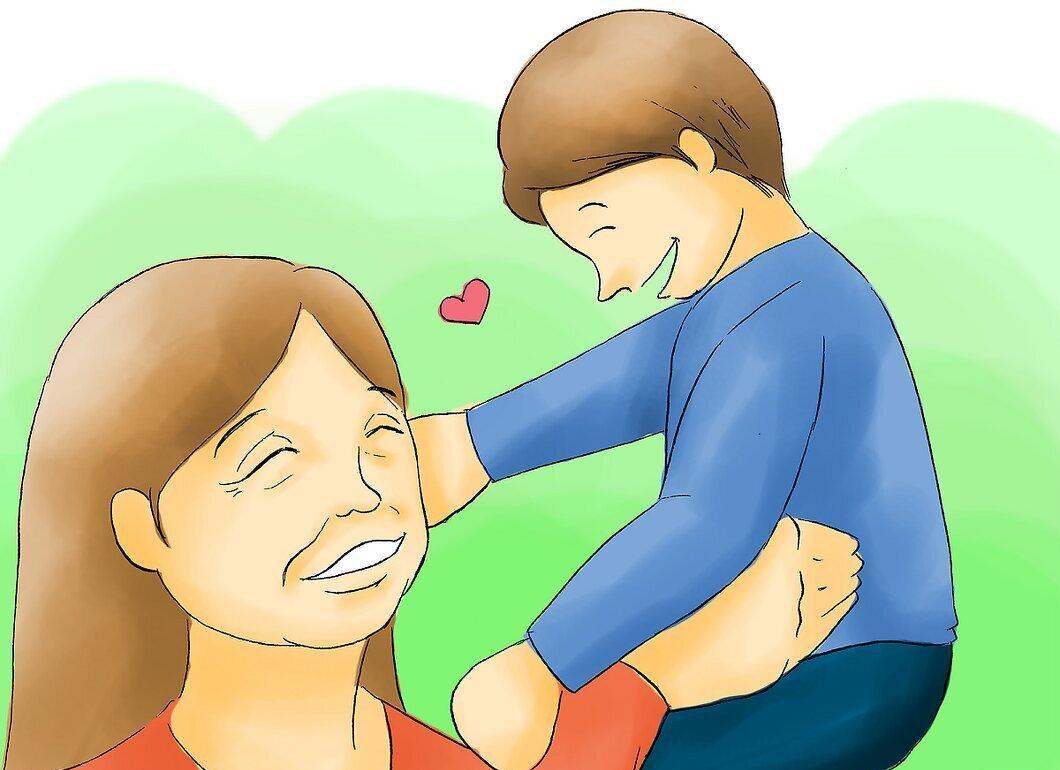
Be a loving grandmother. Another way to show your grandchildren your love is to shower them with affection. Hug and kiss them, wrap them in your arms, play with their hair, or just touch them reassuringly to show your feelings. When you sit next to them, stroke their knee or hand or simply sit close to show your love. As they get older, they may not be as open to affection, but you should make it a habit to show them your love.
- Be a source of love and warmth for your grandchildren so they know they can come to you when they need comfort.
Step 4. Listen to your grandchildren.
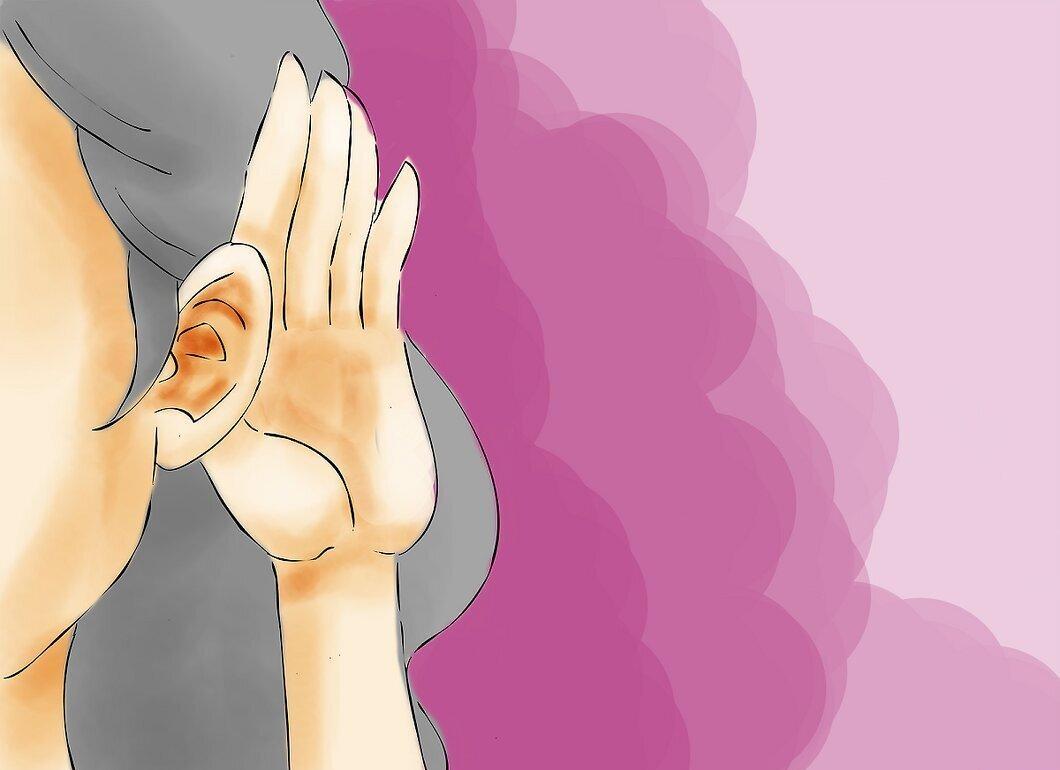
Listen to your grandchildren. Take the time to hear what they have to say and listen to every word without interrupting. Don’t get distracted and listen to them instead of half-listening while cooking or gardening. Look them in the eye and show how much you care, but don’t offer advice unless they ask for it. Most importantly, don’t judge them and take everything they say seriously.
- Sometimes grandchildren may even tell you things they hide from their parents. Help them as much as you can, but let them know that there are times when parents should also know what’s going on in their minds.
- Be gentle when they talk to you. Hold their hand or put your hand on their knee to encourage them.
Step 5. Spoil your grandchildren a little.
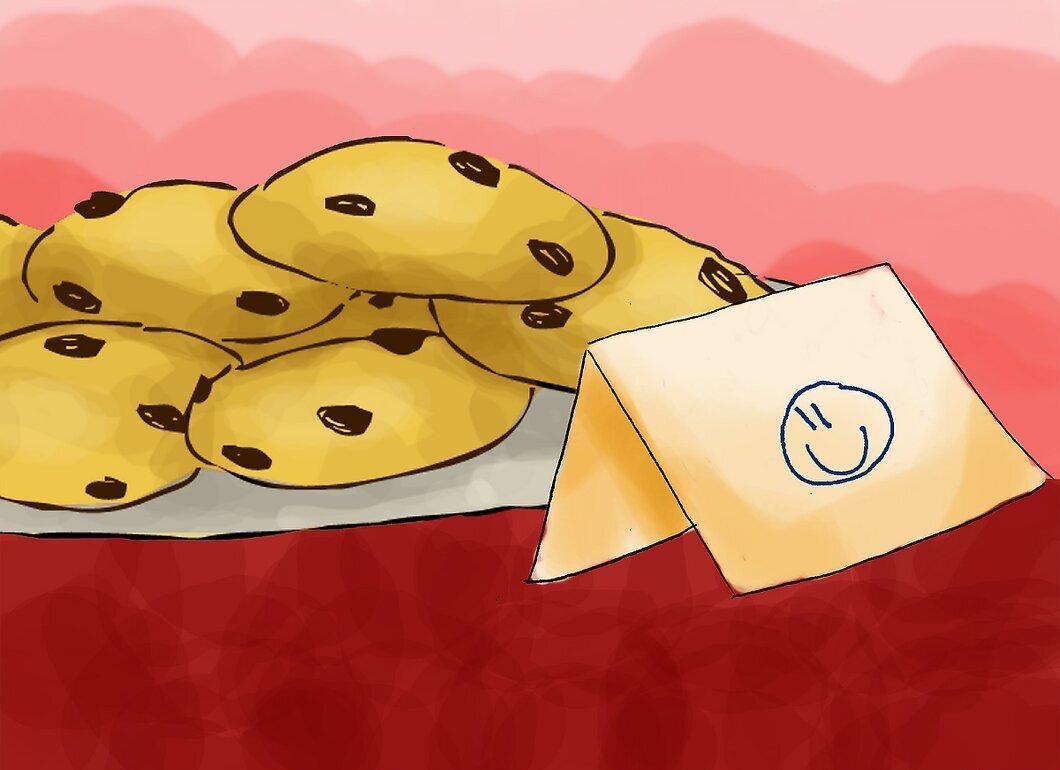
Spoil your grandchildren a little. You’ve already gone through raising a child and had to work on your children’s discipline. Now, you can relax a bit and focus on having fun with your grandchildren. While it’s essential to set some rules, especially if your grandchildren are staying with you for an extended period like summer vacations, treat your grandchildren to delicious treats, make them feel special, and even give them an extra piece of cake from time to time. They should come to you for love, not for you to set down the law.
- Of course, don’t spoil them to the point where their parents get upset about the leniencies you grant them. Find a way to make both your grandchildren and their parents happy.
Respect the Parents of Your Grandchildren
Step 1. Don’t offer advice unless asked.

Don’t offer advice unless asked. Even if you successfully raised 15 children and feel like you know everything about childcare, you need to keep your opinions to yourself until you’re asked for advice. Your child and their partner may have different views on parenting, and they may not want to hear every detail of what you might say on the subject. Of course, they may turn to you as a more experienced parent, but don’t assume you need to share everything from how to change diapers to how to help their child grow into a responsible adult.
- If you offer too much advice to the parents, they may distance themselves from you, leading to more strained relationships between you and your grandchildren.
Step 2. Accept your role in your grandchildren's lives.
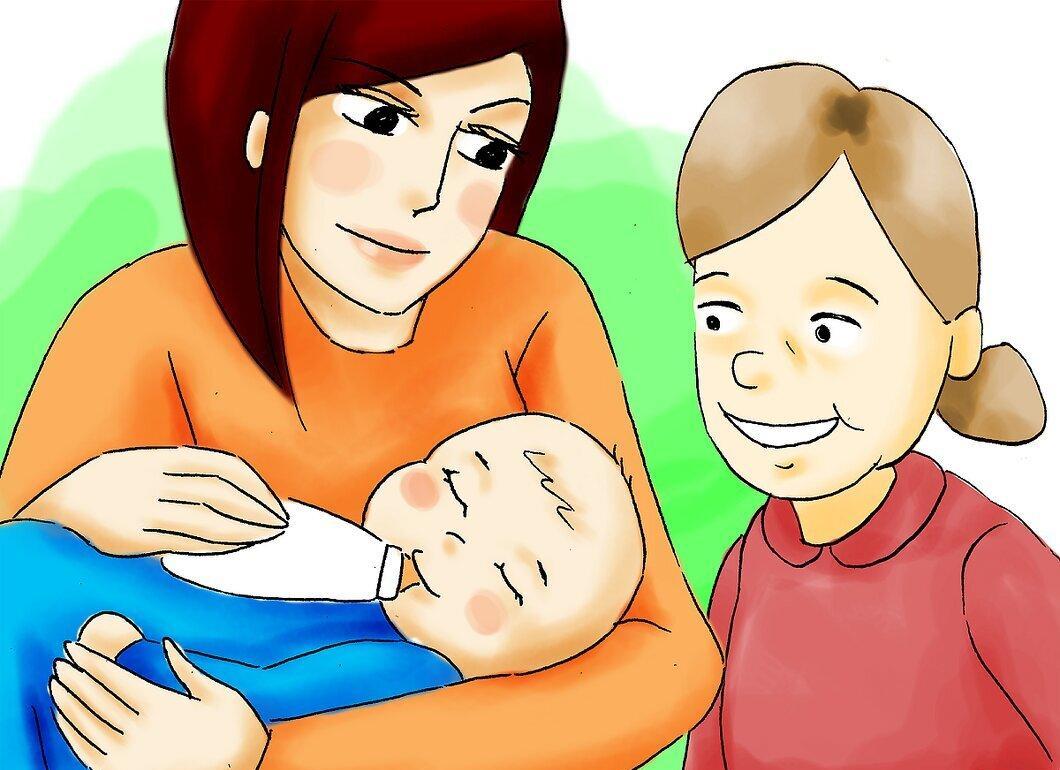
Accept your role in your grandchildren's lives. To thrive in the role of a grandmother, you need to accept that you are not a parent but a grandparent in the child’s life. Your role is to spend time with your grandchild, advise and help their parents when needed, and be present for the new addition to your family. The sooner you realize that you are not a mother to your grandchildren, the sooner you will begin to enjoy your own unique relationships.
- You shouldn’t focus on disciplining your grandchildren, teaching them how to act like adults. Instead, concentrate on providing love, care, and support.
Step 3. Live your own life.
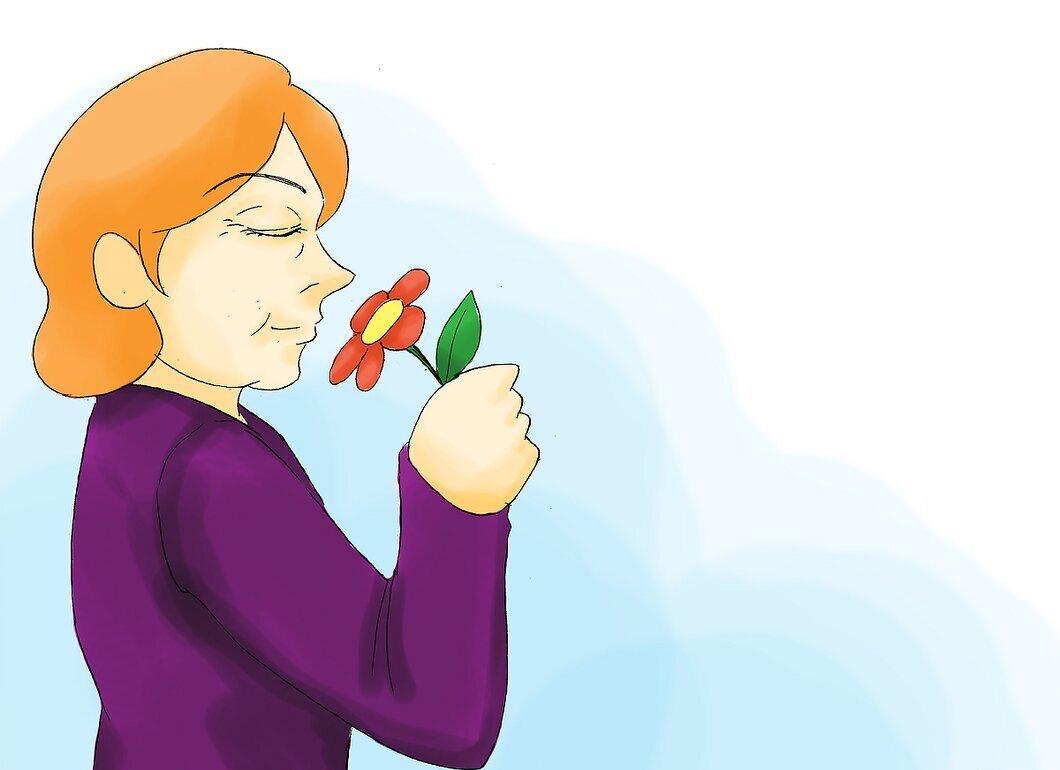
Live your own life. You might think you should drop everything as soon as your grandchild is born. But the best thing you can do is continue living your life while helping your grandchildren’s parents as much as you can. Maintain relationships with your friends, fulfill your community obligations, and pursue hobbies if you want to succeed as a grandmother. If you drop everything to be with your grandchildren, you’ll put too much pressure on the parents.
- Find a way to incorporate time with your grandchildren into your schedule while ensuring your day-to-day plans do not revolve entirely around your grandchildren and their parents’ whims. Of course, there will be times when they need your help at the last minute, but you don’t have to keep your schedule completely open for such occurrences.
Step 4. Help the parents at home.
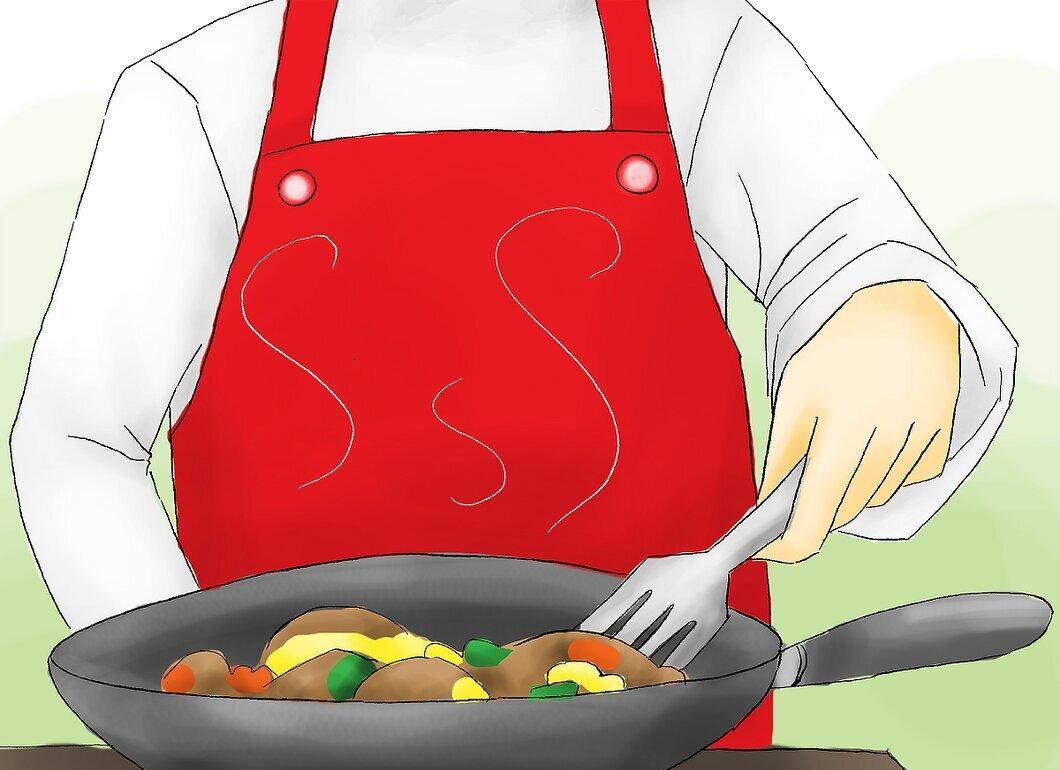
Help the parents at home. One thing you can definitely do when a new addition comes into your family or when your grandchildren get older is to help their parents with household tasks when you can. You can wash the dishes, go grocery shopping, occasionally cook meals, or run errands for the parents when you have the time. While you don’t need to become their housekeeper as soon as they have a baby, a little help around the house when you have the time can be very beneficial.
- This is especially important when your grandchild is newly born, and their parents are focused on fulfilling their parental duties.
Step 5. Give your grandchildren's parents time alone together.
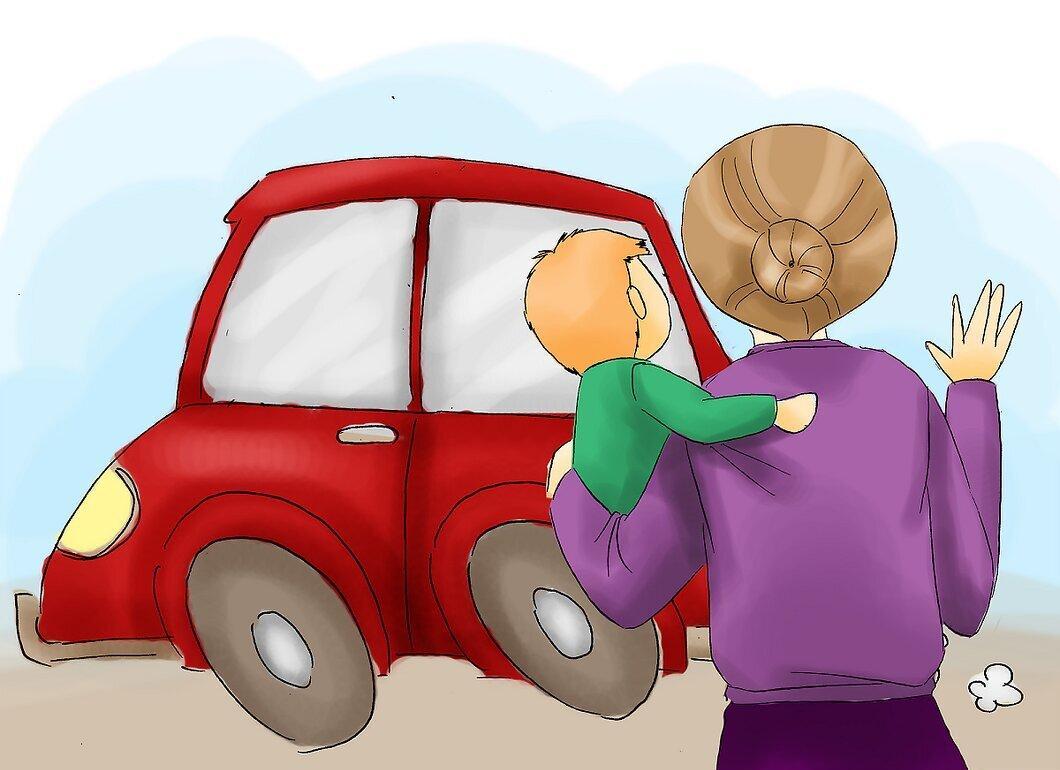
Give your grandchildren's parents time alone together. Sometimes, what your grandchildren’s parents need most is to spend some time together. While your presence at family gatherings or trips can help, you can also take some time to be alone with your grandchildren to allow their parents to go out together or just take a break from their regular duties. This will help relieve tension, keeping their relationship strong.
- Allow mom and dad at least one or two weekends a month. They may deny that they need this time together, but emphasize how important it is for them to spend time away from the child sometimes.