
Everyone has their own idea of what it means to be a great mom. However, one thing is universally agreed upon: the most important thing is to love your children and show them that they are loved. In this case, only your opinion and your children's opinions matter. If you want to be a great mom, start by determining which aspect you think is most important. Discipline? Quality time spent together? Creating opportunities for your children? Once you find the answer, set some basic rules and strive to be a positive role model. And don't forget that taking care of your children is impossible without taking care of yourself. Meet your own needs and cultivate relationships with caring people who will always be there to help you so that you can always assist your children.
How to Create a Parenting Plan
Step 1. Follow Expert Advice.
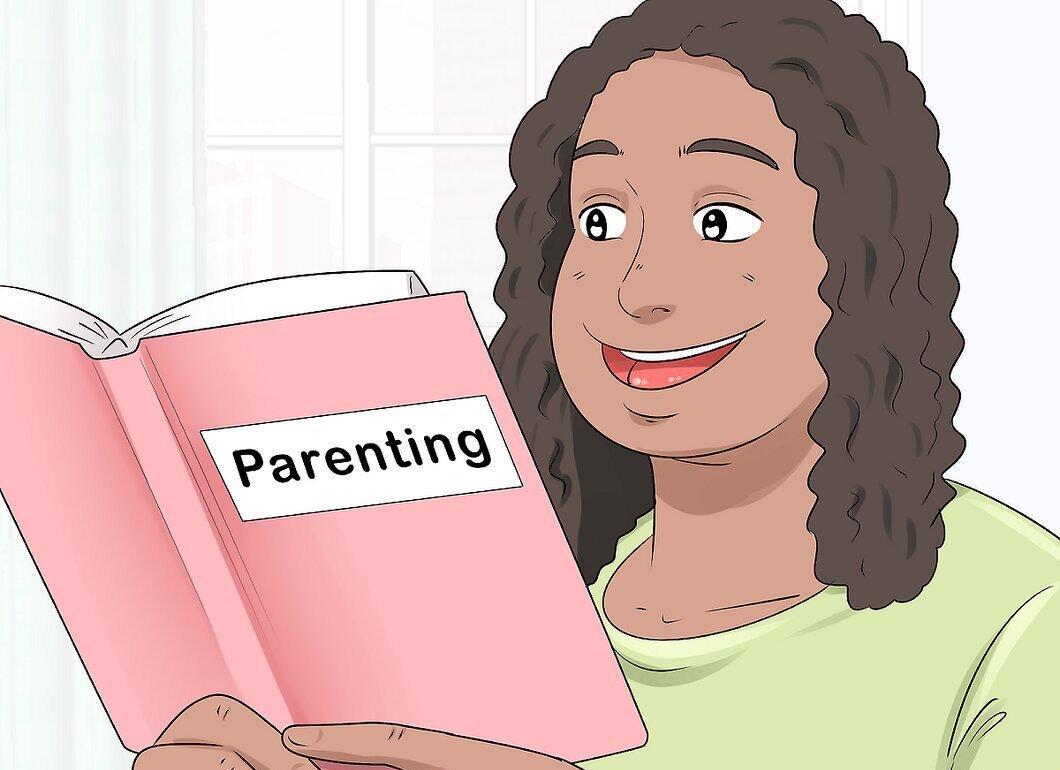
Follow expert advice. Read well-established parenting books to understand the nuances of child development. Then start applying fact-based advice in practice – praise your child to reinforce good behavior, and use time-outs and other forms of behavior modification to manage mischief and bad behavior without resorting to spanking.
- There are many books about what it means to be a great mom and how to raise healthy, happy children. Additionally, everyone has their own opinion – from your mother and the mothers of other children at school to the person behind you in line.
- Trying to follow all the advice will only lead to frustration and may convince you that you're not a very good parent.
- Useful parenting resources include websites like "I Am a Parent" and "Child Development".
- Notable parenting books include "The Most Important Book for Parents" and "If You're Struggling with Your Child".
Step 2. Set Clear and Firm Rules.
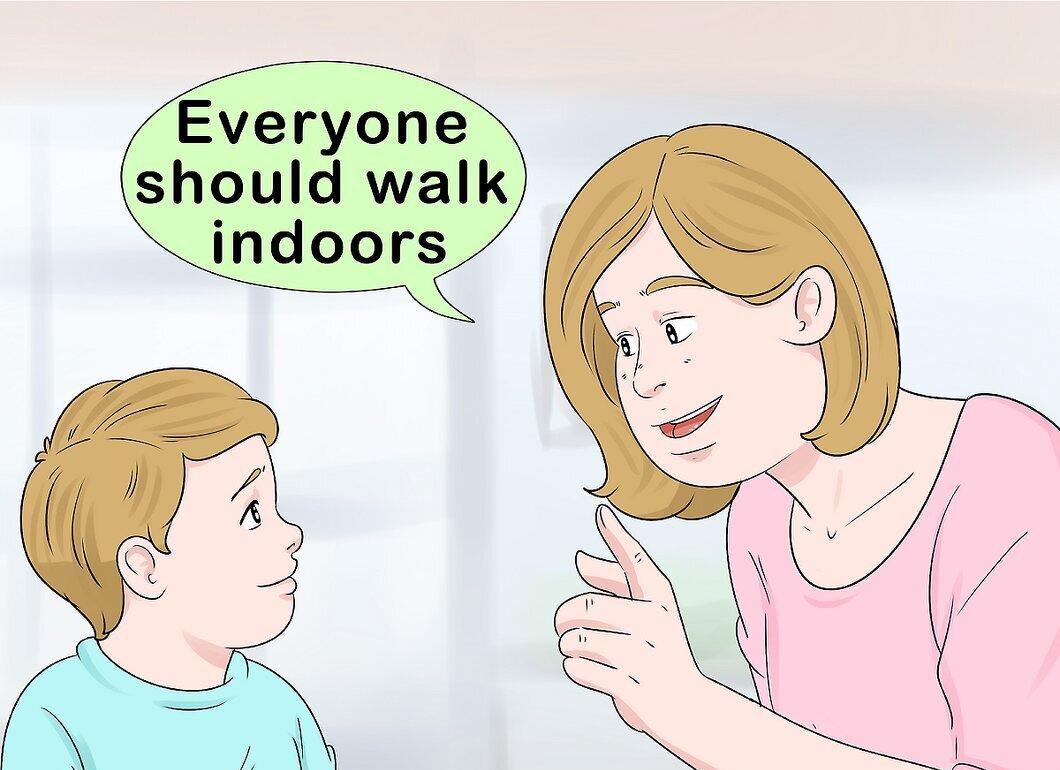
Set clear and firm rules. Decide what order you want to maintain in the home and clearly explain your expectations to your children. Hold a family discussion to share this with everyone and ensure that all are aware of the consequences for not following the rules. Then, create cheat sheets of the rules and place them in common areas like the refrigerator or mirror.
- Rules should be clear and concise, but contain positive wording like “Walk calmly in the house” instead of “No running in the house!”.
- Depending on the ages of your children, you might hold an open discussion to collaboratively create fair rules and consequences. Try this approach if the children can already identify appropriate consequences for bad behavior.
Step 3. Always Enforce Consequences.
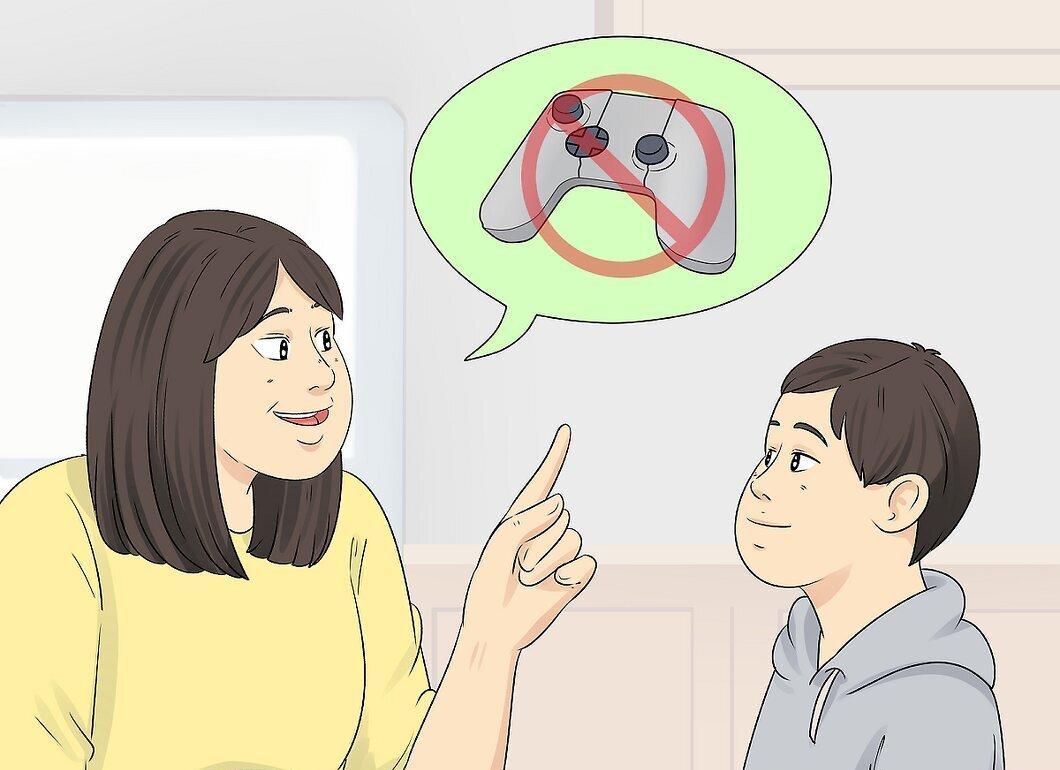
Always enforce consequences. If children break the rules, be prepared to consistently enforce the rules and apply consequences. Such consequences should be fair, appropriate, and consistent.
- Maintaining discipline doesn’t require showing anger. Be compassionate and use logic. Criticize the action, not the child. For example: “Oleg, what should you do instead of pushing your brother? Now you will have to wait 5 more minutes to show how patient you can be.”
Step 4. Frequently Show Your Love.
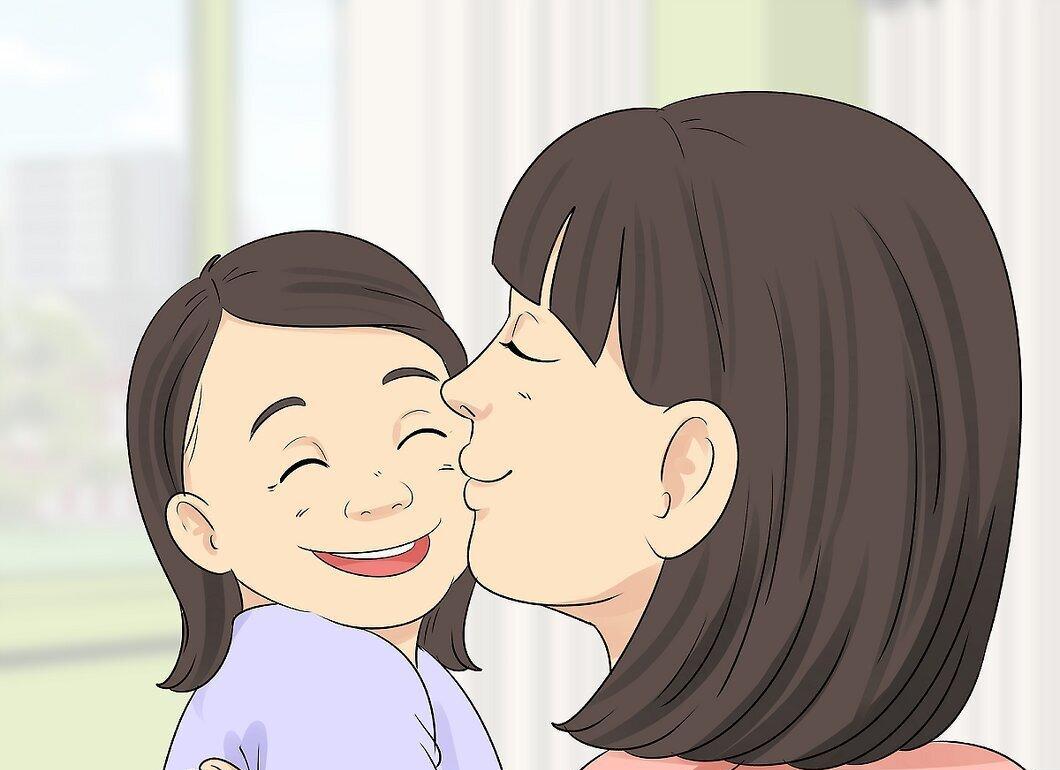
Frequently show your love. Generously express your love through hugs, kisses, and affirmations. This will demonstrate to your child that your love is unconditional. This approach is beneficial for children's self-esteem, academic performance, good behavior, and strengthens the relationship between you.
- Ensure that most of your interactions are positive and caring. Try to show your love daily.
- You can simply hold an infant and speak to them in a soothing voice.
Step 5. Be Open and Friendly So Older Children Feel Comfortable Approaching You.
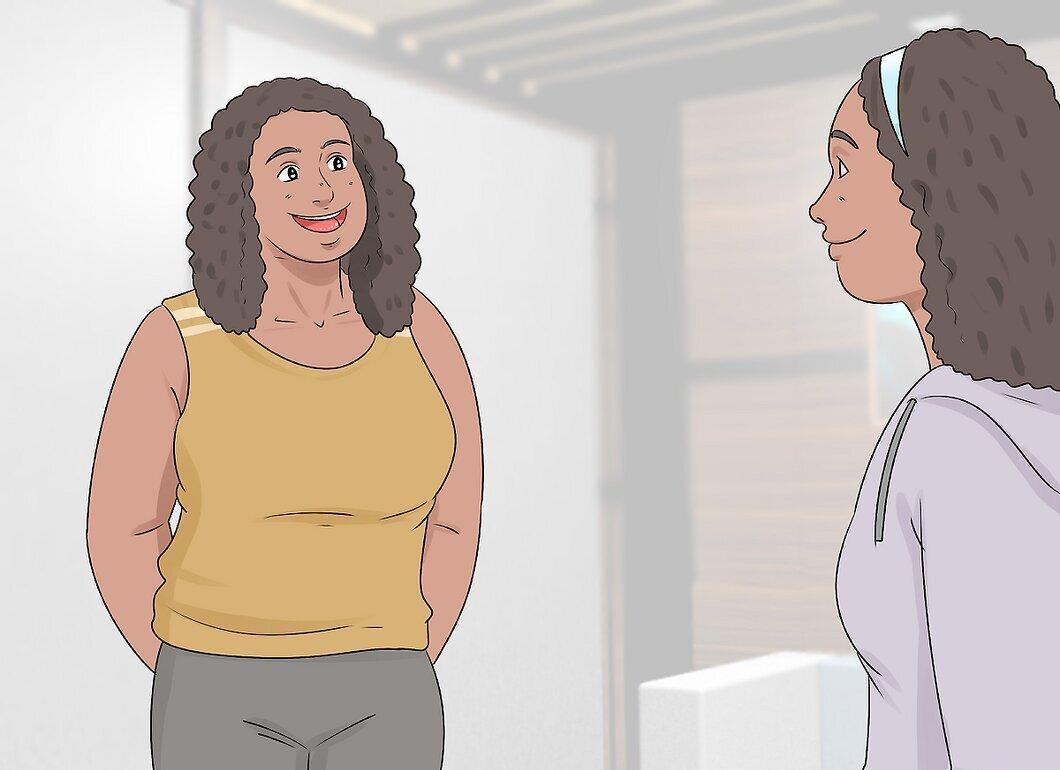
Be open and friendly so that older children feel comfortable approaching you. Good relationships with your child are built on healthy communication, as children need to know that you are always open for conversation. Make it a habit to regularly communicate with all your children, even about the simplest matters. Show that they can always come to you.
- Smile, avoid crossing your arms and legs, and maintain occasional eye contact. During conversations, give your child your full attention. Eliminate distractions like the TV or phone until the conversation is complete. Repeat what you hear to show you are listening.
- Always remind your child of your love. Even during punishment or disagreements, it's important to show that your actions are driven by care and love. For example, speak in a calm and gentle tone and be kind to the child even when punishing them for a wrongdoing.
- Also, in open behavior, there is no room for frequent judgment and criticism. If a child senses disapproval in your behavior, they will be reluctant to share their thoughts. It's better to avoid stern facial expressions or critical comments during conversations.
Step 6. Spend One-on-One Time.
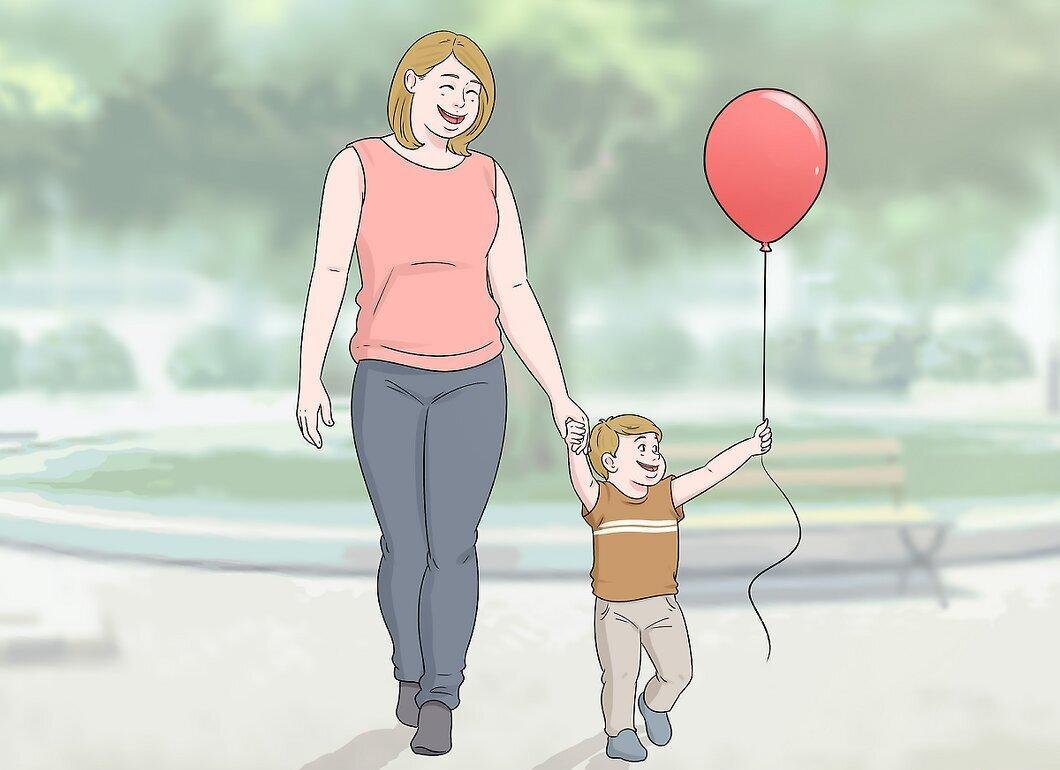
Spend one-on-one time. Quality time is crucial for building strong relationships with children, but family time doesn’t always allow for individual attention. Find time (even short bursts) for one-on-one communication.
- By setting aside time for each child individually, you can discuss their unique challenges and issues, as well as learn about their talents and interests.
- With an infant or toddler, you can play on the floor together.
- Create a special habit or activity for the child that's a “special ritual.” This could include cooking together, walking in the park, or engaging in crafts. Such activities strengthen the bond between you.
Step 7. Show Support.
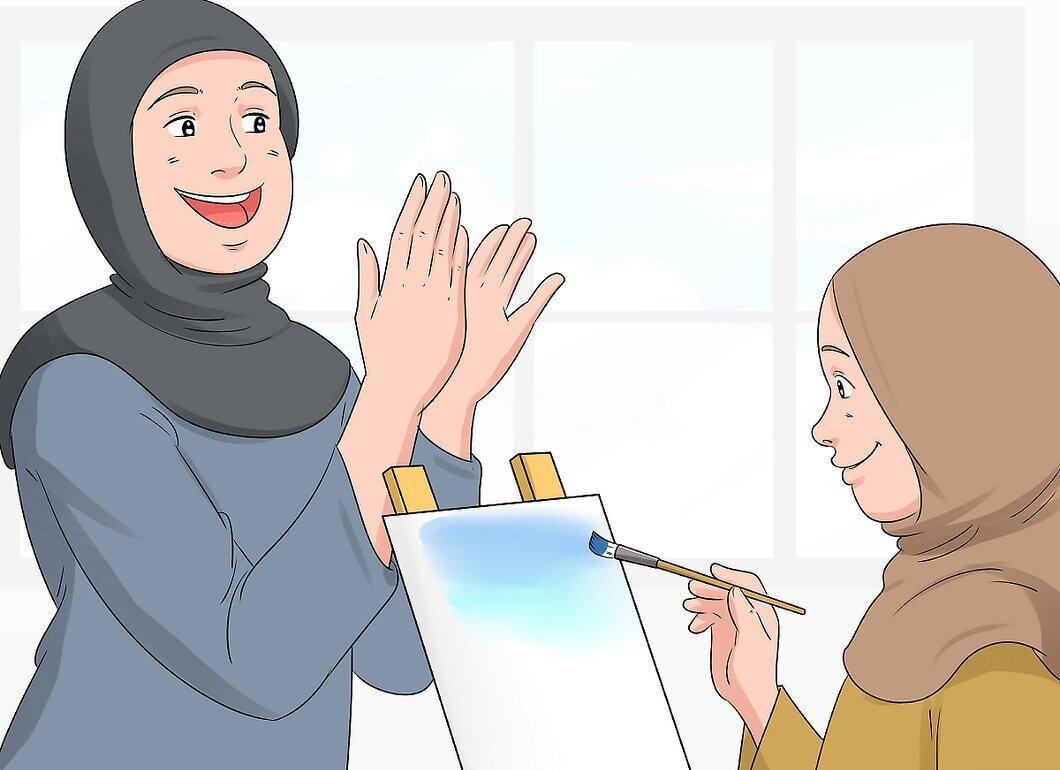
Show support. A mom is one of the most important people in a child's life, so take the opportunity to show your child their significance. Encourage your children's interests and opinions, even if they differ from your own views.
- If a teenager wants to join a band, speak positively about the group's music.
- If a school-aged child is fascinated by space, buy them books or organize a trip to the planetarium.
- Interests may change quickly, but the child will always remember your support and freedom to explore different aspects of life without judgment and criticism.
- If a child is behaving well or you are proud of their achievements, tell them. This will help reinforce good behavior.
Step 8. Embrace Each Child's Individuality.
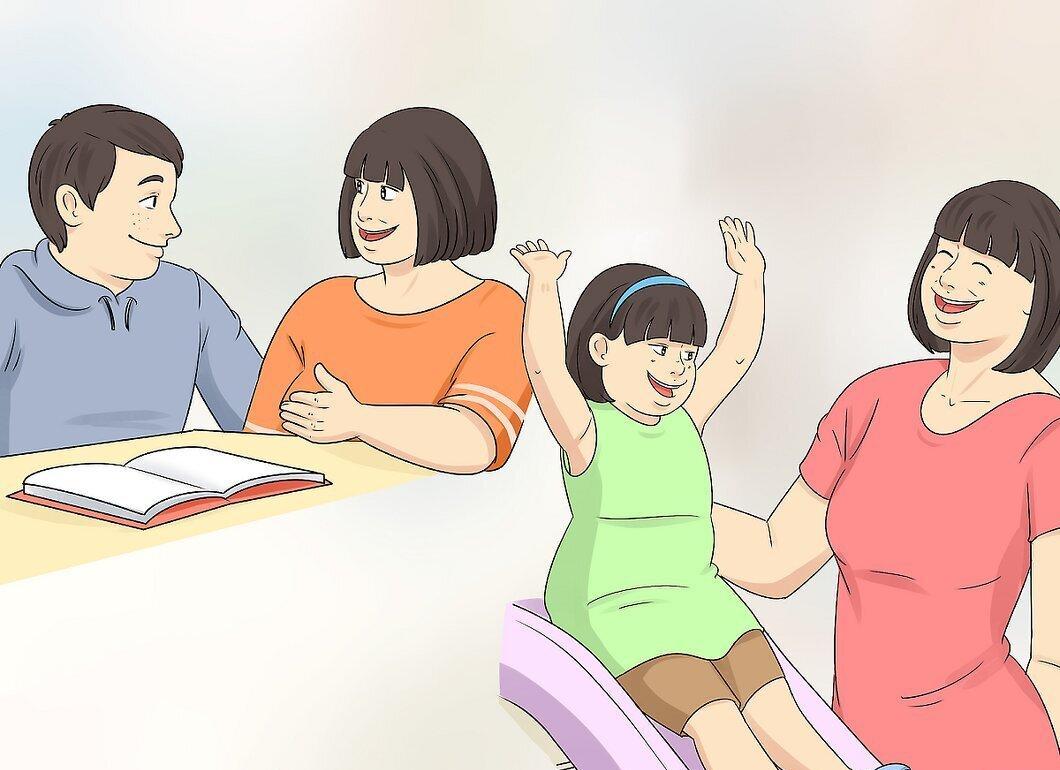
Embrace each child's individuality. Strive to spend roughly equal amounts of time with each child, praise all the children, and instill discipline. Also, foster relationships between siblings – do not compare children to each other.
- A good mother has no favorites, as favoritism can breed resentment and lower self-esteem and performance in other children. Additionally, parental favoritism sets siblings against each other.
Step 9. Create a Parenting Plan Together with Your Partner.
Create a parenting plan together with your partner. Consistency is a crucial trait for a great mom, so it's important to ensure that the children's father or your partner also follows the plan. Discuss the rules and consequences together, and remember to strictly adhere to the established rules as a team.
- Also, regularly discuss the current situation to identify issues before they impact the children.
- For example, if one parent disagrees with punishments, they may not follow that plan. Act in unison to avoid confusing the children with different behaviors.
How to Be a Role Model
Step 1. Follow Your Own Rules.
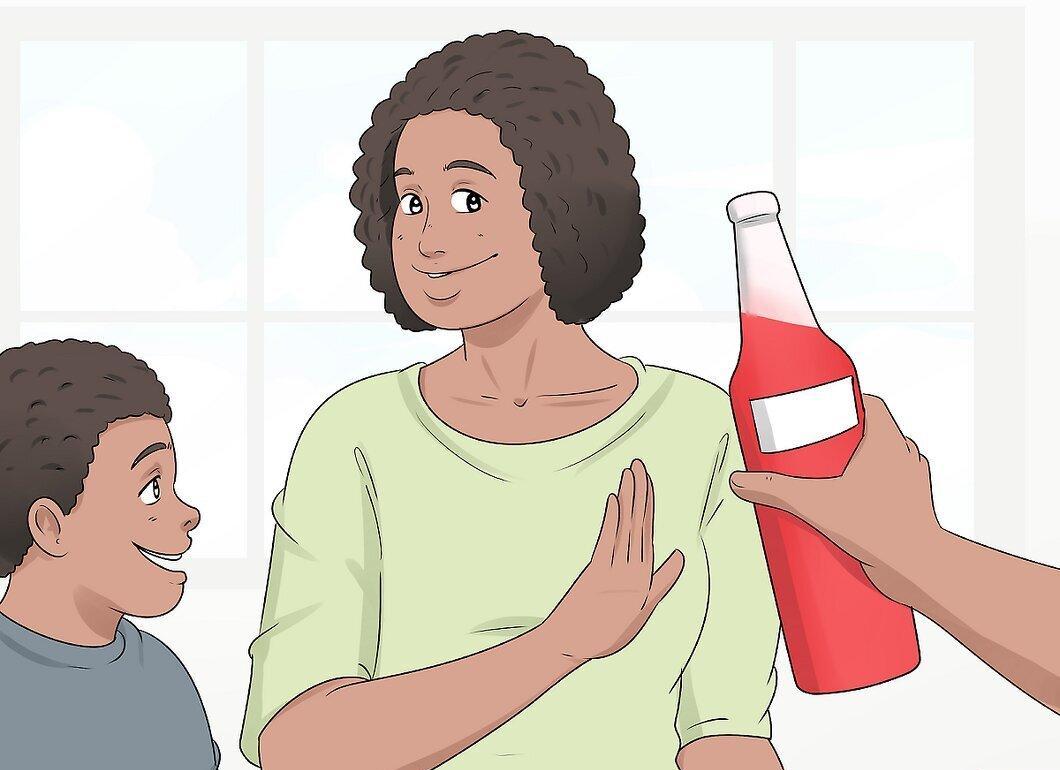
Follow your own rules. A good mom always behaves consistently and serves as a role model for her children. Children mimic their parents, so there’s no need to set rules and standards for children that you won’t follow yourself.
- For example, if lying is banned in the family, try to never tell a lie in the presence of your children. This way, they will trust you and admire your behavior.
- Also model hard work, healthy eating, and a healthy lifestyle.
Step 2. Set an Example of Good Relationships.
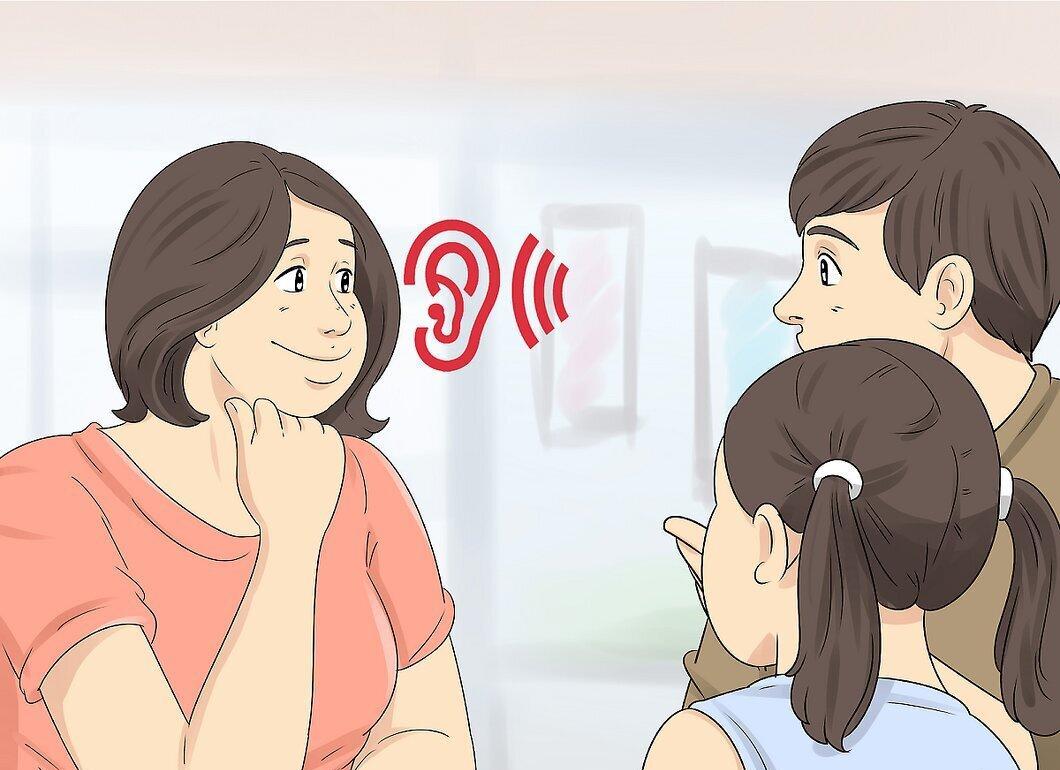
Set an example of good relationships. Through your relationships with your husband or partner, family members, friends, and others, show children how to treat people. Demonstrate what it means to be a good friend and partner, teaching children to listen actively, compromise, and share.
- Use minor disagreements with your partner as teaching moments to demonstrate to the child how to find resolution in conflict situations.
Step 3. Be a Good Citizen of Your Country and the World.
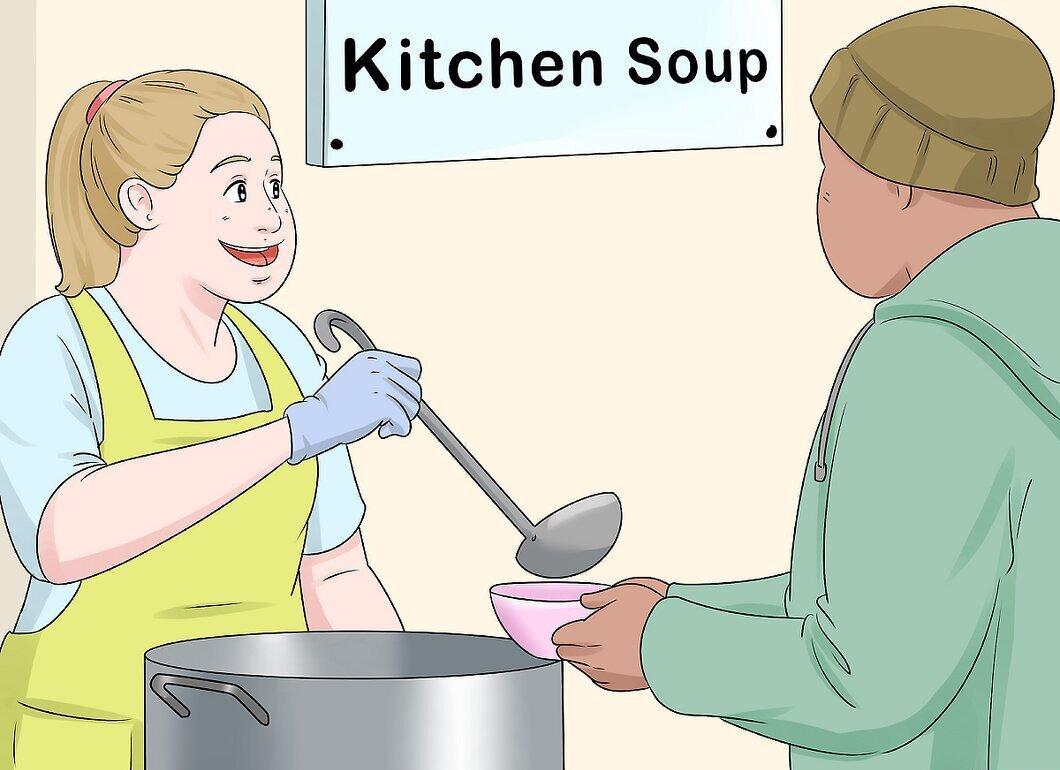
Be a good citizen of your country and the world. The responsibilities of a role model extend beyond basic relationships with people. If you want to be a good mom to your child, be a good person. Help neighbors, volunteer in local organizations, and support the less fortunate.
- Create a family community project like volunteering at a soup kitchen for the homeless.
- Show empathy and compassion for others so that your children grow up to be valuable members of society.
Step 4. Acknowledge Mistakes and Apologize.
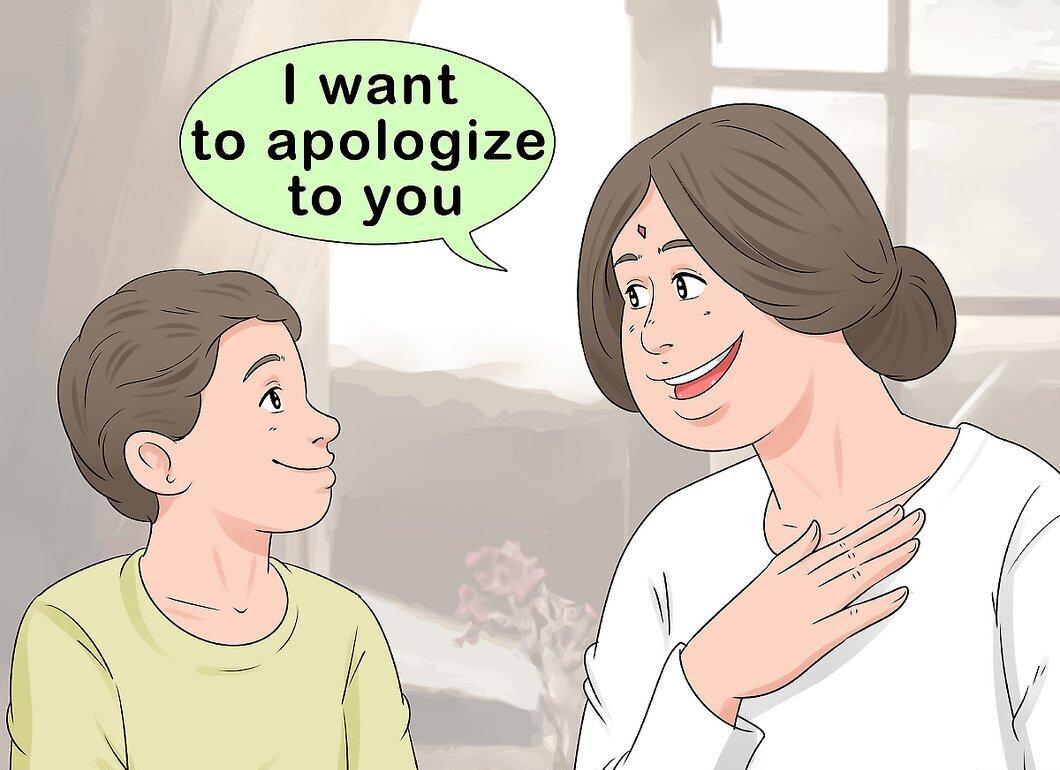
Acknowledge mistakes and apologize. Be a brave mom who understands her imperfections and admits her faults. This will teach children not to be ashamed of their mistakes and to recognize wrongdoings and correct situations.
- For example, if you accidentally compared one child to another sibling, admit your wrongness by saying, “Zhenya, I want to apologize to you. Yesterday I compared you to your brother, and that should not have happened. You are both unique individuals. Can you forgive me?”.
How to Take Care of Yourself
Step 1. Find Time for Yourself and Don’t Feel Guilty About It.

Find time for yourself and don’t feel guilty about it. There’s no need to feel guilty for wanting to rest and dedicate some time to yourself. This will show children how important it is to combat stress and take care of oneself. Additionally, this will allow you to relax, and children will learn independence.
- Your fatigue and depression affect your children, so find time for daily self-care. You can take a long bath and read a book or enjoy a quiet morning coffee before the kids wake up. Remember, you need to take care of yourself!
- Don’t hesitate to tell your children that you need to attend to your own matters. Explain that you need to meet your own needs, and ask how your children take care of themselves. Help your children develop healthy habits.
Step 2. Build a Positive Support Network with Other Moms.

Build a positive support network with other moms. Social support is a critical aspect of women's health and well-being. Make sure to find time to connect with friends and family, as well as other moms who can offer advice and support.
- Join a local moms' group, connect with the mothers of your children's classmates, or interact with others at church or the playground.
- It’s also important to interact with others as a woman, not just as a mom! Meet up with your friends, go on dates, and maintain warm family relationships.
Step 3. Pay Attention to Your Health and Well-Being.
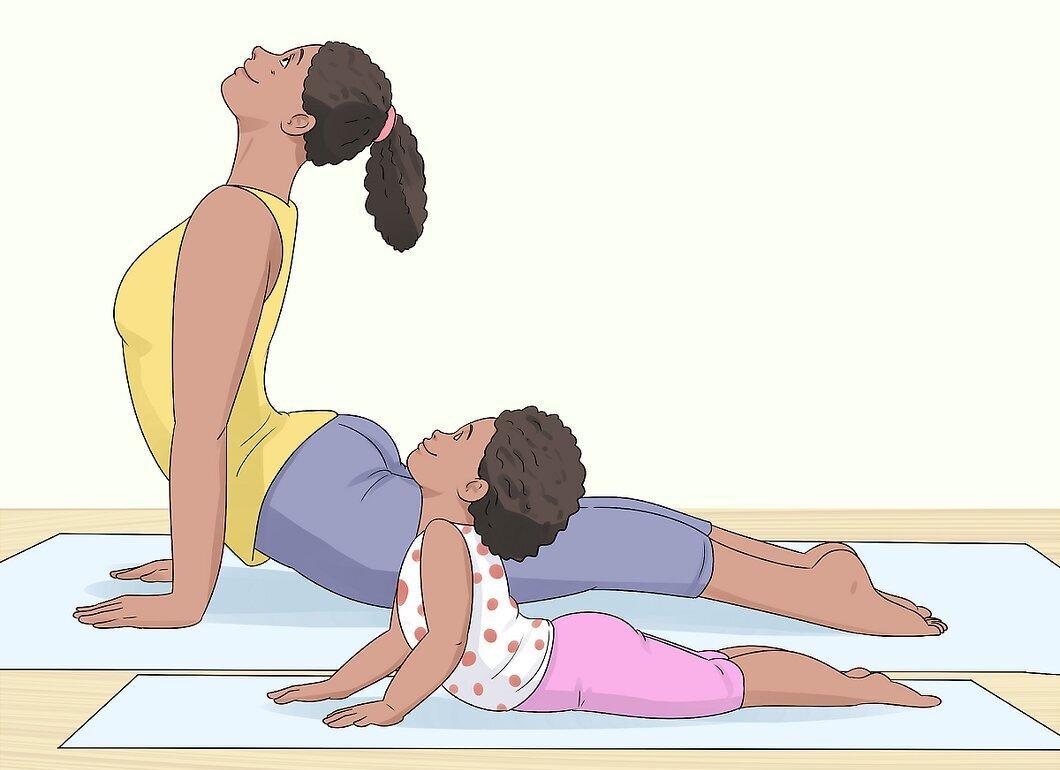
Pay attention to your health and well-being. Taking care of your health helps you spend less time being sick, maintain a good mood, and live longer for the sake of your children's well-being. Focus on the health of each family member through proper nutrition, physical activity, and rest. Motivate your children to follow your example.
- If you have young children, find a gym or recreation center with a kids' room.
- You can also bike as a family, engage in sports together, and do activities that promote good physical fitness, such as trampoline jumping.
Step 4. Let Go of Unrealistic Expectations.

Let go of unrealistic expectations. Notice the pressure that others (or you yourself) may be placing on you, and learn to calmly accept challenges and recognize your own limits. Don’t try to be a superhero; just be a good person.
- If you find yourself falling victim to unrealistic expectations and start criticizing yourself, stop, take a few deep breaths, and repeat: “I am not perfect. I am just human and doing my best.”
- If you are deeply disappointed due to expectations, then analyze the information you are absorbing. You may need to distance yourself from people who are prone to criticism or spend less time on social media and reading fashionable magazines.
- You can also examine your social circle – often in social groups, there are instances of moms criticizing one another. If you notice that other moms frequently criticize and judge others, it's best to distance yourself from such individuals.
Step 5. Share Responsibilities with Your Partner.
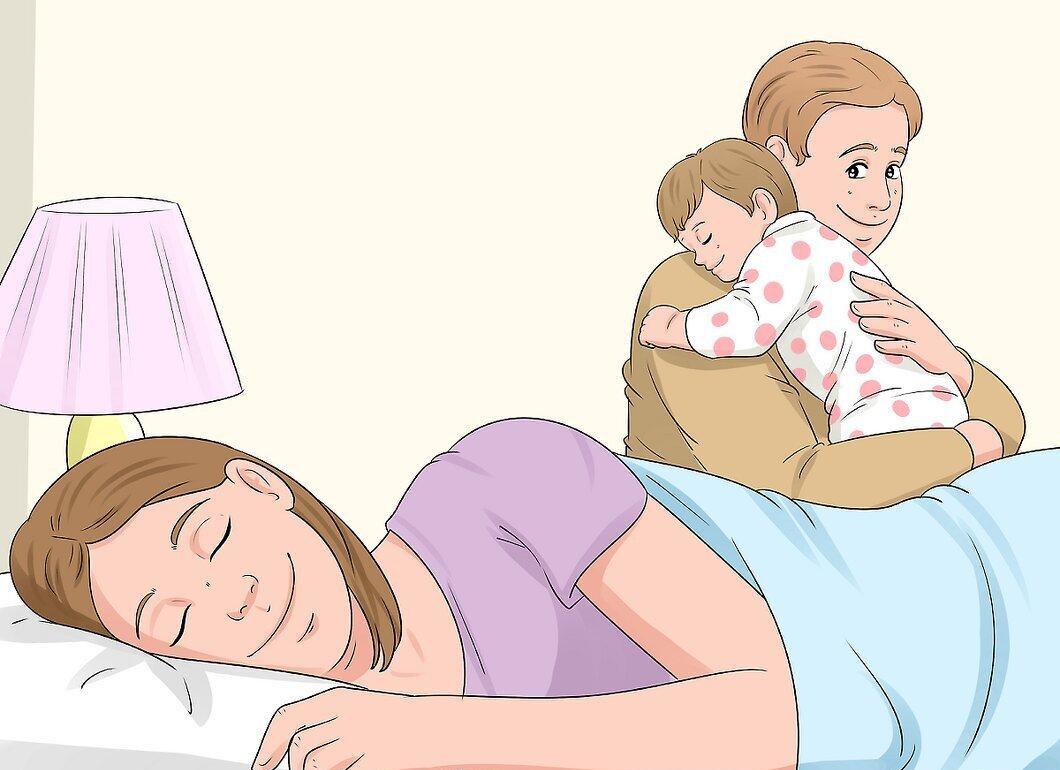
Share responsibilities with your partner. A good mom doesn’t try to do everything herself. If there is a husband or partner in the family, ask them to take on some responsibilities. If you feel overwhelmed, request that they take on part of your tasks so you can take a break. Give your husband specific assignments to avoid falling apart.
- For example, you might say, “Honey, I haven’t slept well for several nights. Could you put the kids to bed tonight so I can go to bed early?”