
Being a waitress can be quite demanding, even if you are an experienced worker. Read this article to discover how to become an excellent waitress. Your customers' smiles, employer satisfaction, and tips will all increase if you work on improving your customer service skills.
Efficient Work
Step 1. Always look presentable.
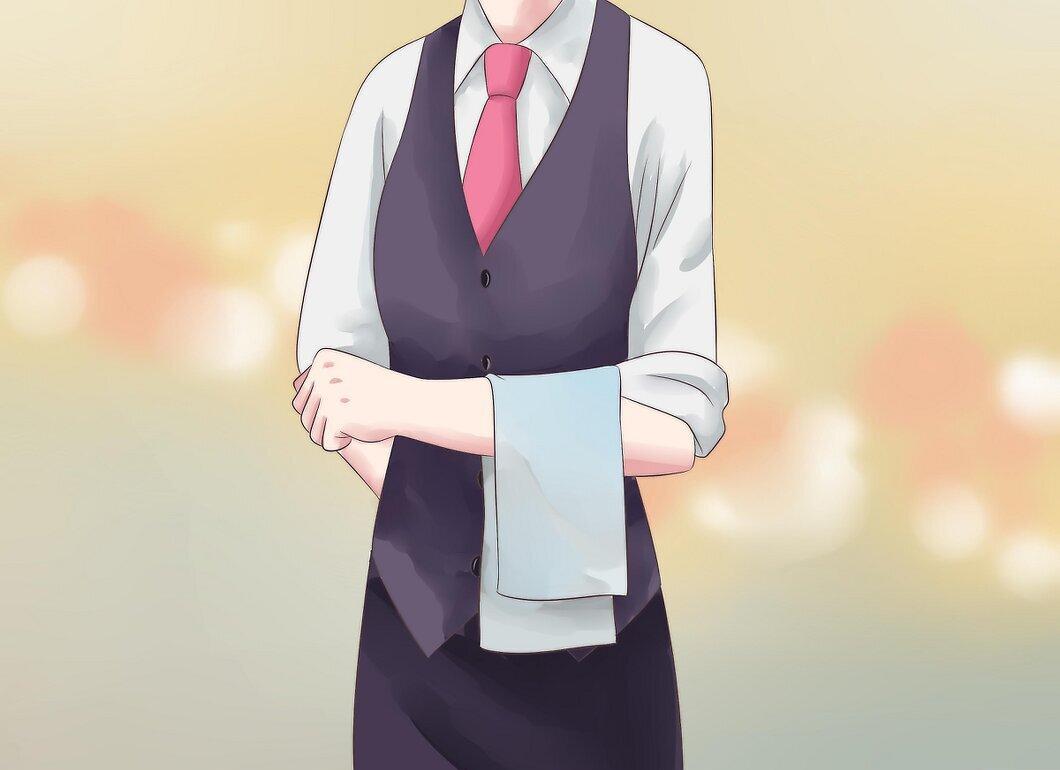
Always look presentable. If you wear a uniform, keep it in excellent condition (clean and ironed). If there is no uniform, opt for slightly formal attire. This will create a good impression on customers (and your boss will be happy too). Check your appearance periodically to ensure you don't look disheveled or have spilled anything on yourself.
- Your nails should be clean and neatly trimmed.
- Wear well-kept shoes (avoid sneakers and sandals).
- Refrain from using strong perfumes, as some customers may be allergic to your fragrance. Also, try not to smoke before your shift or during breaks, as this may leave an unpleasant odor.
- Jewelry should not be overly flashy.
Step 2. Learn the menu to save time when taking orders.
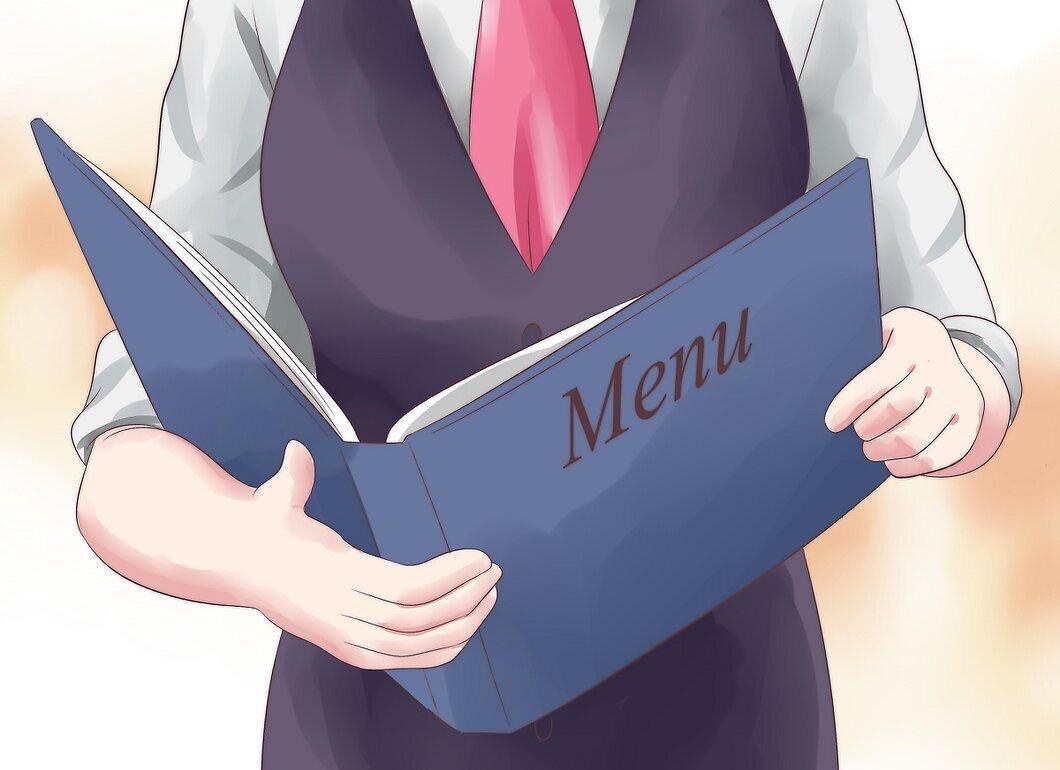
Learn the menu to save time when taking orders. Familiarize yourself with the menu during your free time to avoid mistakes and delays.
- Know the variations of each dish. For example, if a customer orders a sandwich, you should know what types of bread you can offer and what toppings are available.
- Be aware of which dishes contain meat, dairy, and common allergens like peanuts. Be prepared to suggest similar dishes that do not contain ingredients the customer dislikes.
- Review the day's specials before your shift starts.
Step 3. Politely ask customers if they would like to order anything else.
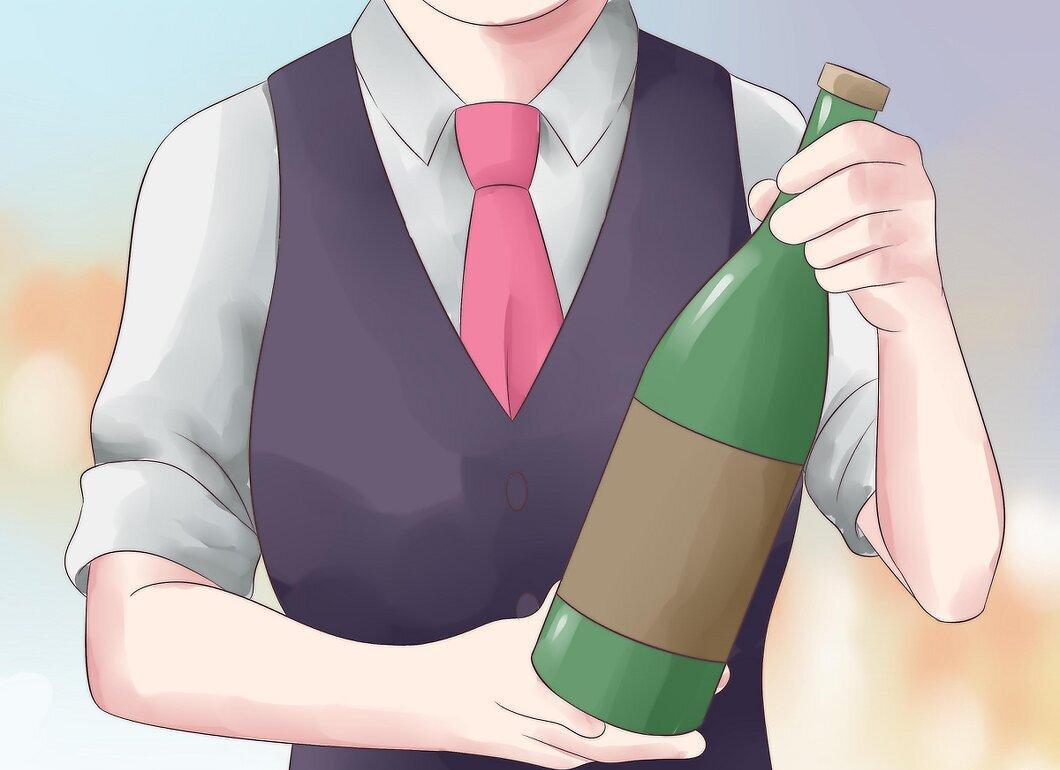
Politely ask customers if they would like to order anything else. Your management will appreciate this, and your tips will grow.
- Familiarize yourself with high-quality and expensive alcoholic beverages to offer them to your customers.
- Always suggest appetizers.
- Do not be pushy or misleading.
Step 4. It will be easier to work if you multitask on your way to and from the kitchen.
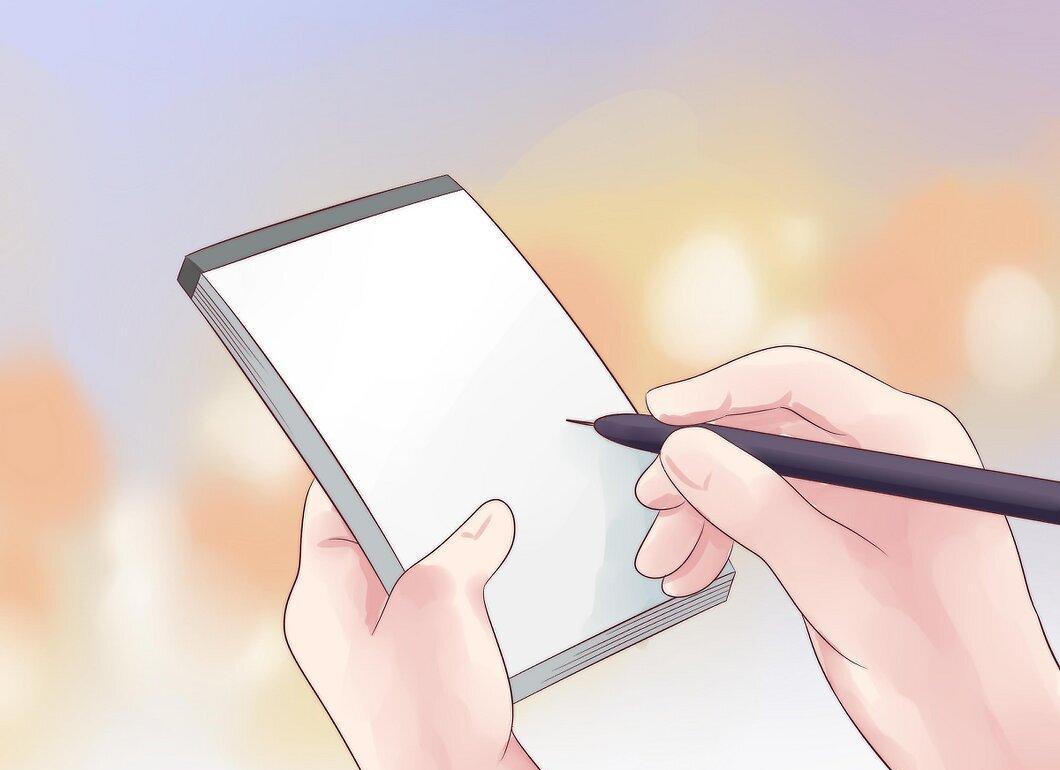
It will be easier to work if you multitask on your way to and from the kitchen. Collect empty dishes from tables as you head to the kitchen. On your return, grab additional orders for all tables at once, rather than carrying them one by one.
- If you are an inexperienced waitress and cannot remember the order, write it down right in front of the customer (and make notes for yourself about what needs to be done in the next 5-10 minutes if necessary).
Step 5. Learn to manage your time wisely.
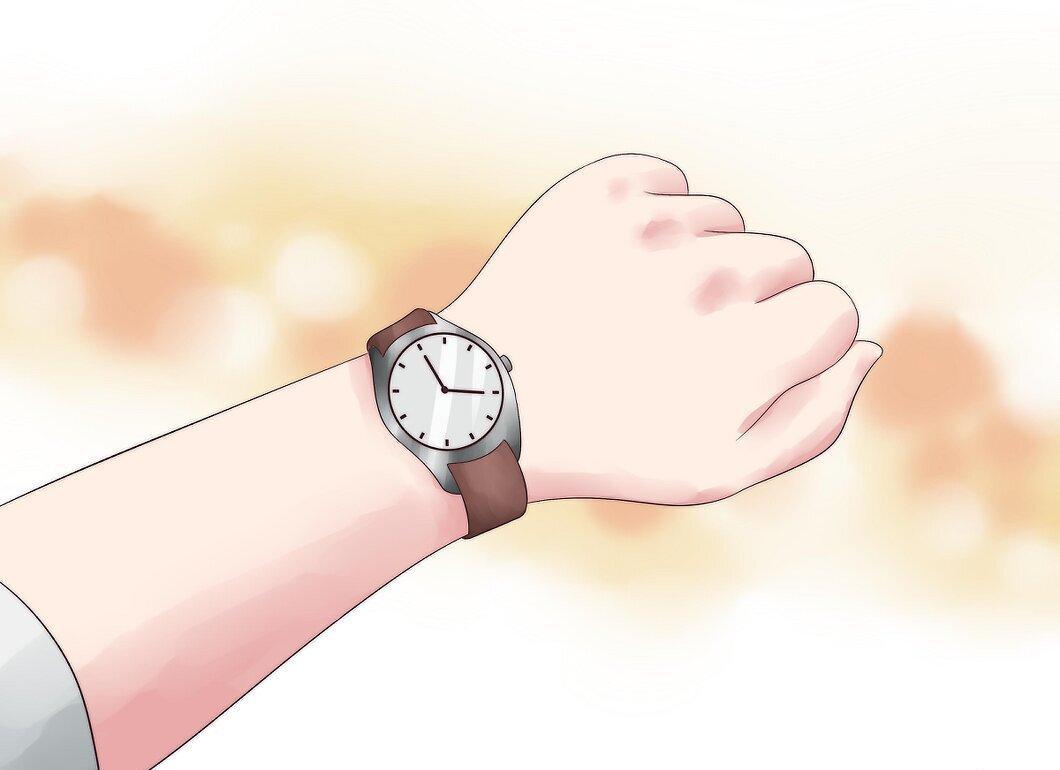
Learn to manage your time wisely. Keep track of how much time has passed since the order was taken, and learn how long it takes to prepare each dish. Approach each table after customers have finished eating their ordered dishes. Move quickly (but don’t run) and try to maintain a steady pace.
- Inform customers about how long they will have to wait for their orders. For example, if someone orders a steak, tell them how long it will take to prepare it. Or, if the soup is finished and the chef needs to make a new batch, let the customer know and be sure to suggest an alternative dish.
Step 6. Check the dish before serving it to the customer, especially in cases of special requests.
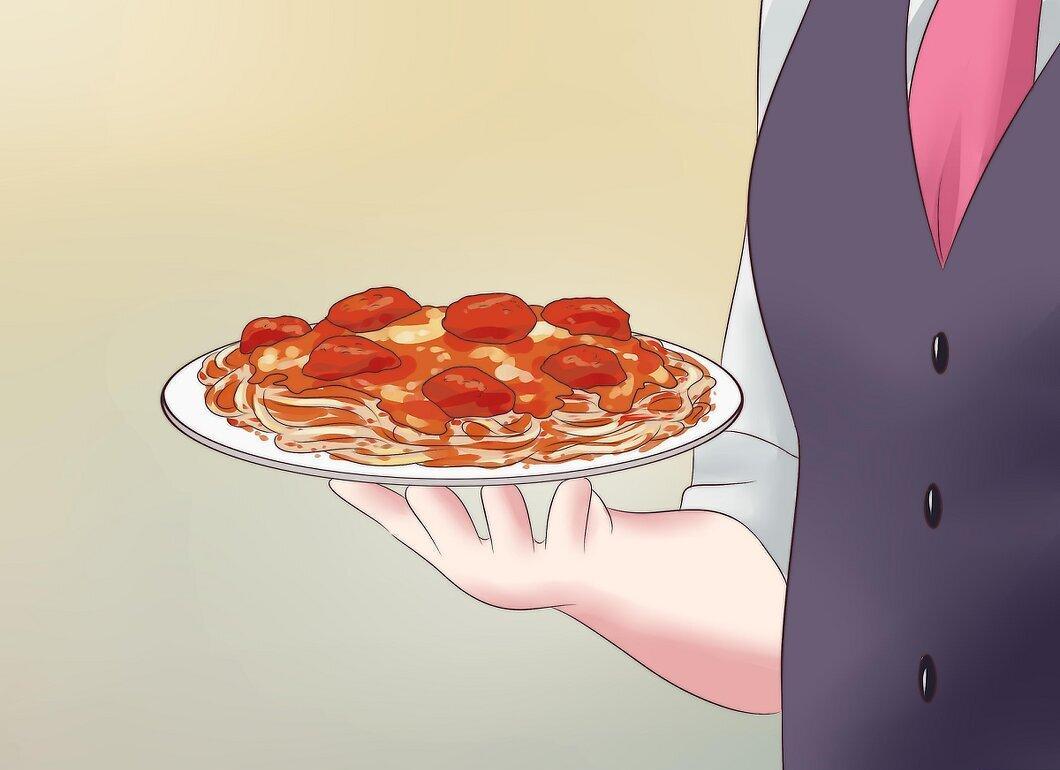
Check the dish before serving it to the customer, especially in cases of special requests. If the dish is not as the customer ordered, you can avoid unnecessary stress.
- If a dish is mixed up, inform both the kitchen and the customer. Apologize for the delay and, if applicable in your establishment, offer the customer something on the house.
Step 7. Remember the preferences of most customers.
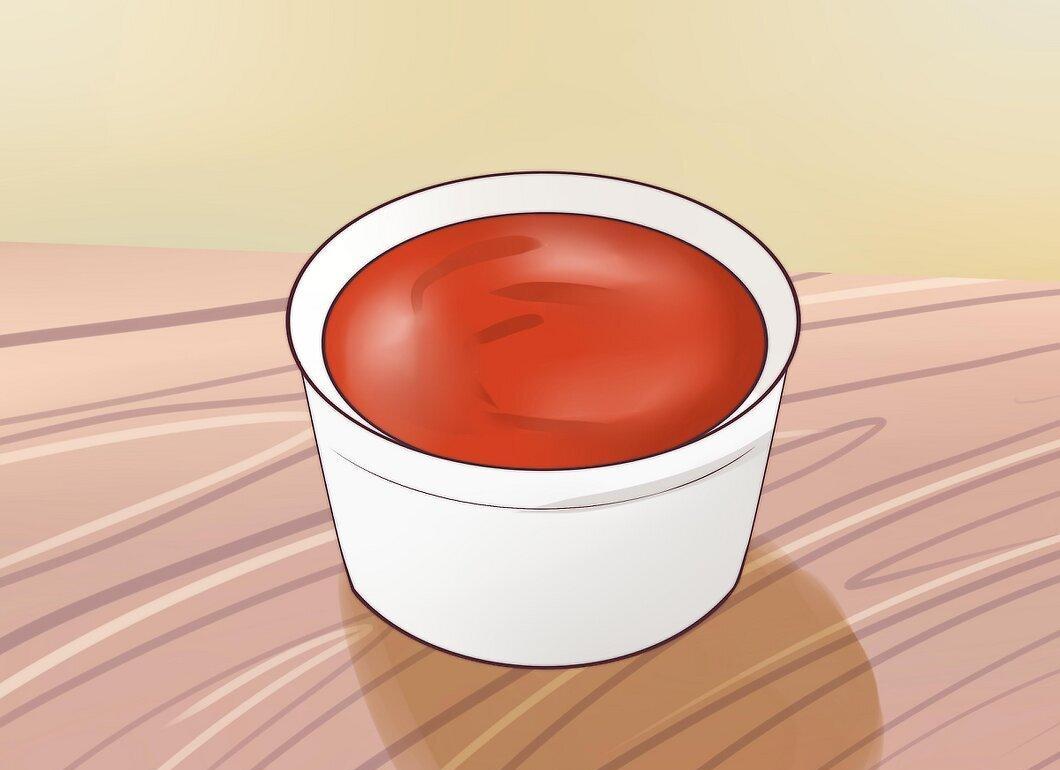
Remember the preferences of most customers. For example, burgers are always served with ketchup, and children often drop their utensils. Learn the requests of specific customer categories and fulfill them in advance. This will save time for both you and your customers, positively impacting your tips.
- Extra utensils, condiment packets, and napkins can be kept in your apron pocket.
Step 8. Don’t let poor tips ruin your mood.
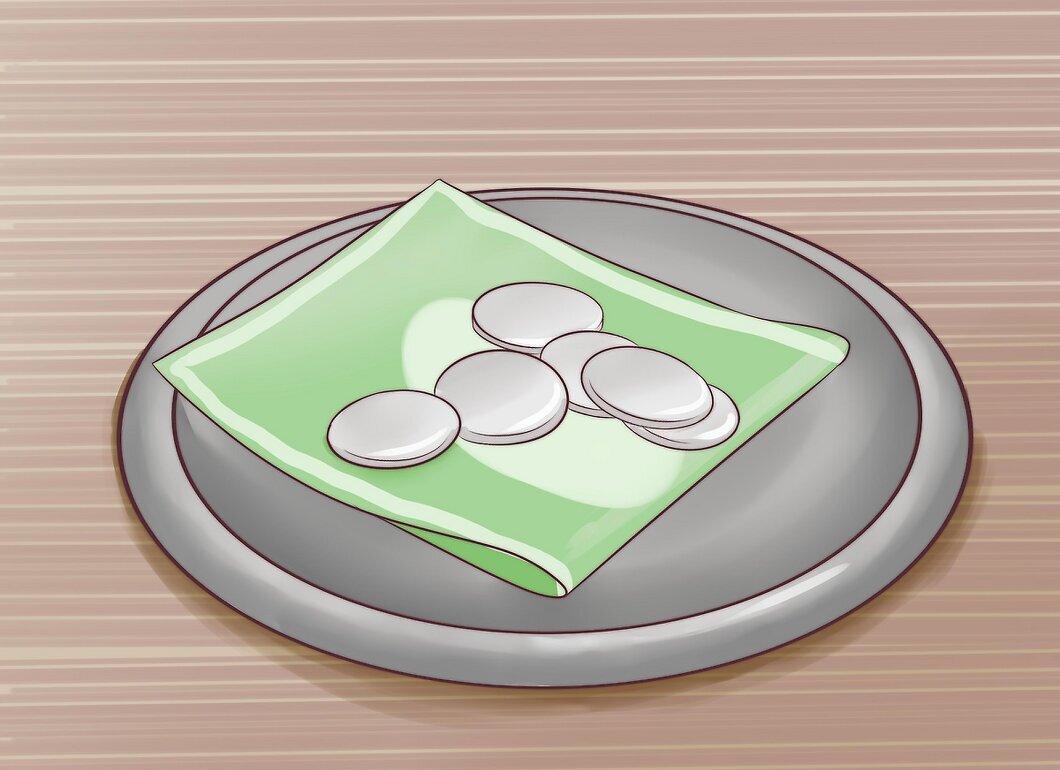
Don’t let poor tips ruin your mood. Never complain about low tips when you have provided good service to customers. You could get fired or develop bad relationships with the rest of the service staff.
- Some people never tip well regardless of service quality, while others simply cannot afford to tip generously.
Step 9. Stay busy.
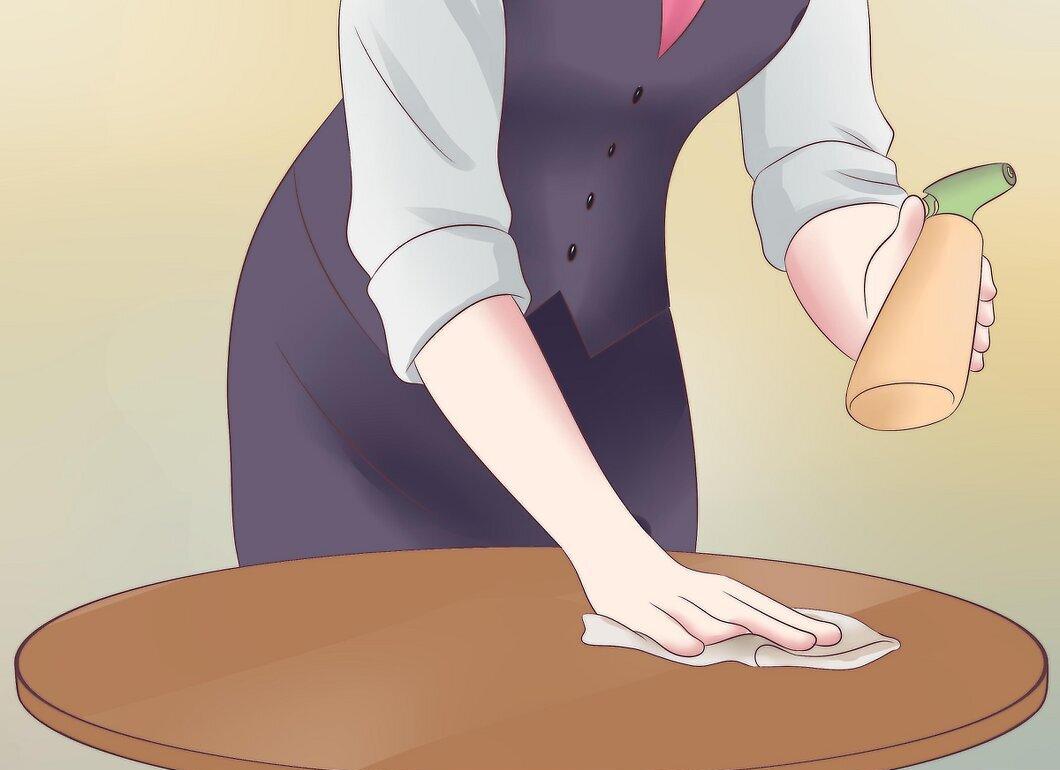
Stay busy. If you don’t have customers, do something else (there's always work to be done in a restaurant). Show your employer that you are proactive and hardworking.
- If your customers don’t need attention, look at other tables. Some may need something (while trying not to disrupt the service of other staff).
Actions in Specific Situations
Step 1. Pay attention to parents when children are ordering.
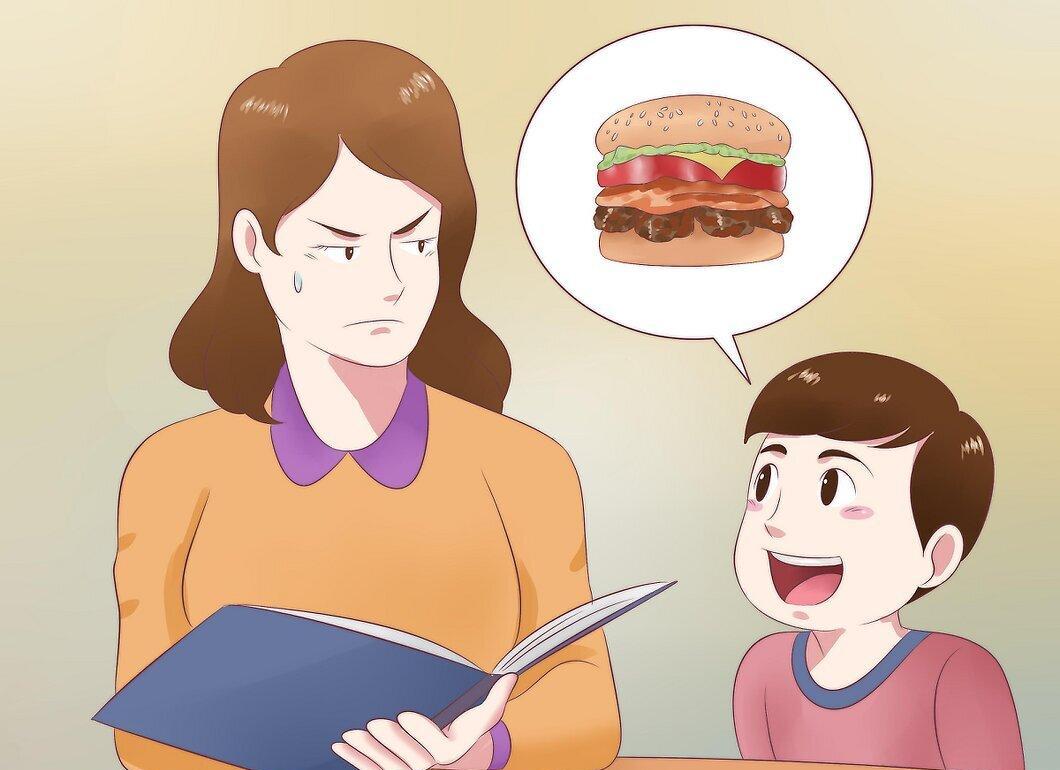
Pay attention to parents when children are ordering. A child may order unhealthy food that their parents do not approve of. Give parents the chance to object before you repeat the order.
- If the parents are not paying attention, repeat the order loudly and clearly to give them another chance to change it.
- If parents object, say to the child, “I’m sorry, but I can’t bring that. May I help you with something else?”
- If you personally do not approve of the child's choice, say nothing. The decision should be made by the child's parents (unless it’s against the law, such as ordering alcohol).
Step 2. Do not place dangerous items near children, such as hot dishes, sharp utensils, and other hazardous items.
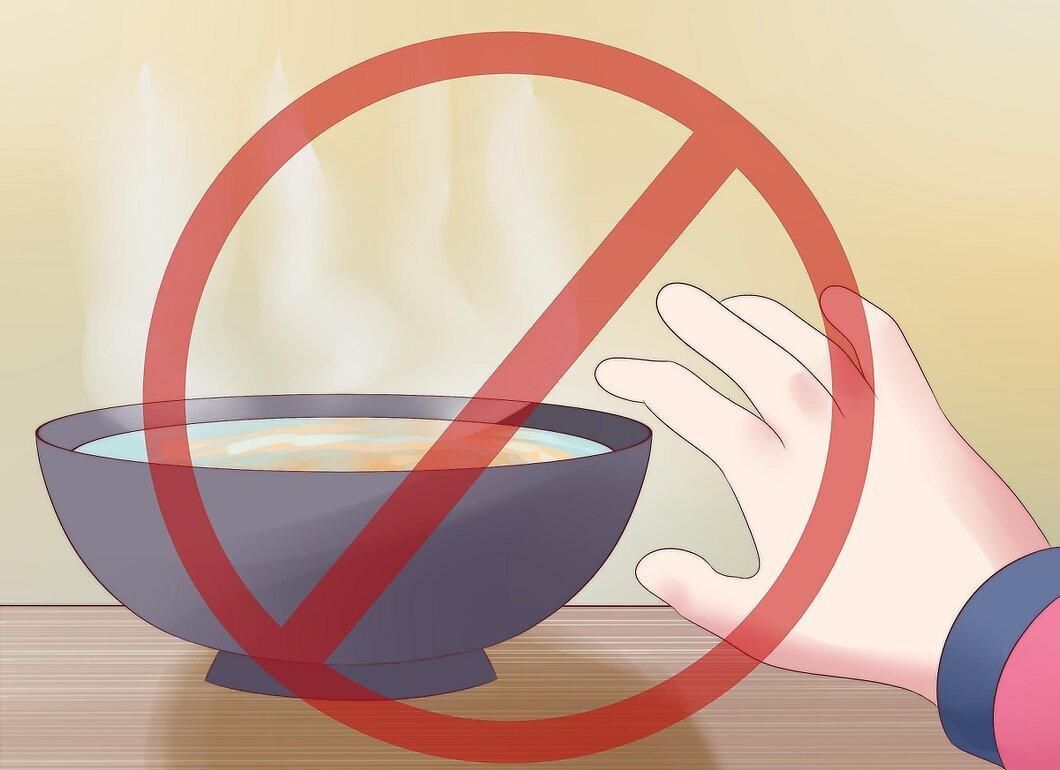
Do not place dangerous items near children, such as hot dishes, sharp utensils, and other hazardous items. Instead, place the items near the parents and draw their attention by saying, "Please."
Step 3. Serve parents with children as quickly as possible.
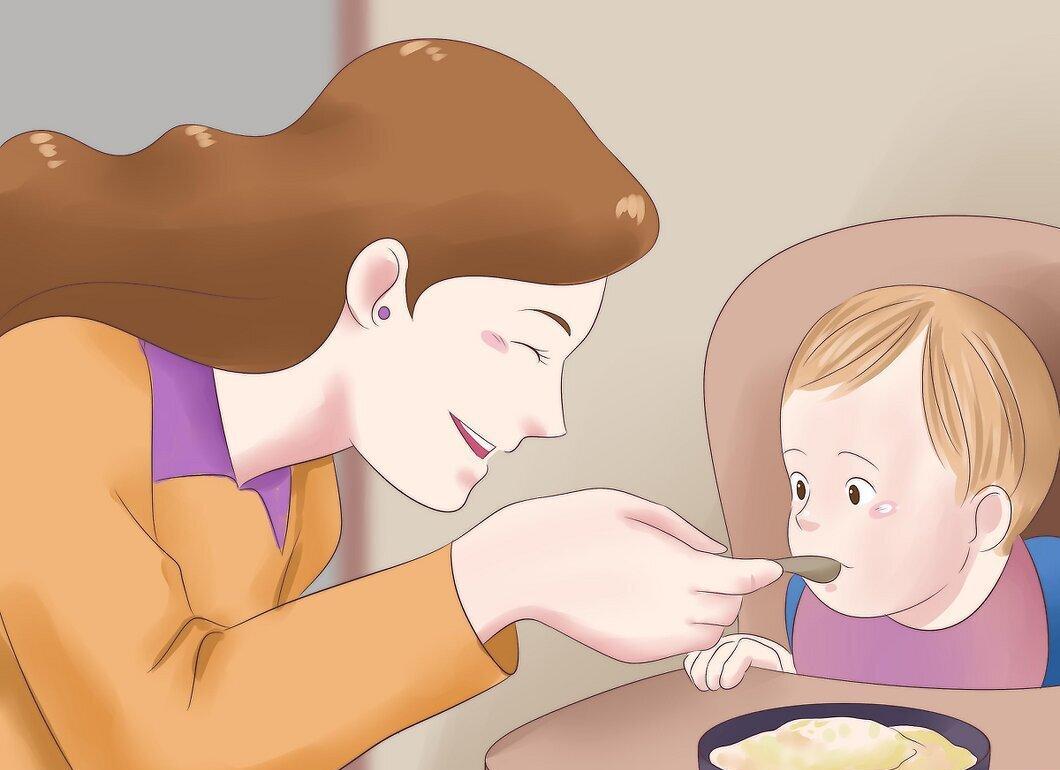
Serve parents with children as quickly as possible. Infants and small children can be very restless, so if the order takes too long, it can affect all the restaurant’s guests. Approach tables with children more frequently and serve these tables in a multitasking manner (to speed up the process).
- Try to bring food and drinks at the same time.
- If parents order a dish that takes a long time to prepare, suggest an alternative dish that will take much less time.
- This is one rare situation where you should bring the check when you come to collect empty plates. But ask for permission to take the plate if there is food left.
- Do not make parents think you want to hurry them out. They will appreciate you for good and quick service, but do not overdo it with pushy service.
Step 4. Do not get involved in disputes about who will pay.
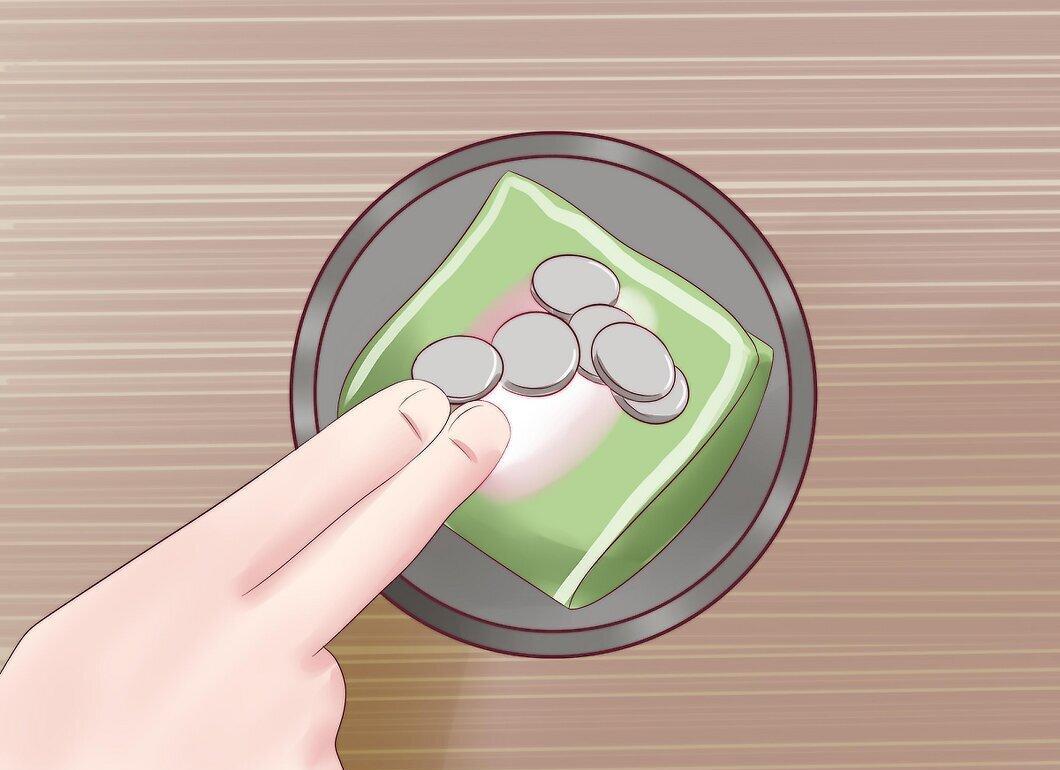
Do not get involved in disputes about who will pay. In this case, place the check in the center of the table, rather than near any one customer. If customers ask you to resolve their dispute, smile and tell them you’ll return shortly.
Step 5. Learn how to serve tea and coffee correctly, as some customers take these beverages very seriously.
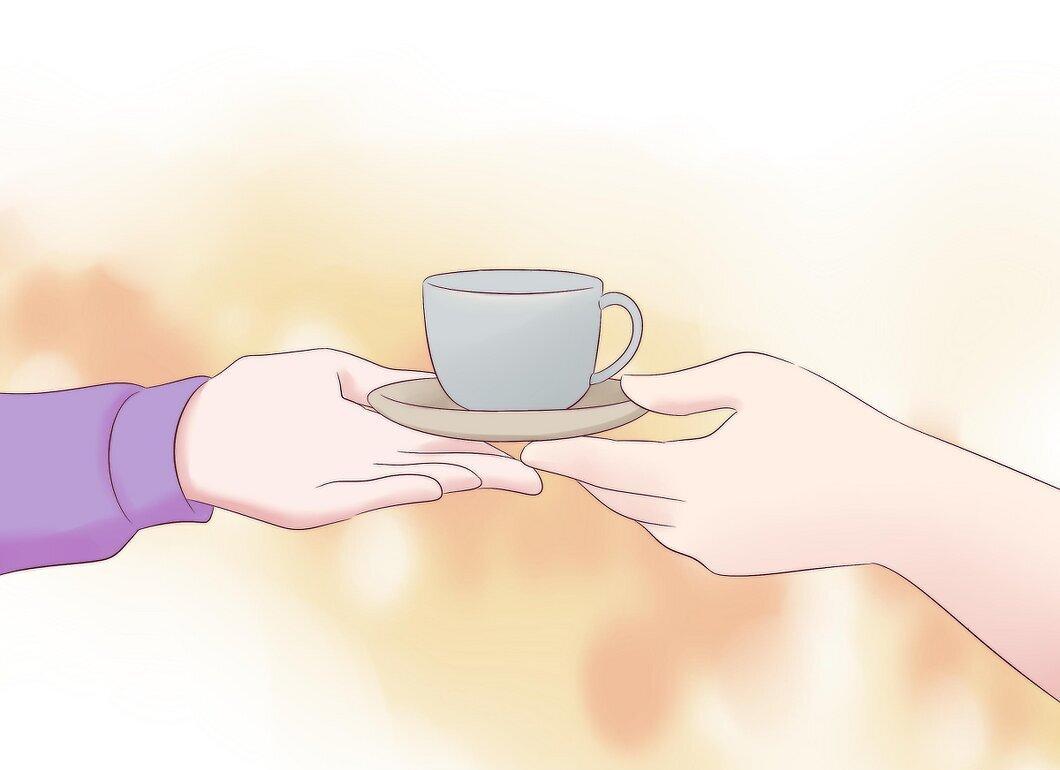
Learn how to serve tea and coffee correctly, as some customers take these beverages very seriously. Do not ignore this advice when serving regular customers whose preferences you know.
- Tea lovers are particularly concerned about the brewing process. Make sure you correctly note the type of tea ordered, and also bring milk, lemon, and sugar (just in case).
- Do not add anything to tea or coffee without asking the customer.
- Do not place a spoon in tea or coffee. It lowers the temperature of the drink, and some customers prefer very hot beverages.
Step 6. Ask if customers would like you to bring water when they order alcoholic drinks (this is more relevant in a restaurant than in a bar).

Ask if customers would like you to bring water when they order alcoholic drinks (this is more relevant in a restaurant than in a bar). Many people like to dilute their alcoholic drinks with water to lessen the negative effects of drinking.
- In many countries, it is not customary to dilute alcoholic drinks with water.
Step 7. Never place an object on the table that you picked up off the floor.
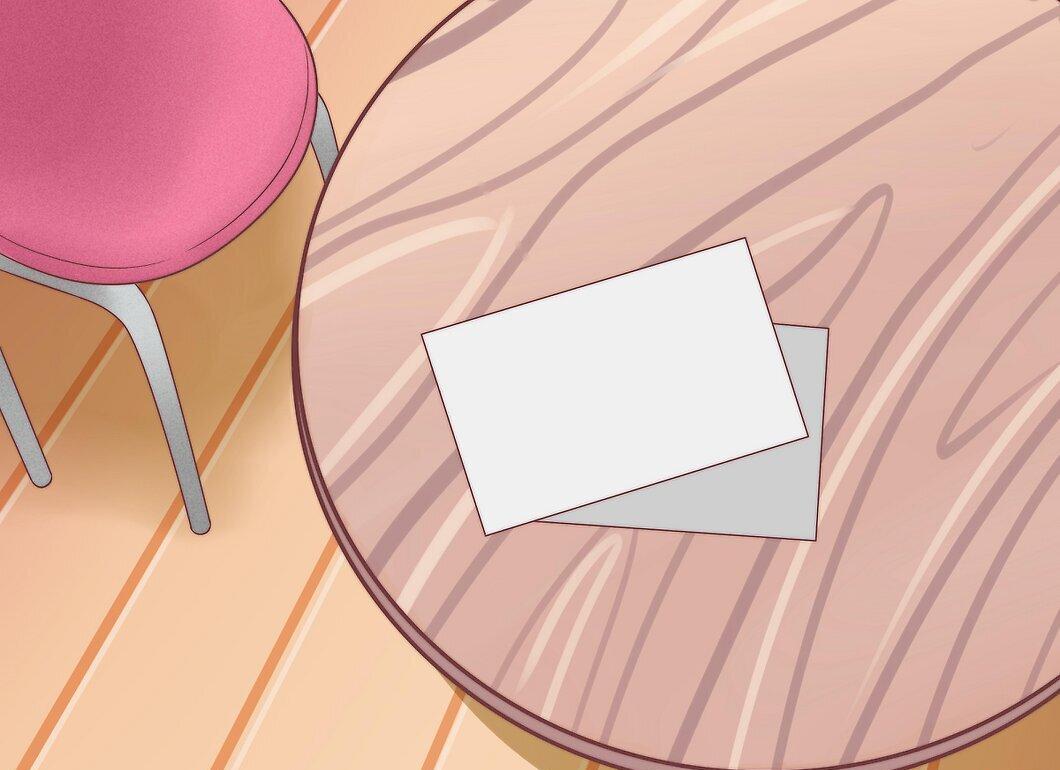
Never place an object on the table that you picked up off the floor. Even if it’s just a menu or a salt shaker, you should replace it. Your customers do not want germs from the floor.
Step 8. Practice performing specific tasks, such as opening a bottle of wine, to learn how to do them faster and more skillfully.
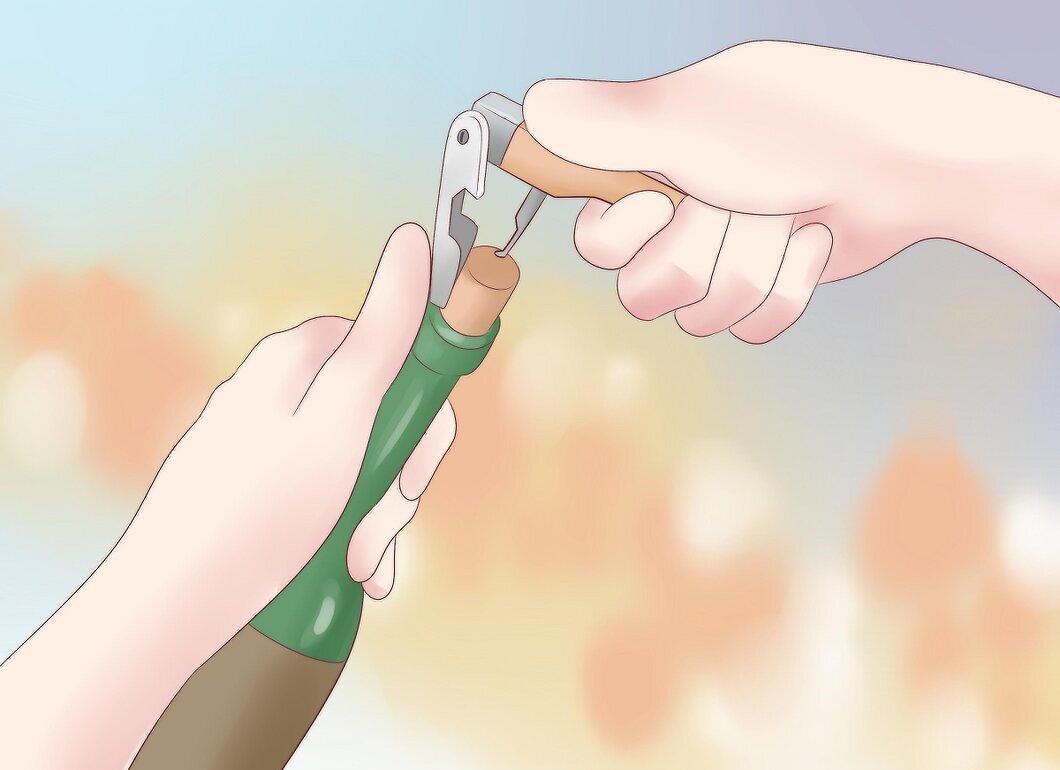
- In most cases, waiters open wine bottles right in front of the customer. By practicing this task, you will be able to open bottles quickly and naturally.
Step 9. If you are responsible for music selection, adjust the volume to an acceptable level and choose appropriate tunes.
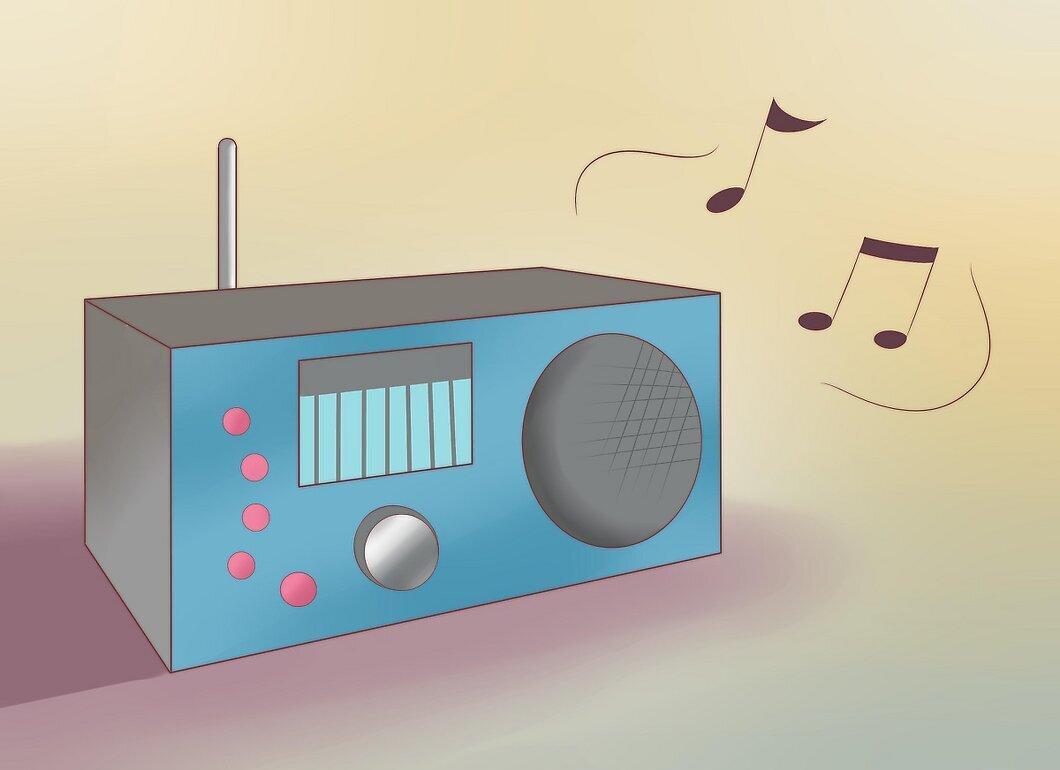
If you are responsible for music selection, adjust the volume to an acceptable level and choose suitable melodies. Never play one album entirely; mix different tunes to cater to the tastes of all customers.
- In the morning or after lunch in a café or restaurant, it’s best to play calm and unobtrusive music (like classical).
- In the evening, customers like to listen to more upbeat music, but this largely depends on the overall ambiance of the establishment. In most cases, customers do not want very loud music because they want to talk to each other. In any case, waiters are rarely responsible for music selection during peak hours.
Quality of Service
Step 1. After customers are seated, look at them and introduce yourself.

After customers are seated, look at them and introduce yourself. Such a start usually leads to bigger tips and allows customers to address you politely in the future.
- You can also introduce yourself while distributing menus and checking for utensils and napkins at each table.
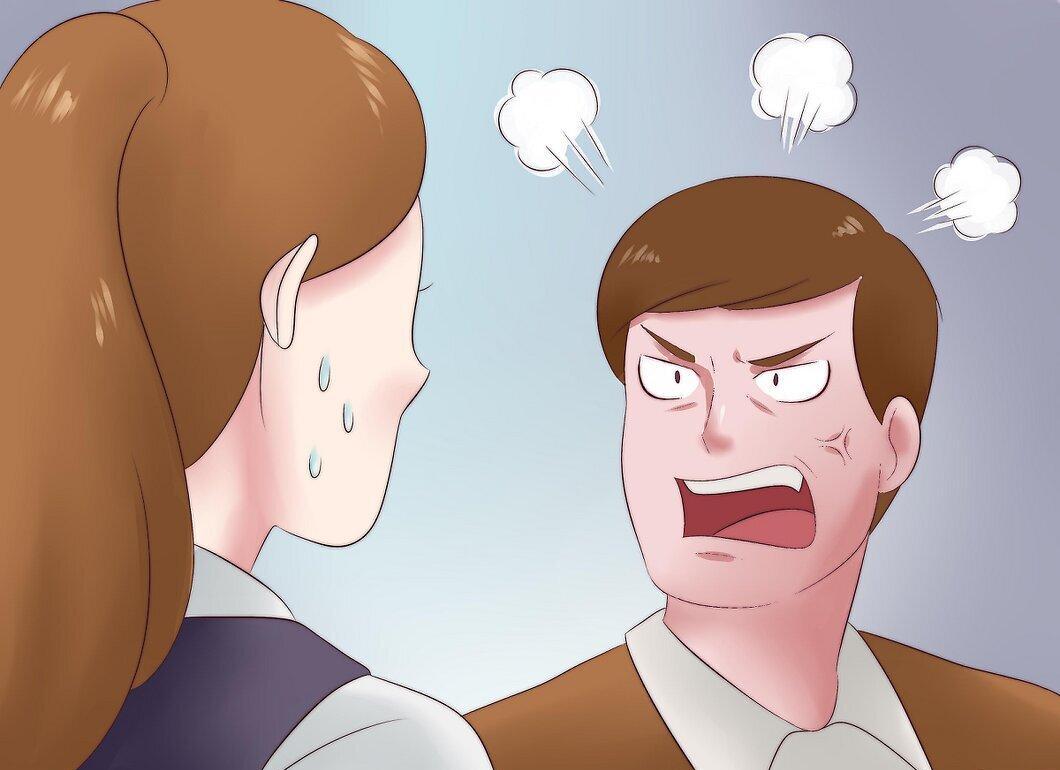
Step 2. Be polite and friendly even with the worst customers to make them feel as comfortable as possible.
- Ask customers if this is their first time at your restaurant. If they say yes, offer your assistance in choosing dishes.
- Be friendly but do not intrude on conversations between customers. Do your job and step back to give customers a chance to enjoy their food or talk privately.
- Don’t forget to smile. No matter how annoying customers or colleagues may be, wear a smile and do your job.
- Never gossip about customers, even if they can’t hear you. When discussing customers, do so politely and respectfully.
Step 3. Respect the customer's personal space.
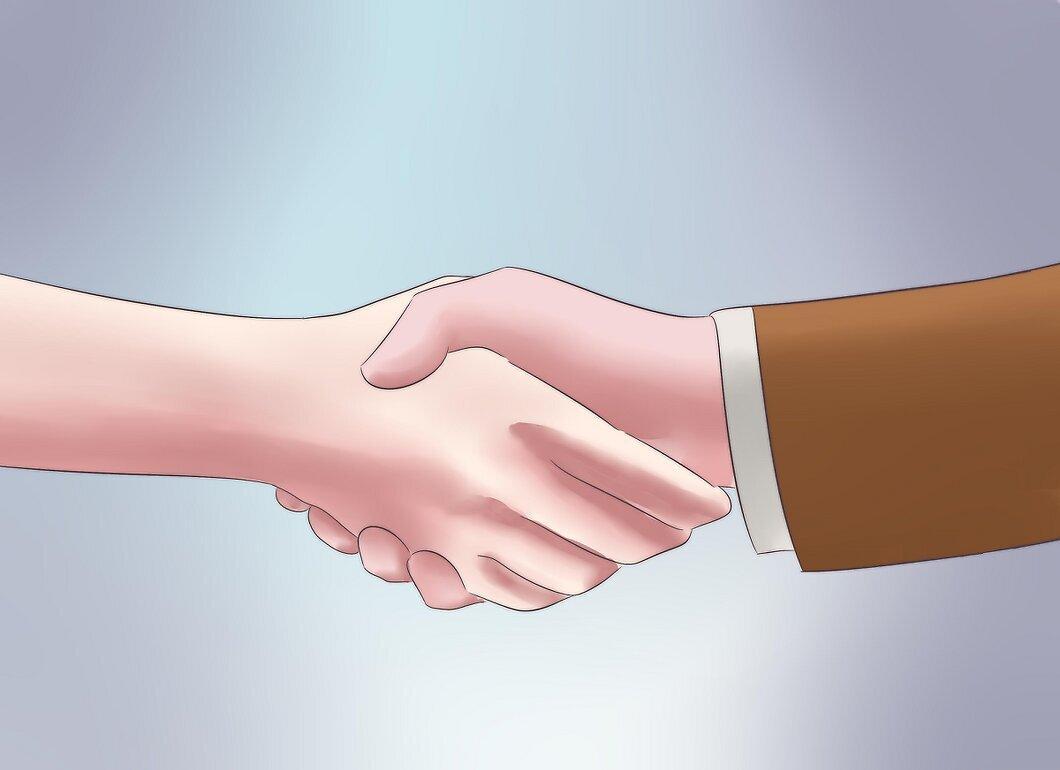
Respect the customer's personal space. Never sit at a table with a customer to take an order, do not shake hands with customers (unless it is part of the establishment's greeting policy), and do not hug (unless you are close friends with the customer). Your level of friendliness will depend on the establishment you work in.
- Research shows that waitresses who lightly touch a customer’s shoulder or arm receive higher tips. Do this only when the customer is calm and comfortable, and never if the customer is accompanied by a lady. Be friendly, not flirty.
Step 4. If a customer asks for your advice on dish selection, be ready to answer all questions or recommend your favorite dish (in each category).

If a customer asks for your advice on dish selection, be ready to answer all questions or recommend your favorite dish (in each category). If a customer orders a dish that most other restaurant visitors do not enjoy, suggest a different dish instead.
- Customers appreciate recommendations for the tastiest dishes, but do not go too far in describing the downsides of dishes. Instead, suggest a dish you personally like or one that is the chef's specialty.
Step 5. Be ready to fulfill any reasonable request from customers.
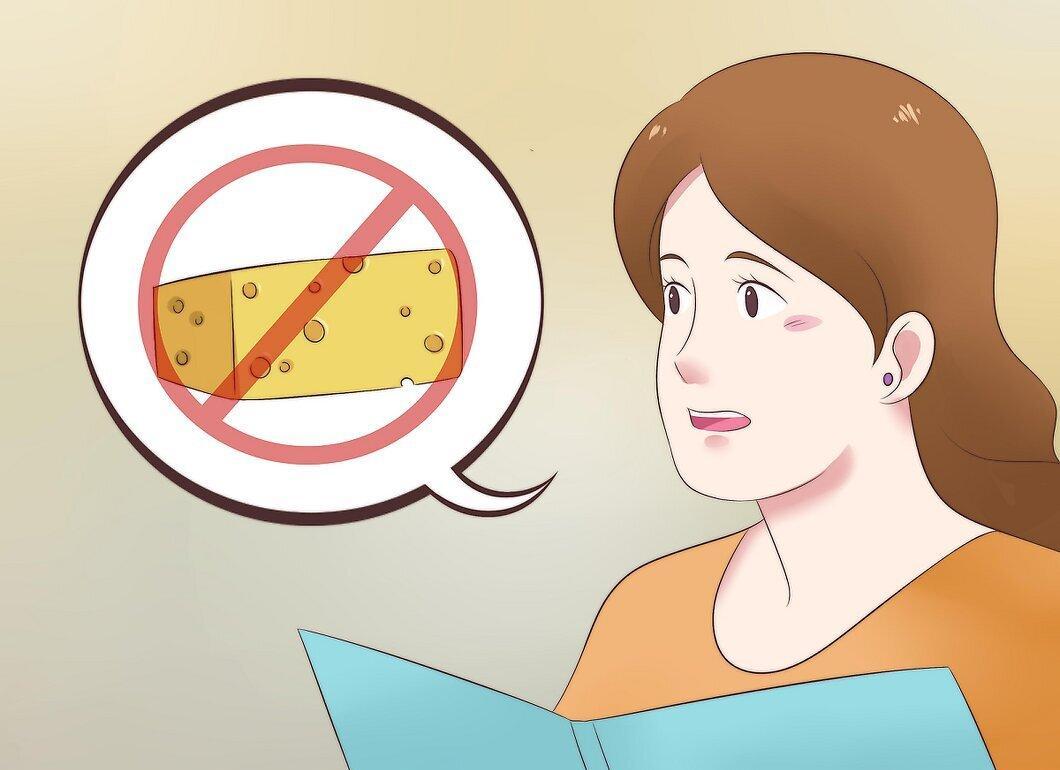
Be ready to fulfill any reasonable request from customers. Many customers avoid certain foods (especially those that trigger allergies). If you do not know what ingredients are in a dish ordered, find out and inform the customer.
- Never deceive customers by bringing them dishes made with undesirable ingredients. If you cannot provide the ordered dish, simply say so and then suggest a different (similar) dish.
- Do not interrogate customers. Remember that there are many reasons for changing an order: religious, vegetarian/vegan, cultural, and dietary. If you can replace an order, do not ask customers unnecessary questions.
Step 6. Repeat the order aloud.
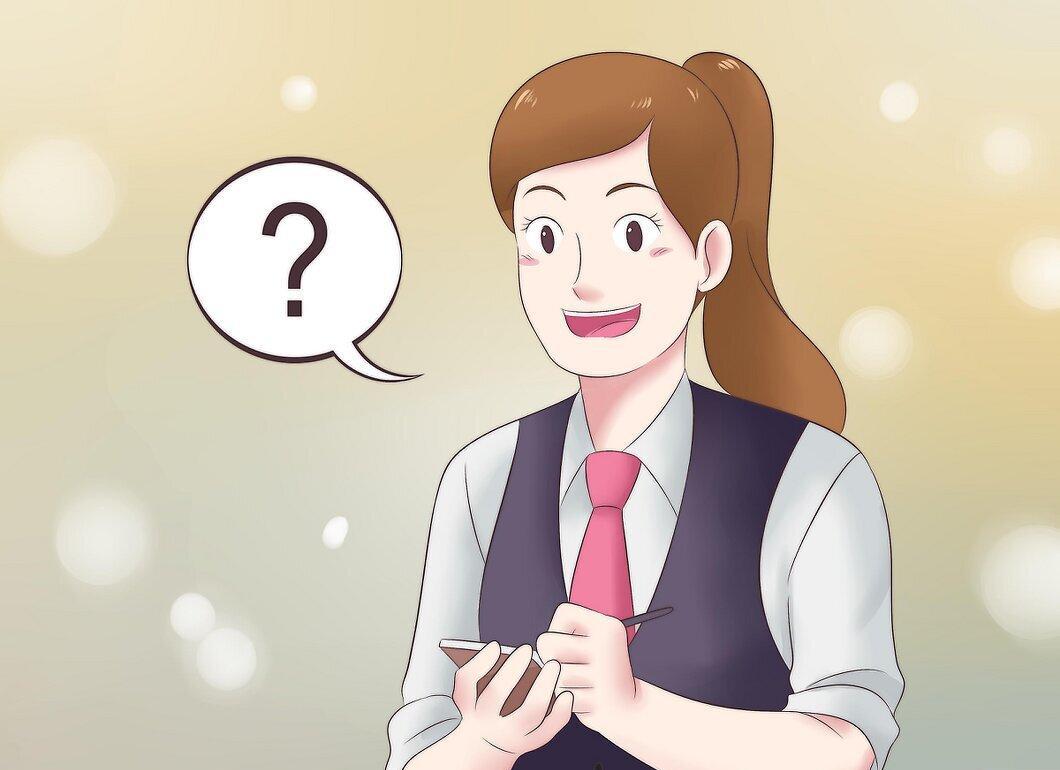
Repeat the order aloud. Studies show that waiters who repeat orders aloud (in front of the customer) receive higher tips. This also allows the customer to correct any mistakes or change their order.
Step 7. Regularly check on your customers' tables.
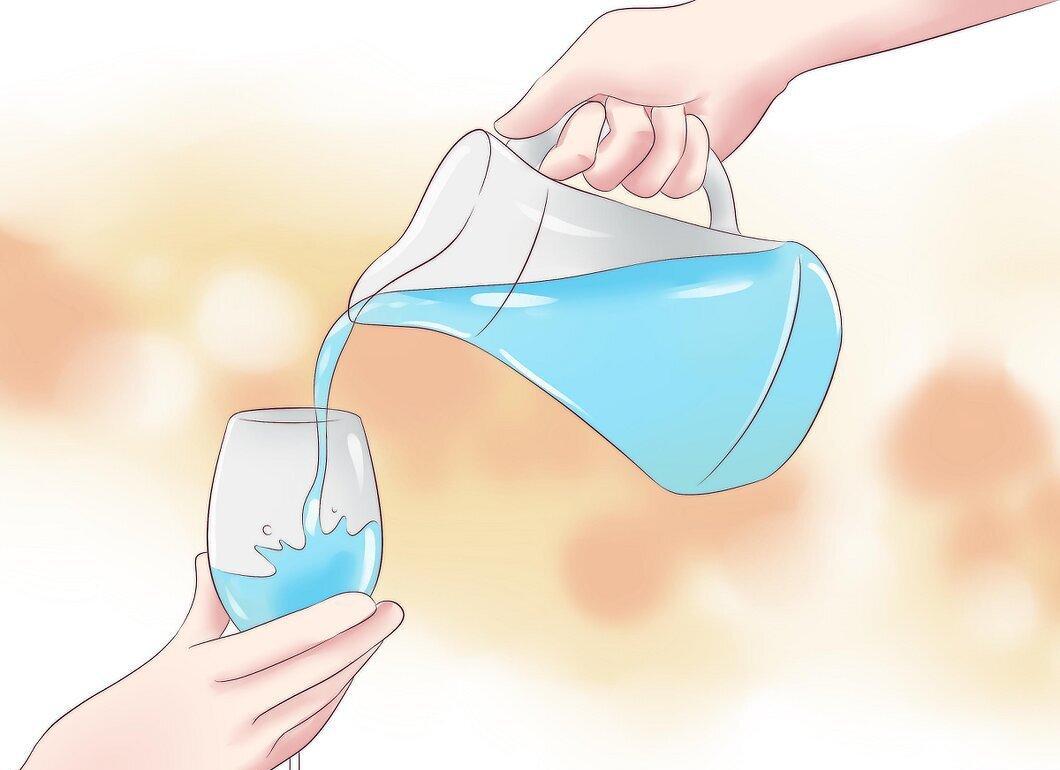
Regularly check on your customers' tables. Over time, you will learn how often this needs to be done. Make sure to approach the table when customers have finished their dish or when they seem bored (or irritated) waiting for their order.
- If possible, inform customers how long their ordered dishes will take to prepare.
- Approach the table to refill customers' glasses or ask if they would like anything else.
Step 8. Clear plates, glasses, and utensils when customers finish a dish.
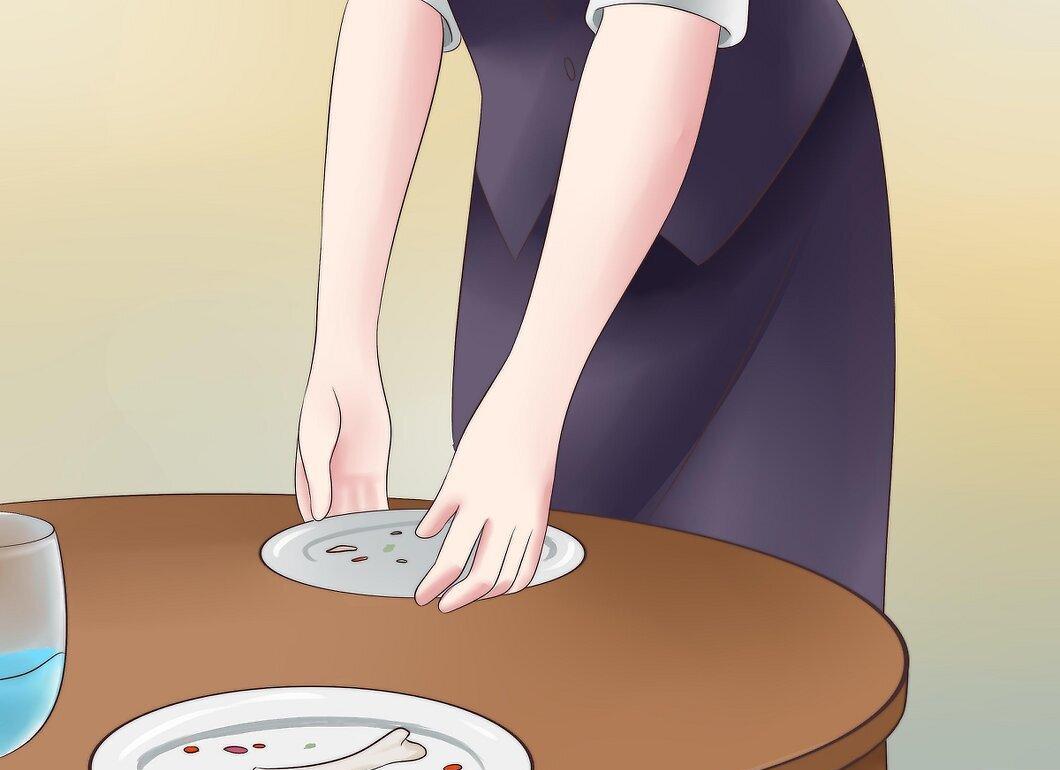
Clear plates, glasses, and utensils when customers finish a dish. Always ask for permission to take a plate if there is food left (if there is too much leftover, ask if everything was alright).
- In many restaurants, dissatisfied customers are offered something on the house. This practice can save your tips.
Step 9. Be friendly with regular customers.

Be friendly with regular customers. When someone sits at your tables more than once, try to get to know them better. You don’t need to be friends with them, but you will likely find some of them enjoyable.
- Remember their names, favorite drinks, where they work. Make them feel like they are coming to the restaurant to visit a friend – you!
- Keep track of your regular customers' preferences. For example, a customer will be impressed if you remember what steak they like on their next visit.
Step 10. Don’t wait for the customer to finish and ask for the check.
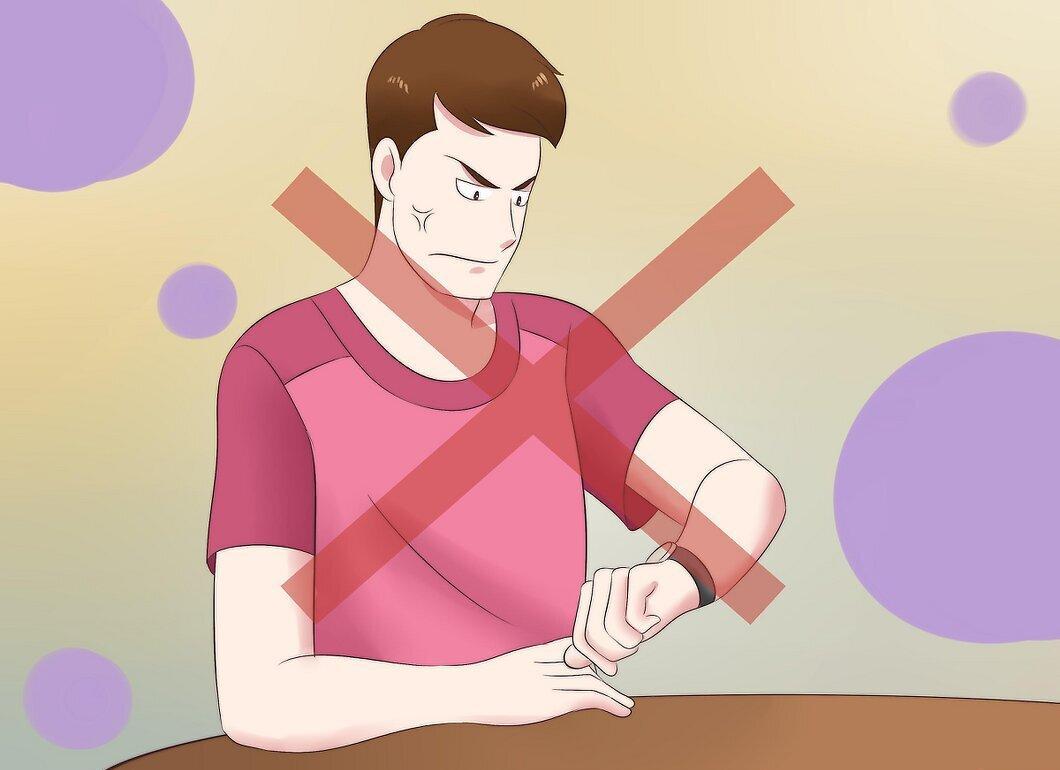
Don’t wait for the customer to finish and ask for the check. Ask if there is anything else you can do for them; offer to bring dessert, takeout, or the check.
- If customers say they don’t want anything else, ask if you can settle their bill.
- If customers ask you for the check, it means they are in a hurry or didn’t want to wait for you to approach them.
- Never ask customers if they need change. Just bring the change and place it on the table.
Training at a New Job
Step 1. Learn the menu in advance.
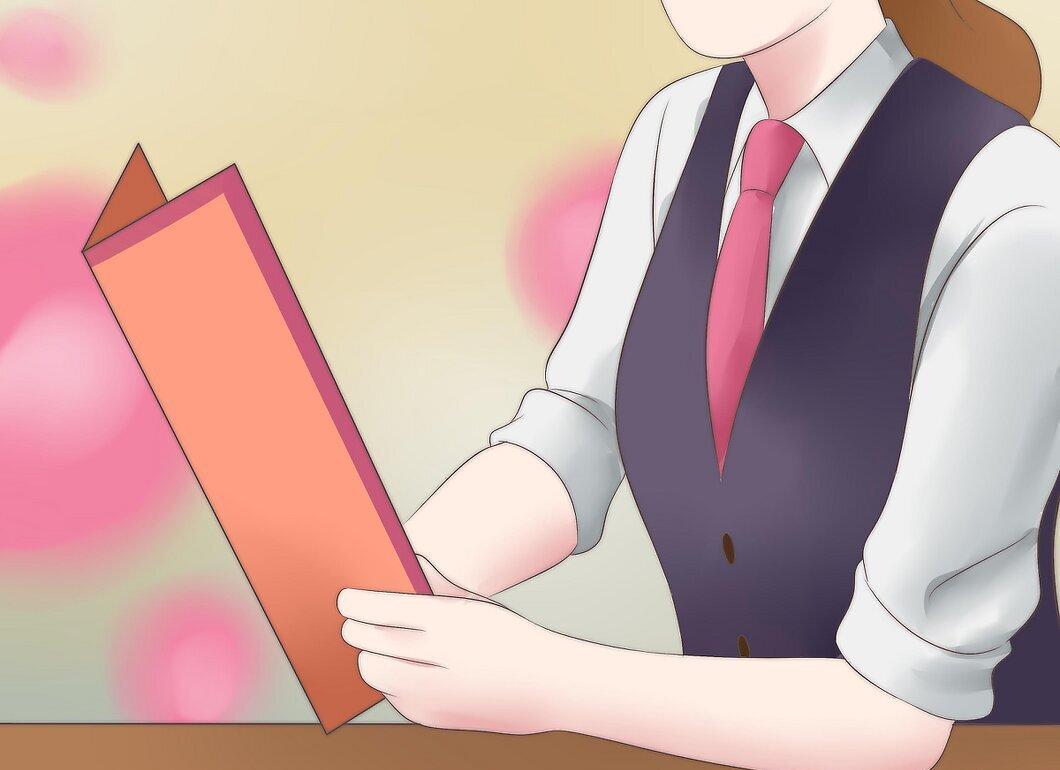
Learn the menu in advance. When you go for an interview, take the initiative, request a menu, and take it with you. Large restaurants have training programs that will introduce you to the kitchen and menu; bars and small establishments expect you to learn everything on your own.
Step 2. Arrive at work on time or even a bit early.
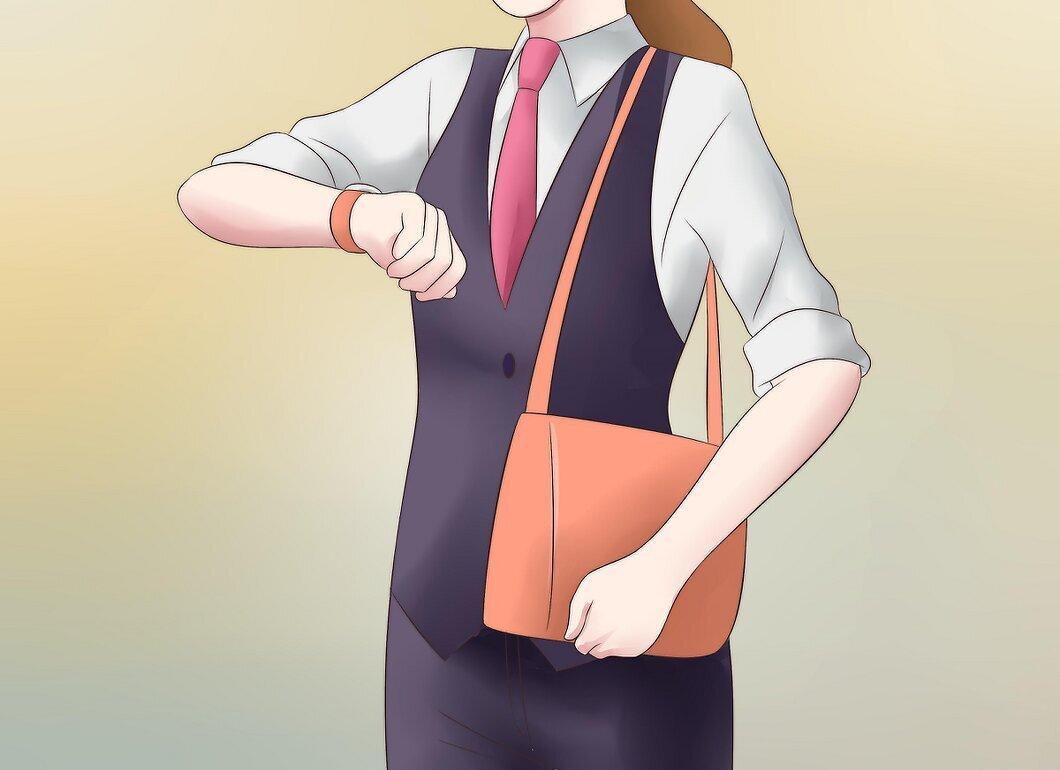
Arrive at work on time or even a bit early. Punctuality is an important trait for every worker, especially if you are just starting your duties.
Step 3. Listen to the guidance of experienced colleagues, even if you have worked as a waitress before – pay attention to the nuances of your new job.

Listen to the guidance of experienced colleagues, even if you have worked as a waitress before – pay attention to the nuances of your new job. Every restaurant operates differently, so learning the details will make your job easier. It also never hurts to show respect to your boss and colleagues instead of starting with, "I already know this."
Step 4. Keep up with the overall pace.
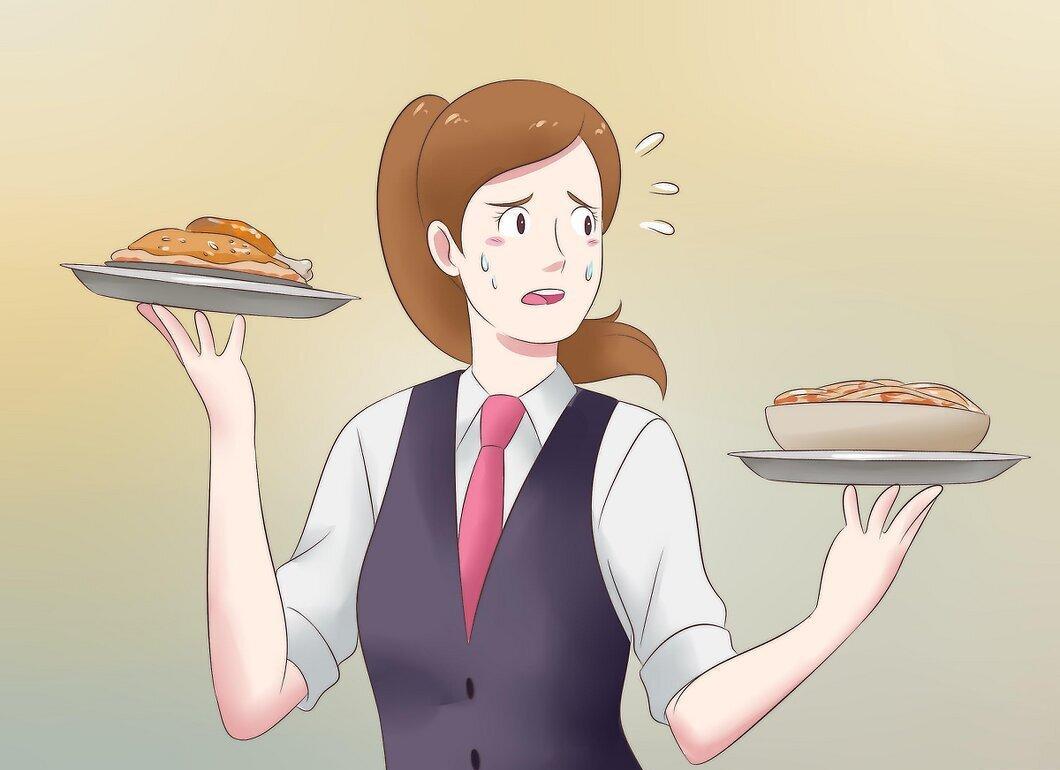
Keep up with the overall pace. If you have never worked in a busy restaurant, you may be taken aback (and exhausted) by the fast pace. Do your best to keep up with the pace of other waiters. Over time, you will get used to it and find it easier to work, but at first, it may take some effort.
Step 5. Do the unpleasant work without complaining about it.
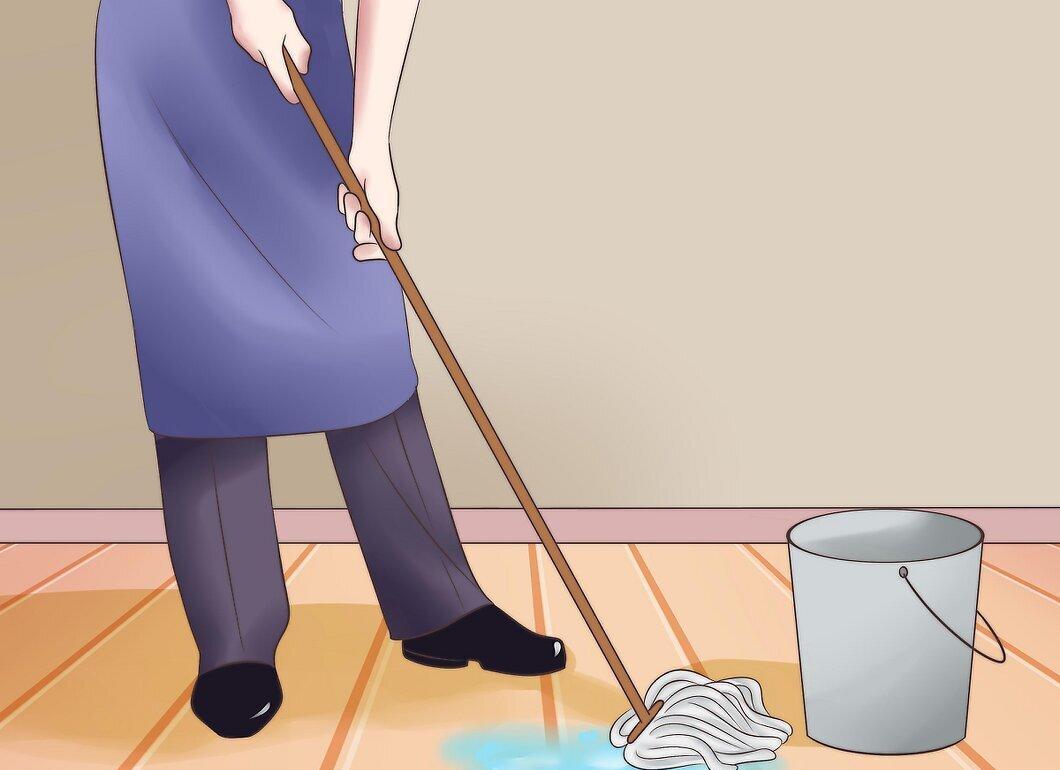
Do the unpleasant work without complaining about it. You will start your career at the very first step, but you will never climb the career ladder if you complain. If you are asked, wipe down tables or work overtime, and remember that as you move up, you will have more choices.
Step 6. Take constructive criticism calmly.
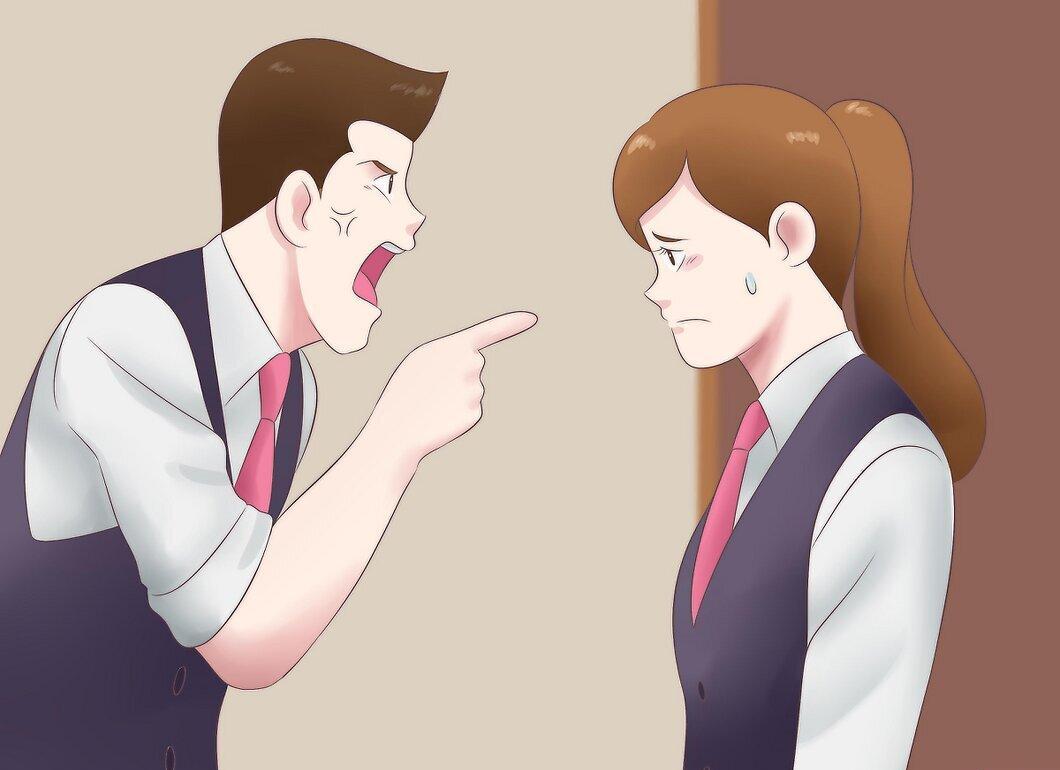
Take constructive criticism calmly. Your colleagues may point out that your service quality is driving away customers (which affects tips). In this case, just smile and tell yourself that over time, you will learn to do everything much better.
- This certainly does not apply to every restaurant. Before taking a job, find out about the policies and work atmosphere in that establishment.
Step 7. Take extra shifts, especially at the beginning of your career, to convince management and colleagues of your reliability (they will know you can cover for someone and handle extra work).
Step 8. If you do not know something, ask questions.

If you do not know something, ask questions. Show interest in learning specific skills or processes. Your colleagues know you are new, and you will surely find someone who appreciates your curiosity.
- But this does not mean you should ask about your job. Questions like "When does my shift end?" or "Is this what I should be doing?" will annoy your colleagues and employer.