
An event host is the person who conducts parties, celebrations, ceremonies, and corporate events. Typically, they introduce participants, make announcements, and engage with the audience to ensure the program runs smoothly. While this is quite a challenging task, by following the tips in this article, you can become a successful host radiating confidence and charm, making the event enjoyable for all guests.
Understand the Event Plan and Guest List
Step 1. Get to know the nature of the event.

Get to know the nature of the event. First and foremost, it's important to understand what type of event you will be hosting—a wedding, graduation, celebrity reception, or honoring a notable guest. This determines the atmosphere you need to create as the host.
- If possible, meet with the organizers to discuss the planned structure and program in detail.
- To successfully conduct the event, you need to know what is happening at every moment, what to talk about, and what comes next.
Step 2. Talk to the event organizer to clarify your duties as the host.
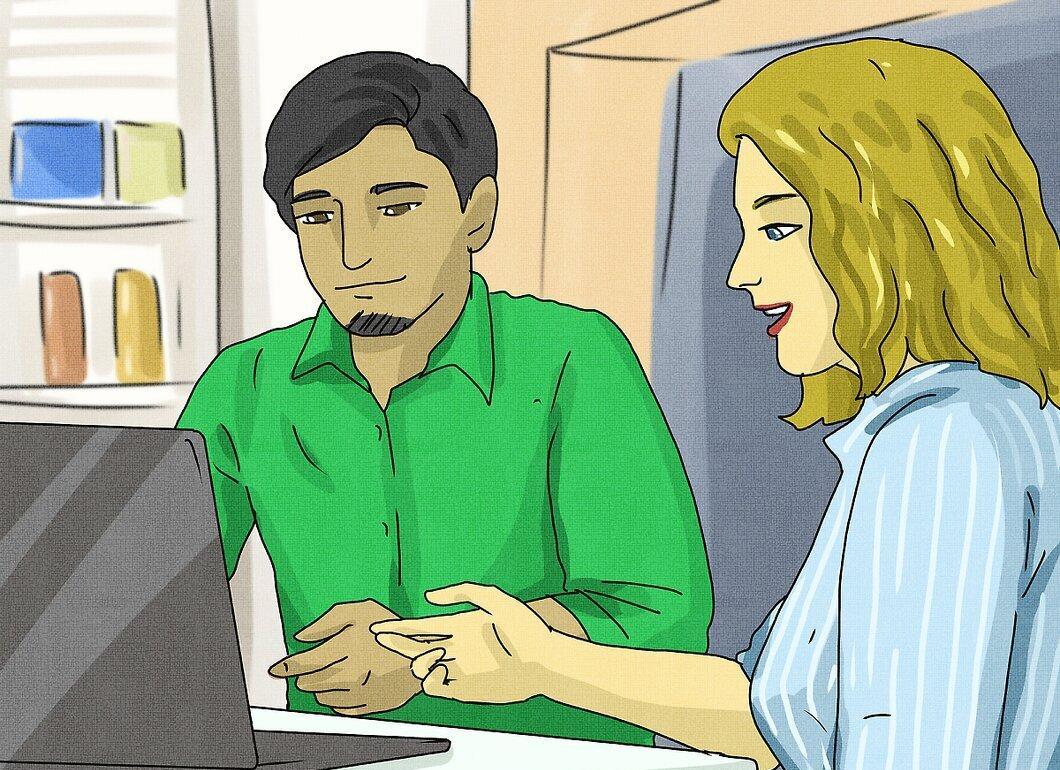
Speak with the event organizer to clarify your duties as the host. The host is responsible for creating and maintaining the appropriate atmosphere throughout the event, but there are also other functions. Your main responsibilities as the host include:
- ensuring the event runs according to schedule;
- keeping the audience engaged;
- introducing speakers and making them feel valued;
- facilitating transitions between speakers (program segments, presentations...);
- serving as a central figure and representative of the organizing body.
Step 3. Obtain and study the guest list from the organizers.
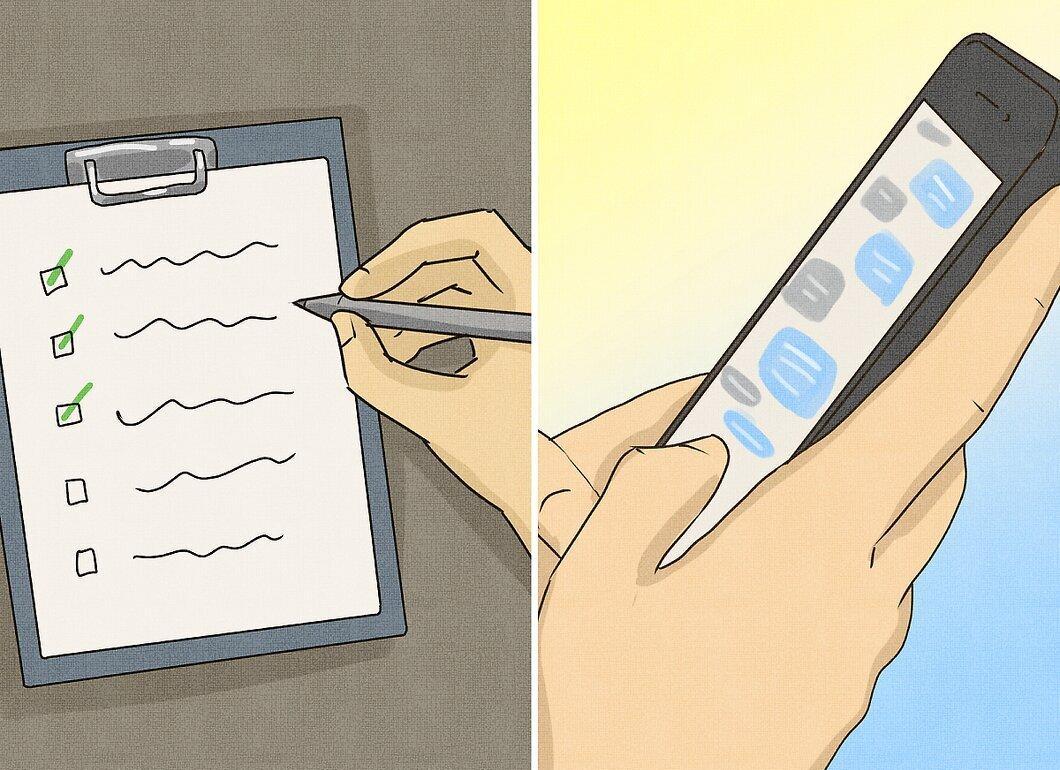
Get the guest list from the organizers and study it. Contact or research your key speakers to find out some background information on them. Use that information to prepare personal and genuine introductions for the speakers. EXPERT TIP Stefanie Chu-Leong, Owner and Chief Event Manager of Stellify Events, has over 15 years of experience in organizing large-scale celebrations and events. She holds a Bachelor’s degree in Marketing from California State University, San Francisco.
- Find out if there will be special guests that need to be introduced during the event.
- Read the names and, if applicable, the titles of the participants you will announce. If necessary, confirm with the organizers how to pronounce them correctly.
Step 4. Create and study the event schedule in detail.
Create an event schedule and study it minute by minute. Additionally, prepare notes or a bullet list of everything you need to say. While you don't need to plan every word, having a plan or script to follow during the event will be useful.
- Consider the time needed for entering and exiting the stage, introducing participants, and for their speeches or acknowledgments.
- Make note cards for yourself, or if appropriate, have the program projected on a screen during the event.
- Inform the main organizer that you will only answer to one person in case of unforeseen complications. This will help avoid misunderstandings and conflicting instructions.
Step 5. Rehearse as the host the day before the event.
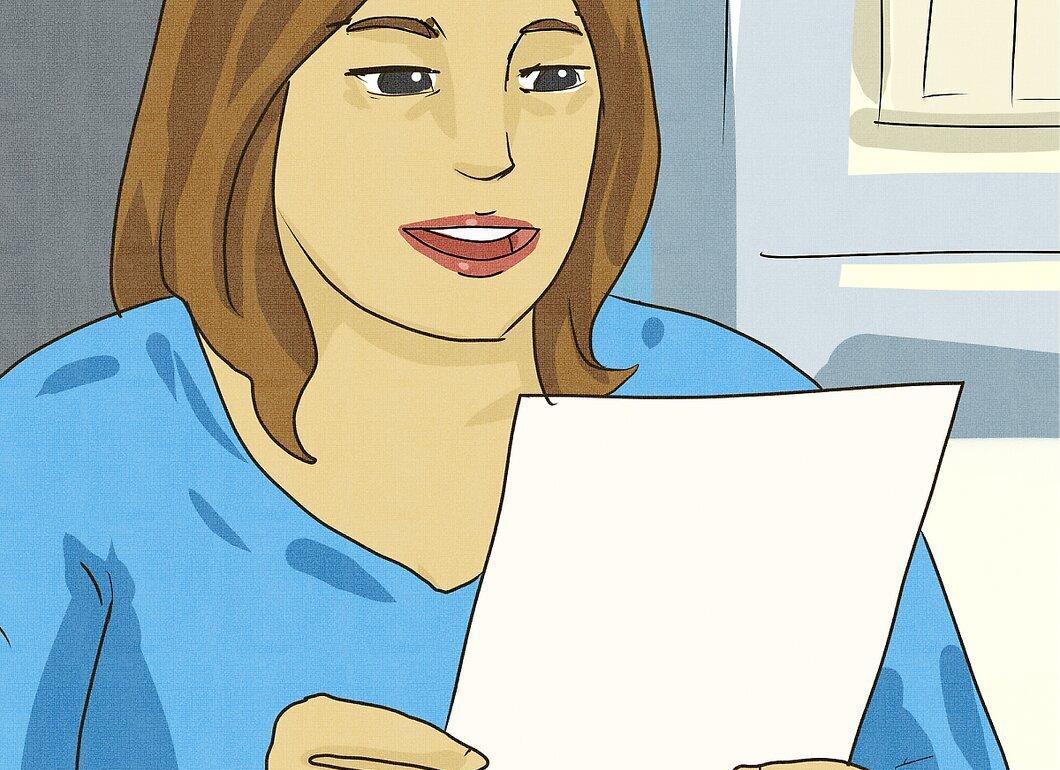
Rehearse as the host the day before the event. To be a host, you should have a great sense of humor, be able to work with a large audience, and be a good speaker. Memorize the key points you must cover, and work on your posture and gestures. Also, take into account the type of event and the audience you'll be addressing, ensuring your tone is appropriate: more serious or light and informal.
- Don’t forget to smile. A host's smile contributes to a pleasant atmosphere and shows the audience that you are enjoying the event.
- Remember that you are the host, not the star of the event. Your job is to make others feel like stars.
Step 6. Check with the organizer about the dress code and dress slightly more formally.

Check with the organizer about the dress code and dress slightly more formally. If the event is informal, slacks with a classic shirt or a nice dress will do. For semi-formal events, opt for a suit with a blazer or a more elegant dress. As the host, you will be in the spotlight, so it’s better to overdress than to underdress.
- If you are representing an organization, try to align your clothing colors with its corporate colors.
- If possible, learn in advance the color of the stage and background where you will be presenting, and consider this when choosing your outfit. For example, a red dress against a red curtain might blend in, but black will make you stand out.
Step 7. Smile, take a deep breath, and stay calm.
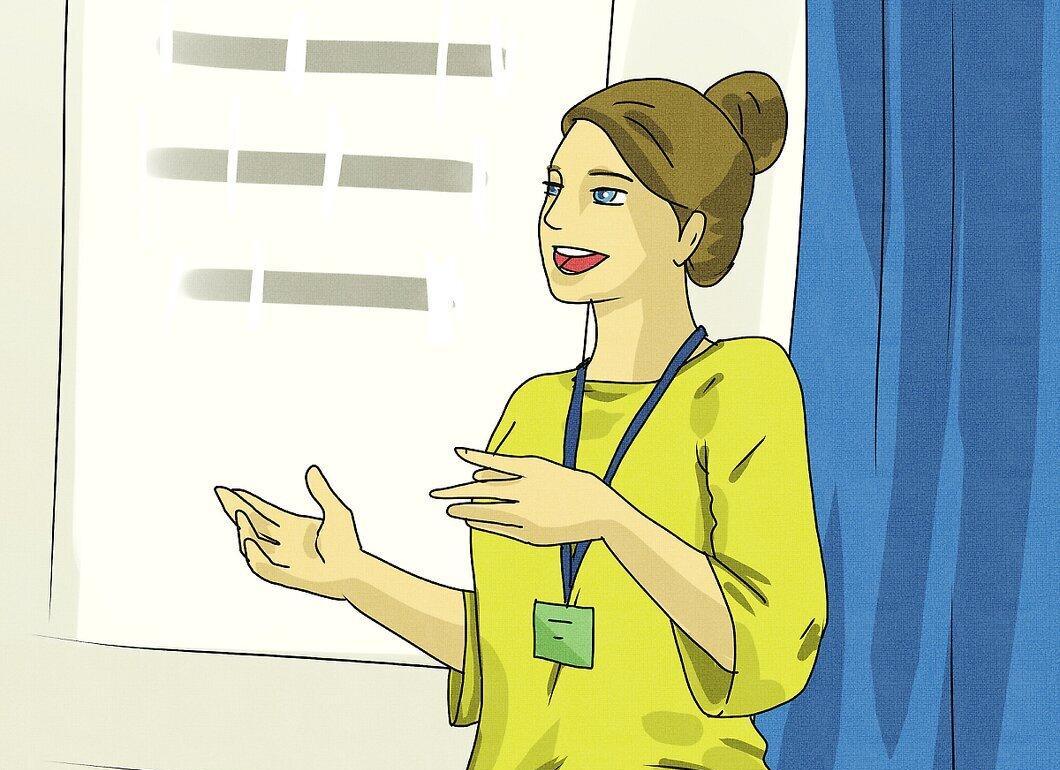
Smile, take a deep breath, and stay calm. Being an event host is a responsible task. The success of the event heavily depends on the host's skillful performance. Things may not go as planned, but it’s important to remain calm and continue fulfilling your role. To maintain control of the situation, follow these tips:
- Don’t stop if you get confused. If you make a mistake, don’t dwell on it; try to correct it and continue the program. If you do this successfully, the audience will quickly forget your slip.
- Find a point to focus on during your performance. If you look at someone in the audience, you might start to feel nervous. Instead, try to look above the heads of the audience to avoid uncomfortable eye contact.
- Speak slowly. If you talk too fast, you may stumble and make it harder for people to understand you. Don’t rush, take small pauses between sentences, and if you need to take a deep breath, do it away from the microphone.
Step 8. Introduce yourself and greet the audience.
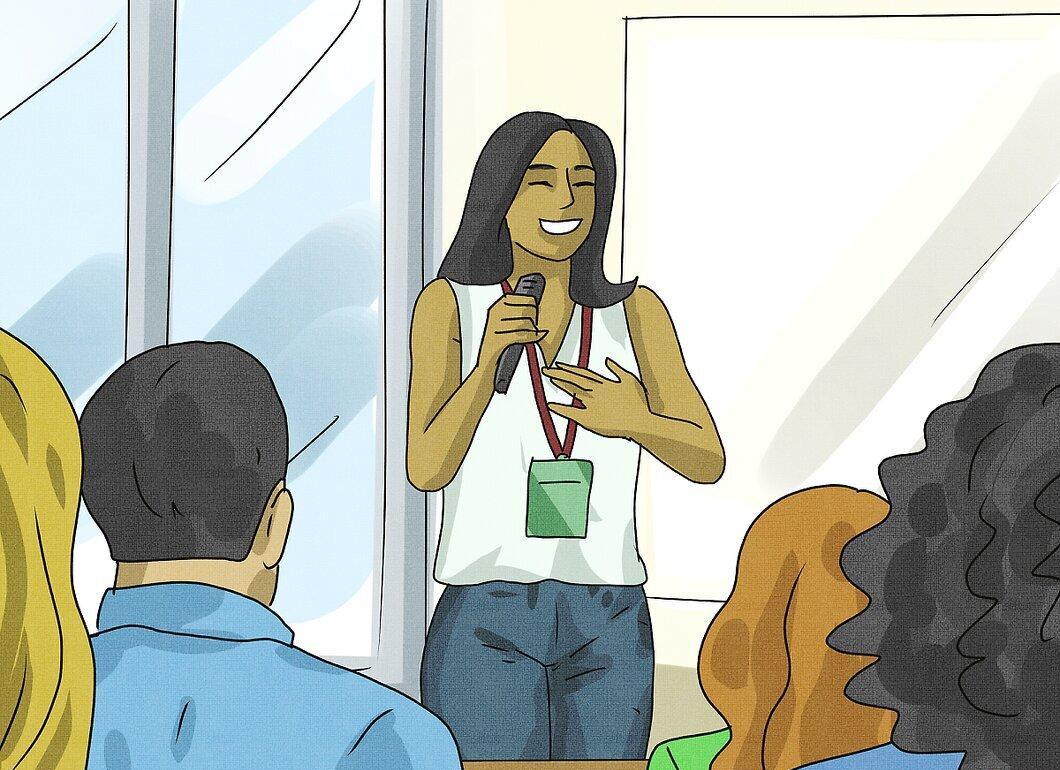
Introduce yourself and greet the audience. Highlight specific important groups present (like honored guests, organizers, and the audience itself) and greet them separately. The greeting doesn’t have to be lengthy, but it should be sincere. Express how happy you are to see everyone and remind them of the purpose of the gathering.
- For example, you might say something like: “A warm welcome to the employees of the Petrozavodsk branch who have traveled such a long way to celebrate the company’s anniversary with us.”
- “It’s amazing to see so many of you here today. It’s very important for our organization and for those who will be speaking today that you took the time to join us.”
Step 9. Introduce speakers by providing their brief biography and achievements.
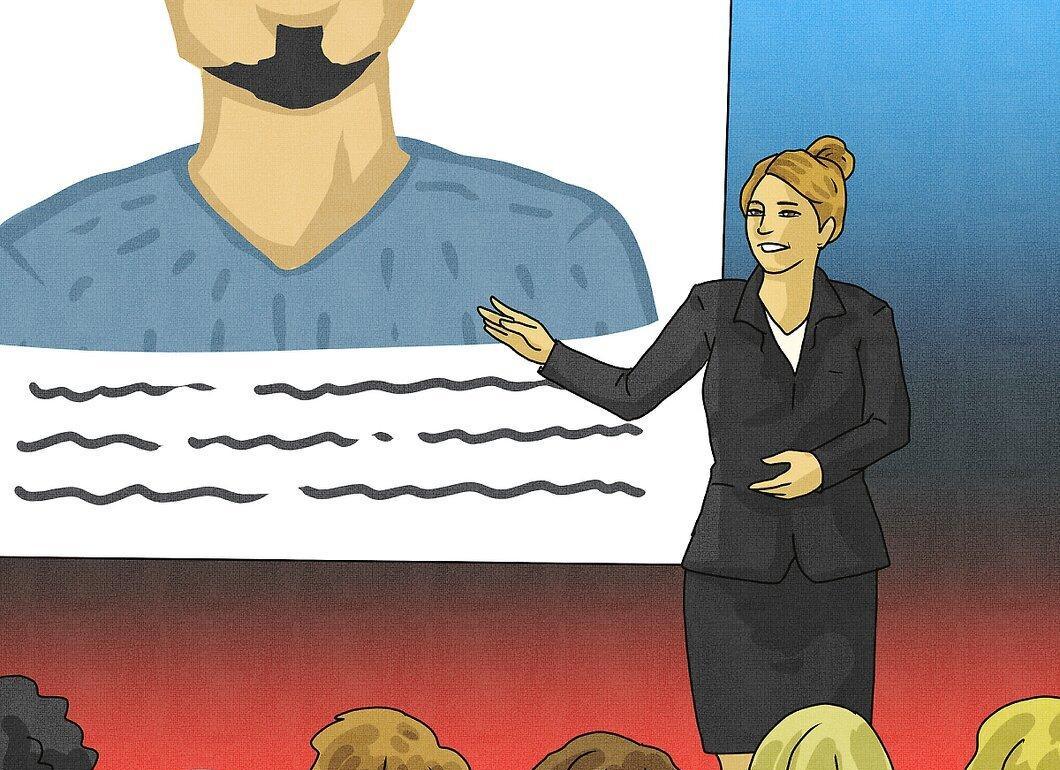
Introduce speakers by providing their brief biography and achievements. The main duty of the host is to introduce speakers and honored guests present at the event. The more important the guest, the more detailed and personalized their introduction should be. After introducing the speaker, invite the audience to welcome them with applause as they approach the microphone. When the speaker finishes their speech, encourage the audience to applaud again.
- To keep the event on schedule, discreetly signal the speaker if they are running over time. Pass them a note or use gestures—like circling your finger to indicate it’s time to wrap up.
- “Our next guest holds a PhD in Zoology from Columbia University in the USA. Her research has significantly advanced the study of primate behavior in the wild. So, please welcome: Nelly Nikolaevna Kolesnikova!”
Step 10. Use short stories and audience interaction to connect program segments.
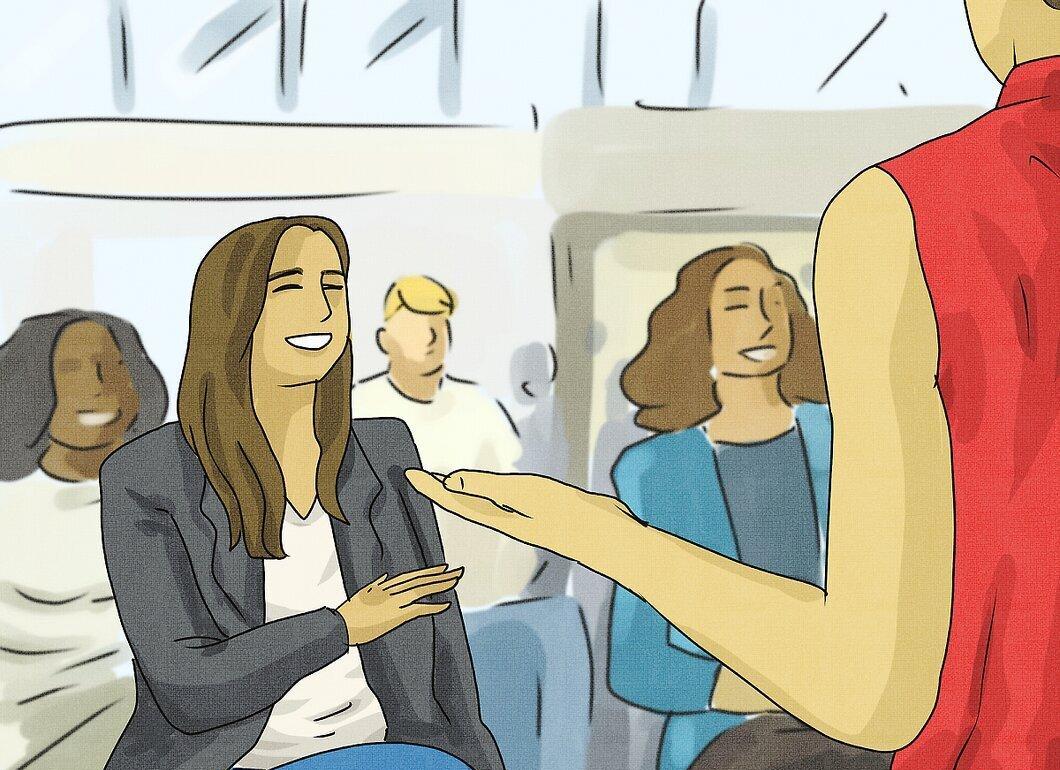
Use short stories and audience interaction to connect program segments. Prepare remarks, humorous stories, or jokes in advance that you can use to transition from one speaker to another. Also, try to find something funny or significant in the previous speaker's speech and connect it with the next participant's presentation.
- If you suddenly feel lost, try asking the audience questions. The questions should be simple, to which people can answer 'yes' or 'no'. This will engage the audience and help you regain control of the situation.
- If the event lasts several hours, you may periodically review past presentations and hint at what is coming next during breaks.
Step 11. Stay composed and don’t lose your cool if something goes wrong.
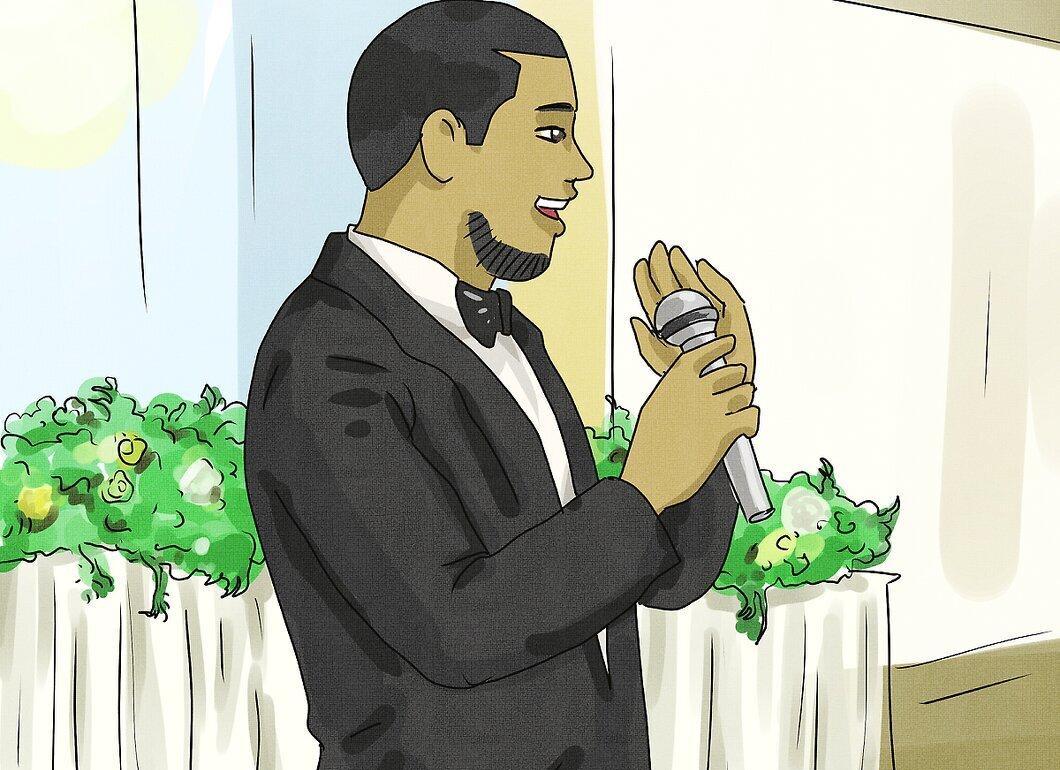
Stay composed and don’t lose your cool if something goes wrong. A good host is prepared for anything. Unexpected situations often occur at events: someone spills a drink, the music person plays the wrong track, and a speaker who is supposed to go on stage hasn’t returned from the restroom. Be ready to smooth over awkward moments and either make a joke or simply show patience.
- Remember, your job is not to blame anyone but to ensure the event runs smoothly despite some moments going awry. A negatively-minded host can ruin the overall impression of the event.
- “I’ve been informed that our next guest is running a bit late but will be here in just a minute. In the meantime, let’s give another round of applause to the foundation that organized this conference...”
- “Sorry for shouting, but my microphone decided to take a little break. While we coax it back to work, let’s move on to the video presentation.”
Step 12. Conclude the event with a summary and acknowledgments.

Conclude the event with a summary and acknowledgments. The end of the event should be just as engaging and sincere as its beginning. At the end, the host thanks all the viewers and speakers. It’s also good etiquette to thank those who helped organize the event. Summarize everything that happened on stage and what valuable insights the audience could take away, and say your goodbyes.
- You might also encourage your audience to come to the next meeting, donate money, or continue to move forward in a specific area. Whatever it is, urge people to participate.
- “Today we had the pleasure of hearing from exceptional specialists who have devoted their lives to solving this important issue. I encourage everyone present to support their efforts. You can make a donation to the fund or join as volunteers.”