
Every public office needs someone to greet visitors. While exceptional phone and email communication skills are crucial for receptionists, it's the ability to interact in person that sets a secretary apart from a customer service representative. After all, when a person (supplier, consumer, partner) walks into the office, the first thing they see is the secretary, and first impressions matter.
Essential Qualifications
Step 1. Develop Top-notch Organizational Skills.
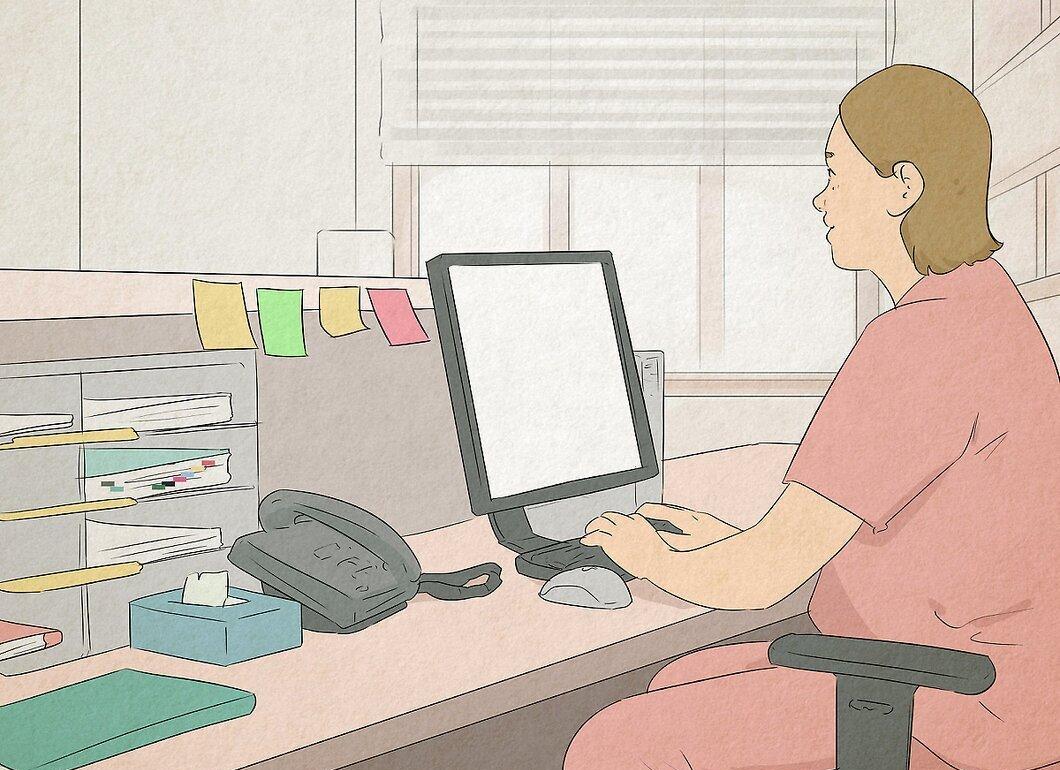
You must have first-rate organizational skills. The secretary is the face of the company. They are the first person a client speaks to, and colleagues turn to for various information. In addition to answering calls and greeting visitors, secretaries often interact with clients, organize events, meetings, and so forth. To handle all these responsibilities, a secretary must manage their time effectively, as they need to juggle multiple tasks simultaneously. A person won't last long as a secretary if they can't "juggle" more than one task at a time and prioritize them accordingly.
- A great way to organize your workspace is to take time to sort documents in a way that works best for you. It's crucial to know which documents and information your boss, colleagues, or clients may need. Keep all documents in separate files, both digitally on your computer and in physical form. Sort documents in a way that is convenient for you. If you need color-coded stickers, use them.
- Being organized also means seeking motivation from within. You don't need someone else to keep you in check. If you are organized, you'll know which tasks to tackle daily and which ones take precedence.
- Keep contact numbers handy. There will be many, such as numbers for employees, contractors, partners, urgent contacts, and so on. You'll need them at a moment's notice. Store them in a Rolodex app or another appropriate software.
Step 2. Learn Modern Technologies.
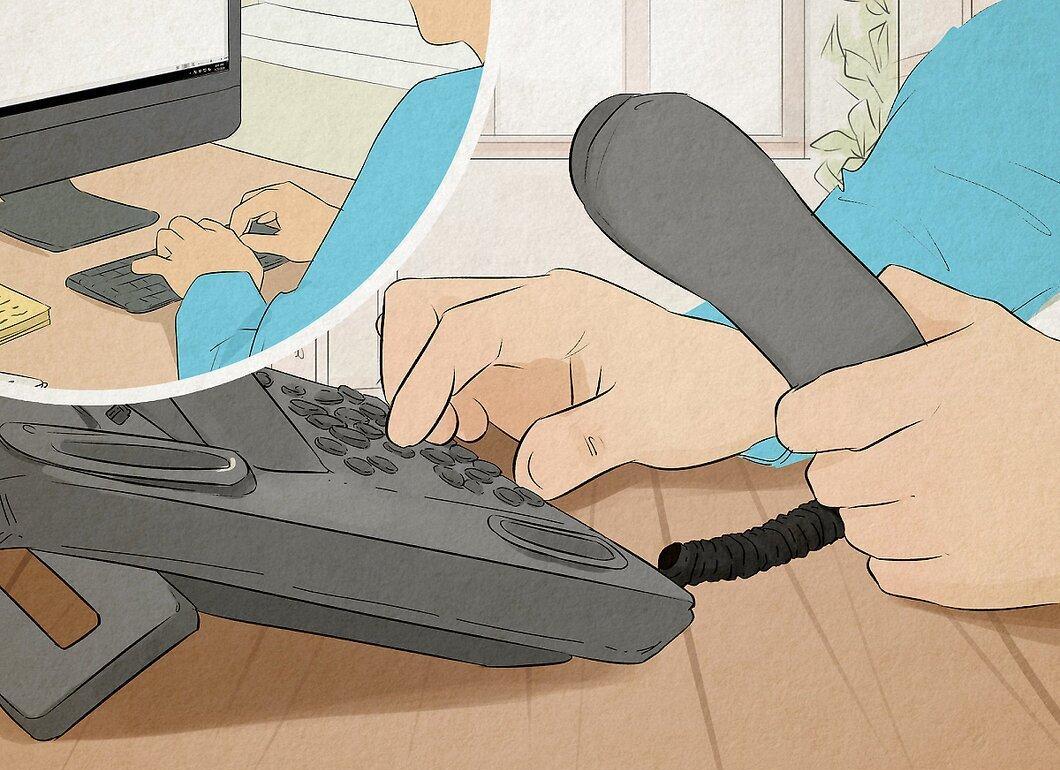
Learn modern technologies. The number one device a secretary works with is the phone, so familiarize yourself with all its buttons and features. Computer literacy is also important: most secretaries need to be proficient in email and work with electronic documents. It's also beneficial to know how to create spreadsheets in Excel and use industry-specific software.
- Keep in mind that having a copier, scanner, and printer near your desk will mean you'll be using them often (and helping colleagues who encounter issues with them). Once you learn which machines are used in your office, familiarize yourself with their main functions and how to troubleshoot common problems.
Step 3. Be a Reliable Employee.
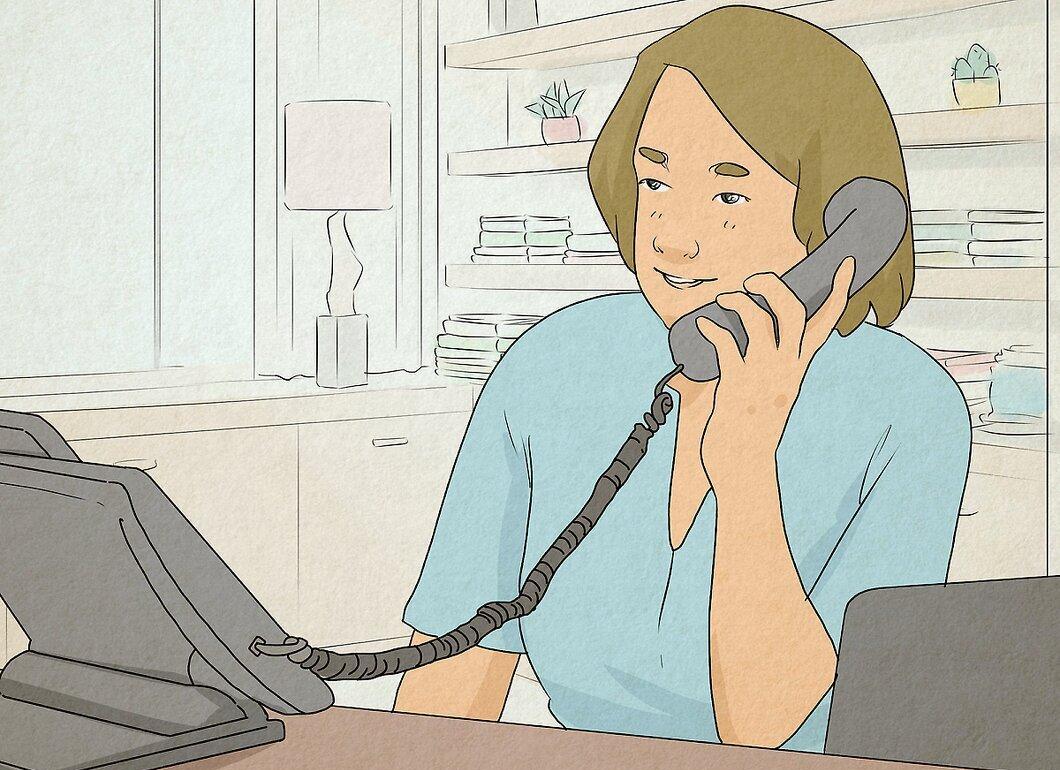
Be a reliable employee. Everyone relies on the secretary, all the time. If no one is answering calls to the company or there's a line of people waiting for a response, it reflects poorly on the company. Resolving such issues should be a priority for you. If your management knows they can count on you and that you're always there to help, you'll become indispensable.
Step 4. Learn to Listen Well.

Learn to listen well. A significant part of a secretary's job is to listen to people. Hearing a client's question over the phone and gathering the necessary information are all manifestations of listening skills. The ability to accurately hear information will make you more effective. You'll be able to resolve issues more quickly if you clearly understand what the person is asking.
Step 5. Take Notes on Everything.
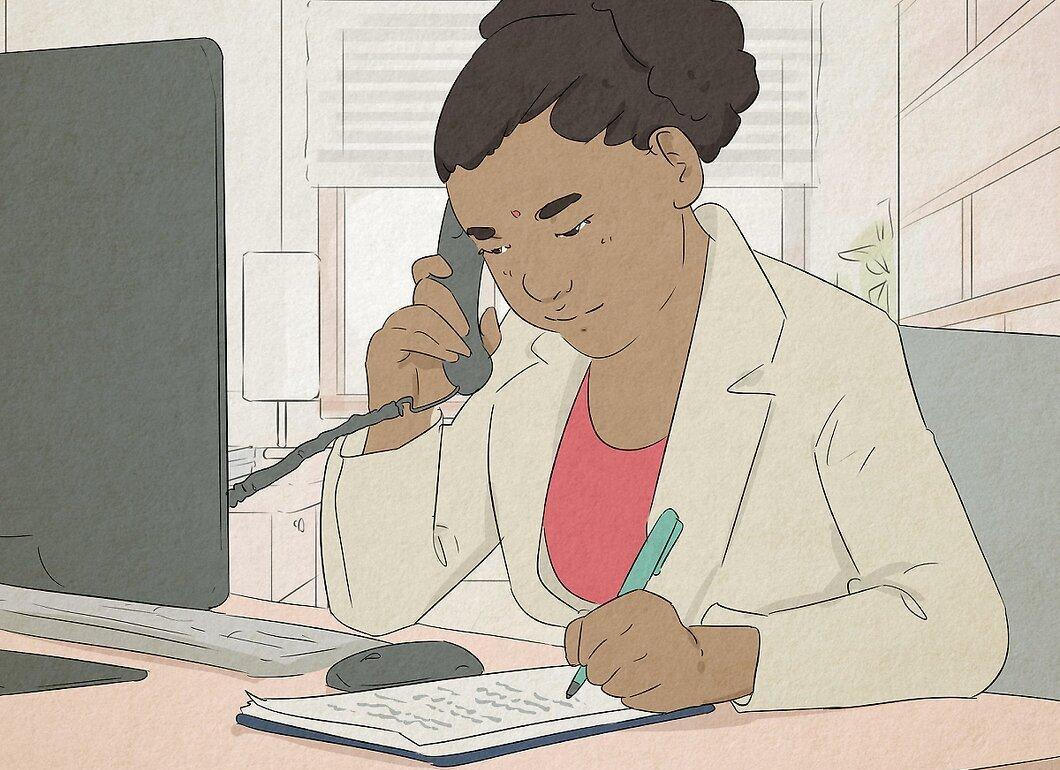
Take notes on everything. If your boss asks you to do something, write down the details. If a client calls, note their information (name, contact details, purpose of the call, etc.). Notes are a fantastic way to stay organized and will remind you of all the little details you might forget within hours without them. Keep a notepad with you at all times. You'll be surprised at how helpful they are, especially when trying to recall what a person who called you five hours ago wanted.
- Make sure you note down the message in detail and read back what you've written. Most importantly, don't hesitate to double-check the message and contact information with the caller. That's the only way to ensure you've recorded everything correctly.
Step 6. Answer Phone Calls Politely Using Standard Greetings.

Answer phone calls politely using standard greetings. For example: "[Company Name], good day. My name is XXX, how can I assist you?" Try to answer within one or two rings. It's unacceptable to keep people waiting for more than a minute (believe me, it feels much longer than it seems).
- Pay close attention to the names of the callers. If necessary, repeat the caller's name. Mobile phones often distort sounds. Write down the name of the person you’re speaking with if it's difficult to pronounce.
- If you’re transferring a call to another extension, do so using standard phrases: "Please hold for a moment." If the extension is busy, you can say: "I apologize, XXX is currently on another call. Would you like to wait until they're free, or would you like to leave a message?" Politely thank the caller and proceed according to their wishes.
Step 7. Greet Any Couriers or Delivery People with the Same Professionalism and Respect as Any Other Visitor.
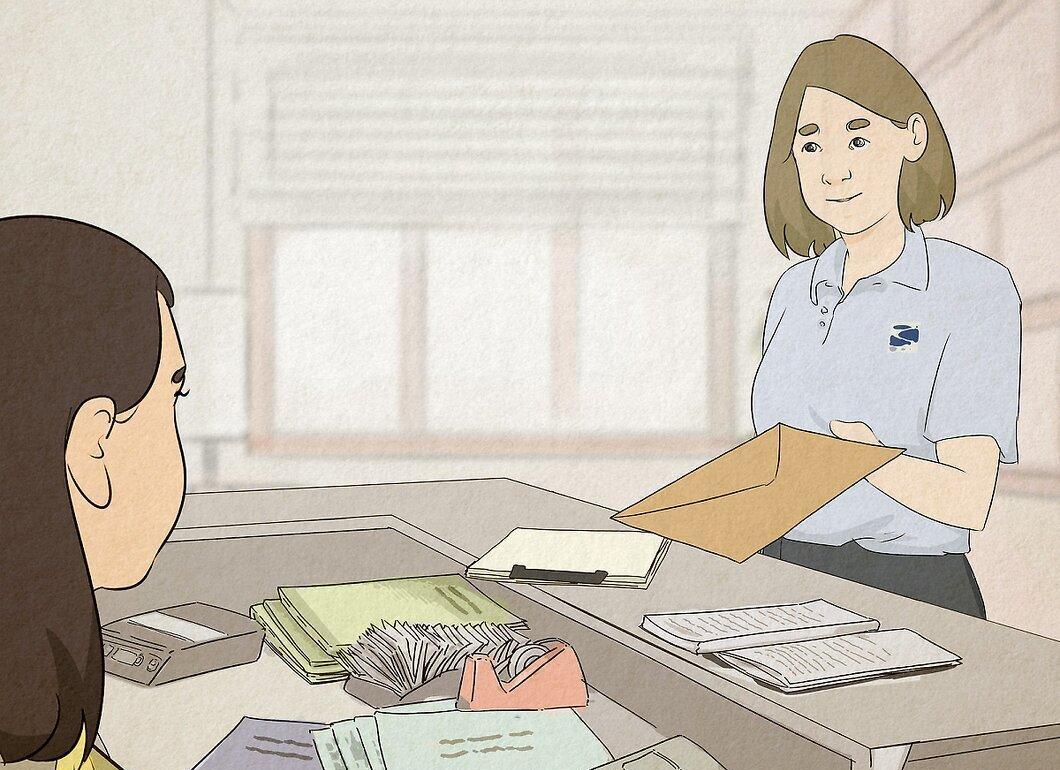
Greet any couriers or delivery people with the same professionalism and respect as any other visitor. Ensure your signature is legible. The couriers may need directions on where to leave packages. Make sure to direct them to the appropriate staff member for these inquiries.
Step 8. Treat Clients Visiting Your Office Courteously.
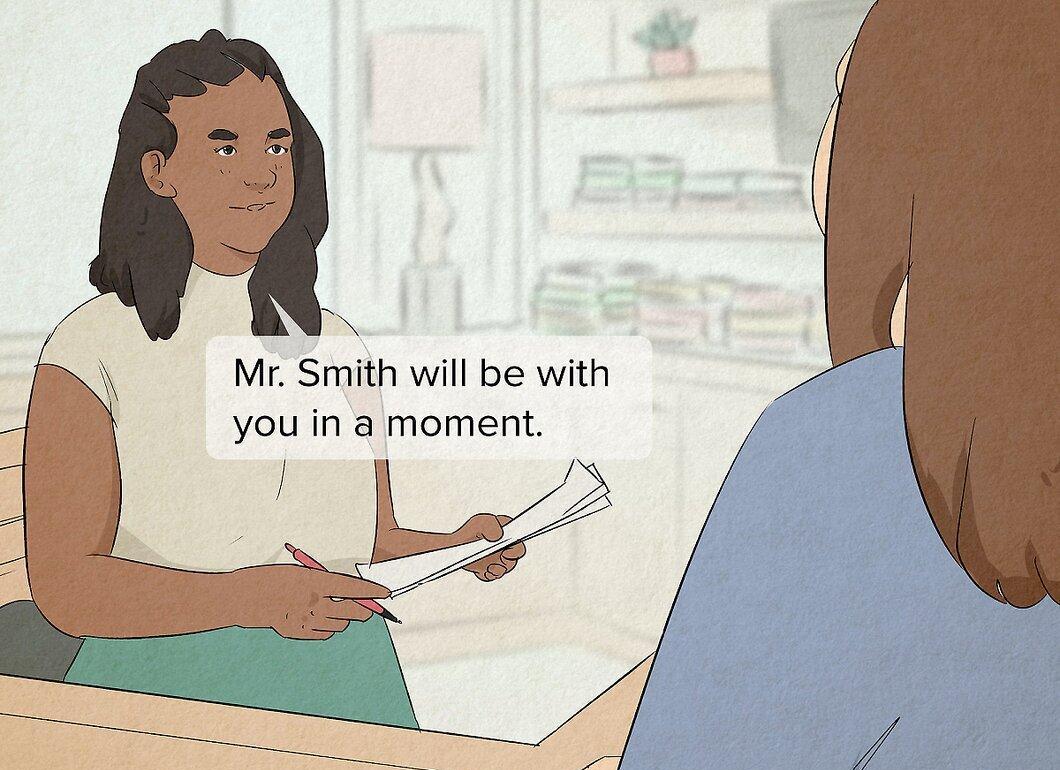
Treat clients who visit your office politely. Once a visitor introduces themselves and states whom they are visiting, contact the person they are here to see and inform them of the visitor's arrival. A standard phrase for such situations is: "Tatiana Ivanovna, Mr. Petrov from XXX Corporation is here to see you. You have a meeting scheduled at 2 PM." Always ask for the visitor's name and surname, as well as the company they represent. It's also helpful to know if they have an appointment. The employee the visitor is here to see should inform you where the visitor should go and how long they should wait. You can tell the visitor: "Tatiana Ivanovna will be with you in 5 minutes. Please have a seat."
Proper Conduct
Step 1. Stay Positive.

Stay positive. The secretary is the face of the company. They are the first person the client sees and the first to answer the phone. No one wants to be greeted with a sour face or annoyed tone. Establish a rule that you should always smile and be a cheerful and optimistic person. Remember to be patient with difficult clients, even when your patience is wearing thin.
- Even if you encounter a challenging client, remind yourself that you are a strong, happy person. Tell yourself that you are doing everything you can to help them. It's better to remain calm and composed than to explode and come across as angry and unpleasant.
Step 2. Always Be Ready to Greet Clients Politely.

Always be ready to greet clients politely. It's important to welcome clients warmly. Even if you need to finish your task before you can assist someone, it's crucial to acknowledge them so they feel seen and know that help is on the way.
- It's best to use phrases like "Hello! Welcome to [Company Name]" or "Good morning! Please take a seat. I'll assist you in a moment."
Step 3. Be Polite.

Be polite. Show respect to everyone. Treat everyone as if they are the most important person who has walked into your office that day. That's your job. No one cares if you were stuck in traffic that morning, if your new bag tore, or if you lost your favorite disk. Leave all personal matters at home. Even if you don’t like a client or their behavior—pretend you are happy to see them. Ensure the person feels completely relaxed and happy to engage with you.
Step 4. Dress Appropriately.

Dress appropriately. You represent your company, so you should dress accordingly. Buy office-appropriate clothing. If you are the secretary at a specific type of company (like a clothing store), you might purchase items from your store's offerings. Aim to dress conservatively unless you work in a place where fashion, style, or other factors are prioritized.
- Check if there is a specific dress code at your company. Casual style may be sufficient, but don't push the limits by dressing informally (sportswear is never acceptable at work).