
"Farmers start farms out of love for the craft. They enjoy watching plants grow. They appreciate being around animals. They love working outdoors. They embrace any weather, even the bad stuff." – Wendell Berry.
Learn About Farming
Step 1. Clearly define why you are interested in farming.

Clearly define why you are interested in farming. It’s hard work that demands a high level of responsibility and is definitely not a way to make easy money. This industry is deeply rooted in tradition. If you’ve never had a farm or agricultural experience and still want to become a farmer, expect a lot of puzzled looks from both farmers and non-farmers alike. Be prepared to confidently answer the question: "Why do you want to do this?"
- Be ready for criticism and skepticism. At the same time, most people in the farming community are eager to share advice and support with those just starting out.
Step 2. Choose the type of farming you want to pursue.
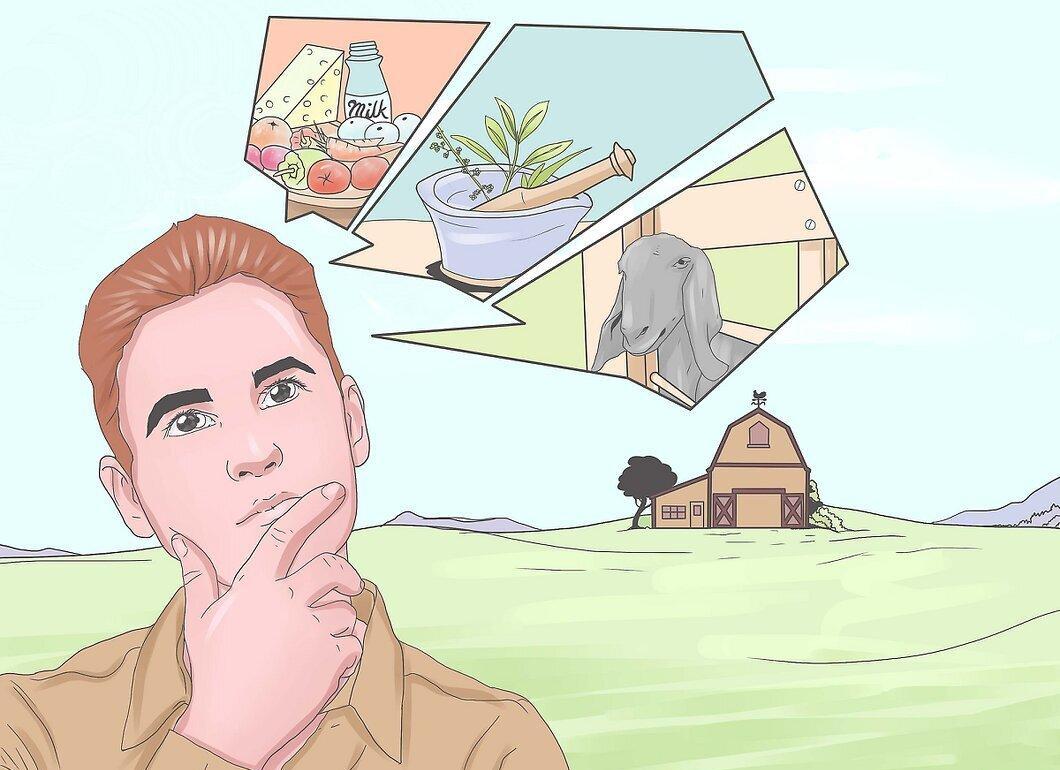
Decide on the type of farming you want to engage in. Generally, any specialization in farming can be categorized into one of two types. The first is crop farming, which includes: grains (oilseeds, cereals, legumes), fruit orchards, berry farms, vineyards, vegetables, wheat, and silage. The second is livestock farming, which involves raising meat or dairy cattle, pigs, poultry, horses, sheep, bees, or exotic animals. Organic farming is another branch of agriculture and animal husbandry that focuses on alternative production methods.
- Commercial farms typically involve multiple enterprises to support the primary type of production. For example, a dairy farm cannot be profitable without support from silage and grain production. Farms that specialize exclusively in grain production often use a rotation system, growing at least two grain crops per season, alternating oilseeds, cereals, and legumes annually to meet market demands. Many family farms, large or small, usually incorporate at least five types of production. Family farms often represent a mixed farm model, combining both crop production and livestock raising.
Step 3. Talk to experienced farmers.
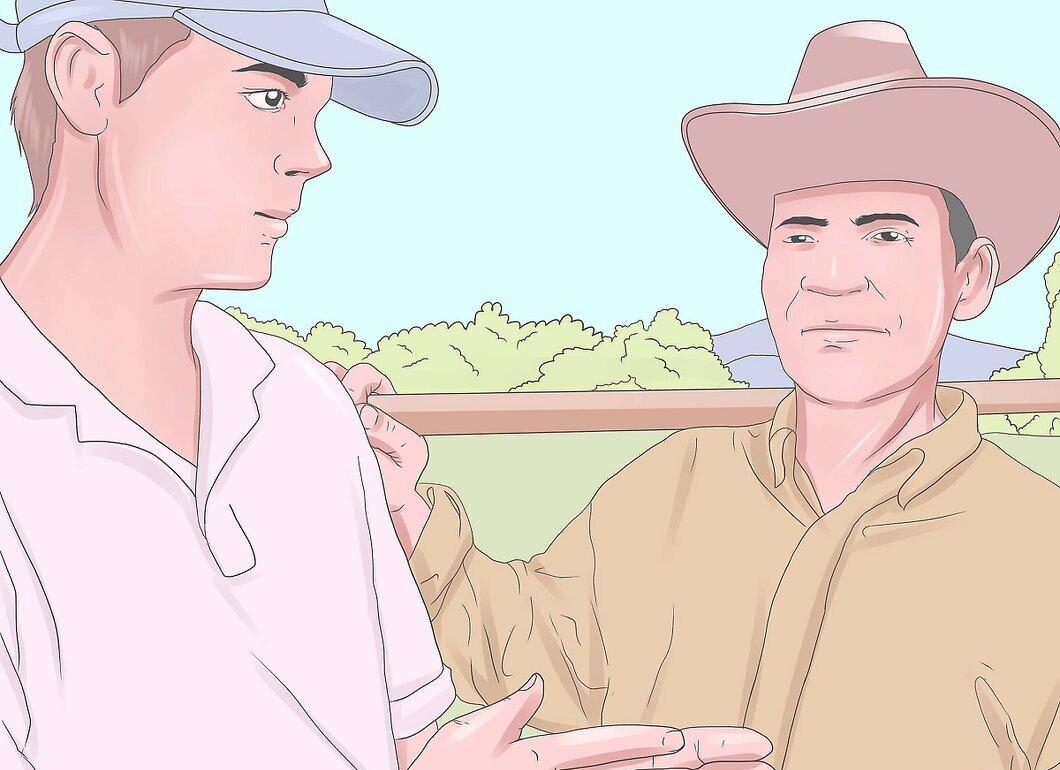
Engage in conversations with experienced farmers. Try to find farms similar in nature to what you envision. Ask around – you might be able to visit one of these farms. Conduct online research; perhaps there’s a local agricultural fair coming up where you can meet serious and active producers who would be helpful to talk to.
- Ask them various questions about what they do (what their process involves), how their farm has changed over time, what developments they foresee in their sector, and request permission to visit their farm. Farmers are generally friendly, humble, and welcoming, although some may be more reserved than others.
- Farmers' markets are also a great place to meet farmers, especially those with a narrow specialization (like goat cheese, berries, etc.).
Step 4. Do your homework.

Do your research. Read books discussing topics related to the type of farm you aspire to create. Look for articles and forums online about farming. Online forums are excellent resources for exchanging experiences with experts in the field of agriculture.
- While researching, identify what skills will be necessary for successfully managing your farm. What does the market for your product look like? How suitable is your living area for this type of farming?
Step 5. Attend farming-related classes.

Take part in farming-related classes. There are several ways to gain the necessary information through education. One common avenue is to attend university and study agriculture, agricultural economics, and management. Of course, a university education isn’t required to become a farmer. Look online for seminars and other classes focused on topics that interest you.
- Modern farmers are essentially entrepreneurs. They must adapt to survive. Understanding agricultural economics and farming policies will help elevate your production level.
Step 6. Consider relocation options.
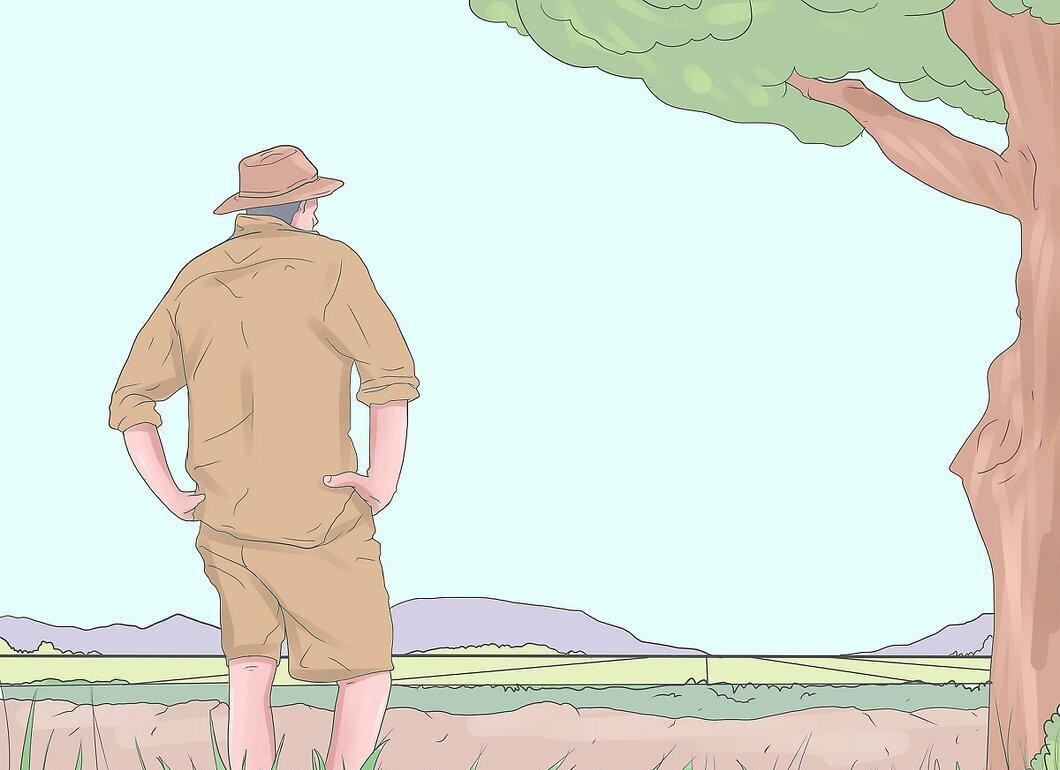
Think about possible relocation options. Some regions are more conducive to successful farming than others, and different sectors of agriculture are better suited to various territories. Find out where is the best place to establish the type of farm you dream of and research existing farms in those areas. Alternatively, learn about what farms already exist in the region you’re interested in to assess if it suits your type of farming.
Gain Hands-On Experience
Step 1. Offer your services as a worker on an existing farm.
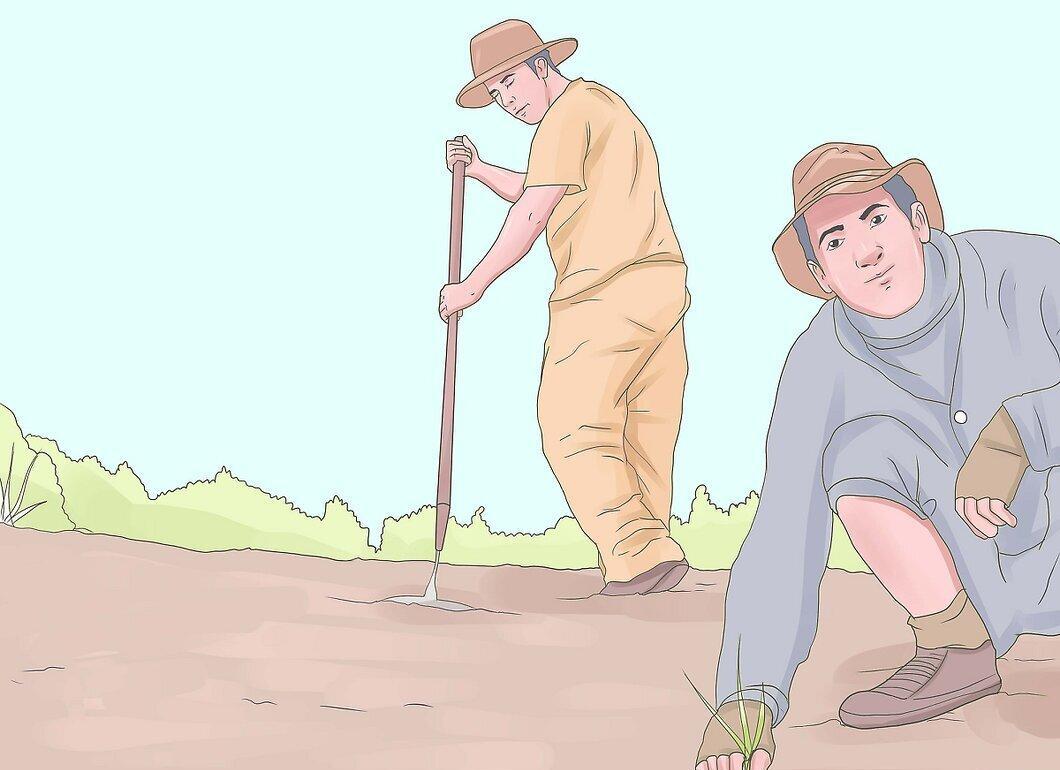
Gain experience by offering your services as a worker on an existing farm. This is one of the key steps toward becoming a farmer, as it provides the opportunity to work in exchange for learning and gaining essential experience as an employee. Since you’re just starting out, like in most other professions, it’s wise to begin at the bottom. There are several ways to start working on a farm:
- Look for training programs in agriculture and animal husbandry offered by federal or local authorities. There may be programs in your area aimed at networking and experience exchange among farmers.
- Enroll in beginner farmer training programs. You can find a variety of these programs through online searches (just type in "farmer training programs").
- Participate in the WWOOF (World Wide Opportunities on Organic Farms) program. Choose your country and see what opportunities are available. Joining these programs offers an amazing opportunity to closely engage with organic farming, as participation involves visiting farms.
Step 2. Be prepared that it may not be very profitable.

Be ready that this may not be very lucrative. Pay for farm workers is often quite low. Many jobs are seasonal (typically during the summer). Finding work in winter is nearly impossible.
Step 3. Show your eagerness to learn.
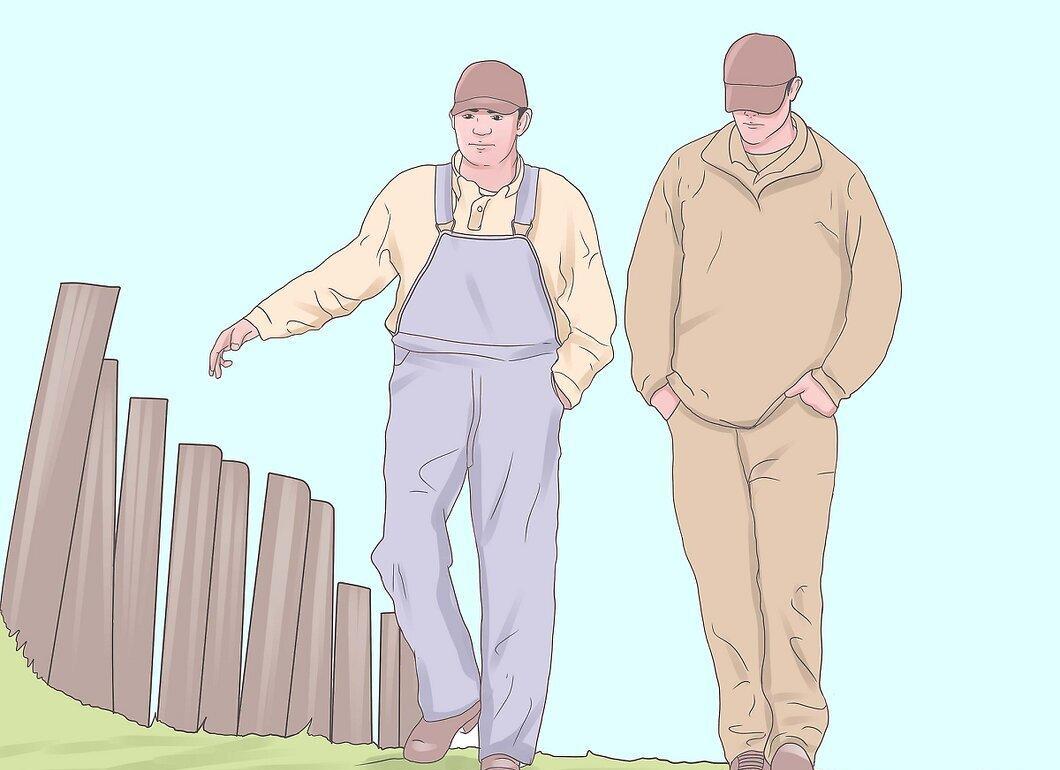
Demonstrate your willingness to learn. Observe what experienced individuals do and ask them to teach you; often, you’ll need to simply inquire why they do things the way they do. During your first year of practice on a farm, your learning curve will soar, and you’ll gain knowledge on tasks such as changing tractor oil, repairing combines, preparing cows for milking, making hay, feeding livestock, and even distinguishing wheat from barley.
- Don’t expect to become a farmer without delving into the skills, knowledge, and technical aspects of farming processes. The best teacher, as they say, is experience. Books and articles can only provide a general understanding; what lies ahead is real farming experience.
Step 4. Be flexible and open to new tasks.
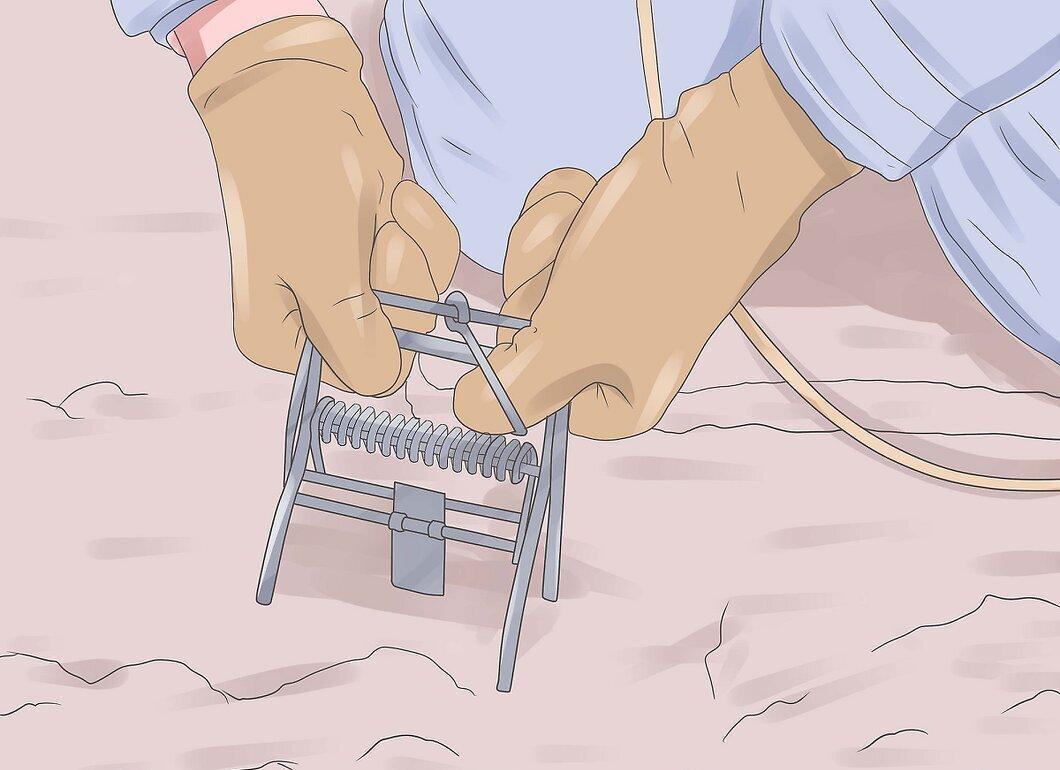
Be flexible and open to new activities. You should be ready to perform any tasks that your farm may require of you. Many tasks will demand training (and a lot of manual labor). If there are activities you are fundamentally unwilling to do, voice this and understand that it will become your limitation. However, if you are, for instance, not prepared to euthanize a sick or dying animal, you might be missing the essence of the matter, which is understanding that you are doing good by relieving the animal’s suffering. Such questions may include (and this is not an exhaustive list):
- Cleaning stables and livestock areas.
- Working at heights or on roofs.
- Operating equipment such as tractors, combines, or harvesters.
- Controlling rodent populations, like rats and rabbits.
- Protecting against wild animals.
- Maintaining feeding or milking schedules.
- Sowing or harvesting for 12 hours straight with little to no breaks.
- Using pesticides in the fields.
- Slaughtering and butchering livestock.
- Euthanizing sick animals.
- Repairing and maintaining equipment, treating sick animals, etc.
Step 5. Be prepared for physical demands.

Be ready for physical demands. A significant portion of farm work requires bending, lifting heavy items, pulling, dragging, and throwing. Only farm managers can sometimes avoid heavy labor, but even they often work at the limit of their capabilities.
- Don’t shy away from getting acquainted with machinery. Familiarize yourself with different types of farming equipment as much as you can. Learn how to use them, ensure safety, and how to store, operate, and repair them. Even the smallest farms typically rely on a tiller and a small tractor.
Step 6. Dress appropriately.
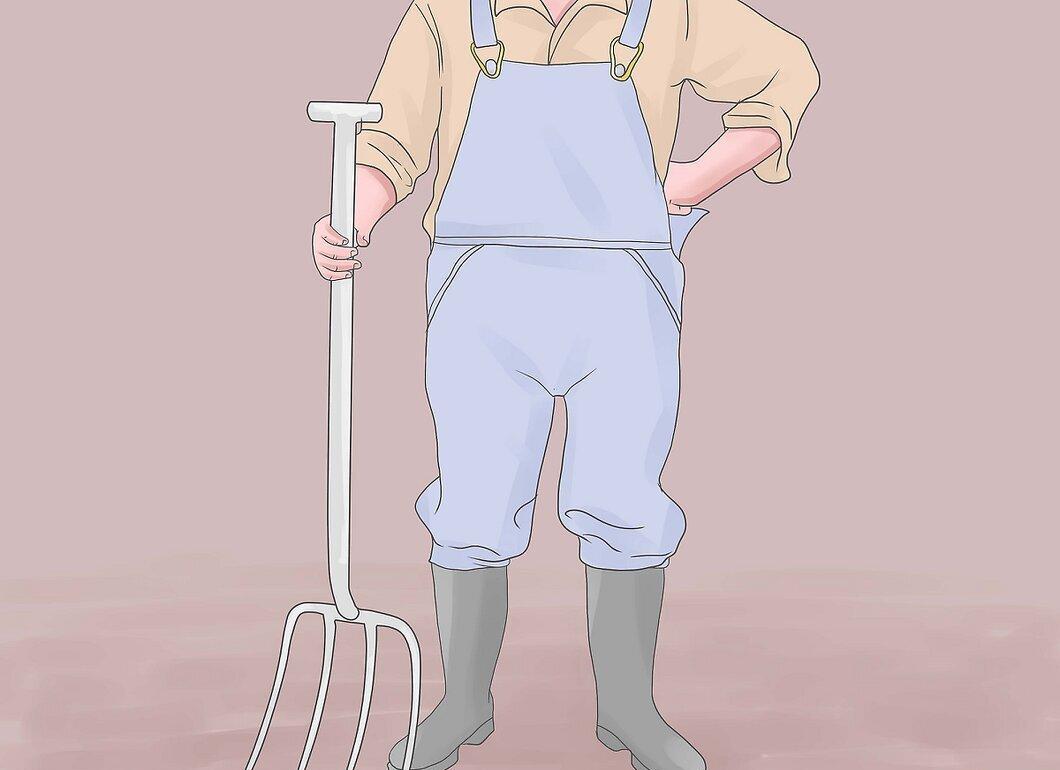
Dress appropriately. It may sound strange, but showing up to a farm in a suit and dress shoes is about as out of place as arriving for a job interview at a law firm in jeans and sneakers. In the early stages of farm development, you’ll be doing a lot of physical work. Wear comfortable, loose, warm clothing and waterproof footwear.
- Don’t skimp on good gloves; without them, your hands will soon become a gallery of scratches, bruises, blisters, splinters, and other misfortunes. Additionally, gloves will keep your hands from getting too dirty.
- If you have long hair, tie it back and tuck it under a hat that will also protect you from sunburn.
Step 7. Approach everything with a good sense of humor.

Maintain a sense of humor about everything. Laughter makes the day go by faster, especially when your muscles ache, your fingers feel like they might fall off, and the weather has ruined your plans yet again. Positive thinking is an investment in any farm!
Step 8. Assess your readiness to create your own farm.
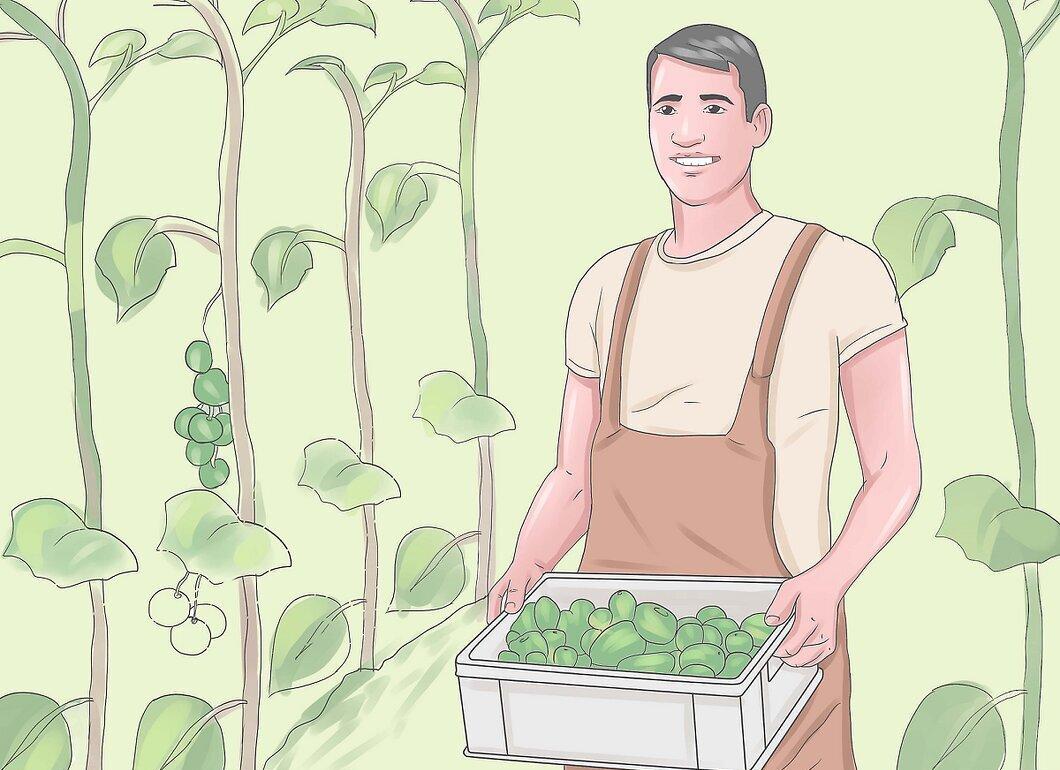
Determine your readiness to establish your own farm. For most, it takes a year or two of experience on other farms before they can consider themselves "educated enough" to transition from worker to farm manager.