
Secret agents could be among us, working in government agencies or private companies, gathering information and reporting on it. If you want to uncover secrets and believe you have what it takes to be a secret agent, read this article to find out what skills a secret agent should possess and how to get a job in the intelligence service.
Acquire Spy Skills
Step 1. Be Charismatic.

Be charismatic. James Bond is a great secret agent; he's strong and smart, but also able to adapt to the situation and environment. He exudes charm. A good secret agent should be able to charm complete strangers and manipulate them to their advantage. If your goal is to play big poker in Morocco, you need to pass by the doorman, place a bet, and join the game. How to do it? With charisma.
- For practice, try getting phone numbers from strangers in public places. Start a conversation with an unfamiliar person and charm them to get their phone number.
Step 2. Improve Acting Skills with Different People.

Improve your acting skills with various people. Visit places where you may not be a welcome guest and try to adapt to the environment and gather information from locals. Can you become a worker at a grain mill? A diplomat? Or a singer? A good secret agent would say yes.
- Familiarize yourself with the culture of both upper and lower classes. If you need to infiltrate a circle of high-ranking individuals involved in smuggling, you should be able to maintain a conversation about wine or opera. You might also need to blend in on an oil rig, where you'll be working with tough and rugged people; in this case, learn at least one song they love.
Step 3. Learn to Detect Lies and Tell Untruths.

Learn to detect lies and tell untruths. If a secret agent is caught in a document storage facility at night, they must quickly come up with a plausible story for being there. Additionally, if you suspect someone, you must quickly and effectively discern lies. Training in lie detection can help you learn to tell untruths.
- Study body language. Liars often feel stiff and uncomfortable. Truth-tellers are typically relaxed.
- Liars tend to ask questions back or repeat them to buy time for a suitable answer. To avoid getting caught, have responses for awkward questions prepared in advance.
- Stay calm when lying. If you know you have to lie, relax. A person lying often reveals themselves through nervousness. If you are relaxed, your lie will appear more believable.
Step 4. Stay in Shape.

Stay in shape. A secret agent may need to climb over a barbed wire fence, infiltrate a building through the sewage system, or run quickly. If you want to become a secret agent, maintain good physical fitness.
- Focus on cardio rather than strength training. Most secret agents do not resemble Schwarzenegger, but you may need to run fast to escape guard dogs or security.
- Try yoga to control your body (for example, while navigating narrow corridors).
Step 5. Learn to Fight.

Learn to fight. If something goes wrong, a good secret agent should be able to jump into action. You don't want to end up captured and interrogated in some dark warehouse; you won't have to worry about that if you can stand up for yourself.
- Make a fist tightly, but don’t overexert it. Relax your fist when defending, and make it firm when attacking. Never tuck your thumb under your fingers—keep it above your clenched fingers.
- Strike with the first two knuckles at the nose and eyes; don’t hit the jaw or forehead—you'll injure your hand. Strike straight and hard.
- Defend yourself by keeping your fists at eye level and your elbows close to your body (like in boxing). Move away from your opponent when they strike. Dodge blows to avoid being hit.
Step 6. Learn Languages.

Learn languages. If you plan to work undercover in other countries, you must know the local language. This is particularly important for corporate espionage and intelligence work in official government institutions. The following languages are particularly beneficial to learn:
- English;
- Farsi;
- Arabic;
- Chinese;
- Spanish.
Step 7. Learn to Read Lips.

Learn to read lips. One of the most critical skills of a secret agent is being able to recognize body language (gathering information through the movement of a person's body parts).
- You can practice reading lips while watching movies on mute (but with subtitles; over time, turn off the subtitles and make sure you understand what the actors are saying). Practice lip-reading by going to a café or another public place.
Get Hired by an Intelligence Organization
Step 1. Obtain a Degree in Business, Foreign Languages, or Law.

Obtain a degree in business, foreign languages, or law. There are no uneducated secret agents. You don’t become a secret agent right after school, and intelligence agencies don’t hire simply for survival skills. To get a job in a government agency where secret agents gather information, you need at least a university degree (preferably a graduate degree).
- Secret agents have degrees in various fields, but the most sought-after degrees are in foreign languages, international law, and business administration. Military experience is highly valued.
- After graduating, you can apply for jobs in your country’s intelligence organizations (in some countries, these organizations even offer internships for university students).
Step 2. Apply for a Position in Your Country's Intelligence Service to Become an Official Secret Agent.

Apply for a position in your country’s intelligence service to become an official secret agent. You can work in various departments of the FSB or GRU (in Russia), but secret agents usually work in a specific department.
- To apply for a job, you need to contact the main office (or division) of your country’s intelligence agency. Your application will be thoroughly vetted (your education, hobbies, skills, and even your parents will be checked).
Step 3. If You Want to Become a Secret Agent, You Must Have a Clean Criminal Record.
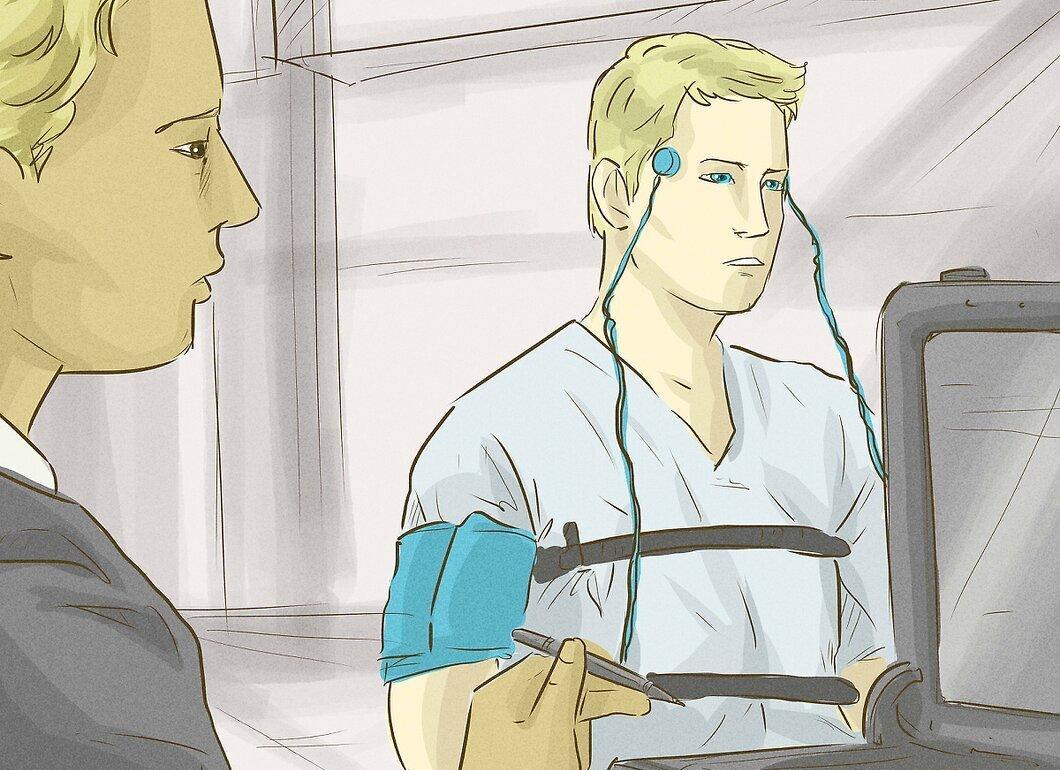
If you want to become a secret agent, you must have a clean criminal record. If you have convictions, been arrested, or have had any legal issues, you won’t be hired by the intelligence service (even if you could be an excellent agent).
- To have a chance of getting hired by an intelligence organization, stay out of trouble. You may be tested on a lie detector and have your blood analyzed for drugs. Any psychological problems, legal issues, or interpersonal relationship problems will prevent you from getting a job in the intelligence service. This is a tough selection process.
- In the FSB or GRU, your biography will be checked meticulously, even back to school. So if you did something serious in school, don’t be surprised if you are denied employment.
Step 4. If You Get Hired by an Intelligence Organization, Congratulations!

If you get hired by an intelligence organization, congratulations! But now the real work begins. You’ll likely have to drastically change your life (traveling between countries, always being on call). Are you ready for the challenge?
- Make sure you only have the bare minimum of belongings and transition to a Spartan lifestyle. Don’t get attached to anything you can’t drop in a minute if danger arises. Excessive connections and responsibilities work against you. Make your job your life. After all, you are a secret agent!
- For spies, interpersonal and romantic relationships become very complicated. It’s likely that you won’t even be able to tell your friends and family what you do. Can they accept this? Can you live like this?
Step 5. Engage in Industrial or Corporate Espionage.

Engage in industrial or corporate espionage. Secret agents work in various fields, and if you couldn’t get a job in an intelligence organization but have excellent intelligence skills, consider corporate espionage; you’ll work in a large corporation spying on other companies.
- If you aren’t working for the government, start a career as a private investigator to build a reputation as a good agent. Such a reputation will help you land a job in a large company where you’ll be involved in corporate espionage.
- Corporate espionage is illegal, and you may face a lot of troubles if you signed a non-disclosure agreement. You will likely have to work as a double agent, meaning you’ll be working for two competing companies and gathering information on them.
Undercover Work
Step 1. Learn About the Culture and Political Climate of the Region Where You Will Work.
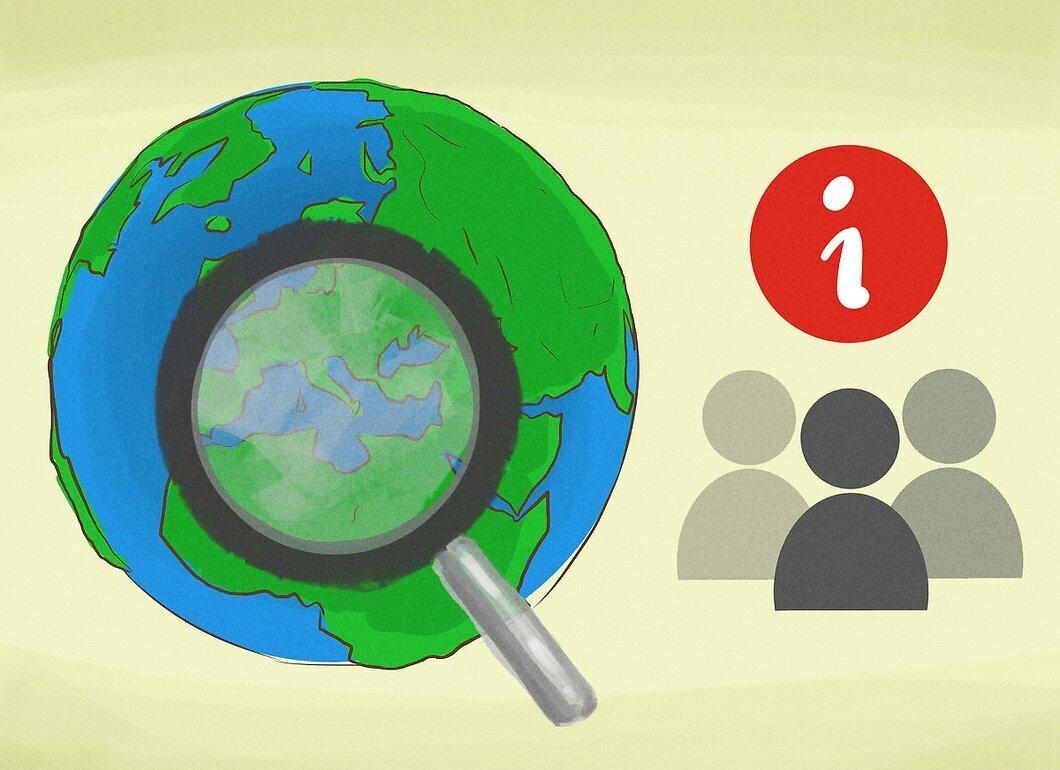
Learn about the culture and political climate of the region where you will work. For example, if you are going to work in the United Arab Emirates and spy on oil companies, you need to prepare and approach this work very differently than if you were working in Europe.
- Research the current state of affairs in the country you are staying in, and study its history. Look for information about the people living in that country and their culture. What drives them? How are they different from you?
- Study the geography of the host country thoroughly. For example, if you are working in Iraq, you should know exactly how many hours it takes to get from Baghdad to Kuwait and back before dark.
Step 2. Create a Good Legend and Local Connections.

Create a good legend and local connections. You will likely work under a fictitious name. Perhaps you will be a representative of some Western company in Southeast Asia, responsible for identifying potential sites for new operations. You will be given a general legend, but you need to come up with the details yourself.
- Approach your work creatively (like an actor). Your life may depend on it. Any details you include in your legend that you borrowed from your own life could lead to your downfall if your enemies uncover them.
- In most cases, you need to find someone who can introduce you to local customs; this person may or may not know that you are a secret agent. Also, meet people on your own to enter the local community.
Step 3. Stay Close to the Enemy.
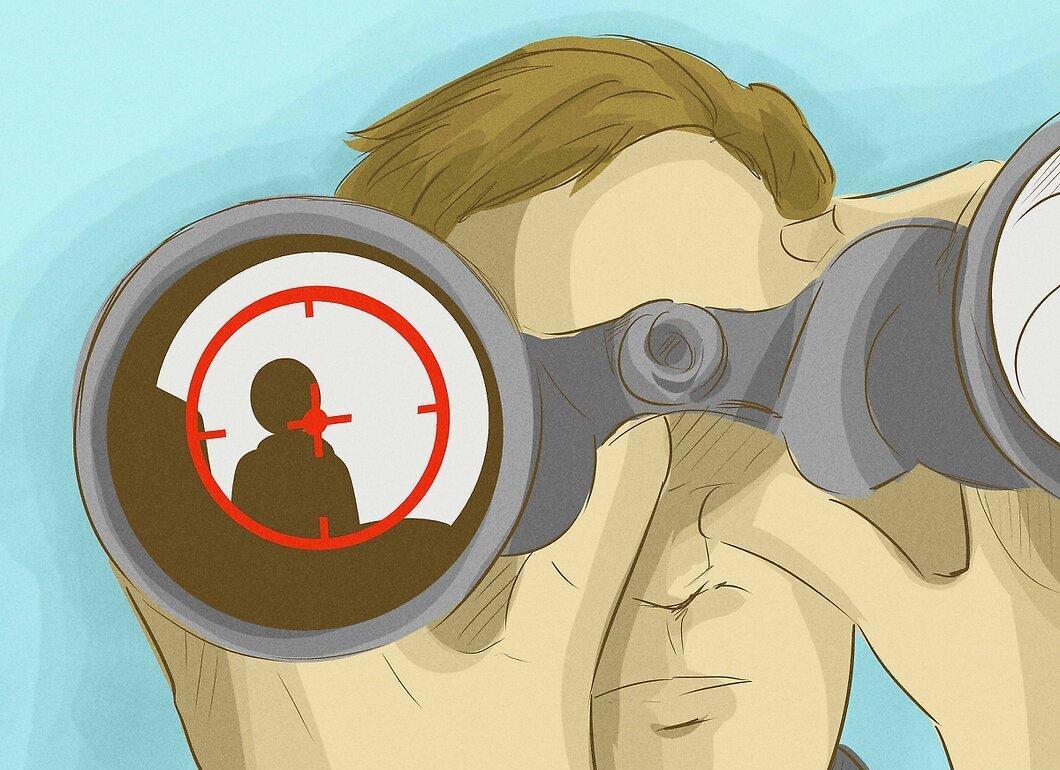
Stay close to the enemy. In most cases, you will not be spying on your target from a distance with binoculars. You will meet the opponent face to face, extract information, and quietly withdraw. For this reason, gaining the opponent's favor is crucial.
- Learn as much as possible about the enemy's habits, what they like and dislike. If you are spying on a general who knows fine whiskey, you can win their favor by bringing a bottle of good whiskey to a dinner party.
- If you are watching someone from a distance, keep your distance and develop an escape plan in case something goes wrong.
Step 4. A Good Agent Must Blend into the Crowd and Adapt to Any Society.

A good agent must blend into the crowd and adapt to any society. Wear clothing that people around you are wearing. Don’t draw attention!
- Don’t rush to start your main work. In most cases, bravery won’t be required. Conduct your business according to your legend and stay alert. Spend time making acquaintances and adapting to your surroundings.
Step 5. Keep an Eye on Your Surroundings.
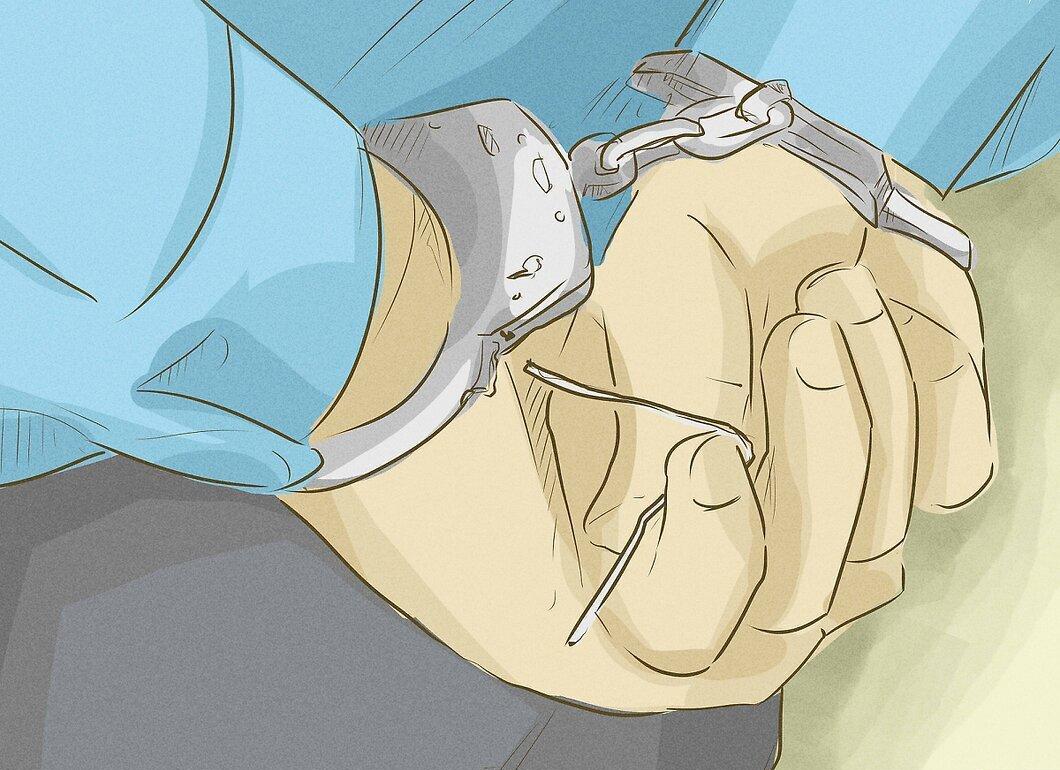
Keep an eye on your surroundings. Don’t relax. Learn to make quick decisions and be resourceful. Try to find useful applications for the skills you possess or learn new skills. Here are some skills that may come in handy for a secret agent:
- engine repair;
- knife throwing;
- radio equipment repair;
- escaping from handcuffs.
Step 6. Gather Intelligence.

Gather intelligence. Pay attention to everything that deviates from the norm, that changes the routine life of your target, or other similar events or factors. Even if you are unsure whether an event is important, report it to headquarters (what is happening and what you think).
- Hone your intuition. Often, in an agent's work, it is impossible to determine the target's intentions precisely (nobody will say, "We are going to transfer drugs tomorrow at noon"). Criminals are not foolish, and you need to learn to discern their intentions through their behavior, body language, and other factors.
Step 7. Acquire Equipment and Specialized Software.
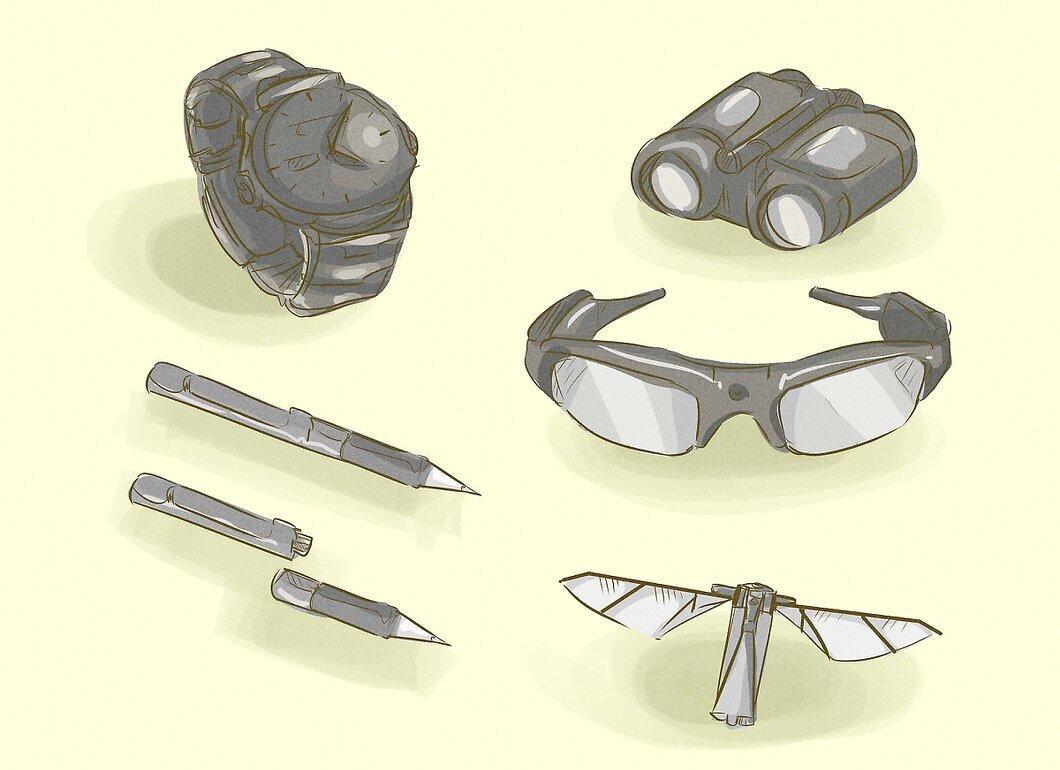
Acquire equipment and specialized software. Spy equipment is crucial in a secret agent's work, and you will use it for surveillance and eavesdropping. Modern “bugs” are tiny devices; you will be trained in using them before being sent on a mission. Depending on your task, you may need to spend much time in front of a monitor (when surveilling a target) or in headphones (when eavesdropping on a target). Be prepared for minutes of absolute silence or empty chatter about things like horses or cars.
Step 8. Prepare a Go-Bag for Emergencies.
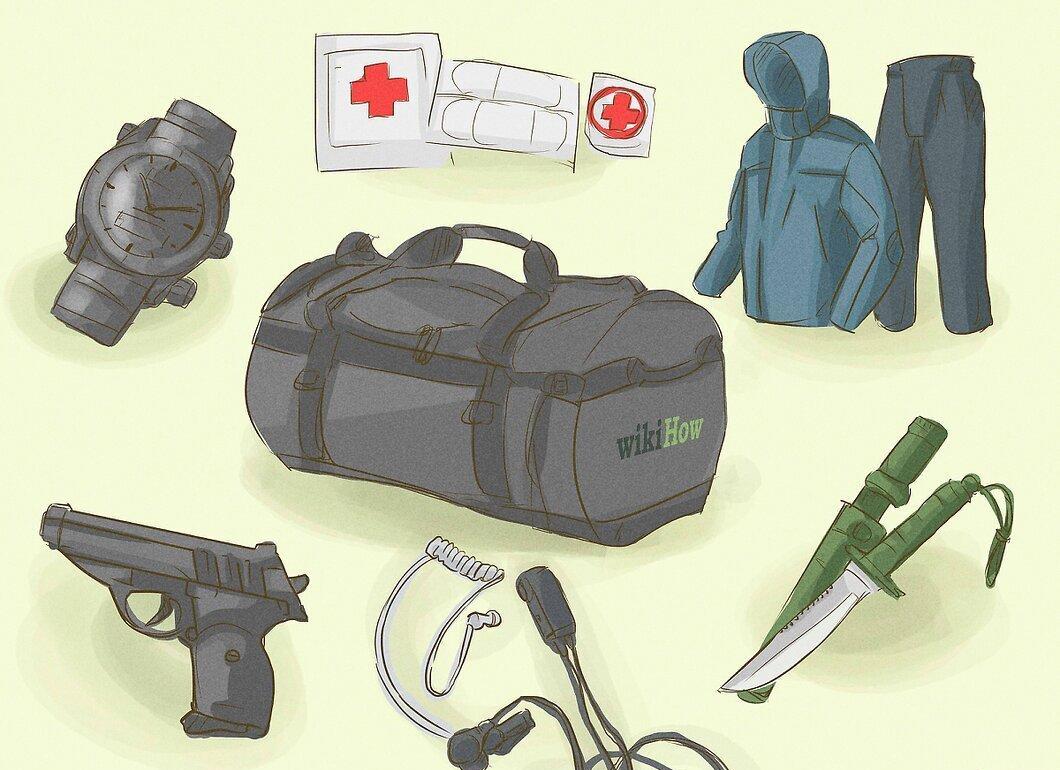
Prepare a go-bag for emergencies. It contains the essential items that an agent might need in case of a hasty retreat. Pack a survival kit, weatherproof clothing, and a radio transmitter; you must quickly disappear to avoid being captured by enemies, but so that the "good guys" can find you.