
A travel writer explores new destinations and shares their observations with others through the written word. One of the key requirements for this job is a desire to travel and discover new places and cultures. Physical endurance, a keen eye for detail, and strong writing skills are just some of the qualities needed to become a true travel writer.
Job Requirements
Step 1. Be Aware of the Low Pay for Travel Writers.

Be aware of the low pay for travel writers. You might imagine that you will be sent on assignments around the world with hefty fees covering all your expenses, and all you need to do is sit in a café in some European town and people-watch. In reality, very few publishers cover the costs for travel writers, especially if they are freelancers rather than staff writers.
- Many travel writers work for themselves as freelancers, moving from contract to contract, story to story. This means you may not have a stable income from this type of writing, and it can be challenging to earn a high salary when commissioned to write for a publisher.[1] Source
- Currently, the pay for a 500-word article can range from $10 to $1,000. Experienced writers who have worked with major print publications for years will earn closer to the upper end of this range for a single article. Many travel writers earn no more than $25-$300 per article. If you can produce sensational material or a cover story, you may get paid more. However, landing more lucrative stories is often difficult, so you will frequently need to write.
Step 2. Understand That Full-Time Work in This Field Is Hard to Find.

Understand that finding full-time work as a travel writer is challenging. To secure a staff position with a major travel publication, you need years of experience, but even after establishing a solid reputation in the field, such work may not come easily. Many print publications are downsizing as writing moves to online platforms.
- Instead, you need to be prepared to work as a freelance writer to build your portfolio. This means you will need to write articles for multiple publications consistently over several years, often for very low pay. As a freelancer, you will also have to arrange your own accommodation and itinerary, spending days traveling alone.
- To turn this type of writing into a full-time job, you will need to develop connections and gather recommendations in the field. This may take several years of contract work until you establish a name for yourself. Many travel writers find stable, primary jobs while writing on the side.
Step 3. Remember the Benefits of Being a Travel Writer.

Remember the benefits of being a travel writer. With low pay and an unstable workflow, a career in this type of writing can be daunting. However, many travel writers take on this work because it allows them to visit places they would never have gone and meet people they would never have encountered if they weren't writing about a particular destination or region. Often, travel writers are passionate about their work and enjoy the adventures and experiences this career offers.
- You need to be a curious and open-minded traveler willing to endure hardships when necessary. You should also be prepared to pitch your ideas to editors and promote your work whenever possible. As a budding travel writer, you must demonstrate your writing talent and passion for adventure, as well as your ability to sell your ideas and materials to an editor.
Find Your Niche in the Market
Step 1. Read Successful Travel Writers in Different Genres.
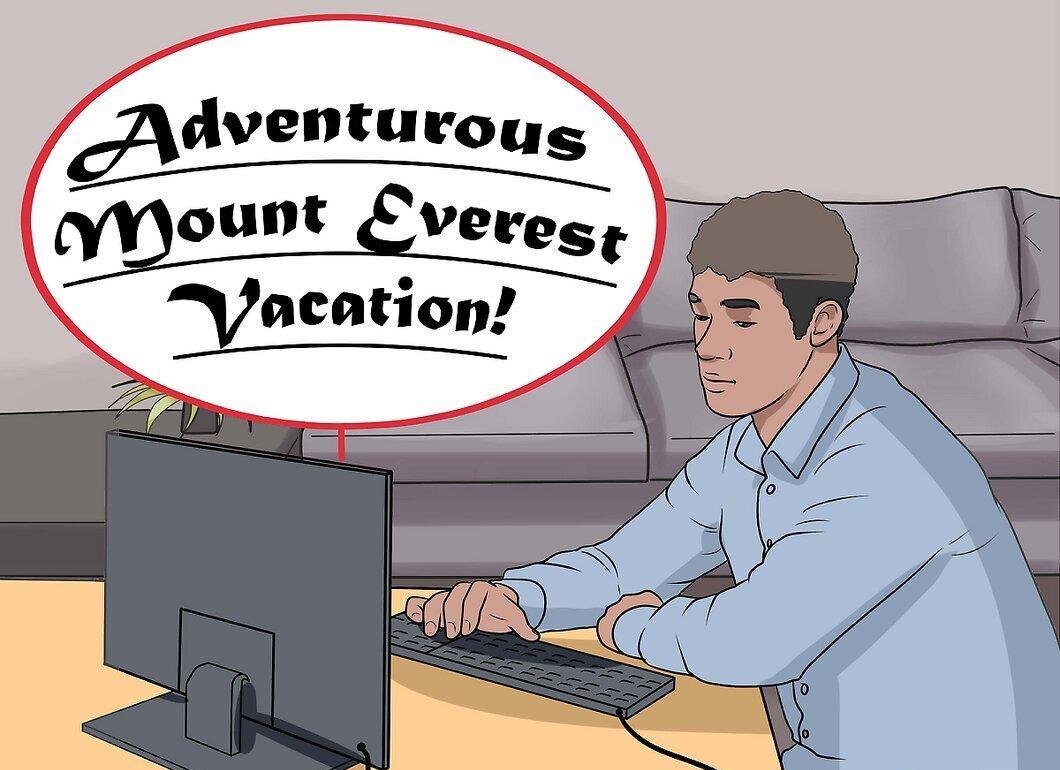
Read successful travel writers across various genres. Today, this type of writing is much more than just publishing articles in magazines or newspapers. Writers publish their articles in blogs, online magazines, and other digital platforms. Successful travel writers have carved out their niches and stick to them, using their unique perspectives to keep readers engaged and sell stories to editors. You need to familiarize yourself with this market by reading works from several successful travel writers and travel bloggers, including:
- Travel writer Bill Bryson: Bryson is one of the most successful travel writers and is highly respected in England for his travel book about life in England, "Notes from a Small Island," as well as his book about traveling across America, "The Lost Continent." Bryson is known for his dry, witty writing style and often combines memoir and travel description in his work.[4] Source
- Travel writer Kate Adie: Adie was previously the chief correspondent for the BBC, covering war zones around the world in the 1980s.[5] Source She wrote an autobiographical book about her travels to dangerous places called "The Kindness of Strangers," which is popular among travel writers. Adie's writing style is characterized by dry humor, an ability to find absurdity in any situation, and a good understanding of travel abroad.
- The Lazy Travelers Blog: Founded by two American friends, this blog recently won the Best Travel Blog award at the 2014 Bloggies.[7] Source Describing their blog with the tagline "Conquering the globe one glass of red wine at a time," the bloggers explore local and international destinations in a relaxed, humorous manner, focusing on the average traveler wanting to see popular attractions and enjoy good food.
- The EscapeArtistes Blog: This blog was a finalist for the Best Travel Blog at the 2014 Bloggies,[9] Source with the tagline "Postcards from the Edge of the World." Written by a British mom living with her young son in Bali, the blog explores the life of an expatriate and tells stories of traveling with a small child across Europe and Asia. The writing style is friendly, filled with dry wit, and aimed at readers seeking a unique perspective on standard travel blogging.
- Crusoe the Celebrity Dachshund: This unusual blog is extremely popular online and showcases the adventurous travels of a dachshund named Crusoe under the title "The sausage dog who thinks he is more famous than he actually is (for now)."[11] Source
Step 2. Browse Respected Travel Publications.
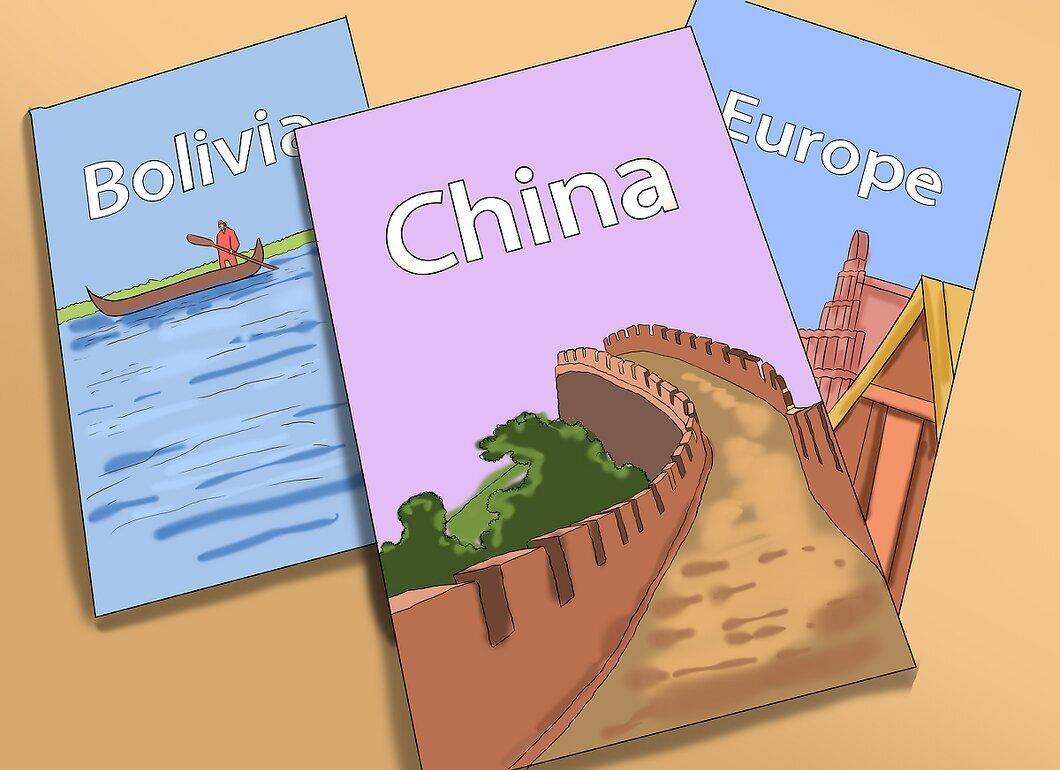
Browse respected travel publications. To gain a better understanding of the print market, read as many issues of well-known travel publications as possible and pay attention to the types of articles published in these magazines. Check out major travel publications like National Geographic, Travel and Leisure, Afar, and International Living. These are major outlets, and it may take years to break into them, and they are generally among the highest-paying jobs.
- You might find a travel magazine that you like and want to write for, or you may have a specific publication in mind. Reading a publication before selecting an article idea will also help you tailor your pitch letter based on the publication's tone and style. This will make your letter stand out to editors, as they tend to pay more attention to styles that align with their publications.[13] Source
Step 3. Start a Travel Blog.

Start a travel blog. Stick to your chosen niche when you start your travel blog and learn how to start monetizing it. Remember that readers look for content that is engaging, captivating, easily accessible, and offers a unique perspective on travel.
- Focus on three main elements: be professional, be helpful, and share personal experiences in a way that resonates with your readers. While your blog may have a casual, friendly tone, you should still treat it like a professional site and avoid low-quality design.
- Additionally, check each post for grammatical or spelling errors. Your blog should serve a purpose and provide your readers with valuable information about a place, event, or destination. Your reader will want to know what they can gain from reading your blog; it should inspire them to read your posts daily. Finally, your blog should be personal in conveying feelings and showcase your unique style or voice.
- Avoid formal language or complicated sentence structures. Aim to speak to the average reader using an open, accessible tone while playing with your unique perspective.
Build Your Portfolio
Step 1. Create an Online Presence.
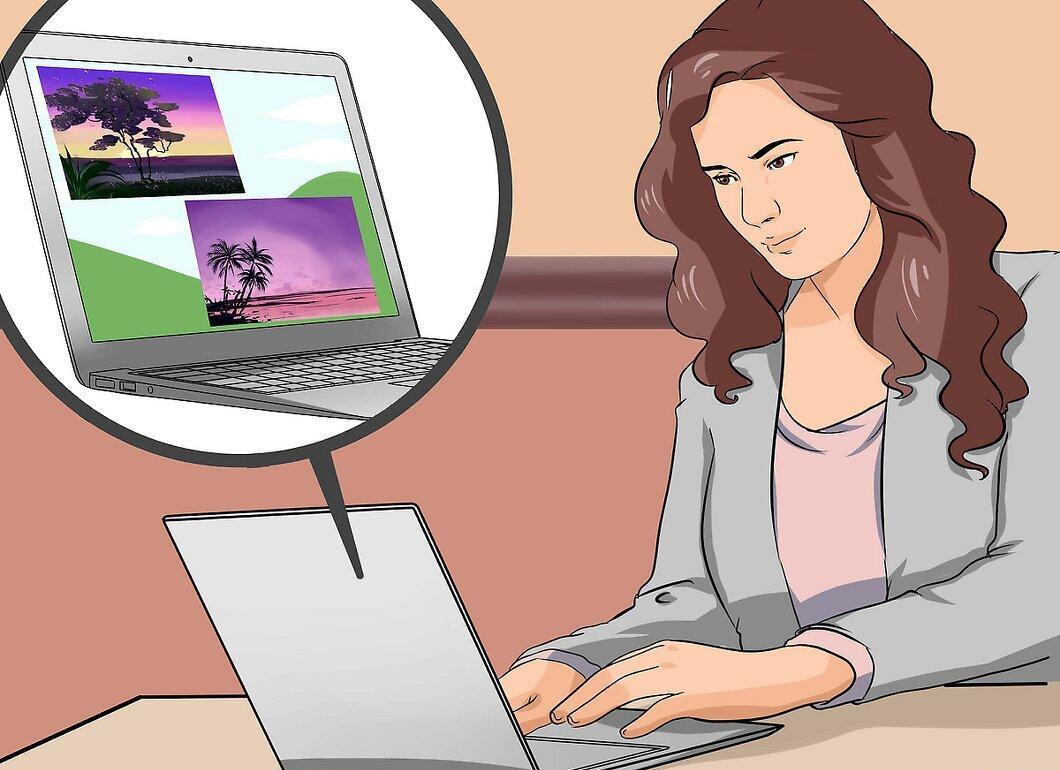
Create an online presence. In today’s digital age, it is essential to maintain an online presence to promote your writing and showcase it to industry editors. You need to have an online portfolio, personal website, and/or blog that you regularly update.
- Your portfolio or website should include your biography, a blog that highlights your past travel experiences and any upcoming trips, with numerous entries detailing your experiences to date, as well as social media channels where you can promote and share your articles, photos, and videos.[14] Source
- Use your portfolio as a platform to attract readers, viewers, and industry editors. Always leave a link to your website when meeting an editor or potential business contact; this ensures these individuals will pay attention to your online persona and may lead to contracts or opportunities.
Step 2. Write About Your Hometown.

Write about your hometown. One of the best ways to kickstart your travel writing career is to focus on local events and happenings in your hometown. Concentrate on exciting new culinary trends or a new music festival in your area. Writing about your hometown allows you to access material that you can easily cover with very little travel expense.
- As a travel writer, you should be able to go beyond a superficial description of a place and see it in an authentic and compelling way. Writing about the interesting aspects of your surroundings will help you establish a strong foundation in a specific niche or locality and allow you to practice “seeing” a place from a deeper, more engaging perspective.
- One way to find inspiration for writing about local attractions is to open Google and type in “your city name” + “travel.” For example, “St. Petersburg travel.” See what comes up first in the search results and ask yourself if you can create a well-written article with more useful information. If your answer is “yes,” then you may have found a topic for your first travel story.
Step 3. Attend Travel Writer Conferences and Meetups.

Attend travel writer conferences and meetups. Developing your online contacts through an online presence is important, but you must also build offline connections by meeting industry professionals face-to-face. Look for travel writer conferences in your area or nearby regions. Search online for travel writer groups you could join.
- Introduce yourself and ask more experienced writers who they work for and what they are currently working on. This will give you insight into the current state of the industry and what types of stories editors are looking for.
Start Getting Published
Step 1. Start Small and Local.

Start small and local. Typically, travel writers do not land full-time positions when they first begin their writing journey. It’s better to focus on local publications. If there’s a section for a 500-word article, write about a local event or happening. Focus on building your portfolio in small steps, as the more experience you gain, the better your writing skills will become.
Step 2. Check Job Listings on Classified Sites.

Check the Job section on classified sites. Many magazines will look for part-time or full-time writers in the Job section of sites like indeed.com or slando.ru. Small local publications may also post ads looking for writers on these sites. Browse the Job section to find offers for writers and try to pitch your strong ideas to as many listings as possible.
Step 3. Frequently Pitch Your Original Ideas.

Frequently pitch your original ideas. Maintain a vibrant freelance presence by pitching your story ideas as often as possible. If you want to write about a locale that lies off the beaten tourist path or is simply unusual, you will need a good angle on the story. Often, readers will want to know more about destinations they wish to visit, so it can be challenging to catch an editor’s attention with a piece about an unconventional location.
- If you choose to pitch your idea in an article format, always adhere to the submission guidelines posted on the publication's website or in its print issue.
- The key rule is to keep your pitch letter concise, no more than two or three paragraphs, to show that you understand what types of stories the publication publishes and to present a strong hook at the beginning of the letter to capture the editor's interest. Additionally, be sure to include a link to your portfolio or website and send the letter to the travel section editor, not the editor-in-chief of the publication, to ensure it reaches the right hands.