
Professionalism is a crucial aspect that can help you excel in the workplace. It can unlock doors to various opportunities, promotions, and bonuses. Your attitude towards management, colleagues, and clients should always remain courteous and professional. Strive to present yourself well and interact effectively with those around you.
How to Present Yourself
Step 1. Pay Attention to Your Appearance.

Pay attention to your appearance. Arrive at work every day clean and well-groomed — without this, a professional look is impossible. It's also important to dress according to the company's requirements. Avoid overly revealing or tight clothing unless it is appropriate.
- Determine the preferred style of clothing among your colleagues. If everyone dresses in conservative attire (suits, classic shirts, long skirts), then you should adapt. Many companies allow business casual styles, which can include slacks or jeans, provided they look sufficiently formal. Also, steer clear of bright colors and patterns.
- If possible, try to cover tattoos and remove piercings unless you know your manager doesn’t mind.
Step 2. Follow Cultural Norms.
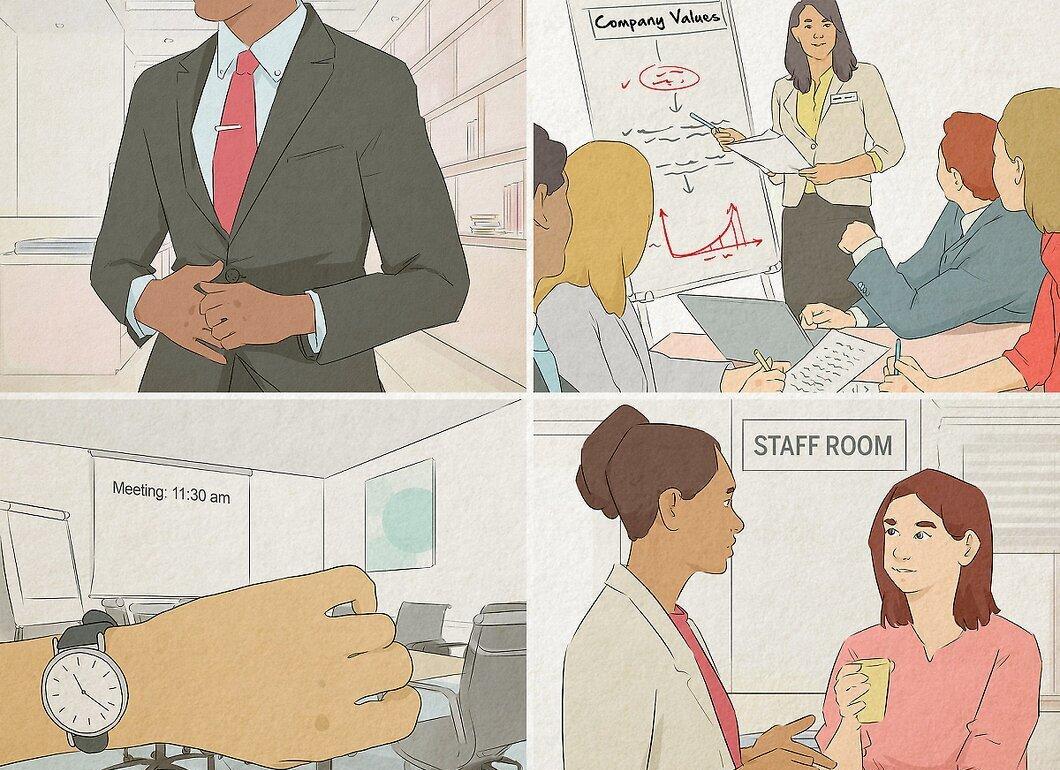
Follow cultural norms. Observe how employees interact to understand the accepted order of things. Notice how they dress, lower their voices when someone is on the phone, and when they discuss off-topic issues.
- Also, take note of how employees communicate with clients during meetings, and whether everyone arrives on time or a few minutes early. The behavior of others will give you clues about the company's standards of professionalism.
Step 3. Arrive on Time for Meetings.
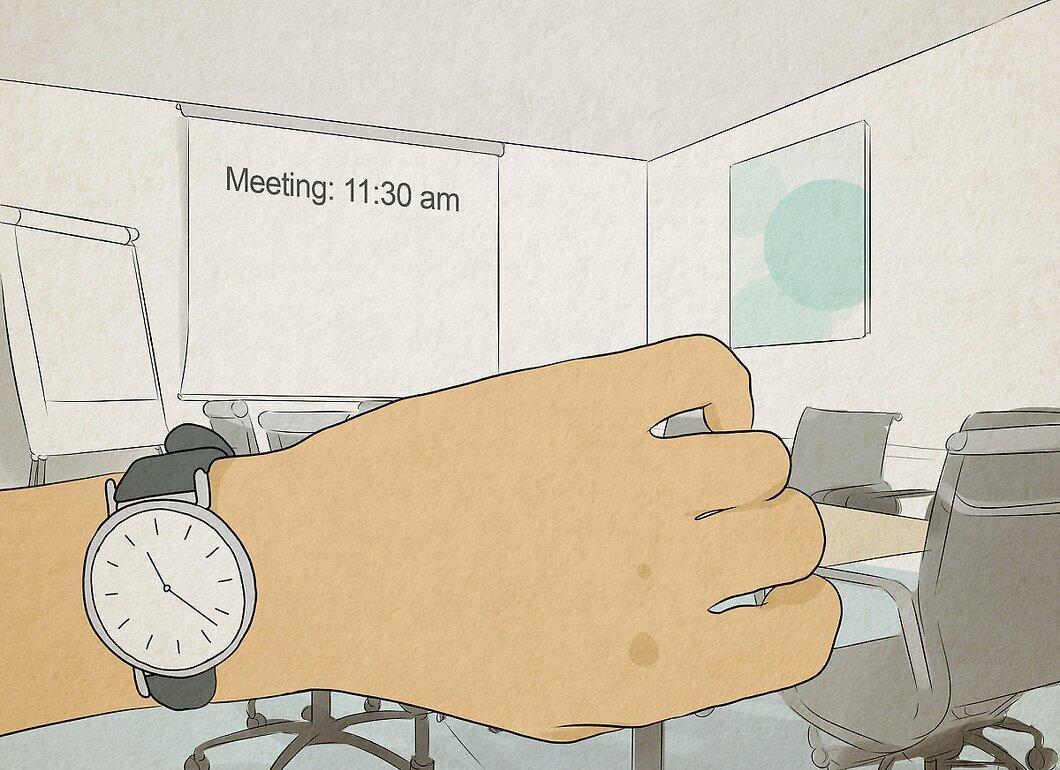
Arrive on time for meetings. It is generally expected to show up on time for work, meetings, and scheduled discussions. If needed, confirm the start time of the workday with your manager. Typically, an office worker's day begins early to be available for client calls and present during standard work hours.
- Aim to arrive at meetings 5 minutes early to settle in and take your place before the event starts. Avoid showing up more than 10 minutes early to prevent inconveniencing others or disrupting their schedules.
- Organize your materials ahead of time. Be ready to participate or share your thoughts.
Step 4. Maintain a Positive Attitude.

Maintain a positive attitude. Often, a professional mindset includes positivity and motivation. Success comes to those who are willing to demonstrate their skills and knowledge to fulfill their work duties. However, beyond experience and competence, employers value a professional attitude, which reflects your character and reliability as a specialist.
- Day by day, remember honesty, reliability, diligence, and a positive outlook. Work should play an important role in your life. Appreciate your achievements, no matter their size.
How to Communicate Effectively
Step 1. Bring a Notebook to Meetings.

Bring a notebook to meetings. Write down all tasks and assignments in your work notebook to avoid forgetting anything. Use either traditional paper and pen or a digital application. Taking notes during meetings demonstrates your professionalism, helps organize information, and ensures nothing is overlooked.
Step 2. Speak Clearly and as Necessary.

Speak clearly and as necessary. The ability to express your thoughts confidently and clearly, both in writing and verbally, is a sign of professionalism. Learn to actively listen to others during discussions and don’t start speaking until the person has finished their thought. Speak slowly and concisely so that everyone can understand and record your ideas.
- If you have an idea about a project or a solution to a problem, think it through first before sharing with colleagues. Give yourself time to develop, specify, and articulate it so you can offer a valuable suggestion when the time comes.
- If issues arise in communication with clients or regarding a project, consult with your colleagues and management. Don’t ignore the situation or shy away from the problem. Promptly alert others and work together to find a solution.
Step 3. Use Phone and Email When Face-to-Face Discussion Isn't Necessary.
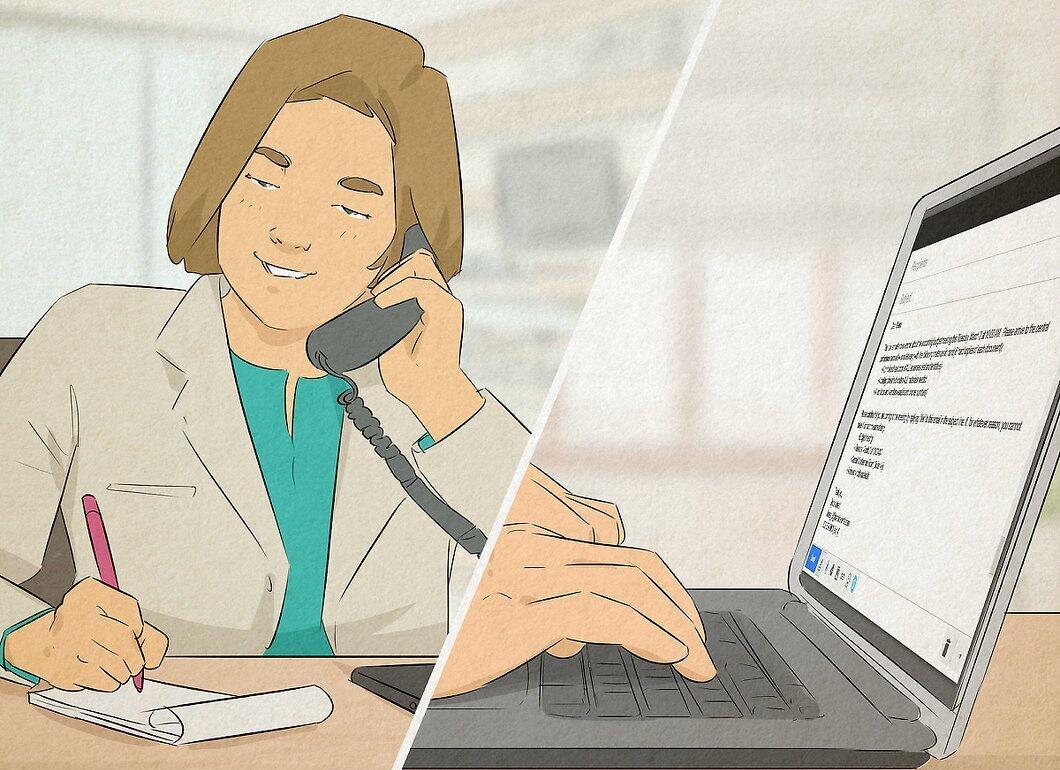
Use the phone and email when face-to-face discussion isn't necessary. Many companies encourage effective use of work time through email and phone communication for minor issues. Don’t call a meeting if a problem can be resolved in 5 minutes over the phone or through a few messages. Wasting someone’s time on an unnecessary meeting is unprofessional.
- First, research the issue or problem on your own. Review emails or work notes to ensure you haven’t missed any critical information.
- In some cases, a face-to-face discussion may be unavoidable. In such a situation, send the employee or client a meeting invitation via email. Ensure that the employee is available and can meet with you at the proposed time.
Step 4. Learn to Accept Criticism and Draw Conclusions.

Learn to accept criticism and draw conclusions. Another indicator of professionalism is your ability to learn from feedback. Constructive criticism always concerns the results of your work, not you personally. Getting angry or defensive in response to criticism is unprofessional. Learn to take lessons and improve in your field.
How to Interact with Colleagues
Step 1. Avoid Office Intrigue and Gossip.

Avoid office intrigue and gossip. Sometimes it's hard to resist office gossip, especially for a newcomer who is still getting to know colleagues. Strive not to engage in office intrigues and rumors to build a reputation as a professional and avoid stooping to the level of gossip.
- Show respect to your colleagues through honesty and straightforwardness — don’t discuss people behind their backs and don’t believe in rumors.
Step 2. Treat Colleagues with Kindness and Respect.

Treat colleagues with kindness and respect. This also applies to those you may not get along with or disagree with. If you find it difficult to deal with someone, try not to work directly with them. You can talk to your manager if you are dissatisfied with a colleague's attitude and effectiveness.
Step 3. View Your Manager as a Potential Mentor.

View your manager as a potential mentor. If your manager sees your potential as a valuable employee, they might become your mentor. Your relationship with your manager should remain strictly professional. Don’t act like you know more about the job than your manager or refuse to learn and follow their advice.
- Having your manager as a mentor opens up vast opportunities for development and growth.
Step 4. Focus on Doing Your Job Well.
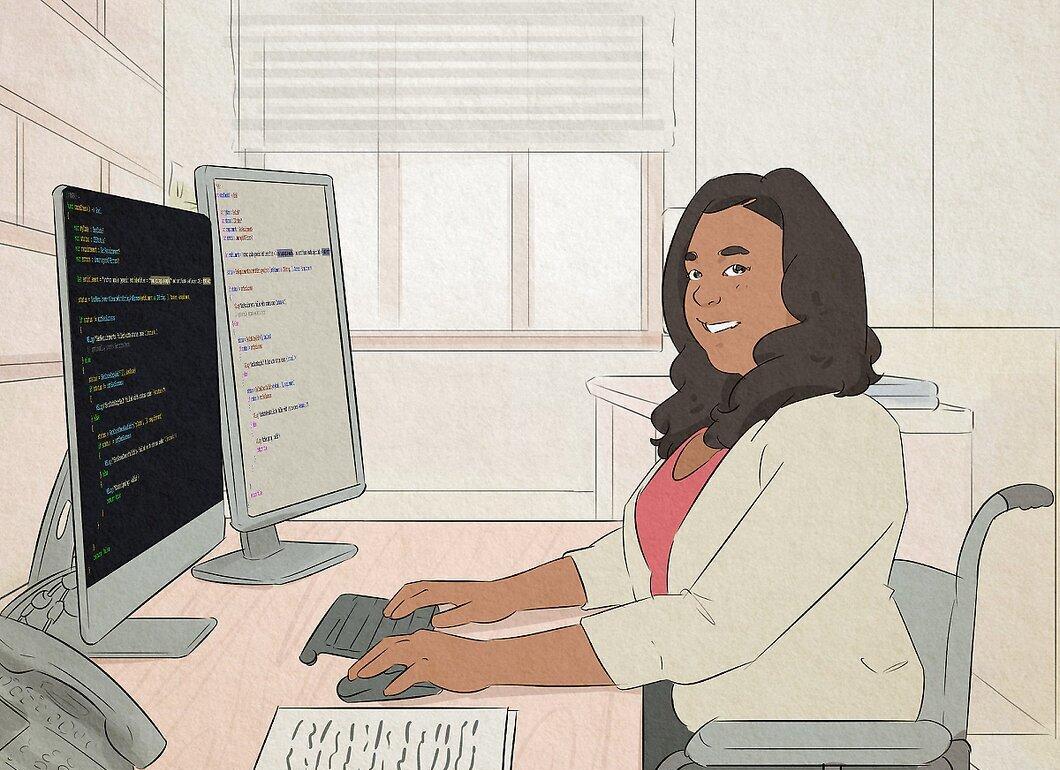
Focus on doing your job well. The simplest way to establish yourself as a professional is to perform your work effectively and without reminders. Concentrate on completing all your tasks and making a positive contribution to the corporate culture. If you are a good employee, you will gain respect and learn a lot for the future.