
Zookeepers are specialists who work with animals in zoos, aquariums, and wildlife parks. People with various educational backgrounds work in zoos, so there's no guarantee you'll land a job in this field. A solid education, extensive experience, and determination can help you become a zookeeper.
Getting an Education
Step 1: Learn more about the zookeeper profession.
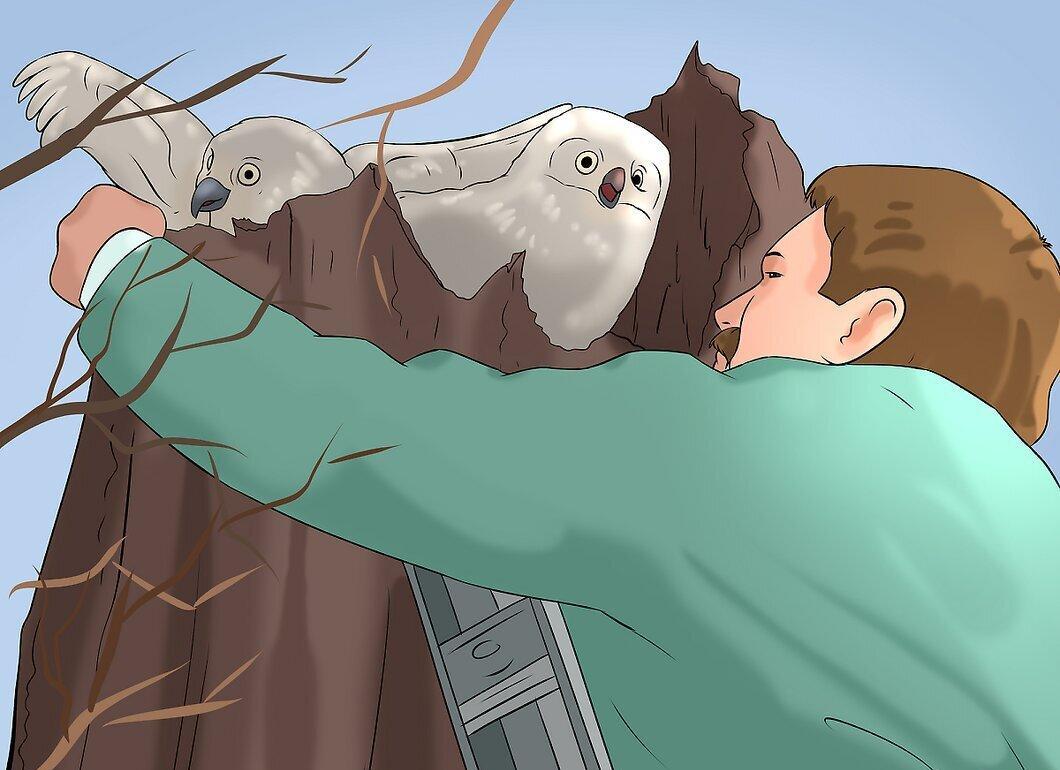
Before applying for a zookeeper position, it's essential to learn more about this profession. It is a demanding job both physically and emotionally, and you need to ensure that it’s a good fit for you.
- The zookeeper profession involves significant physical demands. It’s not a glamorous job. You will get dirty, sweat, and feel tired. It also requires physical strength and agility, and you should be able to lift at least 25 kg.[1]
- The daily routine of a zookeeper can be somewhat chaotic. Shifts change weekly, and you will likely have to work on holidays.[2]
- You will find joy in this job if you have a passion for animals. However, it pays less than many other professions in this field. On average, zookeepers earn around $30,000 a year, but salaries vary based on experience and cost of living depending on the zoo's location.[3]
- A zookeeper has a variety of tasks each day. In addition to feeding the animals, cleaning enclosures and grounds, and training and observing the animals, you'll also have to handle standard office work. Zookeepers maintain field journals, make written reports, and communicate with guests and other zoo staff.[4]
Step 2: Explore alternative zoo jobs.
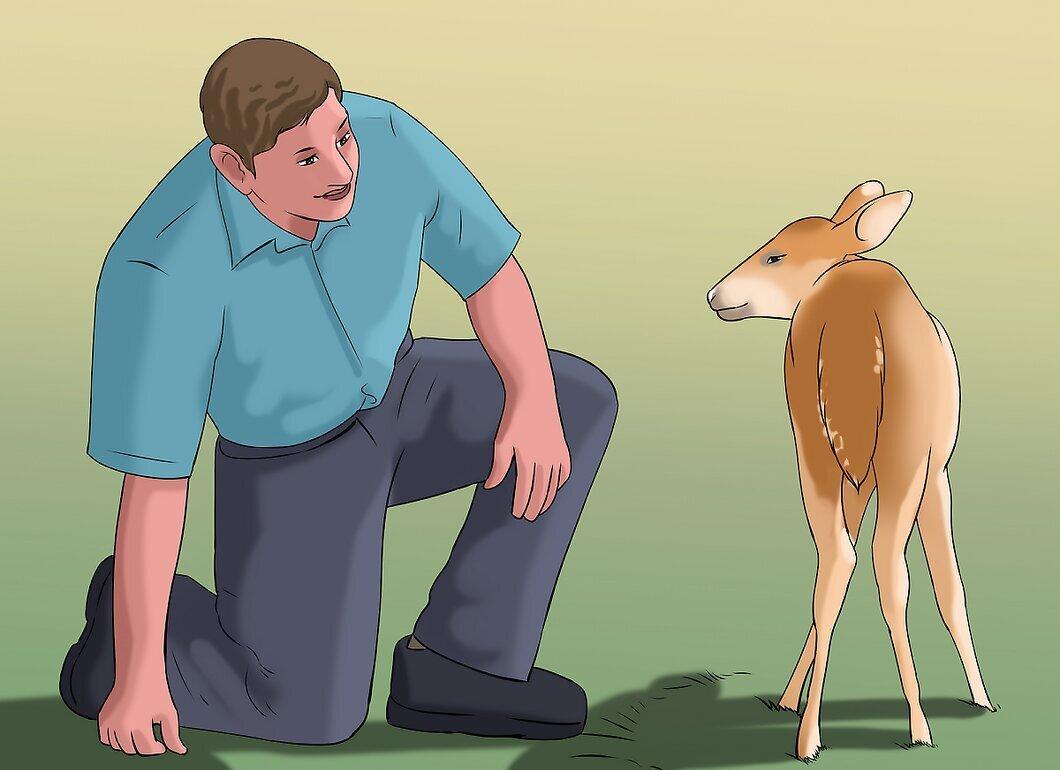
Many people like the idea of working in a zoo, but the heavy physical workload and unpredictable schedule can deter them. However, besides zookeepers, there are various other roles needed in zoos.
- Administrative positions include directors, managers, and coordinators. These roles involve overseeing projects conducted by the zoo, planning and implementing zoo policies and procedures, hiring and supervising other staff and volunteers, and assisting with decisions regarding the zoo's future operations.[5]
- Curators are responsible for the presentation and selection of animals. General curators and animal curators select animals for the zoo. Exhibit and education curators create graphics for exhibits and plan and implement educational programs in the zoo.[6]
- Marketing and fundraising specialists are responsible for raising funds, managing sales, advertising the institution, and creating promotional campaigns and public relations for the zoo.[7]
- Zoos often hire zoologists and biologists to provide scientific and technical support and to create suitable living conditions for animals. Additionally, these positions often involve conducting research related to specific animal species.[8]
- Veterinarians and veterinary technicians provide medical care for animals in zoos.[9]
Step 3: Look for educational opportunities at institutions.

To become a zookeeper, no specific qualifications or degrees are required, although requirements vary from zoo to zoo. However, the more you know about animals, wildlife, and biology, the better.
- If you are in high school, you may have the opportunity to enroll in group training programs at local zoos across the country. Check with your school or search for programs online. A great resource is the American Association of Zoo Keepers.[10]
- An associate or technical degree aimed at gaining knowledge in animal management, training, and zoological sciences is an excellent option if you wish to continue your education in this field after high school. These programs typically last 1-2 years.[11]
- Colleges also offer four-year programs that will help prepare you for a career as a zookeeper. Some institutions provide bachelor's degrees in zoological sciences, zoo management, and zoology education.[12]
- If your university doesn't offer programs directly related to zookeeping, you can enroll in programs in zoology, biology, wildlife management, and ecology to earn a degree in these fields, which can later help you get a job at a zoo.[13]
Gaining Experience
Step 1: Volunteer at a zoo.
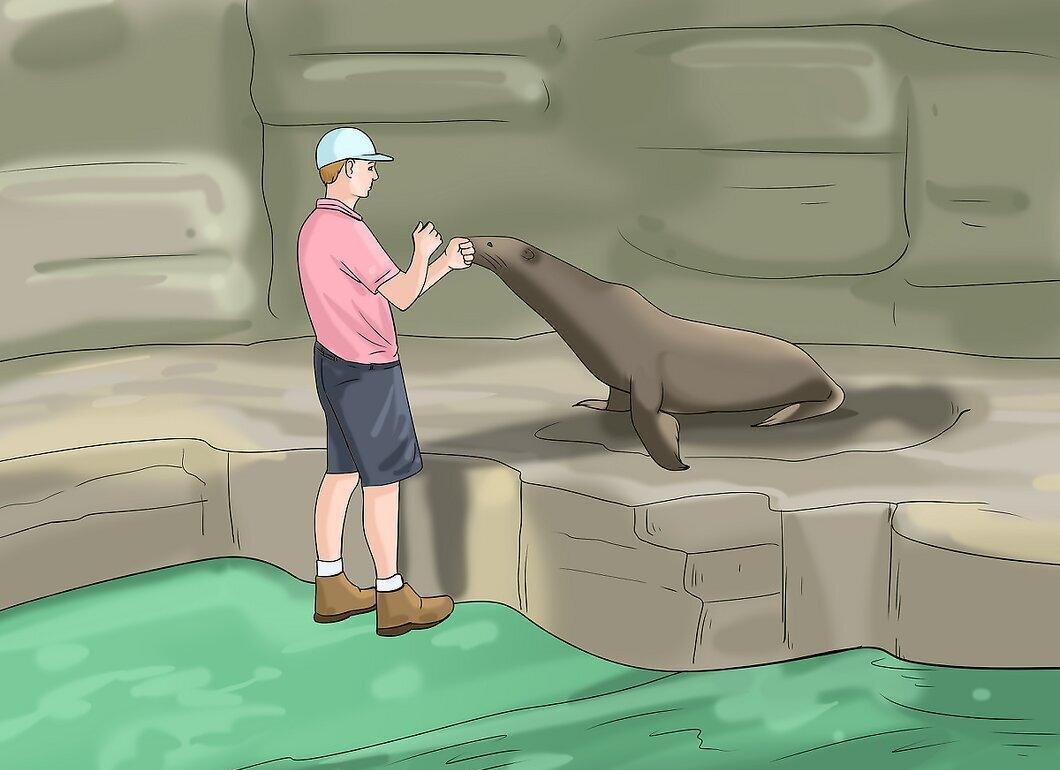
Gaining experience is crucial in any profession, especially for acquiring the necessary skills in animal care. Volunteering is a great way to start your career, allowing you to complete an internship and test the waters as a zookeeper.
- Zoos typically offer training courses for volunteers. Safety is paramount when working with wild animals, so while volunteering at a zoo, you will receive detailed safety training, unlike other types of volunteer work.[14]
- The work schedule can be flexible, but you can volunteer on a set schedule, such as every two weeks or every two months. You can also sign up for special events, such as animal births or meet-and-greet opportunities.[15]
- Try to gain as much experience as possible while volunteering. Ask questions and talk to zookeepers about how they got their positions. Try to build connections that can later help you secure a job at the zoo.
Step 2: Complete an internship at a zoo.
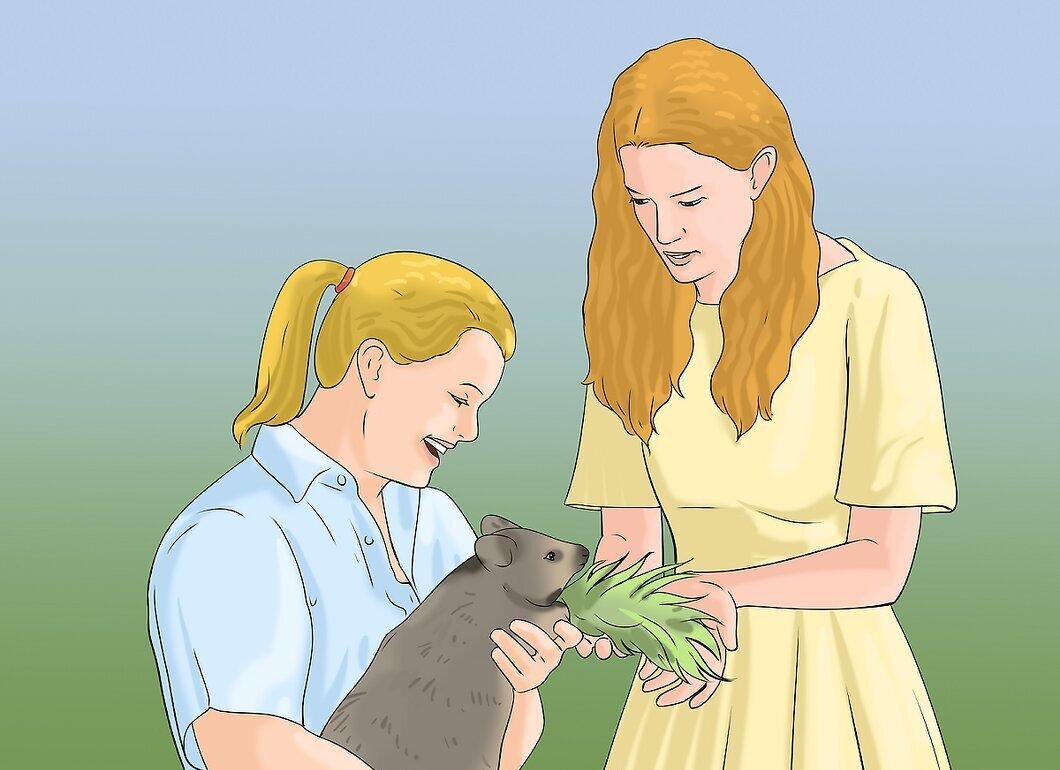
Completing an internship at a zoo is a great addition to your resume and provides the opportunity to gain hands-on experience in a zoo environment. While internships are beneficial in any field, gaining experience in a zoo is particularly important, as this field requires a broad range of skills and abilities.
- The American Association of Zoo Keepers has a list of internships at accredited institutions. Their database is a valuable resource for finding zoo job opportunities.[16]
- Internships in animal care can be quite demanding. While many other internships are part-time, zoo internships often require students to work 40 hours a week. Additionally, your weekends will likely be occupied as well.[17]
- Internships are often unpaid, but you may receive a small stipend or the opportunity to live and eat for free on-site at the zoo.[18]
- Internships typically last for three months. High school students and college students are often offered the chance to intern during the summer.[19]
Step 3: Acquire qualifications and technical skills.
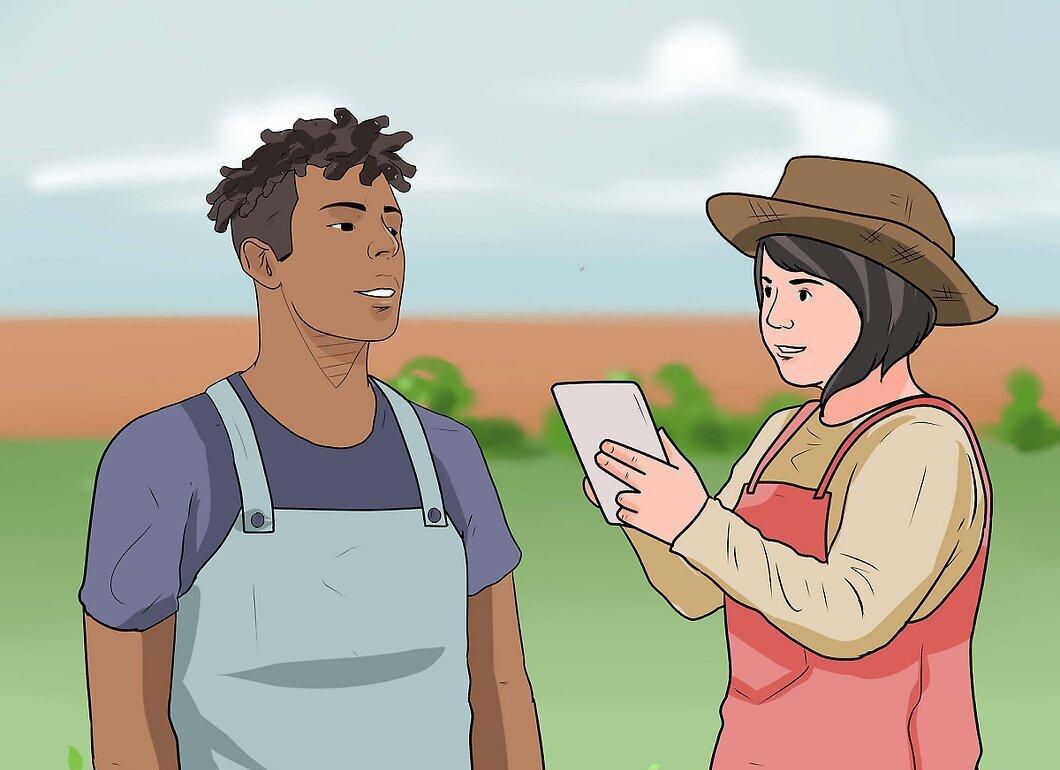
The role of a zookeeper requires a combination of physical and technical skills. You can enhance your resume by obtaining certifications in CPR, first aid, and computer skills.
- To earn a CPR/first aid certification, you can enroll in specialized courses. Zookeepers must be prepared for emergencies, so having the necessary skills and certification will increase your chances of getting hired. Such certifications are often available through college programs. Look for courses that provide these opportunities to help you succeed in your training.
- As a zookeeper, you will be required to maintain daily observation logs, record animal behavior, and occasionally give presentations to other staff or guests. Being proficient in Microsoft Office programs like Word, Excel, and PowerPoint is a significant advantage. You can enroll in computer courses or learn these programs independently to gain the necessary skills.[21]
Job Search
Step 1: Create a resume.

A good resume is the first step to landing a great position, and when applying for a zookeeper role, you should definitely include your experience and education along with references.
- Your resume should be printed in a clear modern font. Avoid italics or fancy fonts and choose a size 10 or 12 font.[22]
- While your resume should be fairly simple, tastefully chosen colors, graphics, and borders can help you stand out. Try using a monogram for your initials in the upper corner or highlight headings in different colors. Avoid overly bright fonts. Stick to dark blue or purple tones – they are easier to read.[23]
- Include only information relevant to the position you are applying for. The zoo does not need to know that you worked part-time in a bar during college to pay your bills, but instead, you could mention that you volunteered on a local dairy farm on weekends during your senior year.[24]
- Write in reverse chronological order. Start with your earliest work experience and move backward. The key is to list your best work experiences "at the top," meaning on the front of the folded sheet. In other words, you should highlight the most relevant experience for the position near the beginning of your resume.[25]
- Ask someone to review your resume, such as a teacher, former employer, friend, or family member. They can provide feedback on the content and format and check for errors. Many people fail to see their own mistakes after working on a document for too long.
Step 2: Find out where to look for jobs.
Finding a job can be challenging for many people, and many don’t even know where to start. Develop a strategic plan for your job search.
- The American Association of Zoo Keepers provides numerous options for job searching. Their website has a comprehensive list of job openings at accredited zoos, which is updated throughout the year. Browse the list to see what positions are available, and apply for one that matches your skills.[26]
- Talk to former employers. If you interned or volunteered at a zoo, reach out to that zoo and inquire about any job openings. Even if they don’t have anything suitable at the moment, if they know you are interested in working there, they may offer you a position in the future when an appropriate vacancy arises.
- Call local zoos to find out if they are hiring zookeepers. Send your resume, but don’t pressure them or say you urgently need a job. Even if they don’t have a suitable position for you now, there’s a chance they will call you in the future when they need staff.
Step 3: Be adaptable in your job search.
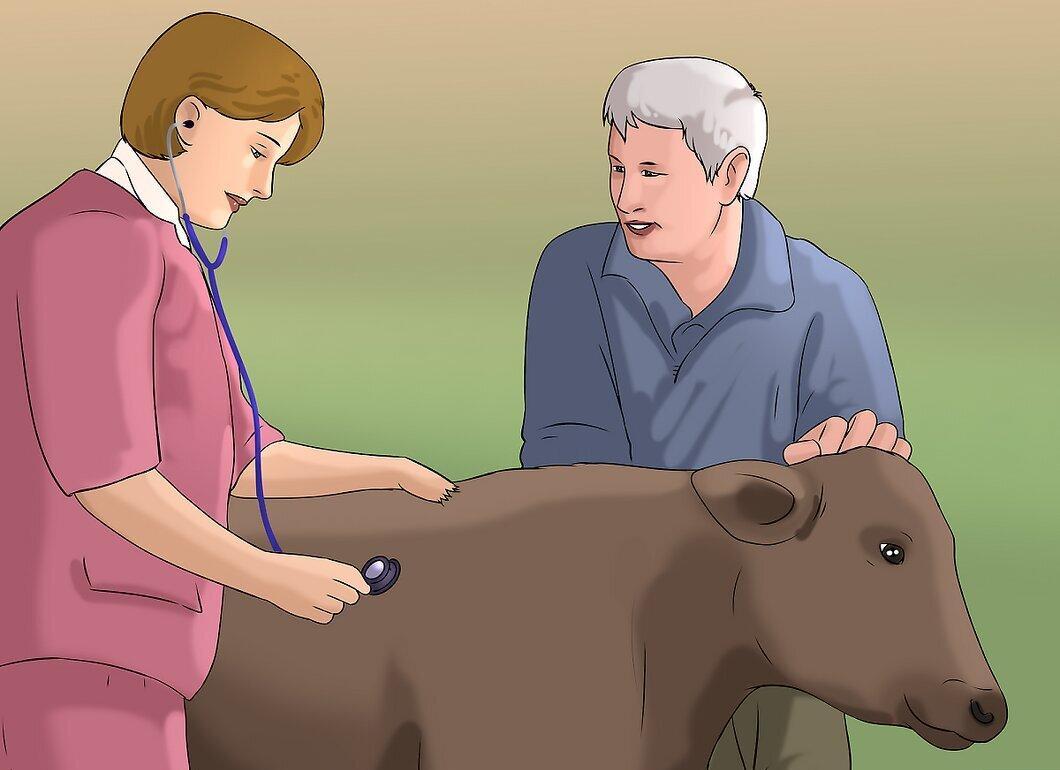
Be prepared for the possibility that you won’t find the right position immediately. Be ready to cope with current changes and less-than-favorable circumstances. Any job is good because it will help you fill your resume and gain experience in some capacity.
- Zookeepers work long hours and even on holidays. If you get a job offer, be prepared to put in the effort.
- Zoos exist all over the country, so your job search isn’t restricted to one area. Consider relocating if you genuinely want to work as a zookeeper. Be financially and emotionally prepared for the possibility of moving.
- Expect a low starting salary. Zookeepers earn relatively low wages, especially if you are just starting your career. Keep in mind that your budget will be limited, and be ready to work for minimum wage.