
Do you feel like your life has become dull and repetitive? There are several reasons you might find yourself stuck in an emotional rut. Luckily, many have been in a similar situation, and there are effective ways to change your circumstances and outlook on life. You shouldn’t spend your whole life in a constant state of depression!
Recognizing Necessary Changes
Step 1. Understand that you are not the only one who has ever experienced this situation.

It’s essential to realize that you are not the only one who has ever faced this situation. When you’re feeling down and lacking motivation, it can seem like everyone around you is moving forward and achieving great things while you’re stuck on the sidelines. It’s natural to sometimes lose motivation, which just shows that we are not robots. Here are some common situations people often find themselves in:
- Feeling bored or stagnant at work. You might feel deeply fatigued by your job, especially if you’ve been there for a long time.
- Losing the spark in relationships. Long-term relationships can turn into a routine that kills the excitement. This also applies to friendships; sometimes, your friendships might feel monotonous.
- Developing unhealthy eating habits. You can easily get used to unhealthy food if you’re worn out from a busy schedule or simply love to eat. Breaking this habit can seem like an impossible task!
- All of the above. Often, it’s not just one but a combination of factors that can push you into a rut. All these problems pile up, creating a stressful situation, and you may not even know where to start addressing them.
Step 2. Spend a few days identifying the causes of your discontent.

Dedicate a few days to uncovering the reasons for your unhappiness. You probably already have a general idea of what’s bothering you. Be honest with yourself. Once you identify the source of your discontent, you can take specific actions to rectify the situation.
- If you can’t pinpoint the exact reasons for your unhappiness, consider keeping a journal. It’s not difficult and doesn’t take much time. At the end of each day, jot down some thoughts about the events of the day and how you felt during those moments. Over time, you’ll find it easier to identify negative factors. It’s well-known that journaling helps track and eliminate bad habits.[1] X Source
Step 3. Understand that thoughts about the past can actually demotivate you.

Recognize that dwelling on the past can truly demotivate you. Instead of beating yourself up over what has happened, try to make positive changes. It may sound unbelievable, but by visualizing a happy future, you can genuinely motivate yourself to achieve it!
Breaking the Routine
Step 1. Start small.

Begin with small changes. If you’re stuck in a routine, you’ve probably been doing the same things for an extended period. Don’t try to change every aspect of your life at once, as that can be incredibly challenging. In fact, success comes much easier when you start with more achievable goals.
- If you want to radically change your life, break the process down into stages. You’ll have a much better chance of success if you organize your desires.[2] X Source For example, if you want to go back to college, start by looking up schools that offer programs you’re interested in. This goal is easily attainable while also playing a significant role in your journey!
Step 2. Track your progress.

Keep tabs on your progress. There are several ways to do this, and having a smartphone will be quite handy. Spend a few minutes downloading useful apps or head to a stationery store for a calendar and some sticky notes. When you see your progress, it really gives you a boost!
- To begin with, try not to boast about your grand plans before you achieve your goals. Studies show you are less likely to do something if you tell others about it first.[3] X Source
- Remember to celebrate your achievements as you see progress. Give yourself a pat on the back when you lose five pounds if your ultimate goal is to shed seven.
Step 3. Read books or articles about people who have achieved what you aspire to.

Read books or articles about individuals who have accomplished what you dream of achieving. Whether you plan to make a significant life change or just need a little push, there are certainly people who have been through it before. Learning from others’ experiences can genuinely provide you with additional motivation or perspective.
- Depending on your circumstances, it may be beneficial to join a group of people who are in the same boat as you. This could be a traditional "support group" or an online forum. Having a support system can be crucial.[4] X Reliable Source PubMed Central Link
Step 4. Don’t give up.

Persevering can be challenging, especially if you’ve been in a routine for a long time. Acknowledge your efforts. Remind yourself of how far you’ve come and don’t let small setbacks stop you.
Sustaining Your Aspirations
Step 1. Don’t be too hard on yourself.
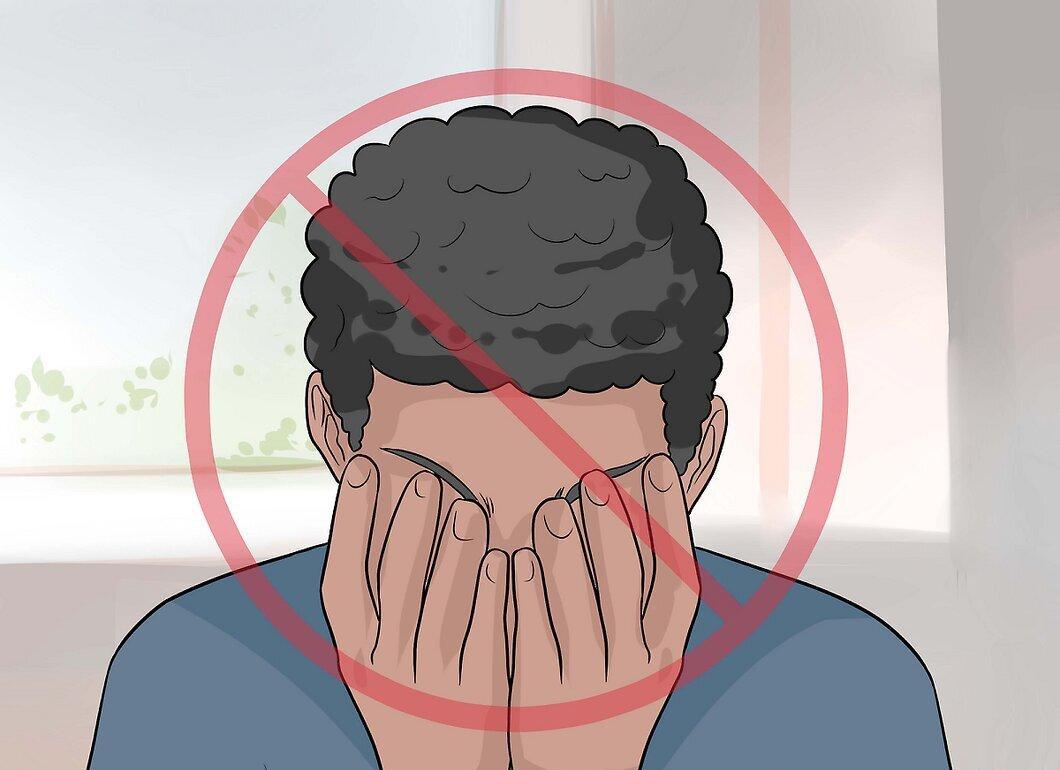
Avoid being too demanding of yourself. It’s very unlikely that you will reach your goal immediately; focus on your progress. Most good ideas take time to achieve, and feelings of frustration can cause you to regress. Reflect on what you’ve already accomplished, and give yourself credit for it. After all, you’re much closer to your goal than you think.
Step 2. Return to your new routine.

Get back to your new routine. It’s absolutely normal to occasionally revert to old habits, even if they make you unhappy. What’s important is to recognize that you’ve strayed from the right path and to return to your new lifestyle immediately! Don’t let one imperfect day derail your plans.
- Sometimes, you may need a longer timeout. Something unexpected may have happened, and you’ve lost motivation. Try to remember that initial moment when you decided to change and remind yourself that you can do it an infinite number of times. Starting over is not a failure; you only lose if you give up entirely.
Step 3. Practice mindfulness and live in the present.

Practice mindfulness and live in the present. We can be more vulnerable to setbacks after we’ve achieved some progress. Don’t let failures give you a reason to revert to your starting point. Always assess your desires and your current position on the path to achieving them.
- Here’s another scenario where journaling comes in handy. Tracking your thoughts can be beneficial for maintaining awareness, especially during moments when you feel like you’re losing motivation. Mindfulness is an excellent way to reduce the stress you may feel due to the many changes occurring in your life.[5] X Source
- On the other hand, be aware of moments that make you dwell on the past, and focus your energy on moving forward. If you bombed a presentation at work, create a list of takeaways for next time.
- Remember that breaking free from monotony is a prolonged process. An actor who starred in a bad movie isn’t necessarily a bad actor, just as a person who had a tough week isn’t necessarily living a bad life.