
If you're working in California and have lost your job through no fault of your own, you have the opportunity to receive several benefits. The California Employment Development Department (EDD) offers a special program that may be available to you if you meet certain criteria, providing financial assistance in the form of weekly payments. Unemployment insurance, funded through taxes, supports those who find themselves out of work. Additionally, the state provides services to help you find a new job and create a resume.
Part 1
Step 1. Determine the Base Period.

First, you need to determine the base period. The California Employment Development Department uses the first 4 of the last 5 quarters before you file your unemployment claim. If you worked during this time, you may be eligible for payments that are considered compensation for the time spent unemployed.
Step 2. Determine the Last Payment Quarter.
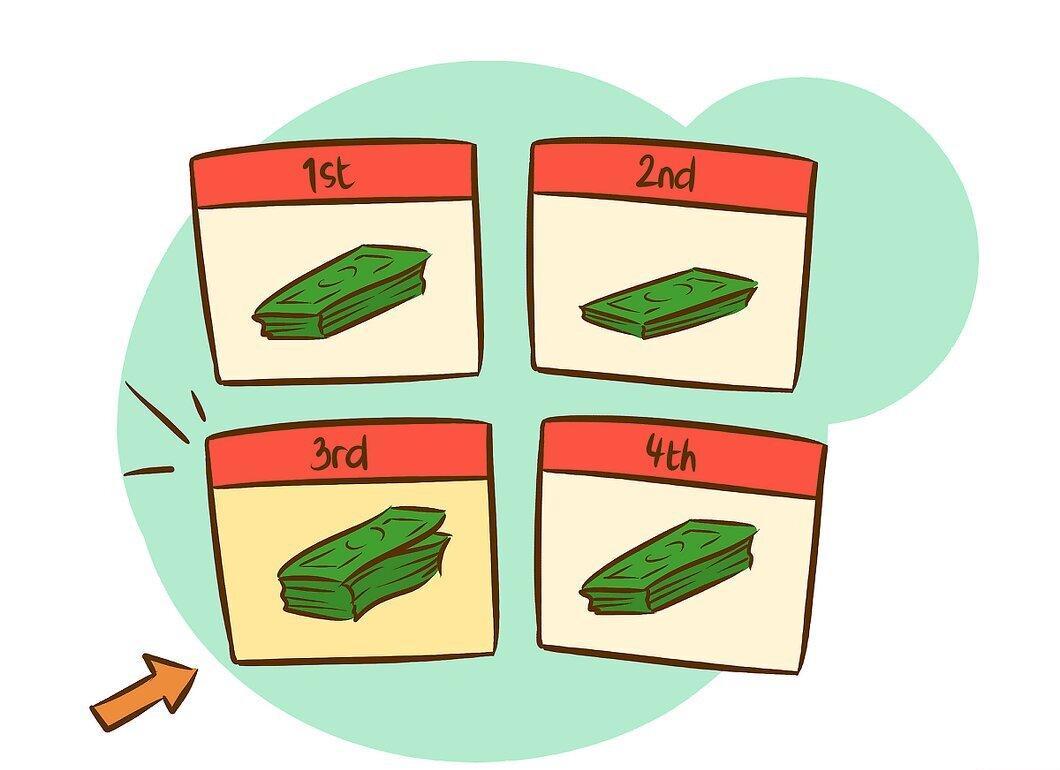
Next, you need to find out which was your last payment quarter. This is determined based on the weekly unemployment benefits you are entitled to.
- Your earnings during the base period affect your eligibility for assistance. You can apply if your income was at least $1,300 for a quarter during the base year or at least $900 for the last payment quarter. Your total income for the year must exceed your last quarter payments by 1.25 times.
Step 3. Use Your Last Quarter Income to Determine Your Benefit Amount.

- You can find the unemployment benefit calculation table on the California Employment Development Department's website. It will help you determine how much you will receive based on your income for the last quarter of the base year. For example, if you earned between $900 and $948.99 in the last quarter, your weekly payment will be $40. In 2011, the maximum benefit amount in the state reached $450.
- It's also important to note that the benefit amount may be reduced if you worked during any week. If your earnings were between $25 and $100, the first $25 will not be counted in the reduction. However, if you earned more than $100, then 25% of your total income will not be counted.