
When you travel across multiple time zones, your body may need time to adjust. During the acclimatization process, you might face issues like fatigue, insomnia, constipation, diarrhea, and a sense of disorientation. But don't worry! There are plenty of effective methods to either prevent jet lag or recover from it quickly.
Embracing the New Time
Step 1. Prepare Your Body for Changes.

Start getting your body ready for the time change ahead of time. A week before departure, gradually shift your routine an hour forward or backward depending on your flight direction. The greater the time difference, the sooner you should start preparing. This approach will help your body smoothly adapt to the new time.
- If the time difference is significant, it may be challenging to adjust to the new time in the last week. Try adjusting your sleep and meal times by one hour each day.
- The direction of your flight can also impact your circadian rhythms. It’s advisable to go to bed earlier if flying east, and later if flying west.
Step 2. Stay Hydrated.

Remember to drink plenty of water on the day of your flight. Dehydration can worsen your condition, especially in the dry air of the cabin. Avoid alcoholic and caffeinated beverages.
Step 3. Set Your Watch as Soon as You Depart.

Change your watch to the new time as soon as your flight begins. This will help you psychologically prepare for the change.
Step 4. Sleep or Stay Awake According to the New Time Zone.
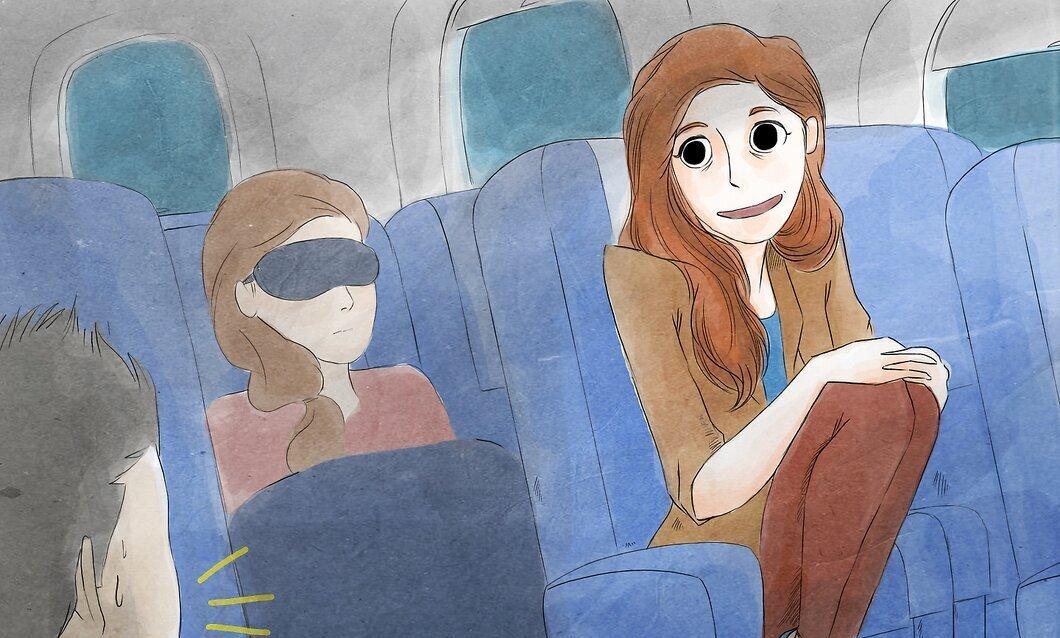
If it’s daytime at your destination, try not to sleep on the plane. Conversely, if it’s nighttime, try to take a short nap. Use earplugs and an eye mask, and set the air conditioning to a cool temperature to help you fall asleep faster.
Step 5. Use Special Beds on Long Flights.
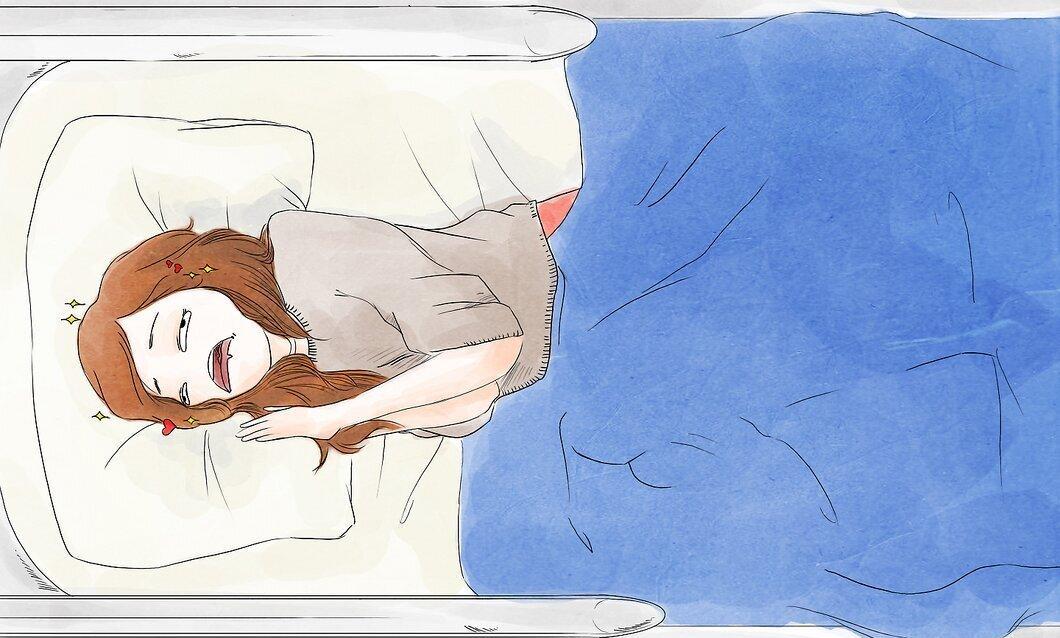
Long flights may offer comfortable beds, significantly improving your sleep quality.
Step 6. Consult Your Doctor About Sleeping Aids.
If your flight is long, discuss the possibility of using short-term sleeping pills with your doctor. Many find this quite helpful.
- If you plan to sleep on board, choose a more spacious seat. Narrow economy seats can hinder your ability to sleep, whereas business class offers more legroom.
Step 7. Eat According to the New Time Zone.

Try to eat as if you were already at your new location. Avoid heavy foods on board, as they will be served according to the departure time. If you’re hungry, just have a snack.
Upon Arrival
Step 1. Get Active Outdoors.

If it’s daytime at your destination, spend time outside. Sunlight will help your body adjust to the new time zone.
- Stay active! Don't just stay in your hotel in front of the TV. If you want to rest a bit, take a nap for no more than 30 minutes; otherwise, it may worsen your feelings of jet lag.
- If you’re on a business trip and can’t be active, try doing some quick exercises in your room or open the curtains to let in more light.
Step 2. Have a Light Lunch According to the New Schedule.

Eat a light breakfast or lunch that aligns with the new time zone. This will help you adjust to the new sleep schedule and avoid digestive issues.
Step 3. Exercise in the Morning and Evening.

Regular physical activity will help you fall asleep and wake up more easily. Exercise 2-3 hours before bedtime to ensure your body gets tired.
Step 4. Choose a Protein-Rich Breakfast in the Morning After Arrival.

A protein-rich breakfast will help you concentrate better.
Step 5. Consider Taking Melatonin.

Melatonin is a hormone your body produces before sleep. Take it at the time you plan to go to bed to help your body adapt.
- If you decide to take melatonin, start a few days after your arrival so your body can adjust to the new schedule. Take it half an hour before bedtime.