Creating a resume for a dancer is an essential step that will help you stand out in the dance industry. Choreographers, producers, and dance studio owners often request resumes to understand how well you fit a particular role. The format of a dancer's resume differs from that of traditional office workers, so let's examine how to create one effectively.
How to Create a Dancer Resume
Step 1: Evaluate Your Dance Achievements
- Analyze your dance education. List the names of your teachers and the schools where you studied various dance styles. Don't forget to include any degrees in the arts and dance.
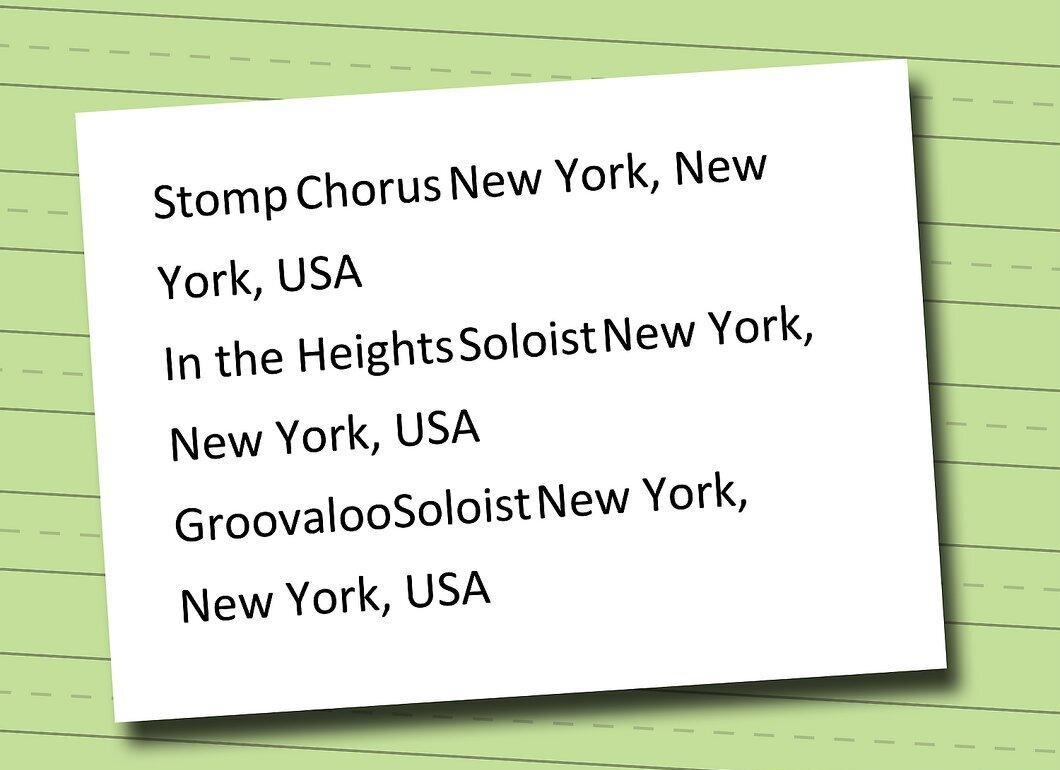
- Compile your performance experience. Create a comprehensive list of all performances you have participated in, including those in clubs, educational institutions, and professional shows.
- Mention any achievements and memberships in dance associations and guilds.
Step 2: Tailor Your Resume for the Desired Role
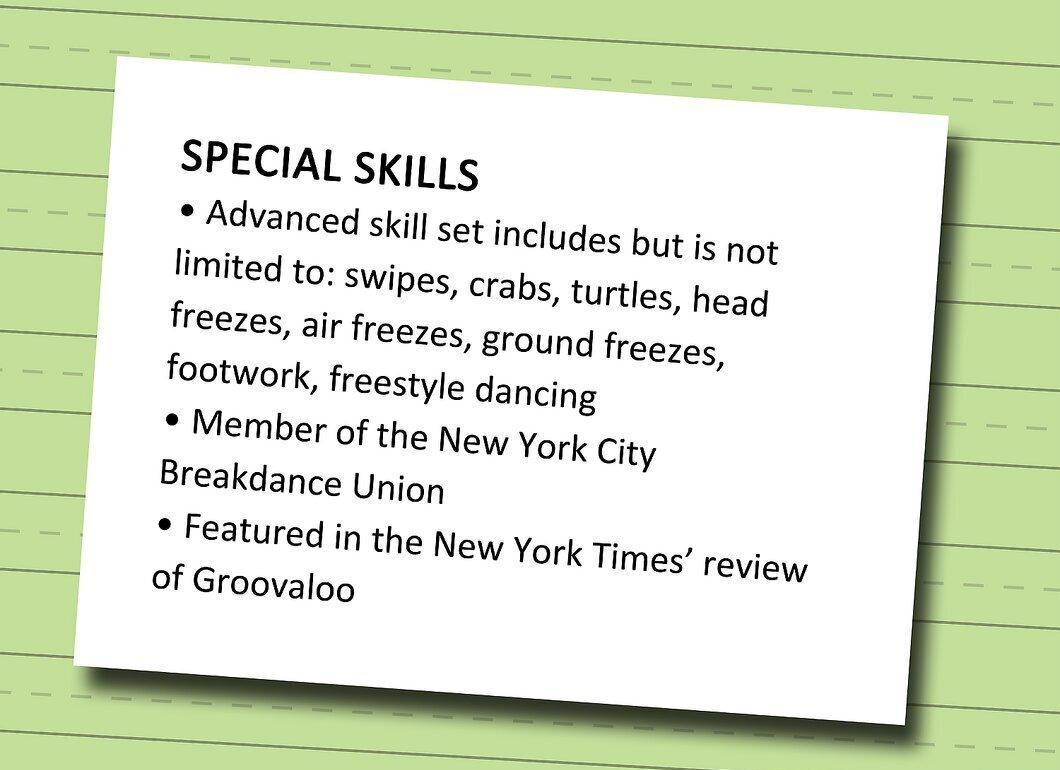
Adapt your resume based on the role you are applying for. For example, if you want to become a hip-hop instructor, focus on your hip-hop education rather than your ballet background. You can create different versions of your resume for various job openings.
Step 3: Format Your Resume Properly
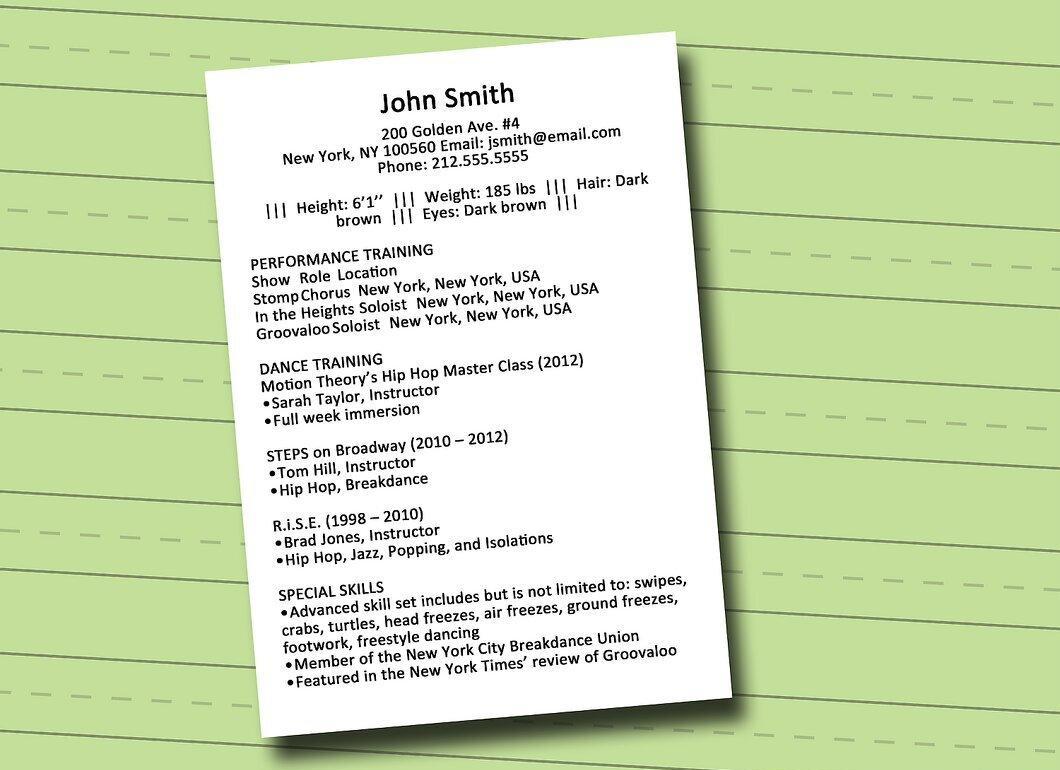
Proper formatting is key to success. A dancer's resume typically occupies one page, and its structure differs from formats used in other professions.
- At the top, include your personal information. List your name, contact details, and physical characteristics (height, weight, hair color, etc.). Some employers have limited costume options, so this information is crucial.
- Describe your performance experience in a table format. One column can contain the name of the performance, another your role, and a third the venue (this will give you an edge if you have tour experience).
- List the institutions where you studied dance, including the years of study and any degrees earned.
- Highlight your unique skills, tailoring them to the desired role. For instance, if you wish to participate in a theatrical production involving stage combat, make sure to mention your experience. If you have acrobatic skills, don’t forget to include those as well—they can be a significant advantage.
- Include a photograph in your resume. This will help producers remember you after the audition. Ensure that the image aligns with the role you are applying for—for example, a ballerina's photo wouldn't suit a hip-hop instructor position.