
A motivation letter is an opportunity for educational institutions, organizations, or potential employers to learn more about you and understand why you want to pursue that position. While each letter is unique, there are several key steps that can help you write it effectively. Keep reading to learn about the process.
Brainstorming
Step 1. List Your Achievements.
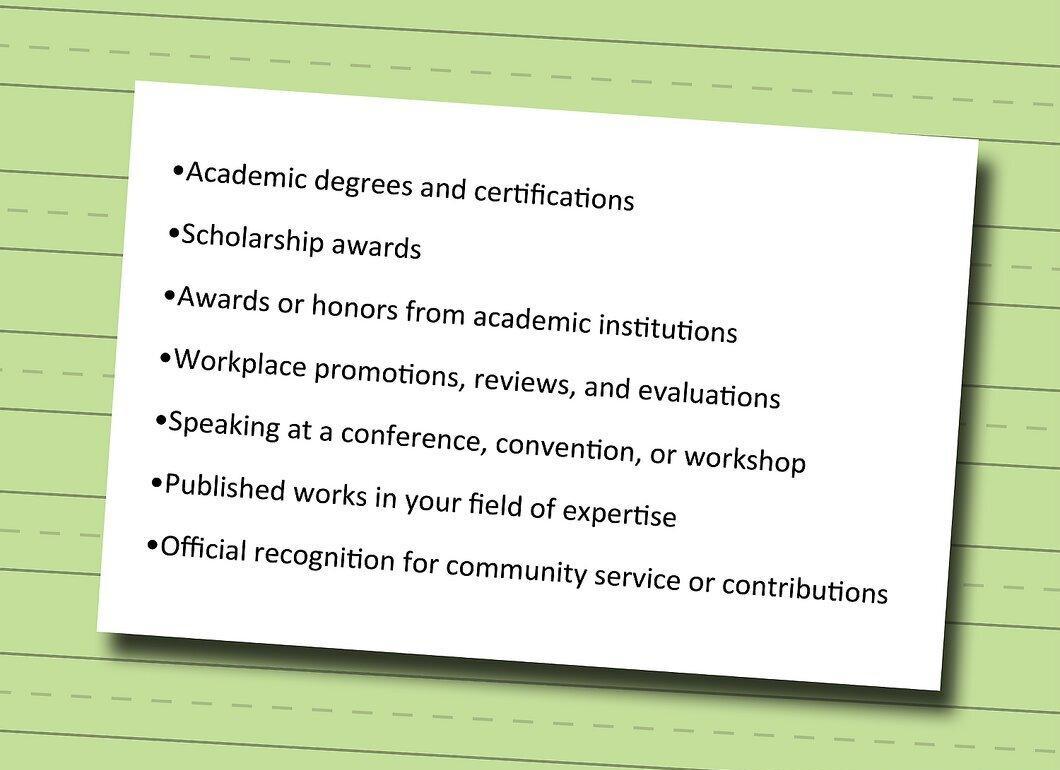
Start by listing your achievements. You don’t need to mention every detail, just highlight the most significant moments. By jotting down your accomplishments, you can better understand what to include in your letter.
- Significant achievements may include: academic degrees and certificates
- Scholarships
- Awards from educational institutions
- Promotions and positive feedback
- Participation in conferences and seminars
- Publications in your professional field
- Official recognition of your contributions to society
Step 2. Define Your Goals.
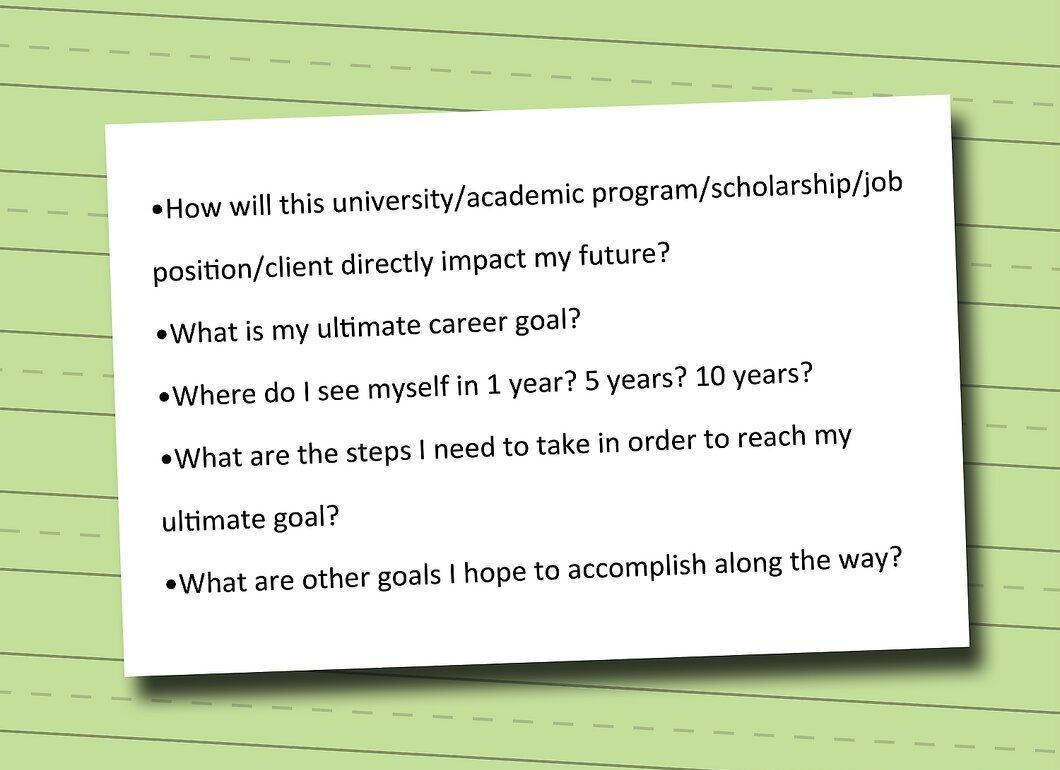
An important aspect of your motivation letter is your goals. They will help the committee understand how their program or job can impact your future. You don’t have to list every goal, but try to write down as many as possible.
- To gain deeper insights into your goals, answer questions like: How will this program or job specifically influence my career?
- What is my ultimate career goal?
- Where do I see myself in 1, 5, and 10 years?
- What steps do I need to take to achieve those goals?
- Are there other goals I want to accomplish?
Step 3. Share Your Story.
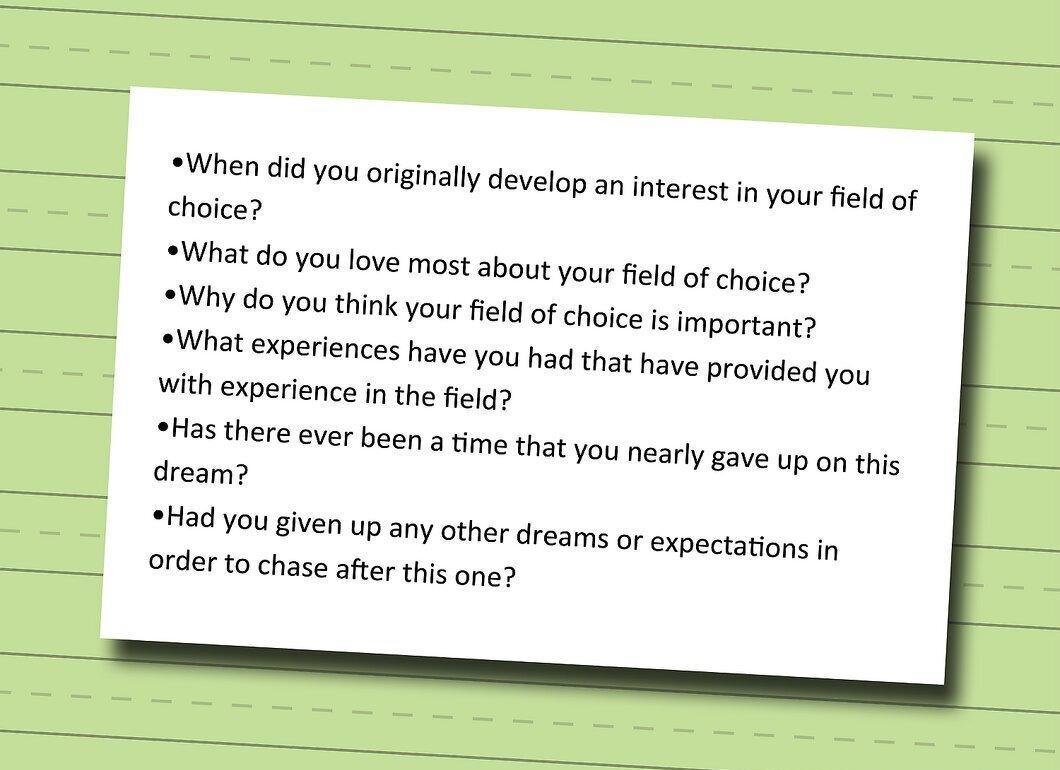
Briefly recount your life journey. Describe the key moments and experiences that have shaped your interests and goals.
- Ask yourself questions like: When did I first become interested in this field?
- What do I enjoy most about what I do?
- Why is this so important to me today?
- What experience do I have in this area?
- Were there times when I almost gave up on my dream?
- Have I sacrificed other goals for this dream?
Step 4. Describe the Challenges You Faced.
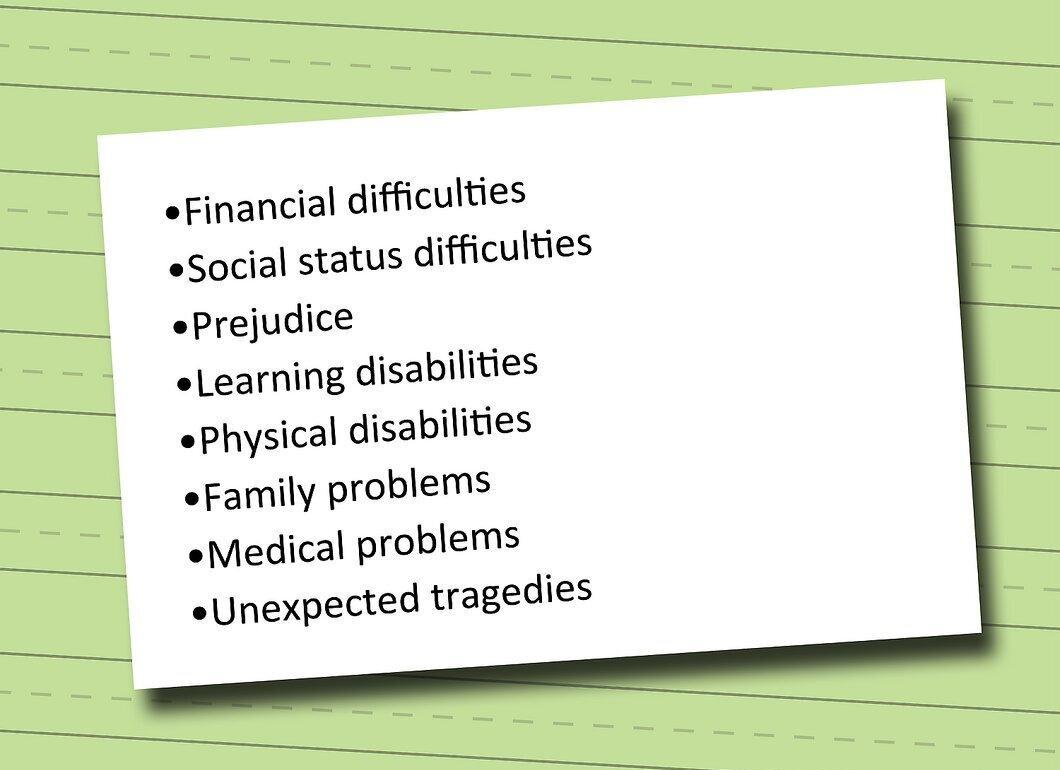
Discuss the obstacles you encountered along the way. Challenges often make you a more appealing candidate, as everyone loves a story of overcoming adversity.
- Possible challenges include: financial issues
- Social barriers
- Bias
- Learning difficulties
- Limited opportunities
- Family troubles
- Health problems
- Unexpected tragedies
Step 5. Ask Yourself: Why Should They Choose You?
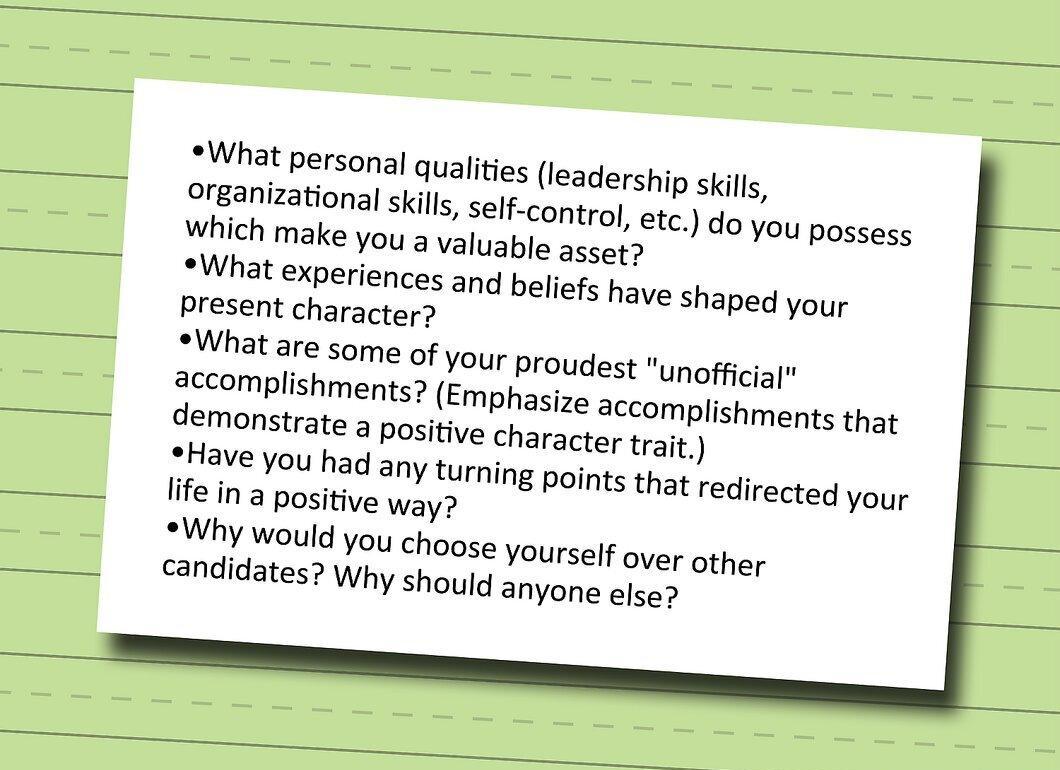
Honestly reflect on what makes you a unique candidate. You have many competitors, and it’s important to highlight your strengths.
- Consider questions like: What personal qualities make me a valuable candidate?
- What experiences have shaped my character?
- What achievements do I consider the most significant?
- Were there pivotal moments that changed my life?
- Why do I believe I am the best choice?
Research Your Target Audience
Step 1. Tailor the Content to the Specific Letter.
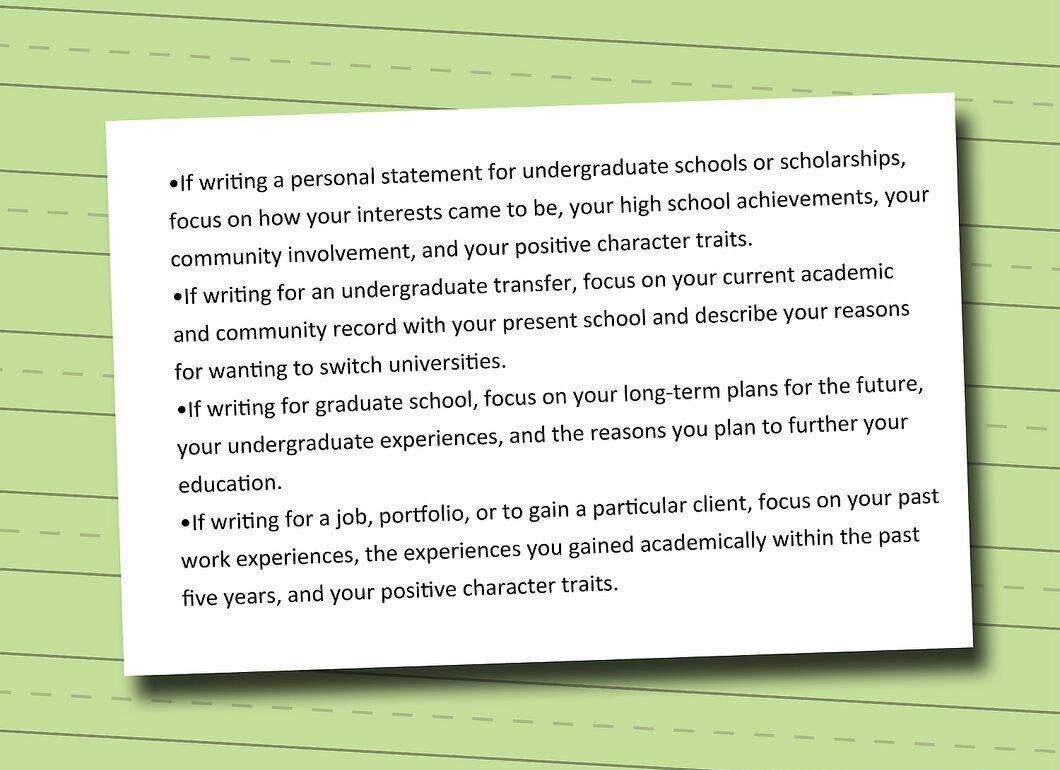
Adjust the content based on the type of motivation letter. While the basic structure remains the same, the emphasis may vary depending on the situation.
- If you are writing for an educational institution, focus on your interests, achievements, and positive traits.
- For an exchange program, emphasize academic successes and reasons for changing universities.
- For graduate school, discuss your future plans and motivation for continuing education.
- If you are seeking a job, highlight your experience and personal qualities.
Step 2. Learn More About the Organization.
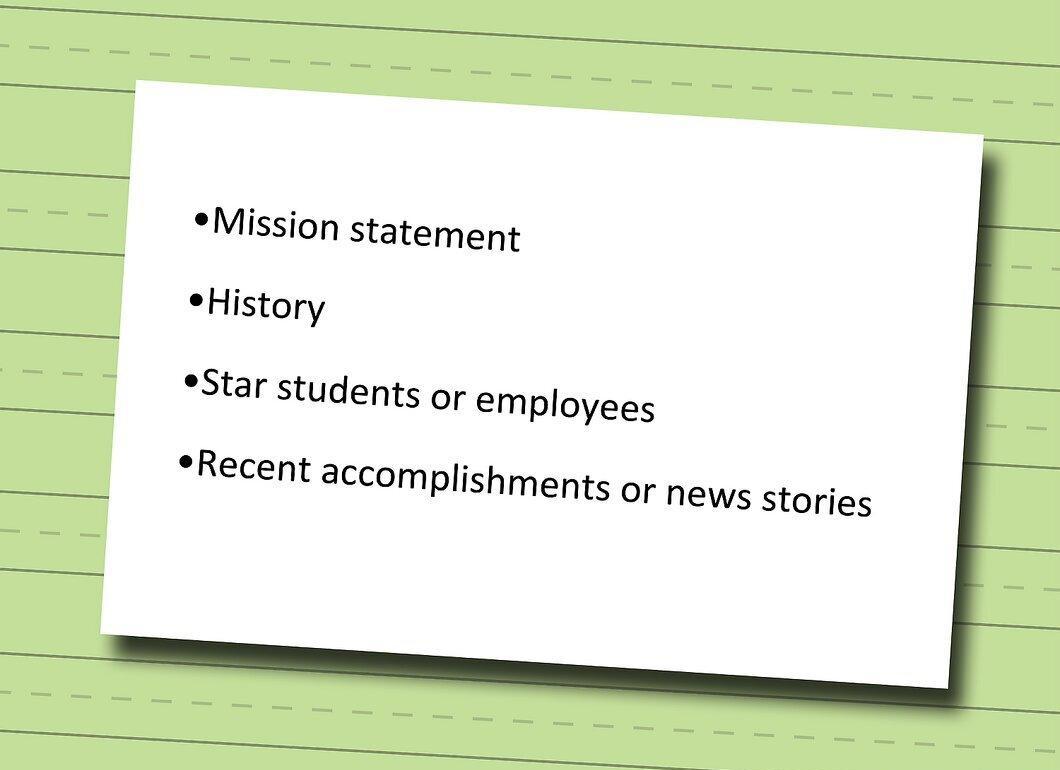
Before writing your letter, research the goals and values of the organization.
- Look into information about: their mission
- History
- Top employees or students
- Recent achievements
Step 3. Answer All Questions Provided.

Sometimes organizations provide specific questions to address. In such cases, be sure to respond to them thoroughly.
Step 4. Create a Unique Letter for Each Institution.
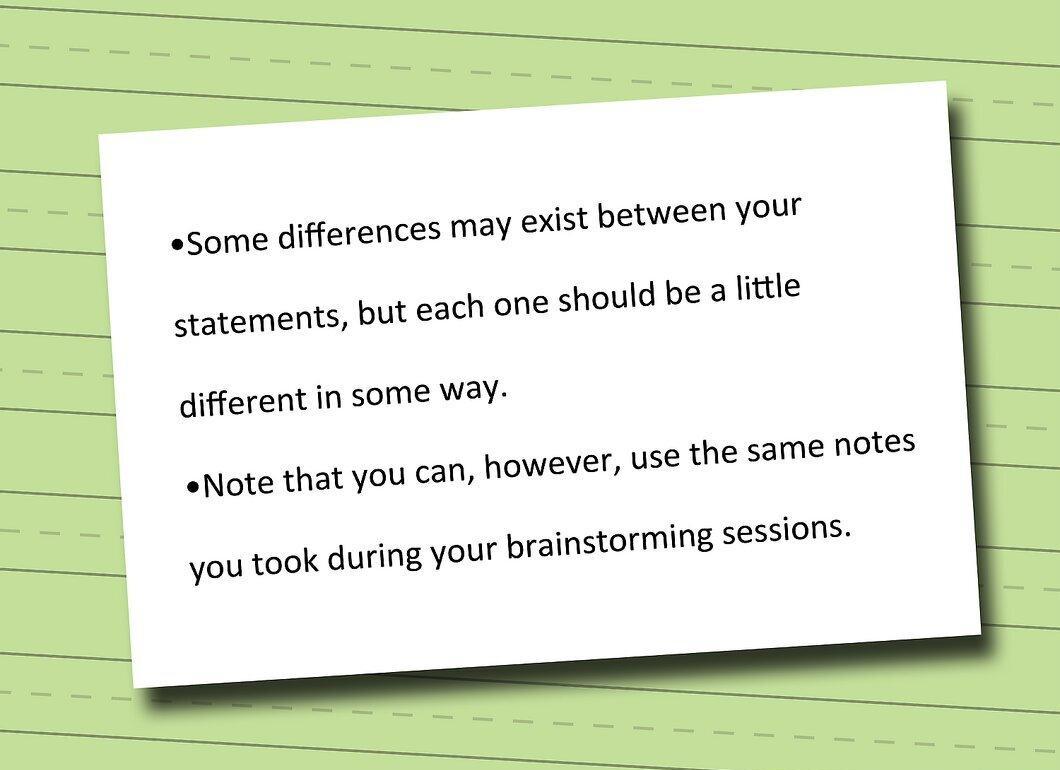
Each motivation letter should be unique. Avoid using the same letter for all institutions.
- Letters may share similar elements, but each should be tailored to the specific organization.
- Use notes taken during brainstorming.
Write the Motivation Letter
Step 1. Start with a Strong Introduction.

The first paragraph should capture the reader's attention. The beginning should clearly state the main idea of the letter and avoid clichés.
- Don’t start with phrases like "The most important moment in my life was...".
- Instead, share an event, for example: "The summer of my seventeenth year changed me."
- Use ample details to convey the main point of your motivation letter.
Step 2. Address Several Key Themes.

Your one-page letter should cover 2-4 key issues. Choose topics that are relevant to your letter.
- Don’t recount your entire life story.
- Write about what excites you — this will make the text more persuasive.
- Mention themes that interest the organization.
Step 3. Let Them Know Who You Are.
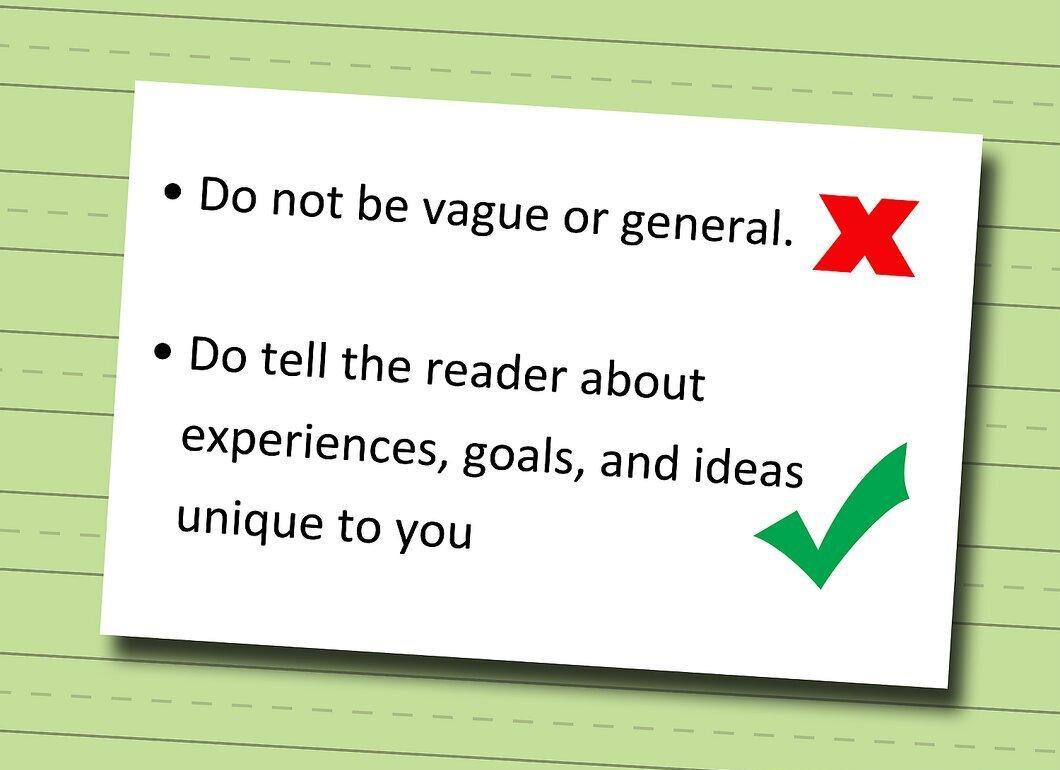
The purpose of the motivation letter is to introduce yourself to the organization.
- Avoid vague statements.
- Share your experiences, goals, and unique ideas.
Step 4. Don’t Try to Guess the Reader’s Expectations.

Don’t compromise your views to impress the reader. Write sincerely, and don’t try to come across as the perfect candidate.
Step 5. Maintain an Optimistic Tone.

Write confidently and positively.
- Avoid uncertain phrases like "I think I might be suitable for this program."
- Focus descriptions of challenges on your successes, not on failures.
Review
Step 1. Edit the Letter as Needed.

The first draft can be anything, but keep in mind that many organizations have requirements for letter length. If your letter is too long, shorten it. If it’s too short — add more information.
- Avoid unnecessary parts that are not related to the main topic.
- Clarify your points by adding details.
Step 2. Read the Letter Aloud.

Reading aloud will help you identify grammatical errors and awkward phrases.
- Pay attention to sentences that sound off.
- Compare it to your usual speech: how would you say it in a personal conversation?
Step 3. Seek Constructive Feedback.

Have someone else read your letter to get an objective opinion.
- Take criticism calmly, without taking it personally.
- Ideally, this should be a professional, like a teacher or colleague.
Step 4. Revise the Letter Based on Feedback.

Compare your ideas with others' opinions and make necessary adjustments.
- It’s okay if you have to write several drafts.
Step 5. Read the Final Version.

If you are satisfied with the result, read the letter again to ensure there are no mistakes.
- Once everything is corrected, your motivation letter is ready to be sent.