
A project summary is a vital component of any business document. It's what the reader will see first and may be the only part they read. The summary should provide a brief yet comprehensive overview of the document's content and necessary actions.
Basics
Step 1. Remember that a summary is a brief overview of the business document.
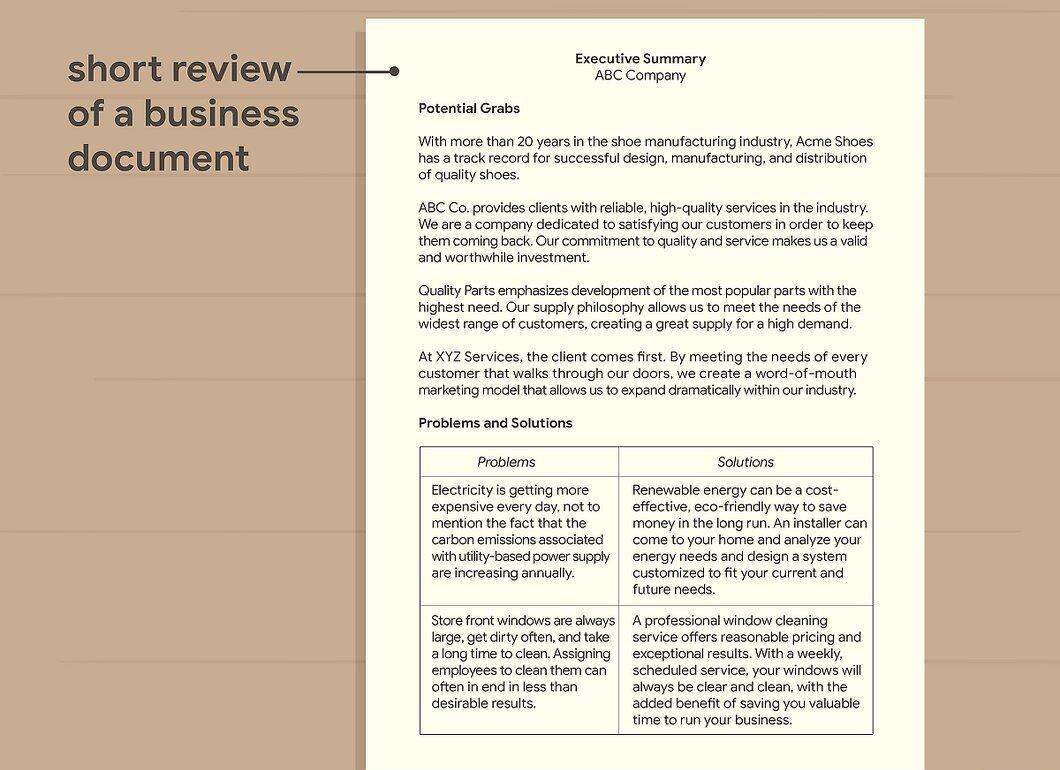
Keep in mind that a summary is a condensed version of the business document. It should be both "brief" and "overview-oriented." The summary does not replace the original and should not exceed 10% of its length. Ideally, it should be between 5% and 10%. It’s important to understand that a summary is not an abstract but a reflection of the essence of the document. Abstracts are more commonly written in educational institutions, while summaries are intended for business purposes.
Step 2. Follow stylistic norms and text structure.
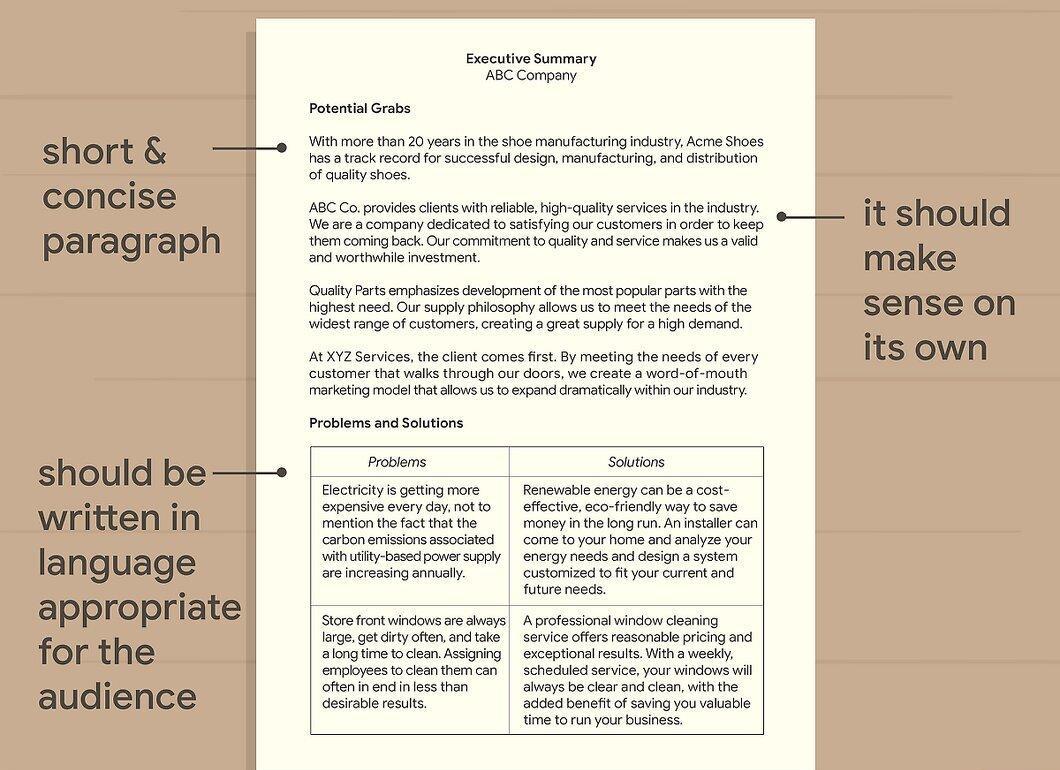
Adhere to stylistic rules and text organization. Most authoritative sources on writing business documents emphasize the importance of following certain norms, which include:
- Short and clear paragraphs.
- The summary should be understandable even to those unfamiliar with the original.
- Use language appropriate for your target audience.
Step 3. Clearly define the problem.
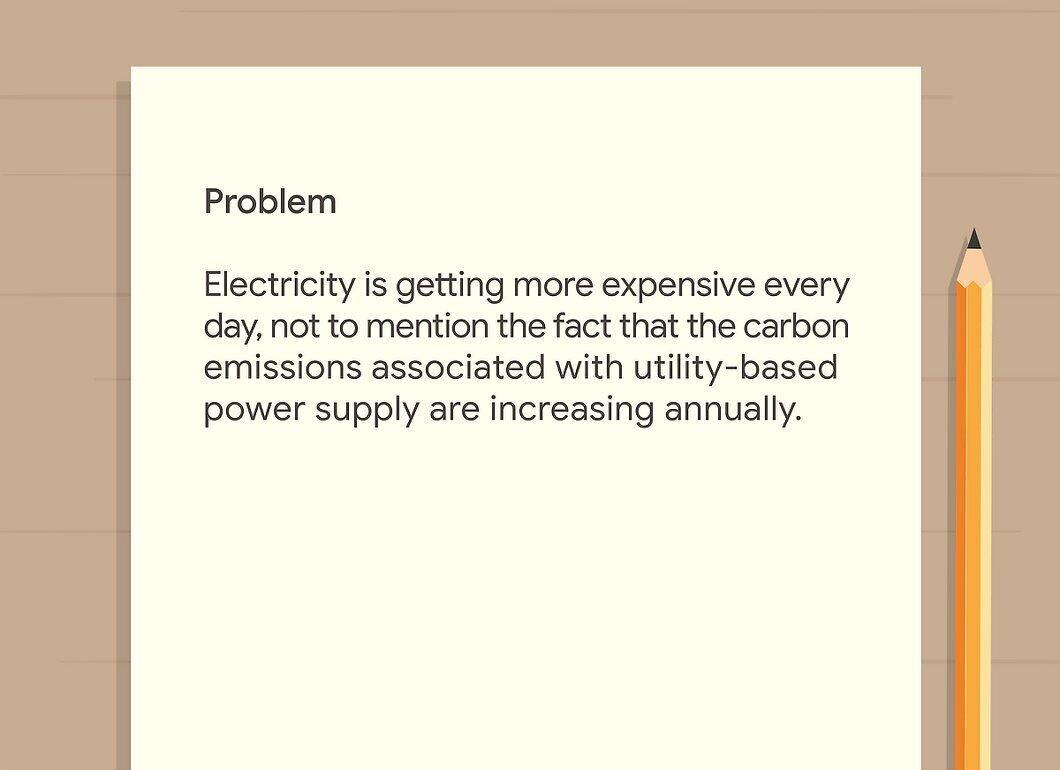
Describe the problem. The summary must clearly outline the problem, whether it concerns supply chain issues or marketing campaigns. A summary requires a clear formulation of problems, as originals are often written by technical specialists who may struggle to highlight the main points. Aim to present the essence of the problem in an accessible and understandable manner.
Step 4. Propose a solution.
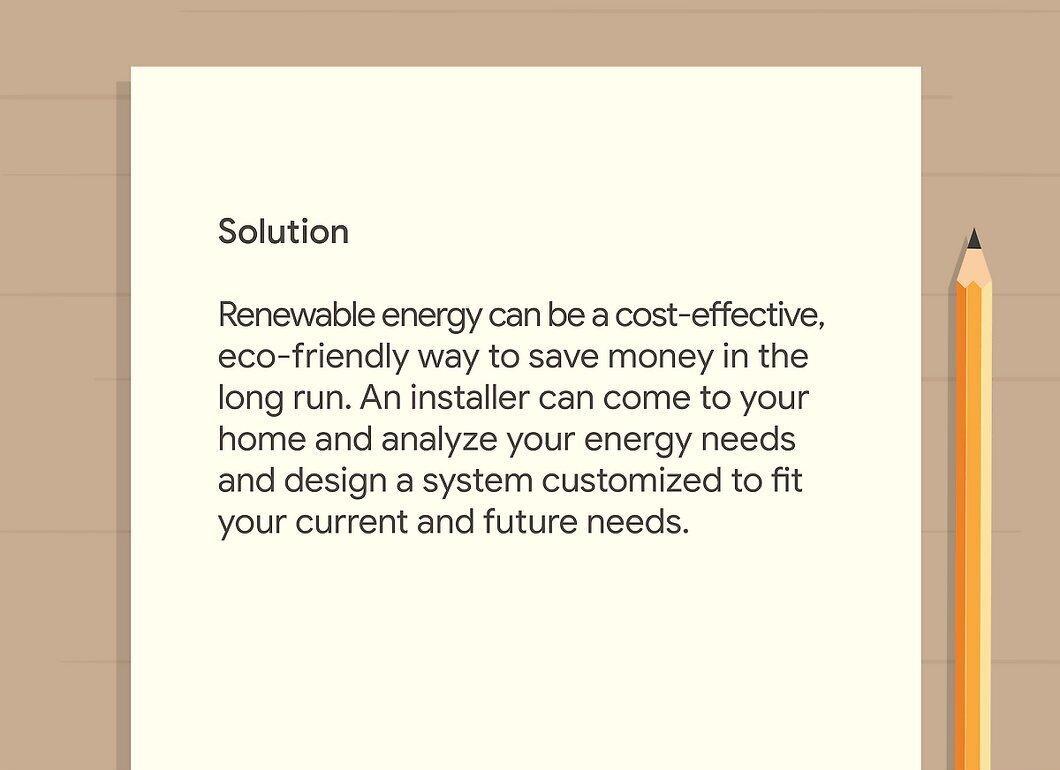
Suggest a solution to the problem. Once the problem is defined, an effective solution must be proposed. Ensure that your solution relates to the clearly articulated problem; otherwise, it may fail to engage the reader.
Step 5. Use visual elements to enhance comprehension.
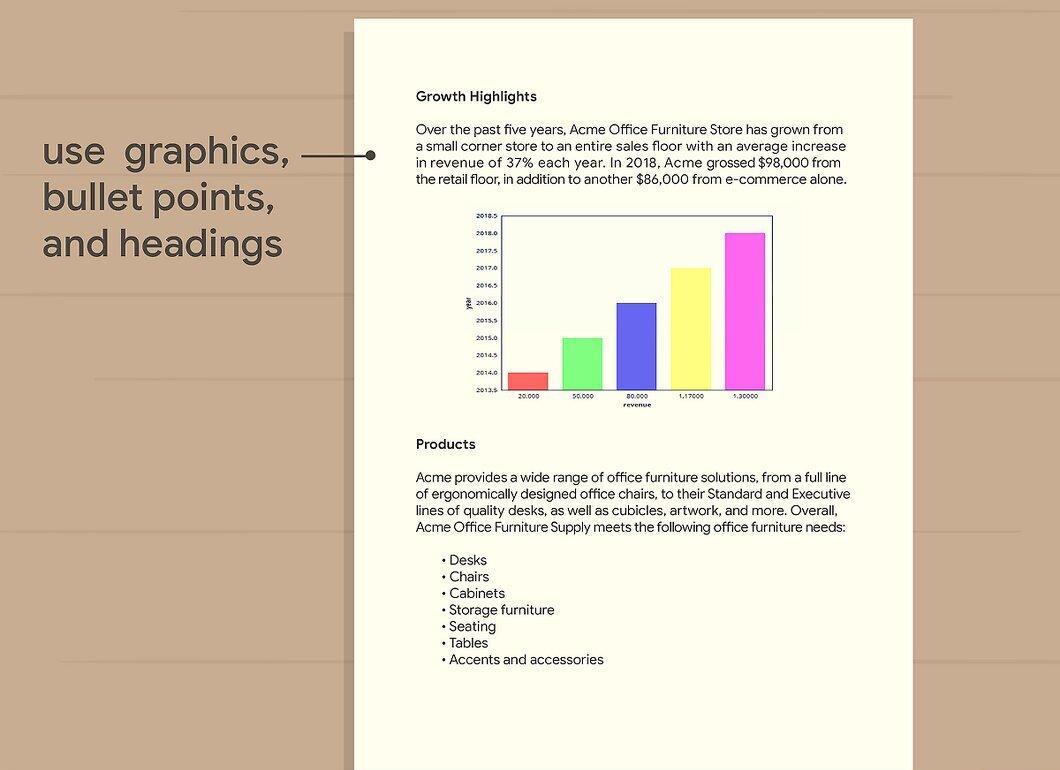
Incorporate graphs, lists, and headings to improve text comprehension. A project summary should not be a block of text. To make it more reader-friendly, consider using:
- Graphs and charts that visually represent information.
- Lists to simplify lengthy data lists.
- Headings to structure the summary and facilitate navigation for the reader.
Step 6. Avoid specialized terminology and jargon.
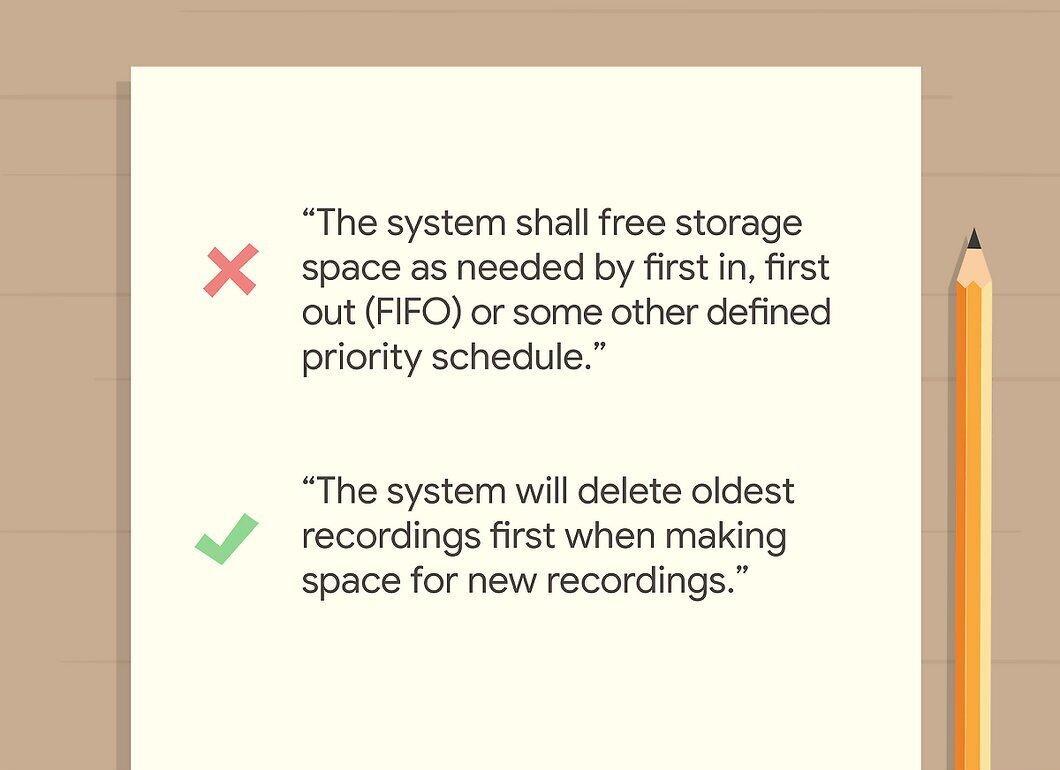
Do not use professional terms and jargon. They may complicate the text's understanding and make it less specific. Words like "leverage" or "backend" can carry ambiguity and confusion.
Features
Step 1. Study the original document.
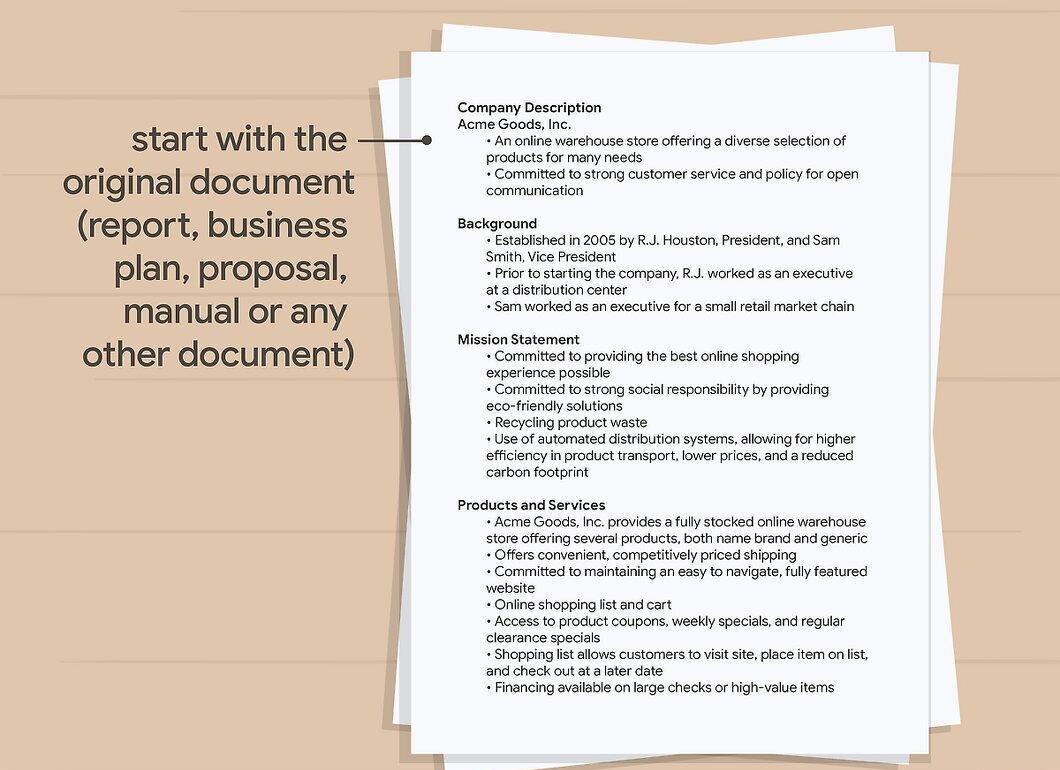
Thoroughly familiarize yourself with the original document. Since the summary is a brief representation, it is essential to carefully review the original, whether it is a report, business plan, or proposal. Highlight the key points.
Step 2. Write a concise conclusion.

Articulate what the author of the document aims to achieve. What is the goal of the original?
- Example: "Women WorldWide aims to unite women to address domestic violence issues and support victims. Headquarters are in Alberta, Canada; connecting with women from 170 countries."
Step 3. Capture the essence of the project.

Artfully express the essence of the project. This can be the most challenging part of writing a summary. In 2-3 sentences, explain why your business deserves attention. Sometimes, using quotes or striking statements can spark interest.
- For instance, perhaps your clients are celebrities, or you've partnered with a major company, or obtained a patent.
Step 4. Describe a significant problem.

Identify a serious problem. The first crucial element of the summary is to describe the problem that your product or service solves. A clear statement of the problem makes your solution more compelling.
- Example: "Los Angeles suffers from traffic jams. This is not only frustrating but also leads to pollution and decreased productivity. There are more cars in the city than drivers."
Step 5. Offer a unique solution.

Present your unique solution. Describe what sets your solution apart from others. If you can present an original solution, you stand a good chance of success.
- Example: "Innotech has developed an innovative traffic management system that optimizes wait times at traffic lights. Installed modules analyze traffic and adjust signals based on vehicle flow."
Step 6. Evaluate market potential.

Describe market prospects. Support your problem description with industry data. However, do not inflate market estimates. Even if the overall market size is large, your share may be small. Be realistic.
Step 7. Present your unique selling proposition.

Describe your unique selling proposition. Explain what makes your product or service special. How do you differ from competitors?
- Example: "The Intellilight system automatically turns off lights in empty rooms, saving energy. Lights turn on when motion is detected."
Step 8. Describe your business model if necessary.
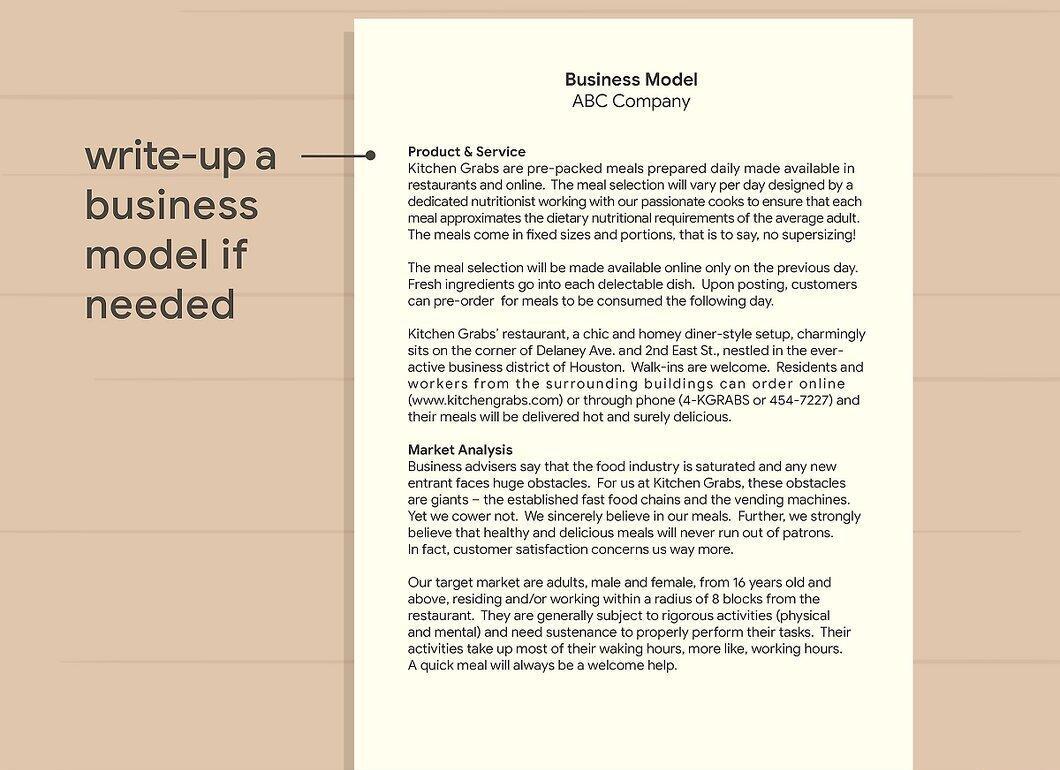
If needed, describe your business model. This point may not always be relevant for non-profit organizations, but if it is necessary, present it clearly. Answer the question: "How will we make money?"
Step 9. Introduce your management team.

Introduce your team. This aspect can be critical for investors. They invest in people, not just ideas. Explain why your team is capable of solving the problem.
Step 10. Describe the project's financial outlook.
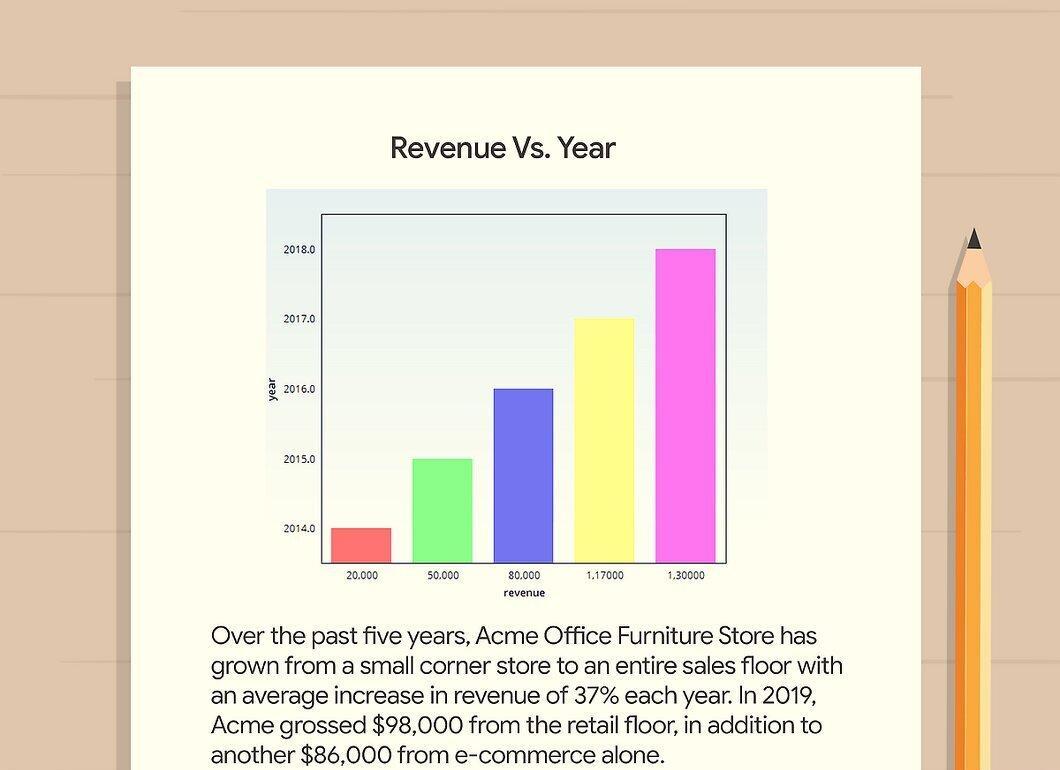
To persuade, outline financial forecasts. Depending on the context, you may need to create a financial projection based on assumptions. This will help readers assess your competence in financial planning.
- If you're addressing investors, don't spend too much time on this part. Investors understand that you can't predict your financial outcomes with precision.
Step 11. Carefully transition to your funding requirements.
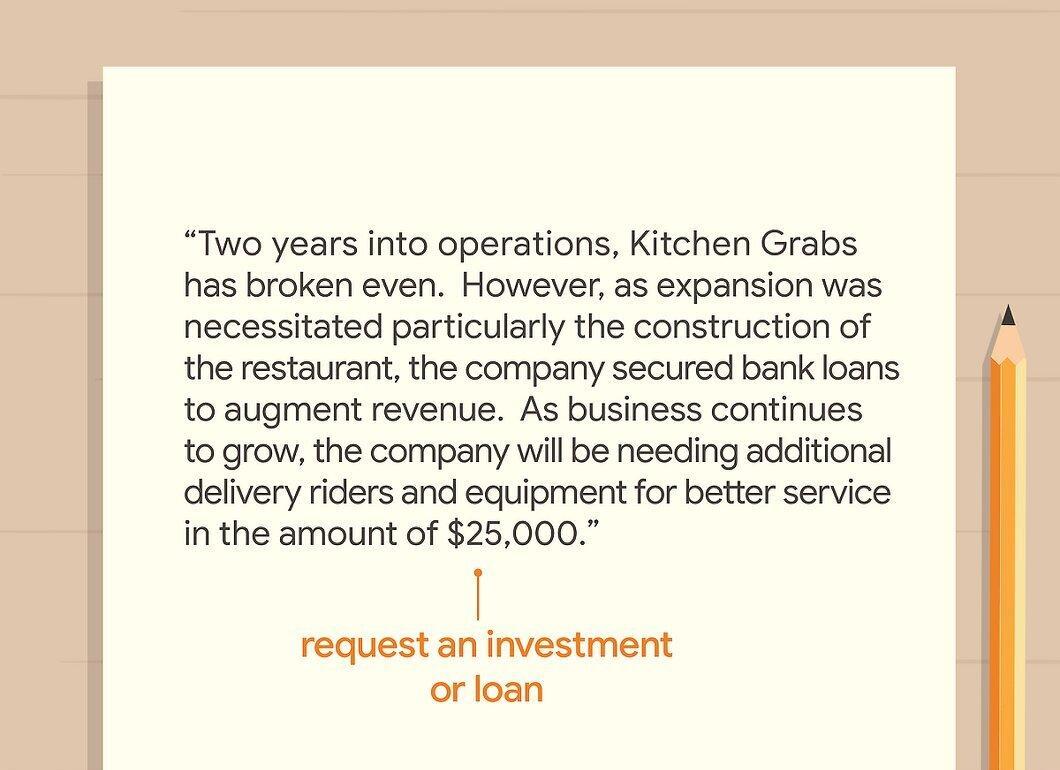
Now is the time to state your funding needs. Emphasize why your company deserves investment. Remind them of the problem you are solving and which market you plan to capture. Mention the team's experience and state the desired amount to achieve the next goals. Do not include details of shares and percentages at this stage.
Step 12. Review the project summary.
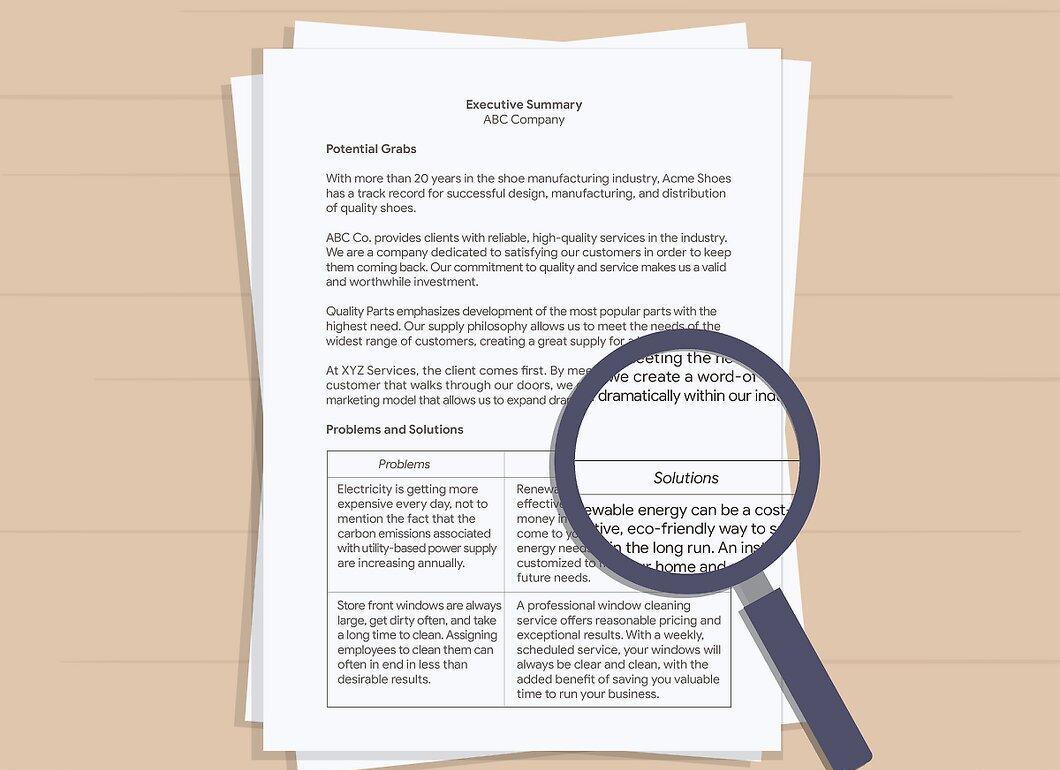
After writing the main body, be sure to reread the summary. The review should be thorough. Ensure that it is clear to your target audience and that all terms are explained. If anything needs correction, don't hesitate to make it.
- Show the summary to someone who hasn't read it before. A fresh perspective can help identify errors. Pay attention to:
- Clarity: Are all words and ideas understandable?
- Errors: Check for grammatical, logical, and factual mistakes — everything needs to be verified.
- Persuasiveness: Do your ideas resonate strongly enough?
- Coherence: How well is the text structured?