
A report is an official text created to study a particular topic or analyze a specific problem. At some point, you may need to prepare a report for a school course or at work. The report may have specific requirements or allow for freedom in detailing the content you will cover. In any case, a quality report is always characterized by accuracy, conciseness, clarity, and good structure.
Preparing to Write the Report
Step 1. Familiarize Yourself with the Requirements.

First and foremost, familiarize yourself with the requirements for your report. If you are preparing it for school, don’t hesitate to ask your teacher to clarify what is expected of you. For a work version, consult your supervisor. It is crucial to understand what information needs to be included in the text. Be sure to follow all guidelines throughout the process.
- Confirm with your supervisor or teacher what the required length of the work is, whether tables, graphs, or diagrams are necessary, and discuss details like font size and style.
- Typically, a report includes a title page, an abstract, an introduction, a methods section (if applicable), results (if relevant), comments, and a conclusion.
Step 2. Define the Topic.

Choose the topic of your report. The topic may be defined by your supervisor, or you may select it yourself. If possible, choose a topic that interests you — this is especially important for long-term projects. You might also consider a topic you are unfamiliar with to gain new insights.
- Before you start, it is important to understand the topic and clarify the purpose of writing the report.
- Reports are often part of scientific and technical courses. Sometimes you may be required to write a report on a book you read or another report related to humanities subjects.
- If you have trouble selecting a topic, draw inspiration from newspapers, favorite magazines, or online news. Consider current events in politics, sports, or economics, as there is a wealth of information in the realm of popular culture.
Step 3. Research the Selected Topic.

Engage in researching your topic. Read information related to the chosen question. Utilize books from university or public libraries, as well as search for information online. A deep understanding of the topic is essential for a successful report. Be sure to use current data, so thoroughly review all available materials before you start writing.
- Start with a general overview of the topic, spending time familiarizing yourself with various sources instead of delving deeply into a few articles.
- If your topic is multifaceted (for example, discussing issues like the permissibility of the death penalty), you need to understand all aspects for an objective discussion.
- You can also meet with a reference librarian to help you find the necessary sources. They can advise you on which sources are reliable and guide you through the research process.
Step 4. Use Reliable Sources.

When working on your topic, choose only reliable sources. Your topic may be covered by many sources, but it is important to use only those considered trustworthy. Reliable sources always indicate authors affiliated with reputable institutions (universities, news agencies, and government organizations).
- If you have doubts about the reliability of a source, discuss it with your teacher, supervisor, or librarian. Sometimes low-quality articles may be presented as peer-reviewed scientific works, so you should be cautious.
Step 5. Identify Your Target Audience.

Determine who you are writing your report for: a group of experts or people unfamiliar with the topic? This knowledge will help you adjust your writing style appropriately. If your text is intended for professionals, you can use specialized terminology and jargon. However, if the audience consists of beginners, it’s better to avoid complex terms and explain them as necessary.
- If the report is for unprepared readers, be sure to provide basic information and background knowledge so they can understand the context. Start with simple explanations, addressing questions about the significance of the topic, who studies it, and what research is being conducted.
Structure and Organization of the Report
Step 1. Start with the Abstract.
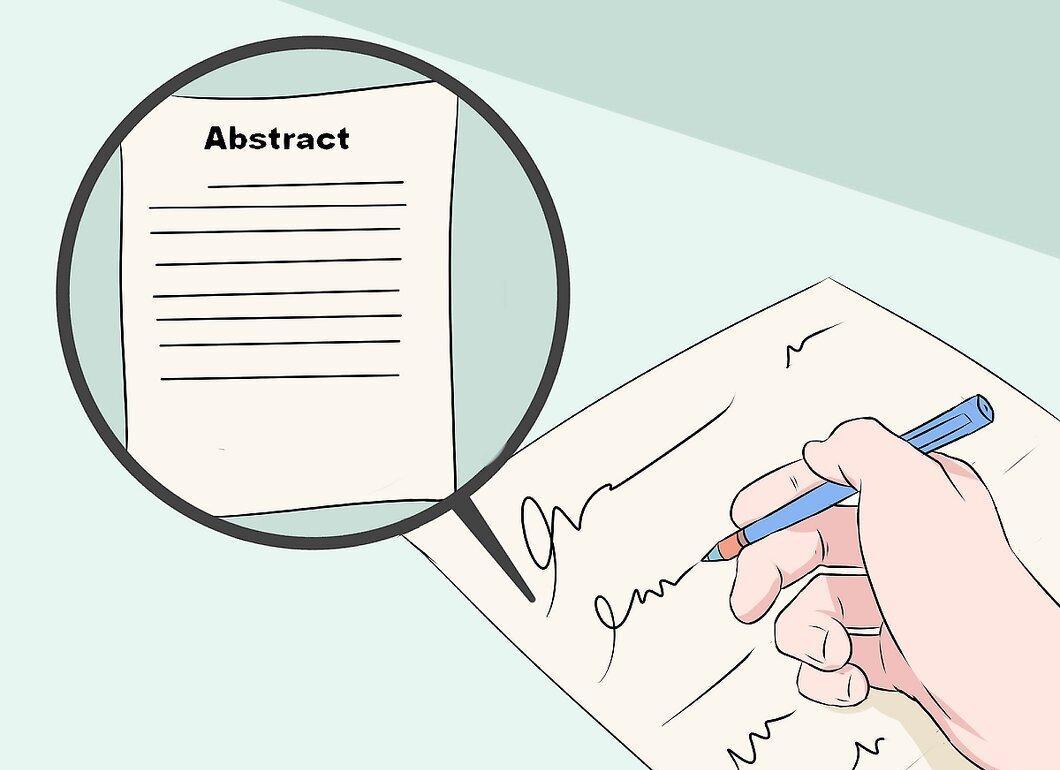
The abstract should provide a brief description of your report and answer the question, "What did you do, for what purpose, and what did you learn?" The maximum length of the abstract is half a page.
- You can return to writing the abstract after completing the main part of the work. The key is that the abstract appears before the main part in the final document.
Step 2. Write the Introduction.

In the introduction, provide background information on the topic of your report and review any relevant literature (if available).
- Clearly define the problem or topic you will be investigating. This could be a scientific question — for example, the growth rates of a specific species — or current events, such as security measures in airports.
- Provide general data on conducted research, but do not lose sight of the fact that the main focus should be on your work, not external studies.
- If you conducted experiments, be sure to describe them in the introduction.
Step 3. Describe the Methods or Main Aspect of Analysis.
In scientific papers, this section is called "Methodology," and here you need to explain what methods, techniques, and materials you used.
- Methods can be described chronologically or grouped by type if that is more suitable for your work.
- Describe your actions in the past tense.
Step 4. Present the Results.
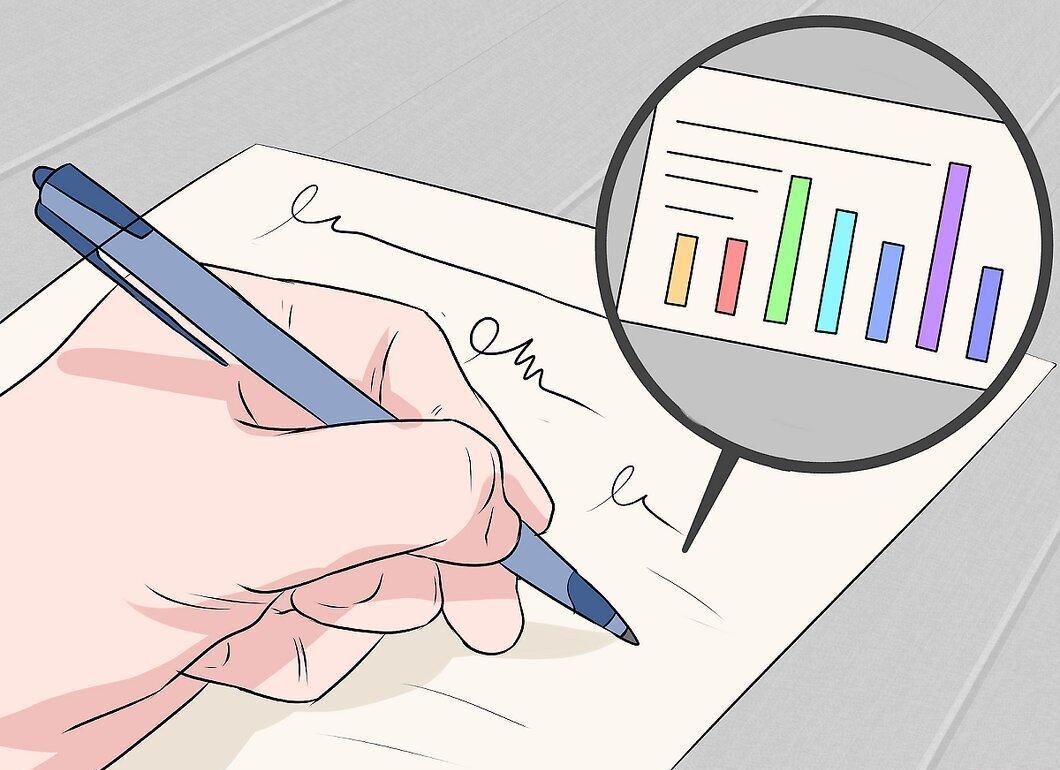
In this section, present your observations or results obtained using the described methods. State the main findings and briefly describe the experiment or operation.
- You can present the results in order of importance or complexity, depending on your approach.
- At this stage, you should not explain the results — a separate section is dedicated to that.
Step 5. Analyze the Data Obtained.

This is the main part of your report, where you analyze the results and explain their significance. At the beginning of the section, briefly outline the key findings, then move on to a detailed analysis.
- Explain how the results relate to scientific theories.
- Indicate what additional research could help fill gaps in your work or answer remaining questions.
- Explain the significance of your results. This will answer the question, "What next?" How can your findings be useful and meaningful?
- In some cases, a separate conclusion may be required to highlight key points, but in most cases, this can be done at the end of the main part.
Additions and Clarifications
Step 1. Share Your Insights.

Present your report as a narrative of what you did and what you learned. Don’t strive to impress; just convey the information — that will be your greatest achievement.
Step 2. Use Professional Language.

Avoid conversational style. For example, instead of saying, "we got excellent results," write, "the results obtained are significant." Your text should sound like an official report, not a conversation with a friend.
- Discuss with your teacher or supervisor the possibility of using the first person. Usually, this is not allowed in scientific works, but in some cases, this approach may be more effective.
Step 3. Write Clearly and Concisely.

Keep your sentences short and understandable. Avoid lengthy and complex constructions. Use short sentences with clear structure, minimizing punctuation.
- Structure your statements clearly: "I researched the topic, found data, and obtained results." Avoid passive voice to prevent complicating text perception.
Step 4. Use Headings and Sections.
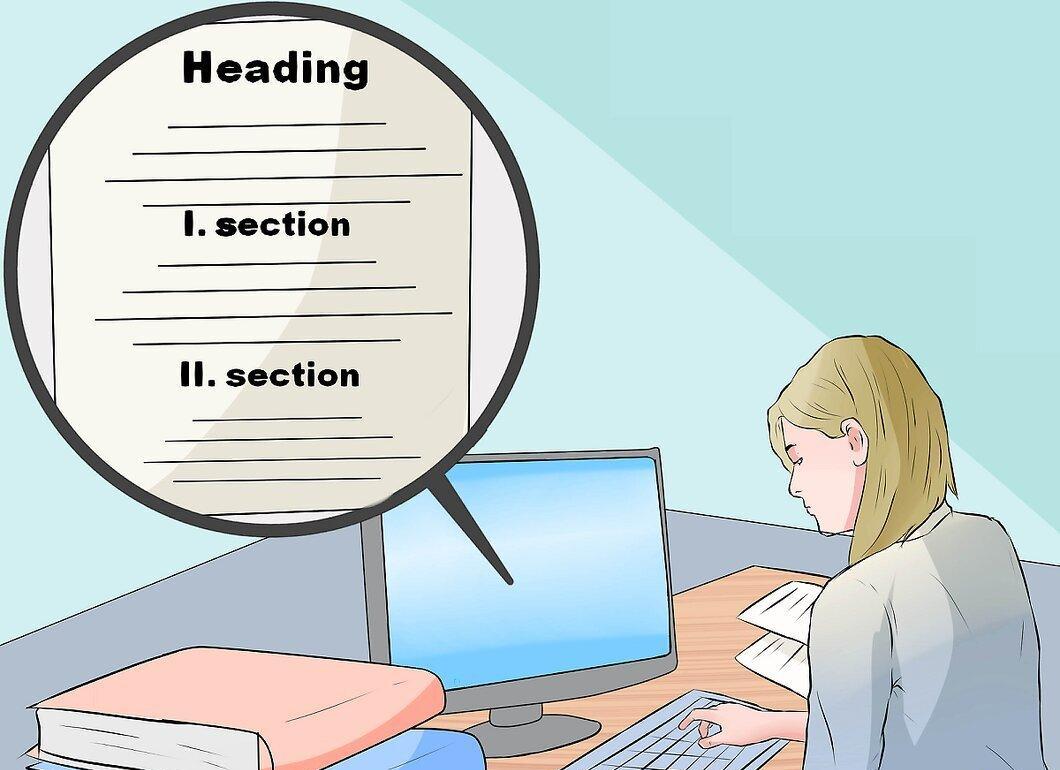
Headings and sections make the report more structured and engaging for the reader.
- To highlight a heading, use bold, italics, or an increased font size. If there are specific style guidelines, follow them.
Step 5. Use a Variety of Reliable Sources.

The more sources you use, the more complete your understanding of the topic will be, and the lower the risk of accidental plagiarism.
- Reliable sources can include books, textbooks, scientific journals, government reports, and legal documents. These are usually available in both print and electronic formats.
- Don’t hesitate to ask a librarian for help if you're having difficulty finding information on the required topic! A good librarian can assist you with this.
- Avoid primary sources based on subjective opinions; you need facts and data.
Step 6. Start Preparing Early.

It is necessary to allocate time for writing a good report. Be sure to set aside enough time for preparation, writing, and editing. It is advisable to begin work several weeks before the deadline. The specific time depends on your working pace and the volume of the task.
- Dedicate time to studying the issue. It is important to thoroughly understand the topic and familiarize yourself with all materials. When you are ready to write, you will have a clear idea of what needs to be conveyed in the report.
Editing
Step 1. Set Aside Time for Proofreading and Revising.

Allocate time in advance for checking and editing your report. The initial draft is only a rough version that requires refinement. Ensure you have enough time to make corrections before submitting the work.
Step 2. Check Grammar and Spelling.

Carefully read through the text to find any possible errors. Computer spell check is not perfect. For example, you may confuse the words "him" and "them," and this may go unnoticed. Pay attention to every detail — grammar and spelling, as they influence the quality of your report.
Step 3. Check Formatting.

Ensure that the document meets all requirements, including the presence of a title page, font size, and margins.
Step 4. Critically Review Your Work.

The review should go beyond simple proofreading. Conduct a critical assessment of the entire work, paying attention to shortcomings that may lower the overall quality. You may need to rewrite or remove individual paragraphs.
- Ask yourself: does your report achieve its intended goals? If not, you will need to make significant changes.
Step 5. Request a Review.

If possible, ask a trusted friend or colleague to read your report. Their perspective can help identify mistakes you might have missed and provide useful suggestions for improving the material.