
We often accept life as it is and use this as an excuse for inaction or despair. We think that everything will sort itself out. In the end, many realize that their lives are far from what they desire but don't know what they truly want.
Life Path Planning Exercise
Step 1. Don’t Take Life for Granted.

Let go of the notion that life just flows on its own. People tend to go with the flow, hoping that everything will be okay. To achieve the desired outcome, you must first plant good seeds.
Step 2. Clearly Define Your Goals and Desires.

Articulate what you want to achieve in life. If your goal is to climb Mount Everest, you need to know its location, height, climbing conditions, and prepare the necessary gear. The same goes for life: define your goals, timelines, and the effort required to achieve them. Don’t act without a plan and preparation.
Step 3. Take Risks, but Don’t Rely on Luck.

Don’t be afraid to take risks, but don’t count on chance. It’s well-known that success is hard to achieve without risk. Before making a decision, carefully weigh all the pros and cons, evaluate costs and potential gains. Remember, time is a valuable resource that cannot be reclaimed.
Step 4. Surround Yourself with Worthy People.

Choose your environment wisely. People often tend to follow the crowd without understanding where it leads. Unfortunately, many emulate popular figures, which rarely helps them find their own place in life. Focus on choosing role models that truly inspire you.
Step 5. Plan Your Life.

Remember, you have only one life, and there are no second chances. Don’t postpone planning your life. If your life were a movie, what role would you want to play? Writing the script of your life will help you better understand what to strive for.
Step 6. Create a Flexible Yet Specific Plan.

Develop clear plans that are flexible enough to adapt to unexpected circumstances. As the director of your life, you have the right to make changes to the script as needed.
Step 7. Don’t Choose the Easy Path.

One common mistake is choosing easy goals instead of those that truly matter. Realizing your desires may require effort, but it's important to strive for what you really need.
Life Path Planning Exercise
Step 1. Find a Quiet Place.

- Prepare a pencil and a new notebook that will become your "life plan."
Step 2. Draw a Timeline.

Step 3. Write "Today" and "Desired State."

On the left side of the timeline, indicate your current state, and on the right, what you want to achieve in five years. Describe your current life in detail:
- What am I doing?
- What are my earnings?
- Am I satisfied with my activities?
Step 4. Describe Your Desired State in Five Years.

On the right side of the timeline, indicate who you want to be in five years. Ask yourself questions:
- What do I want to be like?
- What do I want to have?
- What will my life look like?
Step 5. Ask Questions Between These Two States.
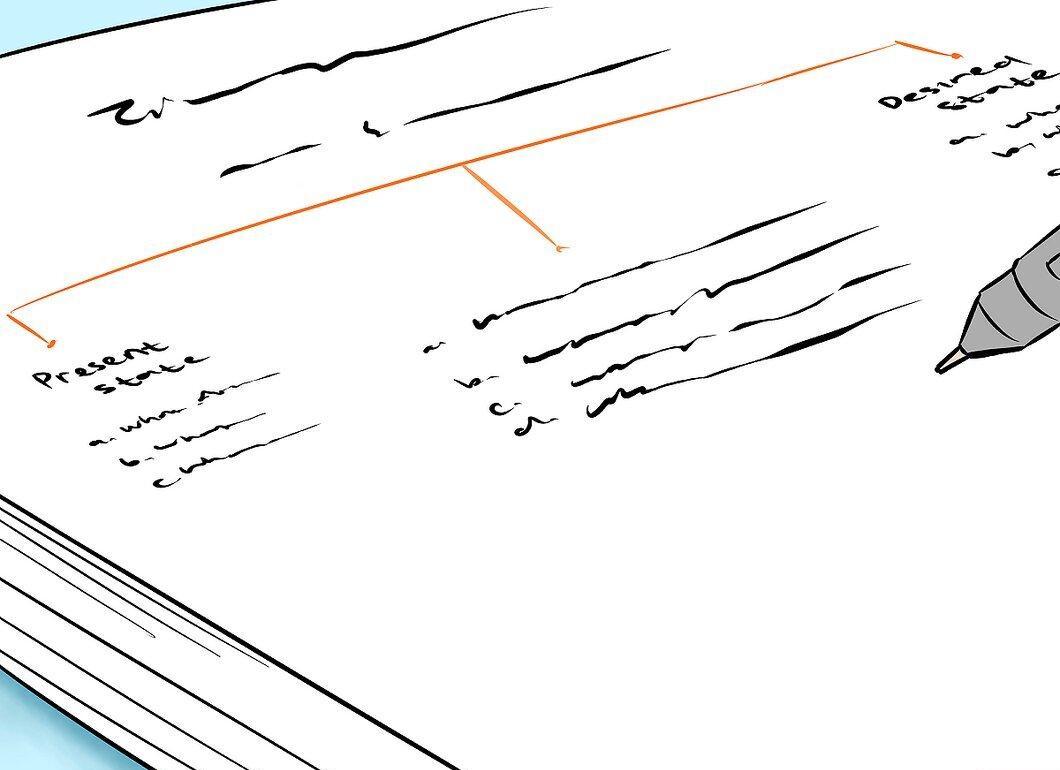
Write down your thoughts about what you need to do to achieve your desires:
- What steps do I need to take?
- Who can help?
- What skills do I need?
- What will I need for this?
Step 6. Don’t Panic If You Don’t Answer All Questions Right Away.

Remember, at the first stage, you may not find answers to all questions. Regularly practicing this exercise will help you create a clear life plan to understand how to achieve your goals and who can help you.