Tenderness: How to Be More Affectionate
Tenderness is a way to express your feelings physically. It's often associated with love and strong relationships, as regular tenderness helps people become closer to each other. Research shows that children who experience affectionate parenting from an early age are less susceptible to stress. Other studies indicate that partners feel more satisfied in their relationships when they actively express love and affection.
Touch
Step 1. Overcoming Discomfort
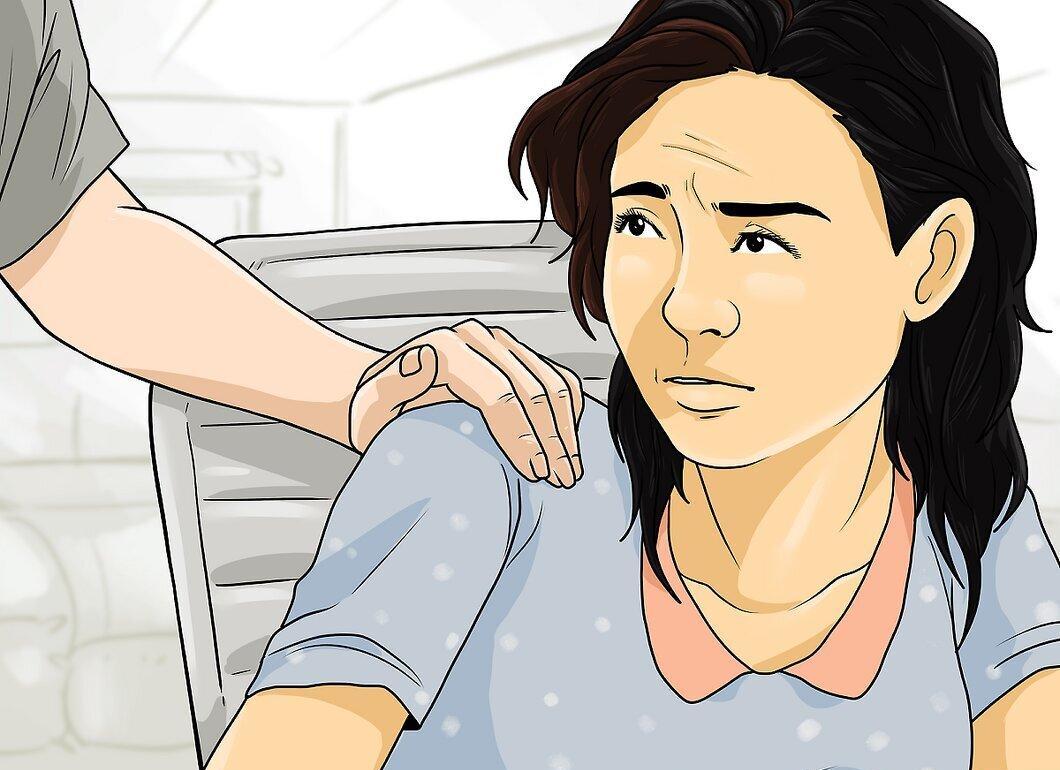
Some people may feel uncomfortable with touch. This is often related to personal traits, family relationships, or fear of intimacy. Such feelings can hinder the expression of love through caresses and hugs.
- Try to understand your fears of closeness. Acknowledge them and attempt to understand their origins. Sometimes it helps to realize that these fears are not related to your current partner.
- Discuss your feelings with your partner and explain that you need time to adjust. Effective communication can help you grow closer and develop tender relationships.
- If you find it difficult to talk about this, consider seeking help from a specialist. They can assist you in overcoming emotional difficulties and breaking down barriers to tenderness. If that's not for you, try journaling your feelings.
- Begin to incorporate expressions of tenderness into your life. Hold your partner’s hand, hug them, or touch their shoulder. Gradually, it will become easier for you to express your emotions.
Step 2. Hug Your Loved Ones Daily
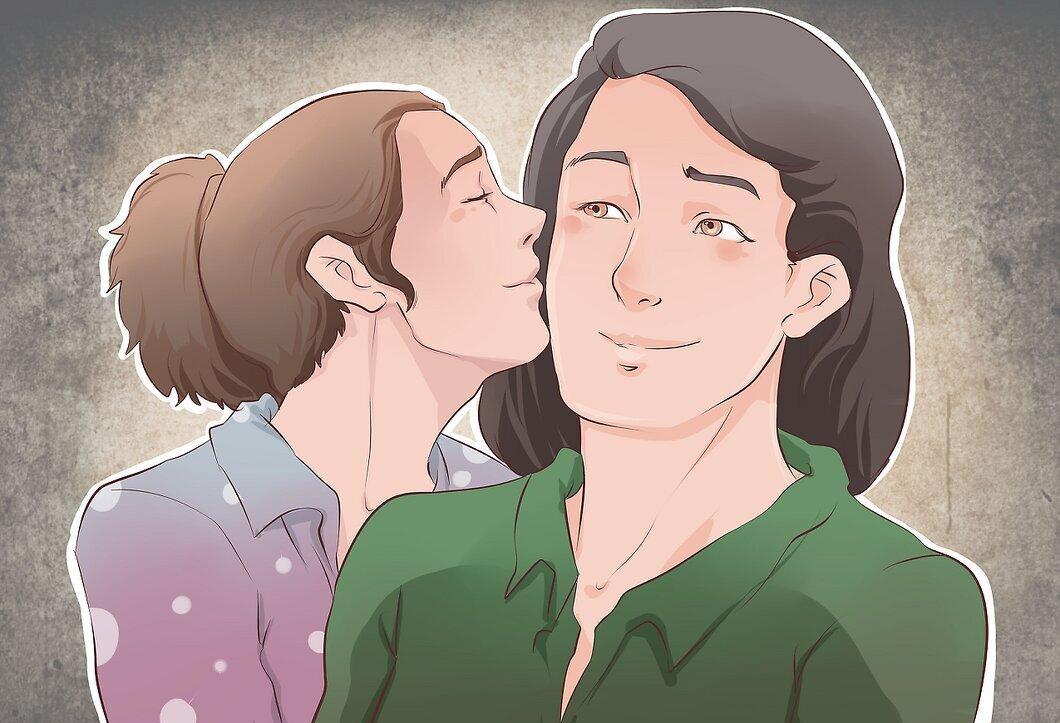
Hug your children and partner regularly. Touch can relieve stress and alleviate pain, as well as strengthen bonds between people. Daily hugs and expressions of tenderness can support both physical and mental health. Show affection during family evenings, storytime, or movie nights.
Step 3. Hold Hands
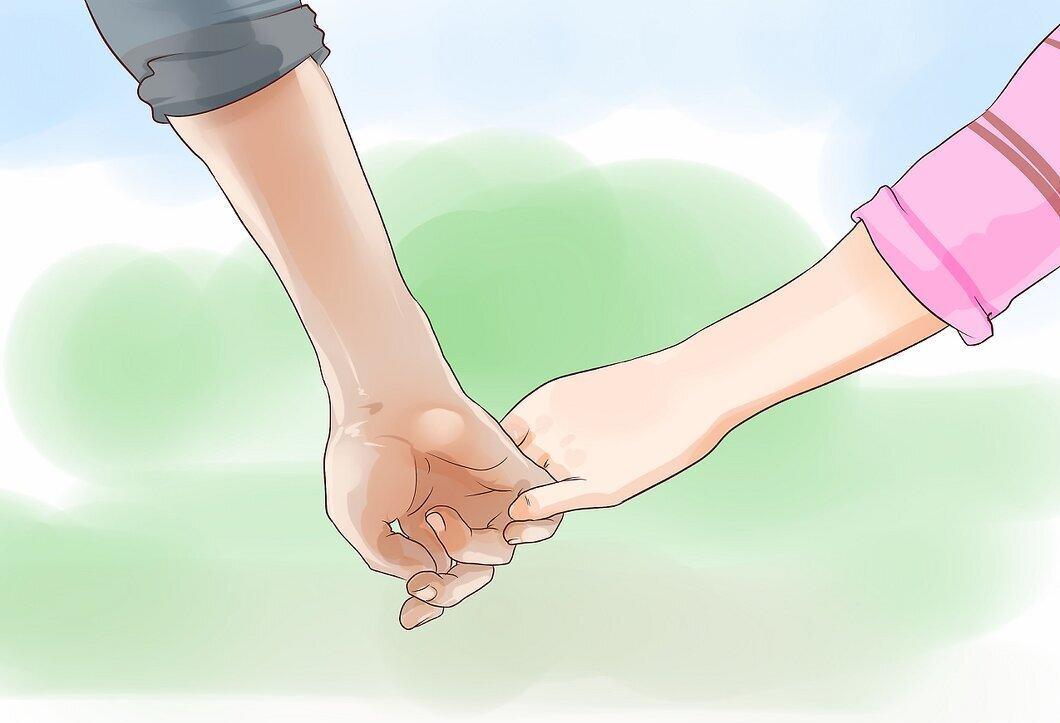
Hold hands! This simple act can strengthen your connection with loved ones. It instantly adds tenderness to your relationship. Whether you're walking together or sitting on the couch, just take each other's hands.
Step 4. Create a Habit of Touch
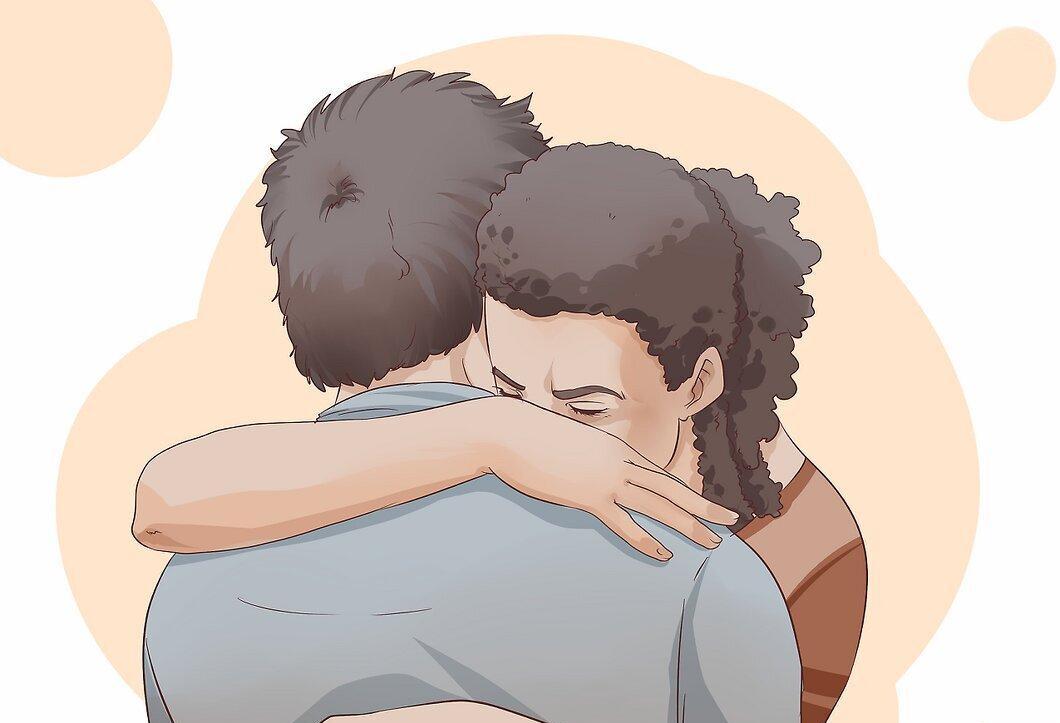
Incorporate touch into your list of healthy habits. Tender touches promote the release of oxytocin—a hormone that helps lower blood pressure and stress levels. These simple actions activate the brain and strengthen the immune system.
Step 5. Make a List of Tender Gestures

Write down a list of physical expressions of tenderness. This can include any touch that enhances feelings of love and attachment. Try using this list for a week and practice each item.
- Possible options include kisses, massages, cuddles, hugs, and holding hands. Also, add your unique ways of showing love.
- Remember that habits take about 21 days to form, but it may take longer. Regularly apply your list to permanently change your behavior.
Step 6. Playful Teasing
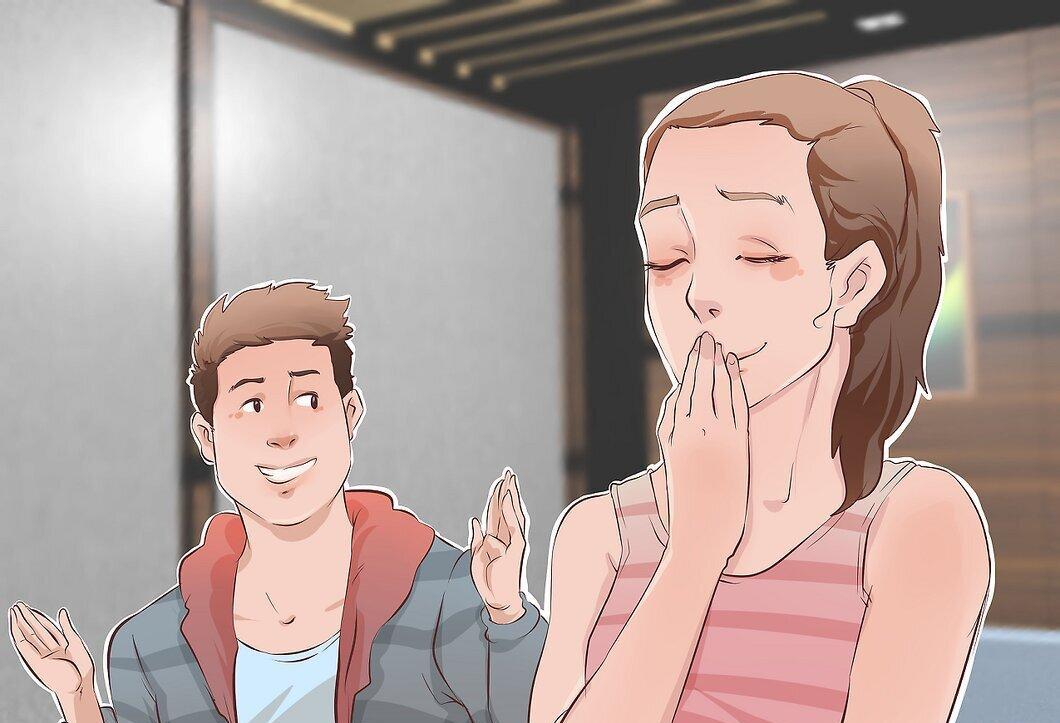
Use playful teasing as a way to add a touch of humor to your relationship. Gently nudge each other, hug, or tease playfully. However, ensure that your partner isn’t offended, and monitor the strength of your touches.
Step 7. Foot Touches
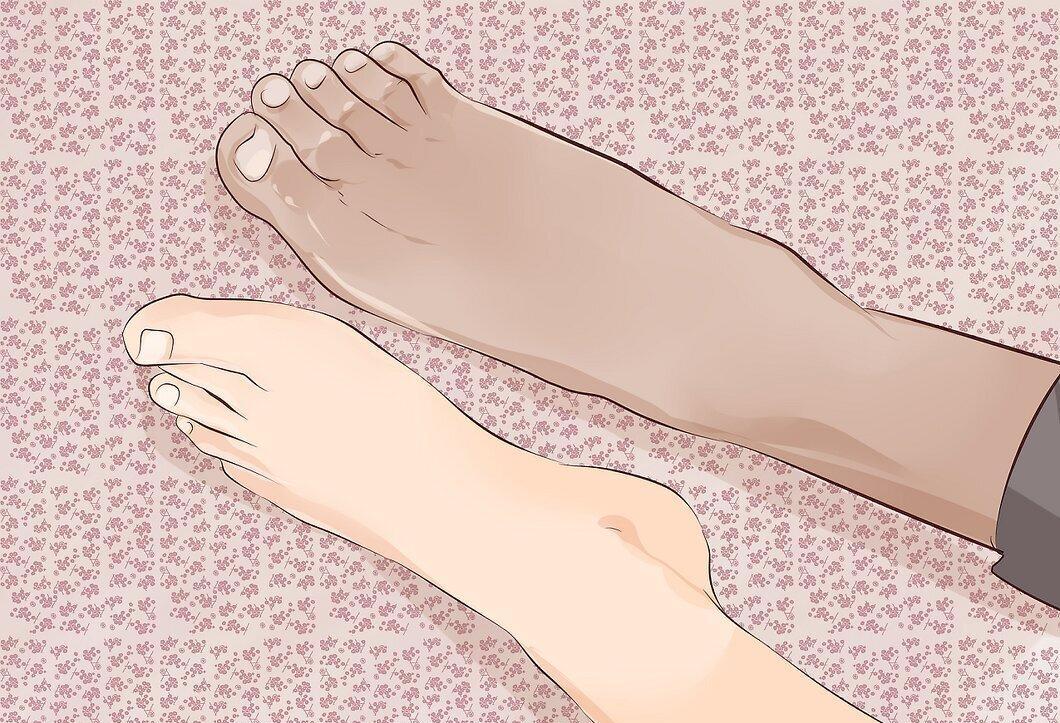
Touch each other with your feet: intertwine your legs, gently stroke each other under the table, or rest your feet on each other's laps. This simple physical contact helps you feel close even when you're next to each other.
Step 8. Massage
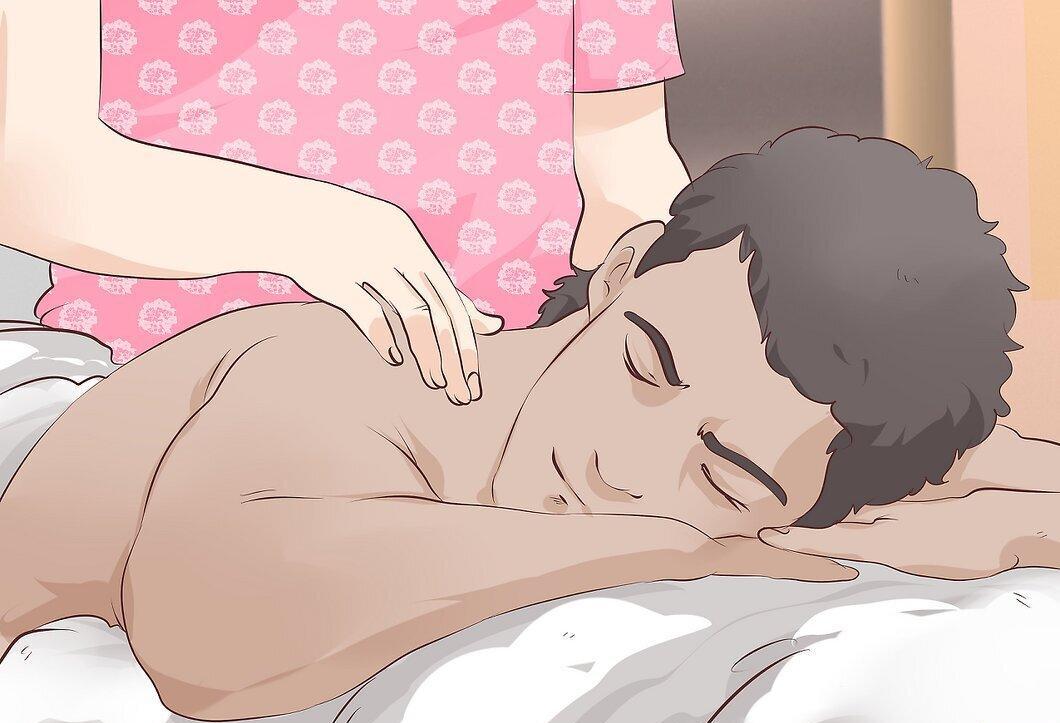
Give massages—it's an excellent way to show tenderness and get closer. Massages are beneficial for health, reducing stress and improving circulation. Your partner will appreciate your care and may reciprocate.
Words
Step 1. Positive Affirmations
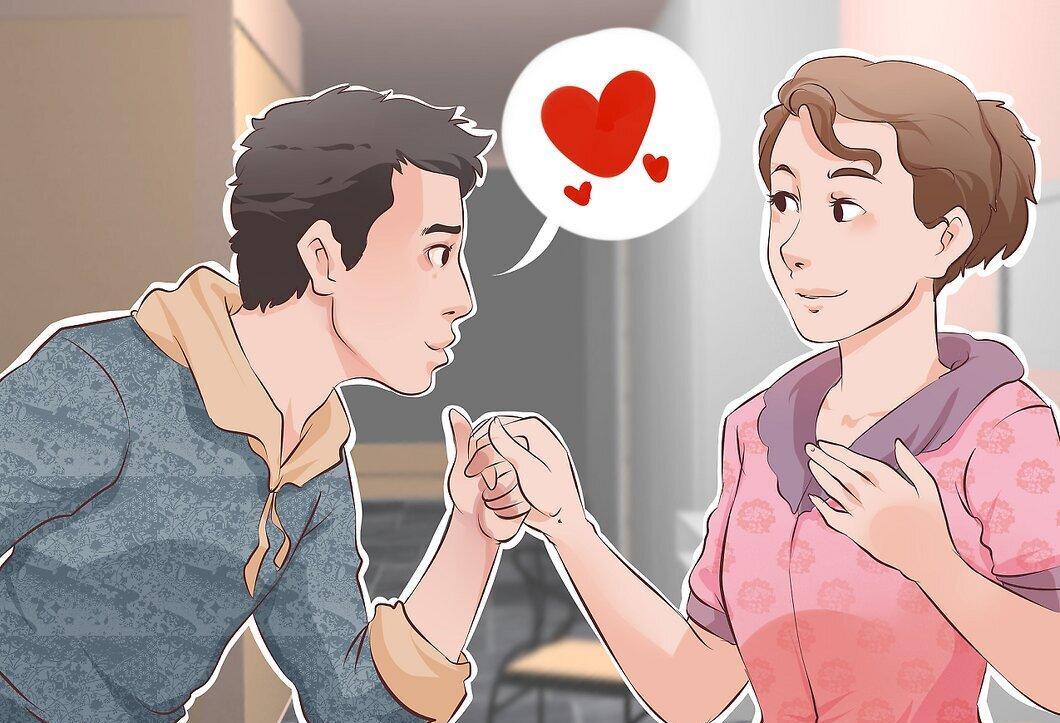
Say positive things like: “I love you” or “You’re important to me.” Verbal expressions of tenderness strengthen your relationship and mental health. Don’t let messages and emails replace face-to-face communication. If you're far apart, talk on the phone—it's a more personal way to connect.
- Your words should affirm feelings and make your partner feel loved. Come up with unique phrases that are meaningful to both of you to express your attachment.
- If you're using email, end your messages with phrases like: “I miss you,” instead of generic closings.
Step 2. Verbal Expressions in Long-Distance Relationships
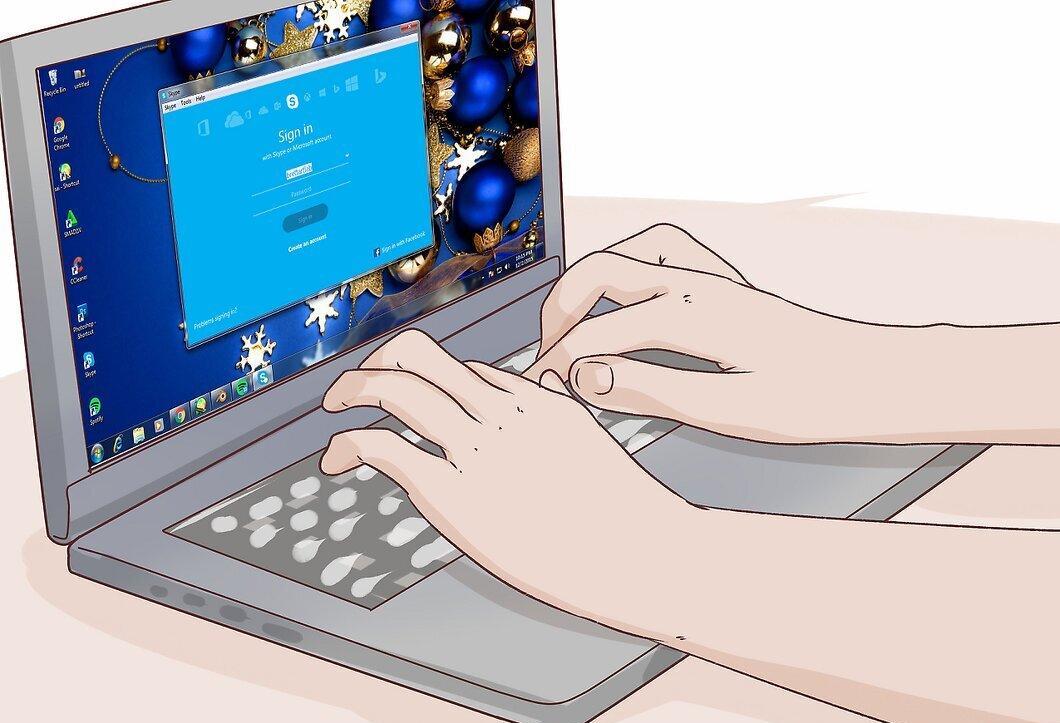
Remember that in long-distance relationships, it's especially important to talk about your feelings more frequently. This helps maintain closeness and create an atmosphere of trust and comfort. Use video calls to see each other during conversations.
Step 3. Compliments Every Day
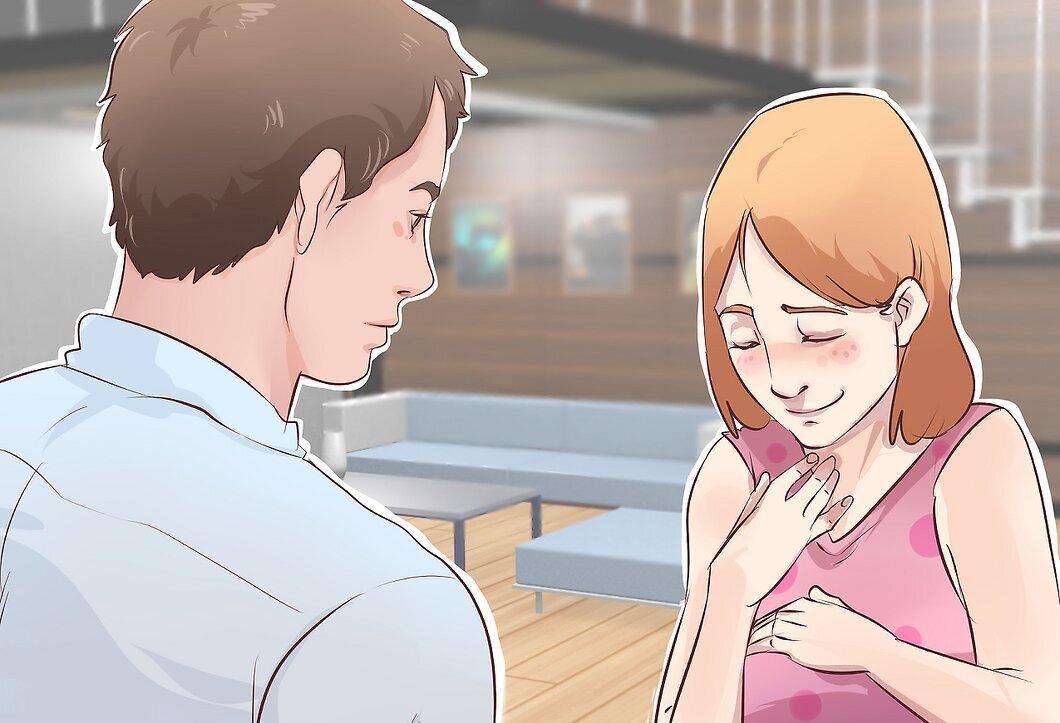
Compliment your loved ones every day. It’s a simple way to express warmth and care. Genuine words boost self-esteem and motivate people to succeed. Don’t forget to give compliments; otherwise, they may seem insincere.
- Notice people's talents and qualities to give sincere compliments about their appearance or personal achievements.
- Don’t miss opportunities to say something nice: “You have beautiful eyes” or “You cook wonderfully.”
Step 4. Greetings When Coming Home
Greet your loved ones when they come home. Give them your attention and say a few kind words so they feel your care. Combine verbal and physical expressions of tenderness: kiss your children or partner.
Step 5. Endearing Nicknames
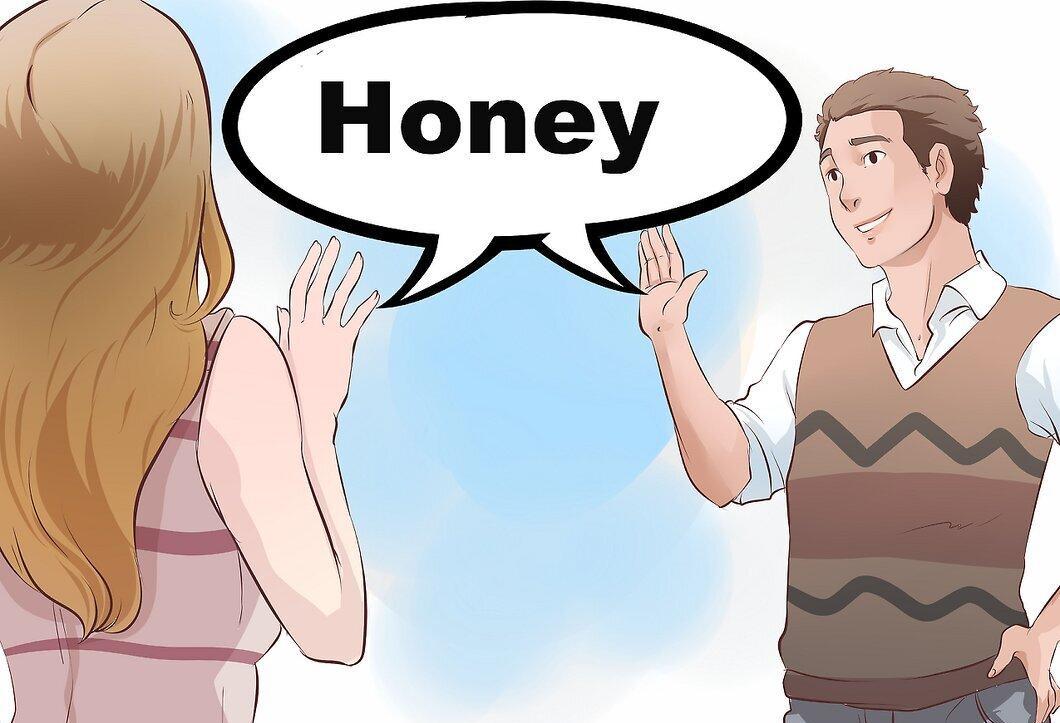
Come up with endearing nicknames for your loved ones. This helps emphasize your special bond. Make sure your nicknames don’t offend your partner or children.
- Examples: bunny, sunshine, darling, sweetie.
Step 6. Gratitude Towards Loved Ones
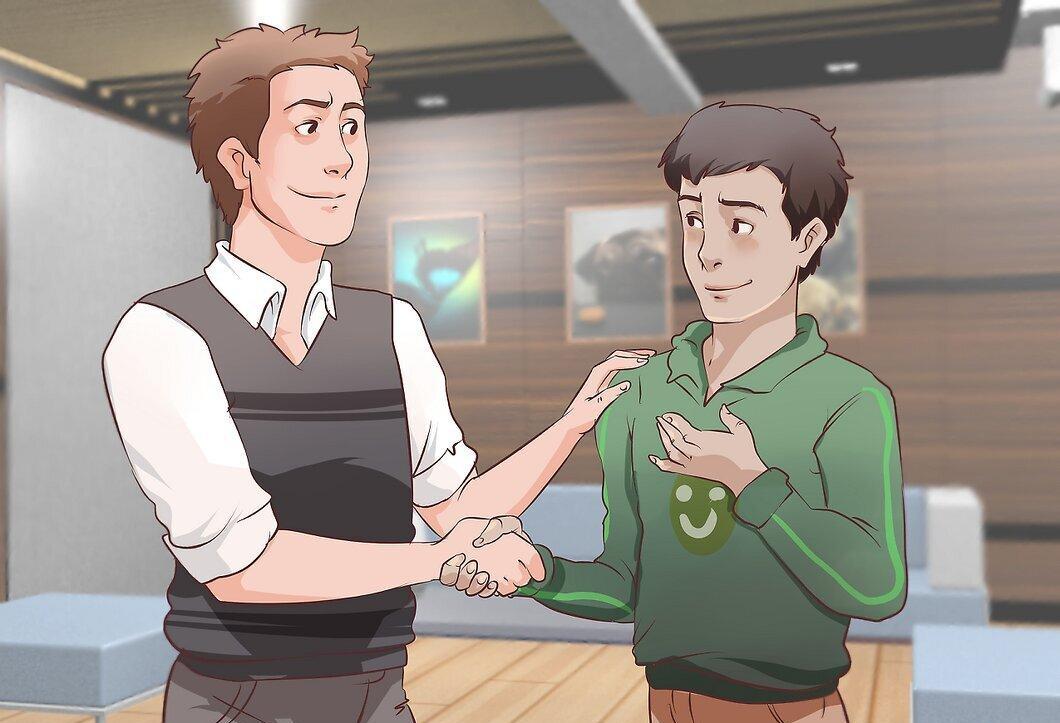
Don't forget to express gratitude to your loved ones. Think about what they do for you and how they improve your life. Look them in the eyes and speak of your appreciation.
Step 7. Don't Limit Yourself to Saying 'I Love You'

Don’t consider the phrase “I love you” as the only way to express your feelings. Use a variety of expressions to show your tenderness. You might have special phrases that only you both understand, making your relationship even more unique.
Habits
Step 1. Reciprocity
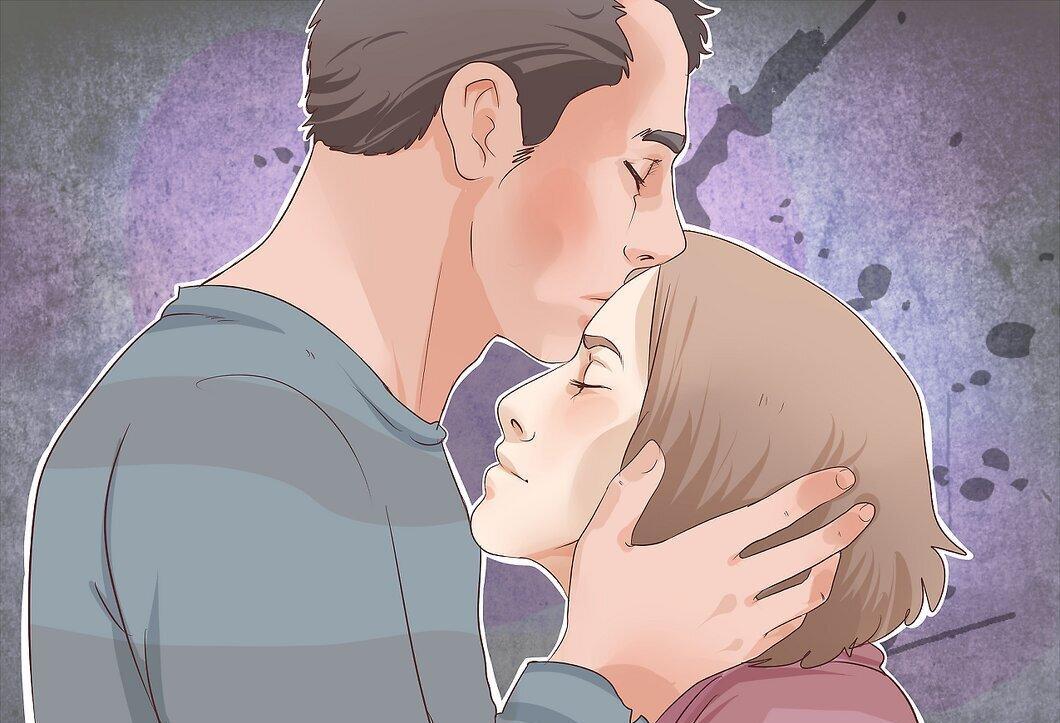
Respond to expressions of tenderness with mutual affection. Hug, kiss, and give compliments. Don’t hesitate; this helps create a cozy atmosphere. If you’re not used to this, it will take time to adjust.
Step 2. Tenderness from Both Parents
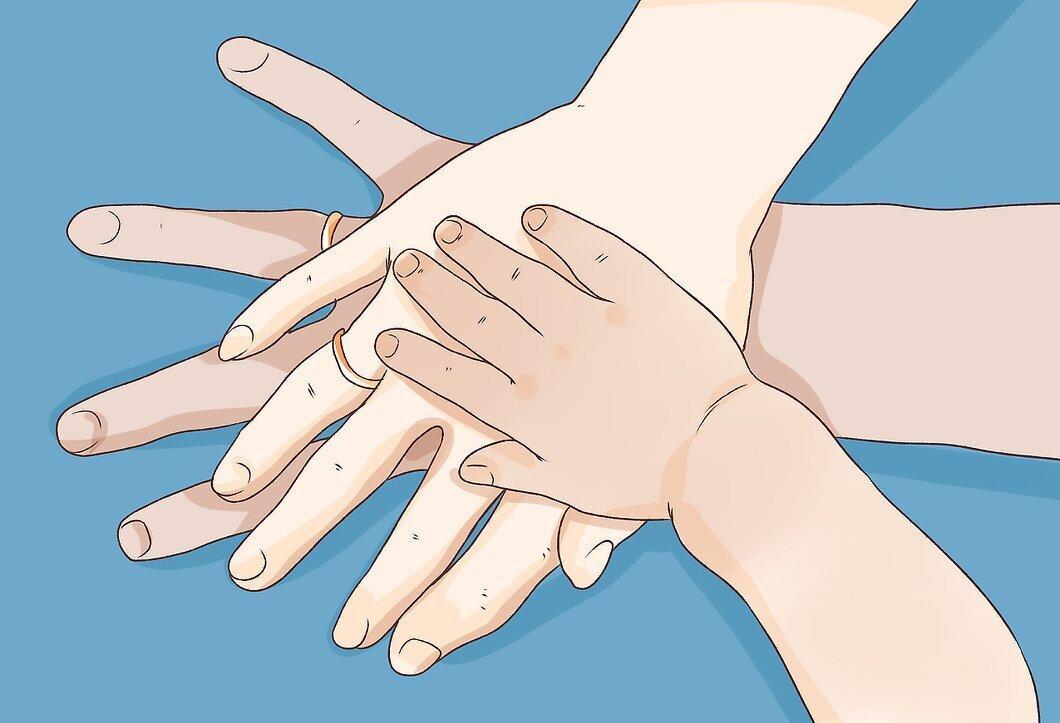
Both parents should express tenderness towards their children. In today’s world, fatherly tenderness is becoming the norm, and it’s important for healthy relationships.
Step 3. Eye Contact
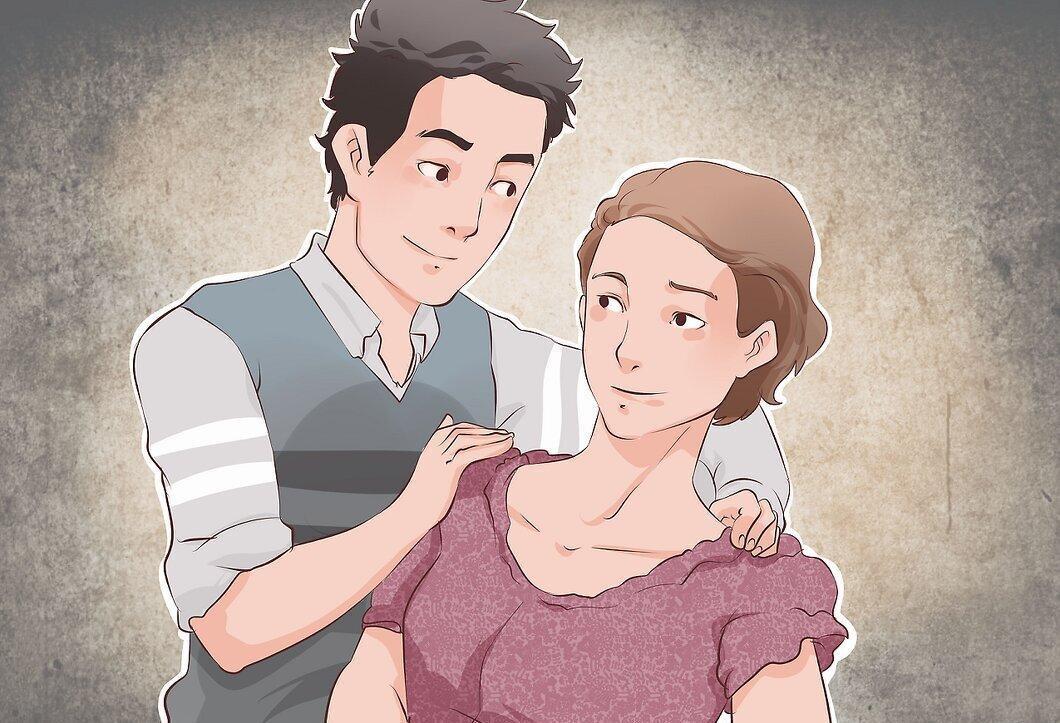
Maintain eye contact during conversations. This helps increase oxytocin levels and strengthens your bond. Research shows that looking into the eyes of a loved one brings joy.
Step 4. Set Goals
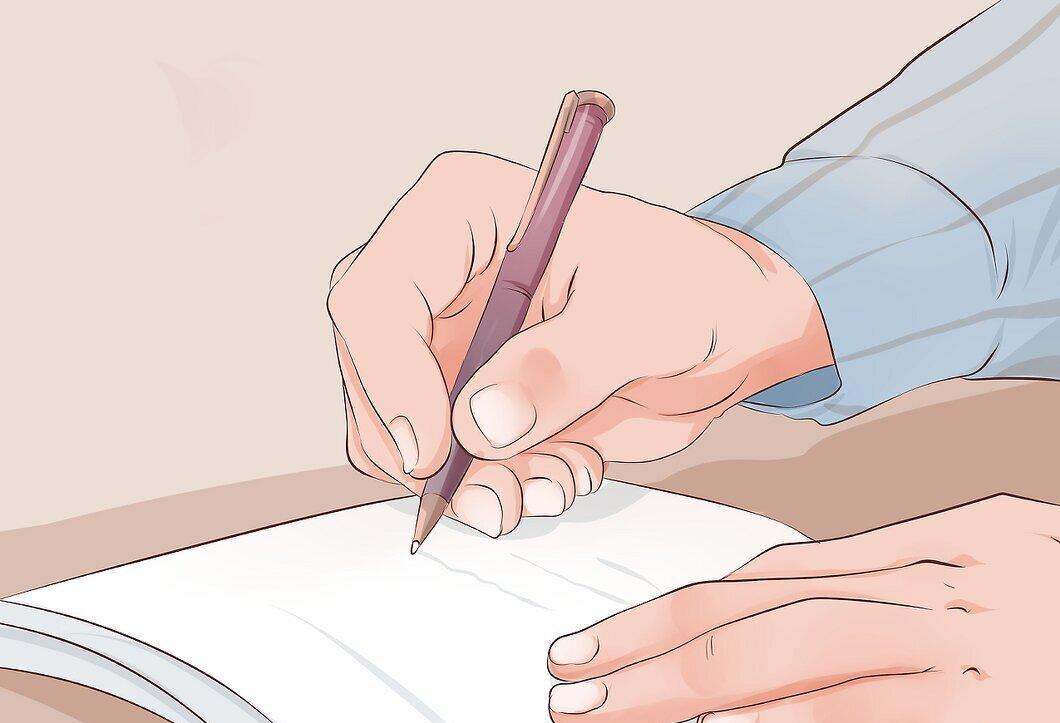
Set goals for yourself. Start with small steps, such as: “I will spend 20 minutes a day with my child.” Break larger tasks into smaller ones to make success easier to achieve.
Step 5. Don’t Be Afraid to Seek Help
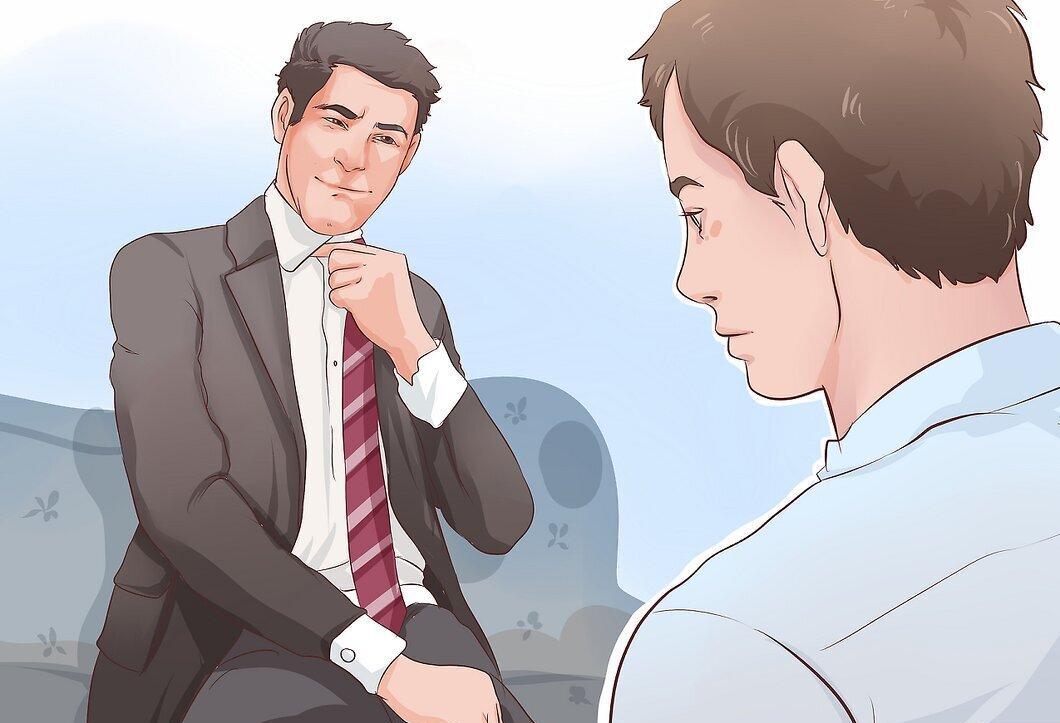
If you find it hard to express tenderness, don’t hesitate to reach out to a specialist. Relationships require effort, and professional help can be very beneficial. Don’t see it as a weakness—strive for harmony in your relationships.