
We choose our friends, but family relationships can be quite different. It can be challenging to deal with rude and disrespectful relatives. However, it's better to learn how to communicate with them effectively than to let your anger spill over and cause a rift. Whether you see this relative once or twice a year or every day, take steps to protect your mental health and family ties.
Avoid Rude Relatives at Family Gatherings
Step 1. Move to a Different Spot.

Move to a different spot. While large family gatherings are often unavoidable, they usually require ample space. Avoid rude relatives by simply changing your location. Be polite and greet them with a handshake and a smile; you are not obligated to stay and engage in conversation.
- Stay out of earshot. Even if you change your location, you might still hear something annoying. Move to a room where you can't hear that person or at least get closer to the exit of the room they are in.
- If this is a relative you see every day, like a brother or sister, structure your daily routine to spend as little time in their company as possible. For example, you could sign up for after-school activities to avoid having lunch with your unbearable younger brother.
Step 2. Change the Subject if You Get Drawn into an Awkward Conversation.
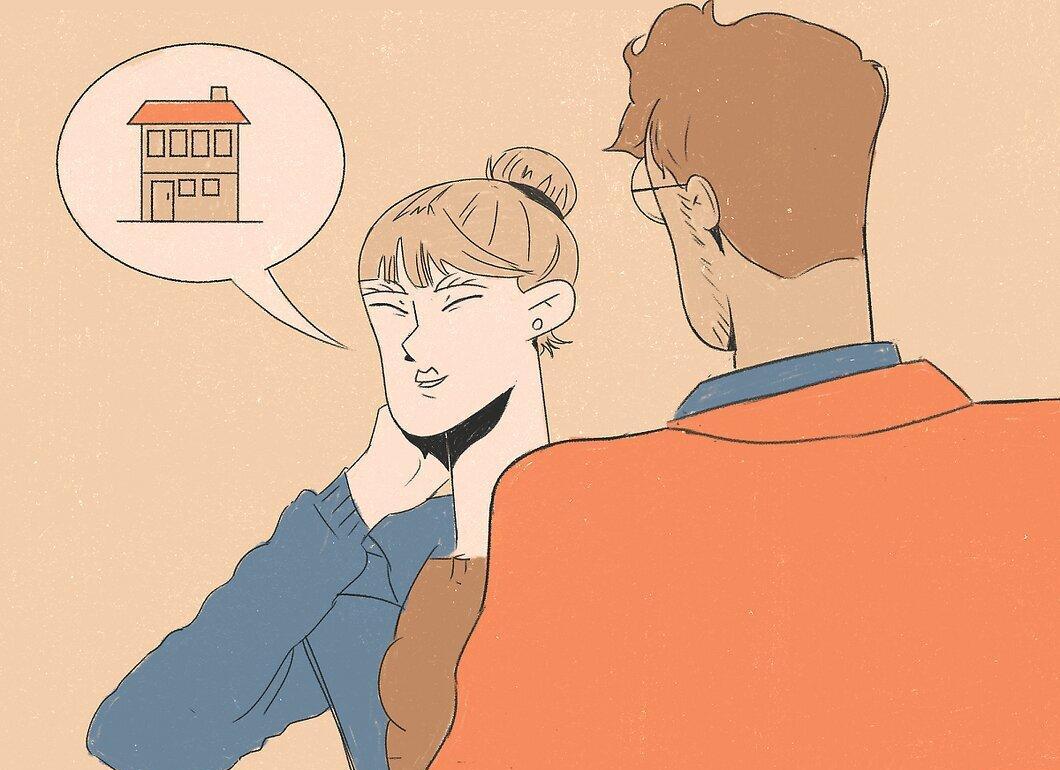
Change the subject if you get drawn into an awkward conversation. Often, rude people are just trying to get attention by provoking a reaction. If you know the topics this rude family member likes to bring up, avoid them by steering the conversation to more neutral subjects that won't require them to express their opinions or reactions.
- For instance, steer clear of discussions about this relative's political views and talk about subjects they enjoy and feel positive about. You might discuss recent changes in their home. Say something like, "That's a complex issue I'd like to read more about before sharing my opinion. By the way, I recently read an article about how to build a lovely patio. How long did it take you to build yours?"
- If this is a relative you have to interact with daily, be sincere and warm. Talk about common interests or dislikes to find and strengthen a connection with this person.
Step 3. Distract Them with an Activity.

Distract them with an activity. Depending on the size of the family gathering, you may have the opportunity to step away and engage in other activities. Large family events often require people to supervise children, cook, or tidy up the room. Delegate tasks to the rude family member that they enjoy to keep them occupied.
- For example, you might ask them to help with the car, play with the kids, or seek some advice on repairs.
- Be cautious; do not involve the rude relative in activities where they might offend others. If you ask them to participate in something that requires interacting with others, it could lead to conflict.
- Stay busy around the house or find a new hobby to keep away from that obnoxious sibling. Even better, nurture an interest or support this relative's hobby. For instance, if your rude brother enjoys certain books or video games, buy him a few of those to keep him engaged.
Speak Up
Step 1. Clearly Communicate What Is Acceptable and What Is Not.

Clearly communicate what is acceptable and what is not. Identify what bothers you about this relative. Be rational and analyze your thoughts openly and honestly. If it helps, try expressing your thoughts out loud to a good friend or another family member. Wait a few days to ensure your emotions are genuine and reasonable.
- Acknowledging your feelings will help you work toward a solution.
Step 2. Organize Your Thoughts and Plan to Communicate, Not Argue.
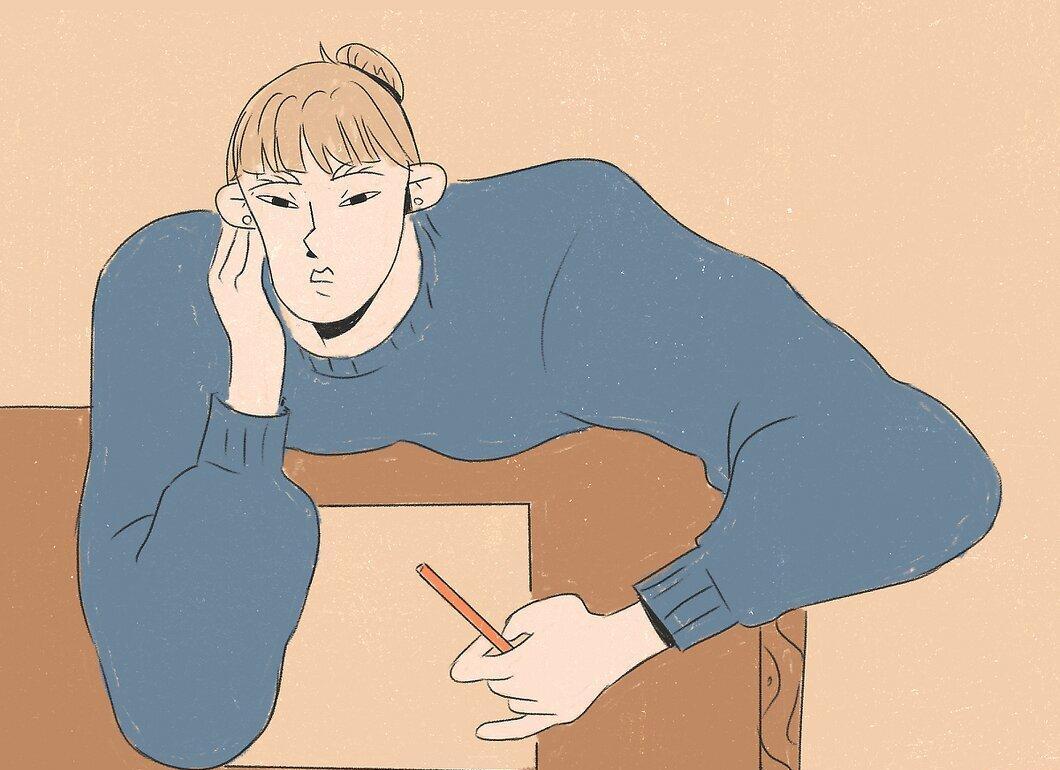
Organize your thoughts and plan to communicate, not argue. Write down what you intend to say; this will help you create a coherent and rational plan for the conversation.
- Start with a flowchart or think carefully about your thoughts and emotions.
- Practice what you will say. You can rehearse in front of a mirror or walk through the key points with other family members; the goal is to become comfortable discussing this issue and being in an uncomfortable situation.
Step 3. Clearly Express Your Disappointment.

Clearly express your disappointment. Silence allows bad behavior to continue. Other family members may feel uncomfortable intervening. Initiate an open conversation and let the rude relative know how their behavior affects you and the other family members.
- Take a deep breath before and during the confrontation. Stay calm while delivering news that the person might perceive as accusatory. Open body language and a friendly demeanor will help diffuse the situation and their desire to take a defensive position.
- Remember that rude people might refuse to acknowledge that they are being disrespectful or may take a defensive stance.
- When expressing your feelings, start sentences with "I" instead of "you." Avoid accusing the person; instead, clearly state how you feel and listen to what your counterpart has to say.
Step 4. Specify Actions Needed to Improve the Situation.

Specify actions needed to improve the situation. Choose your words carefully to avoid escalating emotions with an angry or raised tone.
- For example, if you're addressing your younger brother, say something like, "I really dislike your sarcastic and biting remarks. There’s a time and place for jokes. You can joke with your friends or with me when we’re watching TV, but please don’t say anything that might upset Mom and Dad. It’s not appropriate to say such things at dinner, especially after they’ve both had a tough day at work."
Step 5. Schedule a Convenient Time and Choose a Quiet Place.

Schedule a convenient time and choose a quiet place. You may worsen the situation by expressing your viewpoint in front of others. In this case, the person might feel uncomfortable and feel inclined to retaliate with counter-accusations. Choose a place where you can present yourselves as equals.
- It's best to select a time that works for them, so the relative doesn't feel ambushed or pressured for an immediate response. This kind of planning shows that you respect their time and that you've thought long enough about this conversation to prioritize it.
Step 6. Try to Empathize with Their Situation.
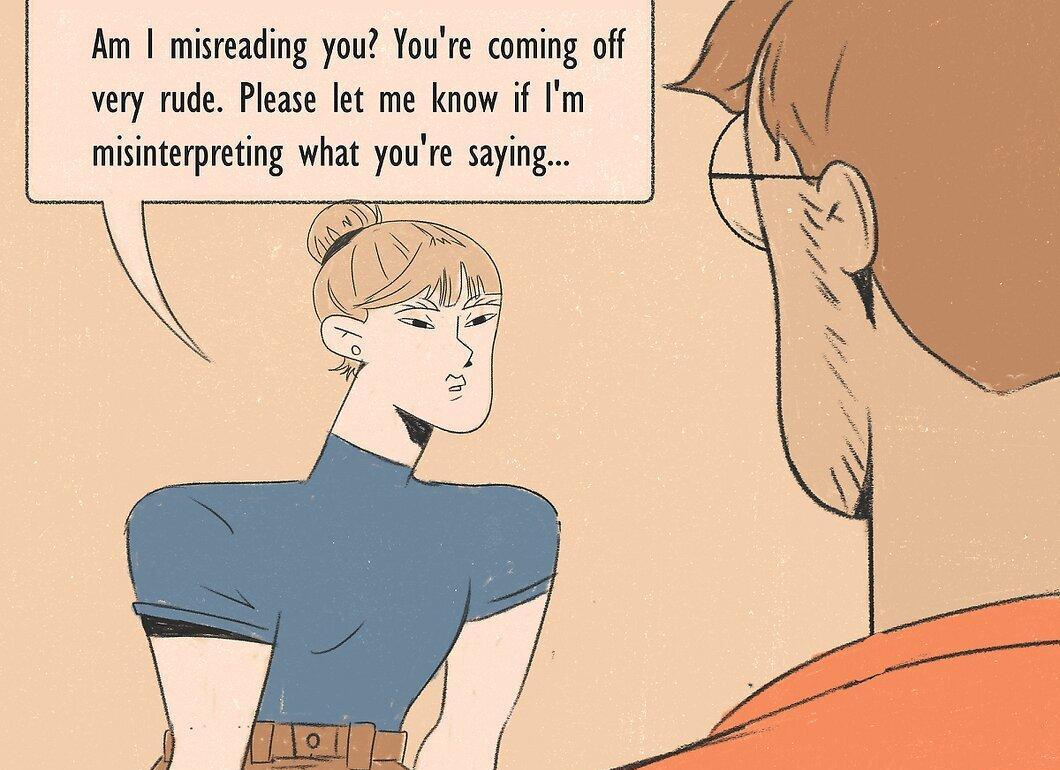
Try to empathize with their situation. Be objective and avoid letting emotions cloud your judgment. First, try to understand the family member better before giving your opinion. They may be rude because they were raised too strictly. Some people behave rudely because they feel insecure about their achievements compared to other family members.
- Don’t lash out when discussing sensitive topics. For instance, if this family member frequently comments on how much more you earn compared to them, acknowledge how tough it is for them and their family right now. Offer your advice and let them know you understand their situation by sharing your own journey and how you reached your current financial position.
- Say something like, "Perhaps I'm misunderstanding you? You seem really rude. Please tell me if I'm misinterpreting what you're saying, or share what's bothering you. I'm here to listen, and I want to ensure I understand you correctly."
Talk to Other Relatives
Step 1. Ask Other Family Members Who Have a Better Relationship with Them to Speak Up About Their Behavior.

Ask other family members who have a better relationship with them to speak up about their behavior. Family dynamics can be very complex, so find someone who is best suited to confront the rude family member. Use other family members as a buffer. Speak to those closest to them, so you don't have to face them directly.
- For example, this person might have a closer relationship with their cousin than with a sibling, or a closer relationship with a grandparent than with a parent. Let someone they respect talk to them.
Step 2. Talk to Other Family Members to See if They Feel This Relative is Rude Towards Them.

Talk to other family members to see if they feel this relative is rude towards them. Ensure that the issue is indeed their rudeness, not your excessive sensitivity. Ask another relative in private and assure them that you just want to ensure everyone is treated with respect in the family.
- Some relatives might not want to create unnecessary drama. Make sure your initiative is supported by the majority of family members.
Step 3. Be a Model of Good Behavior.

Be a model of good behavior. Be kind and respectful to every family member. Just because this person is rude to you doesn’t mean you should respond in kind. Rise above it and maintain a polite and pleasant demeanor to counter any negative situation.
- Don’t waste valuable emotional and mental resources fixating on things you cannot change. Focus on what makes you happy in your family, look for ways to strengthen positive family bonds, and enjoy moments spent with pleasant people.