
Even if your child eats well and you regularly visit the doctor for weight and height check-ups, you may still wonder if your child’s development is on the right track. Follow these steps to assess if your child is at a healthy weight.
Use Home Measurement Tools
Step 1. Buy Baby Scales.
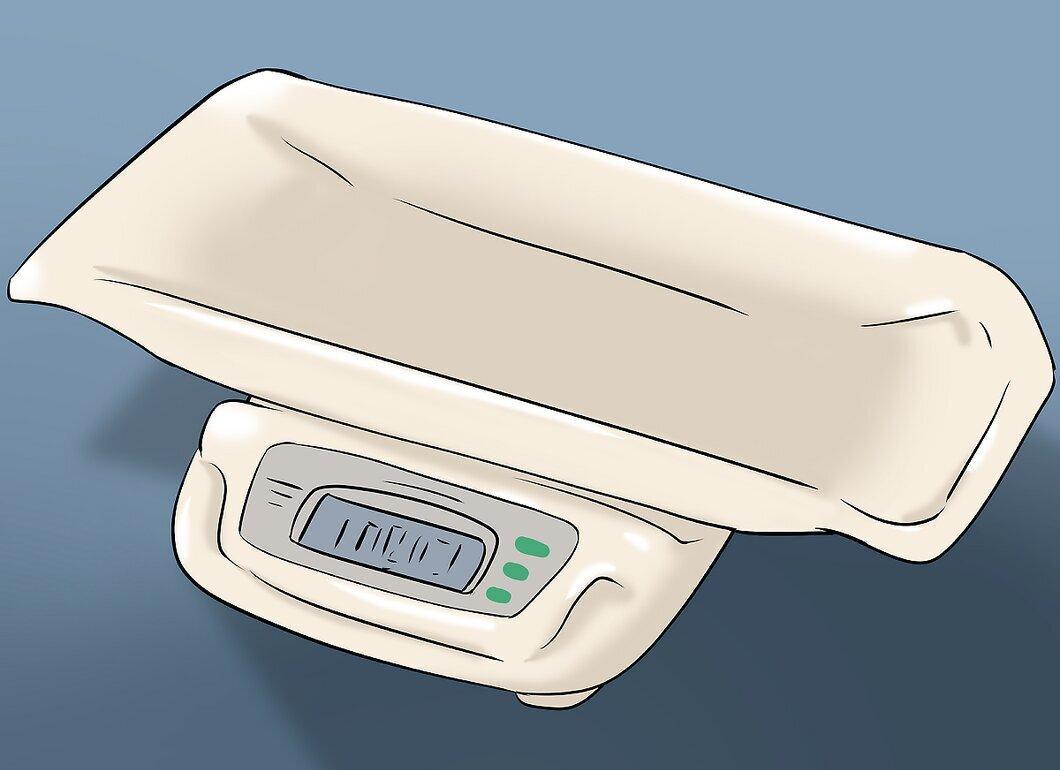
Invest in a set of baby scales. Regular bathroom scales won’t show you the detailed changes in your child's weight, as grams are much more indicative of healthy weight gain for a baby than for an adult.
- Purchase specialized scales designed for weighing infants in grams (or kilograms and grams).
- Weigh your child regularly, such as every Tuesday and Friday, to get a clear picture of weight gain and fluctuations. There’s no need to weigh them daily or multiple times a day unless advised by a healthcare provider for medical reasons, as weight naturally fluctuates and small changes can seem more concerning when observed over a short period.
Step 2. Print a Baby Weight Chart.

Print a baby weight chart. The Centers for Disease Control and Prevention and the World Health Organization provide standardized growth charts for baby boys and girls, based on height and age (with 2-week increments).
- By placing such a chart next to the scales, you can quickly locate your child's weight on the chart and determine which percentile their weight falls into. This will give you an idea of how your child's weight compares to that of other children of the same sex, height, and age.
Step 3. Track Your Child's Weight Gain.
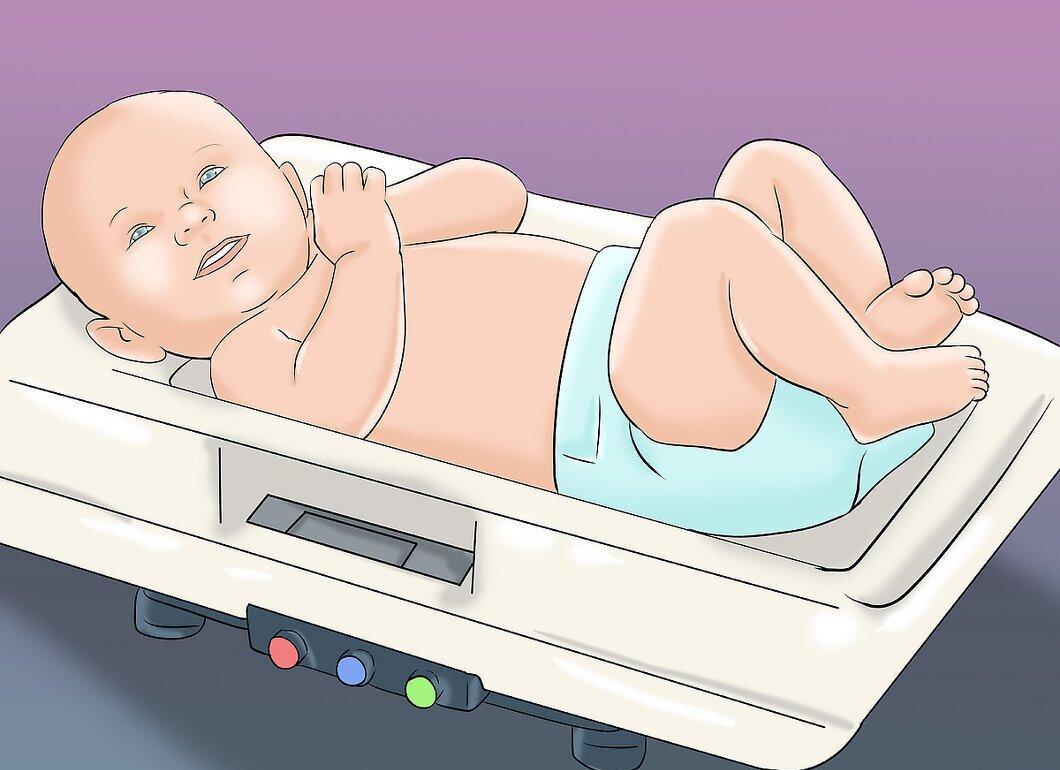
Keep track of your child's weight gain. If you are concerned that weight loss or inadequate weight gain might be an issue for your child, attach a piece of paper next to the chart or scales to log your child's weight by date. This will help you identify trends in their weight gain or loss.
- Please note that it’s common to observe a slight weight loss during the first week after birth. After that, most infants begin to gain weight quite rapidly, doubling their weight by 5 months, and tripling it by around 1 year of age.
Assess Your Child's Overall Well-Being
Step 1. Determine if Your Child is Eating Enough.
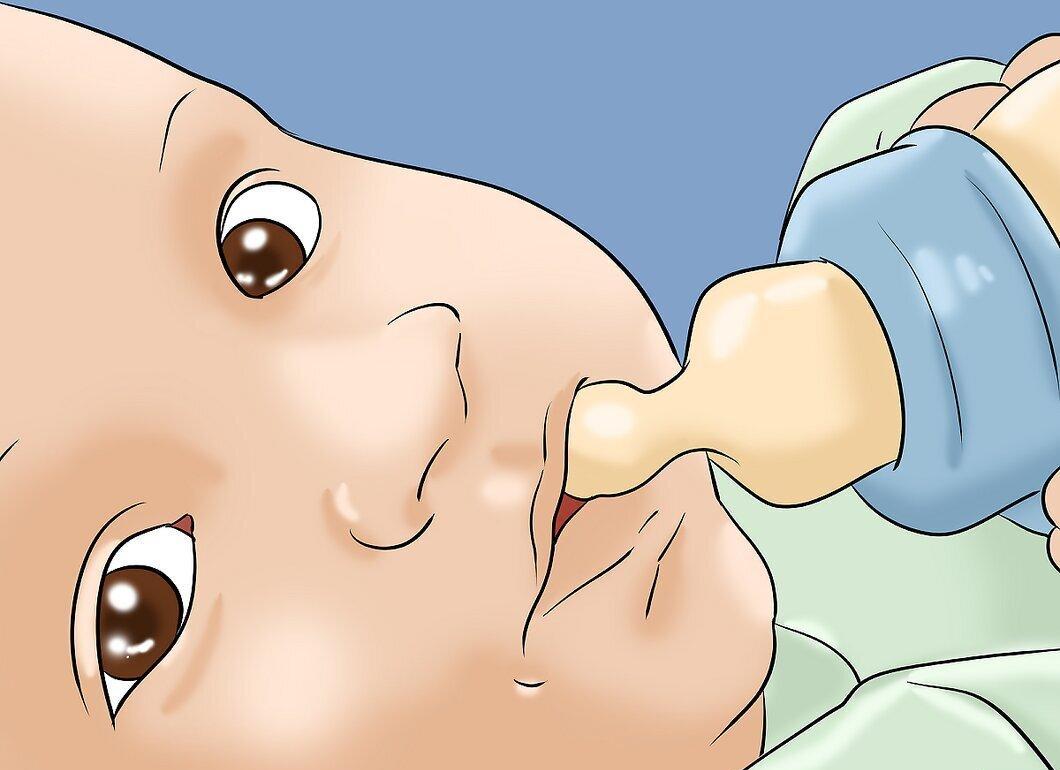
Assess whether your child is eating enough. Keep a food diary for a week, recording how much, how often, and what types of food your child eats.
- After observing your child’s eating habits for a week or two, look for signs that they may not be getting enough to eat, such as consistently leaving food unfinished, eating only small portions, always leaving something in the bottle, or emptying the breast completely but going several hours without eating or drinking.
- If your child is breastfed, monitor how long feeding lasts, whether they empty the breast, feed from both breasts, refuse to breastfeed, or fall asleep during feeding.
- If your child is formula-fed, note whether they finish the bottle or stop without finishing. Also, pay attention to whether you offer the bottle back, suggesting they should finish, if they’ve already let it go.
- If your child is already eating solid foods, record which foods they finish, the approximate weight in grams or the amount of food they consume, and what they dislike. Note whether the child finishes voluntarily or needs encouragement to eat, and make sure to track juice, milk formula, or any other beverages your child also consumes.
Step 2. Check Your Child's Skin and Vital Signs.
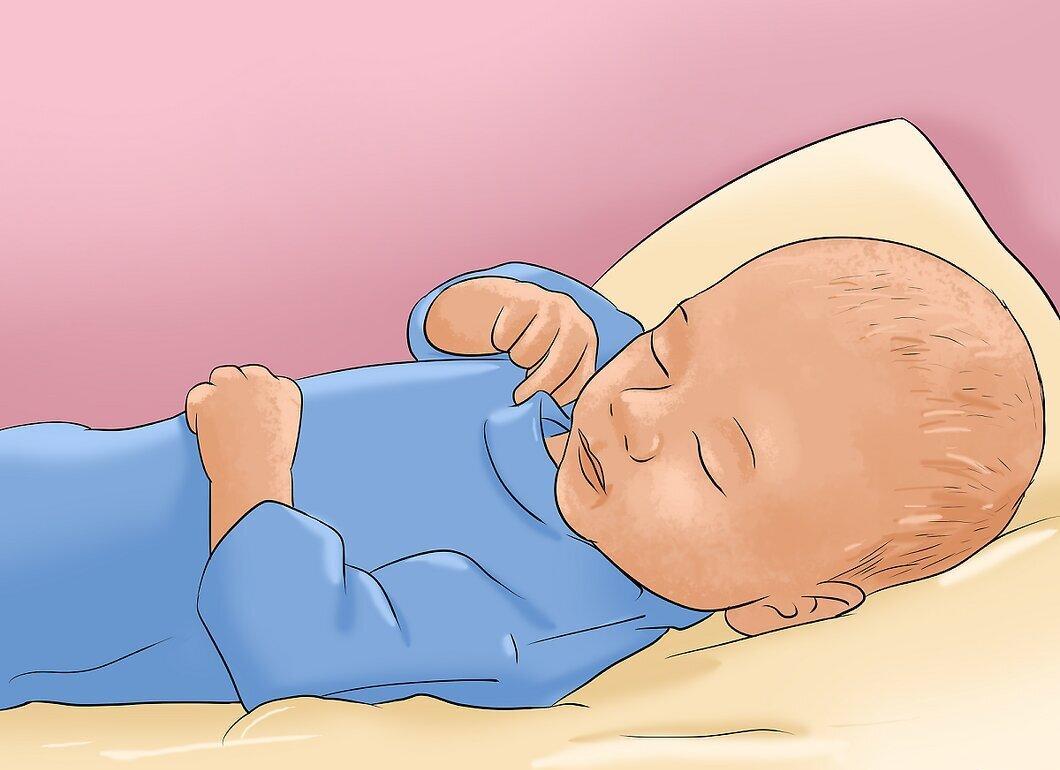
Examine your child's skin and vital signs. Malnutrition and low weight typically cause noticeable physical changes in an infant's complexion and vitality. By assessing your child's health indicators, you can determine whether their nutrition and weight are satisfactory and healthy.
- Underweight infants may have a pale complexion or taut skin.
- Watch how your child swallows. If they seem to have difficulty or if your child appears weak and lethargic, they may be dehydrated and should be seen by a healthcare professional immediately.
- Check your child's pulse, eye clarity and focus, skin, or fat that can be gently pinched on their arms and legs without touching the bones, as well as the muscle mass developed in their legs, arms, buttocks, and neck. If anything raises concern, consult with a friend or relative, or seek advice from a healthcare provider.
- If your child frequently vomits most or all of the food eaten or has persistent diarrhea, contact a doctor. There may be a medical reason for poor feeding or an illness directly affecting your child's ability to gain necessary weight.
Avoid Making Too Many Comparisons
Step 1. Review Your Child's Growth History.
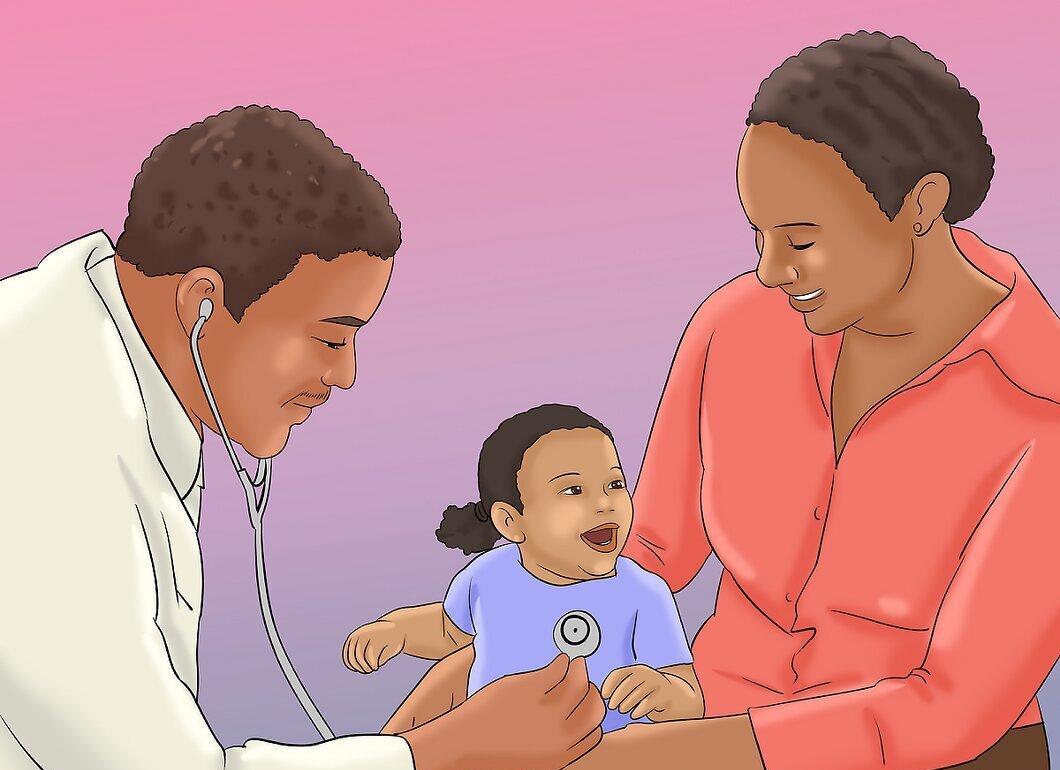
Look at your child's growth history. If your child was born prematurely, has been diagnosed with feeding or growth issues, or has always been a picky eater, make sure to consider all of this when comparing your child's development to recommended standards.
- If your child has been steadily gaining weight but has recently stopped or started losing weight, consider all possible reasons. Stressful changes in the environment, introducing a new formula or new foods, or your child starting to crawl or walk can all lead to a temporary halt in growth or weight loss. If the weight loss is significant or attempts to gain weight are unsuccessful, consult a doctor regarding your concerns.
Step 2. Determine if Your Child Has Reached Developmental Milestones.
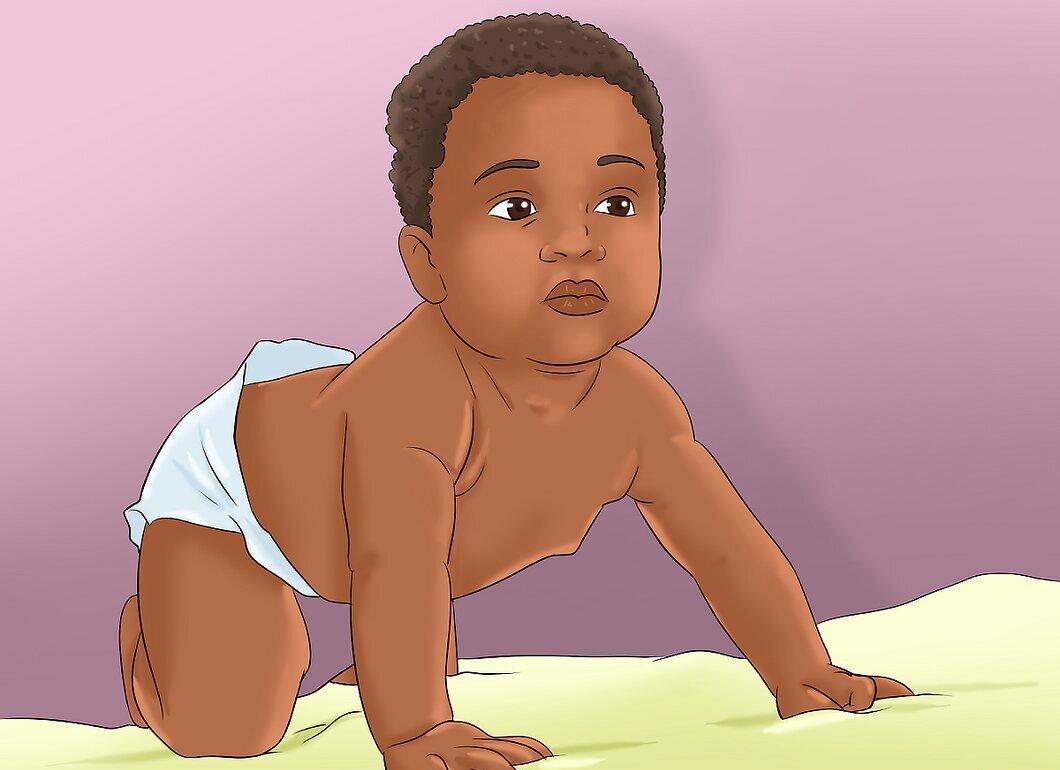
Assess whether your child has reached appropriate developmental milestones. A healthy weight can significantly impact your child's ability to accomplish all major physical and mental development milestones, such as holding their head up, sitting, standing, crawling, forming words, and mimicking actions and sounds.
- Milestone charts can help you determine whether your child has achieved typical developmental milestones within the expected time frames. If you feel your child is significantly delayed, consult with a child development specialist or inform your pediatrician about your concerns that nutritional issues may be causing the delay.