
Working night shifts can significantly impact your health and personal life, but there are ways to ease some of the negative effects. Aim to sleep at least six hours during the day and prioritize your health. Choose nutritious foods and snacks, reduce caffeine intake, and stay active. Maintain a fulfilling social life by dedicating time and energy to relationships with your loved ones.
Get Enough Sleep During the Day
Step 1. Aim for at least six hours of sleep during the day.
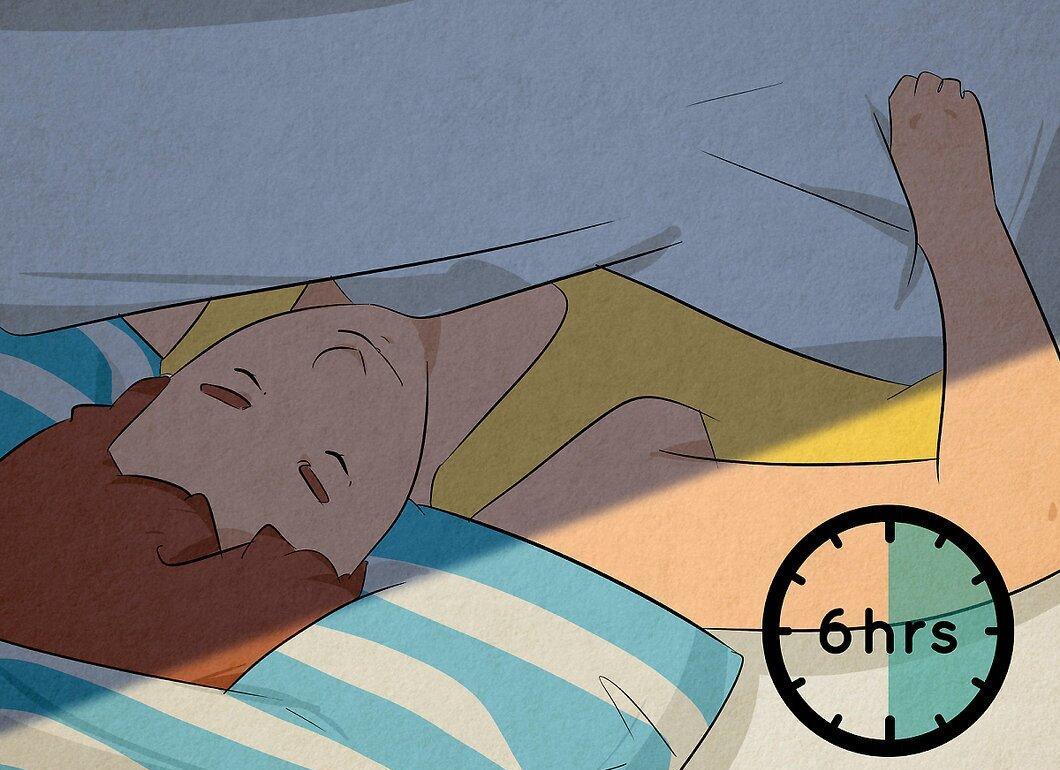
Try to sleep at least six hours during the day. It might be tempting to sleep less when the world is awake and busy, but getting enough rest is crucial. Plan to sleep for no less than six uninterrupted hours during the day. Otherwise, your sleep quality may decline, and serotonin levels (the "feel-good hormone") in your body may drop.
Step 2. Dim the daylight.

Dim the daylight. The human body is biologically wired to be awake during daylight hours, so you need to trick your brain into thinking it’s dark outside. To do this, block out as much daylight as possible. Purchase blackout curtains from a supermarket, home goods store, or online to completely block light in your space. Wear a sleep mask to further minimize distractions that could wake you up and interrupt your sleep.
Step 3. Eliminate distractions.
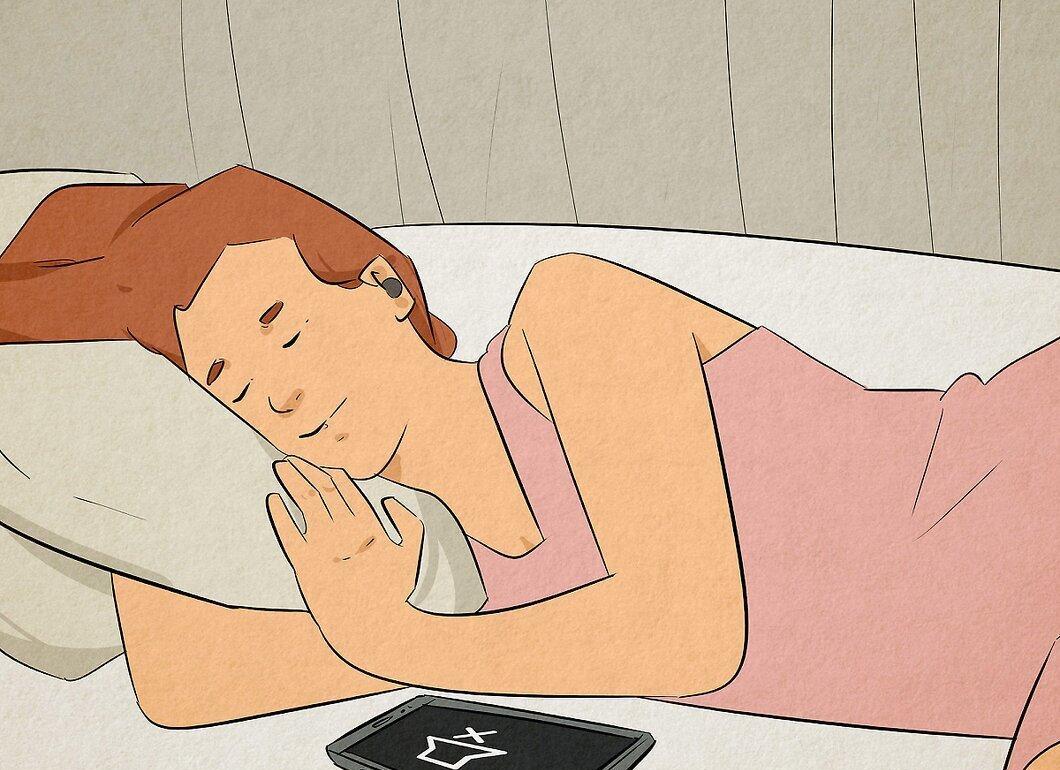
Eliminate distractions. To prevent waking up from noises and other disturbances, minimize them before you go to sleep. Use earplugs to block out external sounds, and inform family members or roommates that you don’t want to be disturbed. Turn off your phone or set it to silent mode to ensure it doesn’t wake you.
Take Care of Your Health
Step 1. Get regular health check-ups.
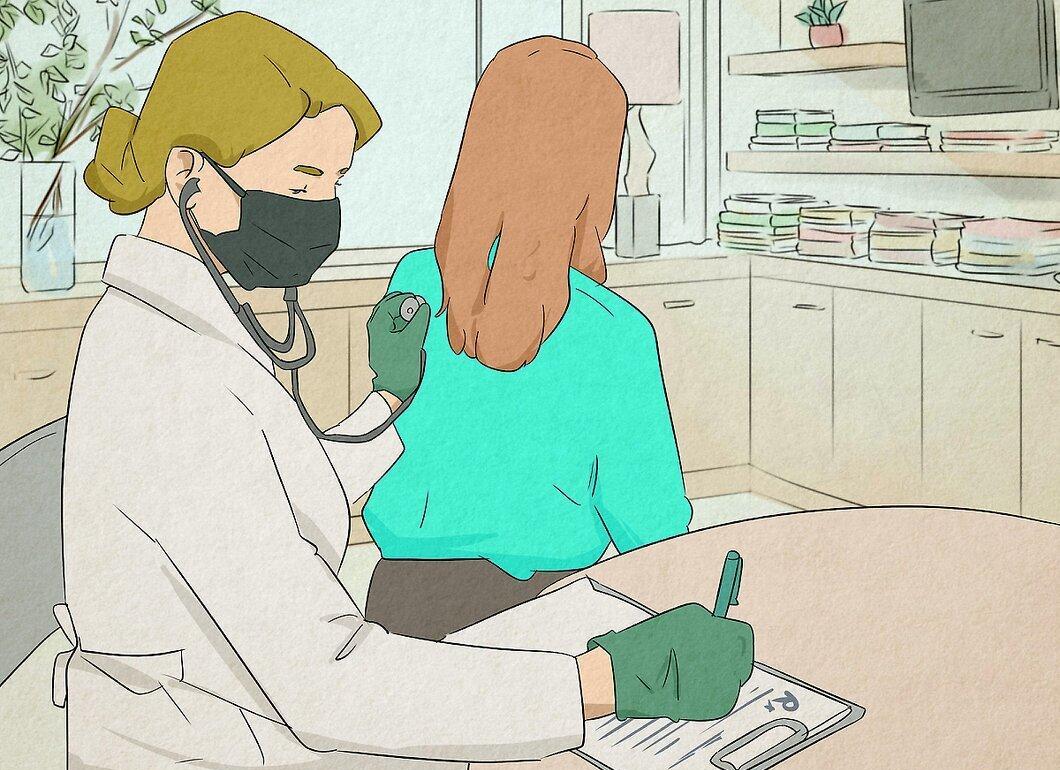
Get regular health check-ups. Working night shifts increases the risk of various medical issues, including diabetes, cancer, obesity, and acute heart failure. Schedule regular doctor visits to monitor your health and undergo assessments. Ask your healthcare provider about any supplements or lifestyle changes you should consider to stay healthy while working nights.
Step 2. Eat properly.

Eat properly. Prepare meals at home and bring them to work to avoid snacks from vending machines or other unhealthy options. Choose fruits, vegetables, whole grains, low-fat dairy, and lean protein. Avoid sugary, fatty, or spicy foods, as they can cause indigestion or lethargy.
Step 3. Plan your meal times properly.
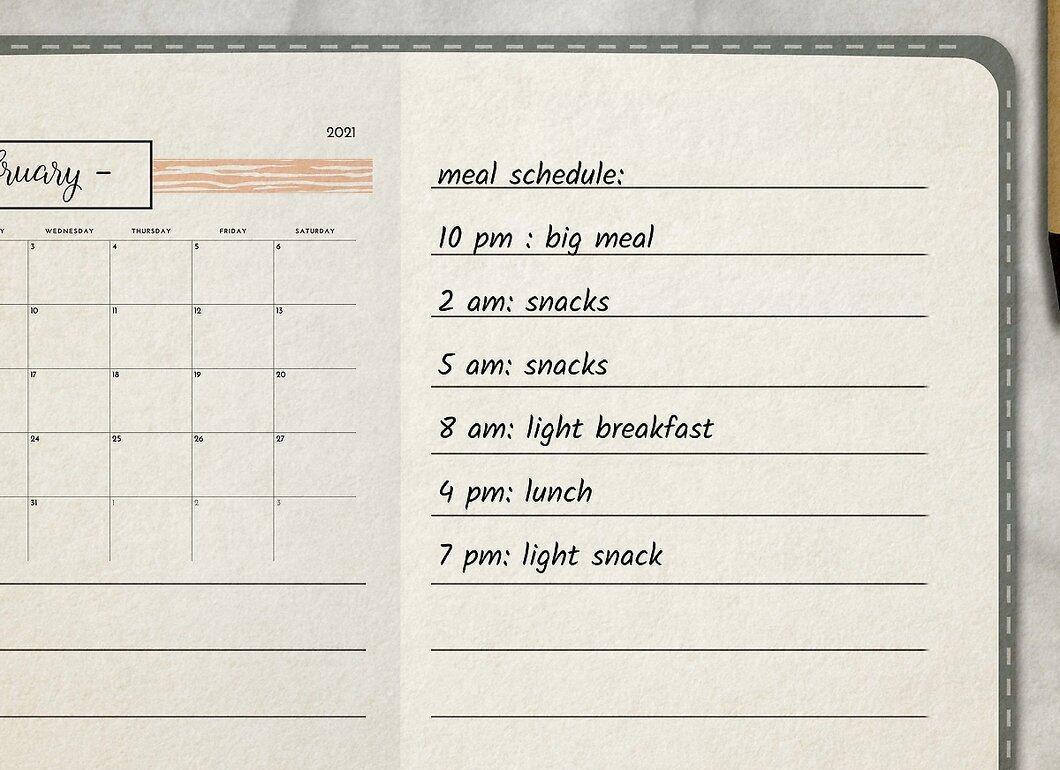
Plan your meal times properly. Ensure that your main meal is in the evening before heading to work. Eating a large meal right before sleeping can lead to heartburn, gas, or constipation. Have small portions or snacks during or after your shift.
Step 4. Control your caffeine intake.
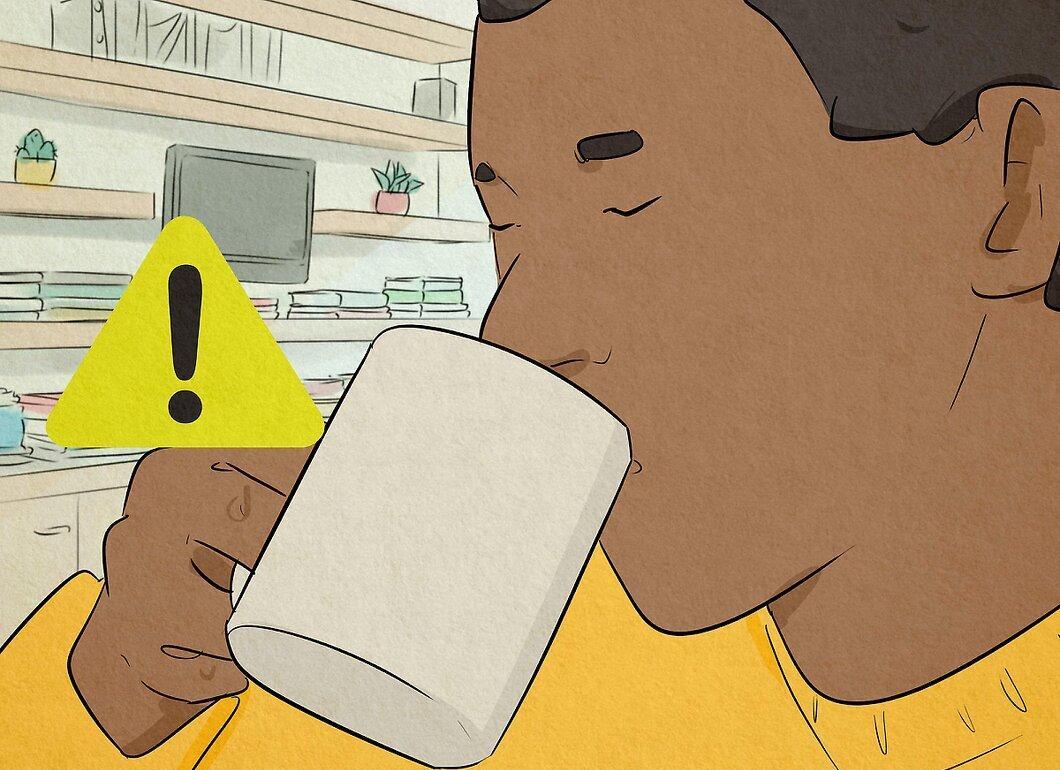
Control your caffeine intake. Monitor how much caffeine you consume throughout the day to avoid negative side effects. Even if you feel like having coffee, tea, or caffeinated drinks to stay awake, limit your intake to no more than 400 mg per day. Avoid caffeine four hours before sleep, as it can negatively affect your ability to fall asleep.
- Note: 400 mg of caffeine is equivalent to two to three small cups of regular coffee.
Step 5. Exercise after your shift.
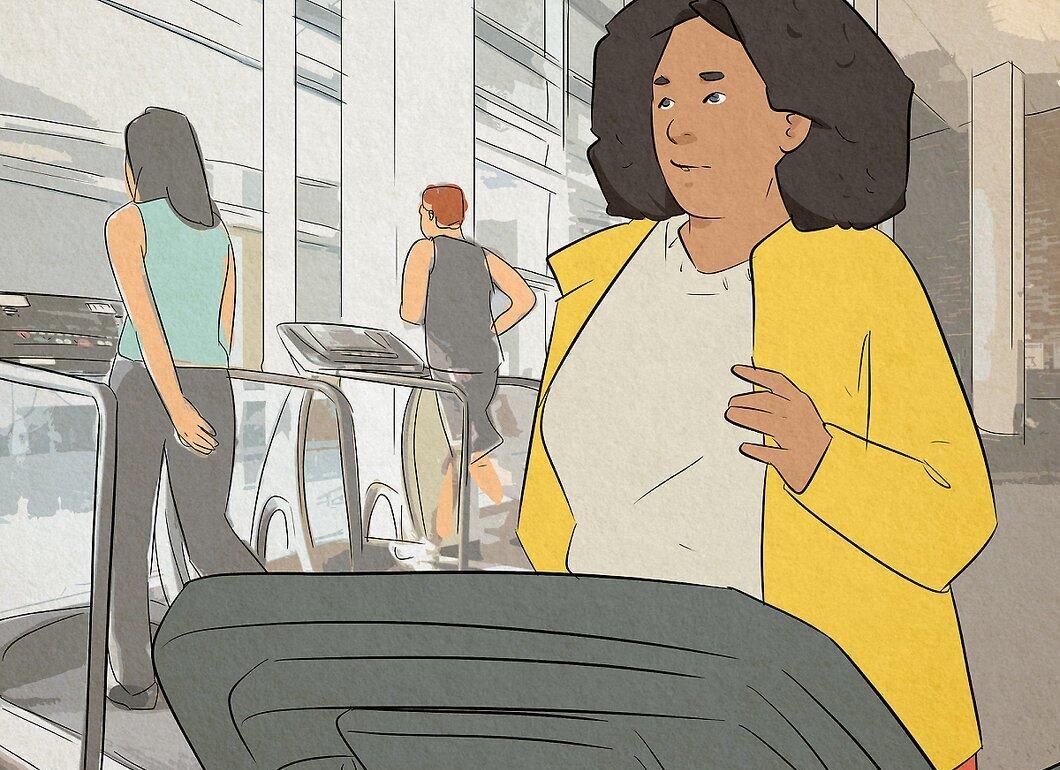
Exercise after your shift. Regular physical activity not only helps you stay fit but also naturally boosts your energy, improves your mood, and promotes better sleep. Instead of heading straight to bed after your night shift, engage in physical activities. Morning workouts are ideal, allowing you to sleep longer before your next night shift.
- Opt for high-intensity cardio workouts (like cycling) as they tire your body out, promoting better sleep.
Step 6. Ensure you get enough vitamins.
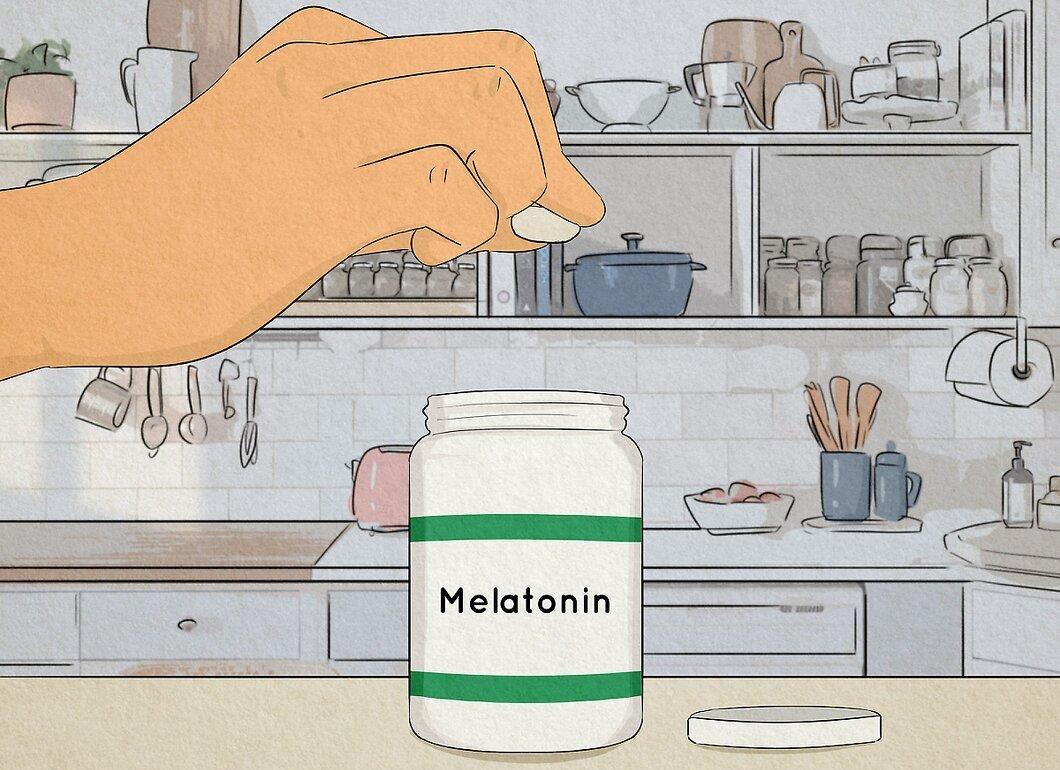
Ensure you get enough vitamins. Working night shifts can mean you miss out on vital vitamins, such as vitamin D. Ask your healthcare provider if you can take vitamins and supplements (like melatonin). Purchase over-the-counter multivitamins at your local pharmacy for daily use to enhance your overall health.
Stay Connected with Others
Step 1. Connect with other night shift workers.
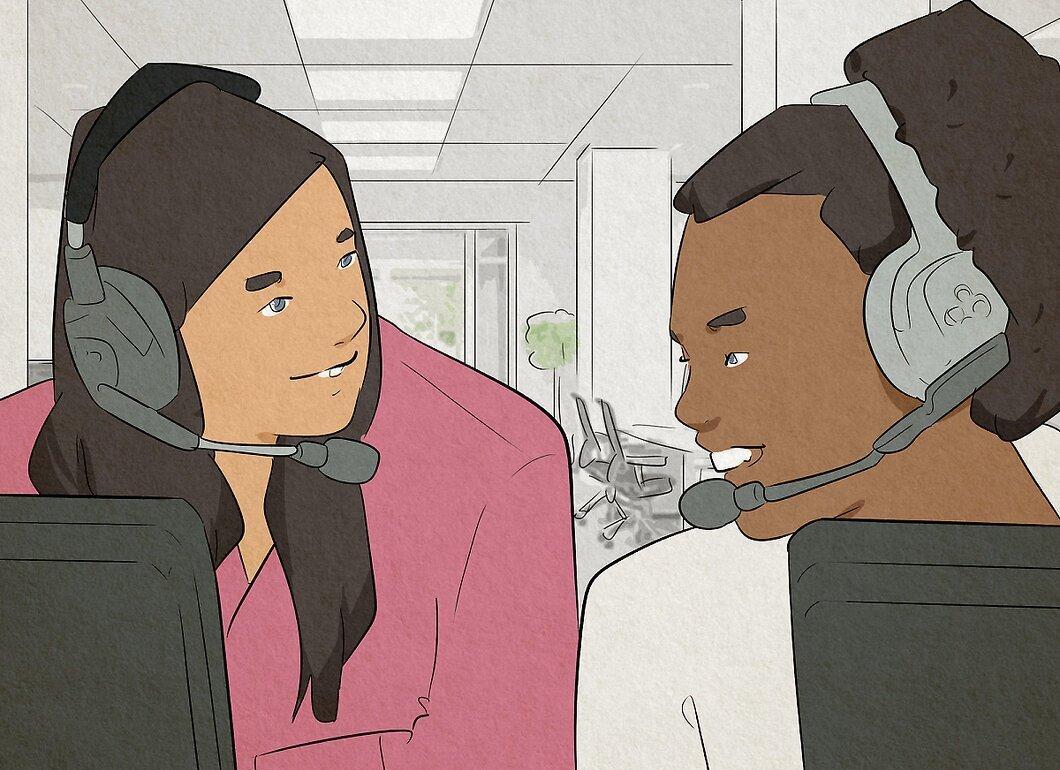
Connect with other night shift workers. The best way to maintain social connections while working night shifts is to befriend others who have similar schedules. Engage with colleagues or friends who work at night. Look for social media groups (like VK, Meetup) that connect night shift workers in your area.
Step 2. Make time for loved ones.

Make time for loved ones. Prioritize spending time with family and friends by scheduling it in advance. Identify times when you and another person (or people) are available. Create a detailed calendar or use a scheduling app that syncs your schedule with that of another person. By determining when and how you will see your loved ones, you can avoid drifting apart.
- For example, to work around your night shifts, plan late dinners or early breakfasts with friends.
Step 3. Reach out to loved ones whenever possible.
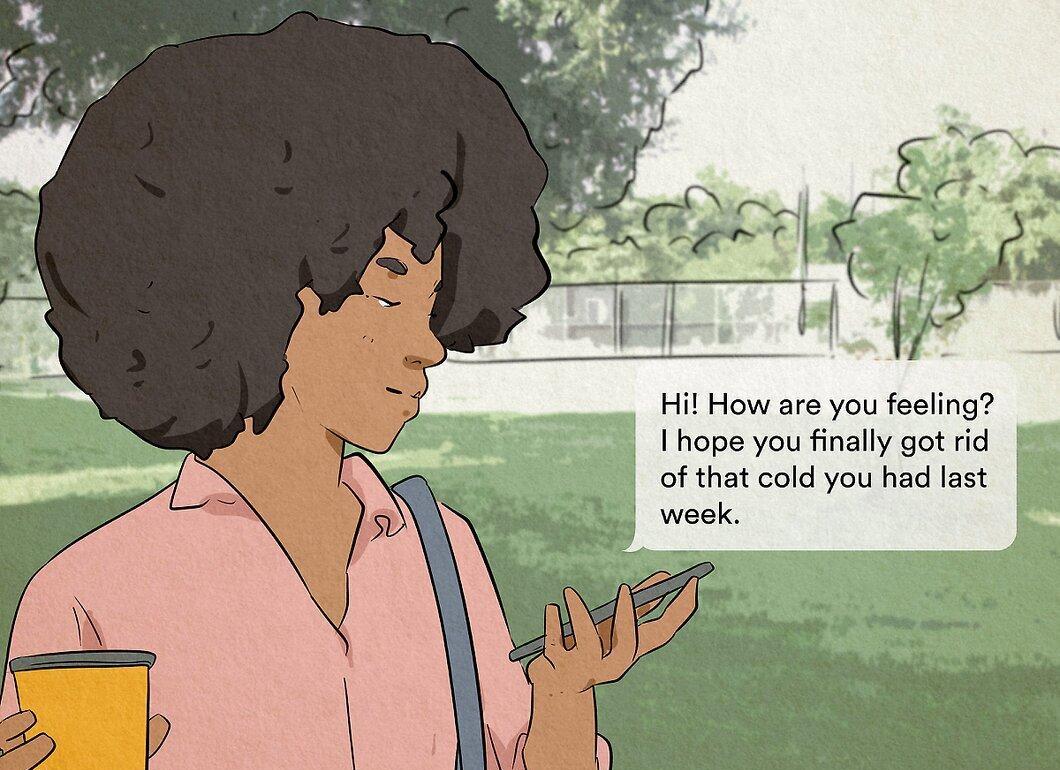
Reach out to loved ones whenever possible. Find time to call or text your loved ones as often as you can. Even if your communication is brief, regular contact fosters a sense of care and commitment essential for maintaining strong relationships. Ask how they are doing and let them know you are thinking of them.
- For example, send a message to a friend: "Hey! How's it going? Hope you’ve finally recovered from that cold you had last week!"
Stay Alert at Work
Step 1. Turn on as much light as possible during your night shift.
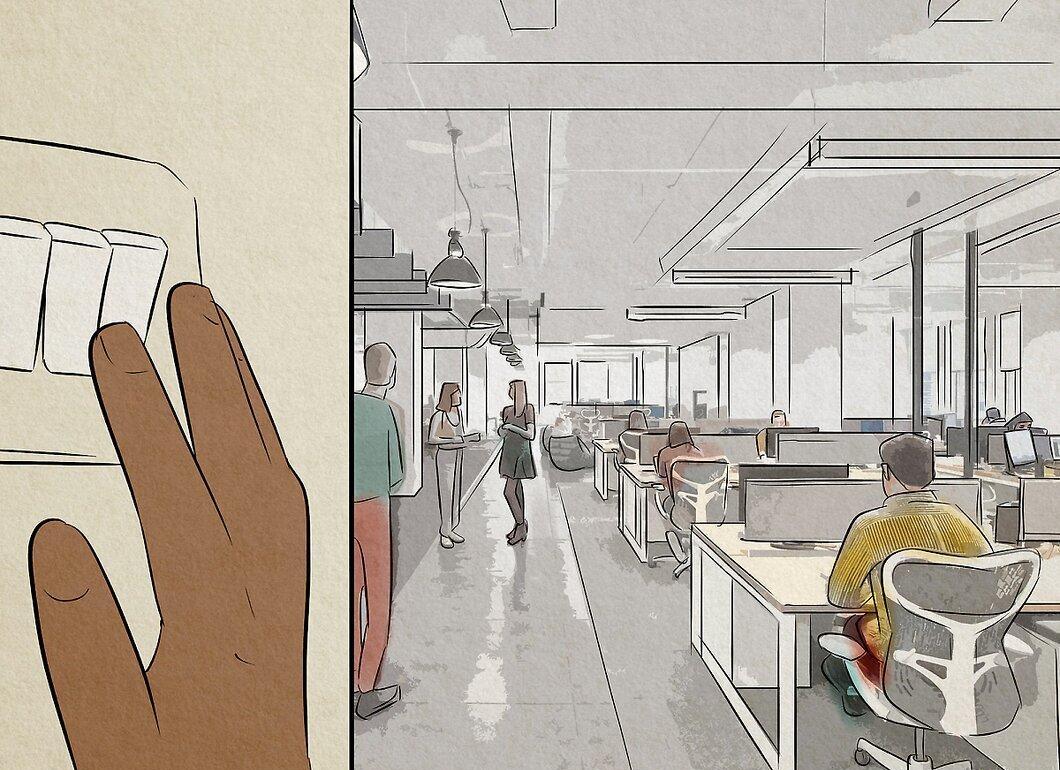
Turn on as much light as possible during your night shift. Light sends signals to your brain that it needs to stay alert. If your workplace is poorly lit, consider getting a small portable lightbox that mimics natural light.
- You can find lightboxes at supermarkets or online.
Step 2. Drink water and snack during your night shift.
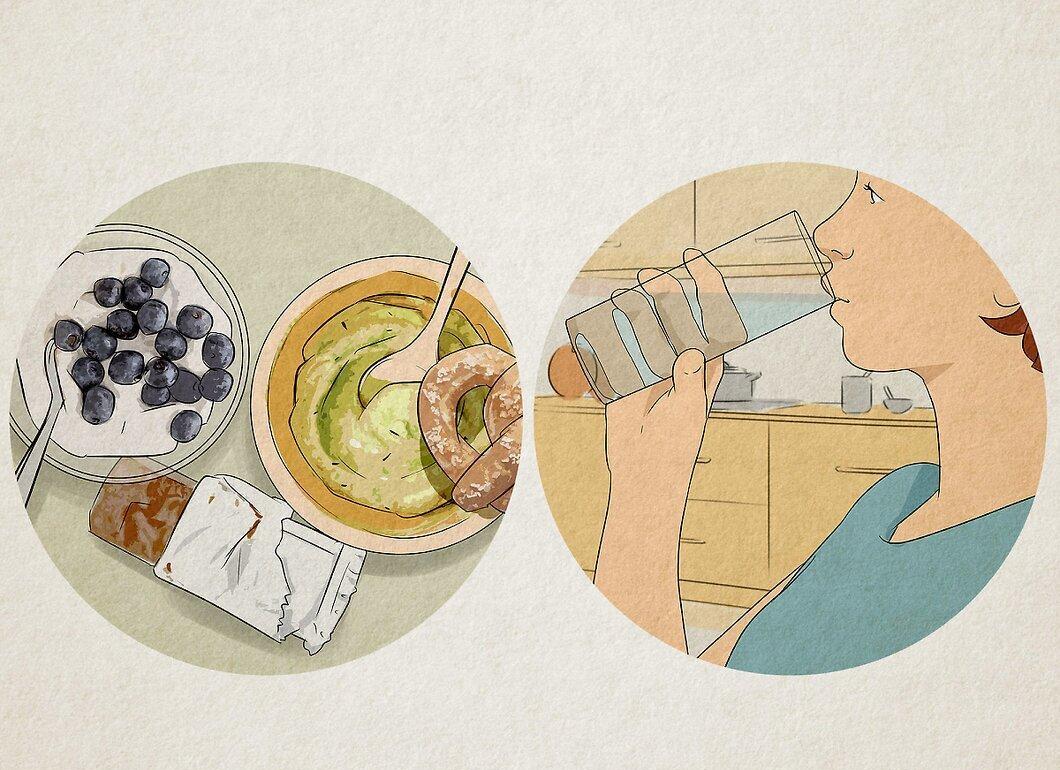
Drink water and snack during your night shift. Bring a large water bottle to work to sip throughout the night. Dehydration during your shift can make you feel weak and sluggish. Healthy snacks throughout the night (like carrots or cheese crackers) will help keep your blood sugar stable and maintain your energy levels.
Step 3. Move around as much as possible.

Move around as much as possible. To avoid dozing off during your shift, get up and do something active. This can involve work-related tasks, such as sorting materials or inventory, organizing documents or files, or cleaning your workspace. If you have a break during your shift, take the opportunity to stretch your legs. Go for a short walk, take the stairs up and down a few floors, or do simple yoga stretches.