
Working in a call center requires discipline and strong interpersonal skills. As a customer support representative, you'll need to address various complaints and inquiries related to the company you work for. The call center environment is quite dynamic, so the more you work on developing your professional skills, the better prepared you will be for any situation.
How to Get a Job in a Call Center
Step 1. Create a Resume
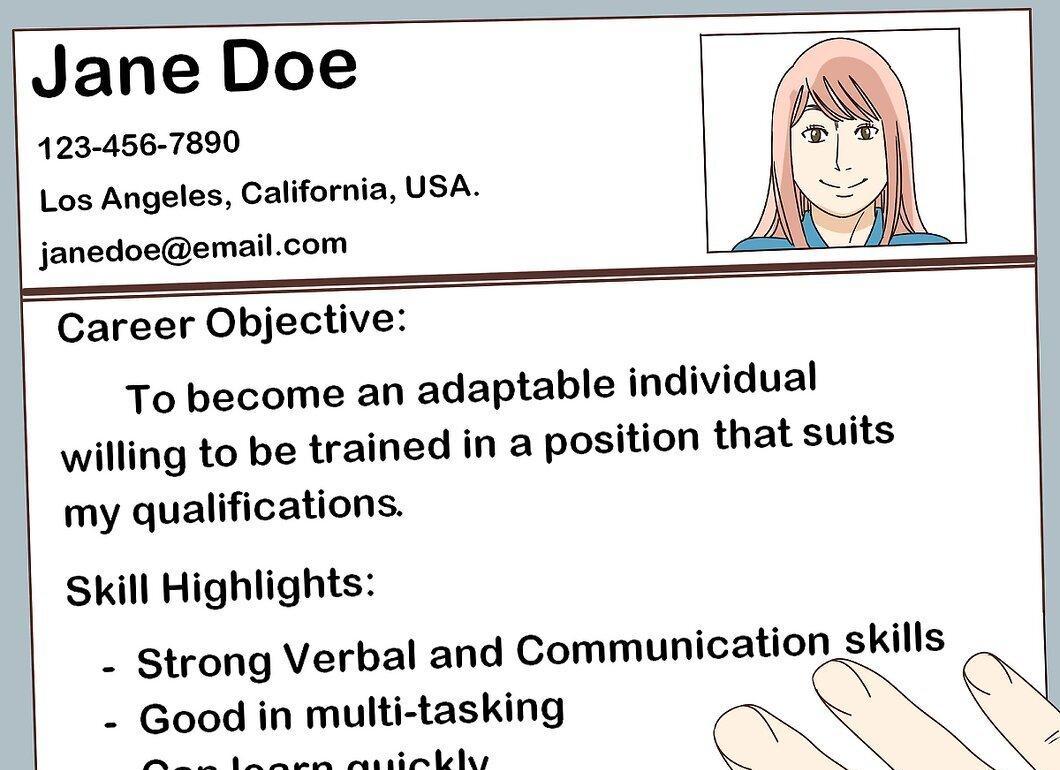
Craft a resume that highlights your writing and communication skills. Make sure it conveys that you are a professional who works well in a team. List other strengths that will be beneficial for a call center role.
- Call centers look for individuals who can work in a fast-paced, multitasking environment, learn quickly, and strive to achieve their goals.
- For example, mention any measurable goals you achieved in previous jobs, volunteer activities, or during your studies.
- The usual minimum educational requirement for an entry-level call center operator is often a high school diploma.[2] X Reliable source US Bureau of Labor Statistics
Step 2. Make a Positive Impression During the Interview

Create a positive impression during your interview. Arrive early and dress appropriately. Demonstrate your willingness to work flexible hours and show enthusiasm about learning more about the company and its internal policies and procedures.
- For instance, a potential employer might ask if you are open to covering various areas, such as internal sales, exports, or customer support responsibilities. Explain how your experience has prepared you for a variety of tasks.
- Try to ask about something you read on the company's website or social media page. This shows that you did your homework and are genuinely interested in the potential employer.[5] X Source
Step 3. Be Open to Internal Training

Be ready to undergo internal training. Understand that the new position will require a training period. You may need to learn a foreign language, product and service details, and how to use the relevant software. Make sure to attend all training sessions without missing any.
- Training typically lasts between 1 to 4 weeks.
- After training, a supervisor will likely be assigned to the group of new hires, including you.
How to Perform Your Job Effectively
Step 1. Improve Your Computer Skills

Enhance your computer skills. If necessary, enroll in relevant courses. Look for online courses or even one-on-one sessions. Work on your typing speed and computer navigation skills. Also, practice typing and speaking simultaneously.
- Call center operators must be able to respond quickly to situations and retrieve necessary information efficiently.[7] X Source
- Knowing the basics of navigating an operating system will help you learn new software more quickly.
- There are free programs and video tutorials available online to improve your computer skills.
Step 2. Be Punctual

Be punctual. Prepare to arrive at work early each day. Calculate the time needed for your commute and getting ready for the workday. Take breaks as per the work schedule.
- In most cases, a call center operator needs to log in before they can start taking calls.
- It’s wise to check traffic conditions before you need to leave home. If there are delays, you can leave earlier than usual.
Step 3. Learn from Your Mentors

Learn from your mentors. Ask them for advice in specific situations or just inquire about how you can improve your work quality. Try to engage with them during breaks if they are busy coordinating a large number of subordinates during work hours. Alternatively, you can try to talk to them before or after work.
- Mentors usually start their workday at the same time as regular operators. They know everything about your position and understand how challenging it can be for you at times.
Step 4. Stay Informed About Company Activities
Keep yourself updated on company activities. Remember as much information as possible about your employer. Regularly check the intranet and the internet. Don’t forget to check your inbox, as there may be important internal communications waiting for you.
- You should be well-informed about the products and services the company offers.
- Confident call center agents perform their duties more effectively.[9] X Source
Step 5. Maintain a Positive Outlook
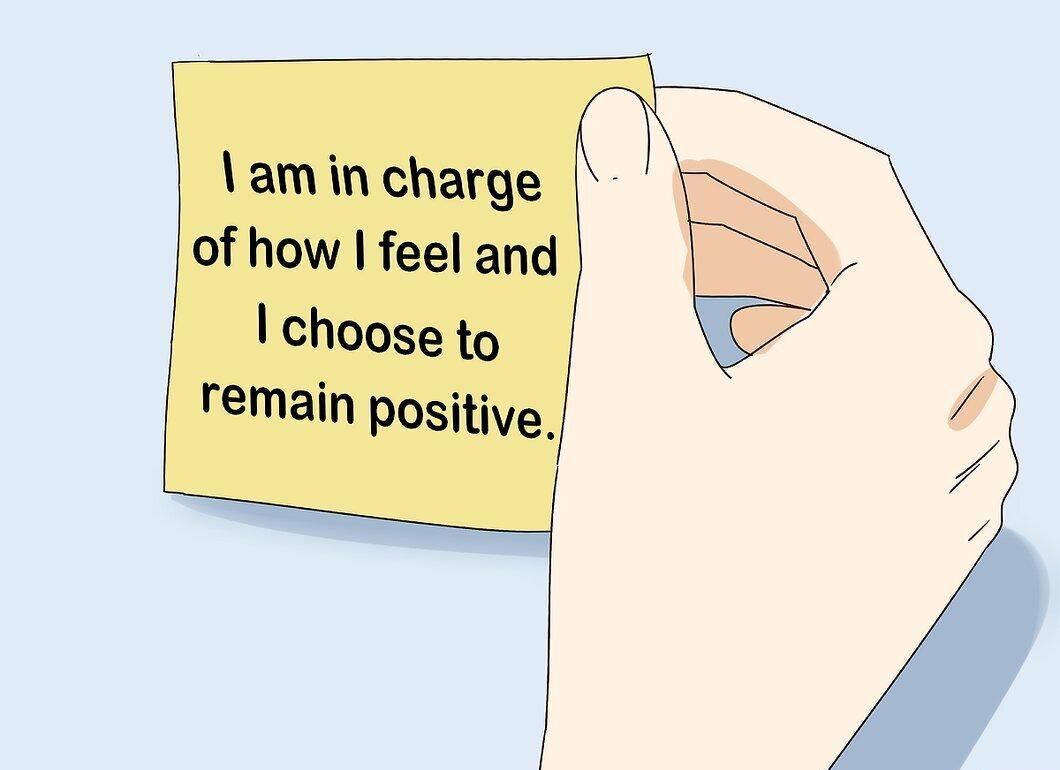
Keep a positive outlook. Approach your work with enthusiasm. Start each new day on an optimistic note and try to maintain that throughout the day. Place at least one yellow item on your desk (if allowed). Always keep a list of positive affirmations with you. Memorize them or write them down and keep them in your bag, pocket, or on your desk.
- The color yellow has a positive psychological effect on a person's state.[10] X Source
- For example, you can use yellow sticky notes for reminders, yellow pens, or paper clips.
- An example of a positive affirmation might be: “I am responsible for how I feel, so I choose to stay positive.”
How to Communicate with Clients
Step 1. Develop Communication Skills

Work on your communication skills. Speak slowly and clearly. Avoid mumbling. Think (quickly) about what you are going to say before you say it out loud. Remember that calls in call centers are often monitored and recorded.
- If knowledge of English is required for the call center job and foreign clients have difficulties understanding your English, consider taking conversational English courses. There are many online courses available, and some even offer one-on-one lessons for free.
Step 2. Be Polite

Always maintain a friendly tone during conversations. Avoid expressing negativity or condescension, and do not confront the client regardless of what they are saying. Stick to a formal style of communication and keep an optimistic tone of voice.
- Remember polite phrases like “Thank you!”, “Please!”, “Feel free to reach out to us again!” and “We’re sorry that this happened!”.
Step 3. Handle Calls from Dissatisfied Clients
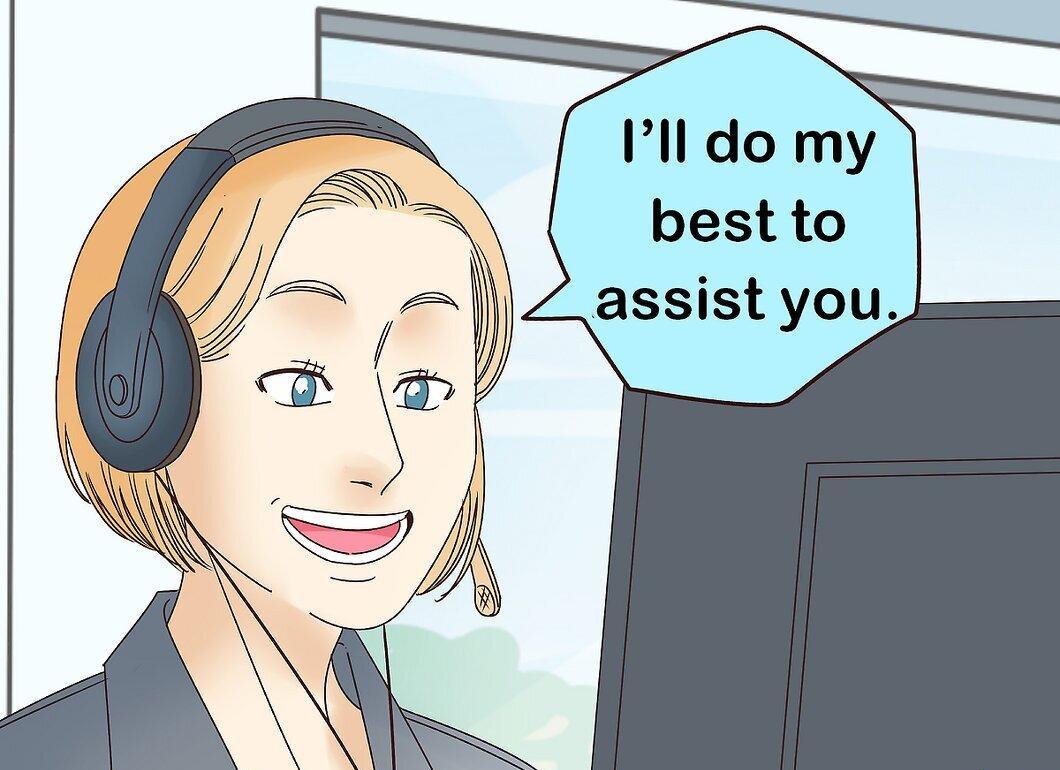
Learn to handle calls from dissatisfied clients. Don’t take it personally what clients say, and never ask them to calm down. Express your regret to such clients and provide possible solutions to their issues. After speaking with a dissatisfied client, take a few seconds to breathe (if possible), then smile and proceed to the next call.
- One of the most important traits of a good call center operator is the ability to remain calm in stressful situations.[14] X Source
- Try using phrases like “We really appreciate your feedback!”, “I will do my best to help you!” and other polite phrases, and address the client by name as often as possible.[15] X Source
- To the client, you are the representative of the company and are speaking with them over the phone. Clients may not always behave politely and may even blame you personally for issues they have with your employer.
Step 4. Learn to Shorten Lengthy Conversations
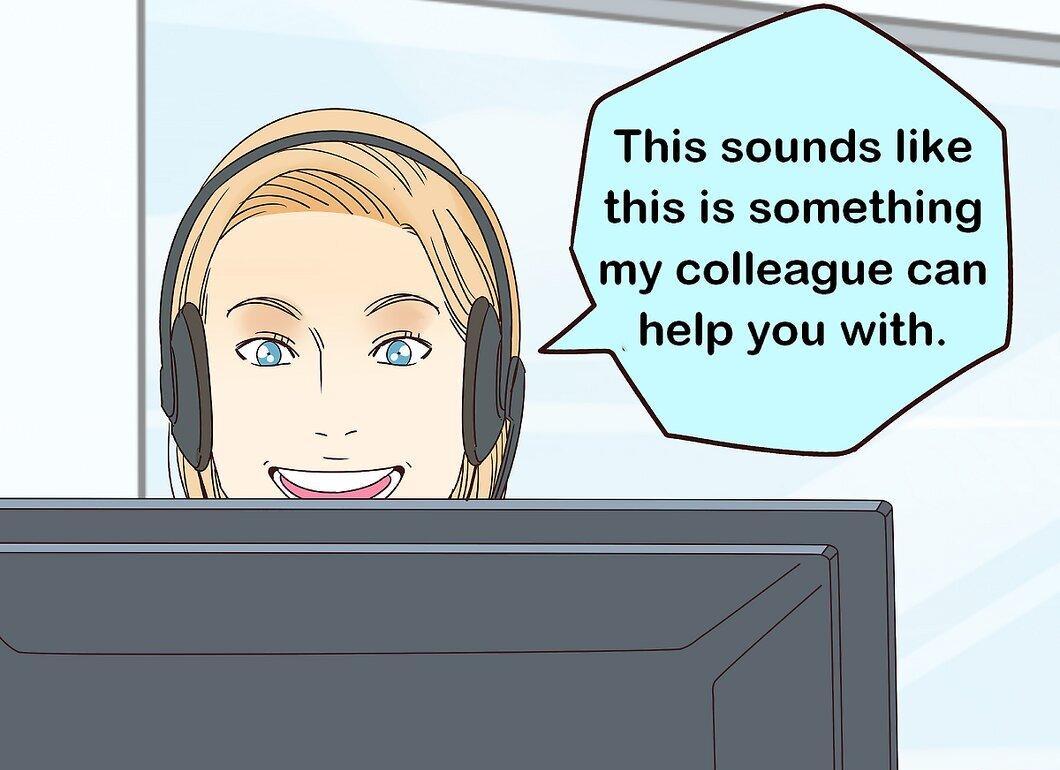
Learn to shorten lengthy conversations. Ask questions that require simple “yes” or “no” answers. Redirect the conversation to the necessary topic if needed. Avoid personal topics and comments about the weather unless you have to fill time while loading necessary information.
- If it's nearly time for you to leave work and the last call is still ongoing, you might say to the client, “It seems that my colleague can better assist you with this issue, let me connect you with them.”[17] X Source
Step 5. Leave a Good Impression
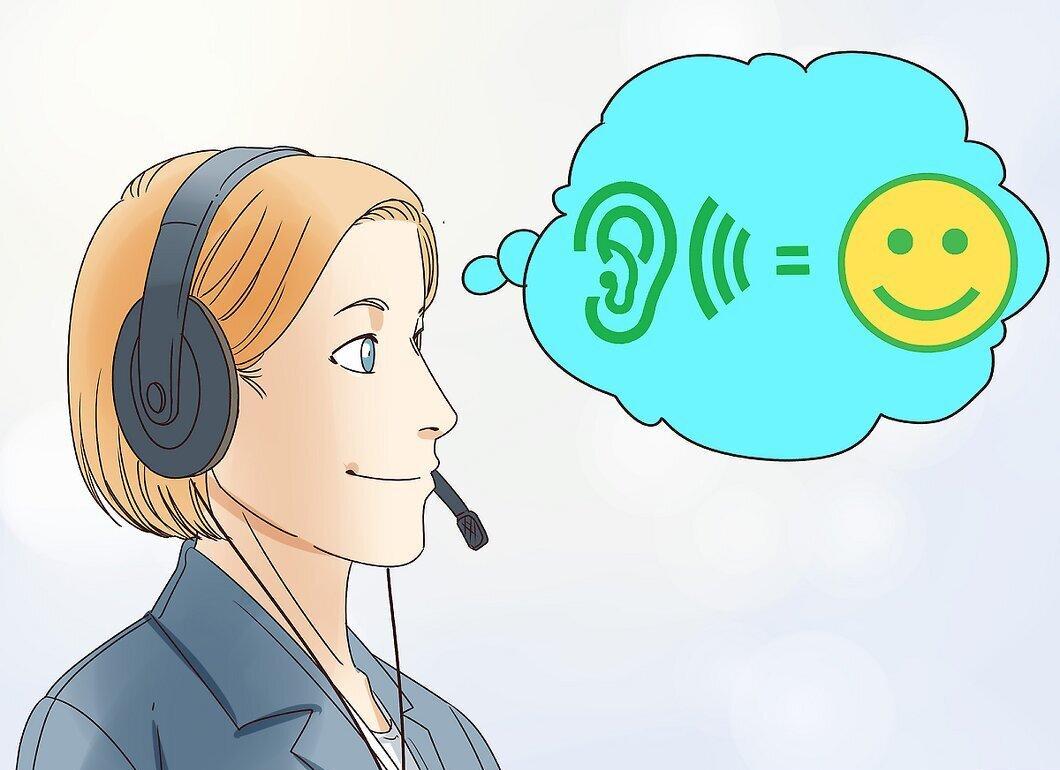
Make sure to leave a good impression. Pay attention to details. Don’t assume you know the client’s issue before they finish explaining it. Ensure that the client is satisfied with the interaction before ending the call.
- Statistics show that clients claim only half of call center employees provide appropriate answers to their questions.
- Restating the client's issue in your own words helps convey that you understand their concerns.[19] X Source
Step 6. Transfer the Call to the Appropriate Responsible Person if Necessary
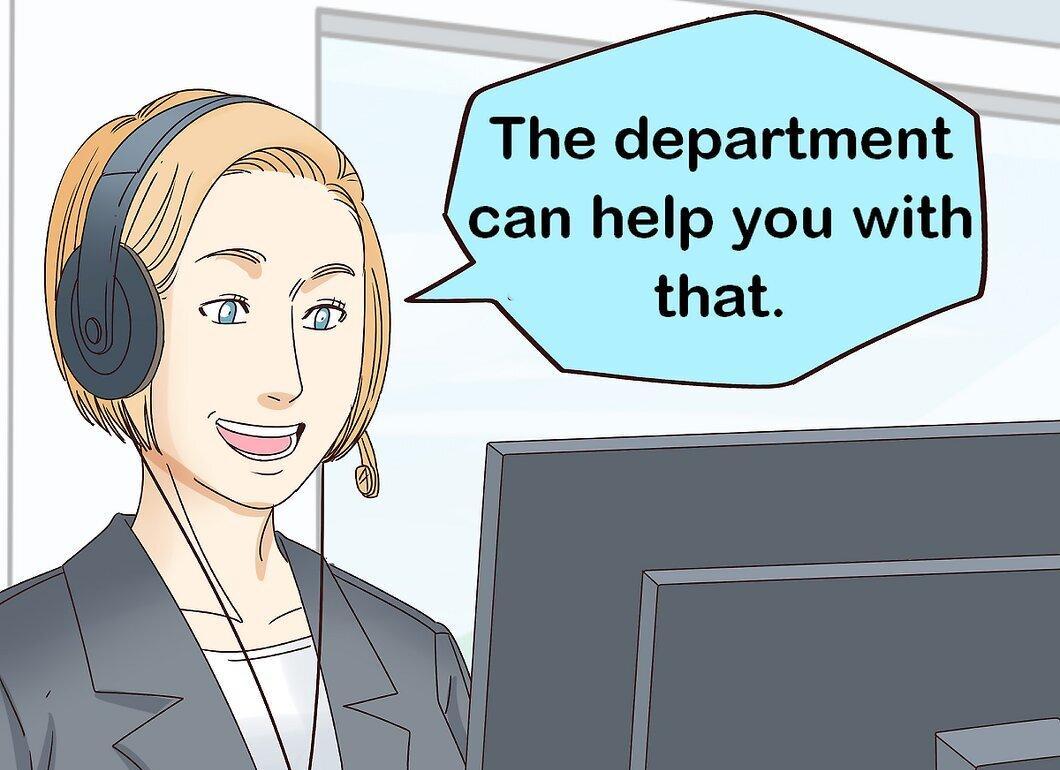
If necessary, transfer the call to the appropriate responsible person. Familiarize yourself with situations where you need to transfer calls, such as to a supervisor or manager. Ask your mentor in what circumstances you should transfer calls to someone else. In such situations, you should first recognize that you are unable to resolve the client’s issue independently. Then, politely inform the client that you will be transferring the call to the appropriate person.
- For example, if a client requests a discount and you are not authorized to handle such requests, you may need to transfer the call.
- Instead of saying you cannot handle these requests, inform the client that a specific department or person in your organization will be able to assist them.[21] X Source