Long flights, whether domestic or international, can significantly affect your mood during a vacation or business trip. To minimize discomfort, it’s important to familiarize yourself with the amenities and services offered on board in advance. Don’t forget to pack essential items for your comfort, and make sure to get up and stretch often. Do relaxing exercises to reduce stress.
How to Organize Your Space and Ensure Comfort
Step 1. Choose the Right Seat
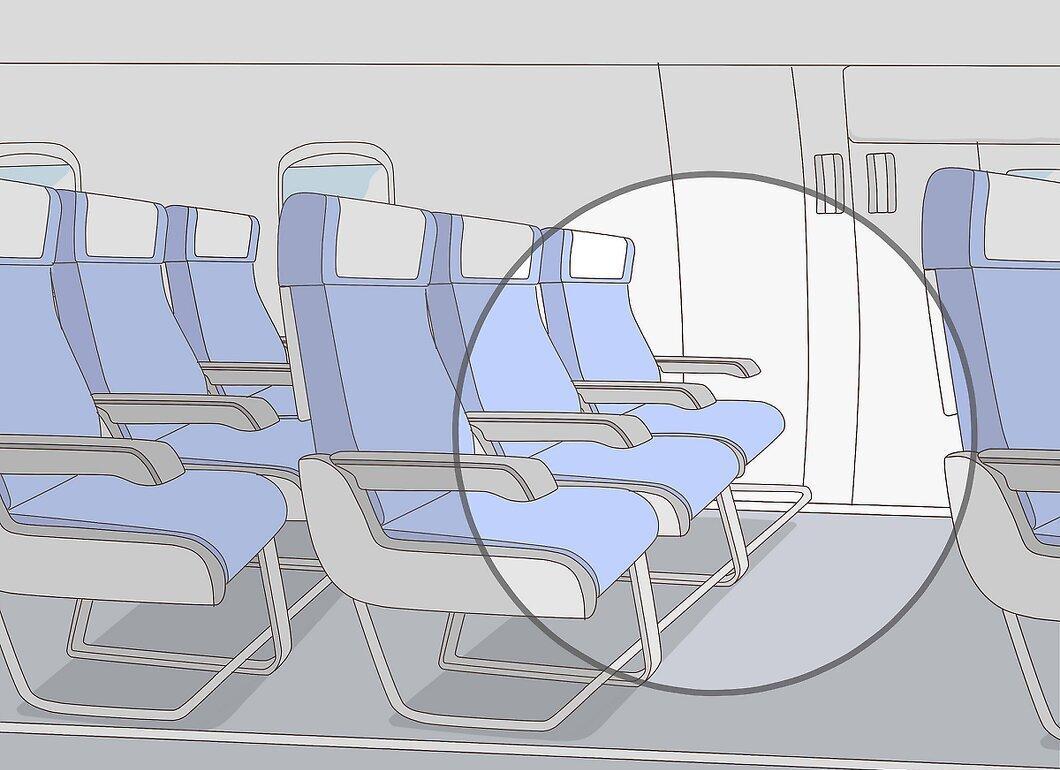
If possible, make sure to book a comfortable seat. Check in advance which seats are available on your flight. Even within the same class and price category, some seats can be more comfortable than others. If you need more legroom, opt for seats near emergency exits. If you prefer to sleep, it’s best to sit by the window. Try to avoid seats next to restrooms, as they tend to have a lot of foot traffic.
- Seats in front of the bulkheads between cabins generally offer more legroom, as there are no other seats in front.
- If you are traveling with an infant or small child, avoid seats near emergency exits, as handling the hatch in an emergency might be difficult.
- Some airlines offer the option to book a more comfortable seat for an additional fee, often referred to as premium economy.
Step 2. Limit Your Carry-On Luggage
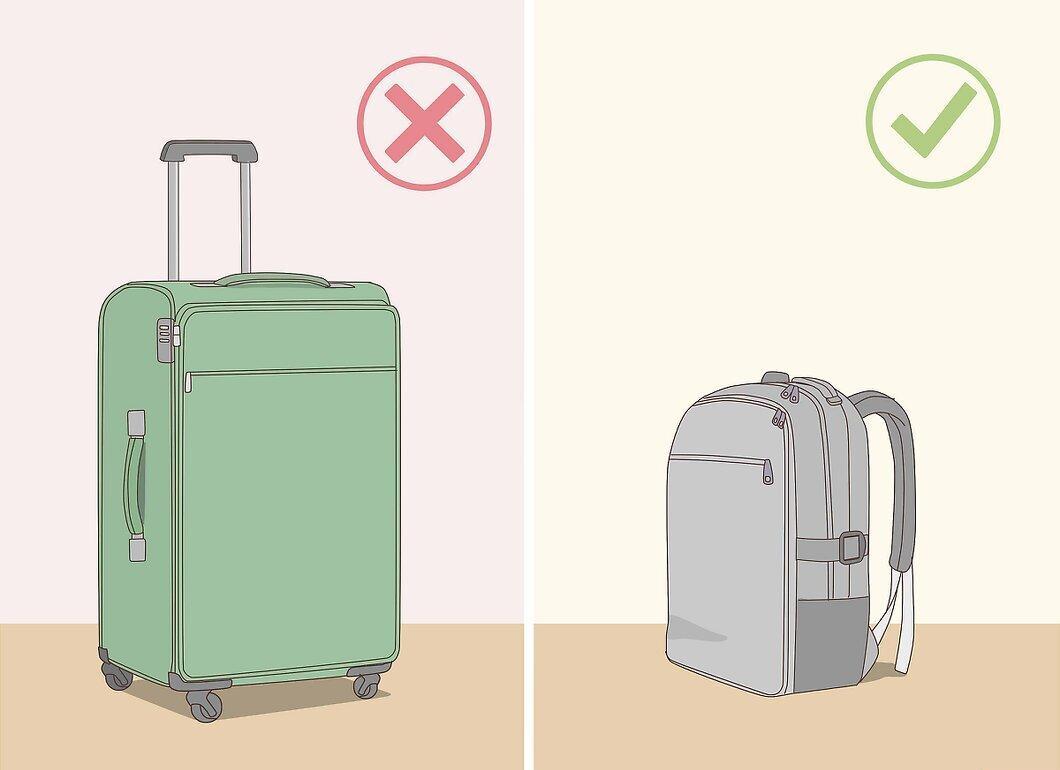
Try to take as little carry-on luggage as possible. Excess baggage can make it difficult to settle into your seat. Familiarize yourself with your airline's baggage rules and bring only the essentials. A single backpack is usually sufficient, making it easier to stow in the overhead compartment or under your seat.
- Most airlines allow one piece of carry-on luggage and a small personal item (like a purse or diaper bag).
- Be sure your baggage meets the airline's size and weight requirements.[3] X Reliable source Consumer Reports
Step 3. Dress in Comfortable Clothing
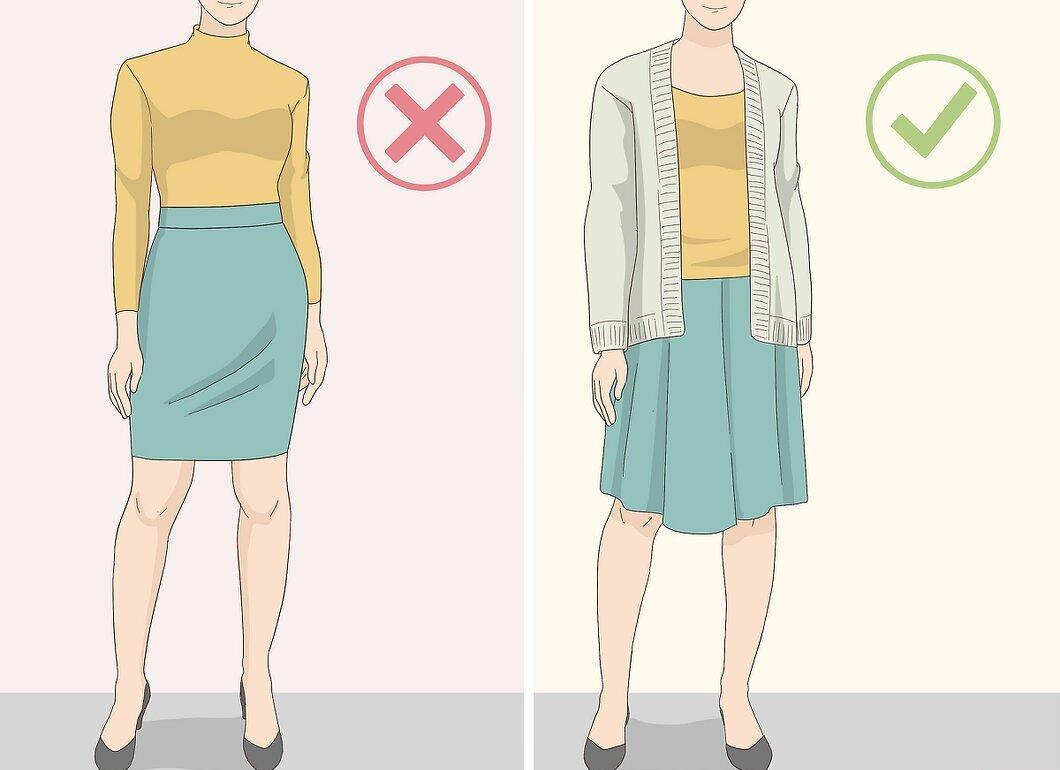
Choose comfortable clothing for your flight. Tight and uncomfortable clothes can make the journey unbearable. Wear loose and comfy outfits, and bring a warm layer, like a sweater or light jacket, to avoid getting cold on board.
- Compression socks or stockings can help improve circulation in your legs and prevent blood clots from prolonged sitting.[5] X Source
Step 4. Don’t Forget a Sleep Pillow
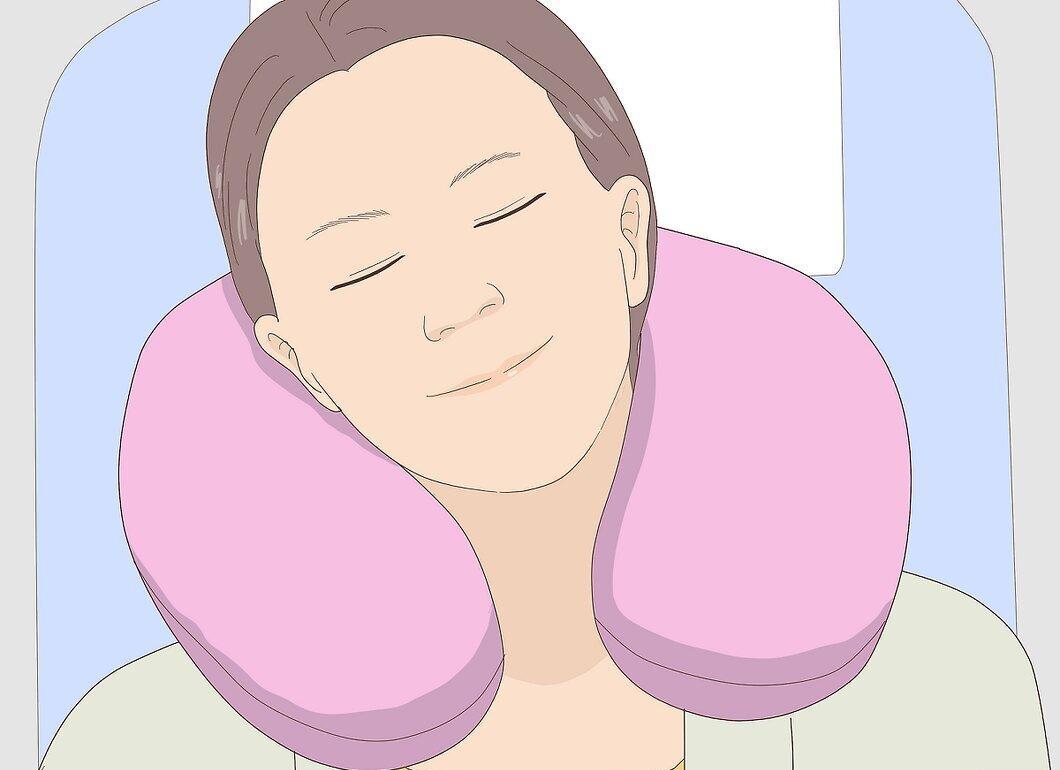
If you plan to take a nap, bring a pillow. Sleeping without one can be uncomfortable and even painful for your neck. A travel pillow or neck pillow is ideal, as inflatable pillows may not be as comfortable.
- You can buy a pillow at the airport if you don't have one.
- Some airlines provide pillows on board, but there may be an additional charge. Check in advance if your airline offers pillows and blankets.
- To avoid getting cold, consider bringing a small blanket or travel throw.
Step 5. Keep Personal Hygiene Items Handy
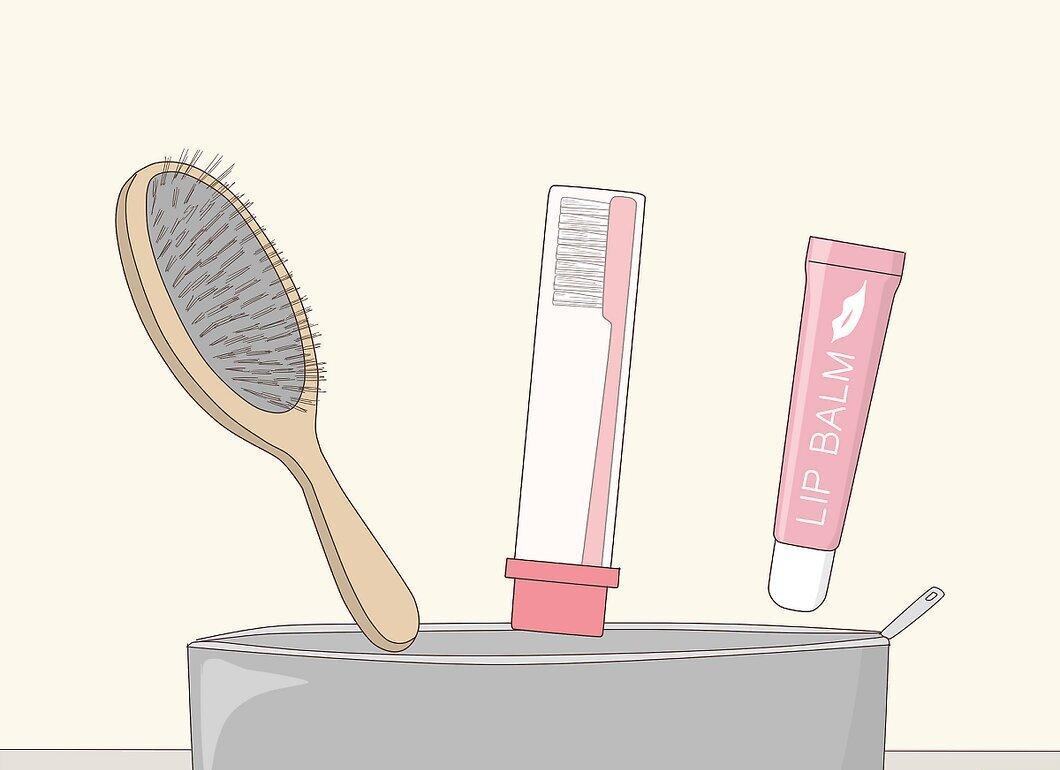
Keep essential personal hygiene items within reach. Pack a comb, toothbrush, lip balm, and anything else you need to look fresh before landing. Facial wipes can also help you feel refreshed.
- Be considerate to fellow passengers; try to brush your teeth or apply deodorant only in the restroom.
- Before packing liquids and gels, check how much you can bring on board. Generally, liquids are allowed in containers no larger than 100 milliliters.[8] X Reliable source U.S. Transportation Security Administration
How to Keep Yourself Occupied During the Flight
Step 1. Move Around as Much as Possible
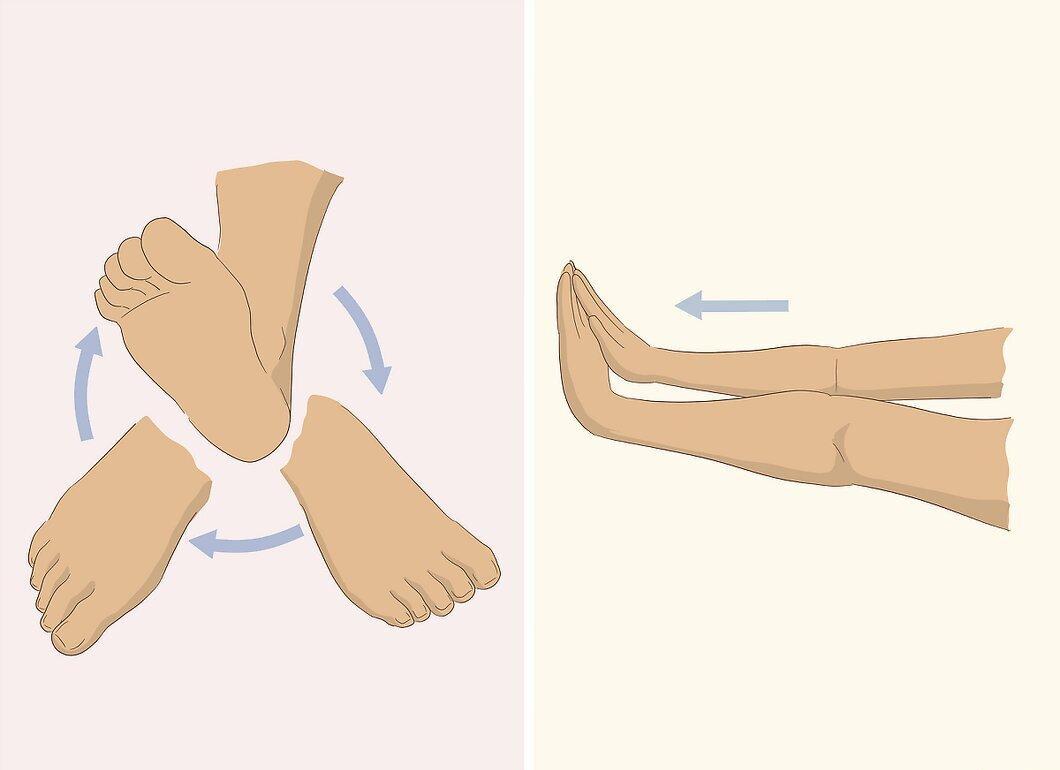
Try to move around during the flight as much as possible. This is especially important on long flights since movement helps prevent pain, circulation issues, and more serious conditions like deep vein thrombosis. Some airlines provide instructions for simple exercises (like foot rotations or arm stretches). At the end of a long or overnight flight, take a walk down the aisle to stretch your muscles.
- There might be space at the back of the cabin where you can perform some exercises.
- Wait for the flight attendants to allow you to stand and move.
- If possible, follow along with exercise videos provided by the airline that demonstrate how to warm up properly.
Step 2. Use Available Entertainment
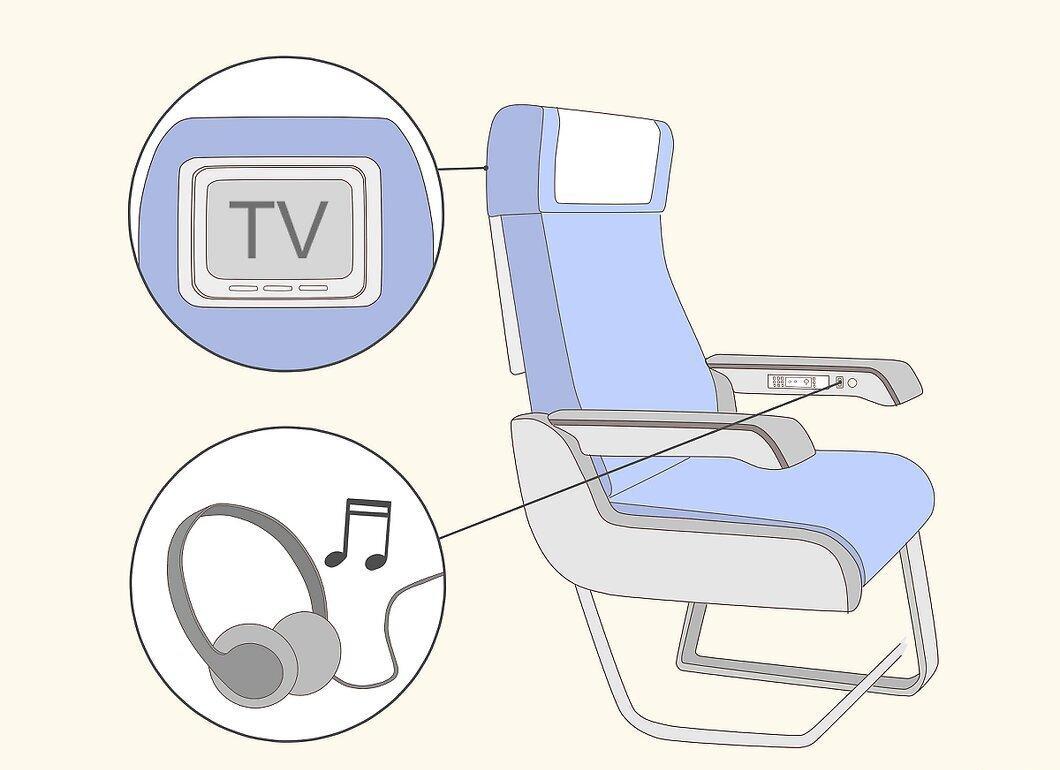
Take advantage of the in-flight entertainment. Many airlines offer movies and radio. Plug your headphones into the jack at your seat. Some planes have screens on the backs of seats with movies, TV shows, and flight information. These entertainments can help pass the time. Check in advance what your airline offers.
- If your airline provides on-demand content, keep in mind that there may be an additional fee for access, which can add up quickly.
Step 3. Bring Something for Leisure
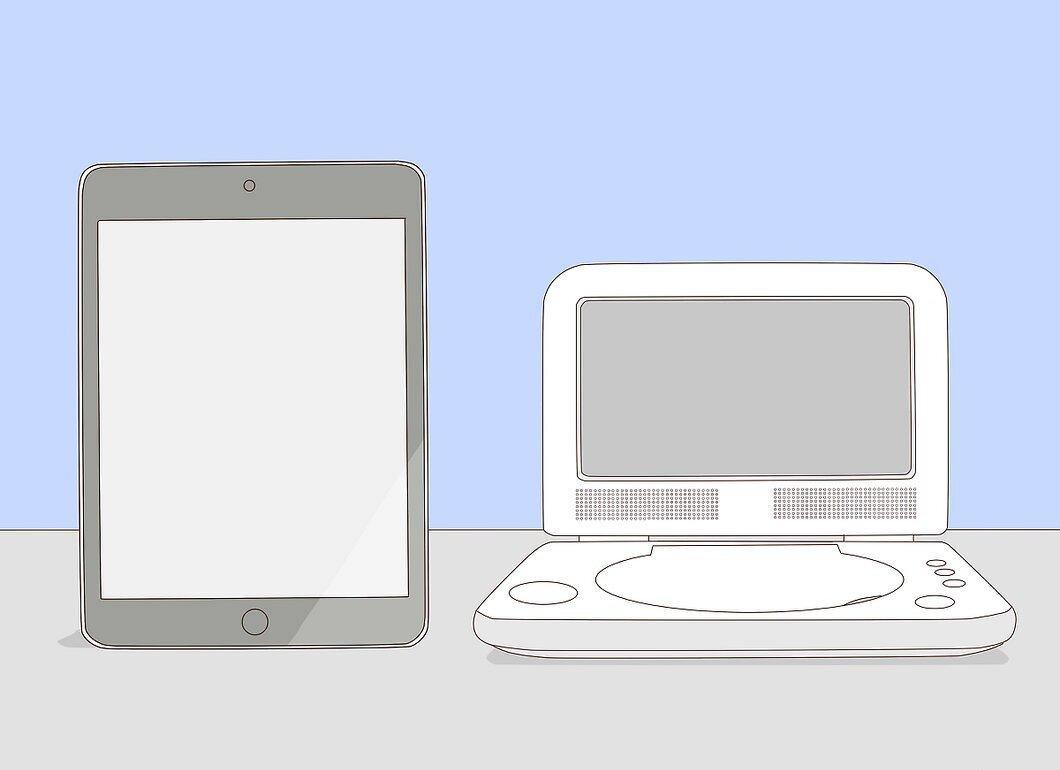
Don't forget to bring something to keep you entertained. Typically, movies are not available immediately after takeoff, and the selection may be limited. Bring a tablet, laptop, or portable DVD or Blu-ray player loaded with your favorite movies, music, podcasts, or e-books. A new book or game can also be a great option.
- Make sure to charge all your electronic devices before your flight.
- Some flights offer free Wi-Fi, allowing you to stay connected in the air.
- Buy a few fresh magazines at the airport to avoid reading what's available on board.
- Try solving crosswords or Sudoku, or coloring in adult coloring books. If you enjoy crafts or drawing, bring a sketchbook or knitting yarn (but note that knitting needles may not be allowed on board).
Step 4. Don’t Forget Your Headphones
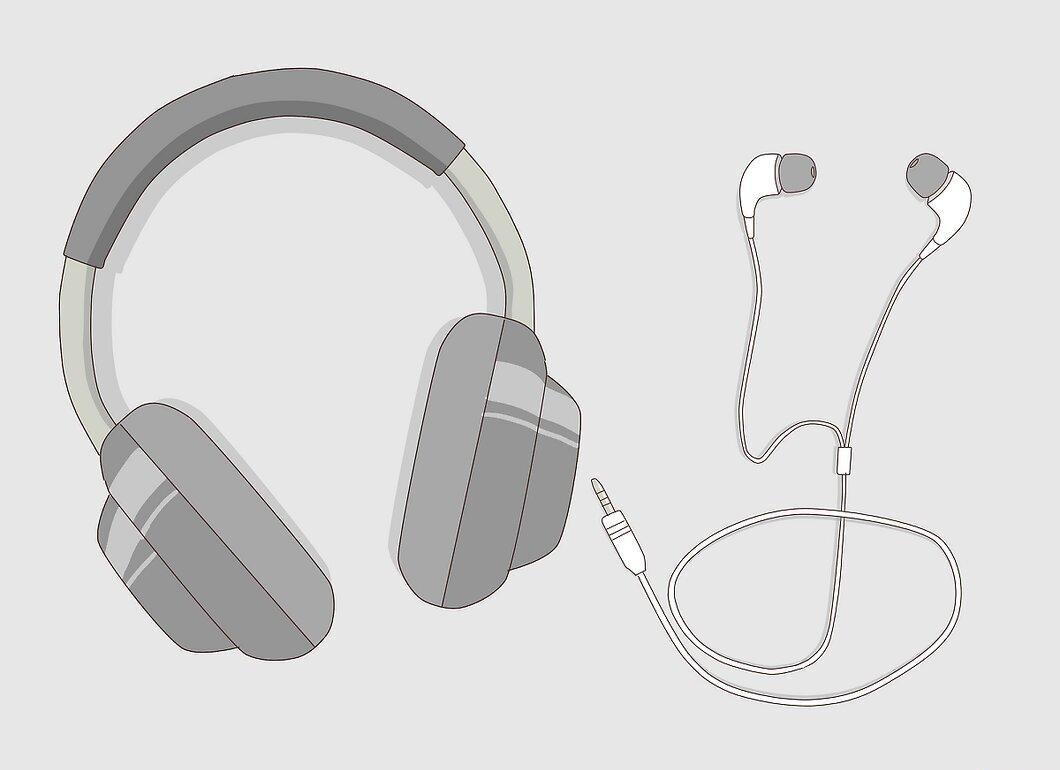
Bring your own headphones. Headphones provided on board (whether free or for a fee) are often of poor quality. It's better to have noise-canceling headphones or earplugs to help drown out engine noise and other passengers’ conversations.
- If you just need to reduce noise levels, use earplugs.
Step 5. Don’t Keep Checking the Time During the Flight
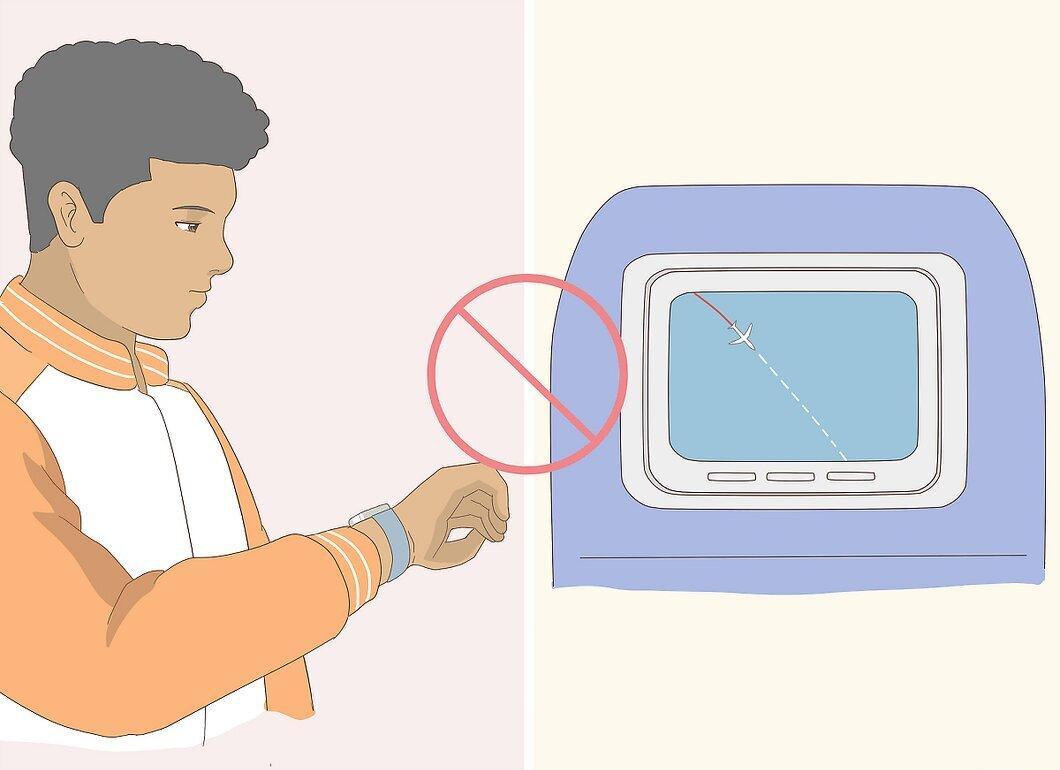
Try not to look at the clock during the flight. Being in the air for an extended period can already feel long, and constantly checking the time will only make it seem longer. Try to avoid thinking about the time or looking at the map that shows the plane's current location.
- If you really want to check the time, distract yourself with something else.
Rest and Nutrition
Step 1. Relaxation Exercises
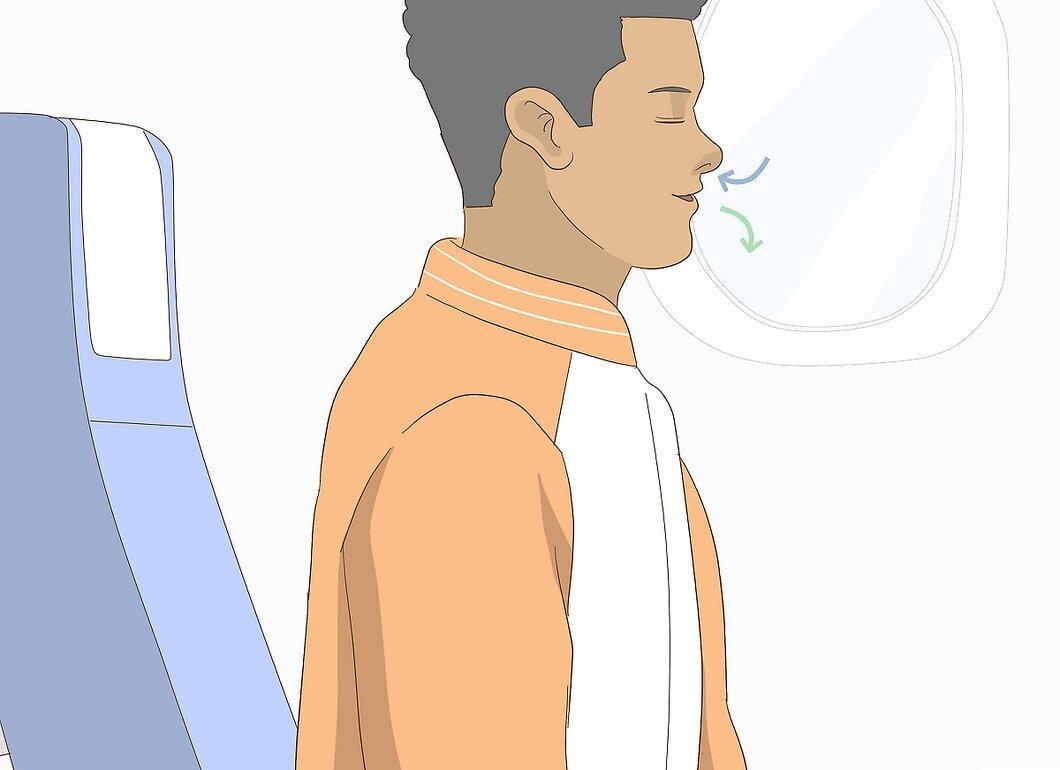
If you feel tense, try some relaxation exercises. If you’re anxious or uncomfortable, do a few simple relaxation techniques. Take some deep breaths, meditate, or try simple yoga poses right in your seat.
- Look up information on in-flight yoga to see what exercises you can do in tight spaces.
- Listen to calming music, read, draw, or color.
- If you feel very anxious during the flight, talk to a doctor or psychologist. A professional can suggest calming strategies or prescribe medication.
Step 2. Find a Comfortable Sleeping Position
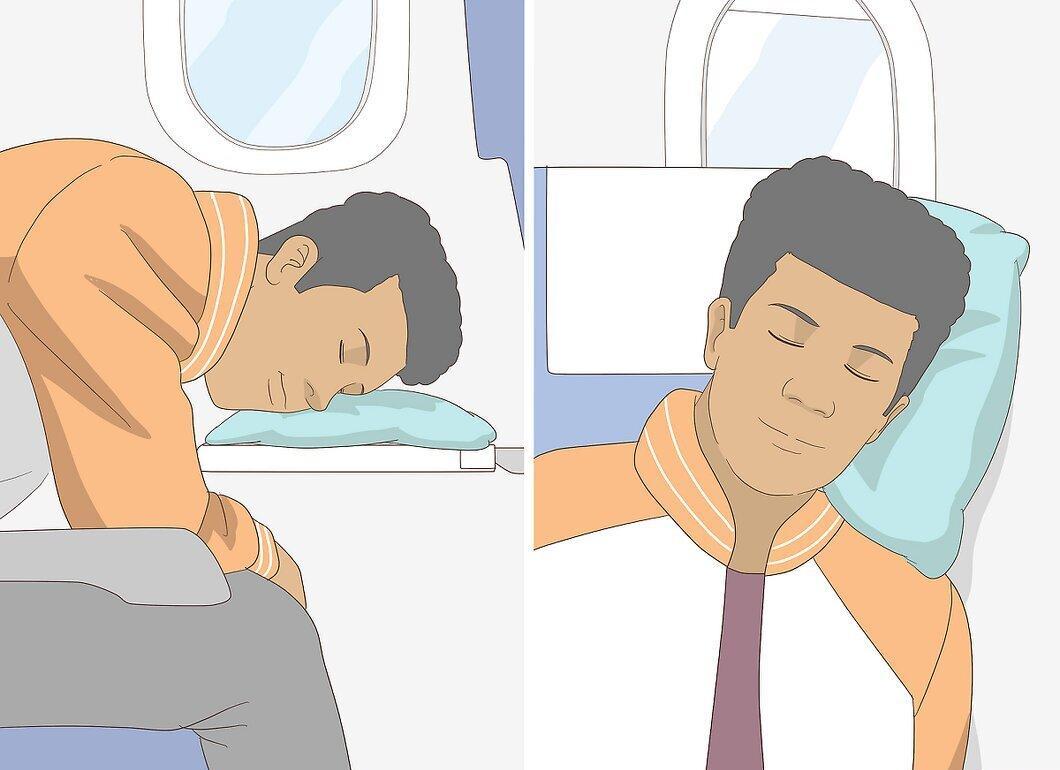
Try to get comfortable for sleeping. If you have a pillow, place it on the tray table in front of you and rest your head on it. If you’re by the window, lean against it. If you are in the middle or aisle seat, recline your seat as far back as it will go.
- Be considerate and polite when reclining your seat. Inform the passenger sitting behind you so as not to disturb them.
- If you’re traveling with friends or family, use them as support for sleeping.
- Avoid caffeine on board, as it can interfere with your sleep and cause you to get up frequently to use the restroom.
- A sleep mask can help block out cabin light.
Step 3. Know About In-Flight Meals in Advance
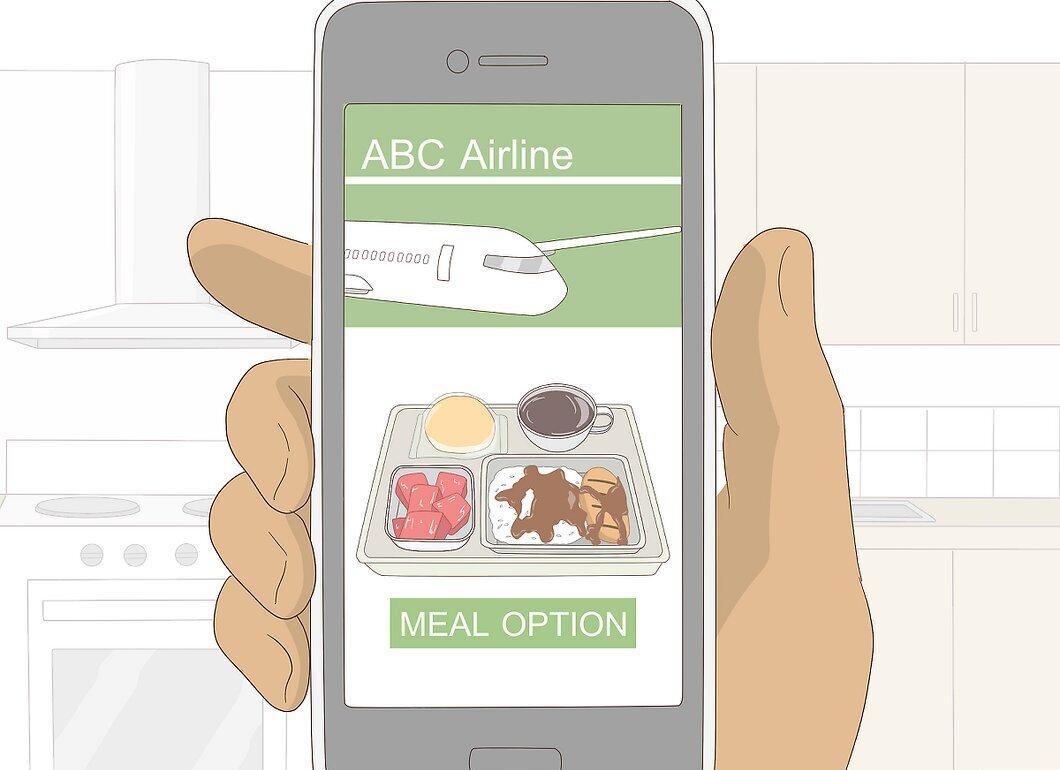
Find out in advance what food will be served on board. While many domestic flights do not offer meals, some airlines still include it in the ticket price. On some flights, additional snacks can be purchased. Check with airline representatives if food will be available during the flight.
- If you’re flying internationally, you may be offered a variety of dishes and snacks.
- Many airlines allow you to choose a special menu (like vegetarian or halal) 2-3 days before departure. These meals typically taste better and are served first.
Step 4. Bring Snacks
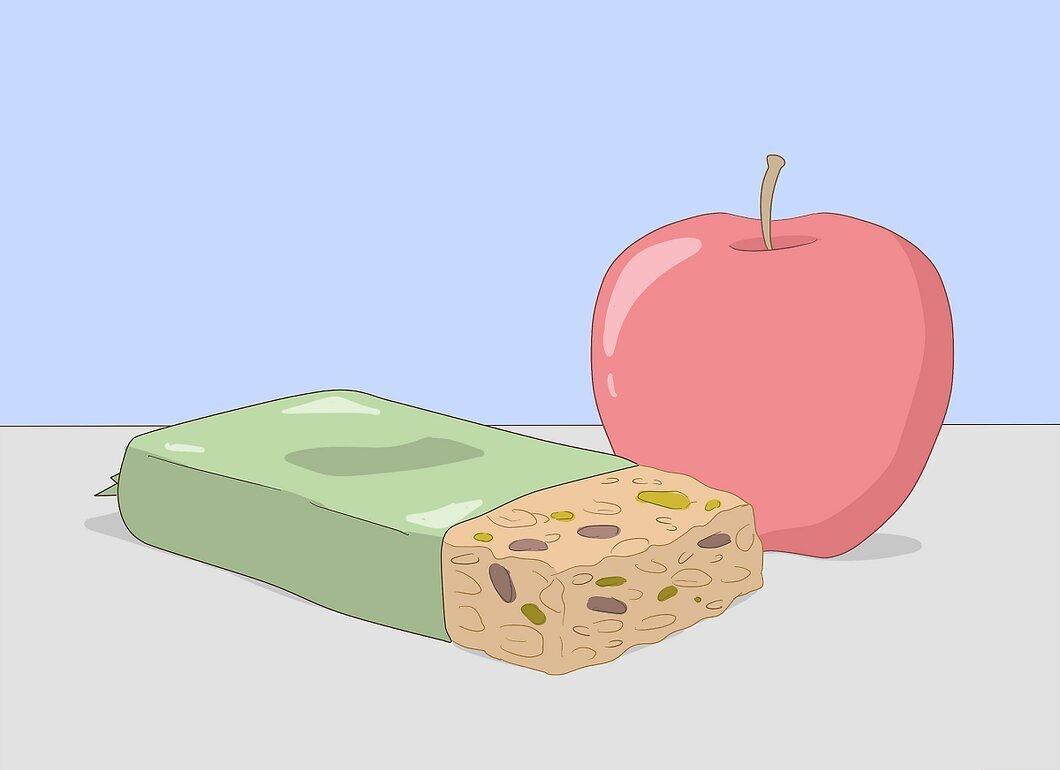
Don’t forget to pack some snacks and treats. Some flights may not offer enough food, and what is provided may not be very tasty. If you don’t like the options available, bring some homemade food (like granola bars or fruits).
- Protein bars are an excellent choice for long flights. In-flight meals often contain a lot of carbohydrates and not enough protein.
- Read reviews on travel websites before your flight to see if it's worth bringing food.
Step 5. Stay Hydrated

Make sure you drink enough water during the flight. Long flights can lead to dehydration, which can increase discomfort. While you can ask the flight attendants for water, it’s best to have your own supply. You can buy a bottle of water after security or fill up at a fountain.
- Don’t drink water from the restroom, as it is not safe.
- If your eyes feel dry, use eye drops available at the airport. They usually come in small bottles suitable for carry-on luggage.
- Bring a saline nasal spray or gel to prevent dryness in your airways during the flight. This will help avoid nasal congestion and reduce the risk of discomfort during takeoff and landing.
- Also, pack lip balm in a container no larger than 100 milliliters to protect your lips from drying out. If your skin tends to get dry, include hand cream or cocoa butter in your bag.