
It's easy to get stuck in a rut, and even if you want to move on, it can be hard to figure out where to start. Before you gain momentum, it's essential to recognize which behaviors to let go of and which traits to cultivate. Once you come to this realization, you can begin taking the first steps toward a better future.
What to Stop Doing
Step 1. Let Go of Past Problems and Disarray.

Let go of past problems and disarray. Regret, guilt, and fixation on the negative aspects of your past can hinder your ability to move forward now and in the future. You can no longer control the past, but you can prevent it from controlling you.
- Acknowledge the mistakes of the past that you don’t wish to repeat. Learn practical lessons from those mistakes and release any theoretical fears surrounding them. For example, a child might get burned by touching a hot stove and learn to avoid other hot surfaces, but this experience shouldn’t prevent them from exploring other areas of the world.
- Past interactions with people can lead to developing resentment towards them, but this negativity drains your energy and resources, which certainly holds you back.
Step 2. Don’t Succumb to Others’ Control.
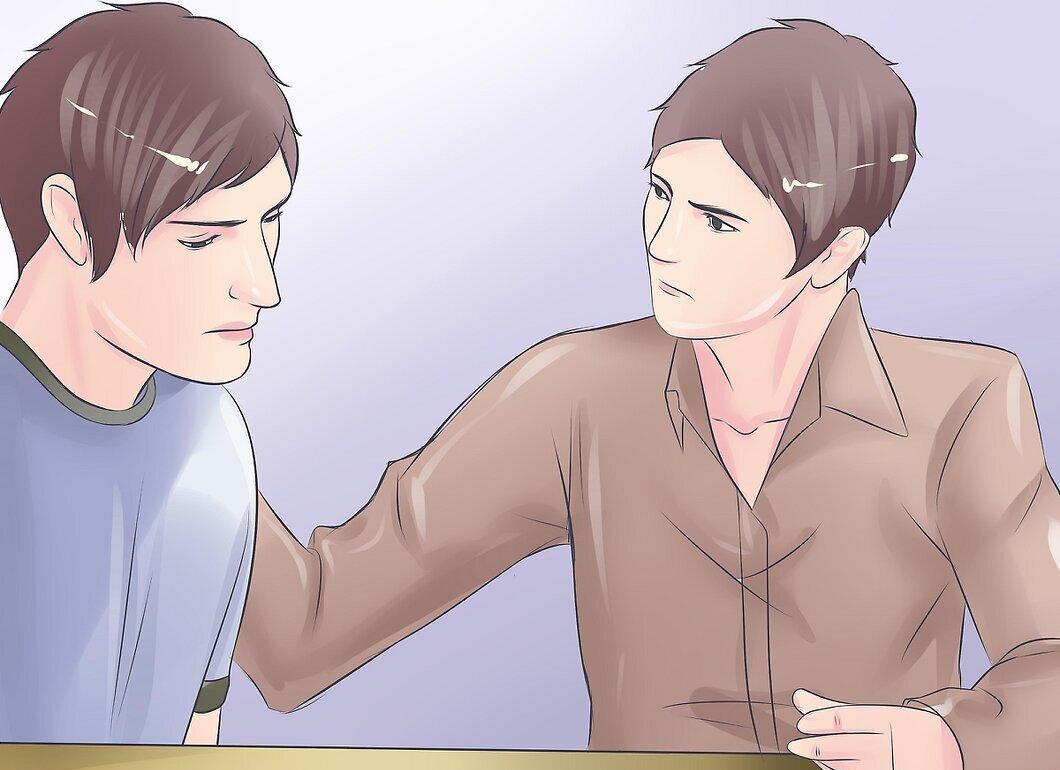
Don’t succumb to others’ control. Your life is your own. Others can offer advice or assistance, but some suggestions may be helpful while others may only cause harm. Regardless, you should make decisions based on your own desires and beliefs, not what others expect from you.
- Remember that even those closest to you have a limited understanding of who you truly are.
- As you pursue your goals, some people may criticize you if those goals don’t align with their understanding of what’s important. For instance, your new partner might not earn much money, so someone who prioritizes financial success may view this relationship as a waste of time. Keep in mind that your values may not align with those of others, so living your life by someone else’s standards won’t bring you fulfillment.
Step 3. Eliminate Indecisiveness.
Eliminate indecisiveness. The inability to make a choice is itself a choice. Practice being a more decisive person. If you give in to your indecisiveness, you will continue to doubt yourself at the most critical moments.
Step 4. Stop Procrastinating.

Stop procrastinating. Do it right now. You have an indefinite amount of “tomorrows,” and if you keep telling yourself that you’ll do something tomorrow, it can quickly become a habit. Stop putting things off and start doing them now.
- Consider this: You might ultimately realize that you were on the wrong path, but the sooner you take that path, the quicker you’ll understand your mistake and correct it. Postponing this journey will only limit your opportunities.
Step 5. Stop Running Away.

Stop running away. Problems are inevitable, and many of them cannot be avoided. The more time you spend avoiding problems, the less time you have to move forward.
- For instance, if there is a misunderstanding or tension between you and someone else, try discussing it with that person. Your relationship may fall apart afterward, but it could also strengthen. Either way, the problem will only worsen if you don’t address it.
Step 6. Stop Making Excuses.

Stop making excuses. Of course, there are often genuine barriers that prevent you from reaching a certain goal, but more often than not, what someone sees as a barrier can be overcome with minimal effort. If a problem is within your capacity to handle, and you claim it’s preventing you from achieving your goal, that’s simply an excuse, and you need to let go of those.
Step 7. Reduce the Need to Explain Yourself.

Reduce the need to explain yourself. Often in life, things happen without reasons or clear meanings. Striving to explain something is natural, but fixating on this desire can hold you back if you refuse to act without explanations.
Step 8. Acknowledge and Let Go of Your Fears.

Acknowledge and let go of your fears. Everyone has their fears and reasons for anxiety. Be honest with yourself in identifying the fears that hold you back. Once you recognize these fears, work on letting them go.
- A broken heart is a significant fear, especially for those who have experienced it before. Understand that things may turn out differently with another person, even if they did not with someone from your past.
- Another common fear is the fear of the unknown. Change can be frightening; it may lead to better outcomes, but it could also worsen the situation. By avoiding potential problems lurking around the corner, you force yourself to deal with current issues that undeniably exist, preventing you from achieving something positive.
- Some people even fear success, particularly if they dislike standing out. However, understand that you don’t need to impress those who have negative feelings towards you simply for being different.
What to Start Doing
Step 1. Embrace Imperfection.

Embrace imperfection. No one is perfect. Mistakes are part of life, and you will continue to make them regardless of what you do or don’t do. The sooner you accept your imperfections, the sooner you will start taking action despite them.
Step 2. Focus on the Positive and Appreciate the Present.

Focus on the positive and appreciate the present. It's quite easy to concentrate on the negative aspects of life. Instead of thinking that everything is going wrong, take a moment to appreciate everything that is right and good. Life is generally better than we perceive it to be.
- Think about what you are lucky to have in your life and what you can be grateful for. Rather than complaining about not being able to go on an exciting trip or buy an impressive car, think about the support you receive from family and friends or the simple joys you can enjoy in life.
- You should also acknowledge the good in what you are about to let go of. For instance, you may decide to leave a job where you were unhappy but that provided a comfortable living. That’s something to be thankful for.
Step 3. Focus on the Future.

Focus on the future. Learn from the past, appreciate the present, and concentrate on the future. Visualizing the life you want will give you a goal, and having a goal makes it easier to move forward.
- While focusing on the future, ensure that you’re not spending too much time worrying about it. Plan what you can do and formulate dreams, but don’t overthink every detail.
- Concentrate on a specific goal and aim high. A concrete goal gives you something to strive for. Having too many goals will scatter your energy in multiple directions. Since you’re focusing on one goal at a time, it becomes even more important to set goals that allow you to showcase your best abilities.
Step 4. Believe in Yourself.

Believe in yourself. Be confident and brave. Think about who you want to be and convince yourself that you already have the basic skills to become that person.
- By thinking “what if,” you are already becoming the person you want to be; your behavior and mental images will naturally begin to align with those needed to become who you aspire to be.
Step 5. Show Yourself Some Compassion.

Show yourself some compassion. Try not to be too hard on yourself during the process of moving forward. Progress can be challenging for most people, and from time to time, you may take a step or two back. Be understanding of your weaknesses, but remind yourself that they do not define you.
- Seek refuge in your old hobbies. When changes in your life threaten to overwhelm you, return to past interests for a breather. Watch a favorite movie, enjoy a treat, or visit a beloved place.
Step 6. Build Positive Relationships.

Build positive relationships. Surrounding yourself with positive people will make it easier to maintain a positive attitude. Leave behind the drama and cultivate relationships that empower you.
- Be discerning in your relationships and stop expecting people to behave in a certain way. Allow yourself to be pleasantly surprised by positive interactions instead of feeling disappointed by the negative ones.
- Find a reliable person to talk to about your fears and insecurities. Ensure that this person can listen and offer advice without mixing in their problems.
- When dealing with others, give without expecting anything in return. Sometimes your dedication will be appreciated, and other times it won’t. Regardless, you will develop the skills and perspective needed to maintain meaningful relationships through your own actions.
Step 7. Do What You Love and Love What You Do.
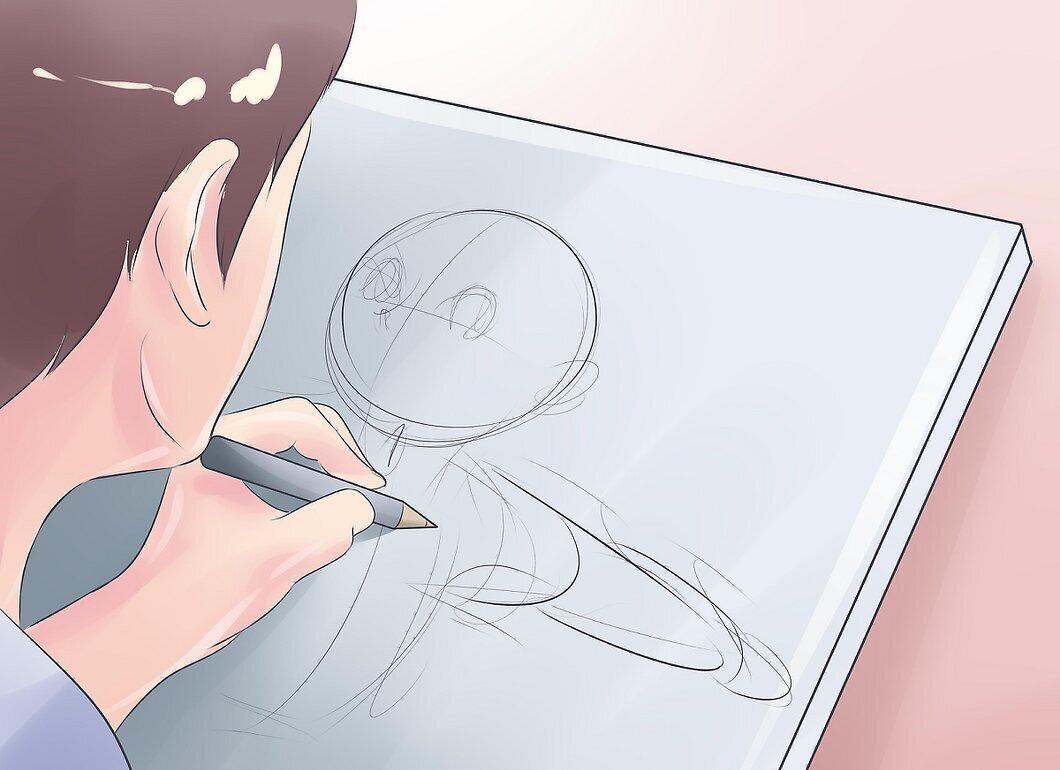
Do what you love and love what you do. One of the easiest ways to discover your passion is to focus on what you love or are interested in. By engaging in what you love daily, you will start to love your everyday life.
- Reflect on your habits and interests and determine if there’s a way to leverage them.
- Develop your strengths. Everyone has a talent in some area. If you’re unsure where to begin, start with one of your strengths and build from there. It may not be love at first sight, but it will guide you in the right direction.
Taking the First Steps Forward
Step 1. Write Your List of Things to Stop Doing.
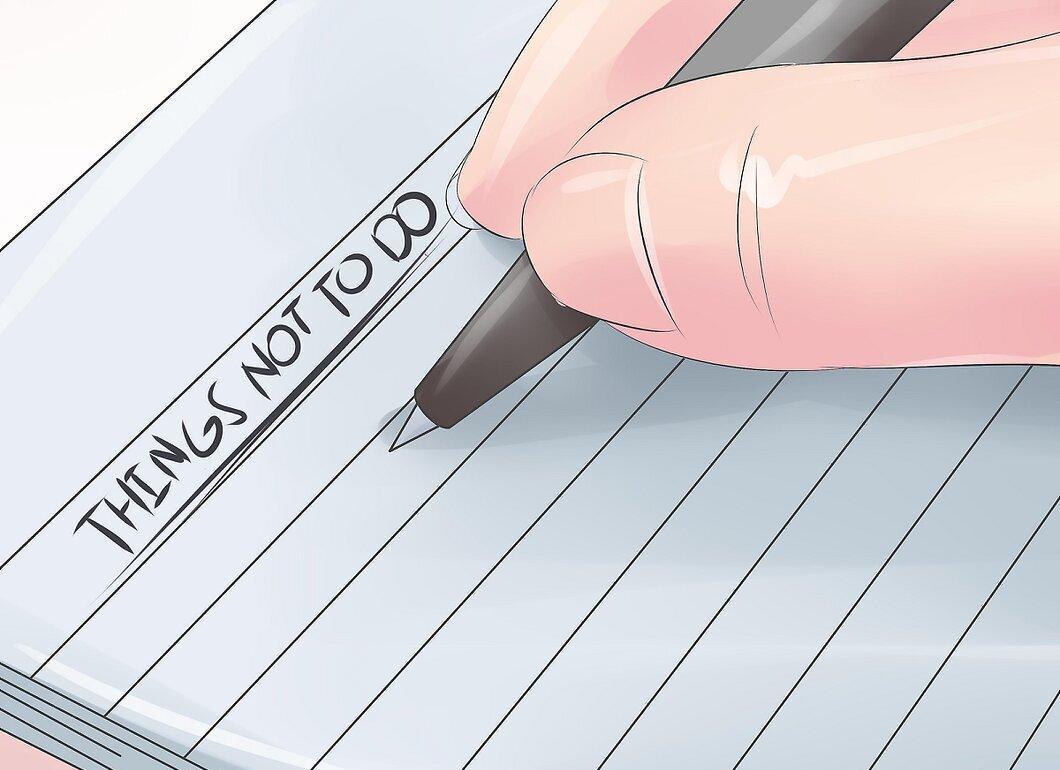
Write your list of things to stop doing. Many people do what they feel they should be doing rather than what they want to do. Often, what you think you should be doing is actually secondary. Take the time to sit down and write a list of everything you think you should do that is neither necessary nor desired.
- To determine what you should stop doing, ask yourself what drains your enthusiasm and prevents you from achieving your goals. Honestly assess what is truly necessary and what is done out of a misinterpreted sense of duty.
- Make sure that the items on your list pertain to real problems. For example, you might feel unhappy in your marriage when, in reality, you’re unhappy at work and allowing that discontent to seep into other areas of your life.
Step 2. Start by Focusing on What You Can Do.

Start by focusing on what you can do. A grand goal can feel daunting, so break it down into manageable pieces. Chances are, there’s at least one action you can take right now to make your dream a reality. Identify that action and begin with it.
- For instance, if you want to start a new business, your first step could be to begin using a blog and various social media accounts for that purpose. Once you have some tangible results, it will be much easier to conduct the research necessary for the next real step.
Step 3. Help Others with Similar Problems.
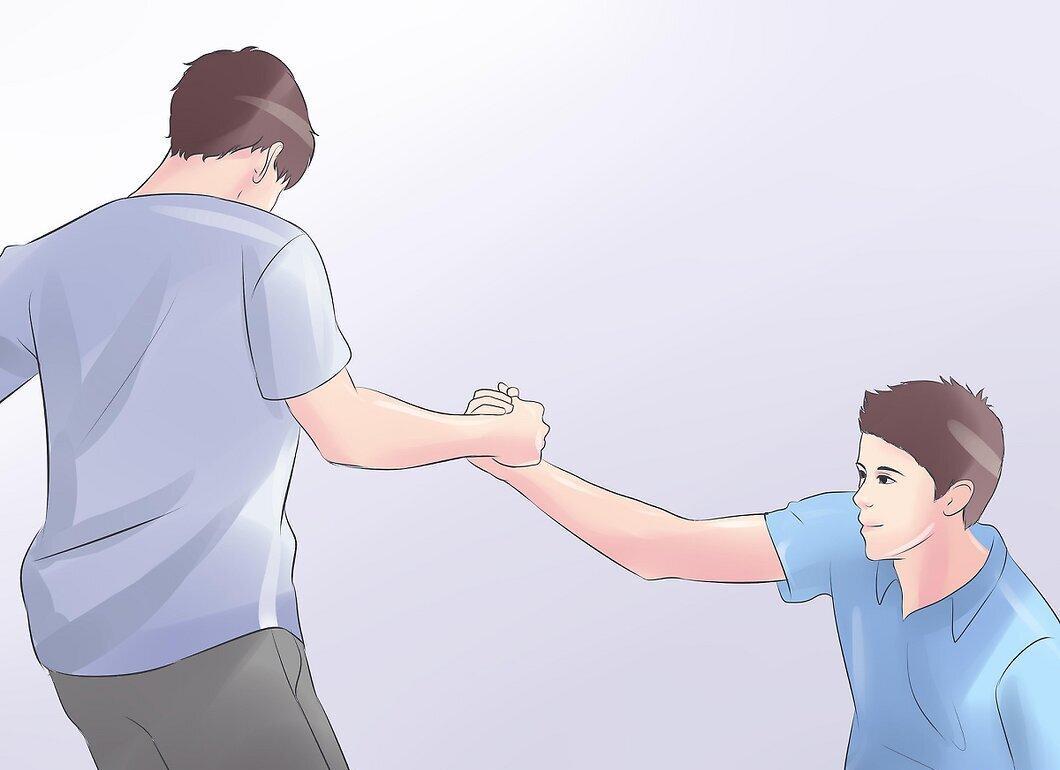
Help others with similar problems. Finding solutions to your own problems can be challenging because it’s hard to view things objectively. Conversely, by helping someone with their issues, you can become a more objective observer. You can then apply what you’ve learned to your personal circumstances.
Step 4. Take a Trip.

Take a trip. A new landscape can change your entire perspective on life. If you’re trying to take the first steps forward out of your daily routine, shift your environment a bit by going somewhere for a short time.
- Travel also forces you to think in the present moment rather than drifting into the past or worrying about the future.
- You can also turn this into a practical exercise by attending workshops, conferences, or events related to your new career or interest in which you wish to excel.
Step 5. Try Something New.

Try something new. Another way to break out of your daily routine is to try something you haven’t done before. It doesn’t have to be something overly exciting or extreme; just let it be an interesting activity outside your comfort zone.
- For example, go to a karaoke bar to step out of your shell, or attend a class for something new—be it kickboxing or cake decorating. Bring creativity into your life and expand your personal horizons.