Hostels offer economical lodging primarily aimed at budget-conscious travelers. These establishments are usually located in major cities or near popular tourist attractions, providing basic accommodation at low prices. Hostels serve as excellent places for saving money, focusing on social interaction among guests rather than formal service. In this guide, you will find tips on how to successfully set up and manage a hostel.
Part 1
Step 1. Find the right location for your hostel.
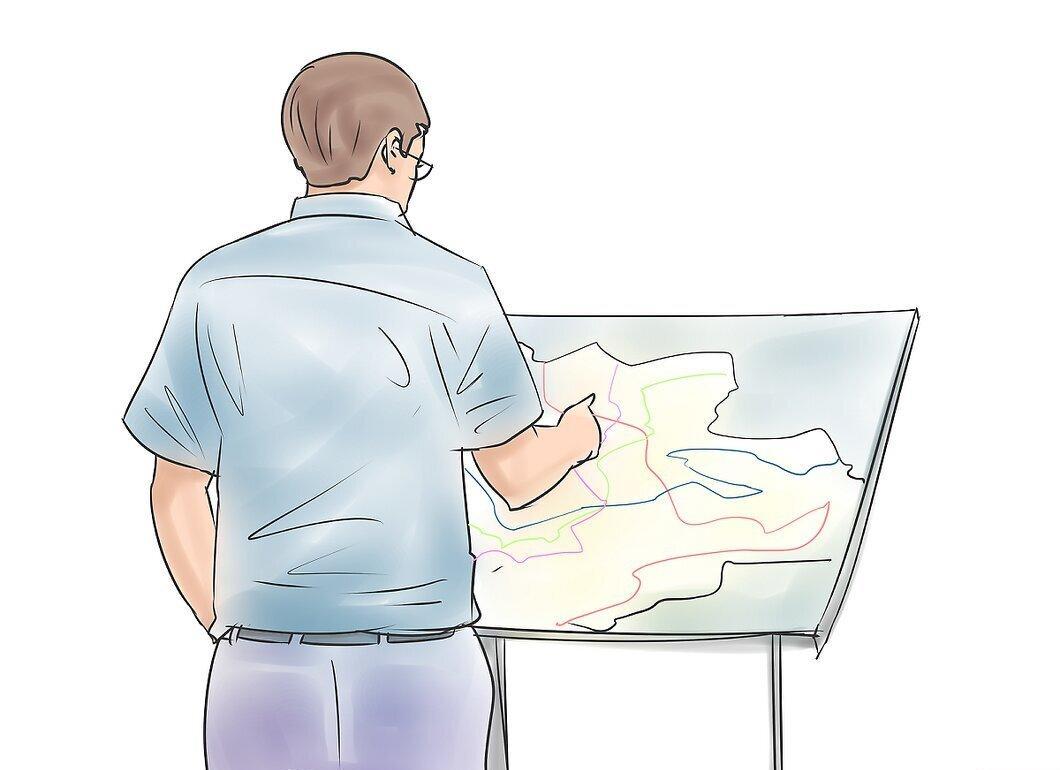
- Choose a location frequented by budget travelers. Ensure that your hostel is in an easily accessible area (as travelers may not be familiar with the route) and can compete with other hostels in the vicinity, if any.
- Calculate all expenses for purchasing a building, obtaining permits, buying beds, linens, dishes, and other marketing costs.
Step 2. Determine the initial investment needed to operate your hostel for the first year.
Step 3. Obtain all necessary permits from local authorities to operate the hostel (including a bar permit, if applicable).
Reach out to local authorities to secure all required permits for operating the hostel (including a bar if you plan to have one). Make sure all paperwork is in order.
Step 4. Create functional areas in your hostel:
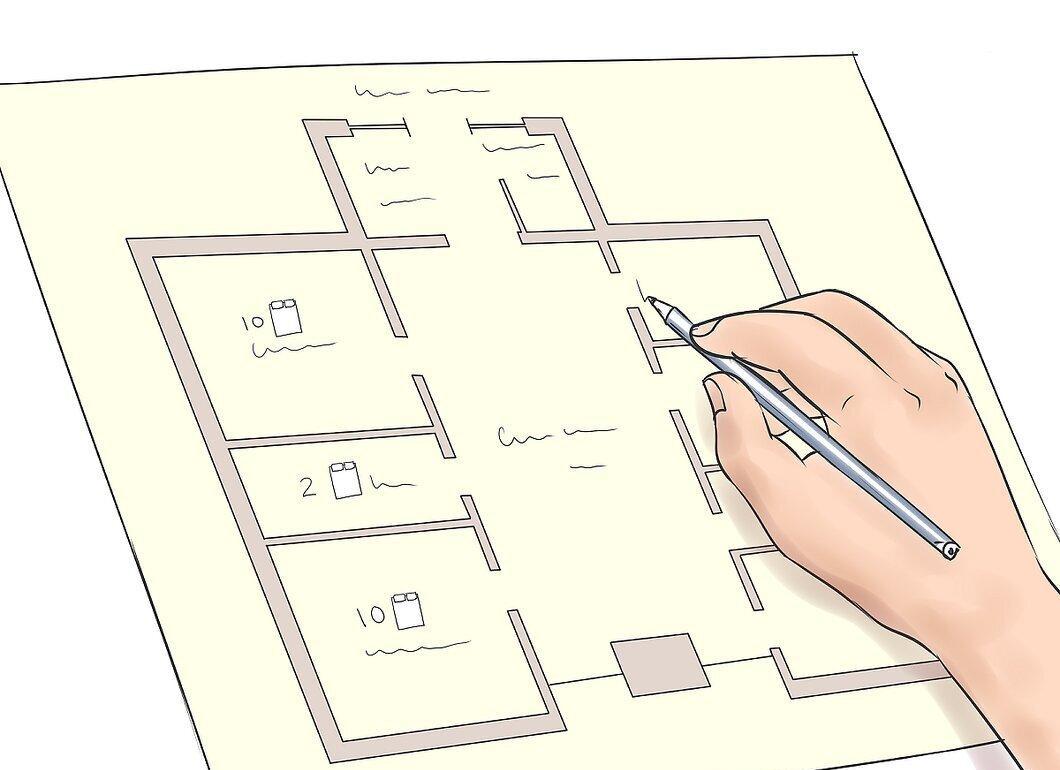
Organize the hostel space by designating different areas: living room, dining area, kitchen, bathroom, reception, common area, bar, etc.
Step 5. Furnish the living spaces with beds and linens.
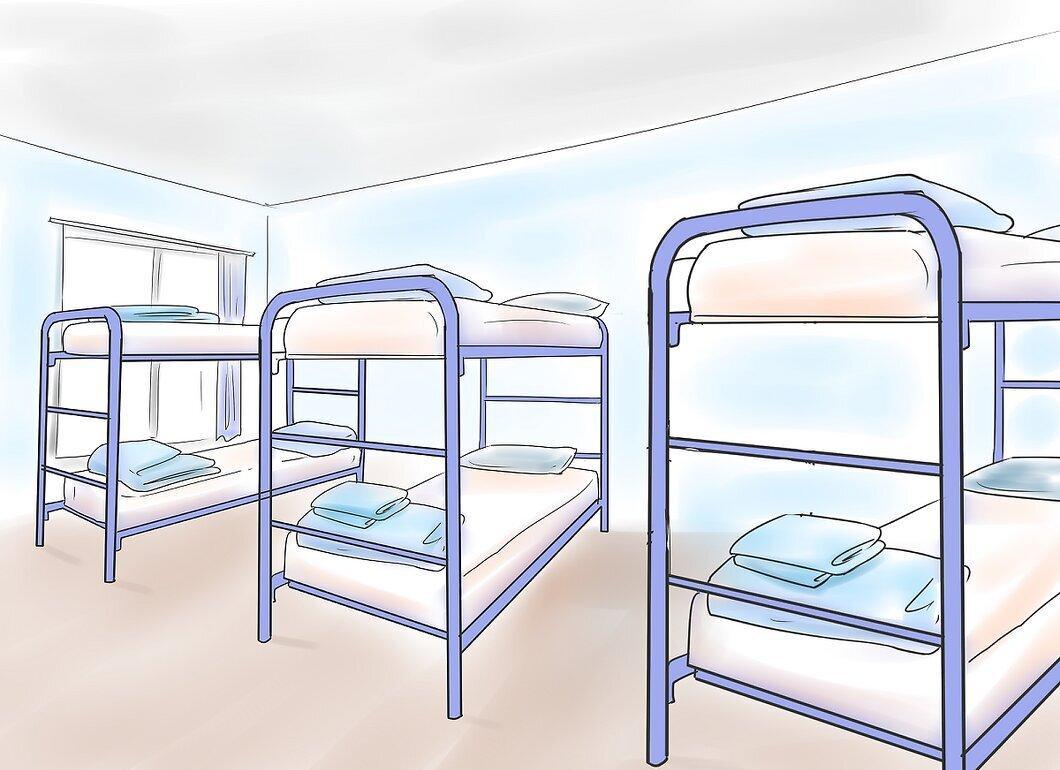
- Most hostels feature shared rooms with 5-20 beds (often bunk beds), sometimes divided by gender, as well as private rooms for 1-4 guests.
Step 6. Set up furniture in the dining and common areas (and in the bar, if applicable): tables, chairs, sofas, and other items.
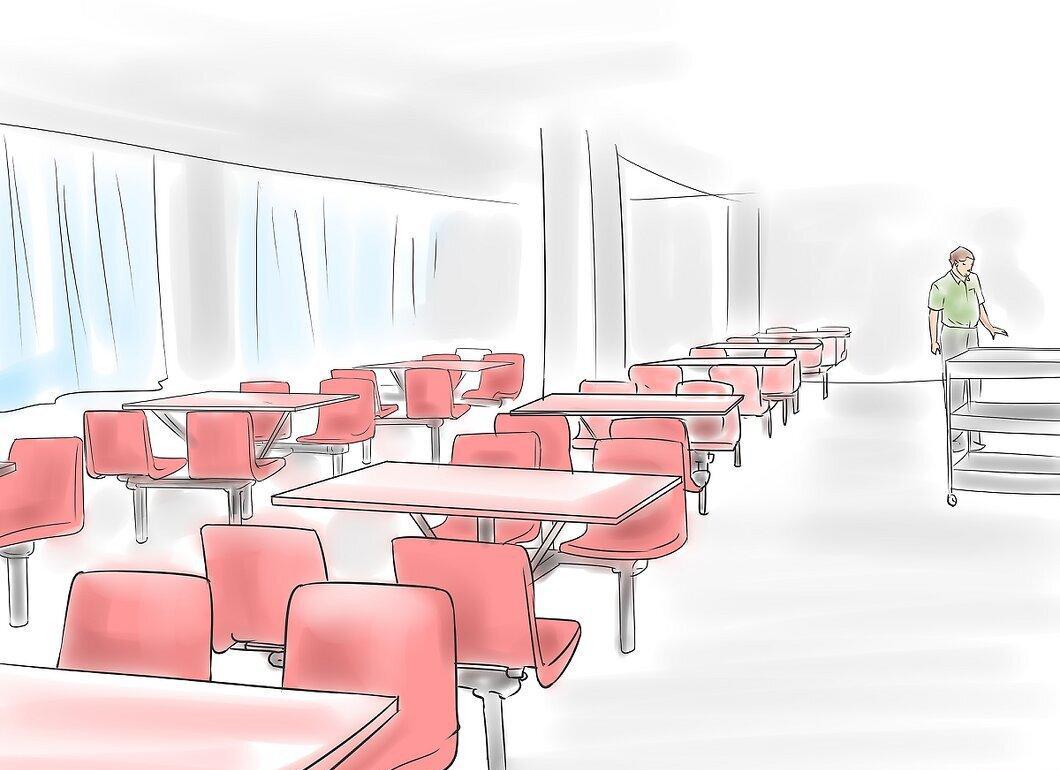
Ensure your dining and common areas are equipped with sturdy and comfortable furniture that can be easily replaced if necessary.
Step 7. Equip the kitchen.
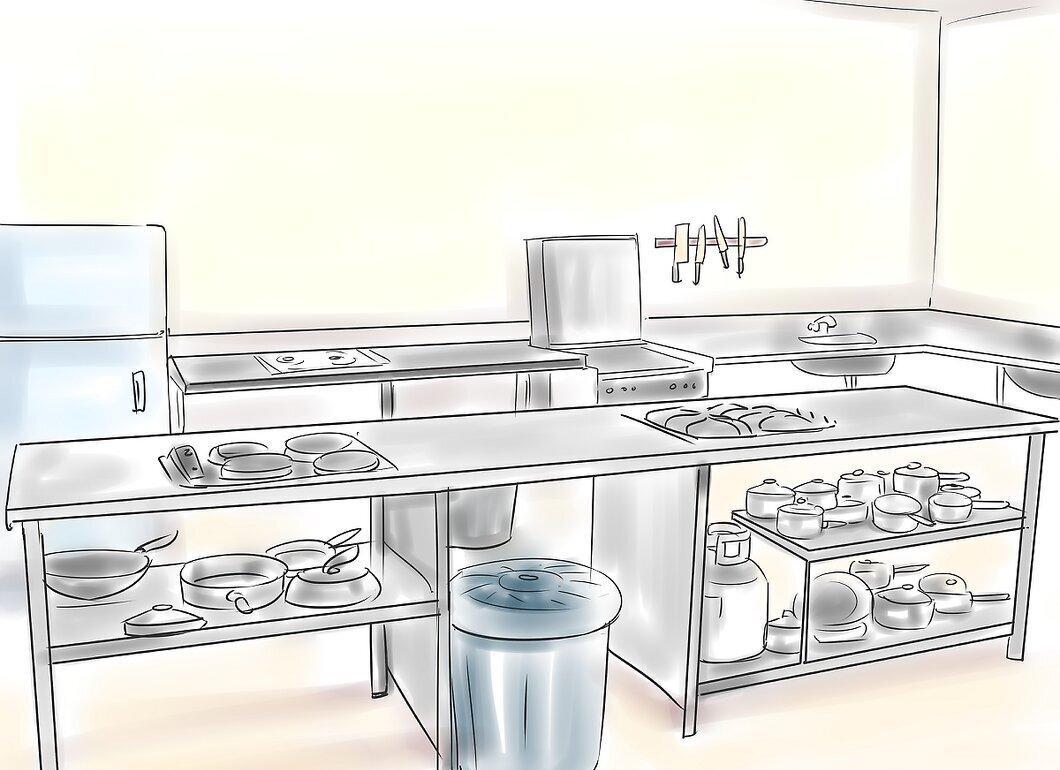
Make sure your kitchen is well-equipped. If you plan to serve guests, check that you have the necessary commercial-grade equipment.
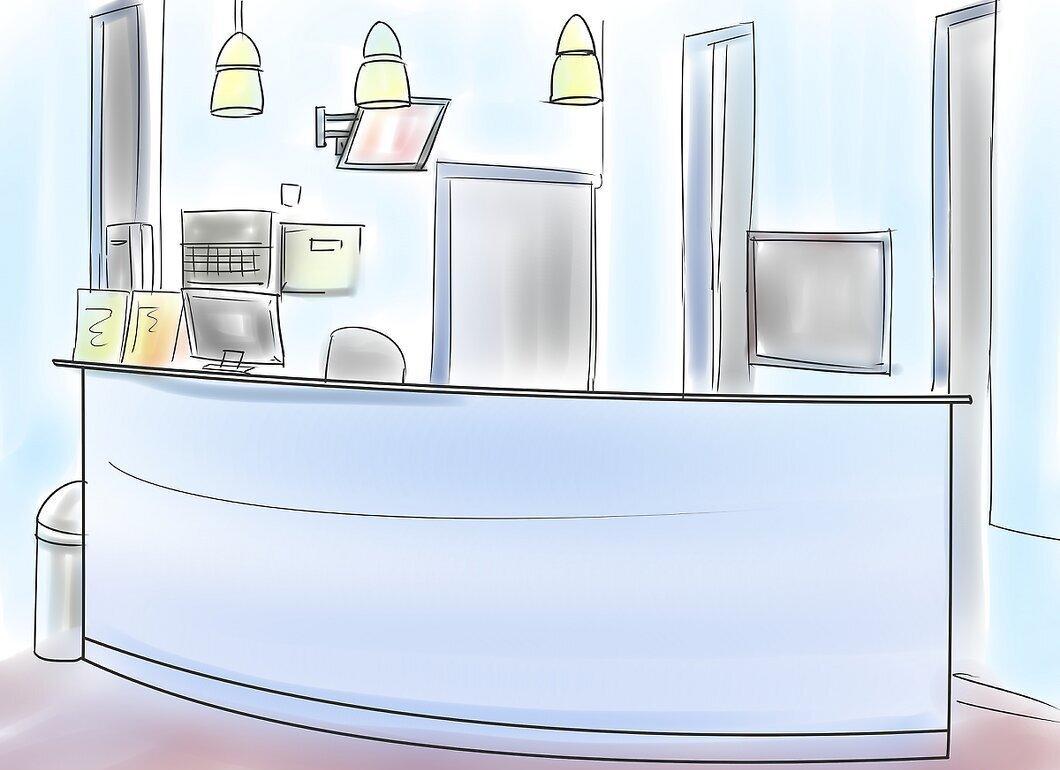
Step 8. Set up the reception area with a computer for guest check-ins, tourist information, a first aid kit, and promotional materials.
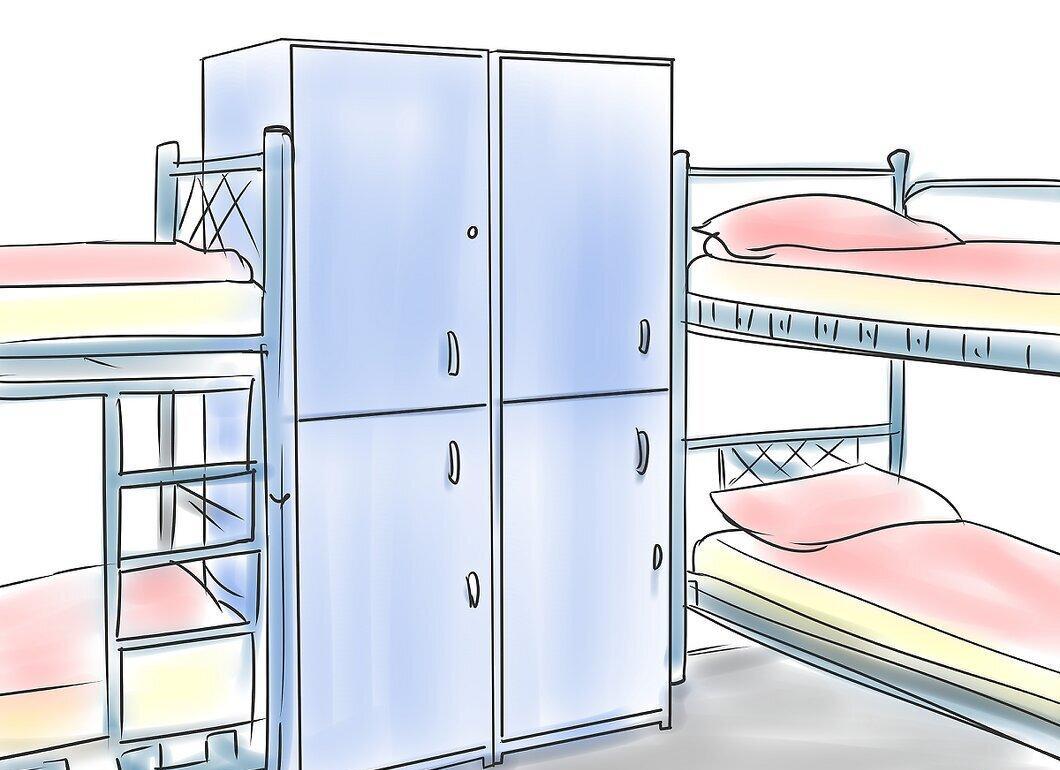
Step 9. Install lockers and safes for your guests' belongings.
Step 10. Hire staff.
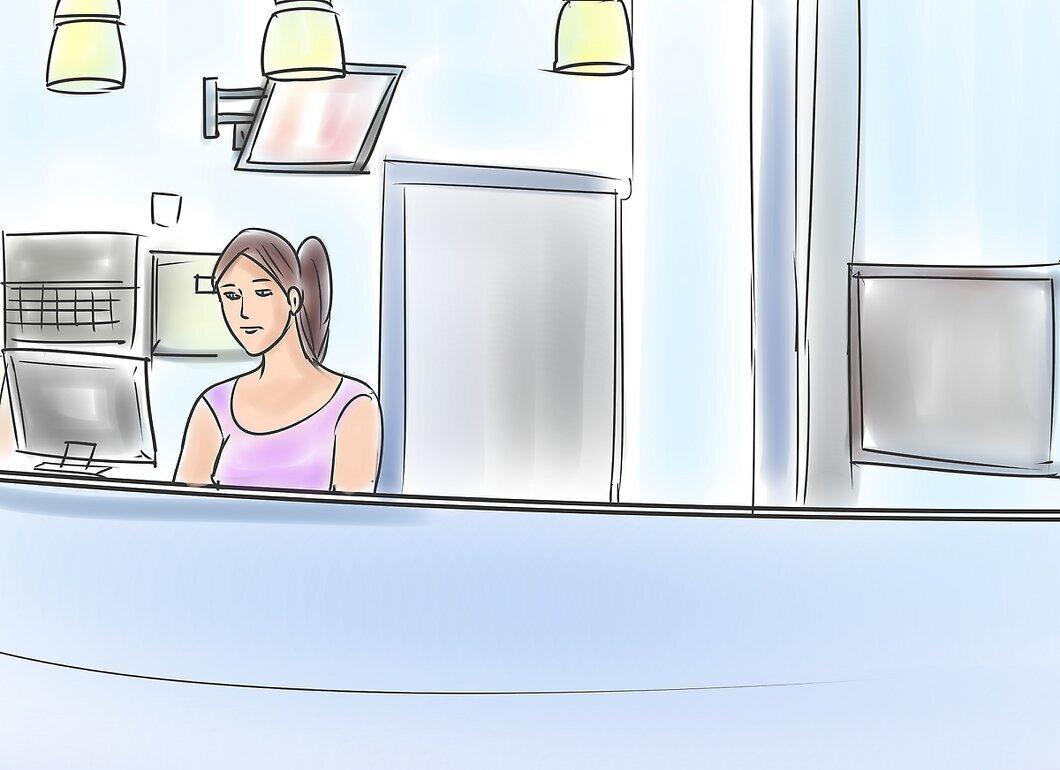
- The best option is to hire both locals and foreigners. If your hostel is simple, hire staff capable of performing various tasks. If your project is more complex, delegate responsibilities among staff in areas such as hostel management, guest reception, security, cleaning, cooking, etc.
Step 11. Register your hostel with international hostel organizations and booking platforms.
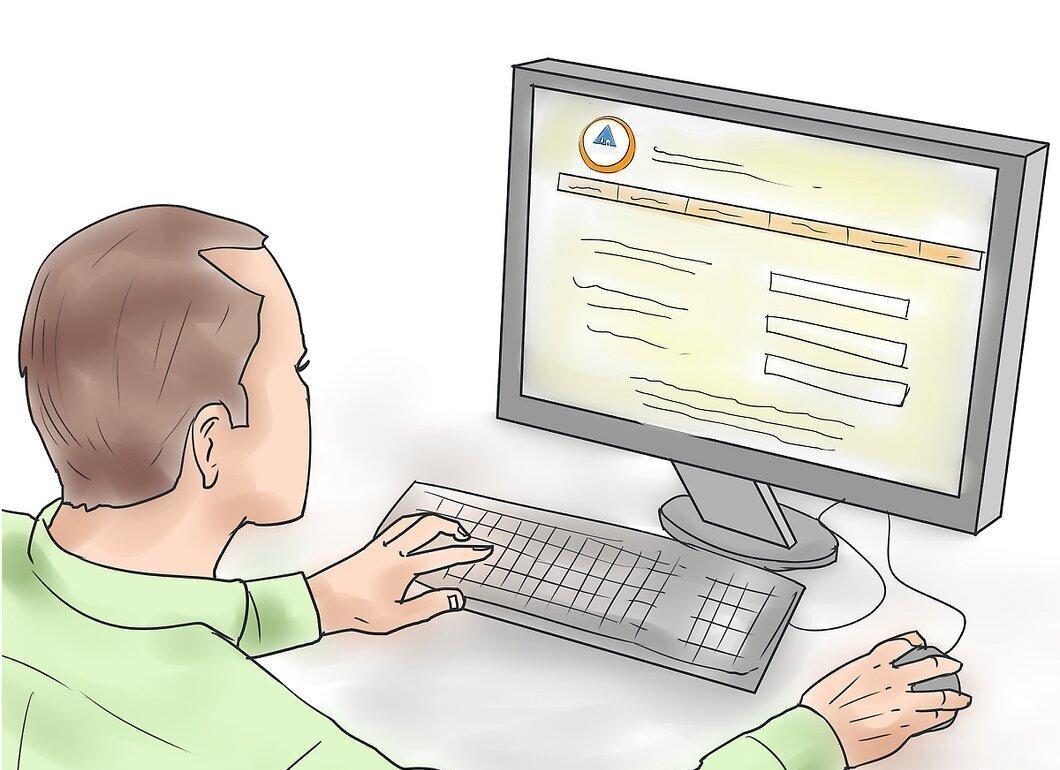
Register your hostel with international associations and on booking websites. Share information about your hostel on tourism resources in your area.
Step 12. Start welcoming your first guests ahead of the peak season.
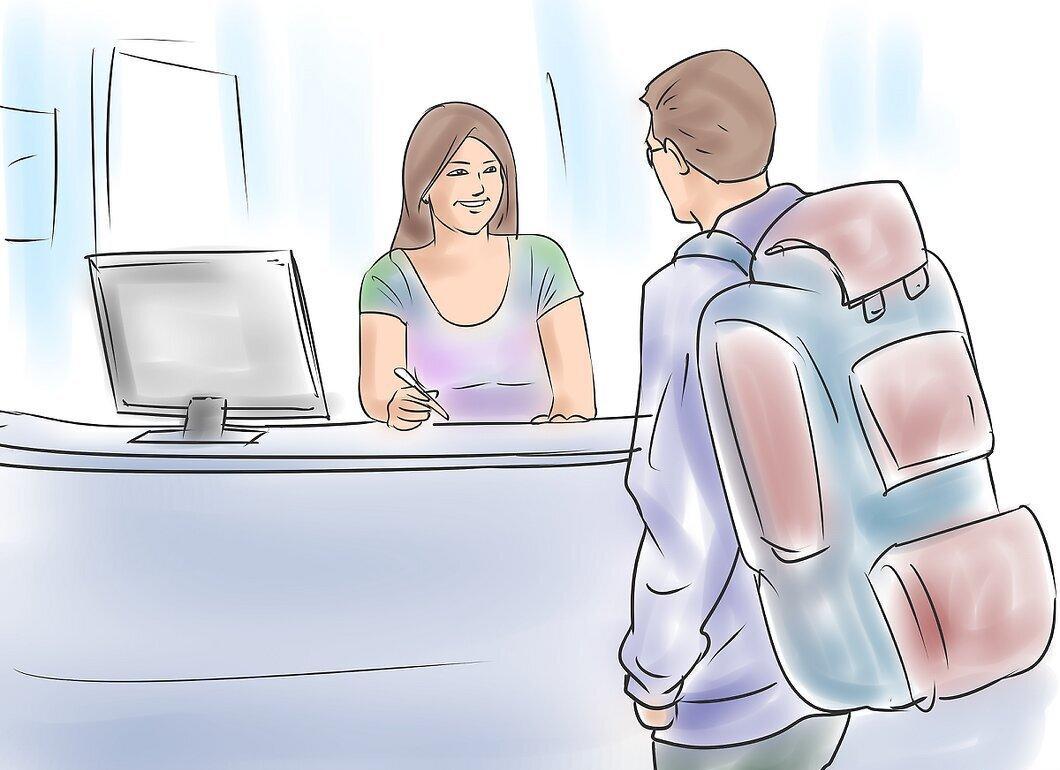
Open your hostel early, before the peak tourist season begins. This will allow you to address any potential issues before the influx of guests becomes overwhelming and quickly recoup your investments thanks to the increased number of tourists.