Traveling: How to Overcome the Fear of Flying
Traveling is a wonderful opportunity to explore new horizons, experience unique cultures, and savor delicious dishes. However, many people shy away from trips due to a fear of flying. Statistically, the likelihood of an accident on the ground is much higher than in the air, yet about 25% of individuals experience anxiety before takeoff.[1] X Information Source This anxiety can manifest as mild discomfort, such as stomach upset or insomnia, or it can be so severe that it prevents you from even booking a ticket. But by preparing in advance and applying a few calming techniques, you can significantly reduce your stress levels before traveling.
Prepare Emotionally
Step 1. Identify the Causes of Your Fear.
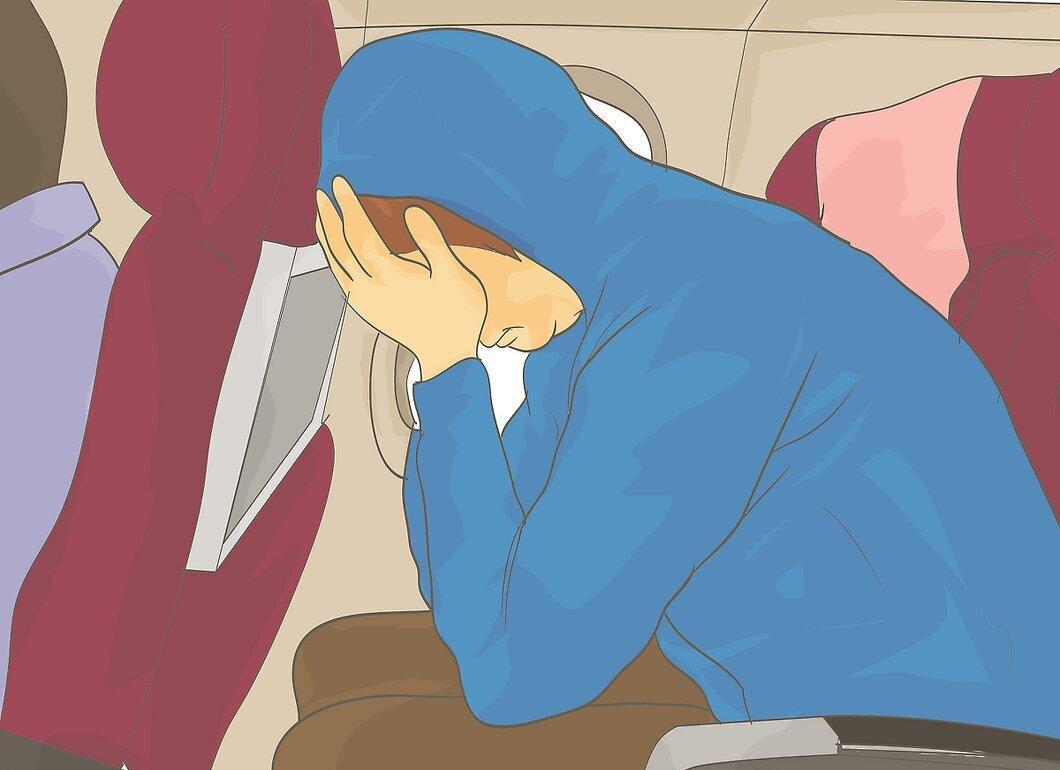
Pinpoint what exactly is causing your anxiety. Fear of flying can stem from various factors. Do you experience claustrophobia while on a plane? Are you worried about losing control? Do you feel comfortable until the plane hits turbulence? Or perhaps the anticipation of the flight causes more stress than the flight itself? Understanding the sources of your anxiety will help you find ways to address them.
Step 2. Learn Breathing Techniques.
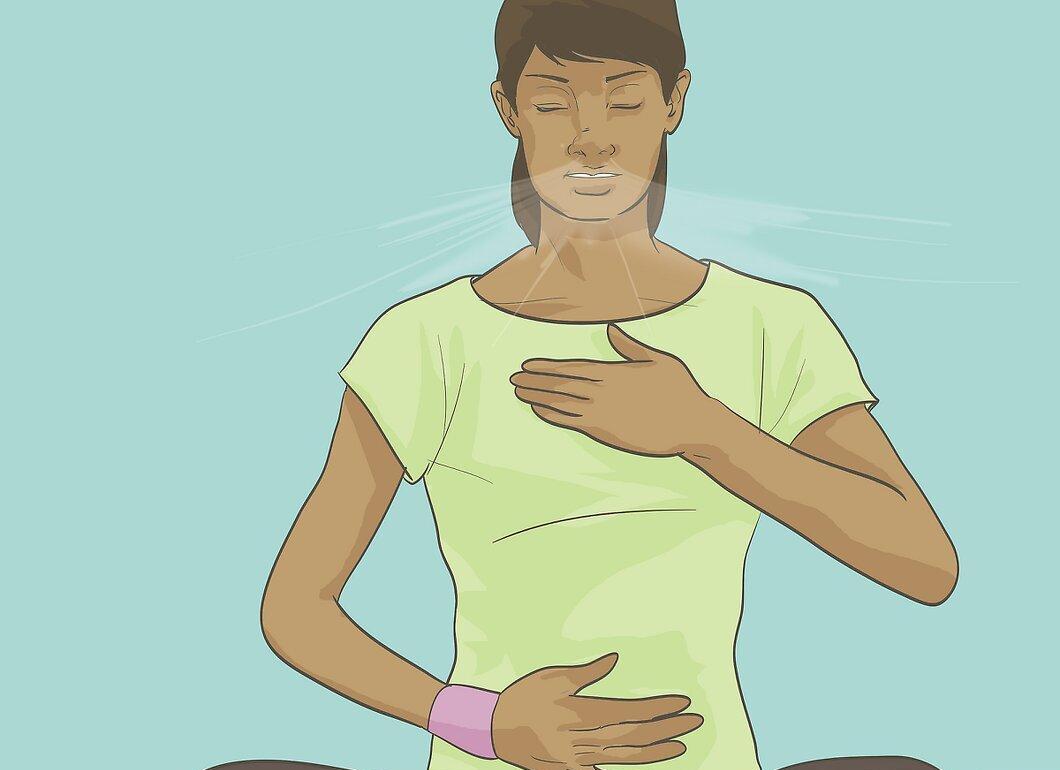
Practice breathing exercises. Once you purchase your ticket, start learning relaxing breathing practices. The more you practice them, the easier it will be to use them in stressful situations. A simple yet effective exercise is diaphragmatic (abdominal) breathing. Dedicate 10 minutes daily to this, preferably in the morning when your mind is still calm. Use these techniques in other stressful situations, such as before an important meeting or when things go awry in the kitchen. This will help you experience the benefits of these exercises long before the stressful moment of flying arrives!
- Place one hand on your abdomen and the other on your chest.
- Inhale through your nose, allowing your diaphragm to expand, counting to five (your chest should remain still).
- Exhale through your mouth, also counting to five, focusing on completely pushing the air out of your lungs.
- Repeat 6-10 times.
Step 3. Learn to Meditate.
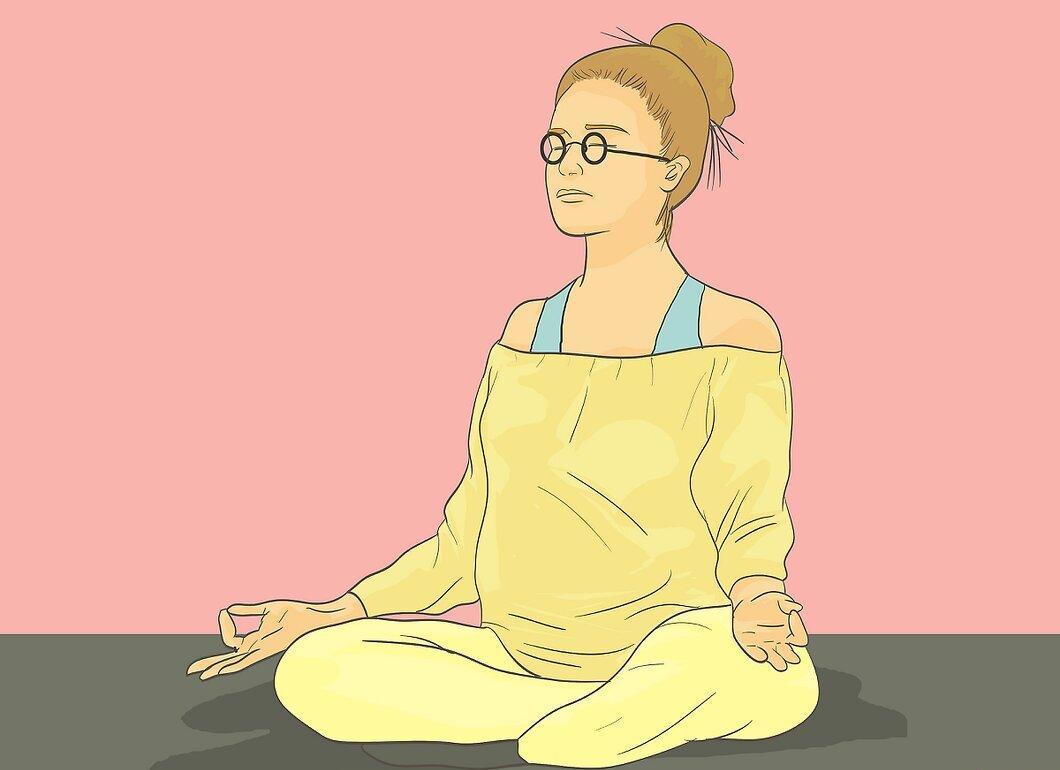
Get familiar with meditation. Fear of flying is often psychological rather than physical. Meditation helps you cope with these feelings. It allows you to recognize your anxieties and let them go. There are many meditation methods, but mindfulness and visualization techniques are particularly beneficial. Consider taking courses or using online tutorials to master these techniques.
- Mindfulness practice. This means learning to be present in the moment, not pushing away anxiety but accepting it and allowing yourself to release it.
- Visualization. When you find yourself in a panic-inducing situation, it can be helpful to picture yourself in a different place. Thus, when you are on the plane and start to feel anxious, visualization can help transport your mind to a safer, calmer 'happy place.'
Prepare Physically
Step 1. Create a To-Do List Before the Trip.
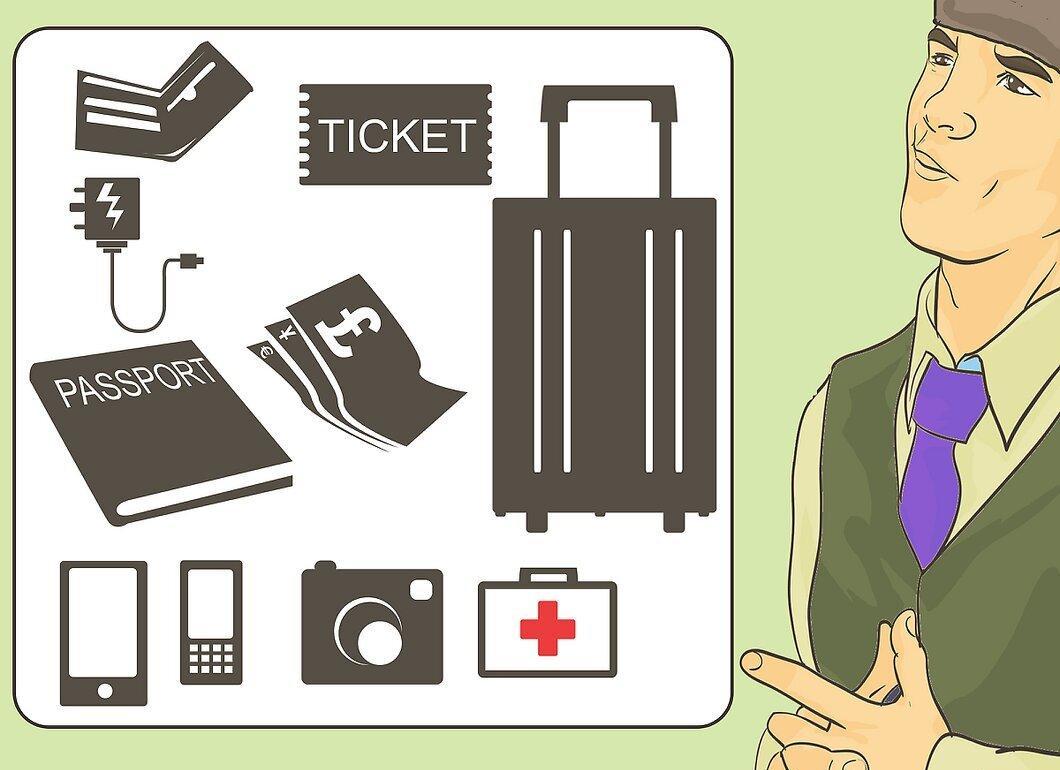
Make a list of essentials. Before you start packing your suitcase, check that you have everything you need. You don’t want to remember at the last minute that you forgot your wallet! The list will depend on the length of your trip and your destination, but here are a few items to get you started. Once you confirm everything is packed, place the items by the door so you won’t forget anything the next day. You will need:
- wallet;
- phone charger;
- passport and currency (if traveling abroad);
- clothing and shoes appropriate for your destination;
- medications;
- ticket (if possible, check in online in advance to avoid lines on the day of the flight).
Step 2. Prepare Your Carry-On.
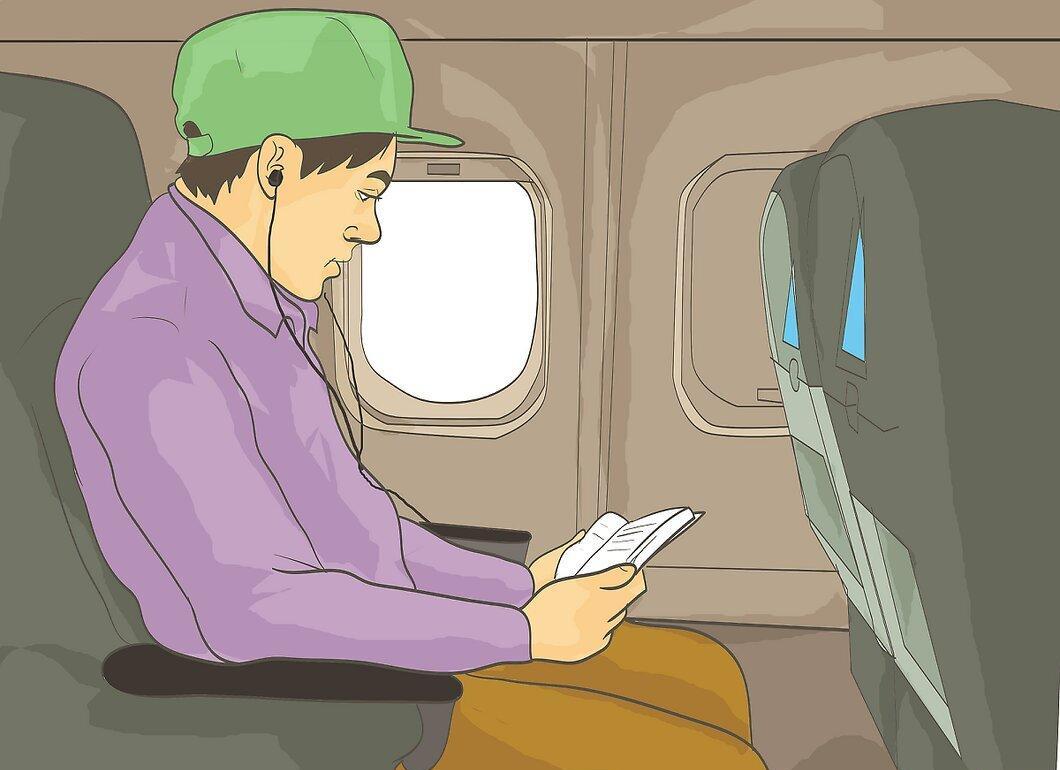
Pack your carry-on. Calculate your flight time and prepare a plan for entertainment during your time in the air. Reading books, solving crosswords, or watching movies are great ways to distract yourself. Keep in mind that electronic devices cannot be used during takeoff and landing (these are often the most stressful parts of the flight)!
Step 3. Set an Alarm.
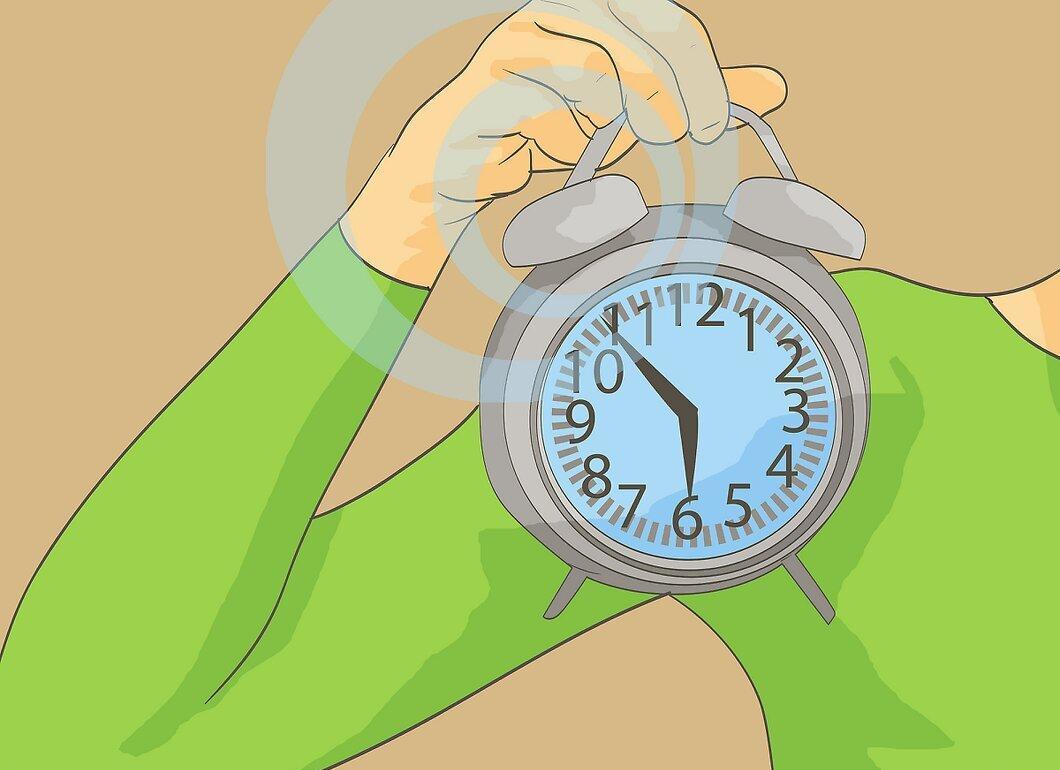
Set an alarm. If you have a morning flight, make sure you allow enough time to wake up, get ready, and travel to the airport. If you're flying in the afternoon or evening, set an alarm to remind you when it’s time to leave. Generally, it's recommended to arrive at the airport 60 minutes before domestic flights if you're not checking baggage, and 90 minutes if you are. For international flights, it’s best to arrive 2 hours before departure. If you're driving yourself, add an extra 30 minutes for travel time, as special buses or trains may be needed to reach the airport.
Step 4. Confirm Your Travel Plans to the Airport.
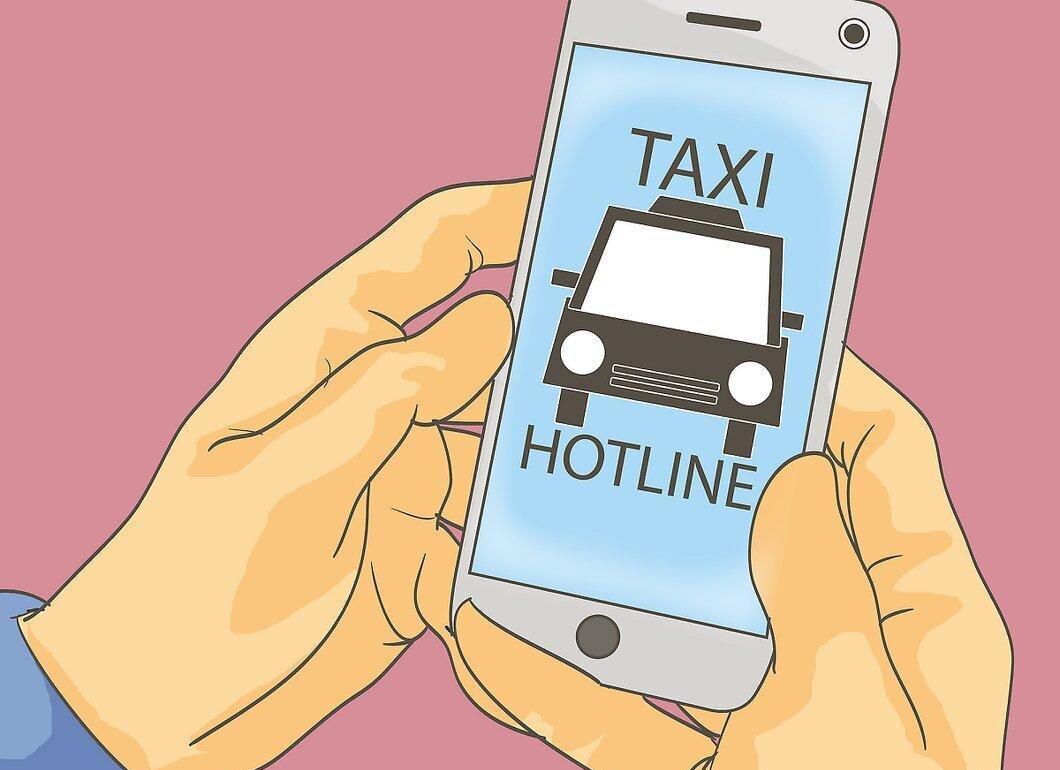
Check your plans for getting to the airport. If a friend is driving you, remind them of the time. If you’re ordering a taxi, call to confirm the booking the day before. If you're driving yourself, ensure you have enough fuel.
Travel Stress-Free
Step 1. Stick to Your Morning Routine.

Follow your usual morning routine. Have a cup of tea, make your bed, or do some light physical exercise. The closer you can replicate your morning ritual on the day of travel, the less stressful the day will be. Just remember to avoid excessive caffeine, as it can increase anxiety levels.
Step 2. Use the Restroom.
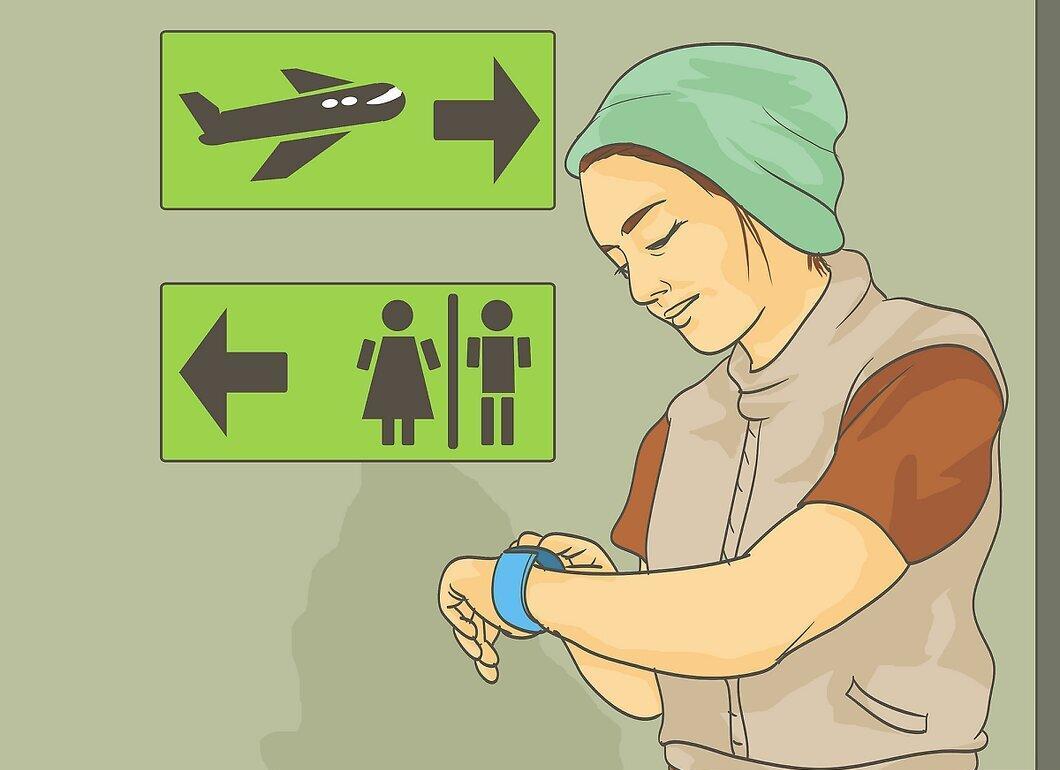
Visit the restroom. About ten minutes before boarding, try to use the restroom. Once you board, it will be at least 30 minutes before the plane reaches cruising altitude, and you’ll be able to move freely. If your fear is related to confined spaces, being able to avoid the tight airplane restroom will lower your stress levels.
Step 3. Communicate with Those Around You.
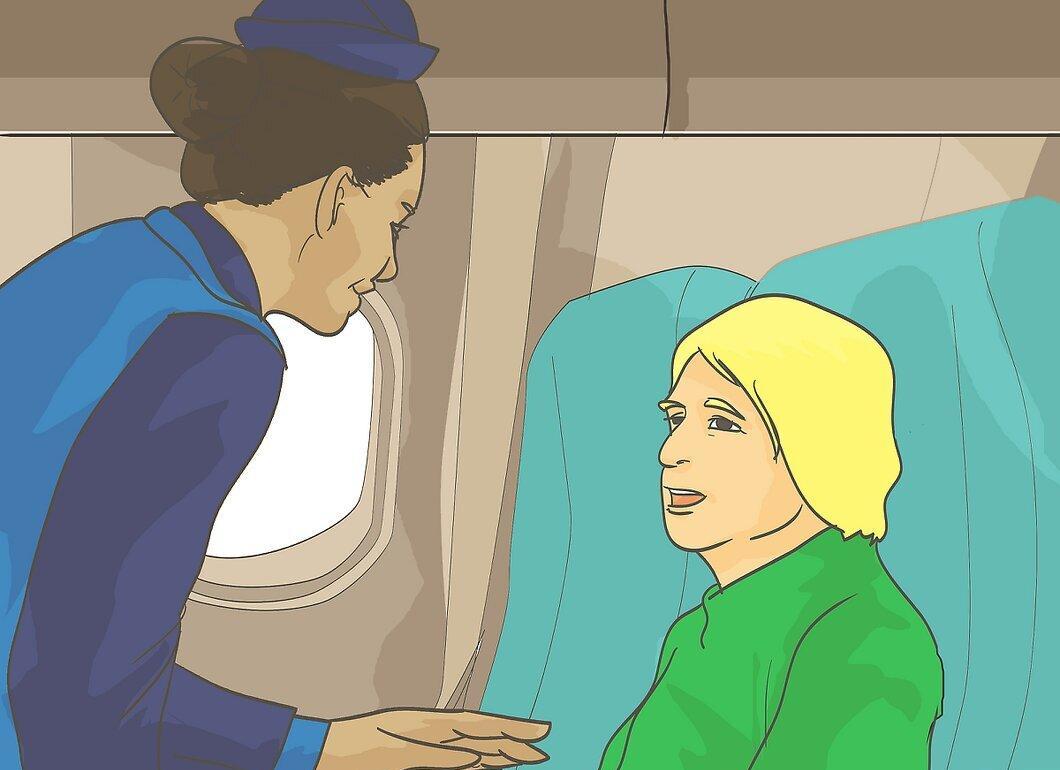
Talk to those around you. Let the flight attendant know about your anxiety or chat with your seatmate. You don’t need to delve into discussions about all the horrors of flying. Sometimes, simply sharing your feelings can make you feel better. Keep in mind that 25% of people also fear flying, and opening up can create a supportive atmosphere on board.
Step 4. Stay Calm.
Keep calm. Use the breathing and meditation techniques you’ve learned! Remember how to do deep abdominal breathing and meditation. Focus on these methods when you’re on the plane and whenever you feel tension rising. Don’t wait for panic to take hold; the best way to deal with anxiety is to prevent it from arising in the first place!
Step 5. Read a Book.
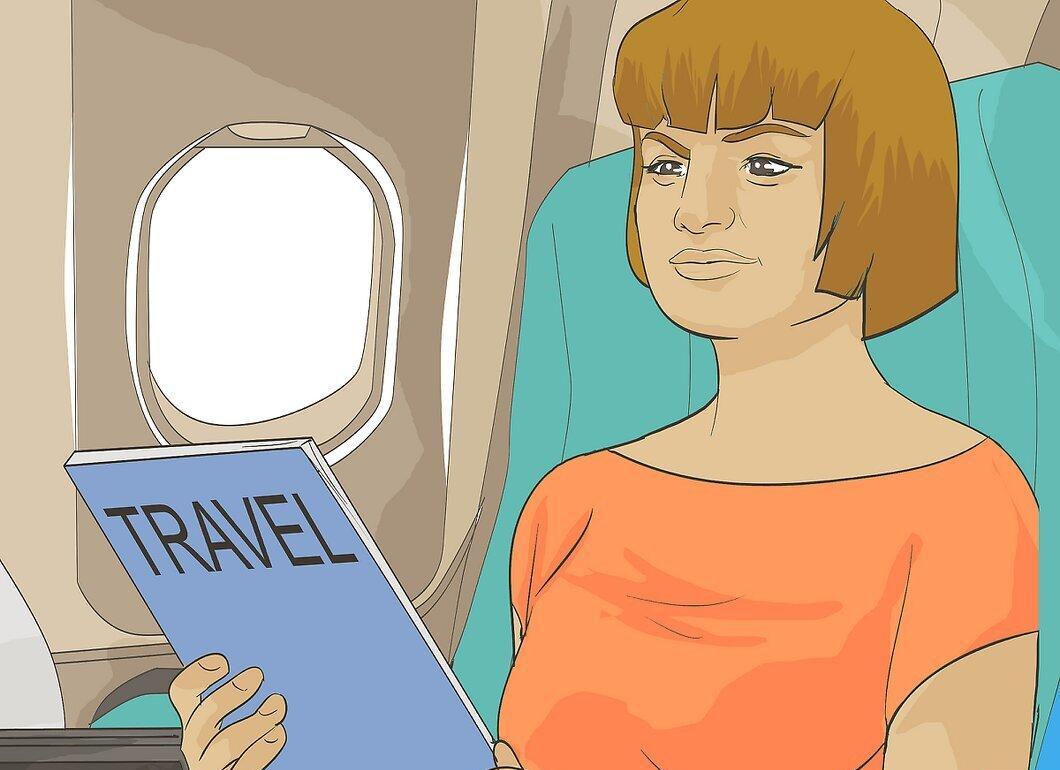
Read a book. Once you’re settled in your seat, take out a book and start reading. Choose an engaging piece in advance (perhaps from your favorite author). Begin reading a few days before the flight and stop at a cliffhanger. When you start reading during the flight, you’ll already be invested in the plot and more likely to focus on it.
Step 6. Listen to Music.
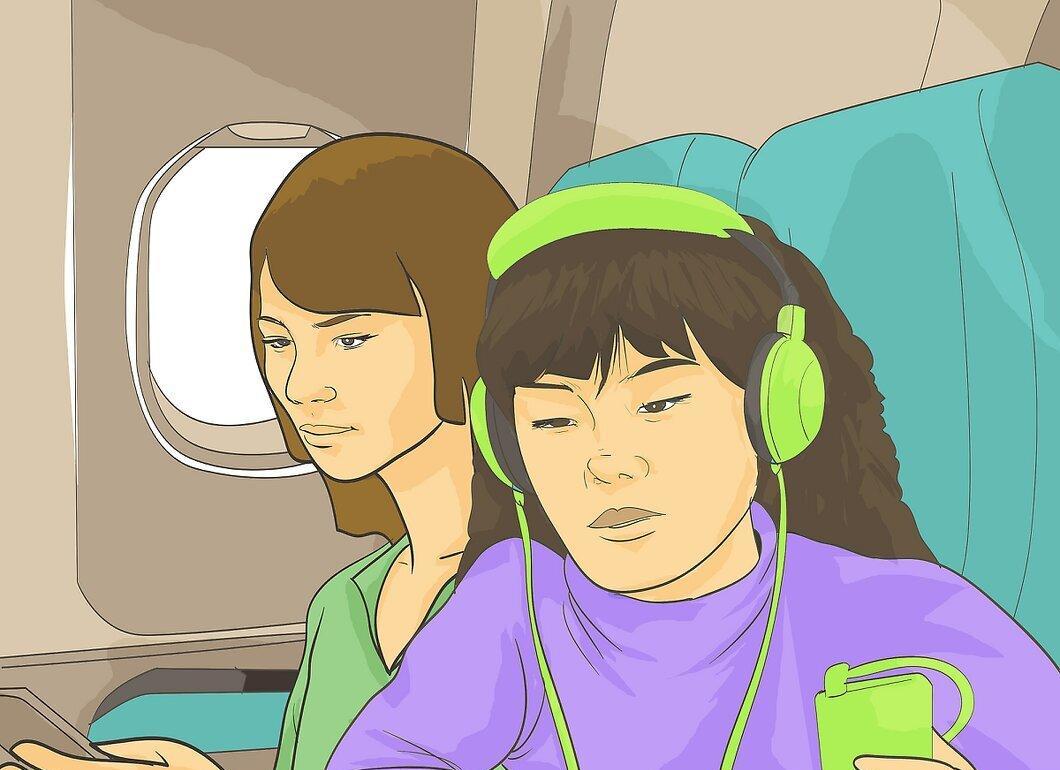
Listen to music. New regulations from some airlines allow the use of small electronic devices during takeoff and landing. Once the plane starts moving down the runway, take out your smartphone, iPod, or tablet. Before the flight, download a new album from your favorite artist or create a playlist of your favorite songs and listen to it during takeoff. Headphones will help block out noise and help you relax.
Step 7. Watch a Movie.
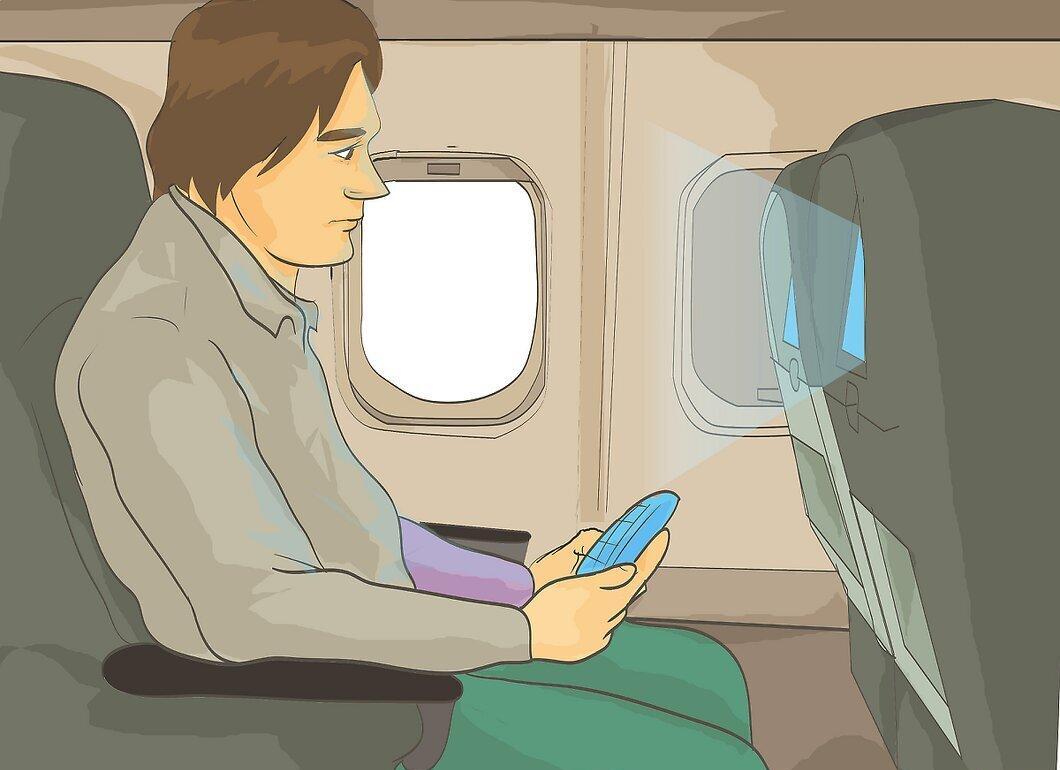
Watch a movie. Once the flight begins, you can pull out your laptop. An engaging film will help pass the time. Choose something new that you’ve been wanting to see or a favorite comedy that will lift your spirits.
Step 8. Stay Occupied.
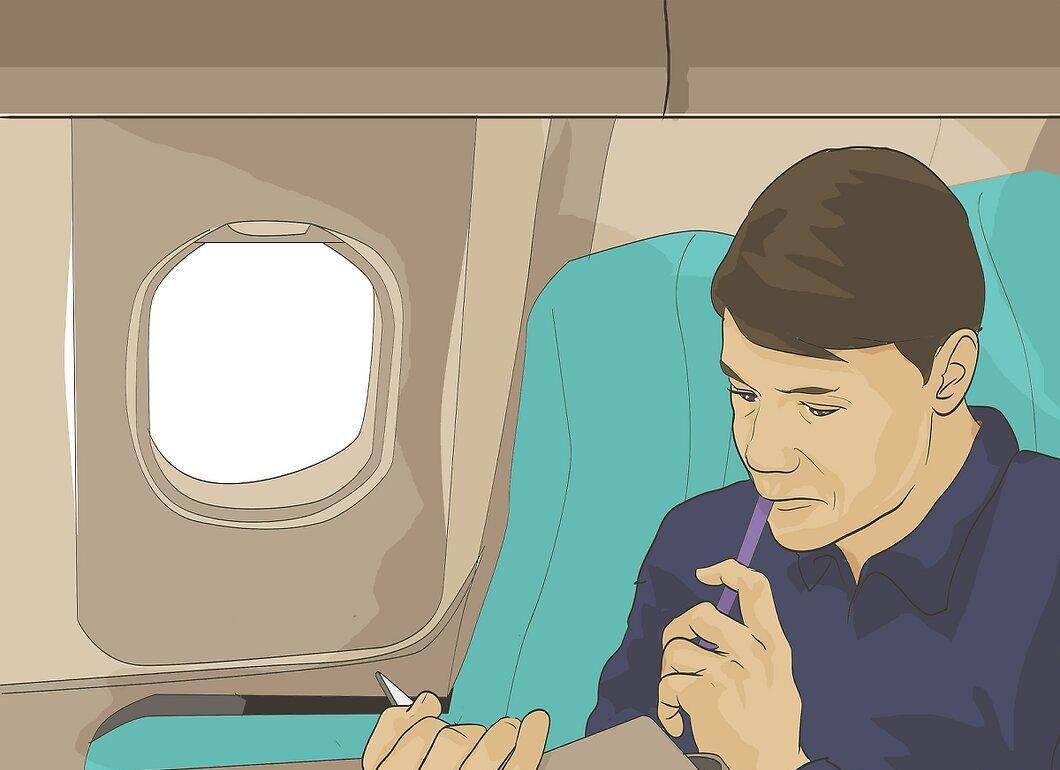
Don’t sit idle. During the flight, don’t let yourself get bored. Read, listen to music, play games, meditate, or watch series. Find an activity that will help distract you from anxious thoughts about flying!